



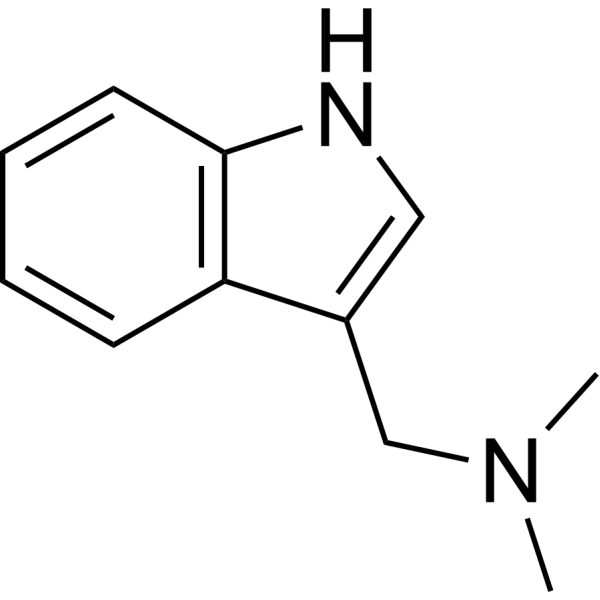
Gramine
Based on 5 publication(s) in Google Scholar
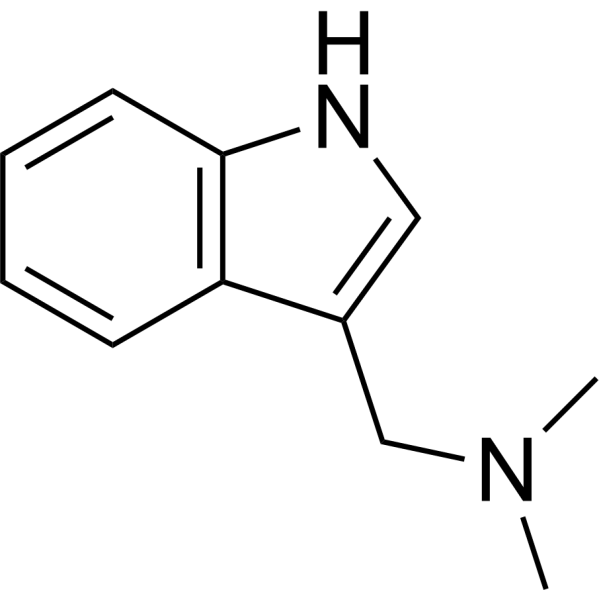
Gramine (Donaxine) is an alkaloid, acts as an active adiponectin receptor (AdipoR) agonist, with IC50s of 3.2 and 4.2 μM for AdipoR2 and AdipoR1, respectively. Gramine is also a human and mouse β2-Adrenergic receptor (β2-AR) agonist. Gramine (Donaxine) has anti-tumor, anti-viral and anti-inflammatory properties.
Nur für Forschungszwecke. Wir verkaufen nicht an Patienten.
- Reinheit : 99.80%
- CAS. Nr.: 87-52-5
- Formel: C11H14N2
- Molecular Weight:174.25
-
Speicherung:Powder -20°C, 3 years , 4°C, 2 years ; In solvent -80°C, 2 years , -20°C, 1 year

To place orders, for customer services and technical support, please contact: MedChemExpress USA
Tel: 609-228-6898 E-mail: [email protected] [email protected]


-
 Biologische Aktivität
-
Chemical Information
-
Lösungsmittel & Löslichkeit
- Protokoll
- Reinheit & Dokumentation
- Verweise
-
 Help & FAQs


-
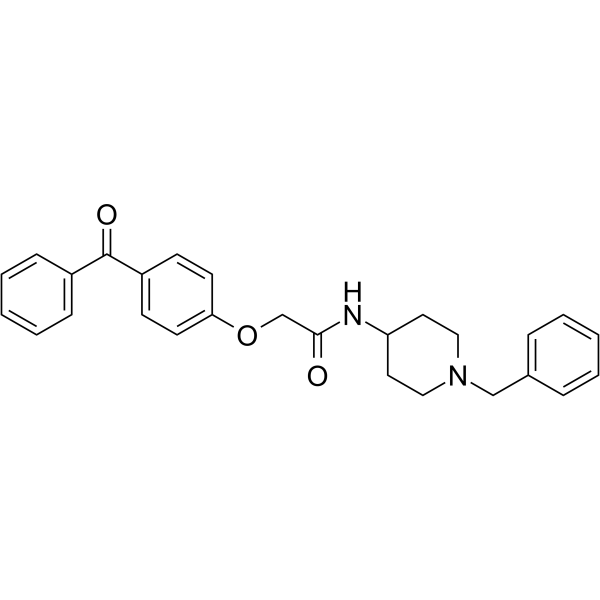
HY-15848
AdipoRonAdiponectin Receptor Agonist -
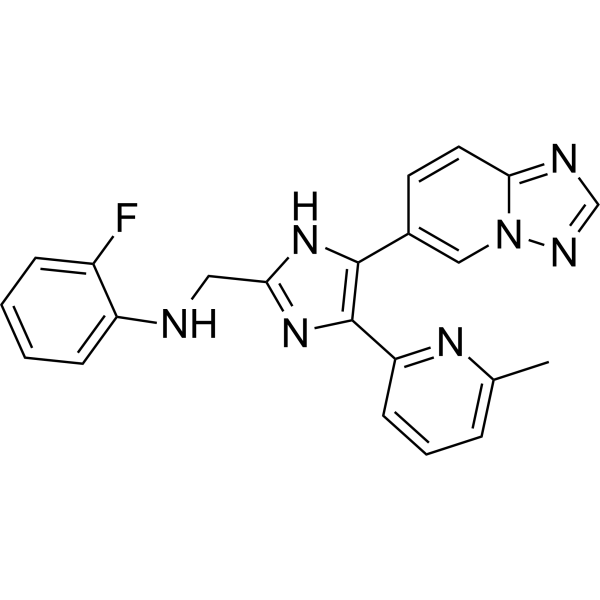
HY-19928
VactosertibALK5 Inhibitor -
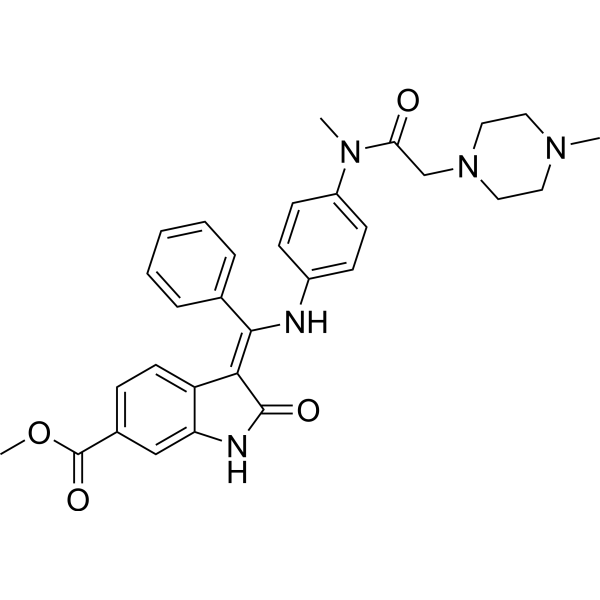
HY-50904
NintedanibPDGFR/VEGFR/FGFR Inhibitor -
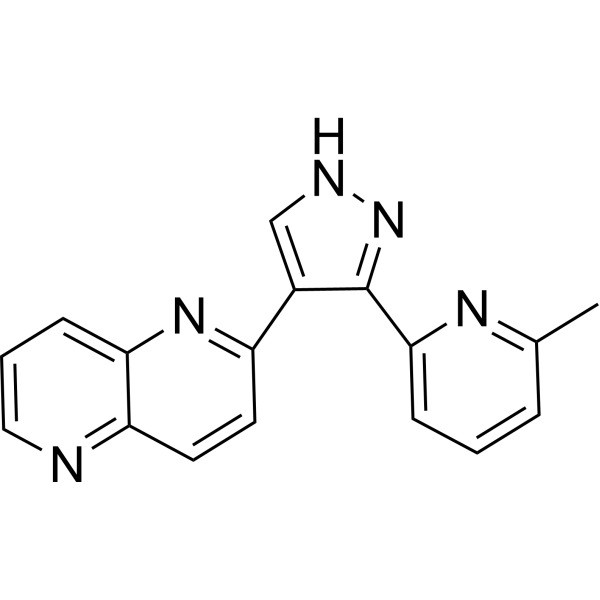
HY-13012
RepSoxTGFβR-1/ALK5 Inhibitor -
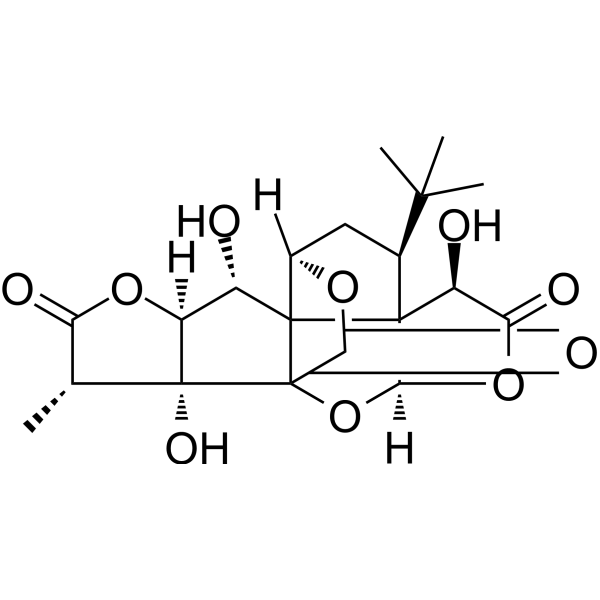
HY-N0784
Ginkgolide BPlatelet Activating Factor Antagonist -
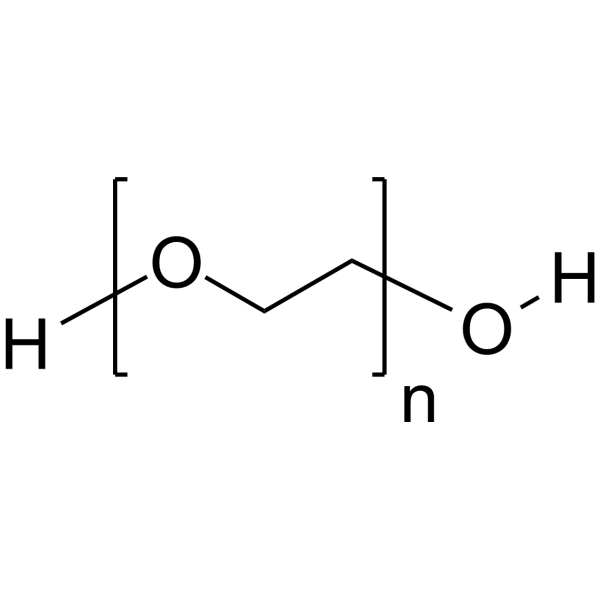
HY-Y0873
PEG300Neutral Polymer -
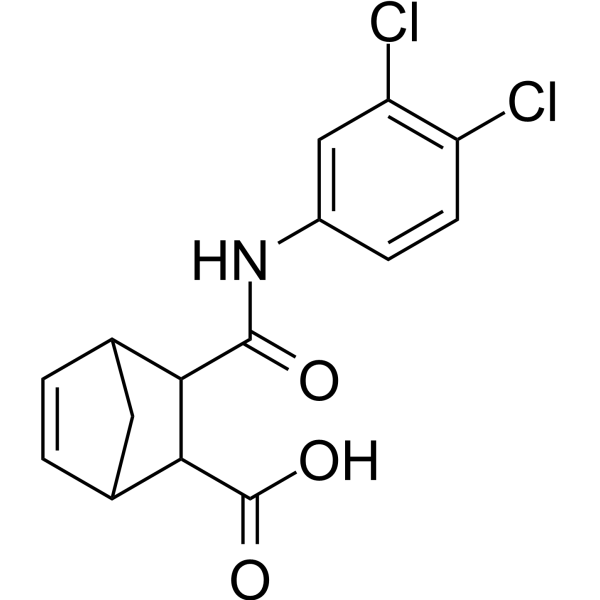
HY-107999
CADD522RUNX2-DNA binding inhibitor -
HY-15608
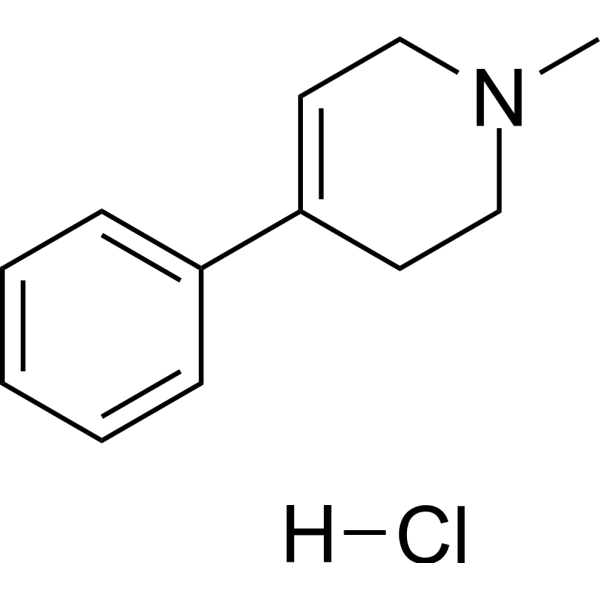
MPTP hydrochlorideDopaminergic Neurotoxin -
HY-160623
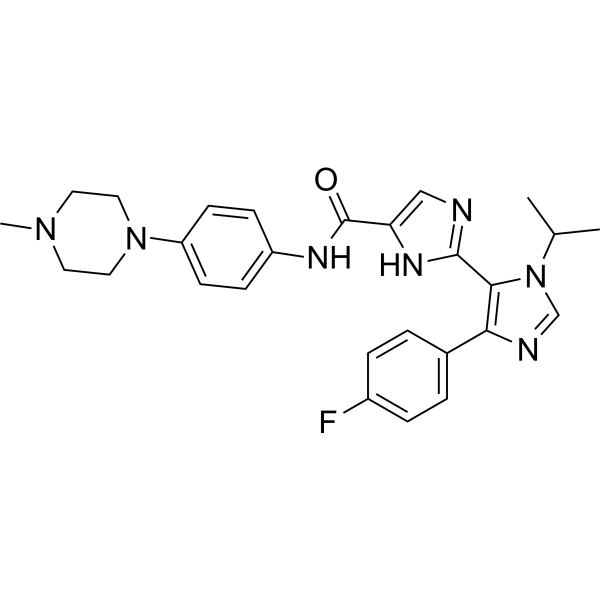
RentosertibTNIK/MAP4K4 Inhibitor -
HY-17510
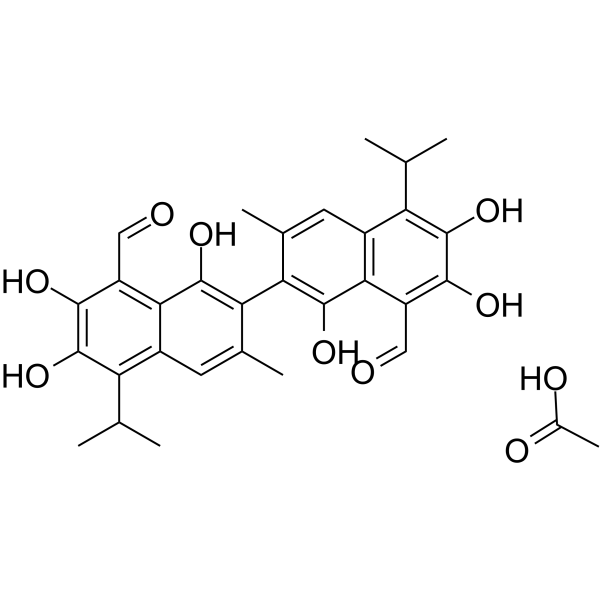
Gossypol (acetic acid)Anticancer Agent -
HY-19149
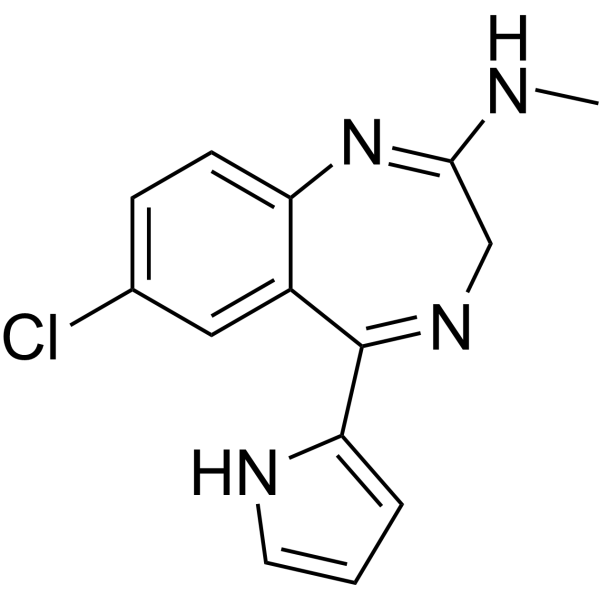
Ro24-7429Tat Antagonist -
HY-N0166R
Gramine (Standard)Standard of Gramine
Publications Citing Use of MedChemExpress (MCE) Gramine
More Customer Validation & Images

-
Cell Proliferation/Viability Assay
-
IF
-
Flow Cytometry
-
WB


Biologische Aktivität
Beschreibung
IC50 & Target
IC50: 3.2 µM (AdipoR2), 4.2 µM (AdipoR1)[1]
Cellular Effect
|
Cell Line

|
Type | Value | Description | References |
|---|---|---|---|---|
| BGC-823 | IC50 |
62.8 μg/mL
Compound: Gramine
|
Cytotoxicity against human BGC823 cells after 72 hrs by MTT assay
Cytotoxicity against human BGC823 cells after 72 hrs by MTT assay
|
[PMID: 22647218] |
| HepG2 | IC50 |
>100 μg/mL
Compound: Gramine
|
Cytotoxicity against human HepG2 cells after 72 hrs by MTT assay
Cytotoxicity against human HepG2 cells after 72 hrs by MTT assay
|
[PMID: 22647218] |
| NCI-H460 | IC50 |
74.5 μg/mL
Compound: Gramine
|
Cytotoxicity against human NCI-H460 cells after 72 hrs by MTT assay
Cytotoxicity against human NCI-H460 cells after 72 hrs by MTT assay
|
[PMID: 22647218] |
| SGC-7901 | IC50 |
77.3 μg/mL
Compound: Gramine
|
Cytotoxicity against human SGC7901 cells after 72 hrs by MTT assay
Cytotoxicity against human SGC7901 cells after 72 hrs by MTT assay
|
[PMID: 22647218] |
In Vitro
Gramine is an active adiponectin receptor (AdipoR) agonist, with IC50s of 3.2 and 4.2 μM for AdipoR2 and AdipoR1, respectively[1]. Gramine is a potential β2-AR agonist[2].
Gramine (20 μM to 1.2 nM) dose-dependently inhibits the growth of AdipoR1/adipoR2-positive cancer cell lines (MDA-MB-231 and MCF-7 cells), with IC50s of 9.6±0.9 and 0.1±0.1 μM, respectively[1].
MedChemExpress (MCE) has not independently confirmed the accuracy of these methods. They are for reference only.


Chemical Information
-
CAS. Nr. 87-52-5
-
Appearance Solid
-
Molecular Weight 174.25
-
Formel C11H14N2
-
Color White to off-white
-
SMILES
CN(C)CC1=CNC2=C1C=CC=C2
-
Synonyms
Donaxine
-
Structure Classification
-
Initial Source
-
Versand
Room temperature in continental US; may vary elsewhere.
-
Speicherung
Powder -20°C 3 years 4°C 2 years In solvent -80°C 2 years -20°C 1 year


Publications (5)
-
Journal Impact Factor
-
Most Recent
-
Phytomedicine
Gramine improves sepsis-induced myocardial dysfunction by binding to NF-κB p105 and inhibiting its ubiquitination. [Abstract]2024 Mar:125:155325. PMID: 38295663 -
ACS Omega
Identification of New Modulators and Inhibitors of Palmitoyl-Protein Thioesterase 1 for CLN1 Batten Disease and Cancer. [Abstract]2024 Feb 28;9(10):11870-11882. PMID: 38496939 -
Viruses
3-Indoleacetonitrile Is Highly Effective in Treating Influenza A Virus Infection In Vitro and In Vivo. [Abstract]2021 Jul 23;13(8):1433. PMID: 34452298
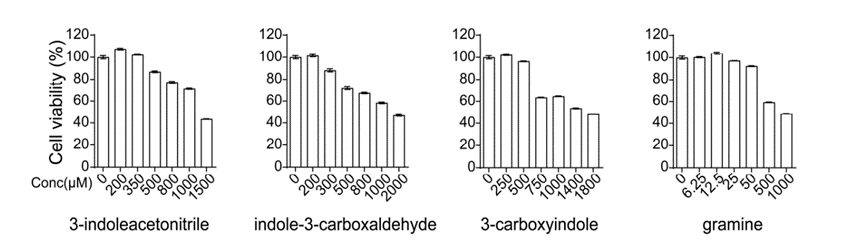
Gramine purchased from MedChemExpress. Usage Cited in: Viruses. 2021 Jul 23;13(8):1433. [Abstract]
549 cells were treated with 3-indoleacetonitrile, indole-3-carboxaldehyde, 3-carboxyindole, or Gramine (6.25, 12.5, 25, 50, 500, 1000 μM) using the indicated concentrations for 24 h. Then, the cell viability was measured by CCK-8.
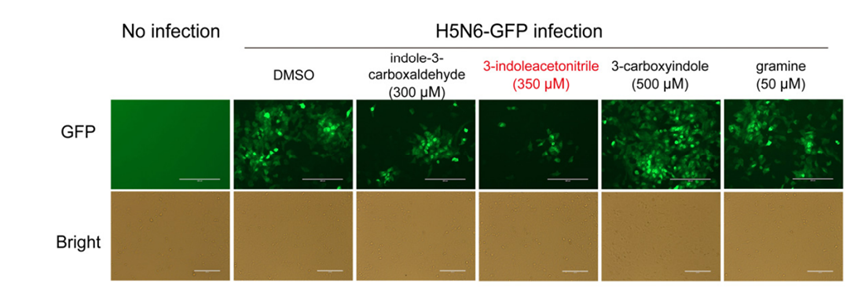
Gramine purchased from MedChemExpress. Usage Cited in: Viruses. 2021 Jul 23;13(8):1433. [Abstract]
The A549 cells were infected with the H5N6-GFP virus at an MOI of 0.005, followed by treatment with 3-indoleacetonitrile, indole-3-carboxaldehyde, 3-carboxyindole, and Gramine (50 μM) at indicated concentrations for 24 h. After that, the GFP intensity was acquired using fluorescence microscopy.
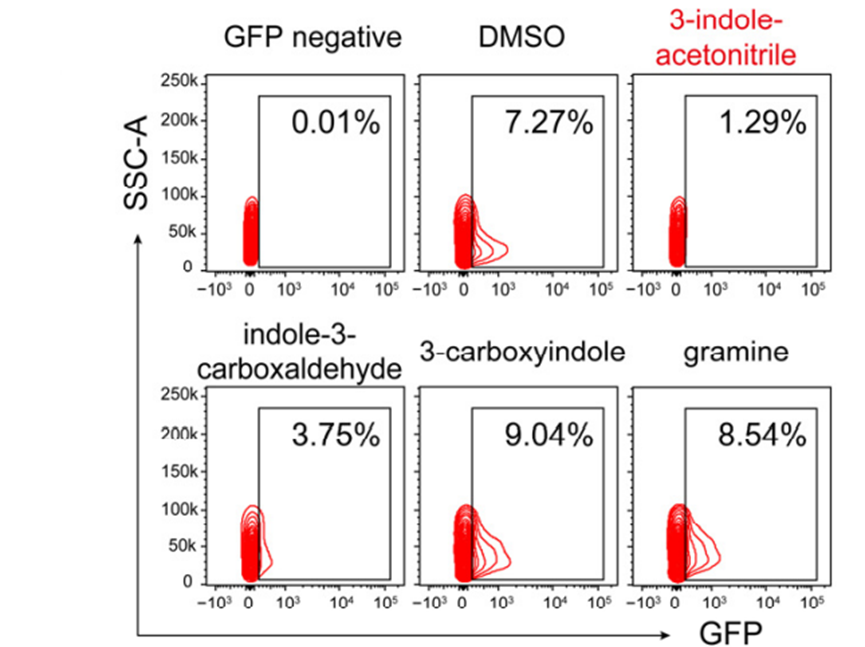
Gramine purchased from MedChemExpress. Usage Cited in: Viruses. 2021 Jul 23;13(8):1433. [Abstract]
The percentage of GFP-positive cells was calculated through flow cytometry treated with Gramine (50 μM).
Gramine purchased from MedChemExpress. Usage Cited in: Viruses. 2021 Jul 23;13(8):1433. [Abstract]
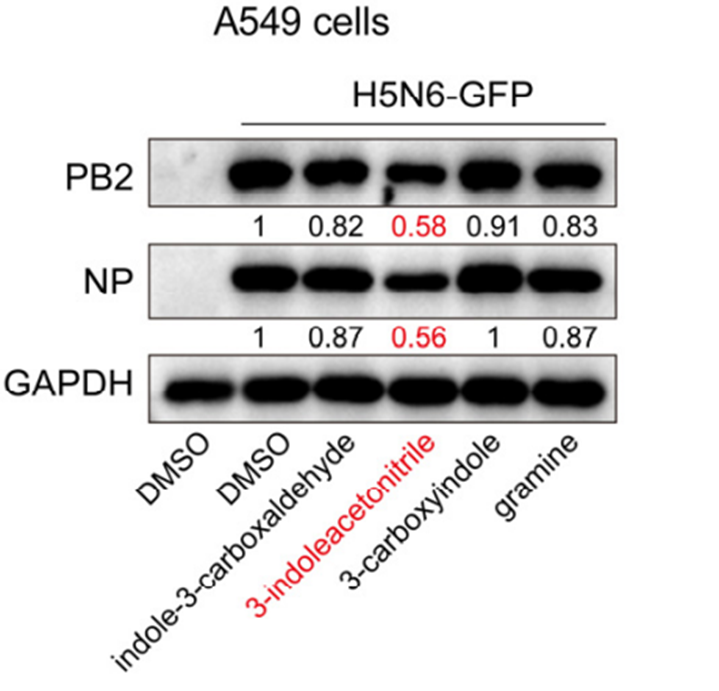
The viral PB2 and NP proteins were analyzed by Western blotting treated with Gramine (50 μM).
-
Vet Microbiol
The Chinese medicine monomer Schisandrin C inhibits PRRSV infection by regulating the OGT-PI3K/AKT/mTOR signaling pathway. [Abstract]2026 May:316:110992. PMID: 41865607 -


Lösungsmittel & Löslichkeit
In Vitro:
DMSO : ≥ 125 mg/mL (717.36 mM; Hygroscopic DMSO has a significant impact on the solubility of product, please use newly opened DMSO)
* "≥" means soluble, but saturation unknown.
Please refer to the solubility information to select the appropriate solvent. Once prepared, please aliquot and store the solution to prevent product inactivation from repeated freeze-thaw cycles.
Storage method and period of stock solution: -80°C, 2 years; -20°C, 1 year. When stored at -80°C, please use it within 2 years. When stored at -20°C, please use it within 1 year.
Please refer to the solubility information to select the appropriate solvent. Once prepared, please aliquot and store the solution to prevent product inactivation from repeated freeze-thaw cycles.
Storage method and period of stock solution: -80°C, 2 years; -20°C, 1 year. When stored at -80°C, please use it within 2 years. When stored at -20°C, please use it within 1 year.
Konzentration (Stammlösung) × Volumen (Stammlösung) = Konzentration (Ziellösung) × Volumen (Ziellösung)
In Vivo:
Select the appropriate dissolution method based on your experimental animal and administration route.
- For the following dissolution methods, please ensure to first prepare a clear stock solution using an In Vitro approach and then sequentially add co-solvents:
- To ensure reliable experimental results, the clarified stock solution can be appropriately stored based on storage conditions. As for the working solution for In Vivo experiments, it is recommended to prepare freshly and use it on the same day.
- The percentages shown for the solvents indicate their volumetric ratio in the final prepared solution. If precipitation or phase separation occurs during preparation, heat and/or sonication can be used to aid dissolution.
Add each solvent one by one: 10% DMSO 40% PEG300 5% Tween-80 45% Saline
Solubility: ≥ 2.08 mg/mL (11.94 mM); Clear solution
This protocol yields a clear solution of ≥ 2.08 mg/mL (saturation unknown).
Taking 1 mL working solution as an example, add 100 μL DMSO stock solution (20.8 mg/mL) to 400 μL PEG300, and mix evenly; then add 50 μL Tween-80 and mix evenly; then add 450 μL Saline to adjust the volume to 1 mL.
Preparation of Saline: Dissolve 0.9 g sodium chloride in ddH₂O and dilute to 100 mL to obtain a clear Saline solution.
Add each solvent one by one: 10% DMSO 90% (20% SBE-β-CD in Saline)
Solubility: ≥ 2.08 mg/mL (11.94 mM); Clear solution
This protocol yields a clear solution of ≥ 2.08 mg/mL (saturation unknown).
Taking 1 mL working solution as an example, add 100 μL DMSO stock solution (20.8 mg/mL) to 900 μL 20% SBE-β-CD in Saline, and mix evenly.
Preparation of 20% SBE-β-CD in Saline (4°C, storage for one week): 2 g SBE-β-CD powder is dissolved in 10 mL Saline, completely dissolve until clear.
In Vivo Dissolution Calculator
Please enter the basic information of animal experiments:
-
-
-
-
Recommended: Prepare an additional quantity of animals to account for potential losses during experiments.
Please enter your animal formula composition:
-
%DMSO +
Recommended: Keep the proportion of DMSO in working solution below 2% if your animal is weak.
-
%+
-
+%Tween-80 + +
-
%Saline +
The co-solvents required include: DMSO, . All of co-solvents are available by MedChemExpress (MCE). , Tween 80. All of co-solvents are available by MedChemExpress (MCE).
Working solution concentration: 0.22 mg/mL
Method for preparing stock solution: mg drug dissolved in μL DMSO. Stock solution concentration: mg/mL.
1. Take μL DMSO stock solution;
2. Add μL .
μL , mix evenly;
3. Then add μL Tween 80, mix evenly;
4. Then add μL
Please ensure that the stock solution in the first step is dissolved to a clear state, and add co-solvents in sequence. You can use ultrasonic heating (ultrasonic cleaner, recommended frequency 20-40 kHz), vortexing, etc. to assist dissolution.


Reinheit & Dokumentation
-
Data Sheet (278 KB)
-
SDS (393 KB)
- English - EN (393 KB)
- Français - FR (393 KB)
- Deutsch - DE (393 KB)
- Norwegian - NO (393 KB)
- Español - ES (393 KB)
- Swedish - SV (393 KB)
- Italian - IT (393 KB)
- Korean - KR (393 KB)
- Portuguese - PT (393 KB)
-
Handling Instructions (2659 KB)
Verweise
[1]. Sun Y, et al. Identification of adiponectin receptor agonist utilizing a fluorescence polarization based high throughput assay. PLoS One. 2013 May 14;8(5):e63354. [Content Brief]
[2]. Chikazawa M, et al. Identification of Functional Food Factors as β2-Adrenergic Receptor Agonists and Their Potential Roles in Skeletal Muscle. J Nutr Sci Vitaminol (Tokyo). 2018;64(1):68-74. [Content Brief]


Complete Stock Solution Preparation Table
Please refer to the solubility information to select the appropriate solvent. Once prepared, please aliquot and store the solution to prevent product inactivation from repeated freeze-thaw cycles.
Storage method and period of stock solution: -80°C, 2 years; -20°C, 1 year. When stored at -80°C, please use it within 2 years. When stored at -20°C, please use it within 1 year.
| Optional Solvent | Concentration Solvent Mass | 1 mg | 5 mg | 10 mg | 25 mg |
|---|---|---|---|---|---|
| DMSO | 1 mM | 5.7389 mL | 28.6944 mL | 57.3888 mL | 143.4720 mL |
| 5 mM | 1.1478 mL | 5.7389 mL | 11.4778 mL | 28.6944 mL | |
| 10 mM | 0.5739 mL | 2.8694 mL | 5.7389 mL | 14.3472 mL | |
| 15 mM | 0.3826 mL | 1.9130 mL | 3.8259 mL | 9.5648 mL | |
| 20 mM | 0.2869 mL | 1.4347 mL | 2.8694 mL | 7.1736 mL | |
| 25 mM | 0.2296 mL | 1.1478 mL | 2.2956 mL | 5.7389 mL | |
| 30 mM | 0.1913 mL | 0.9565 mL | 1.9130 mL | 4.7824 mL | |
| 40 mM | 0.1435 mL | 0.7174 mL | 1.4347 mL | 3.5868 mL | |
| 50 mM | 0.1148 mL | 0.5739 mL | 1.1478 mL | 2.8694 mL | |
| 60 mM | 0.0956 mL | 0.4782 mL | 0.9565 mL | 2.3912 mL | |
| 80 mM | 0.0717 mL | 0.3587 mL | 0.7174 mL | 1.7934 mL | |
| 100 mM | 0.0574 mL | 0.2869 mL | 0.5739 mL | 1.4347 mL |


Gramine Related Classifications
HY-N0166 Related Classifications
 Powered by Bioz