20 Results for "

modules

" in MedChemExpress (MCE) Product Catalog:
Products (20)

20 Results for "modules" in MCE Product Catalog:

1
1 Cited Publications
Art. -Nr.: HY-100538
CAS. Nr.: 1809784-29-9
Reinheit:  99.56%
Target:  

DNA/RNA Synthesis JAK

Forschungsgebiete:  

Cancer

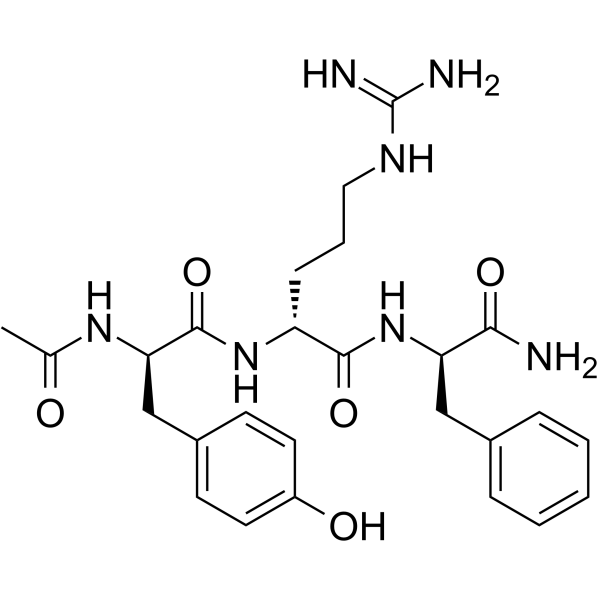
DTP3 TFA is a potent and selective GADD45β/MKK7 inhibitor. DTP3 TFA targets an essential, cancer-selective cell-survival module downstream of the NF-κB pathway .
1
1 Cited Publications
Art. -Nr.: HY-156395
CAS. Nr.: 3044099-90-0
Reinheit:  98.05%
Target:  

E1/E2/E3 Enzyme

Forschungsgebiete:  

Others

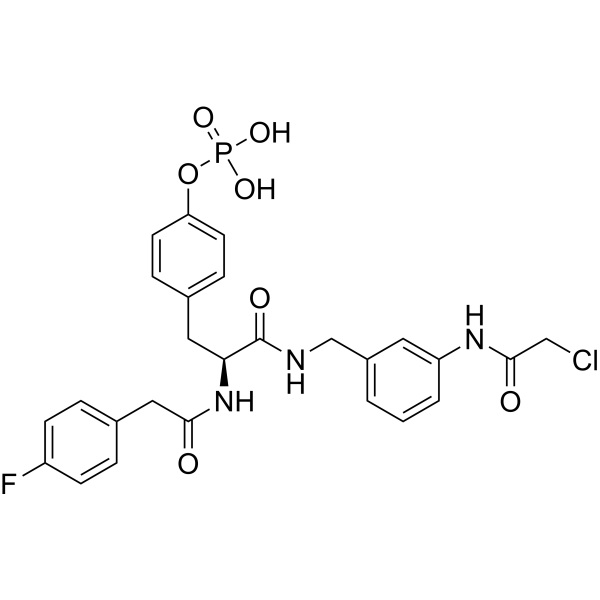
MN551 is a covalent modulator of SOCS2 and CISH, with selectivity for SOCS2 and CISH over SOCS4. MN551 covalently modifies Cys111 in the SH2 domain of SOCS2 and Cys144 in the EF loop of the CISH SH2 domain, while only minimally modifying Cys471 in the BG loop of the SOCS6 SH2 domain. MN551 increases the thermal stability of the recombinant SOCS2-ElonginB-ElonginC complex and competitively blocks the binding of SOCS2 to its substrate; when delivered via the prodrug MN714, it blocks the intracellular recruitment of substrates by SOCS2. MN551 can serve as a chemical probe for investigating the biological functions of SOCS2 and its CRL5 complex, and also act as an E3 ligase-binding module in proteolysis-targeting chimeras (PROTACs) .
1
1 Cited Publications
Art. -Nr.: HY-100538A
CAS. Nr.: 2759216-46-9
Reinheit:  98.00%
Target:  

DNA/RNA Synthesis JNK

Forschungsgebiete:  

Cancer

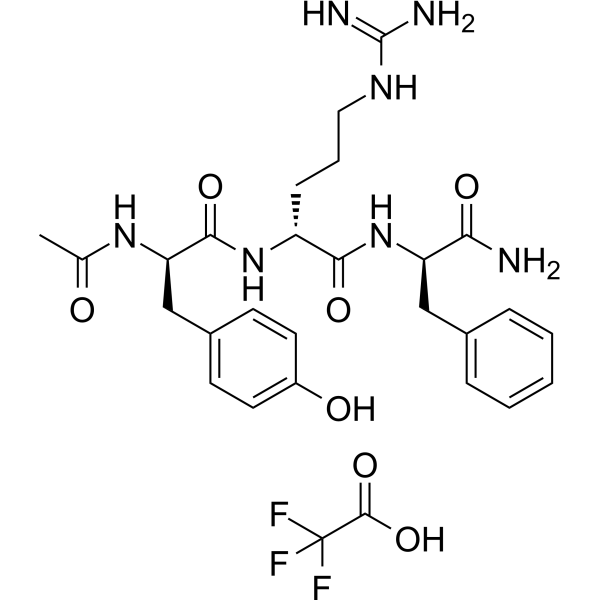
DTP3 TFA is a potent and selective GADD45β/MKK7 (growth arrest and DNA-damage-inducible β/mitogen-activated protein kinase kinase 7) inhibitor. DTP3 TFA targets an essential, cancer-selective cell-survival module downstream of the NF-κB pathway .
Art. -Nr.: HY-153552A
CAS. Nr.: 2990021-73-1
Reinheit:  99.89%
Target:  

FAP

Forschungsgebiete:  

Cancer

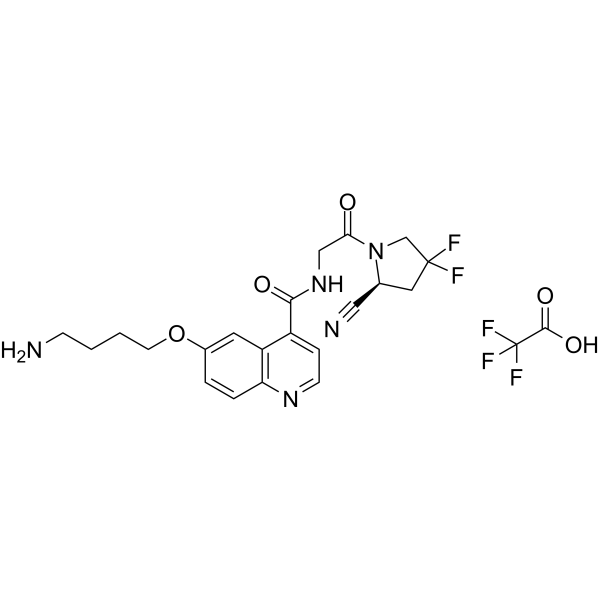
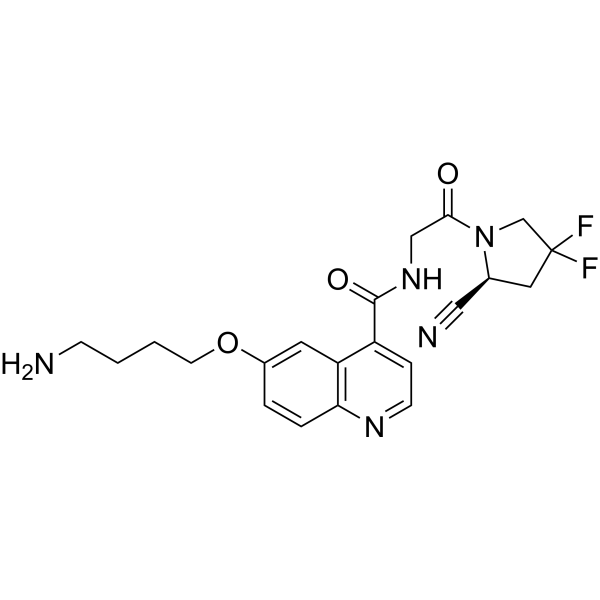
NH2-UAMC1110 TFA is an aminobutoxy derivative of the fibroblast activation protein (FAP) inhibitor UAMC1110 (HY-100684), and is a precursor compound for the synthesis of FAP inhibitor probes, not directly used in bioactivity experiments. For example, NH2-UAMC1110 TFA is involved in the synthesis of the radiotracer FAPI-QS, which exhibits high tumor selectivity and high dose effect, and has been used in tumor diagnosis. NH2-UAMC1110 TFA structurally incorporates an active amino group, allowing it to form covalent bonds with various molecules (such as DOTA, DATA5m, radionuclide chelators, etc.) to synthesize molecular imaging probes or targeted compounds with the ability to target FAP. NH2-UAMC1110 TFA specifically binds to the FAP active site, inhibiting its proline-selective serine protease activity (including dipeptidyl peptidase and endopeptidase activity), blocking FAP-mediated tissue remodeling-related processes. Its key activity is high targeting and high affinity, and its core function is to act as a targeting module coupled with bifunctional chelators (such as DOTA, DATA5m). NH2-UAMC1110 TFA can be applied to diagnostic imaging studies of tumors expressing FAP (such as colorectal cancer, pancreatic cancer, etc.), and also provides molecular tools for targeted research of FAP-related diseases with high FAP expression, such as fibrosis and arthritis .
Art. -Nr.: HY-153552
CAS. Nr.: 2758337-19-6
Target:  

FAP

Forschungsgebiete:  

Cancer

NH2-UAMC1110 is an aminobutoxy derivative of the fibroblast activation protein (FAP) inhibitor UAMC1110 (HY-100684), and is a precursor compound for the synthesis of FAP inhibitor probes, not directly used in bioactivity experiments. For example, NH2-UAMC1110 is involved in the synthesis of the radiotracer FAPI-QS, which exhibits high tumor selectivity and high dose-response, and has been used for tumor diagnosis. NH2-UAMC1110 introduces an active amino group into its structure, enabling it to form covalent bonds with various molecules (such as DOTA, DATA5m, radionuclide chelators, etc.), thereby synthesizing molecular imaging probes or targeted compounds with the ability to target FAP. NH2-UAMC1110 specifically binds to the FAP active site, inhibiting its proline-selective serine protease activity (including dipeptidyl peptidase and endopeptidase activity), blocking FAP-mediated tissue remodeling processes. Its key activity is high targeting and high affinity, and its core function is to be coupled with bifunctional chelators (such as DOTA, DATA5m) as a targeting module. NH2-UAMC1110 can be applied to diagnostic imaging studies of tumors expressing FAP (such as colorectal cancer, pancreatic cancer, etc.), and also provides molecular tools for targeted research of FAP-related diseases with high FAP expression, such as fibrosis and arthritis .
Art. -Nr.: HY-W250126
CAS. Nr.: 24937-78-8
Synonyms: Poly(ethylene-co-vinyl acetate)
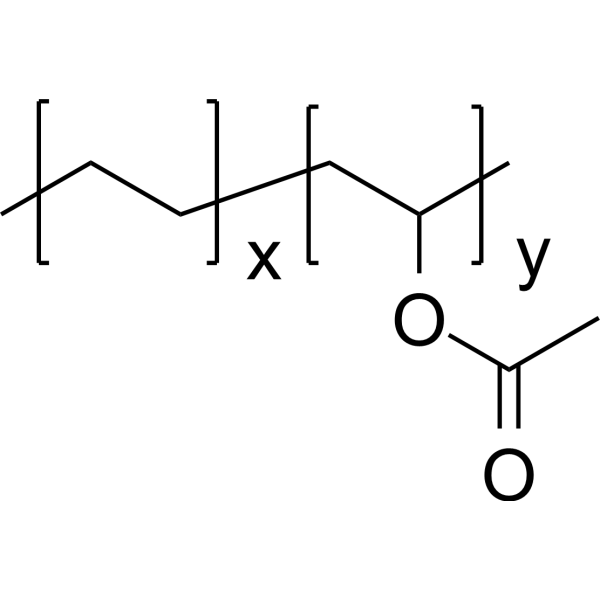
Ethylene-vinyl acetate copolymer (Poly(ethylene-co-vinyl acetate)) is an encapsulant. Ethylene-vinyl acetate copolymer is cross-linked by a thermally activated reaction with peroxides. Ethylene-vinyl acetate copolymer can be used for encapsulation of photovoltaic modules .
Art. -Nr.: HY-W130236
CAS. Nr.: 4569-86-2
Target:  

Cholinesterase (ChE)

Forschungsgebiete:  

Cancer

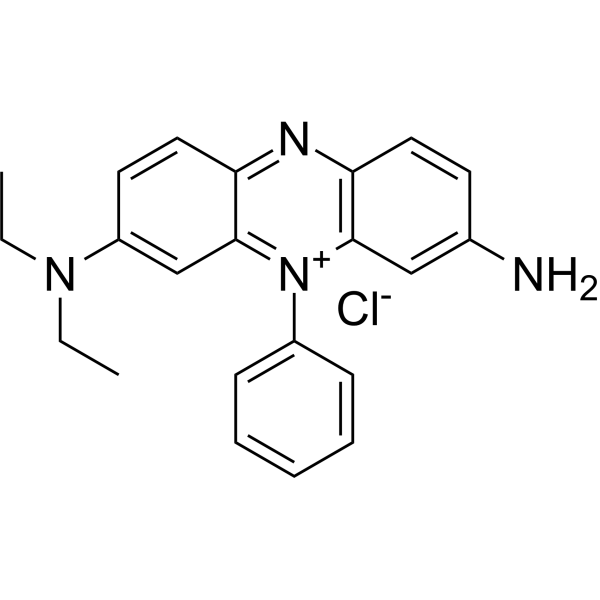
Methylene Violet 3RAX is a phenazine dye to stain the mitochondria of cells. Methylene Violet 3RAX can change the molecular structure of DNA, undermine the module of DNA, and induce the generation of the reactive singlet oxygen. Methylene Violet 3RAX shows inhibition for human erythrocyte AChE and human plasma BChE with an Kis of 1.58, 0.51 μM, respectively. Methylene Violet 3RAX has the potential for the research of potential photosensitizers for mitochondrial targeting action in PDT (photodynamic therapy) .
Art. -Nr.: HY-W006886
CAS. Nr.: 945212-26-0
Forschungsgebiete:  

Others

Fmoc-(R)-2-(7-octenyl) Ala-OH is an unnatural Fmoc-protected amino acid and modification module. Fmoc-(R)-2-(7-octenyl) Ala-OH serves as a key building block for all-hydrocarbon cross-linking modification of antimicrobial peptides, and facilitates the generation of stapled peptide derivatives. When introduced into specific sites of the parent peptide, Fmoc-(R)-2-(7-octenyl) Ala-OH effectively increases the α-helix content of the peptide chain, thereby significantly enhancing its antimicrobial activity and proteolytic stability. Fmoc-(R)-2-(7-octenyl) Ala-OH is widely used in research on bacterial infections and the development of related antimicrobial agents . Stapled peptide is a specially chemically modified polypeptide. It locks the peptide chain into a stable α-helical structure by introducing a "staple"-like chemical bridge (usually an all-carbon backbone) at specific positions of the peptide chain.
Art. -Nr.: HY-175397
Synonyms: DFHBI-thalidomide
Forschungsgebiete:  

Cancer

Dth (DFHBI-thalidomide) is an RNA aptamer-based PROTAC degrader. Dth can degrade a variety of endogenous proteins (such as mCherry, p50, p65 and E2F1) by replacing the 3′ module on the RNA scaffold with the RNA aptamer corresponding to the target protein. Dth upregulates IκB-α and Bax, and downregulates Bcl-2 and VEGF. Dth generates green fluorescence upon binding to the Broccoli RNA aptamer, enabling the tracing of RNA scaffolds. Dth can be used in cancer-related research .
Art. -Nr.: HY-100710
CAS. Nr.: 186692-73-9
Target:  

Endogenous Metabolite

Forschungsgebiete:  

Cancer

Epothilone C is a polyketide natural product. Epothilone C is produced by the combined action of one nonribosomal peptide synthetase (NRPS) and nine polyketide synthase (PKS) modules in a multienzyme system. Epothilone C can be used for tumor research .
Art. -Nr.: HY-P11261
Target:  

PSMA

Forschungsgebiete:  

Cancer

AAZTA-NI-PSMA-093 is a bispecific agent targeting prostate-specific membrane antigen (PSMA) with an IC50 value for PSMA of 87.48 nM. AAZTA-NI-PSMA-093 has a PSMA targeting module and an oxygen-sensitivity module (hypoxia-sensitive NI-moiety). AAZTA-NI-PSMA-093 can utilize the PSMA targeting property as a "navigation system" to efficiently concentrate the entire molecule within prostate cancer cells, and once the cells are in an oxygen-deficient state, the molecule will irreversibly capture and remain in the oxygen-deficient cells, achieving "secondary enrichment". AAZTA-NI-PSMA-093 can be labeled with ⁶⁸Ga and ¹⁷⁷Lu, and has high accumulation and rapid clearance characteristics in mouse models. AAZTA-NI-PSMA-093 can be used for the study of prostate cancer .
Art. -Nr.: HY-136232
Target:  

5-HT Receptor

Forschungsgebiete:  

Neurological Disease

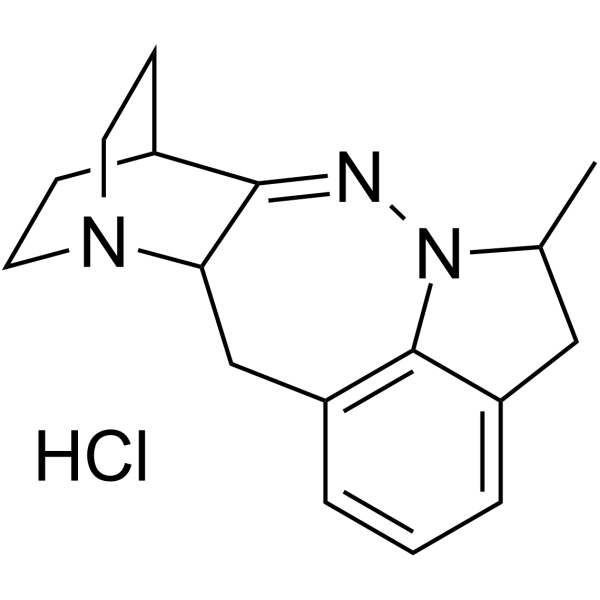
PSEM 308 hydrochloride is a pharmacologically selective actuator module (PSAM) agonist. PSEM 308 Activates PSAML141F-GlyR chimeric ion channels .
Art. -Nr.: HY-112295
Forschungsgebiete:  

Infection

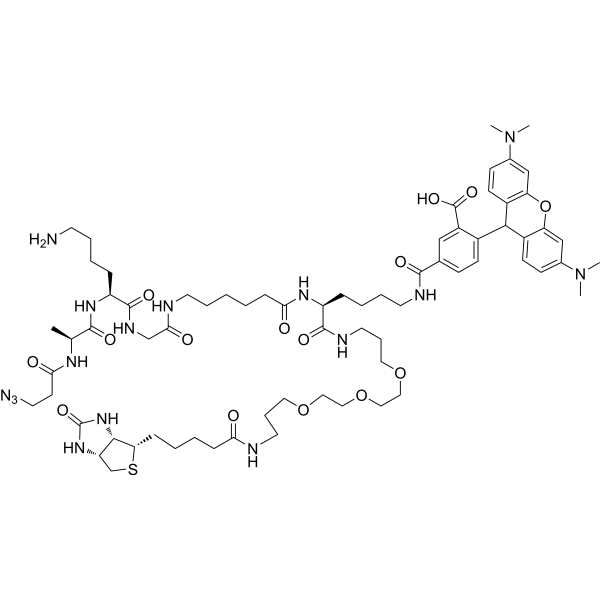
AzKTB is a capture reagent which bears a short trypsin-cleavable peptide sequence between the azide module and the TAMRA/PEG-biotin labels. AzKTB is a click chemistry reagent, it contains an Azide group and can undergo copper-catalyzed azide-alkyne cycloaddition reaction (CuAAc) with molecules containing Alkyne groups. It can also undergo strain-promoted alkyne-azide cycloaddition (SPAAC) reactions with molecules containing DBCO or BCN groups.
Art. -Nr.: HY-P11220
Forschungsgebiete:  

Infection

Hs02 is a cationic amphiphilic antibacterial peptide derived from human proteins, and it is the membrane-active module of the core chimeric peptide Chim2. Hs02 exhibits broad-spectrum and potent antibacterial activity against various human pathogenic bacteria with the MIC for Staphylococcus aureus and Escherichia coli of as low as 2 μM, and the MBC is 2-4 μM. Hs02 primarily kills bacteria by disrupting the integrity of the bacterial cell membrane, and it has a relatively low selectivity for eukaryotic cell membranes. Hs02 induces the release of IL-12 but does not induce the release of IL-6, indicating its potential for pro-inflammatory or immune activation. Hs02 can be used in antibacterial and immunomodulatory research .
Art. -Nr.: HY-E71175
Forschungsgebiete:  

Others

10-Deoxymethynolide synthase (EC 2.3.1.239) has 29 active sites arranged in four polypeptides (pikAI-pikAIV) with a loading domain, six extension modules and a terminal thioesterase domain.
Art. -Nr.: HY-P992358

Target:  

ADAMTS

Forschungsgebiete:  

Cardiovascular Disease

GSK2394002 is an antibody inhibitor targeting ADAMTS-4 and ADAMTS-5, with cartilage-penetrating ability following systemic administration. GSK2394002 inhibits the release of aggrecan-derived neoepitopes and reduces cartilage degradation, exhibiting the potential to relieve pain, alleviate hyperalgesia and inhibit the progression of joint damage. GSK2394002 also induces potentially irreversible cardiovascular effects such as increased mean arterial pressure and myocardial ischemia in cynomolgus monkeys .
Art. -Nr.: HY-100538R
CAS. Nr.: 1809784-29-9
Forschungsgebiete:  

Cancer

DTP3 (Standard) is the analytical standard of DTP3 (HY-100538). This product is intended for research and analytical applications. DTP3 TFA is a potent and selective GADD45β/MKK7 inhibitor. DTP3 TFA targets an essential, cancer-selective cell-survival module downstream of the NF-κB pathway .
Art. -Nr.: HY-184600
Reactive oxygen species responsive hydrogels are a novel class of smart hydrogels, formed by the cross-linking of ROS-responsive modules through covalent, coordination, or supramolecular interactions. Due to the introduction of these ROS-responsive modules, these hydrogels exhibit a sensitive response to the oxidative stress microenvironment present in organisms. PVA-TSPBA hydrogel is a hydrogel formed by the cross-linking polymerization of polyvinyl alcohol (PVA) and the reactive oxygen species-sensitive cross-linking agent N1-(4-benzyl borate)-N3-(4-phenyl borate)N1,N1,N3,N3-tetramethyl-1,3-propanediamine (TSPBA). This hydrogel consists of two parts: a boric acid precursor (TSPBA) and an aqueous solution of PVA. The boric acid bonds on TSPBA and the hydroxyl groups on PVA rapidly cross-link to form borate ester bonds, thus forming the hydrogel.
Art. -Nr.: HY-L222
0 compounds

Linkers play a necessary role in the physicochemical properties and biological activity of the bifunctional molecule. These linkers are not a simply connection of two functional modules together, but its design and nature directly affect the stability, activity, selectivity, pharmacokinetics, and ultimately the therapeutic efficacy of the entire molecule. The length of the linker determines the extent of interaction between the two ligands and thus the maximum activity of the PROTAC molecule.

MCE has collected 0 PROTAC Linkers can be used for the design and synthesis of bifunctional molecules.

Art. -Nr.: HY-L256
39 compounds

In modern drug discovery and chemical biology research, the azide group (-N3) is an important functional moiety that is widely used in click chemistry, biomolecular labeling, drug delivery systems, and prodrug design due to its unique reactivity and bioorthogonality.

The MCE Azide Structural Compound Library contains 39 compounds featuring -N3 functional groups. It is designed for the construction of click chemistry reaction systems and the subsequent development of functional molecules. This library enables the rapid assembly of targeting ligands, linkers, and functional molecular modules, thereby accelerating PROTAC assembly, optimization of antibody-drug conjugate (ADC) linkers, and the development of biological labeling probes. In addition, the high reaction selectivity and excellent biocompatibility of the azide group allow it to maintain stable reactivity even in complex biological environments, improving controllability and efficiency in drug design. It serves as an indispensable molecular tool in modern medicinal chemistry and chemical biology research.

  • 1

