



RGS4
RGS4 (Regulator of G-Protein Signaling 4) is a member of the R4 subfamily of regulator of G-protein signaling proteins and functions as a GTPase-activating protein that accelerates GTP hydrolysis on heterotrimeric Gα subunits, thereby terminating GPCR-mediated signal transduction and driving G proteins into their inactive GDP-bound state[1][2]. Mechanistically, RGS4 negatively regulates signaling mediated by Gαi, Gαo, and Gαq family members, placing it at a critical control point for neurotransmitter- and receptor-dependent cellular responses[1][2]. In the central nervous system, RGS4 is broadly expressed and contributes to the modulation of neurotransmitter pathways, including dopamine, glutamate, and opioid signaling, processes that are highly relevant to neuronal activity and synaptic regulation[3][4]. Disease-associated studies have identified altered RGS4 expression in schizophrenia, supporting its relevance to psychiatric disease mechanisms and cortical dysfunction[5][3]. In experimental models of Parkinson’s disease, genetic deletion or pharmacological inhibition of RGS4 influences dopaminergic signaling and modifies behavioral and synaptic outcomes following dopamine depletion, highlighting its utility as a mechanistic target in movement-disorder research[6][7]. Compared with related RGS family members, RGS4 belongs to the small R4 subgroup characterized by a conserved RGS domain and potent regulation of GPCR signaling through direct Gα-subunit interactions[2]. For experimental applications, small-molecule RGS4 inhibitors such as CCG-203920 have been used to enhance GPCR-dependent signaling and investigate the contribution of RGS4 to opioid receptor and dopaminergic pathways in cellular and animal models[7].
References:
- [1]. Uniprotkb.
- [2]. RGS4 gene information from NCBI.
- [3]. Levitt P, et al. Making the case for a candidate vulnerability gene in schizophrenia: Convergent evidence for regulator of G-protein signaling 4 (RGS4). Biol Psychiatry. 2006 Sep 15;60(6):534-7. [Content Brief]
- [4]. Canadè A, et al. Diagnostic imaging of the diabetic foot. What the clinician expects to know from the radiologist... Rays. 2003 Oct-Dec;28(4):433-42. [Content Brief]
- [5]. Mirnics K, et al. Disease-specific changes in regulator of G-protein signaling 4 (RGS4) expression in schizophrenia. Mol Psychiatry. 2001 May;6(3):293-301. [Content Brief]
- [6]. Database: Guide to pharmacology.
- [7]. Li L, et al. Asebogenin suppresses thrombus formation via inhibition of Syk phosphorylation. Br J Pharmacol. 2023 Feb;180(3):287-307. [Content Brief]
All Product Categories
-
RGS4 Related Products (6)
Related Products (6)

-
CCG-50014
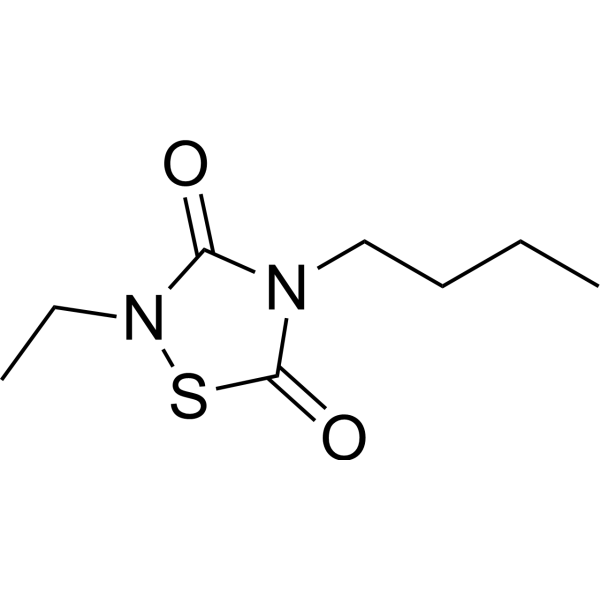
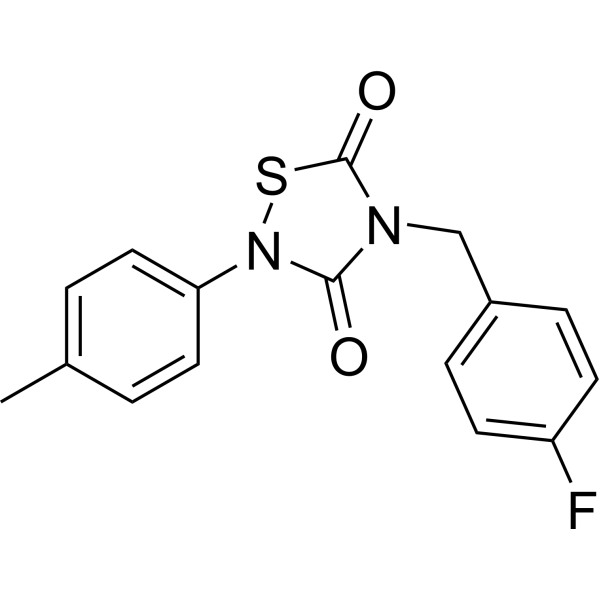 0 ImagesCCG-50014 is the most potent against the regulator of G-protein signaling protein type 4 (RGS4) (IC50 =30 nM) and is >20-fold selective for RGS4 over other RGS proteins. CCG-50014 binds covalently to the RGS, forming an adduct on two cysteine residues located in an allosteric regulatory site. CCG50014, reduces nociceptive responses and enhances opioid-mediated analgesic effects in the mouse formalin test.
-
CCG-63808
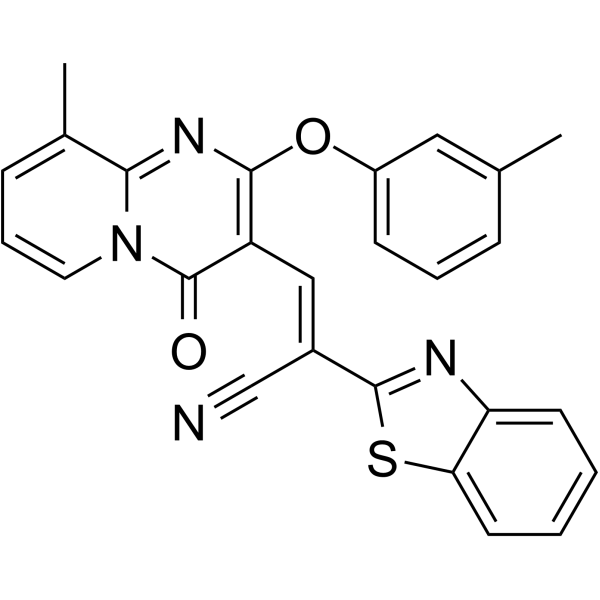
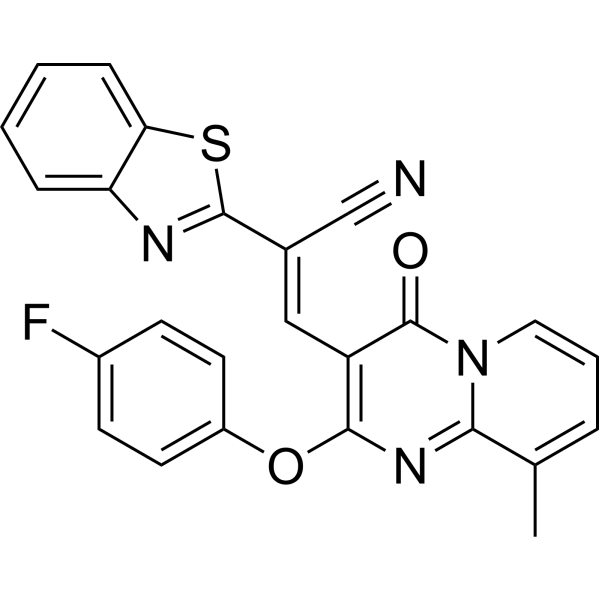 0 ImagesCCG-63808 is a selective, reversible RGS4 inhibitor with an IC50 of 10 μM for the Gαo-RGS4 interaction. CCG-63808 enhances the contractile response of lymphatic smooth muscle and potentiates agonist-mediated thoracic duct contraction. CCG-63808 can be used in research related to neuropathic pain and hypertension.
-
CCG-2046
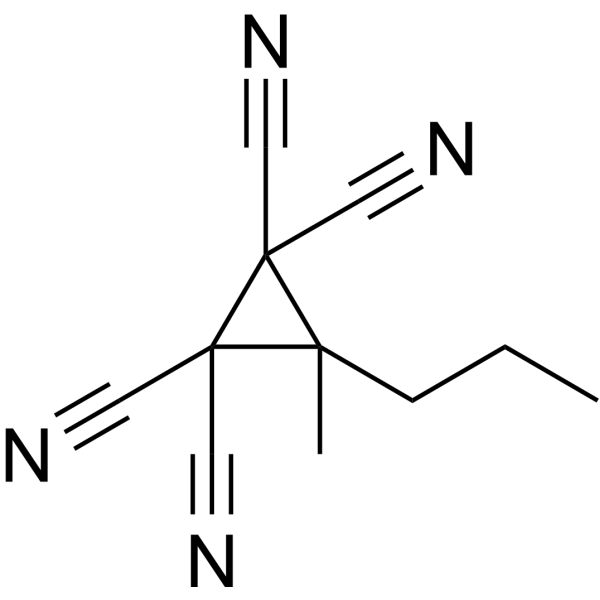 0 ImagesCat. No.: HY-110054CAS No.: 13017-69-1CCG-2046 is a RGS4 inhibitor with an IC50 of 4.3 μM against RGS4-Gαo interaction signal.
-
CCG-4986
 0 ImagesCCG-4986 is an RGS protein inhibitor. CCG-4986 inhibits protein activity by covalently modifying the Cys-132 site of RGS4. CCG-4986 can be used to study diseases related to dysregulated G protein-coupled receptor (GPCR) signaling, such as Parkinson's disease and opioid addiction.



