



Contact Dermatitis
-
Contact Dermatitis (11)

- 1
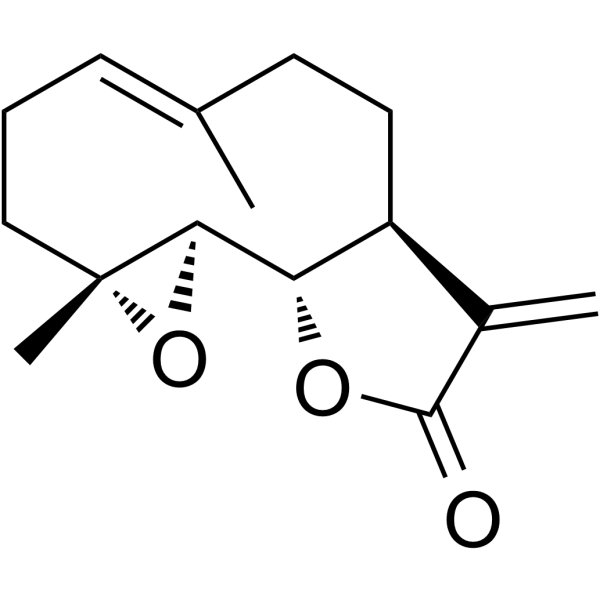
- Formula: C15H20O3
- Molecular Weight: 248.32
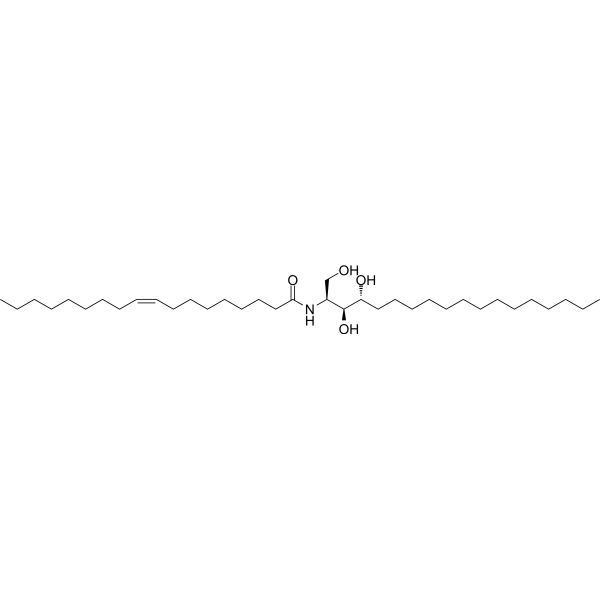
- Formula: C36H71NO4
- Molecular Weight: 581.95
Ceramide 3B is a semi-synthetic ceramide. Ceramide 3B forms crystals in the lipid phase of oil-in-water emulsions. Ceramide 3B can be used in skin cosmetic emulsions. Ceramide 3B is applicable to the study of irritant contact dermatitis.
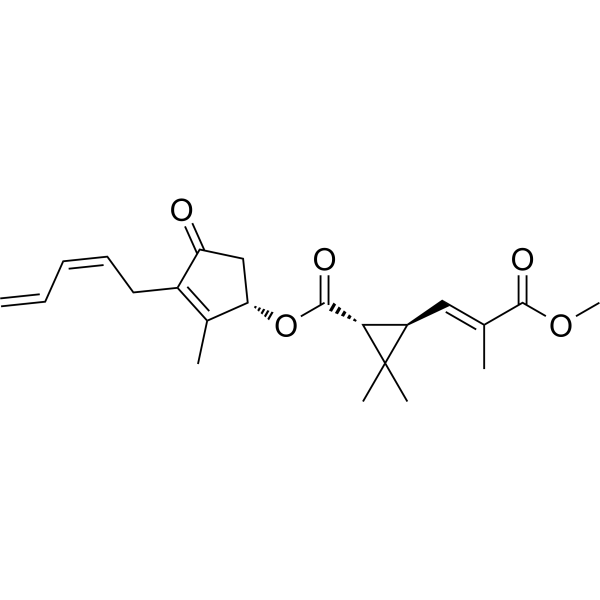
- Formula: C22H28O5
- Molecular Weight: 372.45
Pyrethrin II is an orally active insecticidal ester of chrysanthemum acid found in Chrysanthemum cinerariifolium and C. coccineum Willd., an active constituent of pyrethrum extract with low mammalian toxicity. Pyrethrin II exhibits antiparasitic activity. Pyrethrin II can be used for the research of allergic contact dermatitis and parasitic infections.
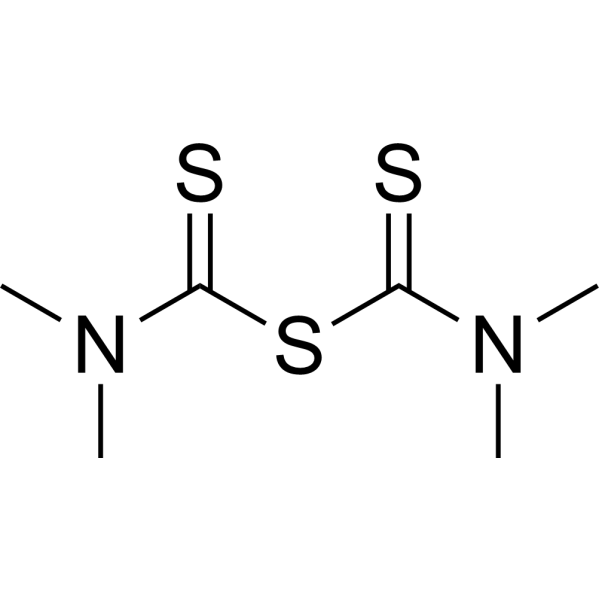
- Formula: C6H12N2S3
- Molecular Weight: 208.37
Tetramethylthiuram monosulfide (TMTM) is an orally active microsomal monooxygenases inhibitor. Tetramethylthiuram monosulfide is used as an accelerator and activator in the processing of natural rubber and butyl rubber. Tetramethylthiuram monosulfide reduces palmitic acid incorporation into microsomal phospholipids, disrupts microsomal membrane integrity, and impairs electron transport during oxygenation. Tetramethylthiuram monosulfide can be used for the research of fungal infection, bacterial infection and allergic contact dermatitis.
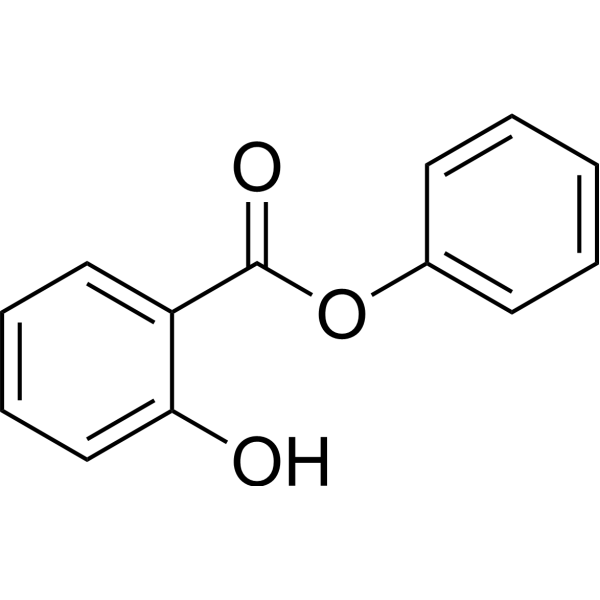
- Formula: C13H10O3
- Molecular Weight: 214.22
Phenyl salicylate is an ester derivative of Salicylic acid (HY-B0167) that exhibits no antimycobacterial activity. Phenyl salicylate can cross-sensitize with Resorcinol monobenzoate. Phenyl salicylate is used in research related to contact dermatitis.

- Formula: C21H32O2
- Molecular Weight: 316.49
Urushiol (15:2) is a 3-substituted catechol with a 15-carbon side chain containing 2 double bonds, and it exists in the sap, bark and lacquer fluid of Rhus vernicifera and Toxicodendron vernicifluum. Urushiol (15:2) is used for research on cancer, fungal infections, bacterial infections and allergic contact dermatitis.

- Formula: C15H18O8
- Molecular Weight: 326.30
trans-p-Coumaric acid 4-O-β-D-glucopyranoside is an orally active phenolic glycoside and hydroxycinnamic acid derivative with high plasma exposure following oral administration in mice. trans-p-Coumaric acid 4-O-β-D-glucopyranoside can be used in studies related to allergic contact dermatitis.

- Formula: C10H8O4
- Molecular Weight: 192.17
Acamelin is a Benzofuranoquinone compound that acts as a contact sensitizer. It can be isolated from the heartwood of Acacia melanoxylon R. Br., an Australian blackwood. Acamelin induces positive skin reactions and contact allergy in guinea pigs. It is applicable to research related to allergic contact dermatitis.

- Formula: C7H12N2O4
- Molecular Weight: 188.18
DMDM hydantoin (Dimethyloldimethyl hydantoin) is a hydantoin-derived formaldehyde-releasing preservative and allergen. DMDM hydantoin releases formaldehyde via hydrolysis in water, including under physiological pH conditions, and the release amount is affected by pH, concentration, composition, temperature and storage duration. DMDM hydantoin exerts bactericidal effects by mediating the cross-linking of proteins, RNA and DNA through the released formaldehyde, thereby inhibiting metabolism and cell division. DMDM hydantoin can induce allergic contact dermatitis directly, via the released formaldehyde, or through both pathways simultaneously. DMDM hydantoin is skin-irritating, and the released formaldehyde brings toxicological risks including carcinogenicity, mutagenicity and reproductive toxicity after entering the body. DMDM hydantoin can be used in studies related to allergic contact dermatitis.

- Formula: C13H10O3
- Molecular Weight: 214.22
Phenyl salicylate (Standard) is the analytical standard of Phenyl salicylate (HY-B1731). This product is intended for research and analytical applications. Phenyl salicylate is an ester derivative of Salicylic acid (HY-B0167) that exhibits no antimycobacterial activity. Phenyl salicylate can cross-sensitize with Resorcinol monobenzoate. Phenyl salicylate is used in research related to contact dermatitis.

- Formula: C12H8Cl2O2S
- Molecular Weight: 287.16
Fenticlor is a topical antibacterial agent that can be used for treating acne. Fenticlor can cause photosensitivity reactions and is a known cause of phototoxic dermatitis.
- 1



