6 Results for "

Propyliodone

" in MedChemExpress (MCE) Product Catalog:
Products (6)

6 Results for "Propyliodone" in MCE Product Catalog:

16
16 Cited Publications
Cat. No.: HY-17365
CAS No.: 79517-01-4
Synonyms: SMS 201-995 acetate
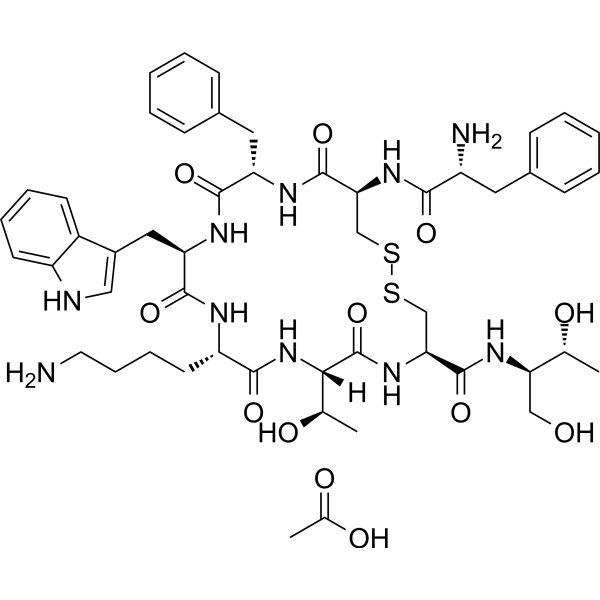
Octreotide acetate, a long-acting synthetic analog of native somatostatin, inhibits growth hormone, glucagon, and insulin more potently.
loading...
    loading...
Cat. No.: HY-107925
CAS No.: 587-61-1
Research Areas:  

Others

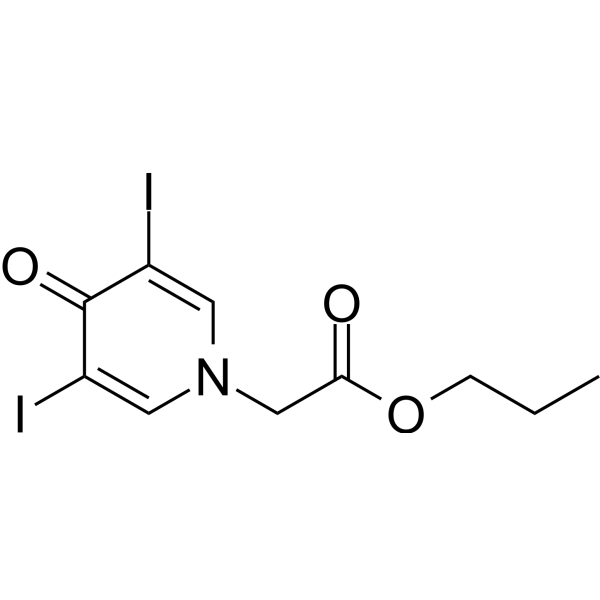
Propyliodone is a compound used as a contrast medium in bronchography .
loading...
    loading...
Cat. No.: HY-P4755
CAS No.: 282726-24-3
Research Areas:  

Others

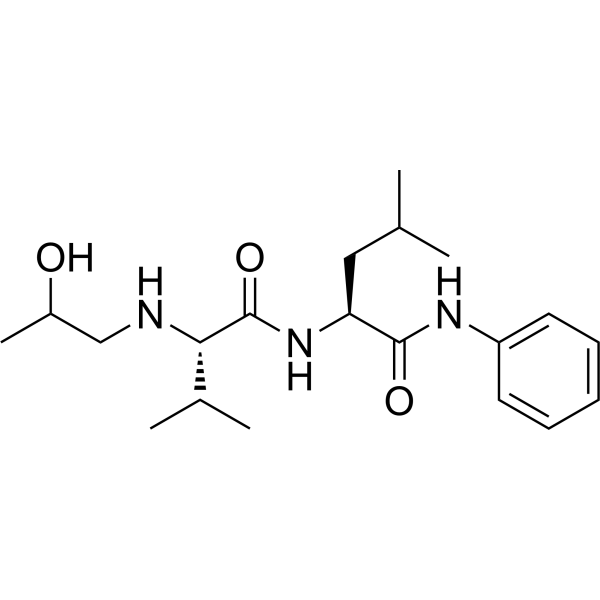
N-((RS)-2-Hydroxy-propyl)-Val-Leu-anilide is a polypeptide composed of L-phenyleline and L-leucine bound to aniline groups. N-((RS)-2-Hydroxy-propyl)-Val-Leu-anilide can be used to quantitatively determine the N-terminal heme adduct formed upon exposure to propylene oxide (PO) .
loading...
    loading...
Cat. No.: HY-148663
CAS No.: 87173-03-3
Synonyms: Tripalmitoyl pentapeptide
Target:  

MAPKAPK2 (MK2)

Research Areas:  

Inflammation/Immunology

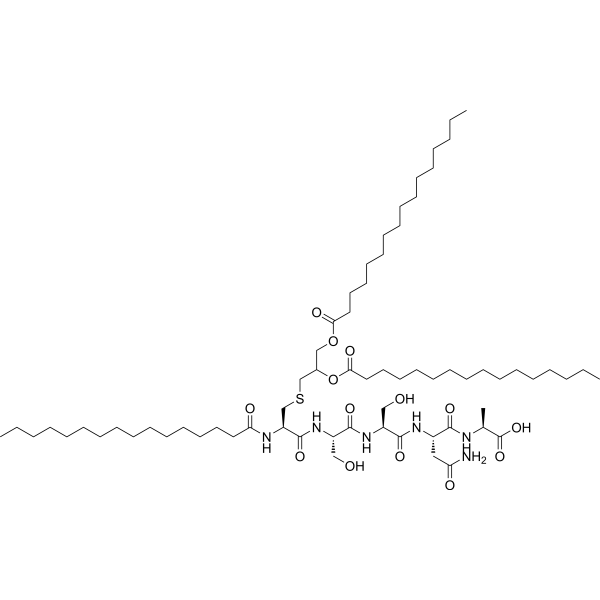
Mitogenic Pentapeptide (Tripalmitoyl pentapeptide) is an effective activator of B lymphocyte mitogen and polyclonal. Mitogen Pentapeptide is a synthetic N-terminal analog of E. coli outer membrane lipoproteins. Mitogenic Pentapeptide can be used for the study of immune adjuvants .
loading...
    loading...
Cat. No.: HY-P3567
CAS No.: 159600-82-5
Target:  

Melanocortin Receptor

Research Areas:  

Neurological Disease

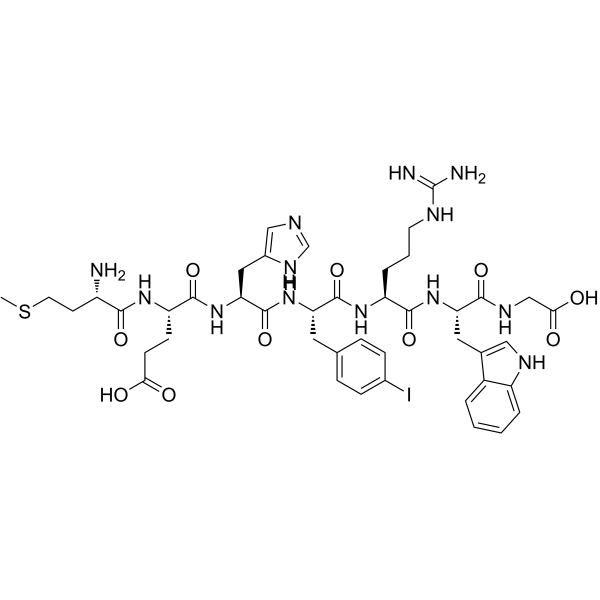
(p-Iodo-Phe7)-ACTH (4-10) is a adrenocorticotrophic hormone (ACTH) derivative, which is produced and secreted by the anterior pituitary gland. (p-Iodo-Phe7)-ACTH (4-10) serves as a melanocortin (MC) receptor antagonist and inhibits α-melanocyte-stimulating hormone (α-MSH)-induced excessive grooming behavior in rats .
loading...
    loading...
Cat. No.: HY-P2434
CAS No.: 846569-60-6
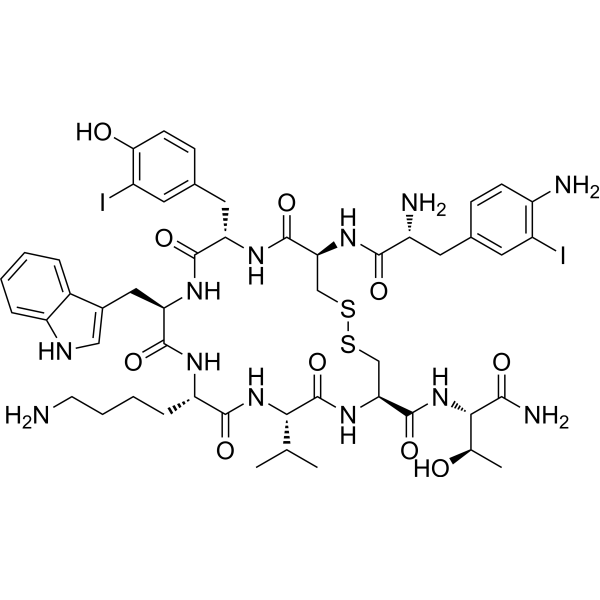
AP102 is a dual SSTR2/SSTR5-specific somatostatin analog (SSA). AP102 is a disulfide-bridged octapeptide SSA containing synthetic iodinated amino acids. AP102 binds with subnanomolar affinity to SSTR2 and SSTR5 (IC50: 0.63 and 0.65 nM, respectively). AP102 does not bind to SSTR1 or SSTR3. AP102 can be used for acromegaly and neuroendocrine tumors research .
loading...
    loading...

