



Febuxostat
Based on 13 publication(s) in Google Scholar
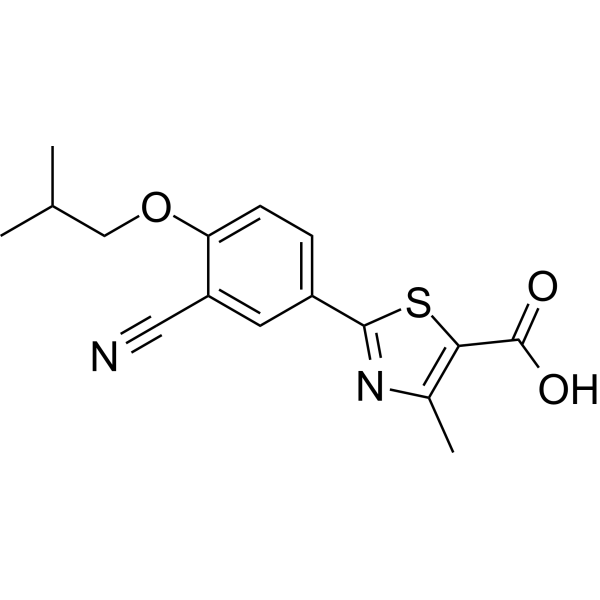
Febuxostat (TEI 6720) is a potent, selective and non-purine xanthine oxidase (XO) inhibitor with a Ki value of 0.6 nM. Febuxostat has the potential for the research of hyperuricemia and gout.
For research use only. We do not sell to patients.
- Purity : 99.87%
- CAS No.: 144060-53-7
- Formula: C16H16N2O3S
- Molecular Weight:316.37
-
Storage:Powder -20°C, 3 years , 4°C, 2 years ; In solvent -80°C, 1 year , -20°C, 6 months

To place orders, for customer services and technical support, please contact: MedChemExpress USA
Tel: 609-228-6898 E-mail: [email protected] [email protected]


-
 Biological Activity
-
Chemical Information
-
Solvent & Solubility
- Purity & Documentation
- References
-
 Help & FAQs


-
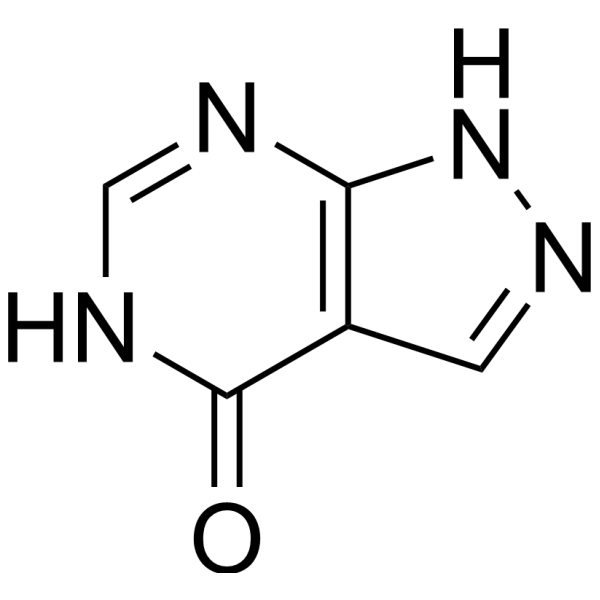
HY-B0219
AllopurinolXanthine Oxidase Inhibitor -
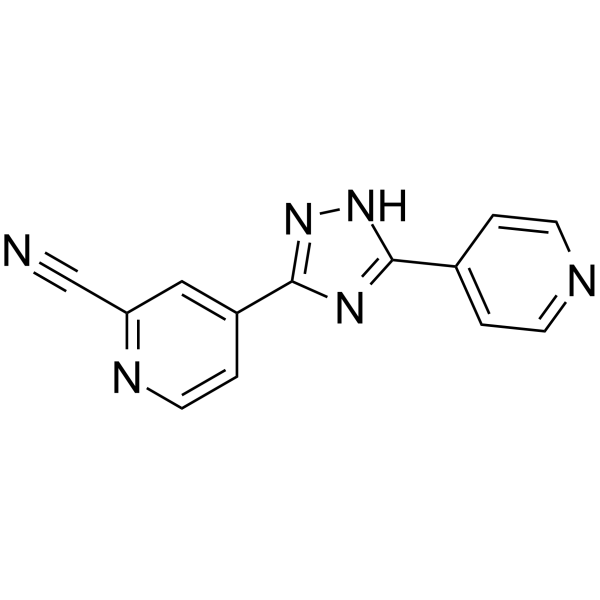
HY-14874
TopiroxostatXOR Inhibitor -

HY-14268R
Febuxostat (Standard)XO Inhibitor -
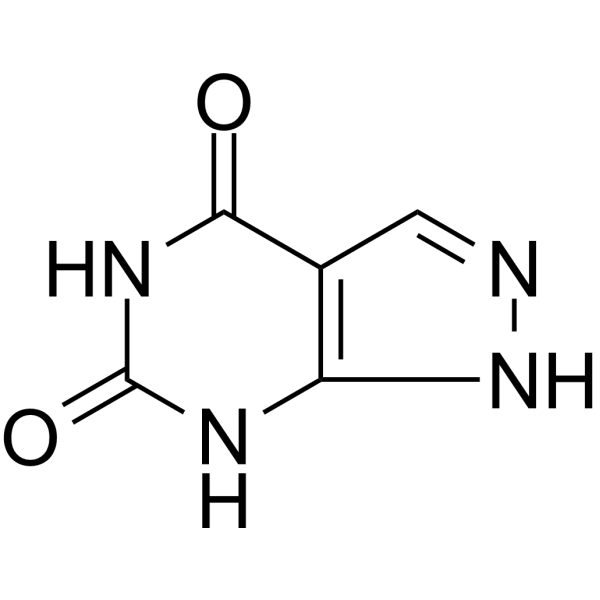
HY-19657
OxypurinolEndogenous Metabolite -

HY-B0219R
Allopurinol (Standard)Xanthine Oxidase Inhibitor -
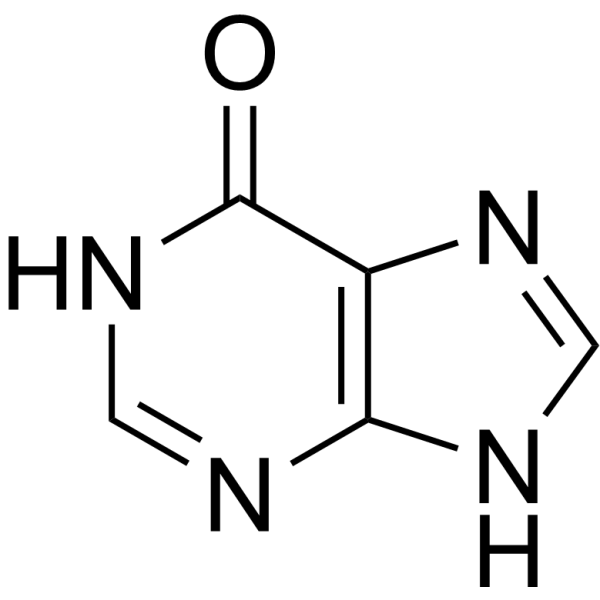
HY-N0091
HypoxanthineEndogenous Metabolite -
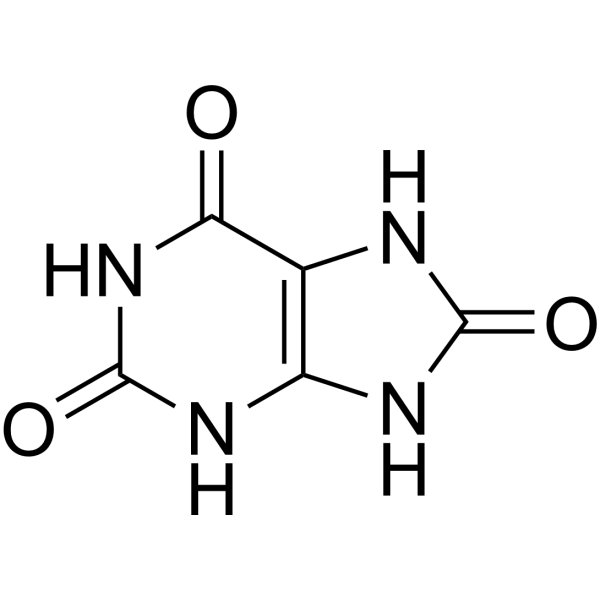
HY-B2130
Uric acidOxygen Radical Scavenger -
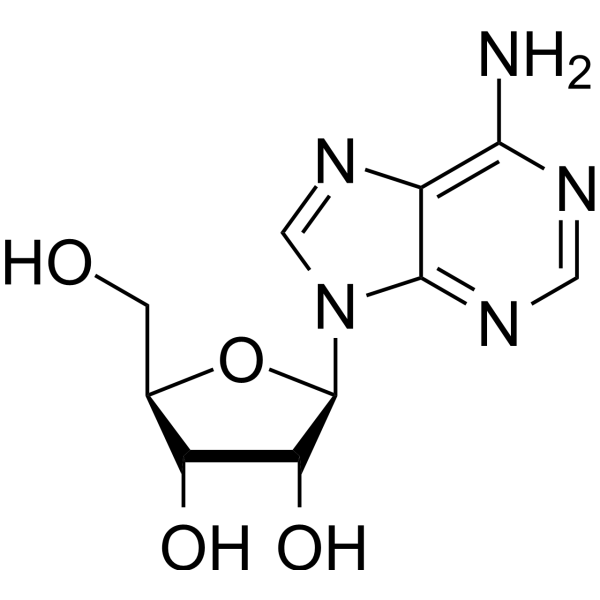
HY-B0228
AdenosineEndogenous Autacoid -
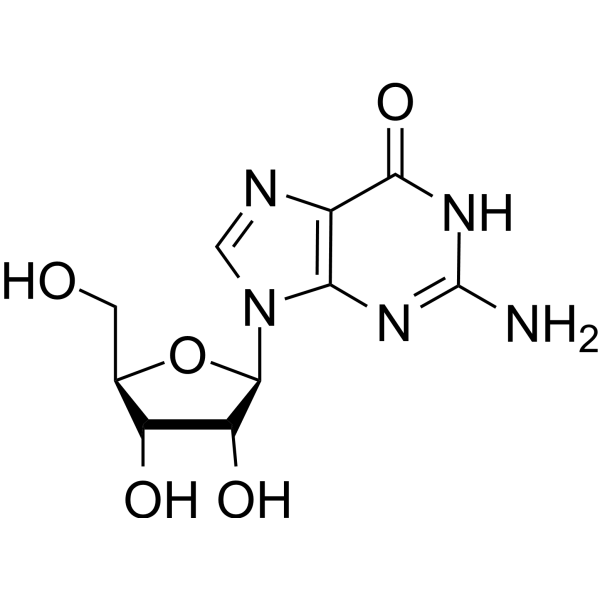
HY-N0097
GuanosineHSV Inhibitor -
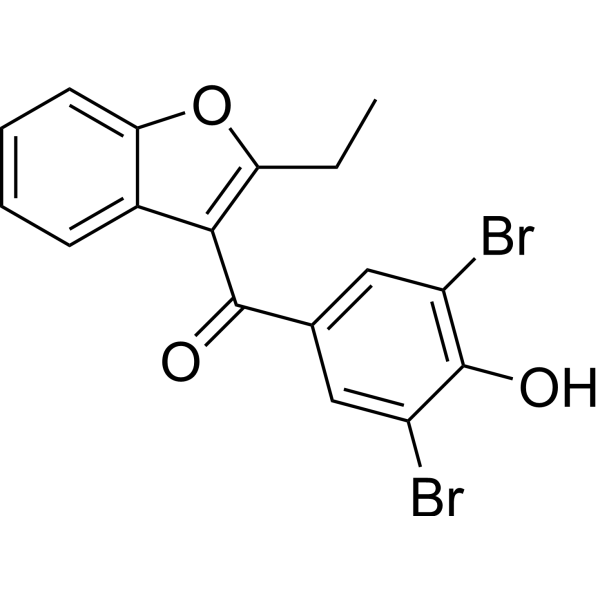
HY-B1135
BenzbromaroneApoptosis Inducer -
HY-Y0873
PEG300Neutral Polymer -
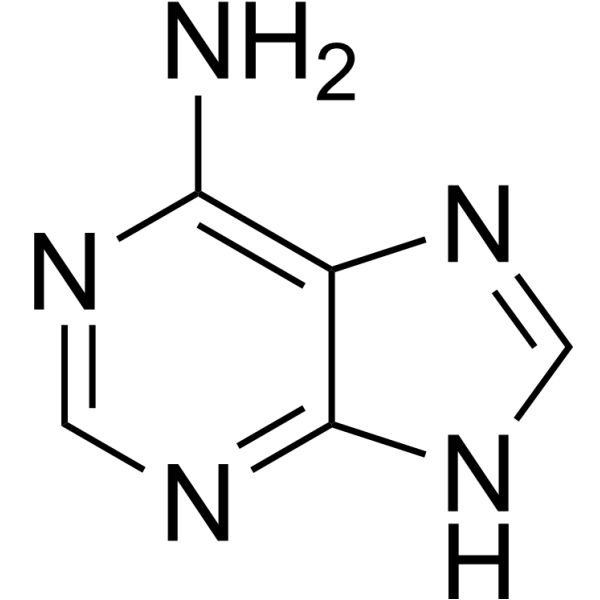
HY-B0152
AdenineNucleobase
Publications Citing Use of MedChemExpress (MCE) Febuxostat
More- Cell Metab. 2024 Mar 5;36(3):498-510.e11. [Abstract]
- Adv Sci (Weinh). 2025 Apr;12(16):e2415041. [Abstract]
- ACS Environ Au. 2025 Aug 5;5(6):573-582. [Abstract]
- Br J Cancer. 2023 Mar;128(7):1344-1359. [Abstract]
- Anal Chem. 2025 Jun 3;97(21):11099-11109. [Abstract]
- Biochem Pharmacol. 2025 Oct:240:117120. [Abstract]
- Int J Mol Sci. 2026 Mar 14;27(6):2665. [Abstract]
- Int J Mol Sci. 2025 Dec 9;26(24):11886.
- Front Pharmacol. 2022 Jun 22:13:920643. [Abstract]
- J Biol Chem. 2019 Dec 27;294(52):20084-20096. [Abstract]
- bioRxiv. 2026 Jul 10:2026.07.06.736331.
- Universität Regensburg. 2023 Jul 19.
- University of Rijeka. 2023.
 Customer Validation & Images

-
Cell Proliferation/Viability Assay
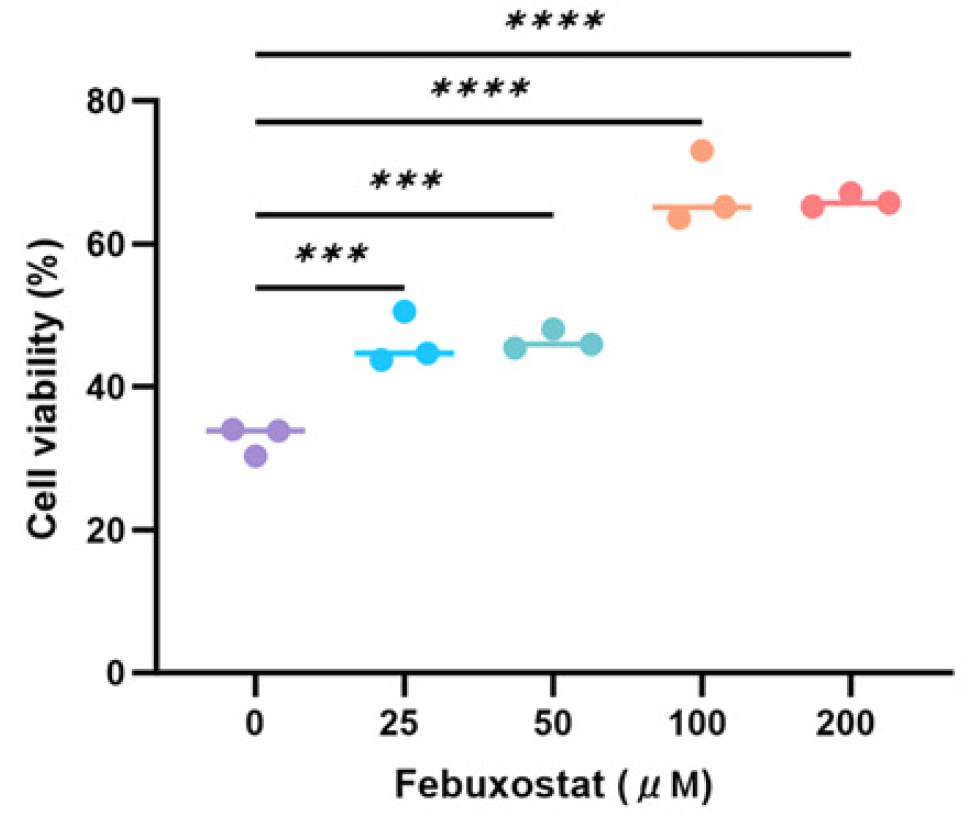
-
RT-PCR
-
Cell Imaging/Staining
-
Cell Imaging/Staining
-
WB


Biological Activity
Description
IC50 & Target
Ki: 0.6 nM (Xanthine oxidase)[1]
In Vitro
Febuxostat displays potent mixed-type inhibition of the activity of purified bovine milk xanthine oxidase, with Ki and Ki' values of 0.6 nM and 3.1 nM respectively, indicating inhibition of both the oxidized and reduced forms of xanthine oxidase[1].
MedChemExpress (MCE) has not independently confirmed the accuracy of these methods. They are for reference only.
In Vivo
Febuxostat (3-4 mg/kg; p.o.; daily for 4 weeks) with oxonic acid (750 mg/kg; oral gavage; daily for 4 weeks) preventes renal injury in 5/6 Nx (5/6 nephrectomy) rats with and without coexisting hyperuricemia[3].
Febuxostat (2.5 mg/kg; p.o.; daily for 12 weeks) inhibits plaque formation in ApoE / mice and reduces the levels of ROS in the aortic wall of atherosclerotic mice[4].
Febuxostat (15.6 mg/kg; p.o.; once daily for 21 successive days) shows antidepressant effect by significantly reduces the immobility time in the FST in mouse[5].
Febuxostat (10 mg/kg; p.o.; daily for 21 days) administration with doxorubicin caused a significant decrease in nephrotoxicity markers and inflammatory mediators, restoration of normal values of oxidative stress biomarkers and hampering the expression of renal caspase-3[6].
MedChemExpress (MCE) has not independently confirmed the accuracy of these methods. They are for reference only.


Chemical Information
-
CAS No. 144060-53-7
-
Appearance Solid
-
Molecular Weight 316.37
-
Formula C16H16N2O3S
-
Color White to off-white
-
SMILES
CC(COC1=CC=C(C=C1C#N)C2=NC(C)=C(S2)C(O)=O)C
-
Synonyms
TEI 6720; TMX 67
-
Shipping
Room temperature in continental US; may vary elsewhere.
-
Storage
Powder -20°C 3 years 4°C 2 years In solvent -80°C 1 year -20°C 6 months


Publications (13)
-
Journal Impact Factor
-
Most Recent
-
Cell Metab
ABCG2 is an itaconate exporter that limits antibacterial innate immunity by alleviating TFEB-dependent lysosomal biogenesis. [Abstract]2024 Mar 5;36(3):498-510.e11. PMID: 38181789 -
Adv Sci (Weinh)
Metabolomic and Cellular Mechanisms of Drug-Induced Ototoxicity and Nephrotoxicity: Therapeutic Implications of Uric Acid Modulation. [Abstract]2025 Apr;12(16):e2415041. PMID: 40041973 -
ACS Environ Au
Machine Learning-Assisted Recognition of Environmental Sulfur-Containing Chemicals in Nontargeted Mass Spectrometry Analysis of Inadequate Mass Resolution. [Abstract]2025 Aug 5;5(6):573-582. PMID: 41277996 -
Br J Cancer
Transcriptome analysis of newly established carboplatin-resistant ovarian cancer cell model reveals genes shared by drug resistance and drug-induced EMT. [Abstract]2023 Mar;128(7):1344-1359. PMID: 36717670 -
Anal Chem
Exposome-Scale Investigation of Cl-/Br-Containing Chemicals Using High-Resolution Mass Spectrometry, Multistage Machine Learning, and Cloud Computing. [Abstract]2025 Jun 3;97(21):11099-11109. PMID: 40401576 -
Biochem Pharmacol
Dual inhibition of EGR1/STAT3 transcriptional hubs suppresses macrophage-driven liver fibrosis: A multi-omics-guided drug repurposing strategy. [Abstract]2025 Oct:240:117120. PMID: 40623460 -
Int J Mol Sci
Genome-Wide CRISPR Screens Identify ABCG2-Mediated Drug Resistance to the Threonine Tyrosine Kinase (TTK) Inhibitor CFI-402257 in Breast Cancer. [Abstract]2026 Mar 14;27(6):2665. PMID: 41898529 -
Febuxostat purchased from MedChemExpress. Usage Cited in: Int J Mol Sci. 2025 Dec 9;26(24):11886.
Febuxostat (25-200 μM; 3 h) pretreatment significantly enhanced the proliferation rate of HK-2 cells after H/R, with concentrations of 100 μM and 200 μM exhibiting the most pronounced effects.
Febuxostat purchased from MedChemExpress. Usage Cited in: Int J Mol Sci. 2025 Dec 9;26(24):11886.
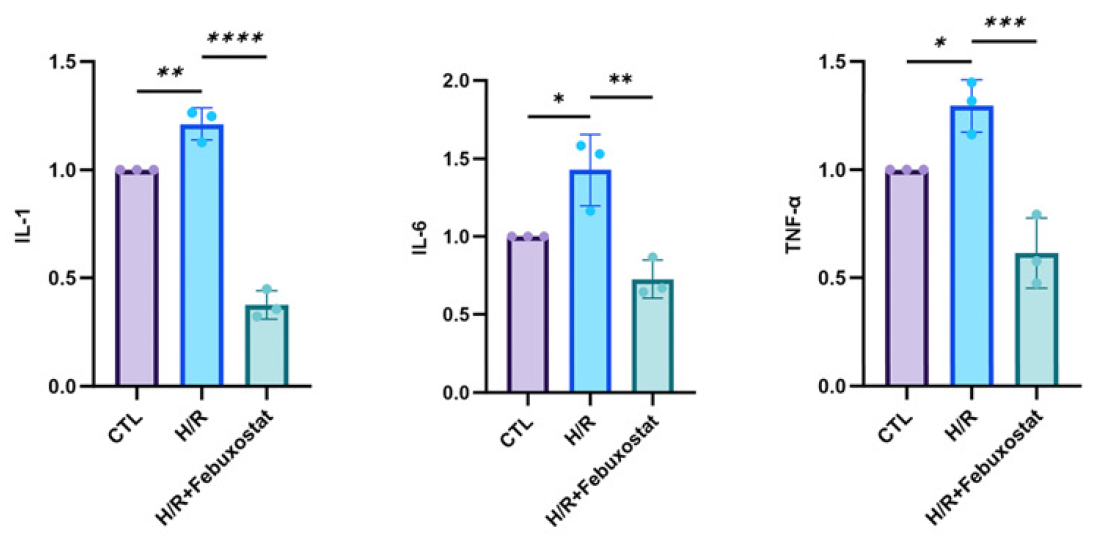
Febuxostat (100 μM; 3 h) significantly decreased expression levels of pro-inflammatory cytokines (TNF-α, IL-1β, IL-6) in HK-2 cells after H/R.
Febuxostat purchased from MedChemExpress. Usage Cited in: Int J Mol Sci. 2025 Dec 9;26(24):11886.
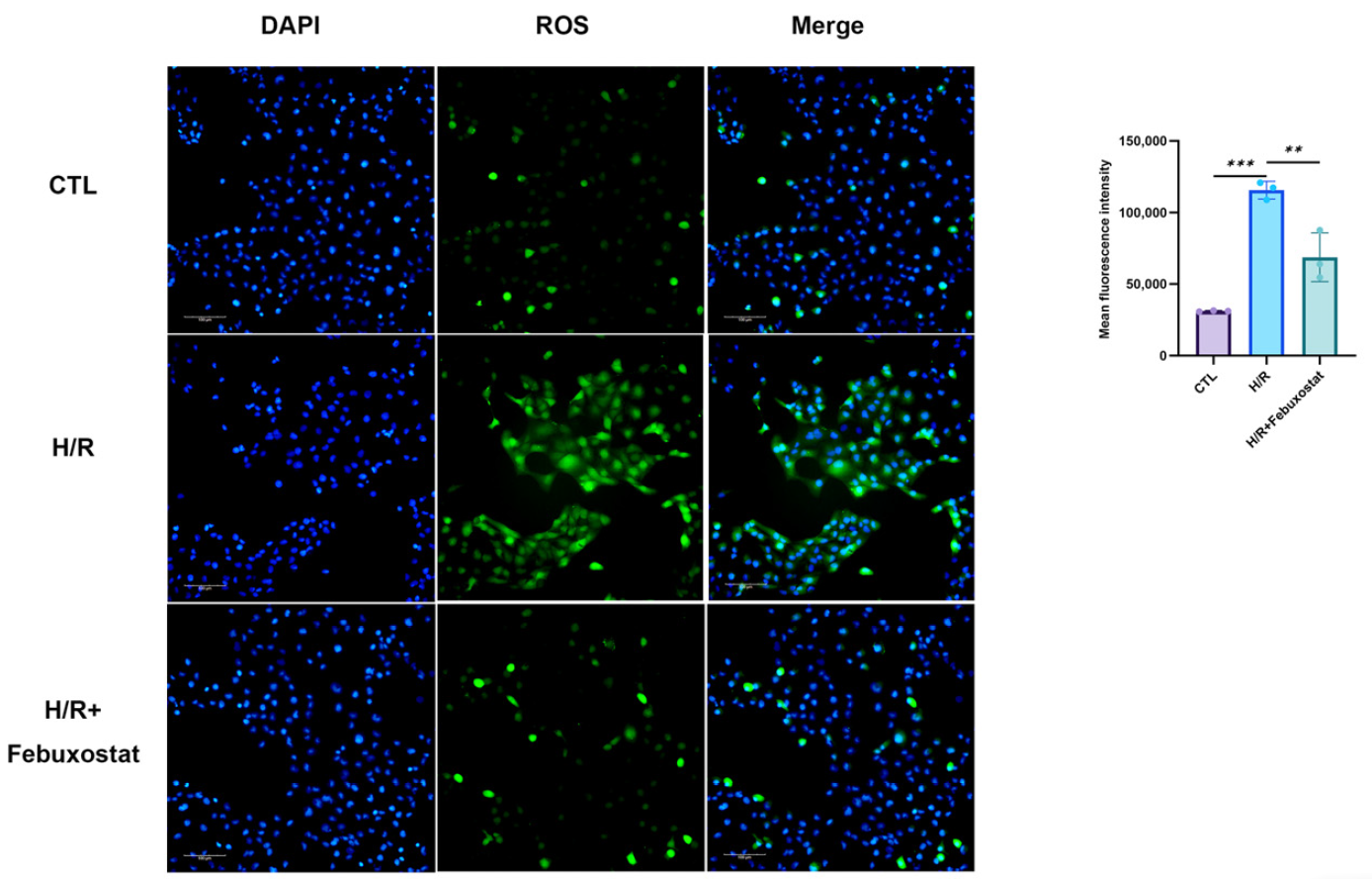
Febuxostat (100 μM; 3 h) markedly reduced ROS levels in HK-2 cells after H/R.
Febuxostat purchased from MedChemExpress. Usage Cited in: Int J Mol Sci. 2025 Dec 9;26(24):11886.
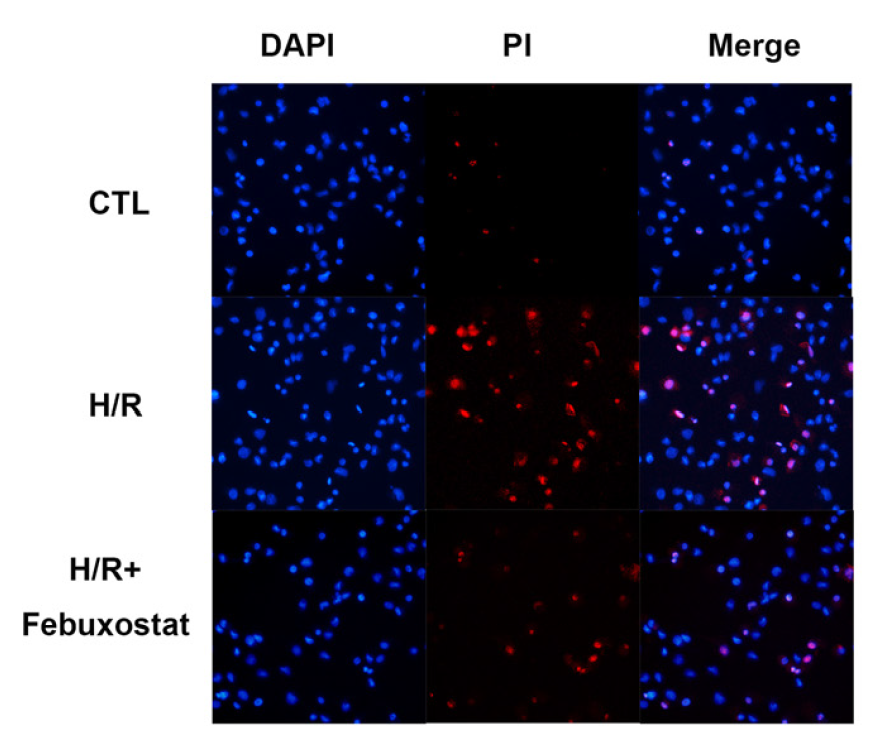
Pretreatment with Febuxostat (100 μM; 3 h) significantly reduced the apoptosis rate of HK-2 cells following H/R treatment.
Febuxostat purchased from MedChemExpress. Usage Cited in: Int J Mol Sci. 2025 Dec 9;26(24):11886.
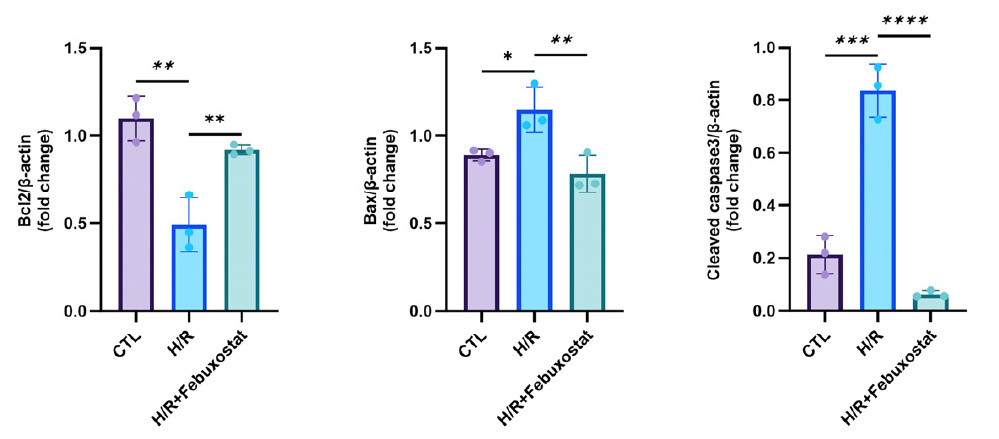
Pretreatment with Febuxostat (100 μM; 3 h) reversed changes induced by H/R treatment, markedly increased Bcl2 expression, and decreased expression of cleaved caspase-3 and Bax in HK-2 cells.
-
Front Pharmacol
2022 Jun 22:13:920643. PMID: 35814244 -
J Biol Chem
A technique for delineating the unfolding requirements for substrate entry into retrotranslocons during endoplasmic reticulum-associated degradation. [Abstract]2019 Dec 27;294(52):20084-20096. PMID: 31748412 -
-
-


Solvent & Solubility
In Vitro:
DMSO : 50 mg/mL (158.04 mM; Need ultrasonic; Hygroscopic DMSO has a significant impact on the solubility of product, please use newly opened DMSO)
Please refer to the solubility information to select the appropriate solvent. Once prepared, please aliquot and store the solution to prevent product inactivation from repeated freeze-thaw cycles.
Storage method and period of stock solution: -80°C, 1 year; -20°C, 6 months. When stored at -80°C, please use it within 1 year. When stored at -20°C, please use it within 6 months.
Please refer to the solubility information to select the appropriate solvent. Once prepared, please aliquot and store the solution to prevent product inactivation from repeated freeze-thaw cycles.
Storage method and period of stock solution: -80°C, 1 year; -20°C, 6 months. When stored at -80°C, please use it within 1 year. When stored at -20°C, please use it within 6 months.
Concentration (start) × Volume (start) = Concentration (final) × Volume (final)
In Vivo:
Select the appropriate dissolution method based on your experimental animal and administration route.
- For the following dissolution methods, please ensure to first prepare a clear stock solution using an In Vitro approach and then sequentially add co-solvents:
- To ensure reliable experimental results, the clarified stock solution can be appropriately stored based on storage conditions. As for the working solution for In Vivo experiments, it is recommended to prepare freshly and use it on the same day.
- The percentages shown for the solvents indicate their volumetric ratio in the final prepared solution. If precipitation or phase separation occurs during preparation, heat and/or sonication can be used to aid dissolution.
For the following dissolution methods, please prepare the working solution directly:
It is recommended to prepare fresh solutions and use them promptly within a short period of time.
The percentages shown for the solvents indicate their volumetric ratio in the final prepared solution. If precipitation or phase separation occurs during preparation, heat and/or sonication can be used to aid dissolution.
Add each solvent one by one: 50% PEG300 50% Saline
Solubility: 5 mg/mL (15.80 mM); Suspended solution; Need ultrasonic
In Vivo Dissolution Calculator
Please enter the basic information of animal experiments:
-
-
-
-
Recommended: Prepare an additional quantity of animals to account for potential losses during experiments.
Please enter your animal formula composition:
-
%DMSO +
Recommended: Keep the proportion of DMSO in working solution below 2% if your animal is weak.
-
%+
-
+%Tween-80 + +
-
%Saline +
The co-solvents required include: DMSO, . All of co-solvents are available by MedChemExpress (MCE). , Tween 80. All of co-solvents are available by MedChemExpress (MCE).
Working solution concentration: 0.22 mg/mL
Method for preparing stock solution: mg drug dissolved in μL DMSO. Stock solution concentration: mg/mL.
1. Take μL DMSO stock solution;
2. Add μL .
μL , mix evenly;
3. Then add μL Tween 80, mix evenly;
4. Then add μL
Please ensure that the stock solution in the first step is dissolved to a clear state, and add co-solvents in sequence. You can use ultrasonic heating (ultrasonic cleaner, recommended frequency 20-40 kHz), vortexing, etc. to assist dissolution.


Purity & Documentation
-
Data Sheet (276 KB)
-
SDS (480 KB)
- English - EN (480 KB)
- Français - FR (480 KB)
- Deutsch - DE (480 KB)
- Norwegian - NO (480 KB)
- Español - ES (480 KB)
- Swedish - SV (480 KB)
- Italian - IT (480 KB)
- Korean - KR (480 KB)
- Portuguese - PT (480 KB)
-
Handling Instructions (2659 KB)
References
[1]. Takano Y, et al. Selectivity of febuxostat, a novel non-purine inhibitor of xanthine oxidase/xanthine dehydrogenase. Life Sci, 2005, 76(16), 1835-1847. [Content Brief]
[2]. Sanchez-Lozada LG, et al. Effects of febuxostat on metabolic and renal alterations in rats with fructose-induced metabolic syndrome. Am J Physiol Renal Physiol, 2008, 294(4), F710-F718. [Content Brief]
[3]. Sanchez-Lozada LG, et al. Effect of febuxostat on the progression of renal disease in 5/6 nephrectomy rats with and without hyperuricemia. Nephron Physiol, 2008, 108(4), p69-p78. [Content Brief]
[4]. Nomura J, et al. Xanthine oxidase inhibition by febuxostat attenuates experimental atherosclerosis in mice. Sci Rep. 2014 Apr 1;4:4554. [Content Brief]
[5]. Karve AV, et al. Evaluation of effect of allopurinol and febuxostat in behavioral model of depression in mice. Indian J Pharmacol. 2013 May-Jun;45(3):244-7. [Content Brief]
[6]. Khames A, et al. Ameliorative effects of sildenafil and/or febuxostat on doxorubicin-induced nephrotoxicity in rats. Eur J Pharmacol. 2017 Jun 15;805:118-124. [Content Brief]


Complete Stock Solution Preparation Table
Please refer to the solubility information to select the appropriate solvent. Once prepared, please aliquot and store the solution to prevent product inactivation from repeated freeze-thaw cycles.
Storage method and period of stock solution: -80°C, 1 year; -20°C, 6 months. When stored at -80°C, please use it within 1 year. When stored at -20°C, please use it within 6 months.
| Optional Solvent | Concentration Solvent Mass | 1 mg | 5 mg | 10 mg | 25 mg |
|---|---|---|---|---|---|
| DMSO | 1 mM | 3.1609 mL | 15.8043 mL | 31.6086 mL | 79.0214 mL |
| 5 mM | 0.6322 mL | 3.1609 mL | 6.3217 mL | 15.8043 mL | |
| 10 mM | 0.3161 mL | 1.5804 mL | 3.1609 mL | 7.9021 mL | |
| 15 mM | 0.2107 mL | 1.0536 mL | 2.1072 mL | 5.2681 mL | |
| 20 mM | 0.1580 mL | 0.7902 mL | 1.5804 mL | 3.9511 mL | |
| 25 mM | 0.1264 mL | 0.6322 mL | 1.2643 mL | 3.1609 mL | |
| 30 mM | 0.1054 mL | 0.5268 mL | 1.0536 mL | 2.6340 mL | |
| 40 mM | 0.0790 mL | 0.3951 mL | 0.7902 mL | 1.9755 mL | |
| 50 mM | 0.0632 mL | 0.3161 mL | 0.6322 mL | 1.5804 mL | |
| 60 mM | 0.0527 mL | 0.2634 mL | 0.5268 mL | 1.3170 mL | |
| 80 mM | 0.0395 mL | 0.1976 mL | 0.3951 mL | 0.9878 mL | |
| 100 mM | 0.0316 mL | 0.1580 mL | 0.3161 mL | 0.7902 mL |


Febuxostat Related Classifications
HY-14268 Related Classifications
 Powered by Bioz