



Acacia confusa Merr.
-
Acacia confusa Merr. (12)

- 1
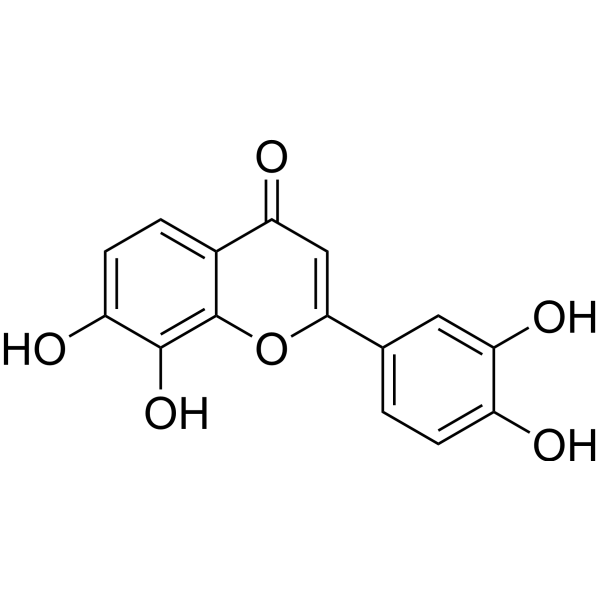
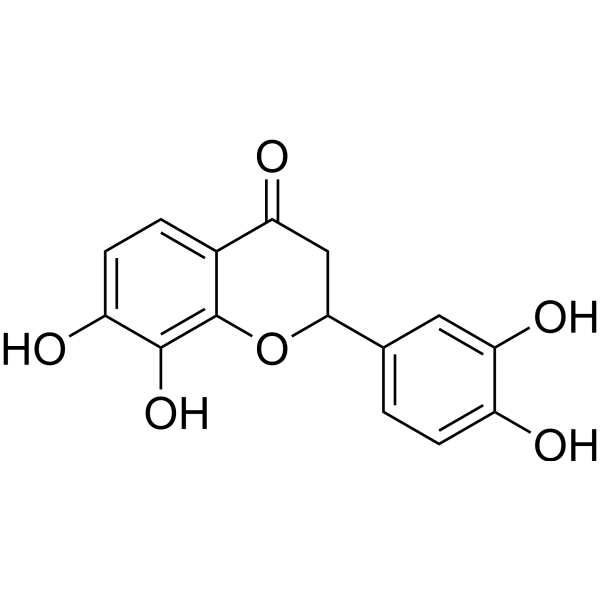
- Formula: C15H10O6
- Molecular Weight: 286.24
7,8,3′,4′-Tetrahydroxyflavone (compound 2) is a potent xanthine oxidase (XOD) inhibitor with an IC50 value of 10.488 µM.
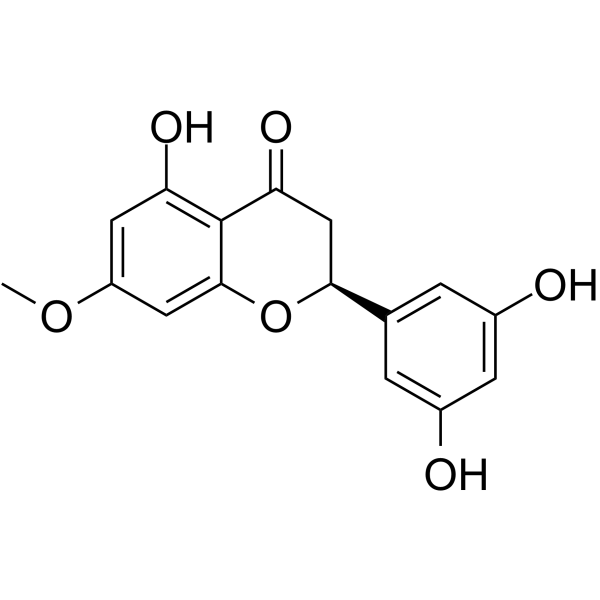
- Formula: C16H14O6
- Molecular Weight: 302.28
Blumeatin, isolated from Blumea balsamifera DC, could protect liver against injury induced by CCl4 and thioacetamide (TAA).

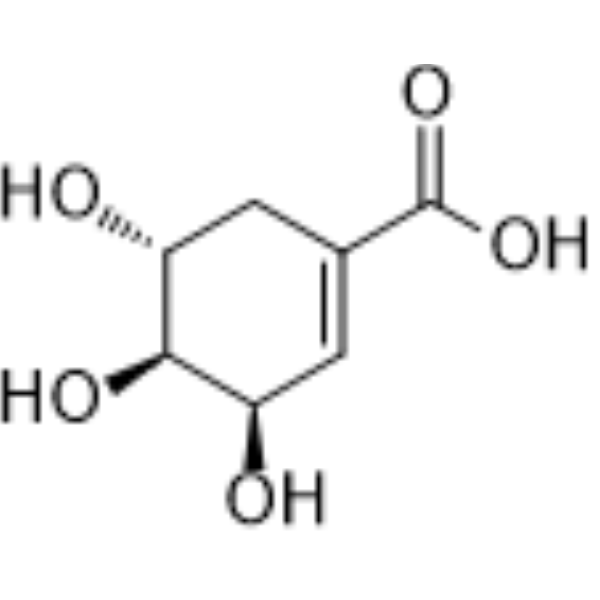
- Formula: C₇H₁₀O₅
- Molecular Weight: 174.15
Shikimic acid (Standard) is the analytical standard of Shikimic acid. This product is intended for research and analytical applications. Shikimic acid is a key metabolic intermediate of the aromatic amino acid biosynthesis pathway, found in microbes and plants.
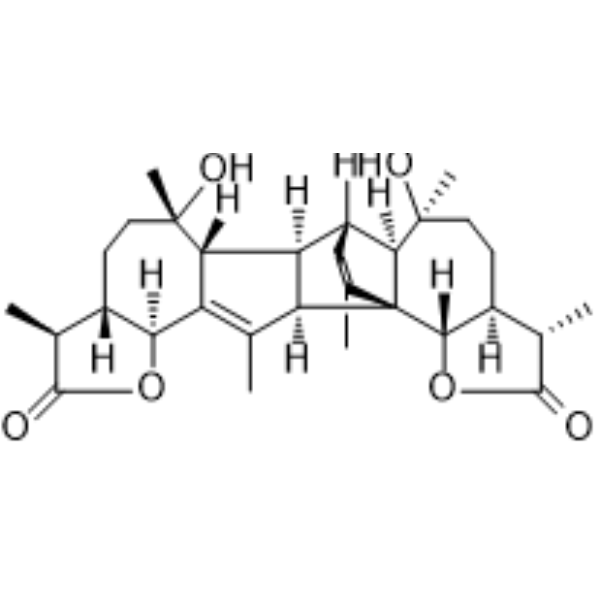
- Formula: C30H40O6
- Molecular Weight: 496.64
Absinthin is a structurally unique triterpene, and is responsible for the high bitter value of wormwood. Absinthin is an agonist of the bitter taste receptor hTAS2R46, which reduces cytosolic Ca2+-rises induced by histamine by a receptor-specific mechanism mediated by hTAS2R46.

- Formula: C30H40O6
- Molecular Weight: 496.64
Absinthin (Standard) is the analytical standard of Absinthin. This product is intended for research and analytical applications. Absinthin is a structurally unique triterpene, and is responsible for the high bitter value of wormwood. Absinthin is an agonist of the bitter taste receptor hTAS2R46, which reduces cytosolic Ca2+-rises induced by histamine by a receptor-specific mechanism mediated by hTAS2R46.

- Formula: C30H40O6
- Molecular Weight: 496.64
Anabsinthin is a dimeric sesquiterpene lactone. Anabsinthin can be found in Artemisia absinthium L. (wormwood). Anabsinthin modulates intracellular calcium levels, mediates anti-inflammatory and antioxidant effects. Anabsinthin inhibits Phorbol 12-myristate 13-acetate (HY-18739)-induced superoxide anion production, increased iNOS and MUC5AC protein expression, and IL-1β transcription upregulation. Anabsinthin can be used for the research of citrus canker.

- Formula: C16H12O6
- Molecular Weight: 300.26
Luteolin 5-methyl ether (7,3',4'-Trihydroxy-5-methoxyflavone) is a flavonoid compound.

- Formula: C10H16
- Molecular Weight: 136.23
α-Fenchene is an active ingredient that can be extracted from Artemisia absinthium. α-Fenchene is a volatile component. α-Fenchene shows significant attraction of Predatory long-legged flies Medetera. signaticornis and can be used as an attractant of Medetera monitoring lures for use in future forest and pest management.

- Formula: C23H26O8
- Molecular Weight: 430.45
Episesartemin A is a Lignans product that can be isolated from the roots of Artemisia absinthium..

- Formula: C22H24O7
- Molecular Weight: 400.42
3,4,5'-Trimethoxy-3',4'-methylenedioxy-7,9':7',9-diepoxylignan is a natural product.
- 1



