1389 Results for "

replication

" in MedChemExpress (MCE) Product Catalog:
Products (1389)

1389 Results for "replication" in MCE Product Catalog:

226
226 Publications Verification
Art. -Nr.: HY-17371
CAS. Nr.: 61825-94-3
Forschungsgebiete:  

Inflammation/Immunology Cancer

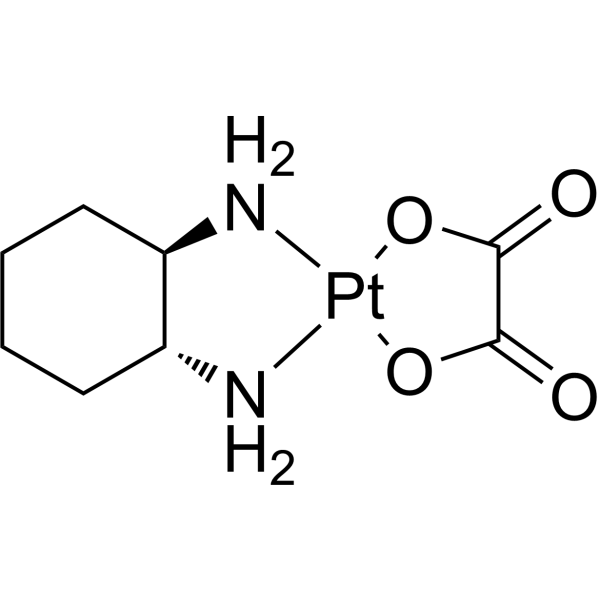
Oxaliplatin is a DNA synthesis inhibitor. Oxaliplatin causes DNA crosslinking damage, prevents DNA replication and transcription and induces apoptosis. Oxaliplatin can be used for cancer research .
180
180 Cited Publications
Art. -Nr.: HY-13629
CAS. Nr.: 33419-42-0
Reinheit:  99.94%
Synonyms: VP-16; VP-16-213
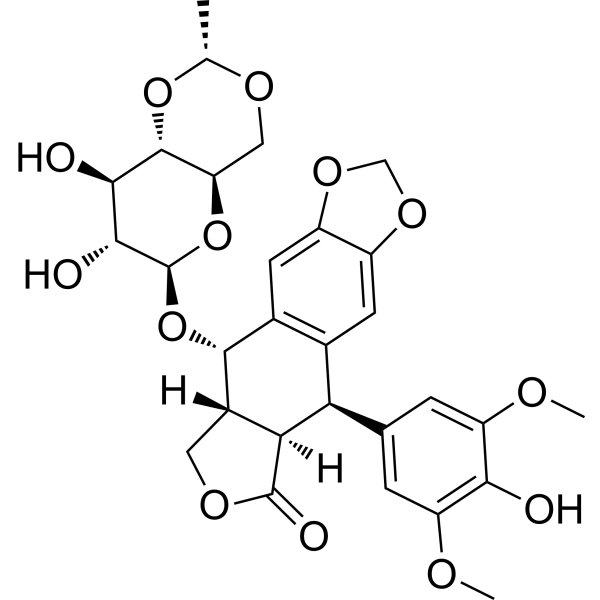
Etoposide (VP-16; VP-16-213) is an anti-cancer chemotherapy agent. Etoposide inhibits topoisomerase II, thus stopping DNA replication. Etoposide induces cell cycle arrest, apoptosis and autophagy .
142
142 Cited Publications
Art. -Nr.: HY-13433
CAS. Nr.: 67526-95-8
Reinheit:  99.87%
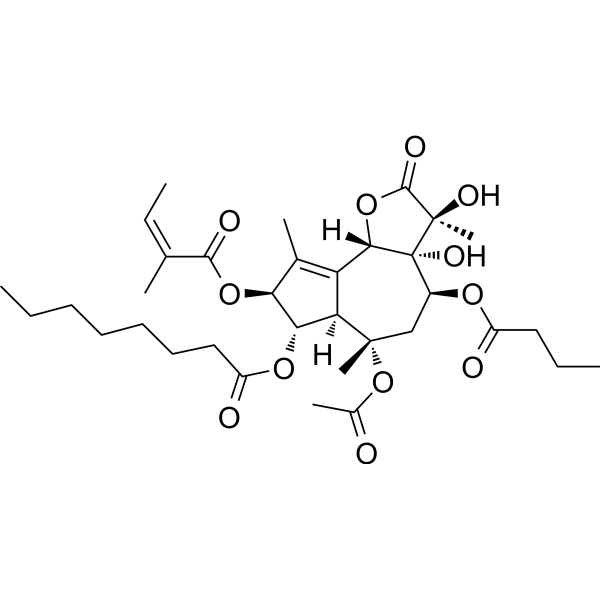
Thapsigargin, an endoplasmic reticulum (ER) stress inducer, is an inhibitor of microsomal Ca 2+-ATPase. Thapsigargin efficiently inhibits coronavirus (HCoV-229E, MERS-CoV, SARS-CoV-2) replication in different cell types .
118
118 Cited Publications
Art. -Nr.: HY-15005
CAS. Nr.: 1190307-88-0
Reinheit:  99.97%
Synonyms: GS-7977; PSI-7977
Target:  

HCV

Forschungsgebiete:  

Infection Cancer

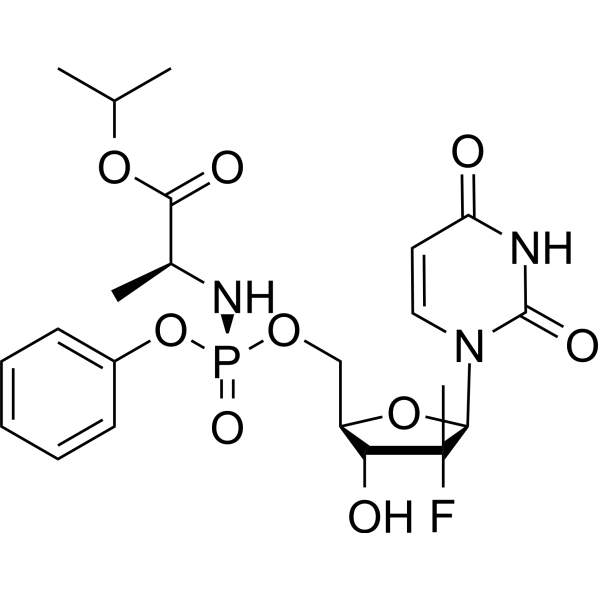
Sofosbuvir (GS-7977) is an HCV RNA replication inhibitor with an EC50 of 92 nM .
106
106 Cited Publications
Art. -Nr.: HY-10046
CAS. Nr.: 110078-46-1
Reinheit:  99.90%
Synonyms: AMD 3100; JM3100; SID791
Target:  

CXCR HIV

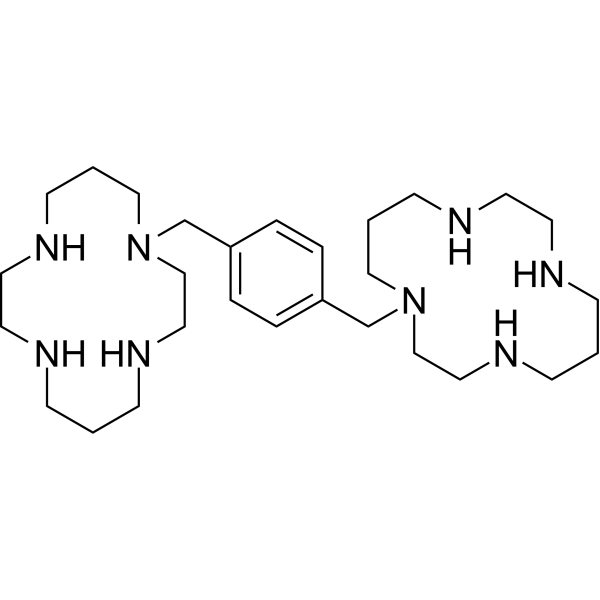
Plerixafor (AMD 3100) is a selective CXCR4 antagonist with an IC50 of 44 nM. Plerixafor, an immunostimulant and a hematopoietic stem cell (HSC) mobilizer, is an allosteric agonist of CXCR7. Plerixafor inhibits HIV-1 and HIV-2 replication with an EC50 of 1-10 nM .
94
94 Cited Publications
Art. -Nr.: HY-17393
CAS. Nr.: 41575-94-4
Synonyms: NSC 241240
Forschungsgebiete:  

Cancer

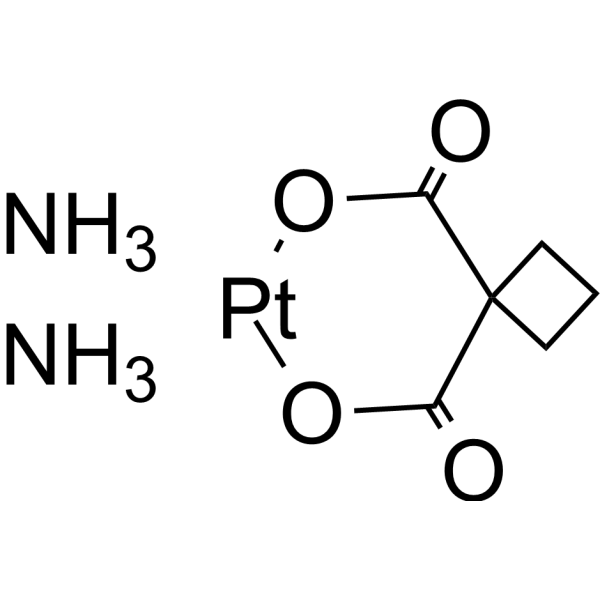
Carboplatin (NSC 241240) is a DNA synthesis inhibitor which binds to DNA, inhibits replication and transcription and induces cell death. Carboplatin (NSC 241240) is a derivative of CDDP and a potent anti-cancer agent.
75
75 Cited Publications
Art. -Nr.: HY-N0488A
CAS. Nr.: 57-22-7
Synonyms: Leurocristine; NSC-67574; 22-Oxovincaleukoblastine
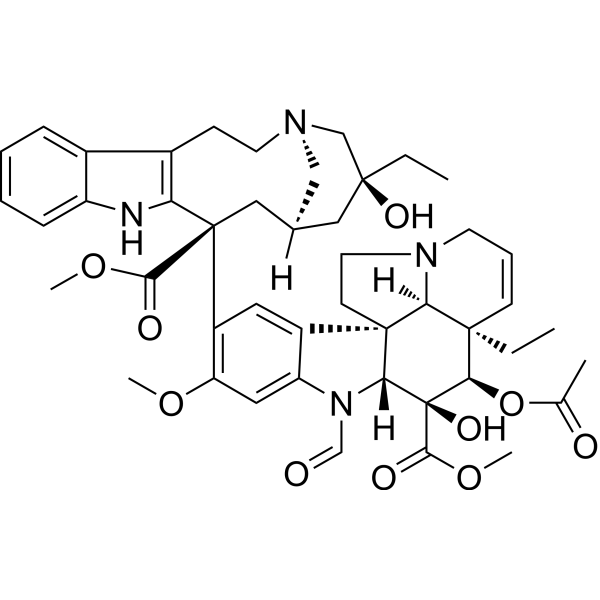
Vincristine (Leurocristine; NSC-67574; 22-Oxovincaleukoblastine) is a microtubule inhibitor that disrupts microtubule polymerization by binding to β-tubulin (with a Ki of 85 nM in bovine), arrests the cell cycle and induces apoptosis. Vincristine inhibits cell replication, tumor blood flow and the proliferation of various cancer cells, while triggering effects such as oxidative stress, inflammation, calcium overload, epithelial-mesenchymal transition and peripheral neuropathic pain. Vincristine upregulates the expression of various transporters and nuclear receptors, and enriches gastric cancer stem-like cells. Vincristine is used in research related to various tumors including acute lymphoblastic leukemia, lymphoma, melanoma, gastric cancer, solid tumors and sarcomas .
75
75 Cited Publications
Art. -Nr.: HY-N0488
CAS. Nr.: 2068-78-2
Synonyms: Leurocristine sulfate; NSC-67574 sulfate; 22-Oxovincaleukoblastine sulfate
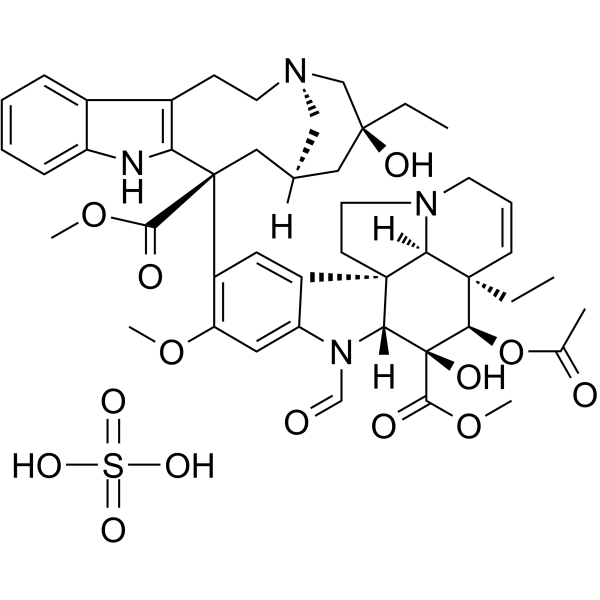
Vincristine (Leurocristine; NSC-67574; 22-Oxovincaleukoblastine) sulfate is a microtubule inhibitor that disrupts microtubule polymerization by binding to β-tubulin (with a Ki of 85 nM in bovine), arrests the cell cycle and induces apoptosis. Vincristine sulfate inhibits cell replication, tumor blood flow and the proliferation of various cancer cells, while triggering effects such as oxidative stress, inflammation, calcium overload, epithelial-mesenchymal transition and peripheral neuropathic pain. Vincristine sulfate upregulates the expression of various transporters and nuclear receptors, and enriches gastric cancer stem-like cells. Vincristine sulfate is used in research related to various tumors including acute lymphoblastic leukemia, lymphoma, melanoma, gastric cancer, solid tumors and sarcomas .
49
49 Cited Publications
Art. -Nr.: HY-109025A
CAS. Nr.: 1985605-59-1
Reinheit:  99.68%
Synonyms: Baloxavir acid; S-033447
Target:  

Influenza Virus

Forschungsgebiete:  

Infection Cancer

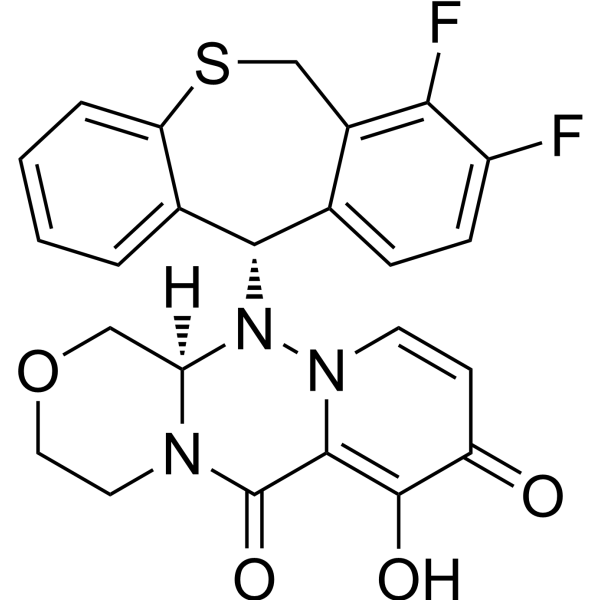
Baloxavir (Baloxavir acid), derived from the proagent Baloxavir marboxil, is a first-in-class, potent and selective cap-dependent endonuclease (CEN) inhibitor within the polymerase PA subunit of influenza A and B viruses. Baloxavir inhibits viral RNA transcription and replication and has potently antiviral activity .
48
48 Cited Publications
Art. -Nr.: HY-15310
CAS. Nr.: 70288-86-7
Reinheit:  98.28%
Synonyms: MK-933; CD-5024; K-237
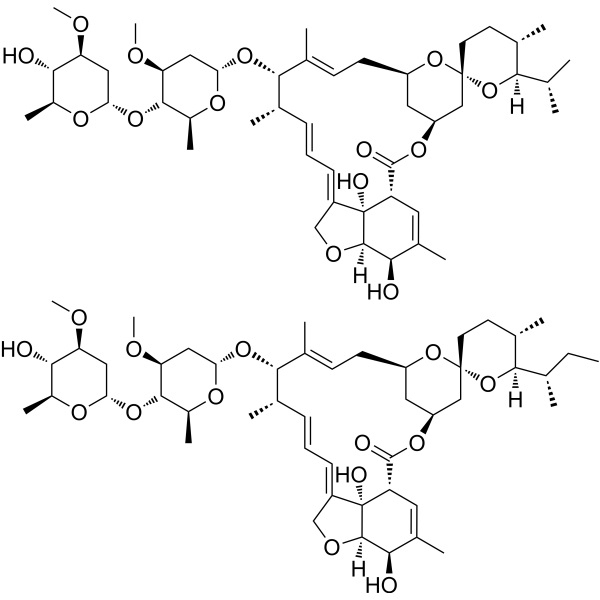
Ivermectin (MK-933) is a broad-spectrum anti-parasite agent. Ivermectin (MK-933) is a specific inhibitor of Impα/β1-mediated nuclear import and has potent antiviral activity towards both HIV-1 and dengue virus. It is a positive allosteric effector of P2X4 and the α7 neuronal nicotinic acetylcholine receptor (nAChRs). Ivermectin also inhibits bovine herpesvirus1 (BoHV-1) replication and inhibits BoHV-1 DNA polymerase nuclear import . Ivermectin is a candidate therapeutic against SARS-CoV-2/COVID-19 .
45
45 Cited Publications
Art. -Nr.: HY-10241
CAS. Nr.: 923604-59-5
Reinheit:  98.79%
Synonyms: TMC435; TMC435350
Forschungsgebiete:  

Infection

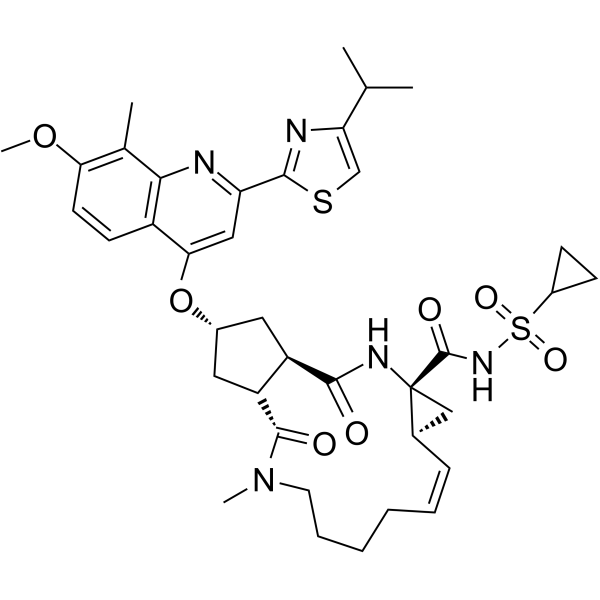
Simeprevir (TMC435; TMC435350) is an oral, potent and highly specific hepatitis C virus (HCV) NS3/4A protease inhibitor with a Ki of 0.36 nM. Simeprevir inhibits HCV replication with an EC50 of 7.8 nM. Simeprevir also potently suppresses SARS-CoV-2 replication and synergizes with Remdesivir. Simeprevir inhibits the main protease (M pro) and the RNA-dependent RNA polymerase (RdRp) of SARS-CoV-2, and also modulates host immune responses .
42
42 Cited Publications
Art. -Nr.: HY-13324
CAS. Nr.: 218600-53-4
Reinheit:  98.92%
Synonyms: RTA 402; NSC 713200; CDDO Methyl ester
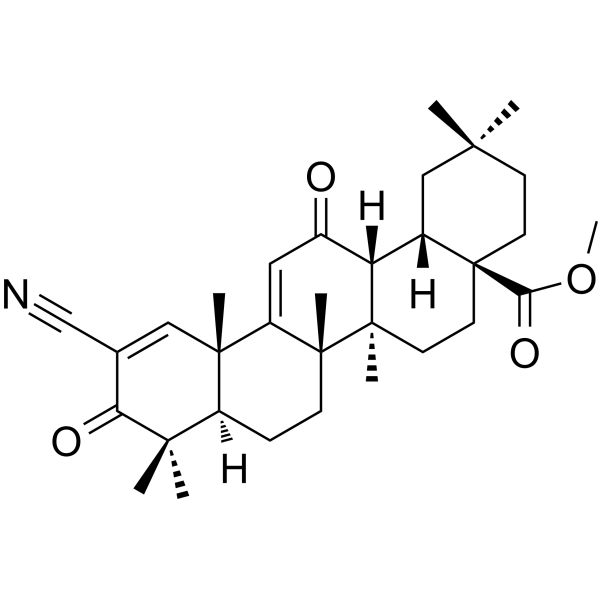
Bardoxolone methyl (RTA 402) is an orally active and blood-brain-barrier-penetrant activator of Nrf2 and an inhibitor of SARS-CoV-2 3CL protease. Bardoxolone methyl inhibits SARS-CoV-2 replication in Vero cells with an EC50 value of 0.29 μM. Bardoxolone methyl increases levels of pNrf2 and HO-1, inhibits inflammatory mediators like pNFκB and MCP-1. Bardoxolone methyl activates the Nrf2 pathway to enhance antioxidant and anti-inflammatory responses, inhibits viral replication, and improves mitochondrial function. Bardoxolone methyl can be used in research on chemotherapy-induced neuropathic pain (CINP), COVID-19, and chronic kidney disease (CKD) .
42
42 Cited Publications
Art. -Nr.: HY-B0497
CAS. Nr.: 50-65-7
Synonyms: BAY2353
Forschungsgebiete:  

Infection Cancer

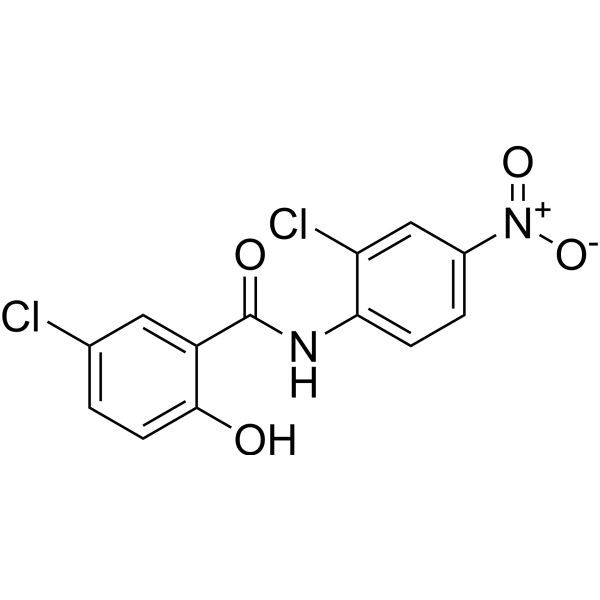
Niclosamide (BAY2353) is an orally active antihelminthic agent used in parasitic infection research . Niclosamide is a STAT3 inhibitor with an IC50 of 0.25 μM in HeLa cells . Niclosamide has biological activities against cancer, inhibits DNA replication in Vero E6 cells .
42
42 Cited Publications
Art. -Nr.: HY-B0497C
CAS. Nr.: 1420-04-8
Synonyms: BAY2353 olamine
Forschungsgebiete:  

Infection Cancer

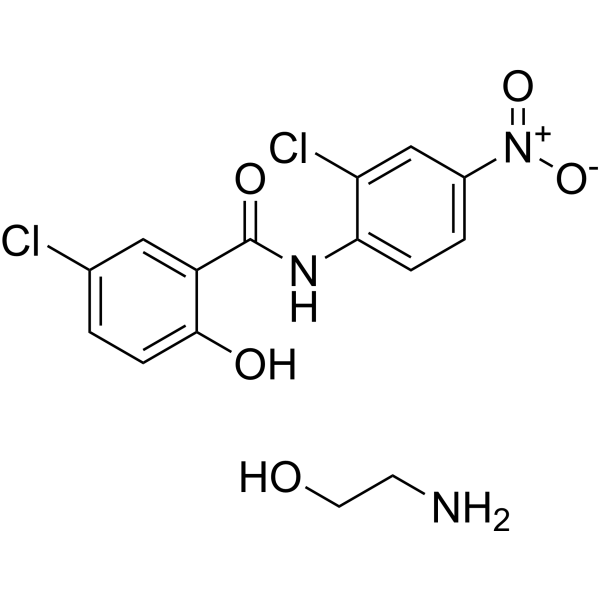
Niclosamide (BAY2353) olamine is an orally active antihelminthic agent used in parasitic infection research . Niclosamide olamin is a STAT3 inhibitor with an IC50 of 0.25 μM in HeLa cells . Niclosamide olamin has biological activities against cancer, and inhibits DNA replication in Vero E6 cells .
41
41 Cited Publications
Art. -Nr.: HY-125033
CAS. Nr.: 3258-02-4
Reinheit:  99.96%
Synonyms: β-D-N4-hydroxycytidine; NHC
Forschungsgebiete:  

Infection

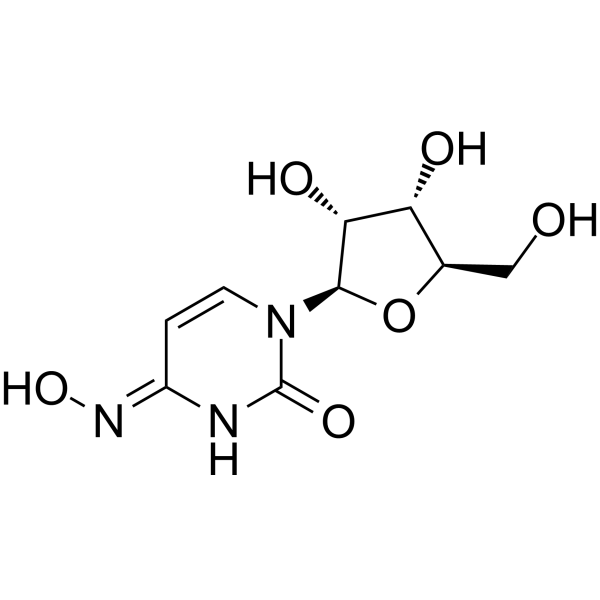
EIDD-1931 (Beta-d-N4-hydroxycytidine; NHC) is a novel nucleoside analog and behaves as a potent anti-virus agent. EIDD-1931 effectively inhibits the replication activity of venezuelan equine encephalitis virus (VEEV), Chikungunya virus (CHIKV) and hepatitis C virus (HCV) .
36
36 Cited Publications
Art. -Nr.: HY-18174
CAS. Nr.: 1234015-52-1
Synonyms: LY2606368
Forschungsgebiete:  

Cancer

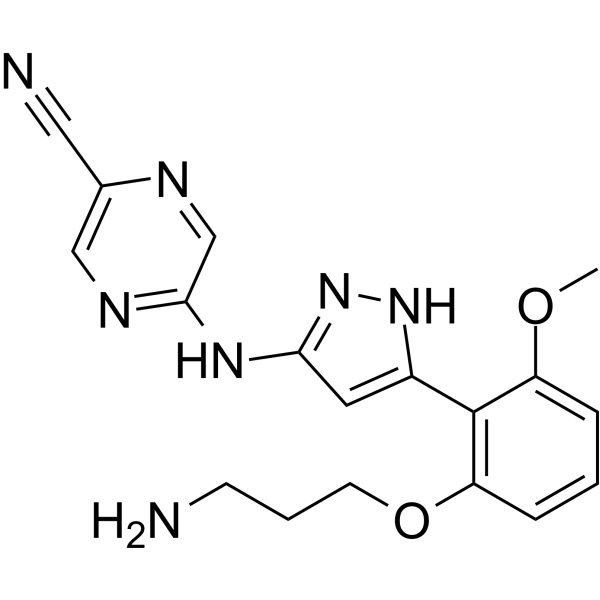
Prexasertib (LY2606368) is a selective, ATP-competitive second-generation checkpoint kinase 1 (CHK1) inhibitor with a Ki of 0.9 nM and an IC50 of <1 nM. Prexasertib inhibits CHK2 (IC50=8 nM) and RSK1 (IC50=9 nM). Prexasertib causes double-stranded DNA breakage and replication catastrophe resulting in apoptosis. Prexasertib shows potent anti-tumor activity .
36
36 Cited Publications
Art. -Nr.: HY-18174A
CAS. Nr.: 1234015-54-3
Synonyms: LY2606368 dihydrochloride
Forschungsgebiete:  

Cancer

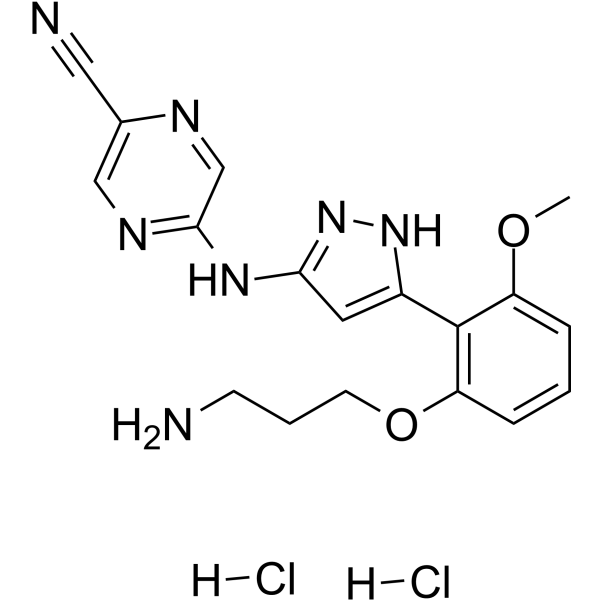
Prexasertib dihydrochloride (LY2606368 dihydrochloride) is a selective, ATP-competitive second-generation checkpoint kinase 1 (CHK1) inhibitor with a Ki of 0.9 nM and an IC50 of <1 nM. Prexasertib dihydrochloride inhibits CHK2 (IC50=8 nM) and RSK1 (IC50=9 nM). Prexasertib dihydrochloride causes double-stranded DNA breakage and replication catastrophe resulting in apoptosis. Prexasertib dihydrochloride shows potent anti-tumor activity .
36
36 Cited Publications
Art. -Nr.: HY-18174E
CAS. Nr.: 1234015-58-7
Synonyms: LY2606368 dimesylate
Forschungsgebiete:  

Cancer

Prexasertib dimesylate (LY2606368 dimesylate) is a selective, ATP-competitive second-generation checkpoint kinase 1 (CHK1) inhibitor with a Ki of 0.9 nM and an IC50 of <1 nM. Prexasertib dimesylate inhibits CHK2 (IC50=8 nM) and RSK1 (IC50=9 nM). Prexasertib dimesylate causes double-stranded DNA breakage and replication catastrophe resulting in apoptosis. Prexasertib dimesylate shows potent anti-tumor activity .
35
35 Cited Publications
Art. -Nr.: HY-118411
CAS. Nr.: 61135-33-9
Reinheit:  99.78%
Synonyms: EdU
Target:  

PROTAC Linkers

Forschungsgebiete:  

Cancer

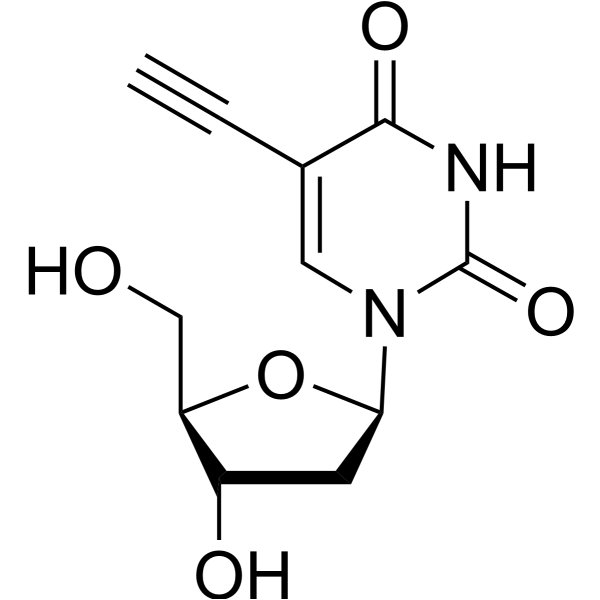
5-Ethynyl-2'-deoxyuridine (EdU), a thymidine analogue, is incorporated into cellular DNA during DNA replication and the subsequent reaction of EdU with a fluorescent azide in a “Click” reaction. EdU staining is a fast, sensitive and reproducible method to study cell proliferation . 5-Ethynyl-2'-deoxyuridine is an alkyl chain-based PROTAC linker that can be used in the synthesis of PROTACs . 5-Ethynyl-2'-deoxyuridine is a click chemistry reagent, it contains an Alkyne group and can undergo copper-catalyzed azide-alkyne cycloaddition (CuAAc) with molecules containing Azide groups.
35
35 Cited Publications
Art. -Nr.: HY-13238
CAS. Nr.: 1051375-16-6
Reinheit:  99.85%
Synonyms: S/GSK1349572
Target:  

HIV Integrase HIV

Forschungsgebiete:  

Infection

Dolutegravir (S/GSK1349572) is a highly potent and orally bioavailable HIV integrase strand transfer inhibitor with an IC50 of 2.7 nM for HIV-1 integrase-catalyzed strand transfer. Dolutegravir (S/GSK1349572) inhibits HIV-1 viral replication with an IC50 of 0.51 nM in peripheral blood mononuclear cells. Dolutegravir retains a high potency against the HIV-1 Y143R, N155H, and G140S/Q148H mutants (EC50=3.6-5.8 nM) .

