



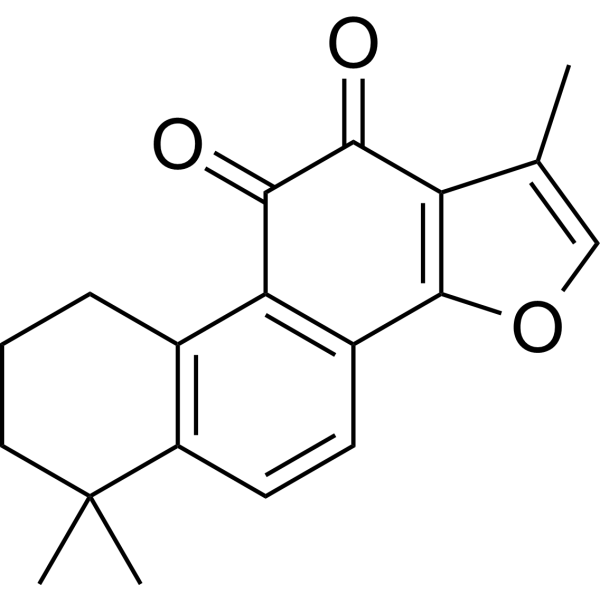
Tanshinone IIA
Based on 40 publication(s) in Google Scholar
Tanshinone IIA (Tan IIA) is one of the main compositions in the root of Salvia miltiorrhiza Bunge. Tanshinone IIA may suppress angiogenesis by targeting the protein kinase domains of VEGF/VEGFR2.
For research use only. We do not sell to patients.
- Purity : 99.78%
- CAS No.: 568-72-9
- Formula: C19H18O3
- Molecular Weight:294.34
-
Storage:Powder -20°C, 3 years , 4°C, 2 years
* The compound is unstable in solutions, freshly prepared is recommended.

To place orders, for customer services and technical support, please contact: MedChemExpress USA
Tel: 609-228-6898 E-mail: [email protected] [email protected]


-
 Biological Activity
-
Chemical Information
-
Solvent & Solubility
- Purity & Documentation
- References
-
 Help & FAQs


-
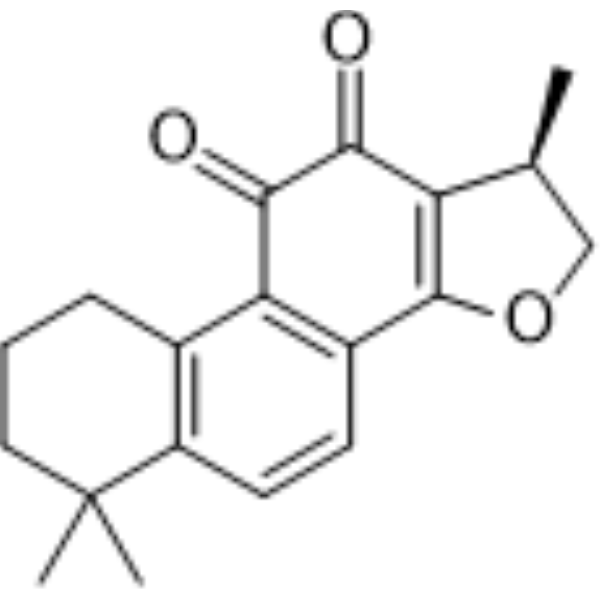
HY-N0174
CryptotanshinoneAutophagy Inducer -
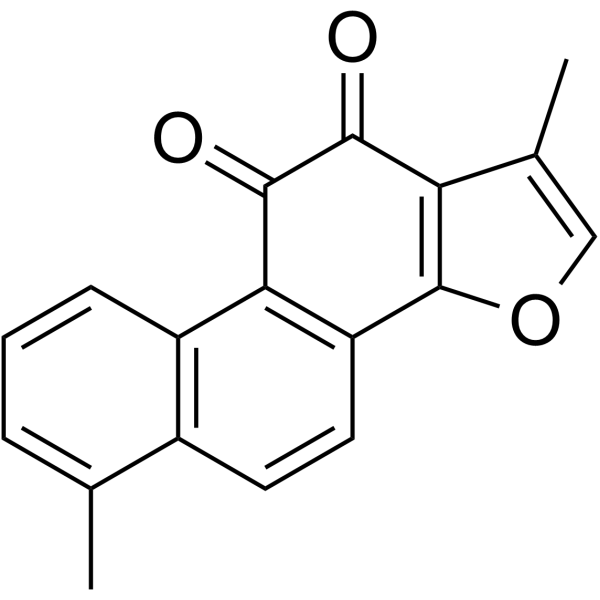
HY-N0134
Tanshinone IPhospholipase Inhibitor -
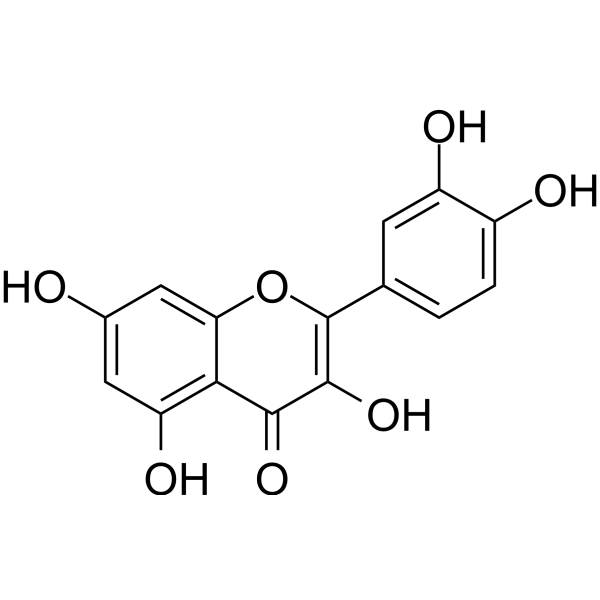
HY-18085
QuercetinFlavonoid Antioxidant -
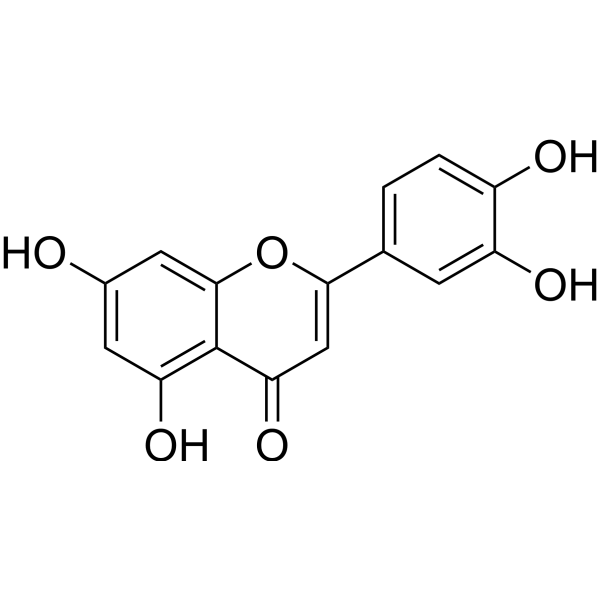
HY-N0162
LuteolinNrf2 Inhibitor -
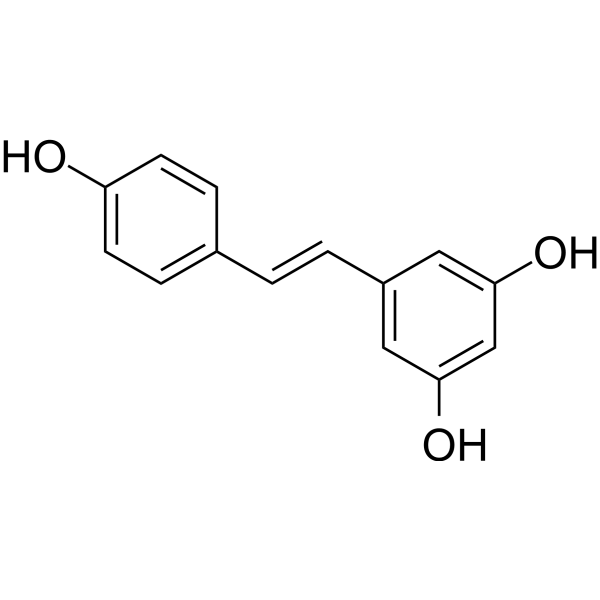
HY-16561
ResveratrolPolyphenolic Phytoalexin -
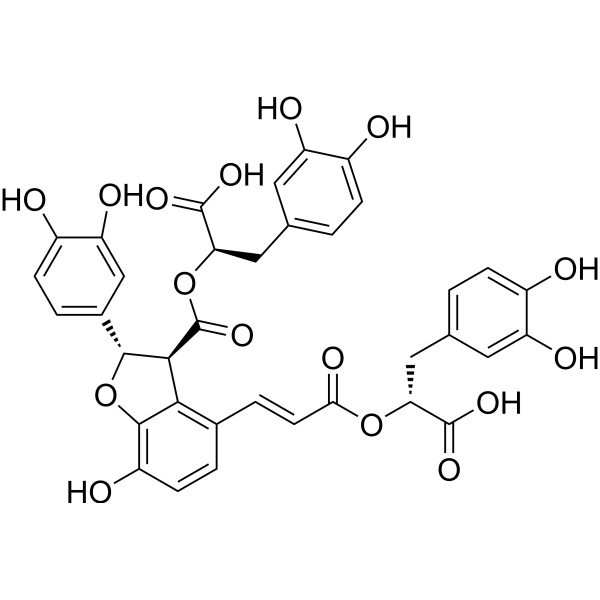
HY-N1362
Salvianolic acid BAntioxidant -
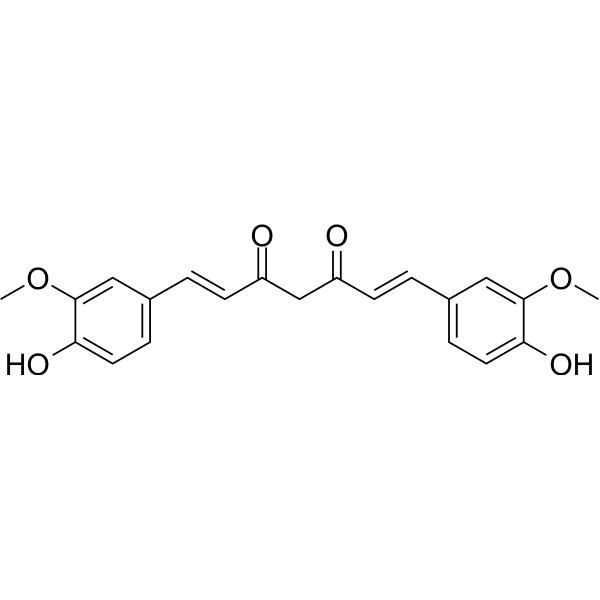
HY-N0005
Curcuminp300 Histone Acetylatransferase Inhibitor -
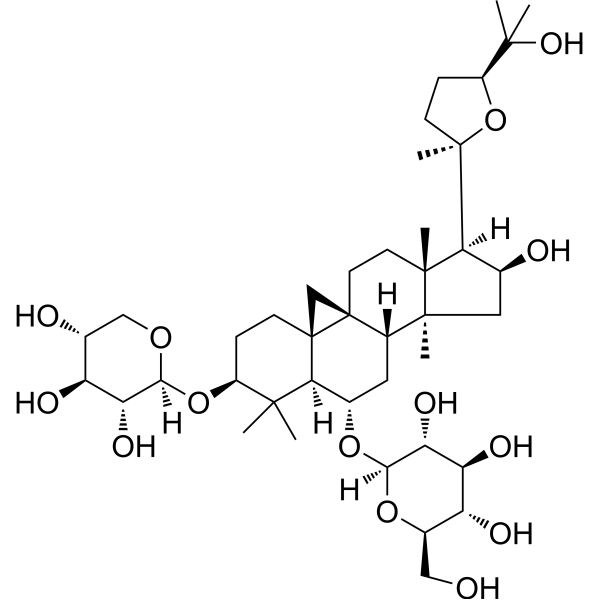
HY-N0431
Astragaloside IVMMP Inhibitor -
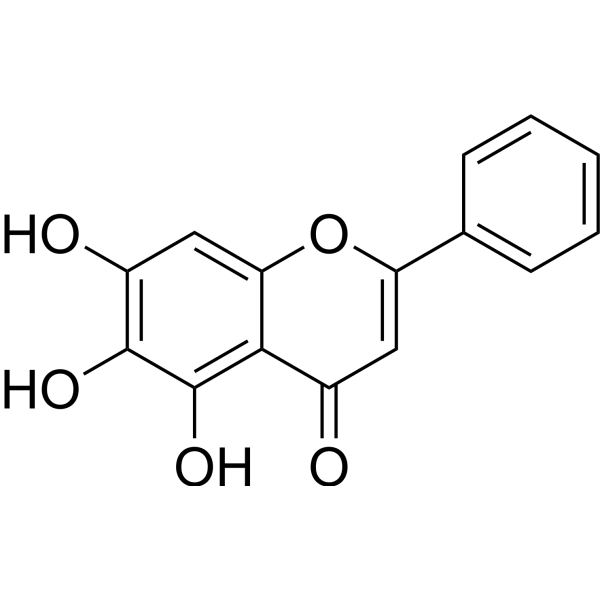
HY-N0196
BaicaleinXanthine Oxidase Inhibitor -
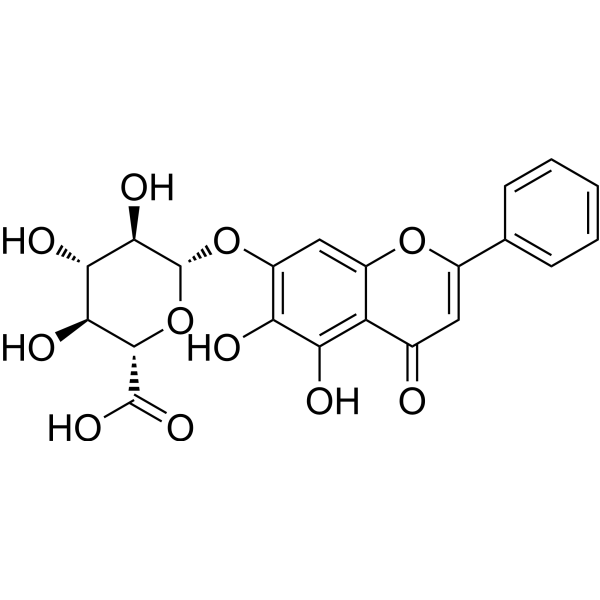
HY-N0197
BaicalinAutophagy Inducer -
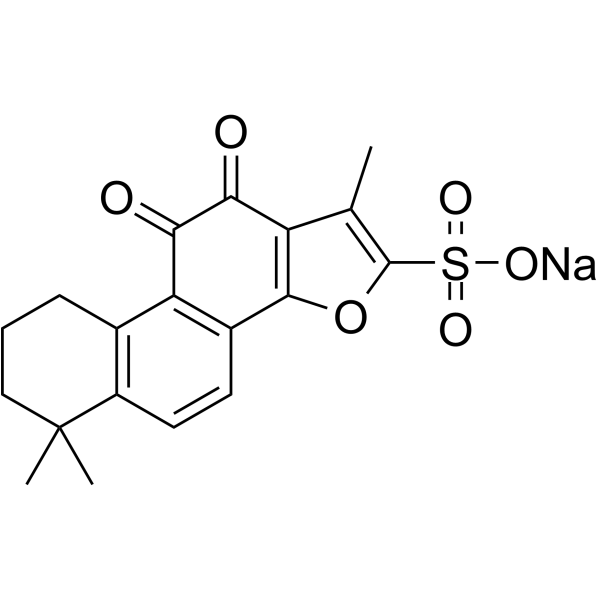
HY-N1370
Tanshinone IIA sulfonate sodiumSOCE Inhibitor -
HY-14393
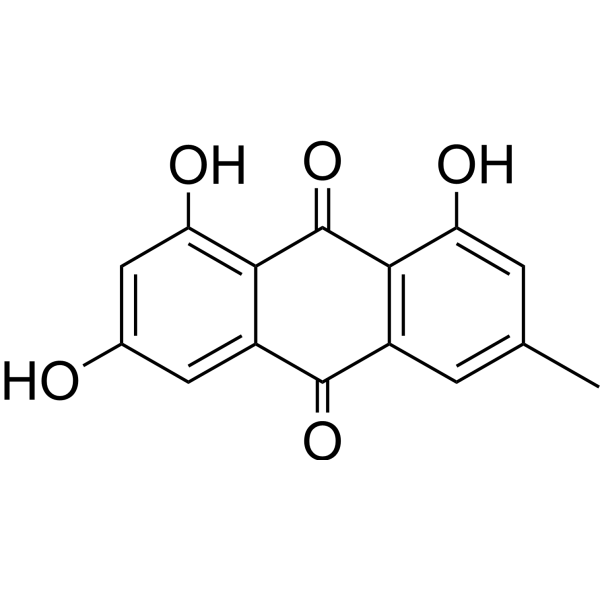
EmodinNatural Anthraquinone
Publications Citing Use of MedChemExpress (MCE) Tanshinone IIA
More- Phytomedicine. 2025 Sep:145:156957. [Abstract]
- Phytomedicine. 2025 Jun:141:156702. [Abstract]
- Phytomedicine. 2025 May:140:156484. [Abstract]
- J Transl Med. 2023 Jan 20;21(1):34. [Abstract]
- Phytother Res. 2022 Oct;36(10):3932-3948. [Abstract]
- Cell Rep. 2026 Feb 2;45(2):116913. [Abstract]
- Cancer Cell Int. 2020 Aug 7:20:379. [Abstract]
- Biochem Pharmacol. 2026 Mar:245:117635. [Abstract]
- Pharm Biol. 2025 Dec;63(1):364-373. [Abstract]
- Eur J Pharmacol. 2020 Aug 5:880:173140. [Abstract]
- Int J Mol Sci. 2024 Nov 21;25(23):12483. [Abstract]
- Neurochem Int. 2026 Oct:199:106208.
- J Thromb Haemost. 2026 Sep;24(9):3263-3274.
- ACS Omega. 2025 Apr 29;10(18):19019-19032. [Abstract]
- J Integr Med. 2022 May;20(3):274-280. [Abstract]
- Chem Biol Interact. 2020 Mar 1:319:109024. [Abstract]
- Mater Today Commun. 2026 Feb 3.
- Sci Rep. 2025 Mar 11;15(1):8409. [Abstract]
- Mediators Inflamm. 2024 Mar 21:2024:7459054. [Abstract]
- Eur J Med Res. 2025 Jul 5;30(1):576. [Abstract]
- Acta Biochim Biophys Sin (Shanghai). 2024 Nov 1;57(5):727-737. [Abstract]
- Regen Ther. 2025 Aug 13:30:584-594. [Abstract]
- Microb Pathog. 2024 Nov:196:106960. [Abstract]
- J Pharm Pharmacol. 2018 Oct;70(10):1369-1377. [Abstract]
- Stem Cells Int. 2022 Mar 4:2022:9977610. [Abstract]
- Biochem Biophys Rep. 2026 May 11:46:102606. [Abstract]
- Life Sci Alliance. 2022 Nov 1;6(1):e202201667. [Abstract]
- Biomed Res Int. 2022 Sep 13;2022:3816258. [Abstract]
- Pharmacology. 2021;106(1-2):20-28. [Abstract]
- Clin Exp Pharmacol Physiol. 2025 Nov;52(11):e70072. [Abstract]
- Exp Ther Med. 2022 Jun 16;24(2):521. [Abstract]
- Biochem Genet. 2025 Dec 6. [Abstract]
- Eur J Histochem. 2025 Jun 17;69(3). [Abstract]
- Eur J Integr Med. 2025 Mar 22.
- HSET. 2026 Apr 17.
- Res Sq. 2025 May 05.
- Sci Total Environ. 2024 Nov 20:952:175879. [Abstract]
- Research Square Preprint. 2023 Jun 29.
- Environ Toxicol. 2022 Feb;37(2):192-200. [Abstract]
- Evid Based Complement Alternat Med. 2021 Oct 15:2021:3372403. [Abstract]
 Customer Validation & Images

-
Cell Proliferation/Viability Assay
-
WB
-
WB
All VEGFR Isoforms
More

Biological Activity
Description
IC50 & Target
VEGF/VEGFR2[1]
Cellular Effect
|
Cell Line

|
Type | Value | Description | References |
|---|---|---|---|---|
| A549 | IC50 |
2.2 μM
Compound: 2a
|
Antiproliferative activity against human A549 cells assessed as reduction in cell viability measured after 72 hrs by MTT assay
Antiproliferative activity against human A549 cells assessed as reduction in cell viability measured after 72 hrs by MTT assay
|
[PMID: 34333396] |
| A549 | IC50 |
53.2 μM
Compound: Tan-IIA
|
Antiproliferative activity against human A549 cells after 72 hrs by MTT assay
Antiproliferative activity against human A549 cells after 72 hrs by MTT assay
|
[PMID: 30398868] |
| A549 | IC50 |
6.68 μM
Compound: 7; TSA
|
Antiproliferative activity against human A549 cells assessed as inhibition of cell growth incubated for 72 hrs by cell titer glo luminescent assay
Antiproliferative activity against human A549 cells assessed as inhibition of cell growth incubated for 72 hrs by cell titer glo luminescent assay
|
[PMID: 35640078] |
| AGS | IC50 |
10 μM
Compound: 7, tanshinone iia
|
Viability of human AGS cells under normoxic conditions after 24 hrs by MTT assay
Viability of human AGS cells under normoxic conditions after 24 hrs by MTT assay
|
[PMID: 17583950] |
| AGS | IC50 |
6.8 μM
Compound: 7, tanshinone iia
|
Viability of human AGS cells under hypoxic conditions after 24 hrs by MTT assay
Viability of human AGS cells under hypoxic conditions after 24 hrs by MTT assay
|
[PMID: 17583950] |
| AGS | IC50 |
7.53 μM
Compound: 7, tanshinone iia
|
Inhibition of HIF1 activation in human AGS cells assessed as inhibition of hypoxia-induced luciferase expression after 16 hrs by reporter assay
Inhibition of HIF1 activation in human AGS cells assessed as inhibition of hypoxia-induced luciferase expression after 16 hrs by reporter assay
|
[PMID: 17583950] |
| BGC-823 | IC50 |
2.8 μM
Compound: 10
|
Anticancer activity against human BGC-823 cells assessed as inhibition of cell viability incubated for 72 hrs by MTT assay
Anticancer activity against human BGC-823 cells assessed as inhibition of cell viability incubated for 72 hrs by MTT assay
|
[PMID: 36332549] |
| CWR22R | IC50 |
6.7 μM
Compound: TS-IIA
|
Cytotoxicity against human 22Rv1 cells incubated for 72 hrs by MTT assay
Cytotoxicity against human 22Rv1 cells incubated for 72 hrs by MTT assay
|
[PMID: 22175694] |
| HeLa | IC50 |
193.2 μM
Compound: Tan-IIA
|
Antiproliferative activity against human HeLa cells after 72 hrs by MTT assay
Antiproliferative activity against human HeLa cells after 72 hrs by MTT assay
|
[PMID: 30398868] |
| HeLa | IC50 |
3.47 μM
Compound: 2a
|
Antiproliferative activity against human HeLa cells assessed as reduction in cell viability measured after 72 hrs by MTT assay
Antiproliferative activity against human HeLa cells assessed as reduction in cell viability measured after 72 hrs by MTT assay
|
[PMID: 34333396] |
| Hep 3B2 | IC50 |
>50 μM
Compound: 7, tanshinone iia
|
Viability of human Hep3B cells under hypoxic conditions after 24 hrs by MTT assay
Viability of human Hep3B cells under hypoxic conditions after 24 hrs by MTT assay
|
[PMID: 17583950] |
| Hep 3B2 | IC50 |
>50 μM
Compound: 7, tanshinone iia
|
Viability of human Hep3B cells under normoxic conditions after 24 hrs by MTT assay
Viability of human Hep3B cells under normoxic conditions after 24 hrs by MTT assay
|
[PMID: 17583950] |
| Hep 3B2 | IC50 |
6.18 μM
Compound: 7, tanshinone iia
|
Inhibition of HIF1 activation in human Hep3B cells assessed as inhibition of hypoxia-induced luciferase expression after 16 hrs by reporter assay
Inhibition of HIF1 activation in human Hep3B cells assessed as inhibition of hypoxia-induced luciferase expression after 16 hrs by reporter assay
|
[PMID: 17583950] |
| HepG2 | IC50 |
23.85 μM
Compound: TSA
|
Antiproliferative activity against human HepG2 cells by MTT assay
Antiproliferative activity against human HepG2 cells by MTT assay
|
[PMID: 33601313] |
| HepG2 | IC50 |
23.9 μM
Compound: Tanshinone IIA
|
Antiproliferative activity against human HepG2 cells
Antiproliferative activity against human HepG2 cells
|
[PMID: 33421712] |
| HepG2 | IC50 |
4.91 μM
Compound: 2a
|
Antiproliferative activity against human HepG2 cells assessed as reduction in cell viability measured after 72 hrs by MTT assay
Antiproliferative activity against human HepG2 cells assessed as reduction in cell viability measured after 72 hrs by MTT assay
|
[PMID: 34333396] |
| HepG2 | IC50 |
65.7 μM
Compound: Tan-IIA
|
Antiproliferative activity against human HepG2 cells after 72 hrs by MTT assay
Antiproliferative activity against human HepG2 cells after 72 hrs by MTT assay
|
[PMID: 30398868] |
| K562 | IC50 |
4.6 μM
Compound: TSA
|
Cytotoxicity against human K562 cells assessed as reduction in cell growth incubated for 72 hrs by MTT assay
Cytotoxicity against human K562 cells assessed as reduction in cell growth incubated for 72 hrs by MTT assay
|
[PMID: 38889607] |
| L02 | IC50 |
65.29 μM
Compound: TSA
|
Antiproliferative activity against human L02 cells by MTT assay
Antiproliferative activity against human L02 cells by MTT assay
|
[PMID: 33601313] |
| L02 | IC50 |
78.5 μM
Compound: Tan-IIA
|
Antiproliferative activity against human L02 cells after 72 hrs by MTT assay
Antiproliferative activity against human L02 cells after 72 hrs by MTT assay
|
[PMID: 30398868] |
| LNCaP | IC50 |
0.5 μM
Compound: TS-IIA
|
Cytotoxicity against human LNCAP cells incubated for 72 hrs by MTT assay
Cytotoxicity against human LNCAP cells incubated for 72 hrs by MTT assay
|
[PMID: 22175694] |
| LNCaP C4-2B | IC50 |
0.4 μM
Compound: TS-IIA
|
Cytotoxicity against human C4-2B cells incubated for 72 hrs by MTT assay
Cytotoxicity against human C4-2B cells incubated for 72 hrs by MTT assay
|
[PMID: 22175694] |
| MCF7 | EC50 |
0.9 μM
Compound: Tan II-A
|
Cytotoxicity against telomerase positive human MCF7 cells after 96 hrs by SRB assay
Cytotoxicity against telomerase positive human MCF7 cells after 96 hrs by SRB assay
|
[PMID: 22044621] |
| MCF7 | ED50 |
0.38 μg/mL
Compound: Tanshinone IIA
|
Dose required for reduction in cell growth of human breast cancer MCF-7 cell line
Dose required for reduction in cell growth of human breast cancer MCF-7 cell line
|
[PMID: 15509181] |
| MCF7 | IC50 |
>5 μM
Compound: 2a
|
Antiproliferative activity against human MCF7 cells assessed as reduction in cell viability measured after 72 hrs by MTT assay
Antiproliferative activity against human MCF7 cells assessed as reduction in cell viability measured after 72 hrs by MTT assay
|
[PMID: 34333396] |
| MCF7 | IC50 |
7.7935 μM
Compound: 2
|
Cytotoxicity against human MCF7 cells assessed as reduction in cell viability after 24 hrs by MTT assay
Cytotoxicity against human MCF7 cells assessed as reduction in cell viability after 24 hrs by MTT assay
|
[PMID: 33751939] |
| MDA-MB-231 | ED50 |
0.7 μg/mL
Compound: Tanshinone IIA
|
Dose required for reduction in cell growth of human breast cancer MDA-MB-231 cell line
Dose required for reduction in cell growth of human breast cancer MDA-MB-231 cell line
|
[PMID: 15509181] |
| MDA-MB-231 | IC50 |
115.9 μM
Compound: Tan-IIA
|
Antiproliferative activity against human MDA-MB-231 cells after 72 hrs by MTT assay
Antiproliferative activity against human MDA-MB-231 cells after 72 hrs by MTT assay
|
[PMID: 30398868] |
| MDA-MB-231 | IC50 |
7.695 μM
Compound: 2
|
Cytotoxicity against human MDA-MB-231 cells assessed as reduction in cell viability after 24 hrs by MTT assay
Cytotoxicity against human MDA-MB-231 cells assessed as reduction in cell viability after 24 hrs by MTT assay
|
[PMID: 33751939] |
| MGC-803 | IC50 |
>5 μM
Compound: 2a
|
Antiproliferative activity against human MGC-803 cells assessed as reduction in cell viability measured after 72 hrs by MTT assay
Antiproliferative activity against human MGC-803 cells assessed as reduction in cell viability measured after 72 hrs by MTT assay
|
[PMID: 34333396] |
| MIA PaCa-2 | IC50 |
1.9 μM
Compound: 13
|
Cytotoxicity against human MIAPaCa2 cells after 24 hrs by MTT assay
Cytotoxicity against human MIAPaCa2 cells after 24 hrs by MTT assay
|
[PMID: 21775156] |
| NCI-N87 | IC50 |
3.1 μM
Compound: 10
|
Anticancer activity against human NCI-N87 cells assessed as inhibition of cell viability incubated for 72 hrs by MTT assay
Anticancer activity against human NCI-N87 cells assessed as inhibition of cell viability incubated for 72 hrs by MTT assay
|
[PMID: 36332549] |
| PC-3 | EC50 |
1.2 μM
Compound: Tan II-A
|
Cytotoxicity against telomerase positive human PC3 cells after 96 hrs by SRB assay
Cytotoxicity against telomerase positive human PC3 cells after 96 hrs by SRB assay
|
[PMID: 22044621] |
| PC-3 | IC50 |
3.2 μM
Compound: TSA
|
Cytotoxicity against human PC-3 cells assessed as reduction in cell growth incubated for 72 hrs by MTT assay
Cytotoxicity against human PC-3 cells assessed as reduction in cell growth incubated for 72 hrs by MTT assay
|
[PMID: 38889607] |
| PC-3 | IC50 |
3.3 μM
Compound: TS-IIA
|
Cytotoxicity against human PC3 cells incubated for 72 hrs by MTT assay
Cytotoxicity against human PC3 cells incubated for 72 hrs by MTT assay
|
[PMID: 22175694] |
| RAW264.7 | IC50 |
18.17 μM
Compound: 1
|
Inhibition of TRAP activity in RANKL-induced osteoclastogenesis in RAW 264.7 cells
Inhibition of TRAP activity in RANKL-induced osteoclastogenesis in RAW 264.7 cells
|
[PMID: 16872829] |
| SAOS-2 | EC50 |
>20 μM
Compound: Tan II-A
|
Cytotoxicity against telomerase negative human Saos2 cells after 96 hrs by SRB assay
Cytotoxicity against telomerase negative human Saos2 cells after 96 hrs by SRB assay
|
[PMID: 22044621] |
| SGC-7901 | IC50 |
250 μM
Compound: 10
|
Anticancer activity against human SGC-7901 cells assessed as inhibition of cell viability incubated for 72 hrs by MTT assay
Anticancer activity against human SGC-7901 cells assessed as inhibition of cell viability incubated for 72 hrs by MTT assay
|
[PMID: 36332549] |
| U-937 | IC50 |
>5 μM
Compound: 2a
|
Antiproliferative activity against human U-937 cells assessed as reduction in cell viability measured after 72 hrs by MTT assay
Antiproliferative activity against human U-937 cells assessed as reduction in cell viability measured after 72 hrs by MTT assay
|
[PMID: 34333396] |
In Vitro
The anti-tumor effect of Tanshinone IIA includes inhibiting tumor cell proliferation, disturbing tumor cell cycle, promoting tumor cell apoptosis, and inhibiting tumor cell invasion and transfer. Tanshinone IIA has anti-proliferative effects on A549 cells: the IC50 of Tanshinone IIA after 24, 48 and 72 h are 145.3, 30.95 and 11.49 μM, respectively. The CCK-8 assay is used to evaluate the proliferative activity of A549 cells treated with Tanshinone IIA (2.5-80 μM) for 24, 48 and 72 h, respectively. The CCK-8 results show that Tanshinone IIA can significantly inhibit A549 cell proliferation in a dose- and time-dependent manner. Obvious apoptosis and cell growth inhibition of A549 cells are observed after drug treatment for 48 h (concentrations used are approximately IC50 values: Tanshinone IIA 31 μM on A549). Western blotting finds that 48 h exposures to Tanshinone IIA (31 μM) in A549 cells, downregulates expression of VEGF and VEGFR2 protein in both drug treatment groups vs. vehicle[1].
Tanshinone IIA, one of the most abundant constituents of the root of Salvia miltiorrhiza, protects rat myocardium-derived H9C2 cells against apoptosis. Treatment of H9C2 cells with Tanshinone IIA inhibits angiotensin II-induced apoptosis by downregulating the expression of PTEN (phosphatase and tensin homolog), a tumor suppressor that plays a critical role in apoptosis. Tanshinone IIA inhibits angiotensin II (AngII)-induced apoptosis by downregulating the expression of phosphatase and tensin homolog (PTEN)[2].
Tanshinone IIA decreases the protein expression of EGFR, and IGFR blocking the PI3K/Akt/mTOR pathway in gastric carcinoma AGS cells[3].
MedChemExpress (MCE) has not independently confirmed the accuracy of these methods. They are for reference only.
In Vivo
Tanshinone IIA (2, 4, 8 mg/kg; i.p.) mediated protective effects on the STZ-induced diabetic nephropathy may be associates with the reduced endoplasmic reticulum stress via attenuating PERK signaling activities[2].
Tanshinone IIA (3 and 12 mg/kg; i.p.) significantly inhibits the growth of ectopic endometrium[3].
Tanshinone IIA has been used interchangeably with Tanshinone IIA sulfonate sodium (HY-N1370) in some studies, but there are differences in water solubility, chemical structure, pharmacological activity and pharmacokinetics. When administering to animals, please prepare a solid dispersion or choose to use the sulfonate form of Tanshinone IIA sulfonate sodium (HY-N1370) with better water solubility[4].
MedChemExpress (MCE) has not independently confirmed the accuracy of these methods. They are for reference only.
-
Animal Model:Male ICR mice (25–30 g)[4]
-
Dosage:10 or 20 mg/kg
-
Administration:P.o.
-
Result:Significantly reversed scopolamine-induced cognitive impairments.
-
Animal Model:STZ-treated rats[5]
-
Dosage:2, 4, 8 mg/kg
-
Administration:I.p.
-
Result:Decreased the expression levels of transforming growth factor-beta1, TSP-1, Grp78 and CHOP and attenuated the increase in the protein levels of p-PERK, p-elf2α and ATF-4 from the renal tissues of diabetic rats.
-
Animal Model:Female Sprague-Dawley rats (180 -200g)[6]
-
Dosage:3 and 12 mg/kg
-
Administration:I.p.
-
Result:Significantly inhibited the growth of ectopic endometrium.
Clinical Trial
| NCT Number | Sponsor | Condition | Start Date |
Phase
|
|---|---|---|---|---|
| NCT01329991 | Plexxikon| | 2011-05 | PHASE1 |


Chemical Information
-
CAS No. 568-72-9
-
Appearance Solid
-
Molecular Weight 294.34
-
Formula C19H18O3
-
Color Orange to red
-
SMILES
O=C(C1=C2C=CC3=C1CCCC3(C)C)C(C4=C2OC=C4C)=O
-
Synonyms
Dan Shen ketone
-
Structure Classification
-
Initial Source
-
Shipping
Room temperature in continental US; may vary elsewhere.
-
Storage
Powder -20°C 3 years 4°C 2 years * The compound is unstable in solutions, freshly prepared is recommended.


Publications (40)
-
Journal Impact Factor
-
Most Recent
-
Phytomedicine
Tanshinone IIA attenuates sepsis-induced lung injury by reducing VEGFR2/PI3K/AKT-driven mitochondrial disruption dependent apoptosis. [Abstract]2025 Sep:145:156957. PMID: 40544732 -
Phytomedicine
Tanshinone IIA promotes ferroptosis in cutaneous melanoma via STAT1-mediated upregulation of PTGS2 expression. [Abstract]2025 Jun:141:156702. PMID: 40222167 -
Phytomedicine
Fangchinoline suppresses nasopharyngeal carcinoma progression by inhibiting SQLE to regulate the PI3K/AKT pathway dysregulation. [Abstract]2025 May:140:156484. PMID: 40090046 -
J Transl Med
Tanshinone IIA ameliorates Aβ transendothelial transportation through SIRT1-mediated endoplasmic reticulum stress. [Abstract]2023 Jan 20;21(1):34. PMID: 36670462
Tanshinone IIA purchased from MedChemExpress. Usage Cited in: J Transl Med. 2023 Jan 20;21(1):34. [Abstract]
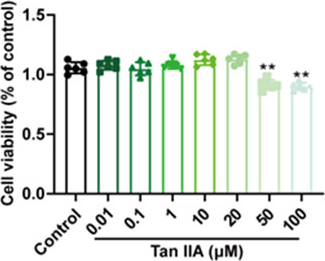
Tanshinone IIA (Tan IIA; 24 h) significantly decreases the cell viability when concentration reaches to 50 µM in bEnd0.3 cells.
-
Phytother Res
Tanshinone IIA improves contextual fear- and anxiety-like behaviors in mice via the CREB/BDNF/TrkB signaling pathway. [Abstract]2022 Oct;36(10):3932-3948. PMID: 35801985 -
Cell Rep
Activation status of astrocytes drives the MS/NMOSD therapeutic paradox: Insights from IFNAR1 signaling. [Abstract]2026 Feb 2;45(2):116913. PMID: 41632569 -
Cancer Cell Int
Tanshinone IIA regulates human AML cell proliferation, cell cycle, and apoptosis through miR-497-5p/AKT3 axis. [Abstract]2020 Aug 7:20:379. PMID: 32782437 -
Biochem Pharmacol
Renin inhibition improved muscular function by alleviating insulin resistance and AGEs/RAGE signaling in skeletal muscle associated with high glucose: Exploration of renin inhibitor tanshinone IIA. [Abstract]2026 Mar:245:117635. PMID: 41391695 -
Pharm Biol
Tanshinone IIA reduces tubulointerstitial fibrosis by suppressing GSDMD-mediated pyroptosis. [Abstract]2025 Dec;63(1):364-373. PMID: 40331369 -
Eur J Pharmacol
Tanshinone ⅡA inhibits VSMC inflammation and proliferation in vivo and in vitro by downregulating miR-712-5p expression. [Abstract]2020 Aug 5:880:173140. PMID: 32387370
Tanshinone IIA purchased from MedChemExpress. Usage Cited in: Eur J Pharmacol. 2020 Aug 5:880:173140. [Abstract]
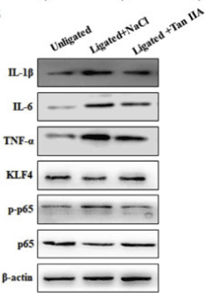
Phospho-p65 (p-p65), p65, IL-1β, IL-6, TNF-α, and KLF4 expression in unligated, ligated and ligated + Tan IIA-treated carotid arteries is determined by Western blotting days 21 after carotid artery ligation.
-
Int J Mol Sci
The Activation of p300 Enhances the Sensitivity of Pituitary Adenomas to Dopamine Agonist Treatment by Regulating the Transcription of DRD2. [Abstract]2024 Nov 21;25(23):12483. PMID: 39684198 -
-
-
ACS Omega
Investigating the Mechanism of the Fuzheng Huayu Formula in Treating Cirrhosis through Network Pharmacology, Molecular Docking, and Experimental Verification. [Abstract]2025 Apr 29;10(18):19019-19032. PMID: 40385224 -
J Integr Med
2022 May;20(3):274-280. PMID: 35181255 -
Chem Biol Interact
Tanshinone IIA attenuates silica-induced pulmonary fibrosis via Nrf2-mediated inhibition of EMT and TGF-β1/Smad signaling. [Abstract]2020 Mar 1:319:109024. PMID: 32097614 -
-
Sci Rep
2025 Mar 11;15(1):8409. PMID: 40069295 -
Mediators Inflamm
Tanshinone IIA Alleviates Traumatic Brain Injury by Reducing Ischemia‒Reperfusion via the miR-124-5p/FoxO1 Axis. [Abstract]2024 Mar 21:2024:7459054. PMID: 38549714 -
Eur J Med Res
Tanshinone IIA induces ferroptosis in colorectal cancer cells through the suppression of SLC7A11 expression via the PI3K/AKT/mTOR pathway. [Abstract]2025 Jul 5;30(1):576. PMID: 40618168 -
Acta Biochim Biophys Sin (Shanghai)
Tanshinone IIA potentiates the therapeutic efficacy of glucocorticoids in lipopolysaccharide-treated HEI-OC1 cells through modulation of the FOXP3/Nrf2 signaling pathway. [Abstract]2024 Nov 1;57(5):727-737. PMID: 39483046 -
Regen Ther
Tanshinone IIA suppresses fibro-adipogenic progenitor differentiation and attenuates fat infiltration in rotator cuff injury via Wnt/β-catenin pathway. [Abstract]2025 Aug 13:30:584-594. PMID: 40837862 -
Microb Pathog
2024 Nov:196:106960. PMID: 39313132 -
J Pharm Pharmacol
2018 Oct;70(10):1369-1377. PMID: 29943422
Tanshinone IIA purchased from MedChemExpress. Usage Cited in: J Pharm Pharmacol. 2018 Oct;70(10):1369-1377. [Abstract]
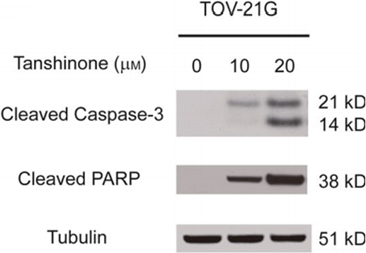
Tanshinone IIA induces TOV-21G apoptosis. Western blotting is performed with anti-Cleaved caspase 3 or anti-cleaved poly ADP-ribose polymerase (PARP) antibodies. Tubulin is loaded as the loading control.
-
Stem Cells Int
Tanshinone ΙΙ A-Incubated Mesenchymal Stem Cells Inhibit Lipopolysaccharide-Induced Inflammation of N9 Cells through TREM2 Signaling Pathway. [Abstract]2022 Mar 4:2022:9977610. PMID: 35283996 -
Biochem Biophys Rep
Tanshinone IIA attenuates psoriasis via Nrf2/HO-1 activation: Mechanistic insights from preclinical models. [Abstract]2026 May 11:46:102606. PMID: 42180189 -
Life Sci Alliance
Tanshinone functions as a coenzyme that confers gain of function of NQO1 to suppress ferroptosis. [Abstract]2022 Nov 1;6(1):e202201667. PMID: 36319062 -
Biomed Res Int
Radix Salvia miltiorrhiza for Ankylosing Spondylitis: Determining Potential Inflammatory Molecular Targets and Mechanism Using Network Pharmacology. [Abstract]2022 Sep 13;2022:3816258. PMID: 36147634 -
Pharmacology
Tanshinone IIA Ameliorates Inflammation Response in Osteoarthritis via Inhibition of miR-155/FOXO3 Axis. [Abstract]2021;106(1-2):20-28. PMID: 33395681 -
Clin Exp Pharmacol Physiol
Combination of Tanshinone IIA and Matrine Alleviates Lipopolysaccharide-Induced Acute Lung Injury by Supressing Ferroptosis via Nrf2/HO-1 Pathway Activation. [Abstract]2025 Nov;52(11):e70072. PMID: 41063422 -
Exp Ther Med
Inhibition of cell survival and invasion by Tanshinone IIA via FTH1: A key therapeutic target and biomarker in head and neck squamous cell carcinoma. [Abstract]2022 Jun 16;24(2):521. PMID: 35837069 -
Biochem Genet
Tanshinone IIA Inhibits Microglial Activation and Inflammation and Relieves Cerebral Ischemia‒Reperfusion Injury Through TGM2/PANX1. [Abstract]2025 Dec 6. PMID: 41351813 -
Eur J Histochem
Tanshinone IIA attenuates hepatic stellate cell activation, oxidative stress, and liver fibrosis by inhibiting YAP signaling. [Abstract]2025 Jun 17;69(3). PMID: 40525818 -
-
-
-
Sci Total Environ
CD36-mediated ROS/PI3K/AKT signaling pathway exacerbates cognitive impairment in APP/PS1 mice after noise exposure. [Abstract]2024 Nov 20:952:175879. PMID: 39233068 -
-
Environ Toxicol
2022 Feb;37(2):192-200. PMID: 34661962 -
Evid Based Complement Alternat Med
Tanshinone IIa Induces Autophagy and Apoptosis via PI3K/Akt/mTOR Axis in Acute Promyelocytic Leukemia NB4 Cells. [Abstract]2021 Oct 15:2021:3372403. PMID: 34691211


Solvent & Solubility
In Vitro:
DMF : 5 mg/mL (16.99 mM; ultrasonic and warming and heat to 60°C)
Ethanol : 1 mg/mL (3.40 mM; ultrasonic and warming and heat to 60°C)
DMSO : 1 mg/mL (3.40 mM; ultrasonic and warming and heat to 80°C; Hygroscopic DMSO has a significant impact on the solubility of product, please use newly opened DMSO)
Please refer to the solubility information to select the appropriate solvent. The compound is unstable in solutions, freshly prepared is recommended.
Please refer to the solubility information to select the appropriate solvent. The compound is unstable in solutions, freshly prepared is recommended.
Concentration (start) × Volume (start) = Concentration (final) × Volume (final)
In Vivo:
Select the appropriate dissolution method based on your experimental animal and administration route.
- For the following dissolution methods, please ensure to first prepare a clear stock solution using an In Vitro approach and then sequentially add co-solvents:
- To ensure reliable experimental results, the clarified stock solution can be appropriately stored based on storage conditions. As for the working solution for In Vivo experiments, it is recommended to prepare freshly and use it on the same day.
- The percentages shown for the solvents indicate their volumetric ratio in the final prepared solution. If precipitation or phase separation occurs during preparation, heat and/or sonication can be used to aid dissolution.
Add each solvent one by one: 10% EtOH 90% Corn Oil
Solubility: ≥ 0.1 mg/mL (0.34 mM); Clear solution
This protocol yields a clear solution of ≥ 0.1 mg/mL (saturation unknown). If the continuous dosing period exceeds half a month, please choose this protocol carefully.
Taking 1 mL working solution as an example, add 100 μL EtOH stock solution (1.0 mg/mL) to 900 μL Corn oil, and mix evenly.
For the following dissolution methods, please prepare the working solution directly:
It is recommended to prepare fresh solutions and use them promptly within a short period of time.
The percentages shown for the solvents indicate their volumetric ratio in the final prepared solution. If precipitation or phase separation occurs during preparation, heat and/or sonication can be used to aid dissolution.
In Vivo Dissolution Calculator
Please enter the basic information of animal experiments:
-
-
-
-
Recommended: Prepare an additional quantity of animals to account for potential losses during experiments.
Please enter your animal formula composition:
-
%DMSO +
Recommended: Keep the proportion of DMSO in working solution below 2% if your animal is weak.
-
%+
-
+%Tween-80 + +
-
%Saline +
The co-solvents required include: DMSO, . All of co-solvents are available by MedChemExpress (MCE). , Tween 80. All of co-solvents are available by MedChemExpress (MCE).
Working solution concentration: 0.22 mg/mL
Method for preparing stock solution: mg drug dissolved in μL DMSO. Stock solution concentration: mg/mL. * The compound is unstable in solutions, freshly prepared is recommended.
1. Take μL DMSO stock solution;
2. Add μL .
μL , mix evenly;
3. Then add μL Tween 80, mix evenly;
4. Then add μL
Please ensure that the stock solution in the first step is dissolved to a clear state, and add co-solvents in sequence. You can use ultrasonic heating (ultrasonic cleaner, recommended frequency 20-40 kHz), vortexing, etc. to assist dissolution.


Purity & Documentation
-
Data Sheet (287 KB)
-
SDS (396 KB)
- English - EN (396 KB)
- Français - FR (396 KB)
- Deutsch - DE (396 KB)
- Norwegian - NO (396 KB)
- Español - ES (396 KB)
- Swedish - SV (396 KB)
- Italian - IT (396 KB)
- Korean - KR (396 KB)
- Portuguese - PT (396 KB)
-
Handling Instructions (2659 KB)
References
[1]. Xie J, et al. The antitumor effect of tanshinone IIA on anti-proliferation and decreasing VEGF/VEGFR2 expression on the human non-small cell lung cancer A549 cell line. Acta Pharm Sin B. 2015 Nov;5(6):554-63. [Content Brief]
[2]. Zhang Z, et al. Tanshinone IIA inhibits apoptosis in the myocardium by inducing microRNA-152-3p expression and thereby downregulating PTEN. Am J Transl Res. 2016 Jul 15;8(7):3124-32. [Content Brief]
[3]. Su CC, et al. Tanshinone IIA decreases the protein expression of EGFR, and IGFR blocking the PI3K/Akt/mTOR pathway in gastric carcinoma AGS cells both in vitro and in vivo. Oncol Rep. 2016 Aug;36(2):1173-9. [Content Brief]
[4]. Zhongyan Zhou, et al. Sodium tanshinone IIA sulfonate: a review of pharmacological activity and pharmacokinetics. Biomedicine & Pharmacotherapy 118 (2019): 109362. [Content Brief]


Complete Stock Solution Preparation Table
Please refer to the solubility information to select the appropriate solvent. The compound is unstable in solutions, freshly prepared is recommended.
| Optional Solvent | Concentration Solvent Mass | 1 mg | 5 mg | 10 mg | 25 mg |
|---|---|---|---|---|---|
| Ethanol / DMSO / DMF | 1 mM | 3.3974 mL | 16.9872 mL | 33.9743 mL | 84.9358 mL |
| DMF | 5 mM | 0.6795 mL | 3.3974 mL | 6.7949 mL | 16.9872 mL |
| 10 mM | 0.3397 mL | 1.6987 mL | 3.3974 mL | 8.4936 mL | |
| 15 mM | 0.2265 mL | 1.1325 mL | 2.2650 mL | 5.6624 mL |


Tanshinone IIA Related Classifications
HY-N0135 Related Classifications
 Powered by Bioz