50 Results for "

feedback

" in MedChemExpress (MCE) Product Catalog:
Products (50)

50 Results for "feedback" in MCE Product Catalog:

3
3 Cited Publications
Cat. No.: HY-115672
CAS No.: 1033781-20-2
Purity:  99.46%
Target:  

Cryptochrome

연구분야:  

Cancer

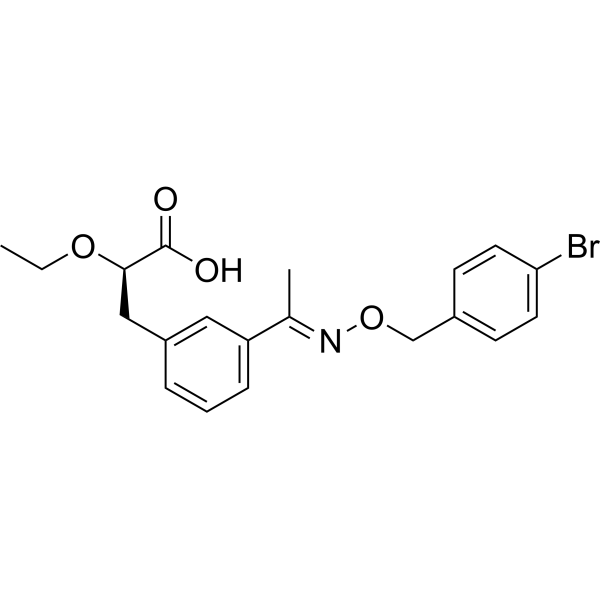
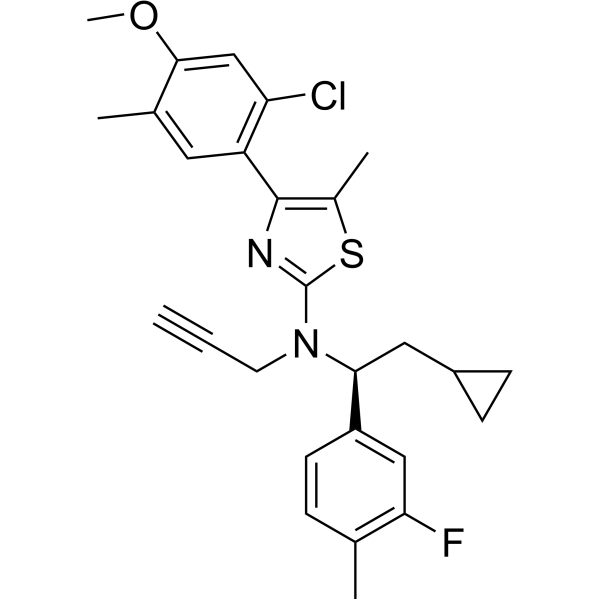
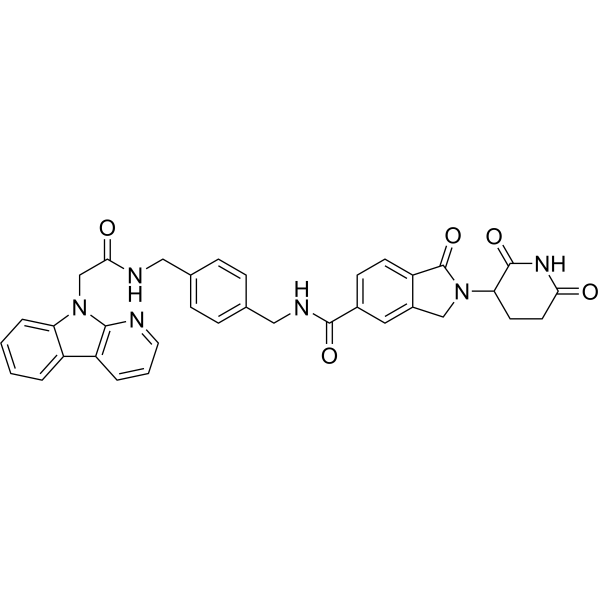
KS15 is an inhibitor of the interactions between cryptochromes (CRYs: CRY1 and CRY2) and the CLOCK:BMAL1 heterodimer. KS15 impairs the feedback actions of CRYs on E-box-dependent transcription (EC50=4.9 μM) by CLOCK:BMAL1 heterodimer, an indispensable transcriptional regulator of the mammalian circadian clock. Anti-proliferative activity .
loading...
    loading...
3
3 Cited Publications
Cat. No.: HY-15466
CAS No.: 1007207-67-1
Purity:  99.01%
Synonyms: CH5132799
Target:  

PI3K Apoptosis mTOR Akt

연구분야:  

Cancer

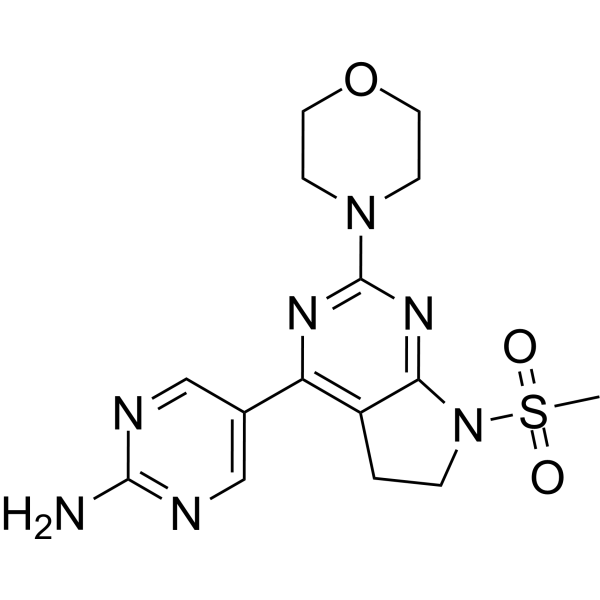
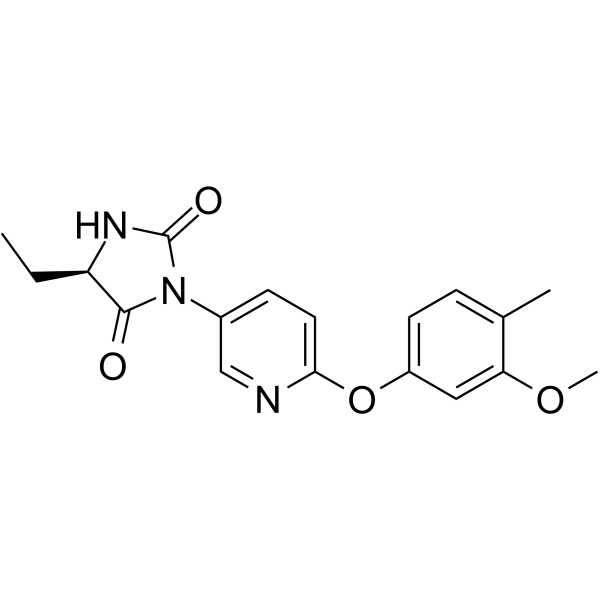
Izorlisib (CH5132799) is an orally active, selective Class I PI3K inhibitor with an IC50 value of 14 nM against PI3Kα. Izorlisib methanesulfonate specifically inhibits Class I PI3K (particularly PI3Kα and its mutants) and blocks the PI3K/Akt/mTOR pathway; this leads to cell cycle arrest at the G1 phase and apoptosis without triggering feedback activation of Akt by competitively binding to the ATP-binding site of PI3K. Izorlisib methanesulfonate can be used in research on cancers harboring PIK3CA mutations or PTEN loss (such as breast, ovarian, prostate, and endometrial cancers) .
loading...
    loading...
2
2 Cited Publications
Cat. No.: HY-126255
CAS No.: 2237268-08-3
Purity:  99.88%
Target:  

NAMPT

연구분야:  

Metabolic Disease

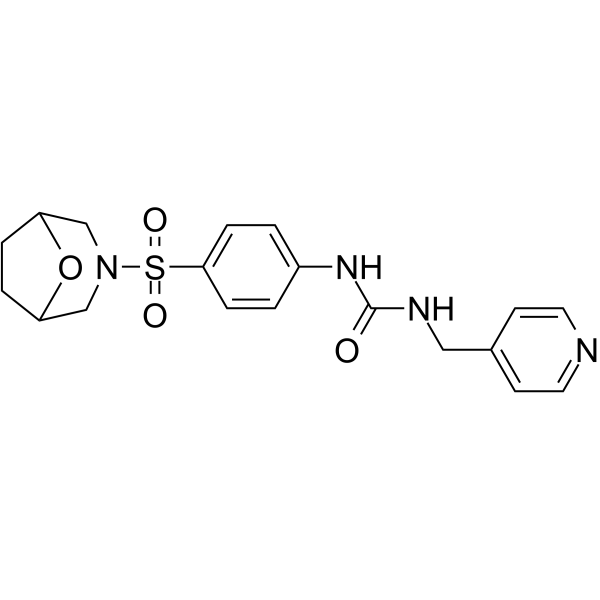
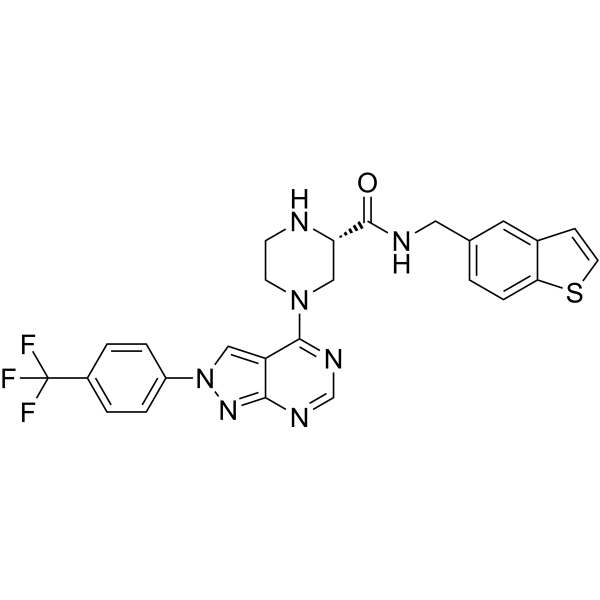
SBI-797812 is an orally active nicotinamide phosphoribosyltransferase (NAMPT) activator. SBI-797812 shifts NAMPT to NMN formation, increases NAMPT affinity for ATP, stabilizes phosphorylated NAMPT, promotes consumption of the pyrophosphate by-product, and blunts feedback inhibition by NAD +. SBI-797812 increases intracellular nicotinamide mononucleotide (NMN) and elevates liver NAD + in mice .
loading...
    loading...
2
2 Cited Publications
Cat. No.: HY-162080
CAS No.: 374705-10-9
연구분야:  

Cancer

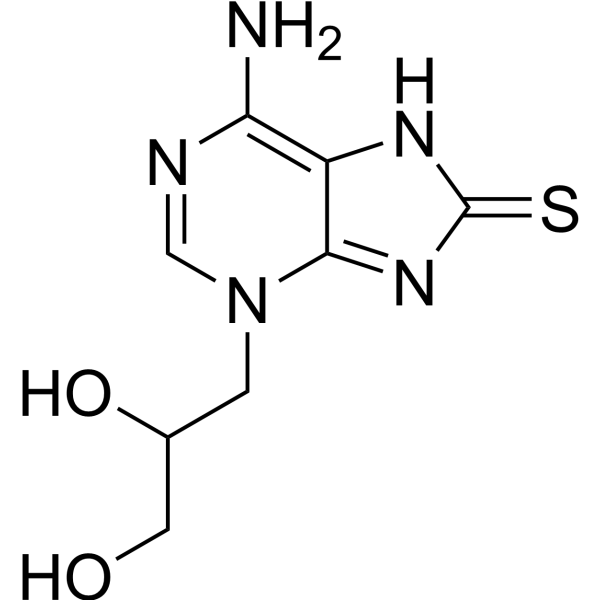
METTL1-WDR4-IN-1 (Compound 1) is a selective competitive inhibitor of the methyltransferase complex METTL1-WDR4 (IC50 = 144 μM). METTL1-WDR4-IN-1 inhibits the m 7G methyltransferase activity of the METTL1-WDR4 complex, blocking m 7G modification of PKM mRNA, reducing PKM2 protein expression, disrupting the METTL1/PKM2/H3K9la positive feedback loop, and simultaneously inhibiting PKM2 nuclear translocation-mediated CD155 transcriptional activation. METTL1-WDR4-IN-1 can inhibit tumor cell proliferation, weaken glycolytic metabolism, reverse tumor immune evasion (restoring NK cell and CD8 + T cell function), and regulate RNA epigenetic modification and the tumor immune microenvironment. METTL1-WDR4-IN-1 can be used in immunotherapy research for cancers such as colorectal cancer, and is particularly suitable for use in combination with PKM2 inhibitors to enhance anti-tumor treatment efficacy .
loading...
    loading...
2
2 Cited Publications
Cat. No.: HY-162080A
연구분야:  

Cancer

METTL1-WDR4-IN-1 (Compound 1) TFA is a selective competitive inhibitor of the methyltransferase complex METTL1-WDR4 (IC50=144 μM). METTL1-WDR4-IN-1 TFA inhibits the m 7G methyltransferase activity of the METTL1-WDR4 complex, blocking the m 7G modification of PKM mRNA, reducing PKM2 protein expression, disrupting the METTL1/PKM2/H3K9la positive feedback loop, and simultaneously inhibiting PKM2 nuclear translocation-mediated CD155 transcriptional activation. METTL1-WDR4-IN-1 TFA can inhibit tumor cell proliferation, weaken glycolytic metabolism, reverse tumor immune evasion (restoring NK cell and CD8 + T cell function), and regulate RNA epigenetic modification and the tumor immune microenvironment. METTL1-WDR4-IN-1 TFA can be used in immunotherapy research for cancers such as colorectal cancer, and is particularly suitable for use in combination with PKM2 inhibitors to enhance anti-tumor treatment efficacy .
loading...
    loading...
1
1 Cited Publications
Cat. No.: HY-170451
CAS No.: 2713618-08-5
Synonyms: KT-253
연구분야:  

Cancer

Seldegamadlin (KT-253) is a selective p53 stabilizer and a MDM2 PROTAC degrader (DC50 = 0.4 nM). Seldegamadlin inhibits the proliferation of cancer cell RS4;11 with an IC50 of 0.3 nM, arrests the cell cycle at G2/M phase, and induces apoptosis. Seldegamadlin upregulates p53 activity and overcomes the p53-MDM2 feedback loop. Seldegamadlin can be used for the study of hematologic and solid tumors, such as acute myeloid leukemia (AML) and acute lymphoblastic leukemia (ALL) .
loading...
    loading...
1
1 Cited Publications
Cat. No.: HY-150741
CAS No.: 332437-00-0
Purity:  97.92%
ODN 2216 is a type A CpG oligodeoxynucleotide vaccine adjuvant and a TLR9 agonist. ODN 2216 interacts with TLR9 in the lysosomes of CD4 + T cells and activates feedback-dependent signaling pathways. ODN 2216 induces the production of type I interferons, IL-6 and TGF-β via the IRAK4/IRF7 axis, while increasing intracellular ATP levels. ODN 2216 not only induces the differentiation of CD4 + T cells into anti-inflammatory Th3-like regulatory phenotypes to inhibit autologous proliferation, but also enhances the specific CD8 + T cell-mediated cytotoxicity against Mammaglobin-A in breast cancer cells. ODN 2216 is widely used in studies related to breast cancer and systemic lupus erythematosus .
loading...
    loading...
1
1 Cited Publications
Cat. No.: HY-114277A
CAS No.: 2252403-56-6
Purity:  98.99%
Synonyms: AMG-510 racemate
Target:  

Ras p38 MAPK

연구분야:  

Cancer

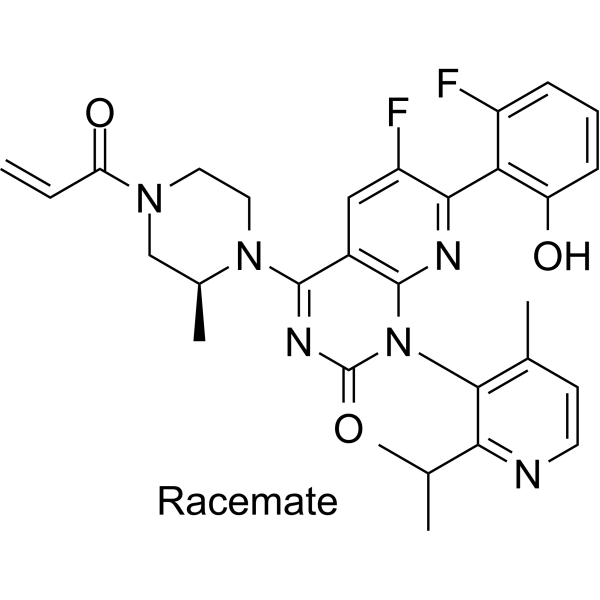
Sotorasib racemate (Compound A) is an orally active racemate of Sotorasib (HY-114277), a covalent inhibitor of KRAS G12C mutant which induces adaptive feedback activation of MAPK pathway. Sotorasib racemate also exerts inhibitor activity against KRAS G12C induced cancer and can be applied to cancer research .
loading...
    loading...
1
1 Cited Publications
Cat. No.: HY-B0344
CAS No.: 155-41-9
Synonyms: (-)-Scopolamine methyl bromide; Hyoscine methyl bromide
Target:  

mAChR

연구분야:  

Neurological Disease

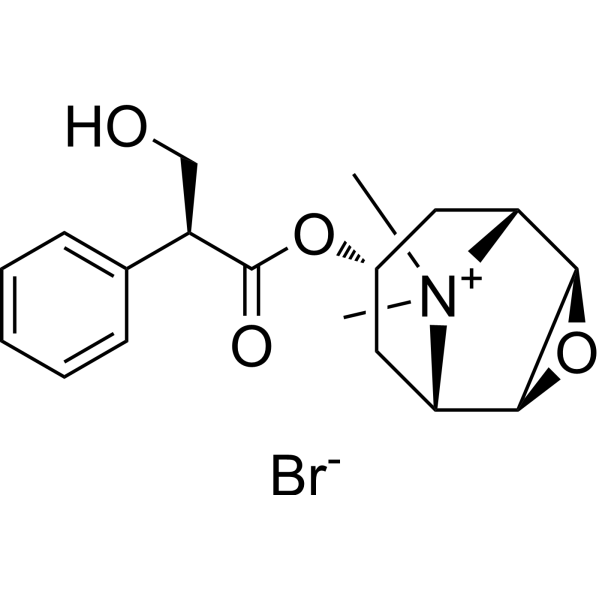
Methscopolamine bromide ((-)-Scopolamine methyl bromide; Hyoscine methyl bromide) is a peripherally acting muscarinic receptor (mAChR) antagonist that cannot cross the blood-brain barrier. Methscopolamine bromide blocks the muscarinic negative feedback regulation of acetylcholine release from striatal cholinergic terminals, thereby increasing acetylcholine release in the striatum of freely moving rats. Methscopolamine bromide does not induce motor excitation in freely moving rats, nor does it alter the duration of ethanol-induced loss of righting reflex in mice. Methscopolamine bromide fails to antagonize the arecoline-mediated reduction in the duration of ethanol-induced loss of righting reflex in mice .
loading...
    loading...
1
1 Cited Publications
Cat. No.: HY-150741C
Purity:  97.92%
연구분야:  

Cancer

ODN 2216 sodium is a type A CpG oligodeoxynucleotide vaccine adjuvant and a TLR9 agonist. ODN 2216 sodium interacts with TLR9 in the lysosomes of CD4 + T cells and activates feedback-dependent signaling pathways. ODN 2216 sodium induces the production of type I interferons, IL-6 and TGF-β via the IRAK4/IRF7 axis, while increasing intracellular ATP levels. ODN 2216 sodium not only induces the differentiation of CD4 + T cells into anti-inflammatory Th3-like regulatory phenotypes to inhibit autologous proliferation, but also enhances the specific CD8 + T cell-mediated cytotoxicity against Mammaglobin-A in breast cancer cells. ODN 2216 sodium is widely used in studies related to breast cancer and systemic lupus erythematosus .
loading...
    loading...
Cat. No.: HY-106203
CAS No.: 752253-39-7
Synonyms: SSR-125543
Target:  

CFTR

연구분야:  

Metabolic Disease

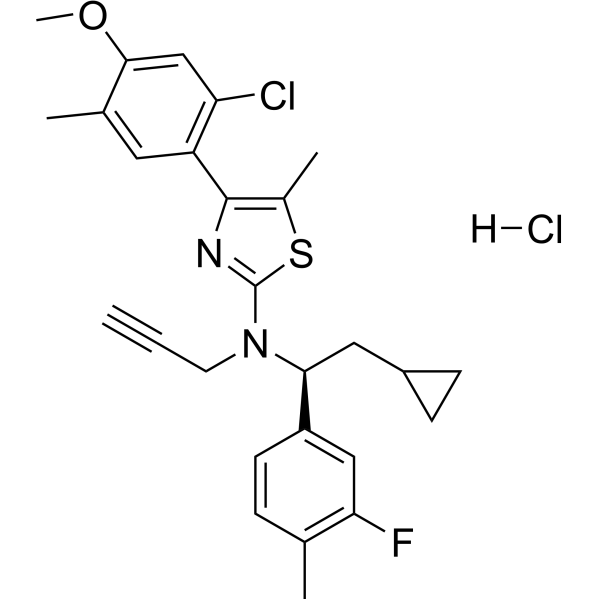
Crinecerfont (SSR-125543) is an orally effective corticotropin-releasing factor receptor type-1 (CRF1 receptor) antagonist. Crinecerfont blocks CRF1 receptor signaling to reduce adrenocorticotropic hormone secretion. Crinecerfont improves hypothalamic-pituitary-adrenal axis negative feedback sensitivity in chronically stressed mice. Crinecerfont can be used for the research of chronic stress conditions and classic congenital adrenal hyperplasia due to 21-hydroxylase deficiency . Crinecerfont is a click chemistry reagent, it contains an Alkyne group and can undergo copper-catalyzed azide-alkyne cycloaddition (CuAAc) with molecules containing Azide groups.
loading...
    loading...
Cat. No.: HY-117639
CAS No.: 1311136-84-1
Purity:  99.85%
Target:  

Potassium Channel

연구분야:  

Neurological Disease

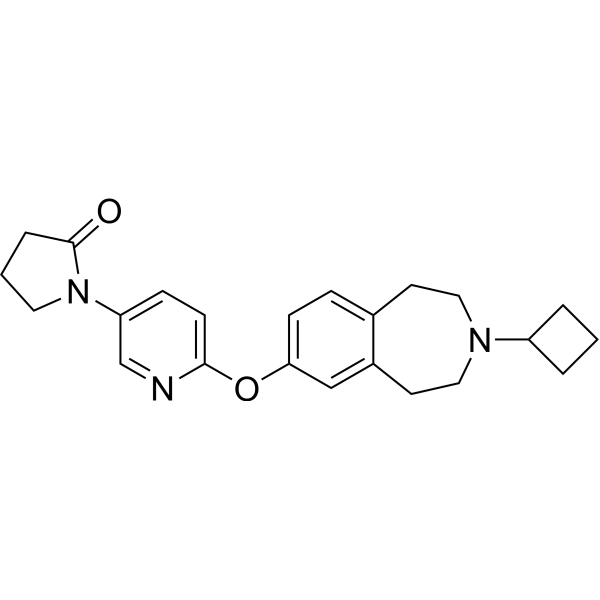
AUT1 is a recombinant human Kv3 channel modulator. AUT1 modulates Kv3.1b and Kv3.2a channels in human recombinant with pEC50 values of 5.33 and 5.31 μM, respectively. AUT1 can be used for the research of disorders associated with dysfunction of inhibitory feedback in corticolimbic circuits, such as schizophrenia .
loading...
    loading...
Cat. No.: HY-157421
CAS No.: 2847156-05-0
Target:  

NAMPT

연구분야:  

Metabolic Disease

Nampt activator-4 is an orally active NAMPT activator, with an EC50 of 58 nM and a Ka of 85.38 nM against human NAMPT. Nampt activator-4 effectively relieves the feedback inhibition of nicotinamide and NAD +, thereby enhancing enzymatic activity and significantly increasing intracellular NAD + levels. Nampt activator-4 exhibits moderate stability in human and mouse liver microsomes. Nampt activator-4 shows low to moderate inhibitory effects on cytochrome P450 (especially CYP3A4). Nampt activator-4 can be used for the research of type 2 diabetes and related metabolic disorders .
loading...
    loading...
Cat. No.: HY-106203A
CAS No.: 321839-75-2
Purity:  98.06%
Synonyms: SSR-125543 hydrochloride
Target:  

CFTR

연구분야:  

Metabolic Disease

Crinecerfont (SSR-125543) hydrochloride is an orally effective corticotropin-releasing factor receptor type-1 (CRF1 receptor) antagonist. Crinecerfont hydrochloride blocks CRF1 receptor signaling to reduce adrenocorticotropic hormone secretion. Crinecerfont hydrochloride improves hypothalamic-pituitary-adrenal axis negative feedback sensitivity in chronically stressed mice. Crinecerfont hydrochloride can be used for the research of chronic stress conditions and classic congenital adrenal hyperplasia due to 21-hydroxylase deficiency . Crinecerfont hydrochloride is a click chemistry reagent, it contains an Alkyne group and can undergo copper-catalyzed azide-alkyne cycloaddition (CuAAc) with molecules containing Azide groups.
loading...
    loading...
Cat. No.: HY-148837
CAS No.: 2883535-99-5
GT19630 is an orally active c-Myc PROTAC targeted degrader based on the cereblon E3 ubiquitin ligase, with an IC50 of 1.5 nM against human c-Myc. GT19630 mediates the degradation of MYC, GSPT1, GSPT2, CK1 alpha, N-Myc, B7-H3 and XIAP, and disrupts the MYC-GSPT1 synergistic regulatory feedback loop. GT19630 inhibits cell proliferation, blocks S-phase progression of the cell cycle, promotes cell apoptosis, reduces cell migration capacity, induces integrated stress response, and blocks oxidative phosphorylation by inhibiting the TCA cycle. GT19630 can be used in the research of Myc-driven hematological cancers, small cell lung cancer, breast cancer, TP53-mutant cancers, and venetoclax-resistant cancers .
loading...
    loading...
Cat. No.: HY-156696
CAS No.: 215183-03-2
연구분야:  

Metabolic Disease

S3226 is a highly selective NHE-3 inhibitor (IC50<1 μM) that specifically blocks NHE-3-mediated sodium transport. S3226 significantly inhibits blastocyst formation and expansion in mouse embryos, and reduces fluid and electrolyte reabsorption in rat proximal tubules in a dose-dependent manner. S3226 effectively alleviates ischemia-induced acute renal failure by improving renal function parameters, reducing renal tubular injury and restoring intracellular pH homeostasis, without interfering with the normal tubuloglomerular feedback response. S3226 is widely used in studies of acute renal failure and related pathological mechanisms .
loading...
    loading...
Cat. No.: HY-113286
CAS No.: 463-00-3
Purity:  ≥98.0%
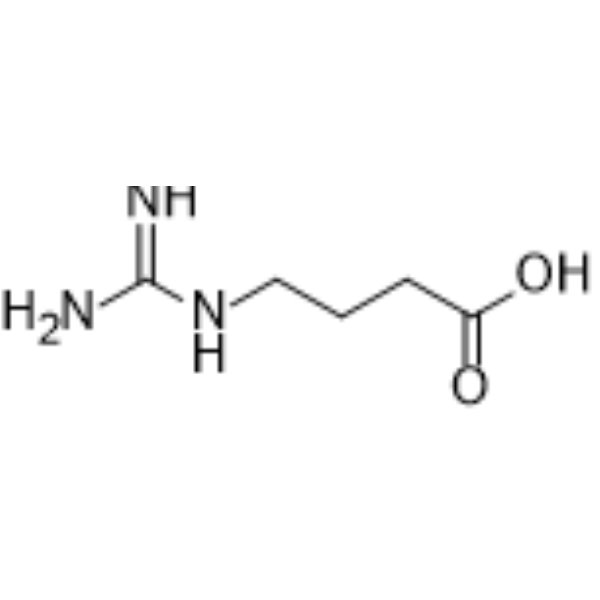
4-Guanidinobutanoic acid is a metabolite of arginine and an orally active SLC36A1/Hedgehog signaling pathway activator. 4-Guanidinobutanoic acid drives epithelial reprogramming, enhances intestinal stem cell function and goblet cell differentiation. 4-Guanidinobutanoic acid promotes the enrichment of Akkermansia muciniphila via mucus-dependent niche expansion, regulates intestinal homeostasis, and establishes a microbiota-host feedback loop. 4-Guanidinobutanoic acid exhibits anti-aging and healthspan-regulating properties. 4-Guanidinobutanoic acid can be used in research related to ulcerative colitis, amyotrophic lateral sclerosis, and Duchenne muscular dystrophy .
loading...
    loading...
Cat. No.: HY-106000
CAS No.: 720691-69-0
Purity:  99.09%
Target:  

Histamine Receptor

연구분야:  

Neurological Disease

GSK239512 is a blood-brain barrier-permeable, orally active H3 receptor antagonist, with a human pKi ranging from <5.5 to 9.92 and a murine pKi ranging from 9.44 to 9.83. GSK239512 modulates cholinergic and monoaminergic neurotransmission, blocks the inhibitory feedback of H3 receptors, and increases the release of pro-cognitive neurotransmitters. GSK239512 induces oligodendrocyte precursor cell differentiation and restores myelin gene expression at the cellular level. GSK239512 reverses Scopolamine (HY-N0296)-induced memory deficits and improves recognition memory in animal models. GSK239512 can be used in research related to Alzheimer's disease, chronic traumatic encephalopathy, relapsing-remitting multiple sclerosis, and schizophrenia .
loading...
    loading...
Cat. No.: HY-159190
CAS No.: 2409140-12-9
연구분야:  

Cancer

HRX-0233 is an orally potent MAP2K4 inhibitor. HRX-0233 inhibits the MAP2K4-JNK-JUN signaling pathway, blocks the feedback activation of receptor tyrosine kinases, and sustains the inhibitory effect on KRAS signaling. HRX-0233 exerts synergistic inhibition on the mTORC1 and MAPK pathways. When combined with Ipatasertib (HY-15186) or Sotorasib (HY-114277), it produces synergistic antiproliferative, pro-apoptotic (apoptosis) and antitumor effects, and shows good tolerability in mouse models. HRX-0233 can be used in CRISPR knockout screens to identify vulnerability-related genes. HRX-0233 is applicable to research related to prostate cancer, non-small cell lung cancer and colorectal cancer .
loading...
    loading...
Cat. No.: HY-151481
CAS No.: 2295804-68-9
Purity:  98.01%
Target:  

FXR

연구분야:  

Metabolic Disease

FXR antagonist 1 (compound F6) is an orally active and selective intestinal FXR antagonist (IC50=2.1 μM). FXR antagonist 1 selectively inhibits intestinal FXR signalling through antagonism of intestinal FXR and feedback activation of hepatic FXR to improve hepatic steatosis, inflammation and fibrosis in NASH (nonalcoholic steatohepatitis) models. FXR antagonist 1 can be used in NASH studies .
loading...
    loading...

