






Search Result
Results for "
CM
" in MedChemExpress (MCE) Product Catalog:
14
Biochemical Assay Reagents
| Cat. No. |
Product Name |
Target |
Research Areas |
Chemical Structure |
-
- HY-132591
-
-
-
- HY-D1627
-
|
CM-DiI
|
Fluorescent Dye
|
Others
|
|
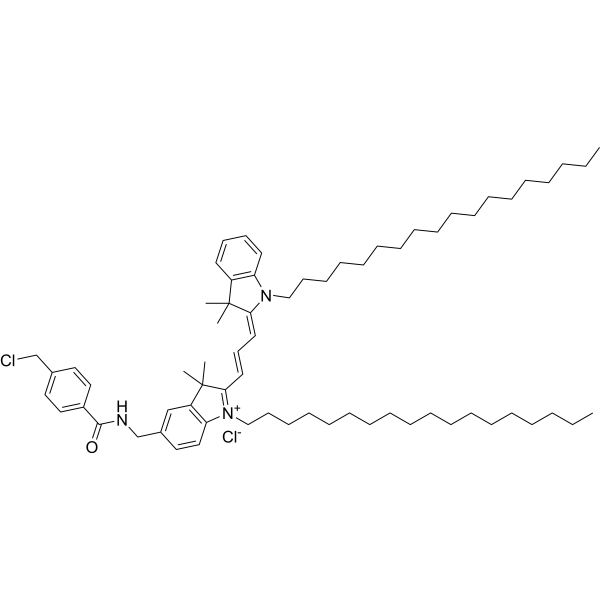
CellTracker CM-DiI (CM-DiI) is a lipophilic fluorochrome that can be used for tracking the migration of lymphocytes. CellTracker CM-DiI is feasible to detect labeled cells in histological sections (excitation 553 nm; emission 570 nm) .
|
-
-
- HY-132609
-
|
|
Small Interfering RNA (siRNA)
Transthyretin (TTR)
|
Neurological Disease
|
|
Patisiran sodium is a double-stranded small interfering RNA that targets a sequence within the transthyretin (TTR) messenger RNA. Patisiran sodium specifically inhibits hepatic synthesis of mutant and wild-type TTR. Patisiran sodium can be used for the research of hereditary TTR amyloidosis .
|
-
-
- HY-D1713
-
CM-H2DCFDA
Maximum Cited Publications
7 Publications Verification
|
Reactive Oxygen Species (ROS)
|
Others
|
|
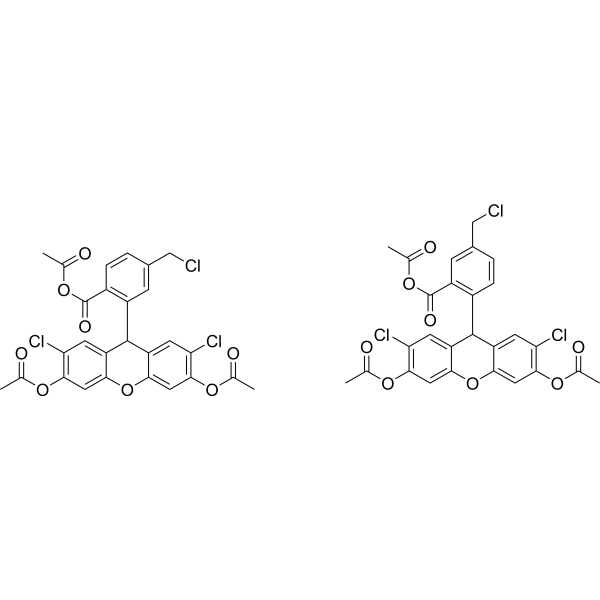
CM-H2DCFDA is a derivative of H2DCFDA (HY-D0940). CM-H2DCFDA can be used to determine cellular oxidant levels (Ex/Em: 495/530 nm). CM-H2DCFDA is light-sensitive .
|
-
-
- HY-109019
-
|
CM082; X-82
|
VEGFR
PDGFR
|
Cardiovascular Disease
Cancer
|
|
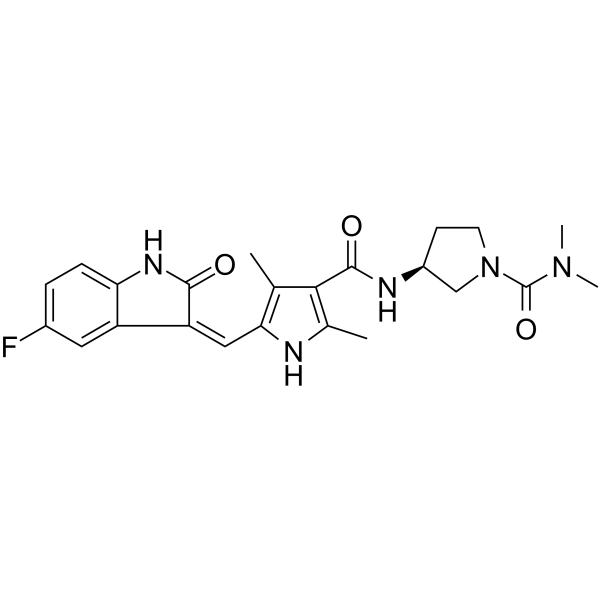
Vorolanib (CM082) is an orally active, potent multikinase VEGFR/PDGFR inhibitor. Vorolanib is a potent ATP-binding cassette (ABC) transporter inhibitor. Vorolanib is an angiogenesis inhibitor and has antitumor activity combined with ZD1839 (HY-50895) .
|
-
-
- HY-101942
-
Zegocractin
Maximum Cited Publications
17 Publications Verification
CM-4620
|
CRAC Channel
|
Neurological Disease
|
|
Zegocractin (CM-4620) is a calcium-release activated calcium-channel (CRAC channel) inhibitor, with IC50s of 119 nM and 895 nM for Orai1/STIM1 and Orai2/STIM1 channels, respectively .
|
-
-
- HY-14895
-
|
CM346
|
Parasite
Monoamine Oxidase
Sigma Receptor
P-glycoprotein
|
Infection
Cardiovascular Disease
Neurological Disease
|
|
Fabomotizole (CM346) is an insecticide with anxiolytic, antianxiety, and neuroprotective activities and a substrate of p-glycoprotein. Fabomotizole inhibits the ST-segment depression induced by isoproterenol in a rat model of acute subendocardial ischemia. Fabomotizole also inhibits Giardia lamblia and has the potential to inhibit giardiasis. Fabomotizole also targets Sigma1R, NRH:quinone reductase 2 (NQO2), and MAO-A to exert anxiolytic effects .
|
-
-
- HY-132589
-
-
-
- HY-132610
-
|
ALN-AS1
|
Small Interfering RNA (siRNA)
|
Metabolic Disease
|
|
Givosiran (ALN-AS1) is a small interfering RNA that targets hepatic aminolevulinate synthase 1 (ALAS1) messenger RNA. Givosiran downregulates ALAS1 mRNA and prevents accumulation of neurotoxic δ-aminolevulinic acid (ALA) and porphobilinogen (PBG) levels. Givosiran demonstrates potent inhibitory activity against ALAS1 in mouse, rat, and cynomolgus monkey models. Givosiran can be used for the research of acute hepatic porphyria (AHP) .
|
-
-
- HY-132588
-
|
ALN-G01
|
Small Interfering RNA (siRNA)
Glycolate Oxidase
|
Metabolic Disease
|
|
Lumasiran (ALN-G01), a siRNA product, reduces hepatic oxalate production by targeting glycolate oxidase. By silencing the gene encoding glycolate oxidase, Lumasiran depletes glycolate oxidase and thereby inhibits the synthesis of oxalate, which is the toxic metabolite that is directly associated with the clinical manifestations of Primary hyperoxaluria type 1 (PH1) .
|
-
-
- HY-132587
-
|
ALN-AT3SC; SAR439774
|
Factor Xa
Small Interfering RNA (siRNA)
Thrombin
|
Cardiovascular Disease
|
|
Fitusiran (ALN-AT3SC) is a siRNA strategy. Fitusiran delivers siRNA targeting the SERPINC1 gene in hepatocytes to inhibit antithrombin synthesis. Fitusiran enhances thrombin activity and increases Thrombin generation, thereby restoring hemostatic function. Fitusiran can be used in hemophilia-related research .
|
-
-
- HY-B2221C
-
|
Carboxymethyl cellulose CM-32; CM-32
|
Environmental Pollutants
Biochemical Assay Reagents
|
Others
|
|
CM Cellulose CM-32 (Carboxymethyl cellulose) is a cellulose derivative. CM Cellulose CM-32 has a wide range of applications in the biomedical field, including tissue engineering, wound dressing, absorbent nonwovens, fabrication of 3D-scaffolds for biocompatible implants, artificial organs or mimics of extracellular polymeric matrix and diagnosis of various diseases. CM Cellulose CM-32 can decrease osteoclasts formation. CM Cellulose CM-32 can be used as a biological material or organic compound for life science related research .
|
-
-
- HY-101925
-
CM-272
3 Publications Verification
|
Histone Methyltransferase
DNA Methyltransferase
Apoptosis
|
Cancer
|
|
CM-272 is a first-in-class, potent, selective, substrate-competitive and reversible dual G9a/DNA methyltransferases (DNMTs) inhibitor with antitumor activities. CM-272 inhibits G9a, DNMT1, DNMT3A, DNMT3B and GLP with IC50s of 8 nM, 382 nM, 85 nM, 1200 nM and 2 nM, respectively. CM-272 inhibits cell proliferation and promotes apoptosis, inducing IFN-stimulated genes and immunogenic cell death .
|
-
-
- HY-P990093
-
|
CM310
|
Interleukin Related
STAT
|
Inflammation/Immunology
|
|
Stapokibart (CM310) is a humanized monoclonal antibody targeting IL-4Rα (KD values of 0.25 nM, 1.50 nM, and 2.75 nM for human, cynomolgus monkey, and rat IL-4Rα, respectively). Stapokibart effectively blocks the interaction of cytokines IL-4 and IL-13 with their co-receptor subunit IL-4Rα. Stapokibart reduces IL-4 and IL-13 mRNA, inhibits CD23 upregulation, and inhibits IL-4 and IL-13-induced STAT6 activation. Stapokibart improves inflammation (airway inflammation, rhinitis, dermatitis) .
|
-
-
- HY-132613
-
|
|
Small Interfering RNA (siRNA)
Glycolate Oxidase
|
Metabolic Disease
|
|
Lumasiran sodium, an investigational RNA interference (RNAi) therapeutic agent, reduces hepatic oxalate production by targeting glycolate oxidase. Lumasiran sodium reduces urinary oxalate excretion, the cause of progressive kidney failure in primary hyperoxaluria type 1 (PH1) .
|
-
-
- HY-15274
-
|
CM9; GW671021
|
Prostaglandin Receptor
|
Cancer
|
|
L-798106 is potent and highly selective prostanoid EP3 receptor antagonist (Ki=0.3 nM), it also has micromolar activities at the EP4, EP1 and EP2 receptors with Ki values of 916 nM, >5000 nM and >5000 nM, respectively .
|
-
-
- HY-145628
-
|
|
Sigma Receptor
|
Neurological Disease
Inflammation/Immunology
|
|
CM398 is a highly selective, orally active Sigma-2 receptor ligand with a Ki value of 0.43 nM. CM398 ameliorates age-related macular degeneration. CM398 exerts analgesic effects on visceral pain, inflammatory pain and neuropathic pain. CM398 can be used in research related to age-related macular degeneration, neuropathic pain and inflammatory pain .
|
-
-
- HY-135841
-
CM010
1 Publications Verification
|
Aldehyde Dehydrogenase (ALDH)
|
Metabolic Disease
Cancer
|
|
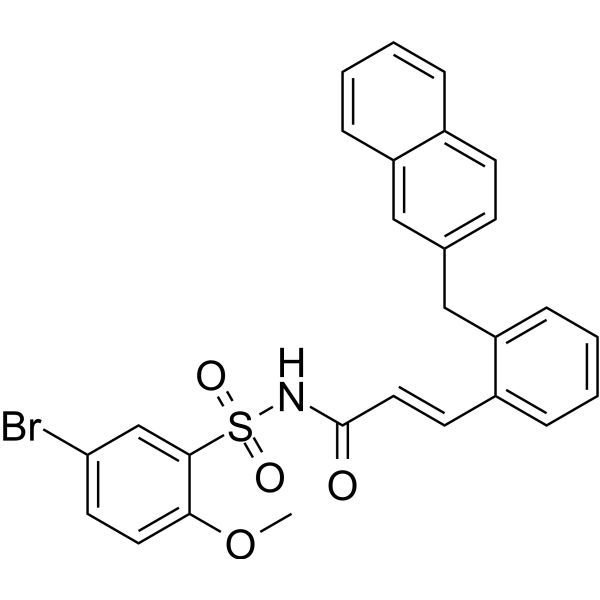
CM010 is a potent and selective aldehyde dehydrogenase 1A (ALDH1A) family inhibitor, with IC50s of 1700, 740, and 640 nM for ALDH1A1, ALDH1A2, and ALDH1A3, respectively. CM010 does not inhibit any of the other ALDH family members. CM010 can regulate metabolism and has anti-cancer activity .
|
-
-
- HY-W1048558A
-
|
mPEG2000-COOH
|
Biochemical Assay Reagents
|
Others
|
|
mPEG2000-CM (mPEG2000-COOH) is a carboxyl-terminated monomethoxy polyethylene glycol. mPEG2000-CM bears a reactive carboxyl group (-COOH) at its structural terminal site, which can form stable amide bonds with amino groups and ester bonds with hydroxyl groups. mPEG2000-CM binds to PCA-g-PCL copolymers via electrostatic interaction to form polyion complex micelles with a hydrophilic PEG surface, which enhances the stability of micelles in aqueous media. mPEG2000-CM can be used for drug delivery .
|
-
-
- HY-P990933
-
|
CM-326
|
Interleukin Related
|
Inflammation/Immunology
|
|
Ocankitug (CM-326) is a humanized IgG1κ antibody targeting thymic stromal lymphopoietin (TSLP). It can be used for research on type 2 inflammatory respiratory diseases, including moderate to severe asthma, chronic sinusitis with nasal polyps, etc.
|
-
-
- HY-110294
-
CM037
1 Publications Verification
A37
|
Aldehyde Dehydrogenase (ALDH)
|
Cancer
|
|
CM037 is a highly selective and competitive ALDH1A1 inhibitor (IC50=4.6 μM). CM037 blocks the catalytic activity of ALDH1A1, thereby inhibiting the activation of the downstream HIF-1α/VEGF pathway. CM037 is mainly used to study the ALDH1A1-mediated regulation of cancer stem cells (CSCs) and angiogenesis, especially in breast cancer, showing the potential to inhibit tumor angiogenesis and stem cell characteristics .
|
-
-
- HY-147425
-
|
SLN360
|
Small Interfering RNA (siRNA)
Apolipoprotein
|
Cardiovascular Disease
|
|
Zerlasiran (SLN360) is a siRNA targeting apolipoprotein A (ApoA). Zerlasiran targets hepatic ApoA synthesis via RNA interference to degrade encoding mRNA. Zerlasiran can be used for the research of atherosclerotic cardiovascular disease and elevated ApoA levels .
|
-
-
- HY-145724
-
|
Kyndrisa; GSK2402968A; PRO051
|
DNA/RNA Synthesis
Dystrophin
|
Neurological Disease
|
|
Drisapersen (Kyndrisa) is a 2 '-O-methyl phosphorothioate RNA antisense oligonucleotide that induces exon 51 skipping. Drisapersen induces skipping of exon 51 during Dystrophin pre-mRNA splicing, allowing the synthesis of partially functional Dystrophin. Drisapersen can be used in research related to Duchenne muscular dystrophy .
|
-
-
- HY-145720
-
|
ALN-CC5
|
Complement System
Small Interfering RNA (siRNA)
|
Metabolic Disease
|
|
Cemdisiran (ALN-CC5) is an N-acetylgalactosamine-conjugated RNAi agent and also a complement component C5 inhibitor. Cemdisiran targets C5 mRNA, cleaves C5 mRNA via the endogenous RNA interference pathway, and inhibits the production of C5 protein in the liver. Cemdisiran exerts a dose-dependent inhibitory effect on total C5 concentrations in cynomolgus monkeys. When used in combination with Pozelimab (HY-P99786) in cynomolgus monkeys, Cemdisiran achieves a more sustained and complete inhibitory effect on complement activity. Cemdisiran can be used in the research of paroxysmal nocturnal hemoglobinuria and other complement-mediated diseases .
|
-
-
- HY-121862
-
|
|
DNA/RNA Synthesis
|
Cancer
|
|
CM03 is a potent DNA G-quadruplexes (G4s) ligand. CM03 can stabilise G4s, downregulating more G4-containing genes as well as increasing incidence of double-strand break events (DSBs) due to torsional strain on DNA and chromatin structure. CM03 has selective potency for pancreatic cancer cells .
|
-
-
- HY-P991312
-
-
-
- HY-14895A
-
|
CM346 hydrochloride
|
Parasite
|
Neurological Disease
|
|
Fabomotizole (CM346) hydrochloride is a compound with anxiolytic and neuroprotective activities. Fabomotizole (CM346) hydrochloride also has activity against Giardia lamblia and has the potential to inhibit giardiasis.
|
-
-
- HY-117421A
-
|
|
Histone Methyltransferase
DNA Methyltransferase
|
Cancer
|
|
CM-579 trihydrochloride is a first-in-class reversible, dual inhibitor of G9a and DNMT, with IC50 values of 16 nM, 32 nM for G9a and DNMT, respectively. Has potent in vitro cellular activity in a wide range of cancer cells .
|
-
-
- HY-109963
-
-
-
- HY-W1048918A
-
|
mPEG5000-COOH
|
Biochemical Assay Reagents
|
Others
|
|
mPEG5000-CM (mPEG5000-COOH) has a reactive carboxyl group (-COOH) attached to the terminal site of the structure, which can form a stable amide bond with the amino group or an ester bond with the hydroxyl group. mPEG5000-CM can be used for drug delivery .
|
-
-
- HY-D2277
-
|
|
Fluorescent Dye
|
Others
|
|
Fluorescein-CM2 is a fluorogenic molecule that can be used to rapidly screen esterase cut sites for protein-protein interaction-dependent (PPI-dependent) esterase activity in E. coli .
|
-
-
- HY-164071
-
|
CM-Dextran
|
Drug Derivative
|
Others
|
|
Carboxymethyl Dextran (CM-Dextran) is a dextran derivative and a biocompatible coating for superparamagnetic iron oxide nanoparticles. When coated on the surface of superparamagnetic nanoparticles, Carboxymethyl Dextran forms stable particles across all pH values and NaCl concentrations. Carboxymethyl Dextran can be used to prepare materials for magnetic resonance molecular imaging .
|
-
-
- HY-P991010
-
|
CM101
|
CCR
|
Inflammation/Immunology
|
|
HY-P991010 is an CCL24-targeting IgG1κ type human antibody, the recommed isotype control is Human IgG1 kappa, Isotype Control (HY-P99001) .
|
-
-
- HY-161149
-
|
|
HDAC
|
Cancer
|
|
CM-1758 is a histone deacetylase (HDAC) inhibitor. CM-1758 inhibits tumor growth in vivo. CM-1758 induces acetylation of non-histone proteins in acute myeloid leukemia cells .
|
-
-
- HY-132595
-
-
-
- HY-147278
-
|
Divesiran; SLN124
|
Ser/Thr Protease
Small Interfering RNA (siRNA)
TMPRSS6
|
Cardiovascular Disease
|
|
Manusiran (Divesiran) is a GalNac-siRNA targeting liver and transmembrane serine protease 6 (Serine protease 6). Manusiran increases hepatic Hepcidin synthesis and plasma levels by silencing TMPRSS6, a negative regulator of hepcidin production, and limits the availability of iron required for erythropoiesis. Combined use of Manusiran with Deferiprone (HY-B0568) reduces ineffective erythropoiesis and hepatic iron overload in a mouse model of β-thalassemia. Manusiran can be used for research on polycythemia vera, type 1 hereditary hemochromatosis, and β-thalassemia .
|
-
-
- HY-132602
-
|
MRG-201
|
MicroRNA
|
Inflammation/Immunology
|
|
Remlarsen (MRG-201), a miR-29b mimic, acts a miR-29b agonist. Remlarsen has the potential for preventiong formation of a fibrotic scar or cutaneous fibrosis .
|
-
-
- HY-P990747
-
|
CM-313
|
CD38
|
Inflammation/Immunology
|
|
Lumrotatug is an anti-CD38 human IgG1 κ monoclonal antibody . Recommend Isotype Controls: Human IgG1 kappa, Isotype Control (HY-P99001).
|
-
-
- HY-132604
-
|
ARO-AAT
|
Small Interfering RNA (siRNA)
|
Metabolic Disease
|
|
Fazirsiran (ARO-AAT) is a second-generation RNAi agent. Fazirsiran consistes of a cholesterol-conjugated RNAi trigger (chol-RNAi) to selectively reduce Alpha1-antitrypsin (AAT) synthesis and a melittin-derived peptide conjugated to N-acetylgalactosamine (NAG) formulated as the excipient EX1 to promote endosomal escape of the chol-RNAi in hepatocytes . Fazirsiran can be used in the study of Alpha-1 Antitrypsin Deficiency (AATD) liver disease. Alpha-1 antitrypsin deficiency (AATD) is caused by mutations in the alpha-1 antitrypsin (SERPINA1) gene.
|
-
-
- HY-161685
-
-
-
- HY-P99790
-
|
CEN 000029; CM-T412
|
Transmembrane Glycoprotein
|
Inflammation/Immunology
|
|
Priliximab (CEN 000029) is an anti-CD4 humanized monoclonal antibody. Priliximab binds to CD4 on the surface of T cells, resulting in a significant and sustained reduction in circulating CD4 + T cells. Priliximab can be used in research of rheumatoid arthritis (RA) .
|
-
-
- HY-114303
-
|
|
Phosphodiesterase (PDE)
HDAC
|
Neurological Disease
|
|
CM-675 is a dual phosphodiesterase 5 (PDE5) and class I histone deacetylases-selective inhibitor, with IC50 values of 114 nM and 673 nM for PDE5 and HDAC1, respectively. CM-675 has potential to treat Alzheimer’s disease .
|
-
-
- HY-172769
-
|
|
Histone Methyltransferase
|
Cancer
|
|
CM112 is a selective protein arginine methyltransferase 1 (PRMT1) degrader by tethering hydrophobic tag, adamantane, to MS023 with a 5-PEG linker. CM112 induces the degradation of PRMT1 in various solid cancer cell lines. CM112 can also target the nonenzymatic function of PRMT1 by downregulating the stability of the orphan receptor TR3. CM112 is promising for research of cancers .
|
-
-
- HY-117421
-
|
|
Histone Methyltransferase
DNA Methyltransferase
|
Cancer
|
|
CM-579 is a first-in-class reversible, dual inhibitor of G9a and DNMT, with IC50 values of 16 nM, 32 nM for G9a and DNMT, respectively. Has potent in vitro cellular activity in a wide range of cancer cells .
|
-
-
- HY-P10610A
-
|
|
MDM-2/p53
|
Cancer
|
|
Peptide 234CM TFA is a peptide containing isoleucine at position 3, corresponding to the sequence of a point mutation in p53 codon 234. Peptide 234CM TFA induces potent cytotoxic T cell (CTL) and antitumor immune responses against mutant p53 .
|
-
-
- HY-113734
-
|
|
Aldehyde Dehydrogenase (ALDH)
|
Others
|
|
CM026 is a selective aldehyde dehydrogenase 1A1 inhibitor with submicromolar inhibitory activity against aldehyde dehydrogenase 1A1. Its inhibitory mechanism is related to binding to the aldehyde binding pocket and utilizing a unique glycine residue. It can be used as a chemical tool to study the role of this enzyme in disease.
|
-
-
- HY-147079
-
|
ARC 1779
|
Integrin
|
Cardiovascular Disease
|
|
Egaptivon pegol (ARC1779) is an aptamer, which blocks binding of the von Willebrand Factor (VWF) to platelet GPIb receptors. Egaptivon pegol has anti-thrombotic efficacy.
|
-
-
- HY-177725
-
|
|
Molecular Glues
PI4K
|
Cancer
|
|
MG degrader 2 (Compound CM-2) is a CRBN-dependent molecular glue degrader. MG degrader 2 induces ZFP91, FIZ1 and PI4KB degradation. MG degrader 2 has anti-proliferative activity against MM.1S cells (IC50 = 162 nM). MG degrader 2 can be used for the research of cancer, such as multiple myeloma .
|
-
-
- HY-163803
-
|
|
HDAC
DNA Methyltransferase
|
Cancer
|
|
CM-444 is inhibitor for HDAC (IC50 is 6 nM-0.6 μM) and DNA methyltransferases (DNMT, IC50 is 1.8-2.3 μM). CM-444 is an inducer for the differentiation of acute myeloid leukemia cells. CM-444 exhibits anti-leukemic activity and improves the survival rate in mouse models .
|
-
-
- HY-165284
-
|
|
c-Met/HGFR
Anaplastic lymphoma kinase (ALK)
|
Cancer
|
|
CM-118 is a potent and selective c-Met and ALK inhibitor. CM-118 inhibits the HGF-induced c-Met phosphorylation. CM-118 inhibits phosphorylation of ALK, EML4-ALKv1, ALK F1174L, and EMl4-ALKv1 L1196M, with respective IC50 values 0.92, 1.25, 1.9, and 3.5 μM. CM-118 exhibits anticancer activity against cancers dependent on the c-Met or ALK oncogenic pathways .
|
-
- HY-117464
-
|
|
MMP
|
Cardiovascular Disease
|
|
CM-352 (compound 5) is an inhibitor of matrix metalloproteinases (MMPs) (MMP-3: IC50=15 nM; MMP-10: IC50=12 nM). CM-352 has significant antifibrinolytic activity (EC50=0.7 nM) and can significantly prolong blood coagulation time. CM-352 can be used in anti-bleeding research .
|
-
- HY-P10610
-
|
|
MDM-2/p53
|
Cancer
|
|
Peptide 234CM is a peptide containing isoleucine at position 3, corresponding to the sequence of a point mutation in p53 codon 234. Peptide 234CM induces potent cytotoxic T cell (CTL) and antitumor immune responses against mutant p53 .
|
-
- HY-121516
-
|
|
Potassium Channel
|
Others
|
|
CM-TPMF is a K(Ca)2 channel modulator with selective activation and inhibition of K(Ca)2.1 subtypes. CM-TPMF can act on K(Ca)2.1 channels as an activator or inhibitor, and its activity is affected by the stereochemical structure. It can be used to study the physiological or pathophysiological effects of K(Ca)2.1 channels.
|
-
- HY-139032
-
-
- HY-W034606
-
|
CM-Phos
|
Endogenous Metabolite
Biochemical Assay Reagents
|
|
|
2-[2-(Dicyclohexylphosphino)phenyl]-1-methyl-1H-indole (CM-Phos) is an organic compound with catalytic activity. 2-[2-(Dicyclohexylphosphino)phenyl]-1-methyl-1H-indole can be used as an efficient catalyst for cross-coupling reactions of various alcohols and olefins. 2-[2-(Dicyclohexylphosphino)phenyl]-1-methyl-1H-indole shows important application potential in pharmaceutical and material science.
|
-
- HY-N9495
-
|
|
Bacterial
|
Infection
|
|
(-)-trans-Myrtanol is an antimicrobial and acaricide agent. (-)-trans-Myrtanol exhibits potent antimicrobial activities against harmful intestinal bacteria. (-)-trans-Myrtanol shows acaricidal activities for D. farinae, D. pteronyssinus, T. putrescentiae with LD50 values of 2.30 µg/cm 2, 2.22 µg/cm 2, 12.95 µg/cm 2, respectively .
|
-
- HY-177728
-
|
|
Molecular Glues
E1/E2/E3 Enzyme
|
Cancer
|
|
MG degrader 3 (Compound CM-3) is a molecular glucose degrading agent that targets the CRBN protein. MG degrader 3 has certain anti proliferative activity in MM.1S cells (IC50 = 8.7 nM). MG degrader 3 can be used for cancer research .
|
-
- HY-W096906
-
|
Benz[b]anthracene
|
Biochemical Assay Reagents
Endogenous Metabolite
|
Others
|
|
Naphthacene (Benz[b]anthracene) is a fused polycyclic aromatic compound exhibiting an electron field-effect mobility of approximately 10 cm2/Vs; it is an ethylnylated acene that functions as a conducting polymer, making it suitable for use as a donor material. Its exceptional photoluminescence and quantum yield position naphthacene as a highly promising candidate for the advancement of single crystal electronic materials.
|
-
- HY-136257
-
|
|
PROTACs
|
Others
|
|
CMP98, a PROTAC, is unable to induce degradation of VHL. CMP98 can be used as a negative control compound for CM11 . CMP98 consists of two von Hippel-Lindau ligands on their active domain.
|
-
- HY-170488
-
|
|
ROS Kinase
Bacterial
|
Infection
Cancer
|
|
CM-728 is a oxazepine-naphthoquinone that has cytotoxic and bactericidal effect. CM-728 is a human peroxiredoxin-1 inhibitor. CM-728 is an oxidative stressor that affects mitochondrial function .
|
-
- HY-119316A
-
|
|
HDAC
Phosphodiesterase (PDE)
|
Neurological Disease
|
|
CM-545, the cis-isomer of CM-414 (HY-119316), is a dual inhibitor of PDE5, HDAC1, HDAC2, HDAC3, and HDAC6 with pIC50 values of 7.47, 6.65, 6.14, 6.55, and 6.84, repectively .
|
-
- HY-117603
-
|
|
Glucokinase
|
Infection
|
|
CM-10-18 is a potent and orally active inhibitor of both α-glucosidases I and II in vitro and in animals. CM-10-18 inhibits DENV infection of cultured human cells and reduces the peak viremia of DENV in mice .
|
-
- HY-167934
-
|
|
Endogenous Metabolite
|
Neurological Disease
|
|
Isomer-CM 352 is a new antifibrinolytic agent with inhibitory activity against matrix metalloproteinases. Isomer-CM 352 effectively reduced hematoma expansion and promoted functional and neurological recovery in a model of intracerebral hemorrhage. Isomer-CM 352 improved neurological function by preventing hematoma growth and showed potential in the suppression of acute neurological diseases .
|
-
- HY-122112
-
|
|
Sigma Receptor
|
Cancer
|
|
CM572 is a selective irreversible partial sigma-2 receptor agonist. CM572 has antitumor activity. CM572 induces dose-dependent cell death, with an EC50 of 7.6 μM in SK-N-SH neuroblastoma cells. CM572 can be used for the research of kinds of diseases such as neuroblastoma, breast cancer .
|
-
- HY-129314
-
-
- HY-P10274
-
-
- HY-157797
-
|
|
Topoisomerase
|
Cancer
|
|
SN-38-CM2 is a split esterase, and shows >95% conversion to SN-38 within 5 min in vitro. SN-38-CM2 induces protein-protein interactions (PPI)-dependent esterase to mediate cell death in MDA-MB-231 cells .
|
-
- HY-117420
-
|
|
Sigma Receptor
|
Cancer
|
|
CM764 is an activator for sigma receptor with Ki of 86.6 and 3.5 nM for sigma-1 receptor and sigma-2 receptor. CM764 increases cytoplasmic calcium, NAD +/NADH, and ATP levels, and decreases the concentration of ROS .
|
-
- HY-W1048918
-
|
mPEG1000-COOH
|
Biochemical Assay Reagents
|
Others
|
|
mPEG1000-CM (mPEG1000-COOH) has a reactive carboxyl group (-COOH) attached to the terminal site of the structure, which can form a stable amide bond with the amino group or an ester bond with the hydroxyl group. mPEG1000-CM can be used for drug delivery .
|
-
- HY-P11242
-
|
|
Bacterial
NF-κB
p38 MAPK
JNK
ERK
TNF Receptor
Interleukin Related
|
Infection
|
Cm-CATH2 is an antimicrobial peptide discovered from Chelonia mydas. Cm-CATH2 has a potent, broad-spectrum and rapid bactericidal ability by rapidly destroying the integrity of bacterial cell membranes. It shows strong activity against Gram-positive bacteria (such as VREF, Staphylococcus aureus), Gram-negative bacteria (such as Escherichia coli, Klebsiella pneumoniae), and fungi (such as Candida albicans) with MICs ranges from 1.17 to 18.75 μg/mL. Cm-CATH2 is also effective against various aquatic pathogenic bacteria. Cm-CATH2 not only inhibits biofilm formation but can also remove the formed biofilms. Cm-CATH2 has immunomodulatory functions and chemotactic effects on immune cells, and can inhibit the production of pro-inflammatory cytokines by macrophages stimulated by LPS (HY-D1056). Cm-CATH2 prevents the activation of NF-κB by inhibiting the degradation of IκBα, and also inhibits the phosphorylation of MAPK signaling pathways (p38, JNK, ERK). Cm-CATH2 demonstrates strong anti-infective ability in mouse peritonitis models and pneumonia models .
|
-
- HY-106700
-
|
CM 7857; Penticainide; Propisomide
|
Sodium Channel
|
Cardiovascular Disease
|
|
Pentisomide (CM 7857), a is an orally active antiarrhythmic agent that blocks sodium channels. Pentisomide processes Vaughan-Williams class I (class I) antiarrhythmic actions .
|
-
- HY-14895AR
-
|
CM346 hydrochloride (Standard)
|
Parasite
Reference Standards
|
Neurological Disease
|
|
Fabomotizole (hydrochloride) (Standard) is the analytical standard of Fabomotizole (hydrochloride). This product is intended for research and analytical applications. Fabomotizole (CM346) hydrochloride is a compound with anxiolytic and neuroprotective activities. Fabomotizole (CM346) hydrochloride also has activity against Giardia lamblia and has the potential to inhibit giardiasis.
|
-
- HY-173475
-
-
- HY-129485
-
-
- HY-172387A
-
-
- HY-172387
-
-
- HY-N3231
-
|
CM-c2
|
Lipoxygenase
COX
|
Cancer
|
|
Murraol (CM-c2), a coumarin, can be isolated from the leaves of Madagascar pine cork (Apiaceae). Murraol has cyclooxygenase (COX) and lipoxygenase inhibitory properties and has an inhibitory effect on the growth of cancer cells .
|
-
- HY-14895R
-
|
CM346 (Standard)
|
Parasite
Reference Standards
|
Neurological Disease
|
|
Fabomotizole (Standard) is the analytical standard of Fabomotizole. This product is intended for research and analytical applications. Fabomotizole (CM346) is an anxiolytic agent. Fabomotizole produces anxiolytic and neuroprotective effects without any muscle relaxant actions.
|
-
- HY-14895B
-
|
CM346 dihydrochloride
|
Endogenous Metabolite
|
Neurological Disease
|
|
Fabomotizole dihydrochloride is an anxiolytic agent. Fabomotizole dihydrochloride produces anxiolytic and neuroprotective effects without any muscle relaxant actions.
|
-
- HY-19580
-
|
CM 57755A
|
Histamine Receptor
|
Endocrinology
|
Ramisotidine is a histamine H2 receptor antagonist that can inhibit gastric acid secretion stimulated by pentagastrin .
|
-
- HY-N10813
-
|
|
Others
|
Others
|
|
Ajugacumbin B is an antifeedant with an EC50 of 15.2 μg/cm 2 against Helicoverpa armigera.
|
-
- HY-128126
-
-
- HY-153020
-
-
- HY-W799437
-
|
|
Biochemical Assay Reagents
|
Others
|
|
Ioversol hydrolysate-1 is a hydrolyzate of Ioversol (HY-B1410), a non-ionic iodinated contrast agent (CM) used in CT scans or X-rays in animal experiments .
|
-
- HY-119316
-
|
|
HDAC
Phosphodiesterase (PDE)
Amyloid-β
Tau Protein
|
Neurological Disease
|
|
CM-414 is a brain-penetrant phosphodiesterase 5 (PDE5) and HDAC inhibitor with IC50s of 60 nM, 91 nM, 310 nM, 322 nM and 490 nM for PDE5, HDAC6, HDAC1, HDAC3 and HDAC2, respectively. CM-414 diminishes brain Aβ and tau phosphorylation (pTau) level in Tg2576 mice. CM-414 can be used for the study of Alzheimer's disease (AD) .
|
-
- HY-101925R
-
|
|
Reference Standards
Histone Methyltransferase
DNA Methyltransferase
Apoptosis
|
Cancer
|
|
CM-272 (Standard) is the analytical standard of CM-272 (HY-101925). This product is intended for research and analytical applications. CM-272 is a first-in-class, potent, selective, substrate-competitive and reversible dual G9a/DNA methyltransferases (DNMTs) inhibitor with antitumor activities. CM-272 inhibits G9a, DNMT1, DNMT3A, DNMT3B and GLP with IC50s of 8 nM, 382 nM, 85 nM, 1200 nM and 2 nM, respectively. CM-272 inhibits cell proliferation and promotes apoptosis, inducing IFN-stimulated genes and immunogenic cell death .
|
-
- HY-179068
-
|
|
Fluorescent Dye
|
Others
|
|
FITC-CM-Polysucrose 70 is FITC-labeled CM-Polysucrose 70 (HY-179067). CM-Polysucrose 70 consists of polysucrose substituted with carboxymethyl groups, which imparts polyanionic properties to the product. FITC-CM-Polysucrose 70 is primarily used in permeability and microcirculatory studies (Ex/Em = 488/525 nm) .
|
-
- HY-179068A
-
|
|
Fluorescent Dye
|
Others
|
|
FITC-CM-Polysucrose 400 is FITC-labeled CM-Polysucrose 400. Polysucrose 70 is a high molecular weight branched polysaccharide polymer. FITC-CM-Polysucrose 400 is mainly used for permeability and microcirculation studies (Ex/Em = 488/525 nm) .
|
-
- HY-179067
-
|
|
Biochemical Assay Reagents
|
Others
|
|
CM-Polysucrose 70 consists of polysucrose substituted with carboxymethyl groups, which imparts polyanionic properties to the product .
|
-
- HY-W1048918B
-
|
mPEG10000-COOH
|
Biochemical Assay Reagents
|
Others
|
|
mPEG10000-CM (mPEG10000-COOH) has a reactive carboxyl group (-COOH) attached to the terminal site of the structure, which can form a stable amide bond with the amino group or an ester bond with the hydroxyl group. mPEG10000-CM can be used for drug delivery .
|
-
- HY-W1048918C
-
|
mPEG20000-COOH
|
Biochemical Assay Reagents
|
Others
|
|
mPEG20000-CM (mPEG20000-COOH) has a reactive carboxyl group (-COOH) attached to the terminal site of the structure, which can form a stable amide bond with the amino group or an ester bond with the hydroxyl group. mPEG20000-CM can be used for drug delivery .
|
-
- HY-W1048918D
-
|
mPEG40000-COOH
|
Biochemical Assay Reagents
|
Others
|
|
mPEG40000-CM (mPEG40000-COOH) has a reactive carboxyl group (-COOH) attached to the terminal site of the structure, which can form a stable amide bond with the amino group or an ester bond with the hydroxyl group. mPEG40000-CM can be used for drug delivery .
|
-
- HY-W1048918E
-
|
mPEG3400-COOH
|
Biochemical Assay Reagents
|
Others
|
|
mPEG3400-CM (mPEG3400-COOH) has a reactive carboxyl group (-COOH) attached to the terminal site of the structure, which can form a stable amide bond with the amino group or an ester bond with the hydroxyl group. mPEG3400-CM can be used for drug delivery .
|
-
- HY-129485A
-
-
- HY-101942R
-
|
CM-4620 (Standard)
|
Reference Standards
CRAC Channel
|
Neurological Disease
|
|
Zegocractin (Standard) is the analytical standard of Zegocractin (HY-101942). This product is intended for research and analytical applications. Zegocractin (CM-4620) is a calcium-release activated calcium-channel (CRAC channel) inhibitor, with IC50s of 119 nM and 895 nM for Orai1/STIM1 and Orai2/STIM1 channels, respectively .
|
-
- HY-W751672
-
|
hm5CM
|
Nucleoside Antimetabolite/Analog
|
Others
|
|
2′-O-Methyl-5-hydromethylcytidine (hm5Cm) is a 5-hydroxymethylcytidine (HY-152854) derivative. 2′-O-Methyl-5-hydromethylcytidine has also been detected in tRNA .
|
-
- HY-109019R
-
|
CM082 (Standard); X-82 (Standard)
|
Reference Standards
VEGFR
PDGFR
|
Cardiovascular Disease
Cancer
|
|
Vorolanib (Standard) is the analytical standard of Vorolanib (HY-109019). This product is intended for research and analytical applications. Vorolanib (CM082) is an orally active, potent multiKinase VEGFR/PDGFR inhibitor. Vorolanib is a potent ATP-binding cassette (ABC) transporter inhibitor. Vorolanib is an angiogenesis inhibitor and has antitumor activity combined with ZD1839 (HY-50895) .
|
-
- HY-125601
-
-
- HY-P992334
-
-
- HY-N13179
-
|
|
Others
|
Others
|
Wilforic acid A is a triterpene compound that can be isolated from the Tripterygium wilfordii. Wilforic acid A shows a hydroxyl absorption band at 3402 cm -1 and a carbonyl absorption band at 1702 cm -1 .
|
-
- HY-136690
-
|
|
Herbicide
|
Others
|
|
Triasulfuron is a sulfonylurea herbicide. Triasulfuron degrades slowly, with most of the residues remaining in the first 20 cm of the soil surface, but small amounts have been observed to penetrate deeper into the soil (up to 1 m deep) .
|
-
- HY-N0144A
-
|
|
Drug Isomer
|
Infection
|
|
Isopiperine is the geometric isomer of Piperine (HY-N0144). Isopiperine can be isolated from pepper. Isopiperine shows antifeedant activity against S. litura with an ED50 of 0.058 (μmol/cm 2) .
|
-
- HY-P5810
-
|
CcoTx2; β-TRTX-CM1b
|
Sodium Channel
|
Neurological Disease
|
|
Ceratotoxin-2 (CcoTx2) is a voltage-gated sodium channel blocker with IC50s of 8 nM and 88 nM against Nav1.2/β1 and Nav1.3/β1, respectively .
|
-
- HY-P5811
-
|
CcoTx1; β-TRTX-CM1a
|
Sodium Channel
|
Neurological Disease
|
|
Ceratotoxin-1 (CcoTx1), a peptide toxin, is an voltage-gated sodium channel subtypes inhibitor. Ceratotoxin-1 inhibits Nav1.1/β1, Nav1.2/β1, Nav1.4/β1, and Nav1.5/β1 with IC50 of 523 nM, 3 nM, 888 nM, and 323 nM, respectively. Ceratotoxin-1 also inhibits Nav1.8/β1 .
|
-
- HY-B1410
-
|
MP-328
|
Biochemical Assay Reagents
|
Others
Cancer
|
|
Ioversol (MP-328) is a nonionic iodinated contrast medium (CM) that is used during a CT scan or x-ray in animal experiment. Ioversol does not damage the blood-brain barrier (BBB) in animal .
|
-
- HY-114793
-
|
|
Prostaglandin Receptor
|
Endocrinology
|
|
AL-12180 is a potent and selective FP-receptor agonist with a Ki of 143 nM. AL-12180 stimulates the mobilization of intracellular Ca 2+ in h-TM and h-CM cells with EC50s of 111 and 11 nM, respectively .
|
-
- HY-P99590
-
|
ACE-011; MK-7962
|
TGF-β Receptor
|
Cardiovascular Disease
Inflammation/Immunology
Cancer
|
|
Sotatercept (ACE-011) is a soluble activin receptor 2A (ACVR2A) type IgG Fc fusion protein. Sotatercept combines activin and growth differentiation factor to try to restore the balance between growth promotion and growth inhibition signal pathways. Sotatercept has potential application in pulmonary arterial hypertension, anemia, bone loss, erythropoiesis, multiple myeloma (MM) osteolytic lesions .
|
-
- HY-14787
-
|
PF 3814927
|
Insecticide
Parasite
|
Infection
|
|
Demiditraz (PF 3814927) (example 58) is a potent parasiticide. Demiditraz shows potent anti-tick activity against Rhipicephalus sanguineus with an ED100 of 0.1 mg/cm 2. Demiditraz can be used for preventing the transmission of tick-borne diseases .
|
-
- HY-D0784
-
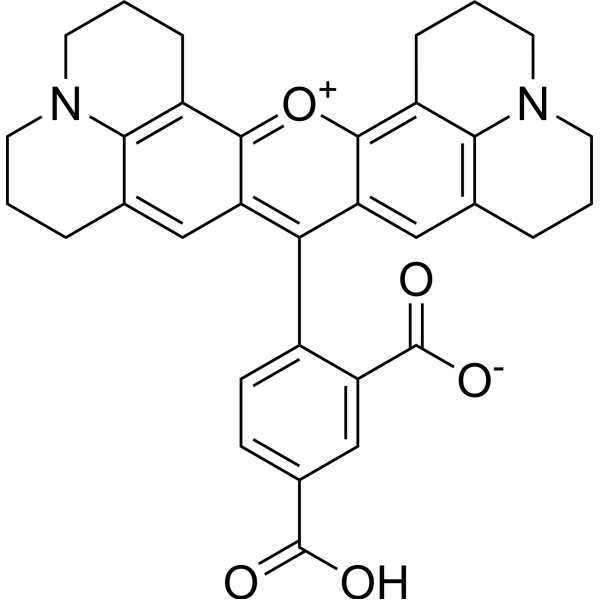
5-ROX
1 Publications Verification
5-Carboxy-X-rhodamine
|
Fluorescent Dye
|
Others
|
|
5-ROX (5-Carboxy-X-rhodamine), a rhodamine dye, exhibits strong fluorescence property in aqueous buffer with the λexit of 580 nm (ε=3.6×10 4 M -1 cm -1), and λemit of 604 nm (=0.94) .
|
-
- HY-172599
-
|
|
GSK-3
|
Neurological Disease
|
|
GSK-3β probe-1 (10c) is a GSK-3β probe (Ex = 341 nm, Em= 574nm, ɛ= 3.51 × 10 4L/mol·cm −1) and can be be used in the study of Alzheimer's disease .
|
-
- HY-149972
-
|
|
Apoptosis
|
Cancer
|
|
Antitumor agent-96 (Compound D34) is a potent MRE11 inhibitor. Antitumor agent-96 down-regulates the HR pathway by binding with MRE11 and suppressing its endonuclease functions. Antitumor agent-96 induces CM cells apoptosis .
|
-
- HY-136690R
-
|
|
Herbicide
Reference Standards
|
Others
|
|
Triasulfuron (Standard) is the analytical standard of Triasulfuron. This product is intended for research and analytical applications. Triasulfuron is a sulfonylurea herbicide. Triasulfuron degrades slowly, with most of the residues remaining in the first 20 cm of the soil surface, but small amounts have been observed to penetrate deeper into the soil (up to 1 m deep) .
|
-
- HY-78086
-
|
3-Methylbenzaldehyde
|
Endogenous Metabolite
Bacterial
|
Infection
|
|
m-Tolualdehyde (3-Methylbenzaldehyde) is a natural product. m-Tolualdehyde can be isolated from Ficus carica L. and Myosotis arvensis. m-Tolualdehyde has food protective effects. m-Tolualdehyde shows acaricidal activities for Tyrophagus putrescentiae with a LD50 of 1.97 μg/cm 3 .
|
-
- HY-B1410R
-
|
MP-328 (Standard)
|
Biochemical Assay Reagents
Reference Standards
|
Others
Cancer
|
|
Ioversol (Standard) is the analytical standard of Ioversol. This product is intended for research and analytical applications. Ioversol (MP-328) is a nonionic iodinated contrast medium (CM) that is used during a CT scan or x-ray in animal experiment. Ioversol does not damage the blood-brain barrier (BBB) in animal [4].
|
-
- HY-160728
-
|
3′-O-Azidomethyl dATP
|
Biochemical Assay Reagents
|
Others
|
|
3′-O-N3-dATP (3′-O-Azidomethyl dATP) is a modified nucleotide, which is utilized for DNA polymerase. 3′-O-N3-dATP acts as reversible terminator with enhanced raman scattering (SERS) at 2125 cm -1, which determines the DNA sequences continuously .
|
-
- HY-Y0823
-
|
|
Parasite
|
Inflammation/Immunology
|
|
Benzoyl isothiocyanate is an aromatic isothiocyanate compound found in Sinapis alba L.. Benzoyl isothiocyanate exerts acaricidal activity against Dermatophagoides farina and D. pteronyssinus with LD50 values of 13.8 and 7.63 µg/cm 2. Benzoyl isothiocyanate can be used for the research on house dust mite-related allergic disease .
|
-
- HY-124815
-
|
|
Reactive Oxygen Species (ROS)
|
Others
|
|
CP-312 is a potent Heme Oxygenase-1 (HO-1) inducer. CP-312 protects hiPSC-CM viability by targeting the antioxidant response network through induction of HMOX1 expression. CP-312 protects human iPSC-derived cardiomyocytes from oxidative stress .
|
-
- HY-N2499
-
|
|
Others
|
Metabolic Disease
|
|
Dehydrotumulosic acid is one of the effective constituents of Poria cocos. Poria cocos, a popular Chinese medicinal herb of fungal origin, has been included in many combinations with other CM herbs for its traditionally claimed activities of inducing diuresis, excreting dampness, invigorating the spleen and tranquilizing the mind and its modern pharmacological use of modulating the immune system of the body .
|
-
- HY-W114327
-
|
|
DNA/RNA Synthesis
|
Others
|
|
N4-Acetyl-2'-O-methylcytidine (ac4Cm) is an RNA with dual acetylation and methoxidation modifications found in thermophilic archaea. N4-Acetyl-2'-O-methylcytidine has been implicated in the adaptability of archaea in extreme environments, enhancing RNA stability through dual modification .
|
-
- HY-W290527
-
|
|
Antibiotic
Bacterial
|
Infection
|
|
2-Isopropyl-5-methylanisole is an inhibitor of Mycobacterium tuberculosis chorismate mutase (CM) with an IC50 of 21.58 μM. The MIC of 2-Isopropyl-5-methylanisole for Mycobacterium tuberculosis is 152.22 µM. 2-Isopropyl-5-methylanisole holds potential for research in the field of anti-infective studies .
|
-
- HY-157926
-
|
|
Biochemical Assay Reagents
|
Others
|
|
Nitroso-PSAP is a sensitive and specific chromogenic reagent for iron (Fe 2+), which is used for the colorimetric determination of iron in blood after mineralization with periodic acid. TNitroso-PSAP chelates with iron (Fe 2+) to produce a green complex (λmax=756 nm, Epsilon = 4.5 x 10 < sup > 4 < / sup > dm < sup > 3 < / sup > mol < sup > 1 < / sup > cm < sup > 1 < / sup >) .
|
-
- HY-78086R
-
|
3-Methylbenzaldehyde (Standard)
|
Reference Standards
Endogenous Metabolite
Bacterial
|
Infection
|
|
m-Tolualdehyde (Standard) is the analytical standard of m-Tolualdehyde. This product is intended for research and analytical applications. m-Tolualdehyde (3-Methylbenzaldehyde) is a natural product. m-Tolualdehyde can be isolated from Ficus carica L. and Myosotis arvensis. m-Tolualdehyde has food protective effects. m-Tolualdehyde shows acaricidal activities for Tyrophagus putrescentiae with a LD50 of 1.97 μg/cm 3 .
|
-
- HY-150759
-
|
|
HIV
|
Infection
|
|
HIV-1 inhibitor-45 is a potent HIV-1 RNase H inhibitor with an IC50 value of 0.067 μM. HIV-1 inhibitor-45 shows an antiviral activity. HIV-1 inhibitor-45 shows poor cell permeability (with an apparent permeability coefficient (Papp) lower than 0.48 × 10 −6 cm/s) .
|
-
- HY-144632
-
|
|
Fungal
|
Infection
|
|
Antifungal agent 22 (compound D16) is a potential and orally active antifungal agent for CM (cryptococcal meningitis), with an IC50 of 0.5 μg/mL. Antifungal agent 22 can penetrate the blood-brain barrier and kill the C. neoformans H99 cells by destroying the integrity of fungal cell membranes. Antifungal agent 22 shows selective anti-Cryptococcus activity with good metabolic stability and low cytotoxicity .
|
-
- HY-N2499R
-
|
|
Reference Standards
Others
|
Metabolic Disease
|
|
Dehydrotumulosic acid (Standard) is the analytical standard of Dehydrotumulosic acid. This product is intended for research and analytical applications. Dehydrotumulosic acid is one of the effective constituents of Poria cocos. Poria cocos, a popular Chinese medicinal herb of fungal origin, has been included in many combinations with other CM herbs for its traditionally claimed activities of inducing diuresis, excreting dampness, invigorating the spleen and tranquilizing the mind and its modern pharmacological use of modulating the immune system of the body .
|
-
- HY-124815R
-
|
|
Reactive Oxygen Species (ROS)
|
Others
|
|
CP-312 (Standard) is the analytical standard of CP-312. This product is intended for research and analytical applications. CP-312 is a potent Heme Oxygenase-1 (HO-1) inducer. CP-312 protects hiPSC-CM viability by targeting the antioxidant response network through induction of HMOX1 expression. CP-312 protects human iPSC-derived cardiomyocytes from oxidative stress .
|
-
- HY-109114A
-
|
MT-7117 phosphate
|
Melanocortin Receptor
|
Metabolic Disease
|
|
Dersimelagon phosphate is an orally active, selective melanocortin 1 receptor (MC1R) agonist with EC50 values of 8.16, 3.91, 1.14 and 0.251 nM for human (h), cynomolgus monkey (cm), mouse (m) and rat (r) MC1R, respectively. Dersimelagon phosphate shows good affinity for hMC1R and hMC4R with Ki values of 2.26, 32.9 nM, respectively. Dersimelagon phosphate can be used for the research of skin pigmentation .
|
-
- HY-D0827
-
|
Cyanine2
|
Fluorescent Dye
|
Others
|
|
Cyanines are formally compounds with two nitrogen atoms linked by an odd number of methene units. 26 28 The nitrogen atoms are parts of the heterocyclic units (such as indole, benzoxazol, or benzothiazol) . The structures and optical properties of representative cyanine dyes used for in vivo imaging are presented . Cyanines are characterized by long wavelength, tunable absorption and emission, very high extinction coefficient (up to 300,000 M 1 cm 1), good water solubility, and relatively straightforward synthesis .
|
-
- HY-125641A
-
|
|
5-HT Receptor
|
Neurological Disease
|
|
AL-34662 (formate) is a 5-HT2 receptor agonist (IC50: 0.8-1.5 nM). AL-34662 (formate) stimulates inositol phosphate turnover and Ca 2+ release in human ciliary muscle cells (h-CM) (E50: 289 nM) and human trabecular meshwork cells (h-TM) (E50: 254 nM). AL-34662 (formate) can be used in studies to lower intraocular pressure (IOP) .
|
-
- HY-115371
-
|
|
Endogenous Metabolite
|
Neurological Disease
|
|
Butaperazine dimaleate is an antipsychotic compound with activity for the detection of vanadium (V). Butaperazine dimaleate can react with vanadium (V) in a phosphoric acid medium to form a red radical cation. The absorption spectrum of butaperazine dimaleate reaches a maximum at 513 nm, which conforms to Beer's law and corresponds to a concentration range of 0.25-5.0 μg/ml. Butaperazine dimaleate has a sensitivity value of 6.1 ng/cm2 and is suitable for the analysis of vanadium steel, minerals, biological samples, and soil samples .
|
-
- HY-160728A
-
|
3′-O-Azidomethyl dATP trisodium
|
Biochemical Assay Reagents
|
Others
|
|
3′-O-N3-dATP trisodium (3′-O-Azidomethyl dATP trisodium) is the trisodium salt form of 3′-O-N3-dATP. 3′-O-N3-dATP trisodium is a modified nucleotide, which is utilized for DNA polymerase. 3′-O-N3-dATP trisodium acts as reversible terminator with enhanced raman scattering (SERS) at 2125 cm -1, which determines the DNA sequences continuously .
|
-
- HY-109114
-
|
MT-7117
|
Melanocortin Receptor
|
Metabolic Disease
|
|
Dersimelagon (MT-7117) is an orally active, selective melanocortin 1 receptor (MC1R) agonist with EC50 values of 8.16, 3.91, 1.14 and 0.251 nM for human (h), cynomolgus monkey (cm), mouse (m) and rat (r) MC1R, respectively. Dersimelagon shows good affinity for hMC1R and hMC4R with Ki values of 2.26, 32.9 nM, respectively. Dersimelagon can be used for the research of skin pigmentation .
|
-
- HY-W714137
-
|
Lesquerellin; 6-Methylthiohexyl isothiocyanate
|
Bacterial
|
Infection
|
|
(6-Isothiocyanatohexyl)(methyl)sulfane (Lesquerellin; 6-Methylthiohexyl isothiocyanate) is an isothiocyanate found in wasabi (W. japonica) and has various biological activities. (6-Isothiocyanatohexyl)(methyl)sulfane is active against the bacterium Bacillus subtilis and the fungus T. mentagrophytes (MIC=25 μg/mL). (6-Isothiocyanatohexyl)(methyl)sulfane also has anthelmintic activity against blue mussel (M. edulis). (6-Isothiocyanatohexyl)(methyl)sulfane has antifouling activity when applied to polyvinyl chloride (PVC) panels at a concentration of 50 μmol/cm2 in a conventional immersion test.
|
-
- HY-P99444
-
|
MSTT 1041A; RG 6149
|
Interleukin Related
MDM-2/p53
NF-κB
|
Cardiovascular Disease
Inflammation/Immunology
|
|
Astegolimab (MSTT 1041A; RG 6149) is a human IgG2 monoclonal antibody. Astegolimab blocks IL-33 signaling by targeting the IL-33 receptor ST2. Astegolimab reduces p53 expression, mitigates IL33-upregulated SASP factors such as IL1α, IL6 and MCP1. Astegolimab mitigates IL33-increased p-p65/p65 ratio. Astegolimab blocks CM-induced neutrophil extracellular trap (NET) formation. Astegolimab is used in chronic obstructive pulmonary disease (COPD) and myocardial research .
|
-
- HY-W391671
-
|
|
Endogenous Metabolite
Biochemical Assay Reagents
|
Others
|
|
Poly[bis(4-phenyl)(2,4,6-trimethylphenyl)amine] is a poly(triarylamine) that is an organic p-type semiconductor with hole mobilities ranging from 10 3 to 10 2 cm 2/V/s, which significantly improves carrier mobility. This stable, glassy polymer has an ionization potential suitable for thick film diodes. Committed to providing green alternatives that meet one or more of the 12 principles of green chemistry, this material falls into the enabling category of green alternatives, in line with the principle of "energy efficient design". In addition, while hole transport organic materials like these ensure optimal energy level alignment with the absorber layer for efficient charge collection, they can be susceptible to degradation under ambient conditions.
|
-
- HY-P10102
-
Kp7-6
2 Publications Verification
|
Apoptosis
PERK
NF-κB
Caspase
JNK
|
Inflammation/Immunology
Cancer
|
|
Kp7-6 is a Fas mimetic peptide and also a Fas/FasL antagonist. Kp7-6 specifically binds to Fas and FasL, disrupts receptor complexes, and blocks downstream apoptosis signaling pathways. Kp7-6 inhibits the phosphorylation of ERK1-2, induces the phosphorylation of IκBα, and activates NF-κB. Kp7-6 inhibits the activation of caspase-8, caspase-3 and JNK, and suppresses human amylin-induced β-cell apoptosis. Kp7-6 inhibits FasL-induced lymphoid cytotoxicity and apoptosis. Kp7-6 reduces local tumor FasL expression, increases CD8 +Fas + T cell infiltration, and decreases tumor volume in pancreatic neuroendocrine tumor models. Kp7-6 prevents concanavalin A-induced liver injury in mice. Kp7-6 is applicable to research related to type 2 diabetes, concanavalin A-induced hepatitis and pancreatic neuroendocrine tumors .
|
-
| Cat. No. |
Product Name |
Type |
-
- HY-D1627
-
|
CM-DiI
|
Fluorescent Dye
|
|
CellTracker CM-DiI (CM-DiI) is a lipophilic fluorochrome that can be used for tracking the migration of lymphocytes. CellTracker CM-DiI is feasible to detect labeled cells in histological sections (excitation 553 nm; emission 570 nm) .
|
-
- HY-D1713
-
CM-H2DCFDA
Maximum Cited Publications
7 Publications Verification
|
Fluorescent Dye
|
|
CM-H2DCFDA is a derivative of H2DCFDA (HY-D0940). CM-H2DCFDA can be used to determine cellular oxidant levels (Ex/Em: 495/530 nm). CM-H2DCFDA is light-sensitive .
|
-
- HY-D0827
-
|
Cyanine2
|
Fluorescent Dye
|
|
Cyanines are formally compounds with two nitrogen atoms linked by an odd number of methene units. 26 28 The nitrogen atoms are parts of the heterocyclic units (such as indole, benzoxazol, or benzothiazol) . The structures and optical properties of representative cyanine dyes used for in vivo imaging are presented . Cyanines are characterized by long wavelength, tunable absorption and emission, very high extinction coefficient (up to 300,000 M 1 cm 1), good water solubility, and relatively straightforward synthesis .
|
-
- HY-D0784
-
5-ROX
1 Publications Verification
5-Carboxy-X-rhodamine
|
Fluorescent Dye
|
|
5-ROX (5-Carboxy-X-rhodamine), a rhodamine dye, exhibits strong fluorescence property in aqueous buffer with the λexit of 580 nm (ε=3.6×10 4 M -1 cm -1), and λemit of 604 nm (=0.94) .
|
-
- HY-D2277
-
|
|
Fluorescent Dye
|
|
Fluorescein-CM2 is a fluorogenic molecule that can be used to rapidly screen esterase cut sites for protein-protein interaction-dependent (PPI-dependent) esterase activity in E. coli .
|
| Cat. No. |
Product Name |
Type |
-
- HY-B2221C
-
|
Carboxymethyl cellulose CM-32; CM-32
|
Biochemical Assay Reagents
|
|
CM Cellulose CM-32 (Carboxymethyl cellulose) is a cellulose derivative. CM Cellulose CM-32 has a wide range of applications in the biomedical field, including tissue engineering, wound dressing, absorbent nonwovens, fabrication of 3D-scaffolds for biocompatible implants, artificial organs or mimics of extracellular polymeric matrix and diagnosis of various diseases. CM Cellulose CM-32 can decrease osteoclasts formation. CM Cellulose CM-32 can be used as a biological material or organic compound for life science related research .
|
-
- HY-W1048558A
-
|
mPEG2000-COOH
|
Biochemical Assay Reagents
|
|
mPEG2000-CM (mPEG2000-COOH) is a carboxyl-terminated monomethoxy polyethylene glycol. mPEG2000-CM bears a reactive carboxyl group (-COOH) at its structural terminal site, which can form stable amide bonds with amino groups and ester bonds with hydroxyl groups. mPEG2000-CM binds to PCA-g-PCL copolymers via electrostatic interaction to form polyion complex micelles with a hydrophilic PEG surface, which enhances the stability of micelles in aqueous media. mPEG2000-CM can be used for drug delivery .
|
-
- HY-W1048918A
-
|
mPEG5000-COOH
|
Biochemical Assay Reagents
|
|
mPEG5000-CM (mPEG5000-COOH) has a reactive carboxyl group (-COOH) attached to the terminal site of the structure, which can form a stable amide bond with the amino group or an ester bond with the hydroxyl group. mPEG5000-CM can be used for drug delivery .
|
-
- HY-W1048918
-
|
mPEG1000-COOH
|
Biochemical Assay Reagents
|
|
mPEG1000-CM (mPEG1000-COOH) has a reactive carboxyl group (-COOH) attached to the terminal site of the structure, which can form a stable amide bond with the amino group or an ester bond with the hydroxyl group. mPEG1000-CM can be used for drug delivery .
|
-
- HY-172387A
-
-
- HY-172387
-
-
- HY-157926
-
|
|
Biochemical Assay Reagents
|
|
Nitroso-PSAP is a sensitive and specific chromogenic reagent for iron (Fe 2+), which is used for the colorimetric determination of iron in blood after mineralization with periodic acid. TNitroso-PSAP chelates with iron (Fe 2+) to produce a green complex (λmax=756 nm, Epsilon = 4.5 x 10 < sup > 4 < / sup > dm < sup > 3 < / sup > mol < sup > 1 < / sup > cm < sup > 1 < / sup >) .
|
-
- HY-179068
-
|
|
Biochemical Assay Reagents
|
|
FITC-CM-Polysucrose 70 is FITC-labeled CM-Polysucrose 70 (HY-179067). CM-Polysucrose 70 consists of polysucrose substituted with carboxymethyl groups, which imparts polyanionic properties to the product. FITC-CM-Polysucrose 70 is primarily used in permeability and microcirculatory studies (Ex/Em = 488/525 nm) .
|
-
- HY-179068A
-
|
|
Biochemical Assay Reagents
|
|
FITC-CM-Polysucrose 400 is FITC-labeled CM-Polysucrose 400. Polysucrose 70 is a high molecular weight branched polysaccharide polymer. FITC-CM-Polysucrose 400 is mainly used for permeability and microcirculation studies (Ex/Em = 488/525 nm) .
|
-
- HY-179067
-
|
|
Biochemical Assay Reagents
|
|
CM-Polysucrose 70 consists of polysucrose substituted with carboxymethyl groups, which imparts polyanionic properties to the product .
|
-
- HY-W1048918B
-
|
mPEG10000-COOH
|
Biochemical Assay Reagents
|
|
mPEG10000-CM (mPEG10000-COOH) has a reactive carboxyl group (-COOH) attached to the terminal site of the structure, which can form a stable amide bond with the amino group or an ester bond with the hydroxyl group. mPEG10000-CM can be used for drug delivery .
|
-
- HY-W1048918C
-
|
mPEG20000-COOH
|
Biochemical Assay Reagents
|
|
mPEG20000-CM (mPEG20000-COOH) has a reactive carboxyl group (-COOH) attached to the terminal site of the structure, which can form a stable amide bond with the amino group or an ester bond with the hydroxyl group. mPEG20000-CM can be used for drug delivery .
|
-
- HY-W1048918D
-
|
mPEG40000-COOH
|
Biochemical Assay Reagents
|
|
mPEG40000-CM (mPEG40000-COOH) has a reactive carboxyl group (-COOH) attached to the terminal site of the structure, which can form a stable amide bond with the amino group or an ester bond with the hydroxyl group. mPEG40000-CM can be used for drug delivery .
|
-
- HY-W1048918E
-
|
mPEG3400-COOH
|
Biochemical Assay Reagents
|
|
mPEG3400-CM (mPEG3400-COOH) has a reactive carboxyl group (-COOH) attached to the terminal site of the structure, which can form a stable amide bond with the amino group or an ester bond with the hydroxyl group. mPEG3400-CM can be used for drug delivery .
|
| Cat. No. |
Product Name |
Target |
Research Area |
-
- HY-P10102
-
Kp7-6
2 Publications Verification
|
Apoptosis
PERK
NF-κB
Caspase
JNK
|
Inflammation/Immunology
Cancer
|
|
Kp7-6 is a Fas mimetic peptide and also a Fas/FasL antagonist. Kp7-6 specifically binds to Fas and FasL, disrupts receptor complexes, and blocks downstream apoptosis signaling pathways. Kp7-6 inhibits the phosphorylation of ERK1-2, induces the phosphorylation of IκBα, and activates NF-κB. Kp7-6 inhibits the activation of caspase-8, caspase-3 and JNK, and suppresses human amylin-induced β-cell apoptosis. Kp7-6 inhibits FasL-induced lymphoid cytotoxicity and apoptosis. Kp7-6 reduces local tumor FasL expression, increases CD8 +Fas + T cell infiltration, and decreases tumor volume in pancreatic neuroendocrine tumor models. Kp7-6 prevents concanavalin A-induced liver injury in mice. Kp7-6 is applicable to research related to type 2 diabetes, concanavalin A-induced hepatitis and pancreatic neuroendocrine tumors .
|
-
- HY-P10610A
-
|
|
MDM-2/p53
|
Cancer
|
|
Peptide 234CM TFA is a peptide containing isoleucine at position 3, corresponding to the sequence of a point mutation in p53 codon 234. Peptide 234CM TFA induces potent cytotoxic T cell (CTL) and antitumor immune responses against mutant p53 .
|
-
- HY-P10610
-
|
|
MDM-2/p53
|
Cancer
|
|
Peptide 234CM is a peptide containing isoleucine at position 3, corresponding to the sequence of a point mutation in p53 codon 234. Peptide 234CM induces potent cytotoxic T cell (CTL) and antitumor immune responses against mutant p53 .
|
-
- HY-P5811
-
|
CcoTx1; β-TRTX-CM1a
|
Sodium Channel
|
Neurological Disease
|
|
Ceratotoxin-1 (CcoTx1), a peptide toxin, is an voltage-gated sodium channel subtypes inhibitor. Ceratotoxin-1 inhibits Nav1.1/β1, Nav1.2/β1, Nav1.4/β1, and Nav1.5/β1 with IC50 of 523 nM, 3 nM, 888 nM, and 323 nM, respectively. Ceratotoxin-1 also inhibits Nav1.8/β1 .
|
-
- HY-P10274
-
-
- HY-P11242
-
|
|
Bacterial
NF-κB
p38 MAPK
JNK
ERK
TNF Receptor
Interleukin Related
|
Infection
|
Cm-CATH2 is an antimicrobial peptide discovered from Chelonia mydas. Cm-CATH2 has a potent, broad-spectrum and rapid bactericidal ability by rapidly destroying the integrity of bacterial cell membranes. It shows strong activity against Gram-positive bacteria (such as VREF, Staphylococcus aureus), Gram-negative bacteria (such as Escherichia coli, Klebsiella pneumoniae), and fungi (such as Candida albicans) with MICs ranges from 1.17 to 18.75 μg/mL. Cm-CATH2 is also effective against various aquatic pathogenic bacteria. Cm-CATH2 not only inhibits biofilm formation but can also remove the formed biofilms. Cm-CATH2 has immunomodulatory functions and chemotactic effects on immune cells, and can inhibit the production of pro-inflammatory cytokines by macrophages stimulated by LPS (HY-D1056). Cm-CATH2 prevents the activation of NF-κB by inhibiting the degradation of IκBα, and also inhibits the phosphorylation of MAPK signaling pathways (p38, JNK, ERK). Cm-CATH2 demonstrates strong anti-infective ability in mouse peritonitis models and pneumonia models .
|
-
- HY-P5810
-
|
CcoTx2; β-TRTX-CM1b
|
Sodium Channel
|
Neurological Disease
|
|
Ceratotoxin-2 (CcoTx2) is a voltage-gated sodium channel blocker with IC50s of 8 nM and 88 nM against Nav1.2/β1 and Nav1.3/β1, respectively .
|
-
- HY-K0257
-
|
|
|
MCE CM Agarose 6FF is a weak cation exchanger formed by covalently coupling carboxymethyl (CM) groups to agarose microspheres. It is suitable for both laboratory research and large-scale industrial purification processes.
|
| Cat. No. |
Product Name |
Target |
Research Area |
Image |
-
- HY-P99590
-
|
ACE-011; MK-7962
|
TGF-β Receptor
|
Cardiovascular Disease
Inflammation/Immunology
Cancer
|
|
Sotatercept (ACE-011) is a soluble activin receptor 2A (ACVR2A) type IgG Fc fusion protein. Sotatercept combines activin and growth differentiation factor to try to restore the balance between growth promotion and growth inhibition signal pathways. Sotatercept has potential application in pulmonary arterial hypertension, anemia, bone loss, erythropoiesis, multiple myeloma (MM) osteolytic lesions .
|
-
(5)
-
- HY-P99444
-
|
MSTT 1041A; RG 6149
|
Interleukin Related
MDM-2/p53
NF-κB
|
Cardiovascular Disease
Inflammation/Immunology
|
|
Astegolimab (MSTT 1041A; RG 6149) is a human IgG2 monoclonal antibody. Astegolimab blocks IL-33 signaling by targeting the IL-33 receptor ST2. Astegolimab reduces p53 expression, mitigates IL33-upregulated SASP factors such as IL1α, IL6 and MCP1. Astegolimab mitigates IL33-increased p-p65/p65 ratio. Astegolimab blocks CM-induced neutrophil extracellular trap (NET) formation. Astegolimab is used in chronic obstructive pulmonary disease (COPD) and myocardial research .
|
-
(5)
-
- HY-P990093
-
|
CM310
|
Interleukin Related
STAT
|
Inflammation/Immunology
|
|
Stapokibart (CM310) is a humanized monoclonal antibody targeting IL-4Rα (KD values of 0.25 nM, 1.50 nM, and 2.75 nM for human, cynomolgus monkey, and rat IL-4Rα, respectively). Stapokibart effectively blocks the interaction of cytokines IL-4 and IL-13 with their co-receptor subunit IL-4Rα. Stapokibart reduces IL-4 and IL-13 mRNA, inhibits CD23 upregulation, and inhibits IL-4 and IL-13-induced STAT6 activation. Stapokibart improves inflammation (airway inflammation, rhinitis, dermatitis) .
|
-
(5)
-
- HY-P990933
-
|
CM-326
|
Interleukin Related
|
Inflammation/Immunology
|
|
Ocankitug (CM-326) is a humanized IgG1κ antibody targeting thymic stromal lymphopoietin (TSLP). It can be used for research on type 2 inflammatory respiratory diseases, including moderate to severe asthma, chronic sinusitis with nasal polyps, etc.
|
-
(5)
-
- HY-P991312
-
-
(5)
-
- HY-P990569
-
|
MK-6018
|
Inhibitory Antibodies
|
Inflammation/Immunology
|
|
CM-24 is a humanized antibody expressed in CHO cells, targeting CEACAM1/CD66a. The predicted molecular weight (MW) of CM-24 is 145 kDa. The isotype control for CM-24 can refer to Human IgG1 kappa, Isotype Control (HY-P99001).
|
-
(5)
-
- HY-P991010
-
|
CM101
|
CCR
|
Inflammation/Immunology
|
|
HY-P991010 is an CCL24-targeting IgG1κ type human antibody, the recommed isotype control is Human IgG1 kappa, Isotype Control (HY-P99001) .
|
-
(5)
-
- HY-P990747
-
|
CM-313
|
CD38
|
Inflammation/Immunology
|
|
Lumrotatug is an anti-CD38 human IgG1 κ monoclonal antibody . Recommend Isotype Controls: Human IgG1 kappa, Isotype Control (HY-P99001).
|
-
(5)
-
- HY-P99790
-
|
CEN 000029; CM-T412
|
Transmembrane Glycoprotein
|
Inflammation/Immunology
|
|
Priliximab (CEN 000029) is an anti-CD4 humanized monoclonal antibody. Priliximab binds to CD4 on the surface of T cells, resulting in a significant and sustained reduction in circulating CD4 + T cells. Priliximab can be used in research of rheumatoid arthritis (RA) .
|
-
(5)
-
- HY-P992334
-
-
(5)
| Cat. No. |
Product Name |
Category |
Target |
Chemical Structure |
| Cat. No. |
Compare |
Product Name |
Species |
Source |
Image |
Compare Products
|
| Products |
|
| Cat. No. |
|
| Species |
|
| Source |
|
| Tag |
|
| Accession |
|
| Gene ID |
|
| Molecular Weight |
|
| Purity |
|
| Endotoxin Level |
|
| Biological Activity |
|
| Appearance |
|
| Formulation |
|
| Storage & Stability |
|
| Shipping |
|
| Free Sample |
Yes
No
|
| Size |
* This product has been "discontinued".
Optimized version of product available:
|
| Cat. No. |
Product Name |
|
Classification |
-
- HY-132591
-
Inclisiran
Maximum Cited Publications
7 Publications Verification
ALN-PCSsc
|
|
siRNAs
siRNA drugs
|
|
Inclisiran is a double-stranded small interfering RNA (siRNA) molecule. Inclisiran inhibits the transcription of PCSK9. Inclisiran inhibits Pyroptosis, activates PPARγ, and reduces NLRP3, cleaved caspase-1, IL-1β, and IL-18. Inclisiran has anti-inflammatory, lipid-regulating and anti-atherosclerotic activities. Inclisiran can be used in researches of hyperlipidemia and cardiovascular disease (CVD) .
|
-
- HY-132609
-
|
|
|
siRNAs
siRNA drugs
|
|
Patisiran sodium is a double-stranded small interfering RNA that targets a sequence within the transthyretin (TTR) messenger RNA. Patisiran sodium specifically inhibits hepatic synthesis of mutant and wild-type TTR. Patisiran sodium can be used for the research of hereditary TTR amyloidosis .
|
-
- HY-132589
-
|
ALN-TTRsc02
|
|
siRNAs
siRNA drugs
|
|
Vutrisiran (ALN-TTRsc02) is a liver-directed, investigational, small interfering ribonucleic acid (siRNA) agent. Vutrisiran can be used for transthyretin (TTR)-mediated amyloidosis research .
|
-
- HY-132610
-
|
ALN-AS1
|
|
siRNAs
siRNA drugs
|
|
Givosiran (ALN-AS1) is a small interfering RNA that targets hepatic aminolevulinate synthase 1 (ALAS1) messenger RNA. Givosiran downregulates ALAS1 mRNA and prevents accumulation of neurotoxic δ-aminolevulinic acid (ALA) and porphobilinogen (PBG) levels. Givosiran demonstrates potent inhibitory activity against ALAS1 in mouse, rat, and cynomolgus monkey models. Givosiran can be used for the research of acute hepatic porphyria (AHP) .
|
-
- HY-132588
-
|
ALN-G01
|
|
siRNAs
siRNA drugs
|
|
Lumasiran (ALN-G01), a siRNA product, reduces hepatic oxalate production by targeting glycolate oxidase. By silencing the gene encoding glycolate oxidase, Lumasiran depletes glycolate oxidase and thereby inhibits the synthesis of oxalate, which is the toxic metabolite that is directly associated with the clinical manifestations of Primary hyperoxaluria type 1 (PH1) .
|
-
- HY-132587
-
|
ALN-AT3SC; SAR439774
|
|
siRNAs
siRNA drugs
|
|
Fitusiran (ALN-AT3SC) is a siRNA strategy. Fitusiran delivers siRNA targeting the SERPINC1 gene in hepatocytes to inhibit antithrombin synthesis. Fitusiran enhances thrombin activity and increases Thrombin generation, thereby restoring hemostatic function. Fitusiran can be used in hemophilia-related research .
|
-
- HY-132613
-
|
|
|
siRNAs
siRNA drugs
|
|
Lumasiran sodium, an investigational RNA interference (RNAi) therapeutic agent, reduces hepatic oxalate production by targeting glycolate oxidase. Lumasiran sodium reduces urinary oxalate excretion, the cause of progressive kidney failure in primary hyperoxaluria type 1 (PH1) .
|
-
- HY-147425
-
|
SLN360
|
|
siRNAs
siRNA drugs
|
|
Zerlasiran (SLN360) is a siRNA targeting apolipoprotein A (ApoA). Zerlasiran targets hepatic ApoA synthesis via RNA interference to degrade encoding mRNA. Zerlasiran can be used for the research of atherosclerotic cardiovascular disease and elevated ApoA levels .
|
-
- HY-145724
-
|
Kyndrisa; GSK2402968A; PRO051
|
|
Antisense Oligonucleotides
|
|
Drisapersen (Kyndrisa) is a 2 '-O-methyl phosphorothioate RNA antisense oligonucleotide that induces exon 51 skipping. Drisapersen induces skipping of exon 51 during Dystrophin pre-mRNA splicing, allowing the synthesis of partially functional Dystrophin. Drisapersen can be used in research related to Duchenne muscular dystrophy .
|
-
- HY-145720
-
|
ALN-CC5
|
|
siRNAs
siRNA drugs
|
|
Cemdisiran (ALN-CC5) is an N-acetylgalactosamine-conjugated RNAi agent and also a complement component C5 inhibitor. Cemdisiran targets C5 mRNA, cleaves C5 mRNA via the endogenous RNA interference pathway, and inhibits the production of C5 protein in the liver. Cemdisiran exerts a dose-dependent inhibitory effect on total C5 concentrations in cynomolgus monkeys. When used in combination with Pozelimab (HY-P99786) in cynomolgus monkeys, Cemdisiran achieves a more sustained and complete inhibitory effect on complement activity. Cemdisiran can be used in the research of paroxysmal nocturnal hemoglobinuria and other complement-mediated diseases .
|
-
- HY-132595
-
|
QPI-1002
|
|
siRNAs
siRNA drugs
|
|
Teprasiran (QPI-1002) is a small interfering RNA that temporarily inhibits p53-mediated cell death that underlies acute kidney injury (AKI) .
|
-
- HY-147278
-
|
Divesiran; SLN124
|
|
siRNAs
siRNA drugs
|
|
Manusiran (Divesiran) is a GalNac-siRNA targeting liver and transmembrane serine protease 6 (Serine protease 6). Manusiran increases hepatic Hepcidin synthesis and plasma levels by silencing TMPRSS6, a negative regulator of hepcidin production, and limits the availability of iron required for erythropoiesis. Combined use of Manusiran with Deferiprone (HY-B0568) reduces ineffective erythropoiesis and hepatic iron overload in a mouse model of β-thalassemia. Manusiran can be used for research on polycythemia vera, type 1 hereditary hemochromatosis, and β-thalassemia .
|
-
- HY-132602
-
|
MRG-201
|
|
MicroRNAs
|
|
Remlarsen (MRG-201), a miR-29b mimic, acts a miR-29b agonist. Remlarsen has the potential for preventiong formation of a fibrotic scar or cutaneous fibrosis .
|
-
- HY-132604
-
|
ARO-AAT
|
|
siRNAs
siRNA drugs
|
|
Fazirsiran (ARO-AAT) is a second-generation RNAi agent. Fazirsiran consistes of a cholesterol-conjugated RNAi trigger (chol-RNAi) to selectively reduce Alpha1-antitrypsin (AAT) synthesis and a melittin-derived peptide conjugated to N-acetylgalactosamine (NAG) formulated as the excipient EX1 to promote endosomal escape of the chol-RNAi in hepatocytes . Fazirsiran can be used in the study of Alpha-1 Antitrypsin Deficiency (AATD) liver disease. Alpha-1 antitrypsin deficiency (AATD) is caused by mutations in the alpha-1 antitrypsin (SERPINA1) gene.
|
-
- HY-W114327
-
|
|
|
Nucleoside Analogs
Cytidine
|
|
N4-Acetyl-2'-O-methylcytidine (ac4Cm) is an RNA with dual acetylation and methoxidation modifications found in thermophilic archaea. N4-Acetyl-2'-O-methylcytidine has been implicated in the adaptability of archaea in extreme environments, enhancing RNA stability through dual modification .
|
-
- HY-147079
-
|
ARC 1779
|
|
Aptamers
|
|
Egaptivon pegol (ARC1779) is an aptamer, which blocks binding of the von Willebrand Factor (VWF) to platelet GPIb receptors. Egaptivon pegol has anti-thrombotic efficacy.
|
-
- HY-177571
-
|
Sgc8c-VCMMAE
|
|
Aptamers
|
|
Sgc8c-M is a PTK7-targeted aptamer-drug conjugate (ApDC). Sgc8c-M is composed of the classic PTK7-specific aptamer Sgc8c, a cathepsin B (CTSB)-cleavable valine-citrulline (VC)-based linker, and the potent antimitotic agent Monomethyl auristatin E (MMAE) (HY-15162) as the payload. Sgc8c-M inhibits the growth of PTK7-overexpressing cancer cells. Sgc8c-M can be used for the study of PTK7-expressing advanced solid tumors .
|
Your information is safe with us. * Required Fields.
Inquiry Information
- Product Name:
- Cat. No.:
- Quantity:
- MCE Japan Authorized Agent:

