1. Search Result
Search Result
Results for "

TP53

" in MedChemExpress (MCE) Product Catalog:

56

Inhibitors & Agonists

1

Fluorescent Dye

1

Biochemical Assay Reagents

4

Peptides

1

Natural
Products

13

Recombinant Proteins

36

Antibodies

16

Oligonucleotides

1

GMP Molecules

Cat. No. Product Name Target Research Areas Chemical Structure
  • HY-19980
    Eprenetapopt
    10+ Cited Publications

    APR-246; PRIMA-1Met

    MDM-2/p53 Autophagy Apoptosis Ferroptosis Cancer
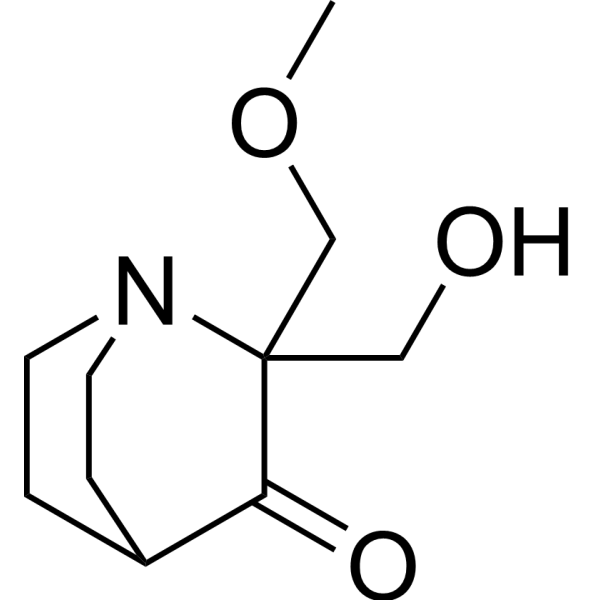
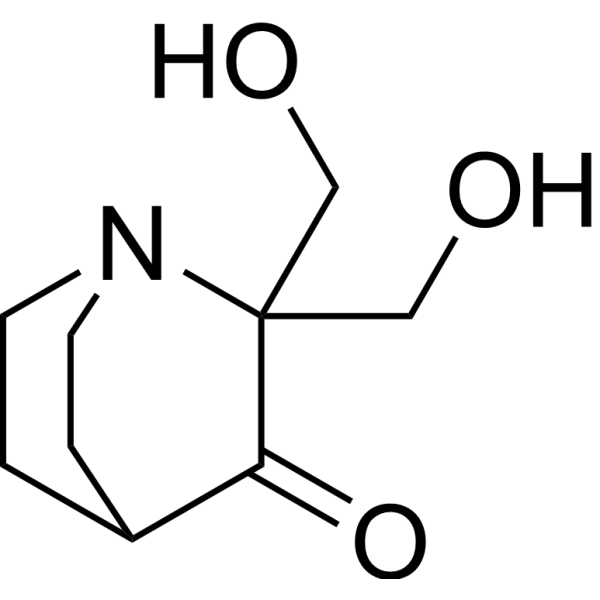
    Eprenetapopt (APR-246) is a first-in-class, small molecule that restores wild-type p53 functions in TP53-mutant cells. Eprenetapopt triggers apoptosis in tumor cells. Eprenetapopt also targets the selenoprotein thioredoxin reductase 1 (TrxR1), a key regulator of cellular redox balance .
    Eprenetapopt
  • HY-10029
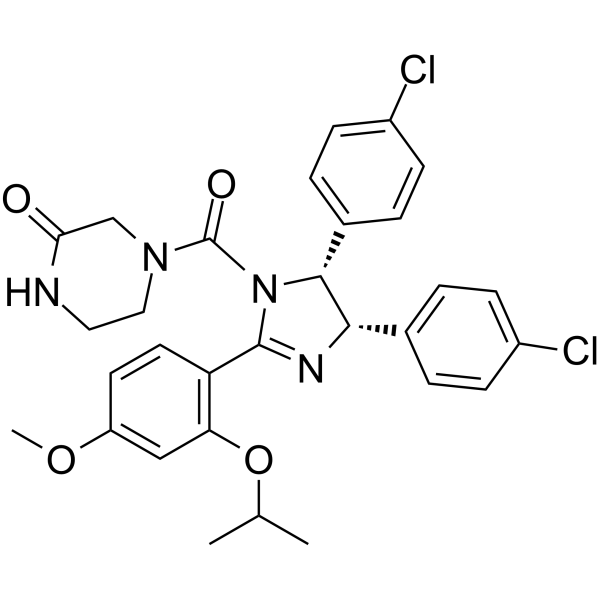
    Nutlin-3a
    Maximum Cited Publications
    66 Publications Verification

    Rebemadlin

    MDM-2/p53 E1/E2/E3 Enzyme Autophagy Apoptosis Cancer
    Nutlin-3a (Rebemadlin), an active enantiomer of Nutlin-3, is a potent murine double minute (MDM2) inhibitor (IC50=90 nM). Nutlin-3a inhibits MDM2-p53 interactions and stabilizes the p53 protein, and induces cell autophagy and apoptosis. Nutlin-3a has the potential for the study of TP53 wild-type ovarian carcinomas .
    Nutlin-3a
  • HY-156633
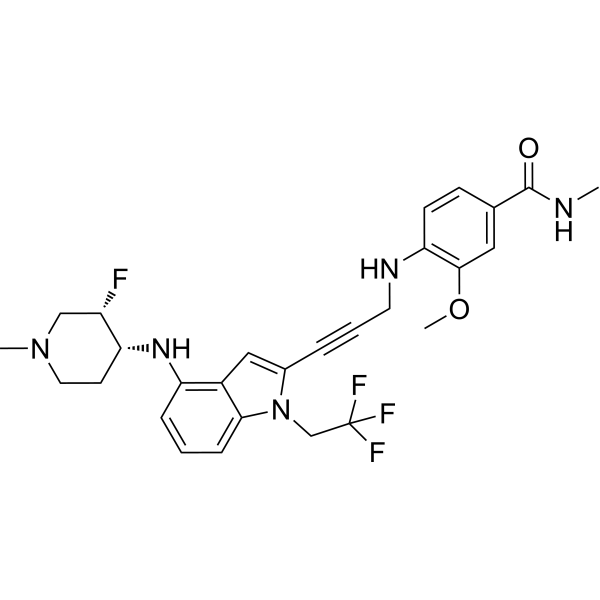
    Rezatapopt
    3 Publications Verification

    PC14586

    MDM-2/p53 Cancer
    Rezatapopt (PC14586) is an orally active antineoplastic agent. Rezatapopt binds to a pocket created by the TP53 Y220C mutation. Rezatapopt restores p53 tumor suppressor functions by stabilization of the p53 protein structure. Rezatapopt demonstrates tumor inhibition and regression in mouse models with established human tumor xenografts harboring the TP53 Y220C mutation .
    Rezatapopt
  • HY-P10925

    FOG-001; I-66

    β-catenin Cancer
    Zolucatetide (FOG-001;I-66) is a potent β-catenin inhibitor with an IC50 of <50 nM. Zolucatetide can inhibits β-catenin and T-cell factor (TCF) transcription factor interaction. Zolucatetide inhibits cell proliferation and induces cell cycle arrest in target cells. Zolucatetide exhibits anti-tumor efficacy in mice bearing COLO320DM colon cancer cell (with APC, TP53 mutations) xenografts. Zolucatetide can be used for the study of colon cancer .
    Zolucatetide
  • HY-P1925A
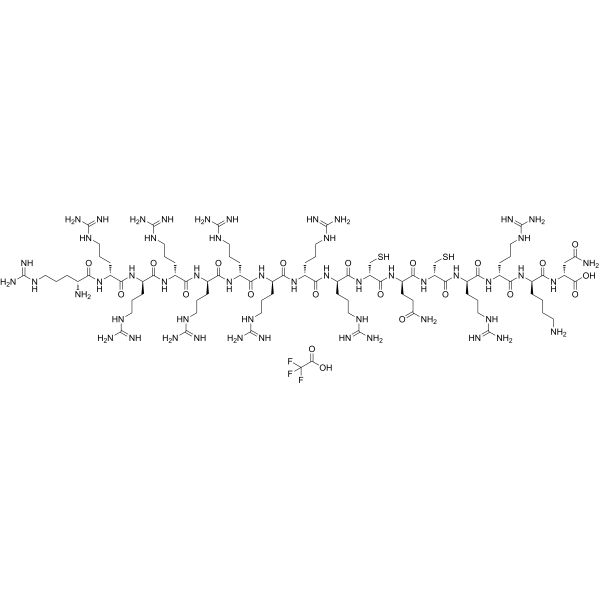
    GO-203 TFA
    2 Publications Verification

    PI3K Reactive Oxygen Species (ROS) Apoptosis Cancer
    GO-203 TFA is a potent MUC1-C oncoprotein inhibitor. GO-203 TFA is an all D-amino acid peptide that consists of a poly-R transduction domain linked to a CQCRRKN motif that binds to the MUC1-C cytoplasmic tail and blocks MUC1-C homodimerization. GO-203 TFA downregulates TIGAR (TP53-induced glycolysis and apoptosis regulator) protein synthesis by inhibiting the PI3K-AKT-S6K1 pathway. GO-203 TFA induces the production of ROS and loss of mitochondrial transmembrane potential. GO-203 TFA inhibits the growth of colon cancer cells in vitro and as xenografts in nude mice .
    GO-203 TFA
  • HY-19980A
    PRIMA-1
    2 Publications Verification

    NSC-281668

    Autophagy MDM-2/p53 Ferroptosis Apoptosis Cancer
    PRIMA-1 (NSC-281668) is a mutant p53 reactivator, restores the sensitivity of TP53 mutant-type thyroid cancer cells to the histone methylation inhibitor 3-Deazaneplanocin A.
    PRIMA-1
  • HY-176083

    MDM-2/p53 Caspase Apoptosis Cancer
    ASTX295 is an orally active and selective MDM2 antagonist with an IC50 of <1 nM. ASTX295 inhibits the MDM2-p53 interaction, activates wild-type TP53, and thereby induces the expression of relevant transcriptional targets, leading to cell death. ASTX295 drives the transition of pancreatic cancer cells from senescence to apoptosis and regulates p53 and DNA damage biomarkers. ASTX295 can be used for the research of hematologic malignancies and pancreatic cancer .
    ASTX295
  • HY-P4210
    Sulanemadlin
    1 Publications Verification

    ALRN-6924; MP-4897

    MDM-2/p53 Cancer
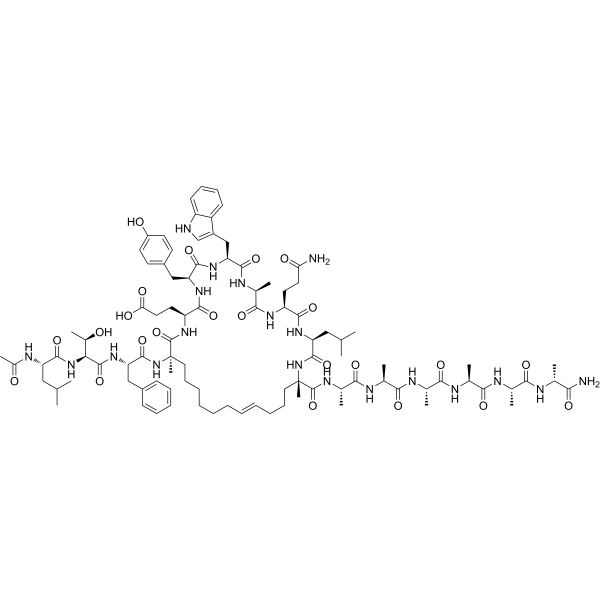
    Sulanemadlin (ALRN-6924) is a potent and cell-permeating p53-based peptidomimetic macrocycles. Sulanemadlin is a inhibitor of the p53-MDM2, p53-MDMX, or both p53 and MDM2 and MDMX protein-protein interactions. Sulanemadlin can be used for cancers research .
    Sulanemadlin
  • HY-15898
    Y-320
    5 Publications Verification

    Interleukin Related Apoptosis Inflammation/Immunology Cancer
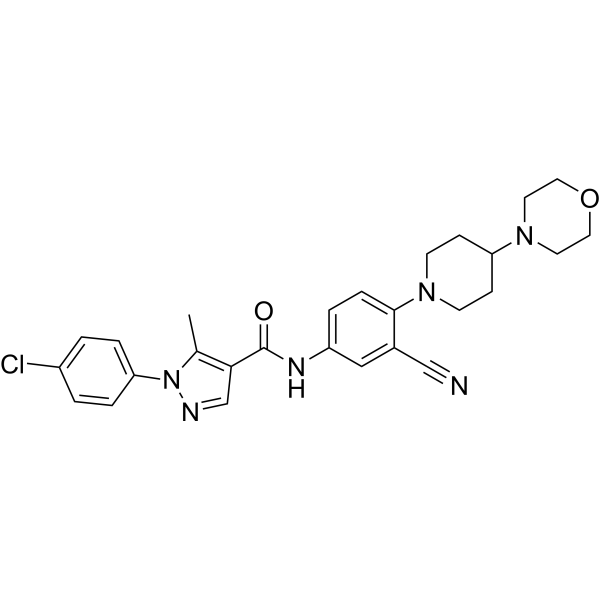
    Y-320 is a potent, orally active phenylpyrazoleanilide immunomodulator. Y-320 inhibits IL-17 production by CD4 T cells stimulated with IL-15 with IC50 values of 20 to 60 nM. Y-320 enhances TP53, DMD, and COL17A1 PTC readthrough by G418 and increases cellular protein levels and protein synthesis. Y-320 concomitants use of with a low dose of Paclitaxel (HY-B0015) significantly sensitized multidrug resistance (MDR) tumors by inducing G2/M phase arrest and apoptosis. Y-320 can be used for research of rheumatoid arthritis (RA) and cancer .
    Y-320
  • HY-16271
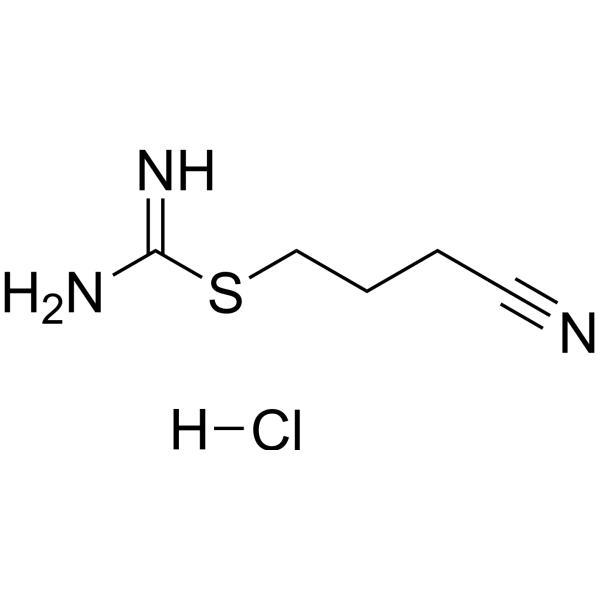
    Kevetrin hydrochloride
    4 Publications Verification

    4-Isothioureidobutyronitrile hydrochloride; thioureidobutyronitrile hydrochloride; thioureido butyronitrile hydrochloride

    MDM-2/p53 Apoptosis Cancer
    Kevetrin hydrochloride is a potent activator of p53, induces apoptosis in TP53 wild-type and mutant acute myeloid leukemia cells. Kevetrin a preferential cytotoxic activity against blast cells .
    Kevetrin hydrochloride
  • HY-D0892

    Biochemical Assay Reagents Cancer
    NSP-DMAE-NHS is an acridinium ester-based signal amplifier that can act as a luminescent probe to effectively improve the detection performance of biosensors. NSP-DMAE-NHS preserves the biochemical activity of biomolecules during the conjugation process. NSP-DMAE-NHS has been successfully applied to label mouse anti-human PI3 monoclonal antibodies for chemiluminescent immunoassays, as well as for pre-competitive chemiluminescent immunochromatographic detection of TP53 fusion proteins. NSP-DMAE-NHS can be used in detection studies of cancer and related biomarkers .
    NSP-DMAE-NHS
  • HY-17493
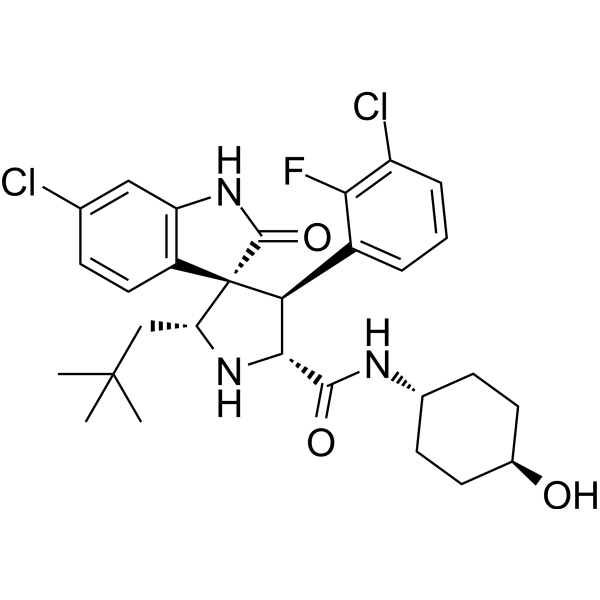
    MI-773
    5+ Cited Publications

    MDM-2/p53 Apoptosis Neurological Disease Cancer
    MI-773 is an orally active, selective MDM2-p53 interaction inhibitor with a Ki of 0.88 nM for MDM2. MI-773 blocks the MDM2-TP53 interaction. MI-773 potently activates p53. MI-773 induces Apoptosis. MI-773 causes tumor regression in xenograft models of adenoid cystic carcinoma. MI-773 exhibits anticancer effects in neuroblastoma. MI-773 TFA can be used for the research of adenoid cystic carcinoma .
    MI-773
  • HY-148409

    Ferroptosis Apoptosis Autophagy MDM-2/p53 Cancer
    MMRi62, a ferroptosis inducer targeting MDM2-MDM4 (negative regulators of tumor suppressor p53). MMRi62 shows a P53-independent pro-apoptotic activity against pancreatic ductal adenocarcinoma (PDAC) cells and induce autophagy. MMRi62 inducesferroptosis, resulting in a increase of reactive oxygen and lysosomal degradation of ferritin heavy chain (FTH1). MMRi62 also leads to proteasomal degradation of mutant p53, also inhibits orthotopic xenograft PDAC mouse model in vivo with high frequency mutation characteristics of KRAS and TP53.12 .
    MMRi62
  • HY-A0169A
    Methyl aminolevulinate hydrochloride
    1 Publications Verification

    Reactive Oxygen Species (ROS) Photosensitizer Cancer
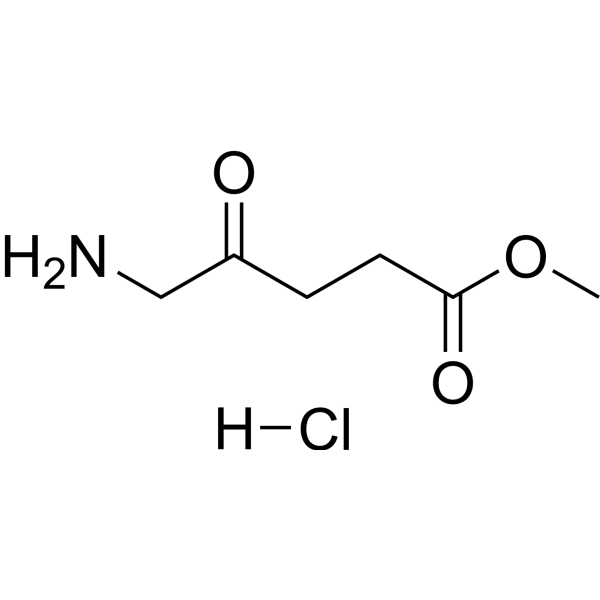
    Methyl aminolevulinate hydrochloride is a sensitizer used in photodynamic therapy (PDT). Methyl aminolevulinate hydrochloride penetrates the skin and induces the production of photoactive porphyrins including protoporphyrin IX in cells; upon exposure to appropriate light, it generates ROS, which triggers cellular oxidation and cell death. Methyl aminolevulinate hydrochloride acts as a photo-damage reversing agent through epidermal reconstruction, cytokine-mediated activation of dermal fibroblasts, elastin breakdown, new collagen formation, and compression of dilated capillaries. Methyl aminolevulinate hydrochloride reduces the expression of the proliferation marker Ki-67 and the early skin carcinogenesis marker TP53. Methyl aminolevulinate hydrochloride delays the onset of ultraviolet-induced skin tumors and reduces tumor burden in hairless mice. Methyl aminolevulinate hydrochloride is applicable to research related to actinic keratosis and basal cell carcinoma .
    Methyl aminolevulinate hydrochloride
  • HY-171499

    EL625

    MDM-2/p53 Cancer
    Cenersen (EL625) is an oligonucleotide targeting TP53. Cenersen can eliminate the activity of TP53 gain-of-function mutants and increase the sensitivity of lymphoma cells to cytotoxic chemotherapy in vitro. Cenersen can be used for the study of chronic lymphocytic leukemia (CLL) .
    Cenersen
  • HY-158039

    Deubiquitinase Apoptosis Cancer
    YCH2823 is an inhibitor of USP7 (IC50 = 49.6 nM; Kd = 0.117 μM). YCH2823 shows significant efficacy in inhibiting TP53 wild-type and mutant tumors, with approximately 5-fold higher potency than FT671. YCH2823 induce apoptosis. YCH2823 synergistic effects with mTOR inhibitors .
    YCH2823
  • HY-W181530

    Molecular Glues CDK Apoptosis Ligands for E3 Ligase Cancer
    NCT02 is a molecular glue degrader based on the E3 ubiquitin ligase DDB1 that targets CDK12 and its binding partner CCNK. NCT02 triggers the ubiquitination and proteasomal degradation of CCNK, thereby downregulating CDK12 protein levels and inhibiting its downstream signaling pathways. NCT02 can induce tumor cell apoptosis, arrest the cell cycle, and selectively inhibit the proliferation of colorectal cancer cells carrying TP53 defects or belonging to the consensus molecular subtype CMS4. NCT02 has the potential to inhibit tumor growth in in vitro and in vivo models .
    NCT02
  • HY-RS14912

    Small Interfering RNA (siRNA) Others

    TP53 Human Pre-designed siRNA Set A contains three designed siRNAs for TP53 gene (Human), as well as a negative control, a positive control, and a FAM-labeled negative control.

    TP53 Human Pre-designed siRNA Set A
    TP53 Human Pre-designed siRNA Set A
  • HY-114231
    Exaluren
    2 Publications Verification

    ELX-02; NB-124

    Drug Derivative Inflammation/Immunology
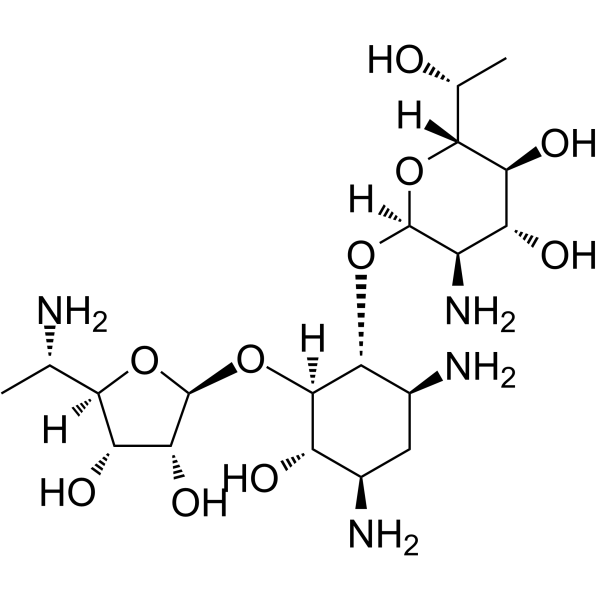
    Exaluren (ELX-02; NB-124) is an synthetic eukaryotic ribosome-selective glycoside that induces read-through of nonsense mutations, resulting in normally localized full-length functional proteins. Exaluren is used for the research of cystic fibrosis caused by nonsense mutations .
    Exaluren
  • HY-P11089

    MHC Cancer
    TP53 neoepitope is a high-affinity antigenic peptide targeting HLA-A. TP53 neoepitope can triggers CD8 + T cell-mediated killing of TP53-mutant tumor cells. TP53 neoepitope is promising for research of solid tumors harboring TP53 hotspot mutations (e.g., R175H, R273H) .
    TP53 neoepitope
  • HY-107835

    FCR 2769

    Environmental Pollutants Apoptosis Bcl-2 Family Parasite Insecticide Infection Cancer
    Flumethrin (FCR 2769) is a pyrethroid insecticide and acaricide . Flumethrin targets voltage-gated sodium channels and estrogen receptor α (ERα). Flumethrin induces cytotoxicity, apoptosis, genotoxicity and DNA damage in breast cancer cells by regulating the expression of BCL2, BAX, TP53 and P21 genes. Flumethrin is applicable to relevant studies on ectoparasite infections (tick and flea burdens) in dogs and cats, as well as breast cancer .
    Flumethrin
  • HY-124036

    PI3K mTOR Cancer
    DS-7423 is a dual PI3K and mTOR inhibitor, with IC50 values of 15.6 nM, 34.9 nM for PI3Kα and mTOR, respectively. DS-7423 possesses anti-tumor activity .
    DS-7423
  • HY-100765

    MDM-2/p53 E1/E2/E3 Enzyme Cancer
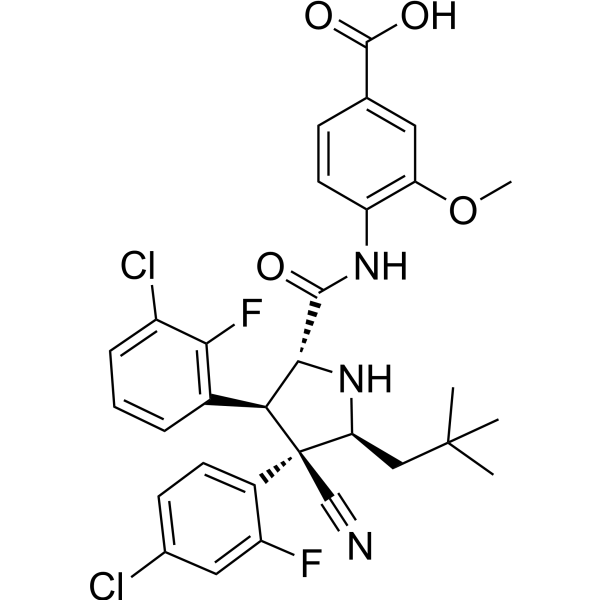
    BI-0252 is an orally active, selective MDM2-p53 inhibitor with an IC50 of 4 nM. BI-0252 can induce tumor regressions in all animals of a mouse SJSA-1 xenograft, with concomitant induction of the tumor protein p53 (TP53) target genes and markers of apoptosis .
    BI-0252
  • HY-174511

    mRNA Cancer
    Human TP53 mRNA encodes the human tumor protein p53 (TP53) protein, a tumor suppressor protein containing transcriptional activation, DNA binding, and oligomerization domains. TP53 responds to diverse cellular stresses to regulate expression of target genes, thereby inducing cell cycle arrest, apoptosis, senescence, DNA repair, or changes in metabolism.
    Human TP53 mRNA
  • HY-N1022

    NF-κB Inflammation/Immunology Cancer
    11-Hydroxytephrosin is a potent NF-κB inhibitor with an IC50 of 0.19 μM or 4.21 μM. 11-Hydroxytephrosin is isolated from A. fruticosa. 11-Hydroxytephrosin inhibits the activation of NF-κB. 11-Hydroxytephrosin can be used in research related to cervical cancer and inflammatory diseases .
    11-Hydroxytephrosin
  • HY-RS14913

    Small Interfering RNA (siRNA) Others

    Tp53 Rat Pre-designed siRNA Set A contains three designed siRNAs for Tp53 gene (Rat), as well as a negative control, a positive control, and a FAM-labeled negative control.

    Tp53 Rat Pre-designed siRNA Set A
    Tp53 Rat Pre-designed siRNA Set A
  • HY-10029A

    (Rac)-Rebemadlin

    MDM-2/p53 Autophagy Apoptosis E1/E2/E3 Enzyme Cancer
    (Rac)-Nutlin-3 (Rebemadlin), an active enantiomer of Nutlin-3, is a potent murine double minute (MDM2) inhibitor (IC50=90 nM). (Rac)-Nutlin-3 inhibits MDM2-p53 interactions and stabilizes the p53 protein, and induces cell autophagy and apoptosis. (Rac)-Nutlin-3 has the potential for the study of TP53 wild-type ovarian carcinomas .
    (Rac)-Nutlin-3
  • HY-175000

    Ferroptosis Polo-like Kinase (PLK) MDM-2/p53 Endocrinology Cancer
    L14-8 is a potent ferroptosis inducer. L14-8 promotes PLK1 degradation via ubiquitination, increasing TP53 phosphorylation to enhance SAT1 transcription, thereby triggering ferroptosis and cancer cell death. L14-8 can be used for the study of advanced prostate cancer .
    L14-8
  • HY-178224

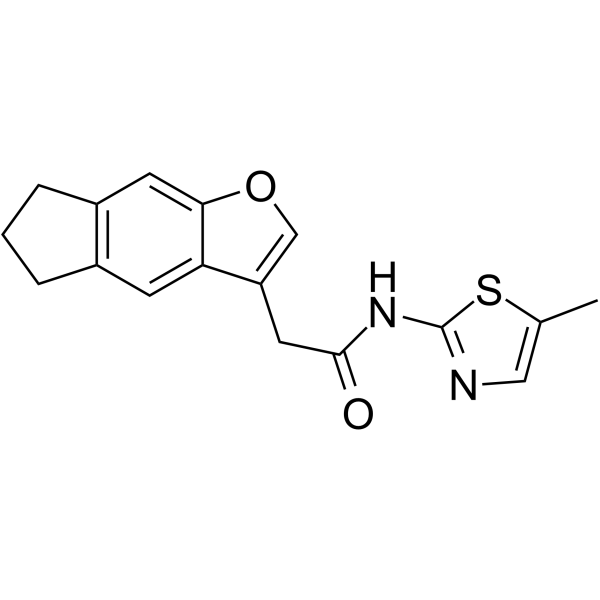
    Apoptosis DNA/RNA Synthesis Cancer
    Morindone is an anthraquinone found in Morinda citrifolia L. Morindone can inhibit cancer cells proliferation, induce apoptosis and cause G1 phase arrest. Morindone can inhibit activities of DNA polymerase and downregulate mutated TP53 and KRAS gene expression. Morindone can be used for the research of cancer, such as colon cancer .
    Morindone
  • HY-19980G

    APR-246; PRIMA-1Met

    MDM-2/p53 Apoptosis Autophagy Ferroptosis Cancer
    Eprenetapopt (GMP) (APR-246(GMP)) is Eprenetapopt (HY-19980) in GMP grade. GMP small molecules works appropriately as an auxiliary reagent for cell therapy manufacture. Eprenetapopt (APR-246) is a first-in-class, small molecule that restores wild-type p53 functions in TP53-mutant cells. Eprenetapopt triggers apoptosis in tumor cells. Eprenetapopt also targets the selenoprotein thioredoxin reductase 1 (TrxR1), a key regulator of cellular redox balance .
    Eprenetapopt
  • HY-179560

    Polo-like Kinase (PLK) MDM-2/p53 Cancer
    PMV6-PEG4-BI2536 is a p53-Y220C-PLK1 dual-functional compound, composed of a high-affinity p53-Y220C mutant binder (Kd ≈ 2.5 nM) and a potent PLK1 kinase inhibitor (IC50 = 0.83 nM). PMV6-PEG4-BI2536 triggers TP53 Y220C cell G2/M arrest and apoptosis through PLK1 mislocalization and kinase inhibition, independent of p53 transcriptional reactivation. PMV6-PEG4-BI2536 can be used for the study of TP53 mutant cancers .
    PMV6-PEG4-BI2536
  • HY-W013053R

    DBA (Standard); 1,2,5,6-Dibenzanthracene (Standard); Benzo[k]tetraphene (Standard)

    DNA/RNA Synthesis Apoptosis Reference Standards MDM-2/p53 Cancer
    Dibenz[a,h]anthracene (Standard) is the analytical standard of Dibenz[a,h]anthracene. This product is intended for research and analytical applications. Dibenz[a,h]anthracene (DBA) is a polycyclic aromatic hydrocarbon (PAH) of considerable tumorigenicity. Dibenz[a,h]anthracene results in DNA adduct formation leading to the activation of a DNA damage response. Dibenz[a,h]anthracene induces cell cycle arrest and apoptosis via both Tp53-dependent and Tp53-independent mechanisms .
    Dibenz[a,h]anthracene (Standard)
  • HY-164544

    Deubiquitinase Cancer
    USP7-055 is a USP7 inhibitor. USP7-055 can be used in cancer research .
    USP7-055
  • HY-RS14922

    Small Interfering RNA (siRNA) Others

    TP53RK Human Pre-designed siRNA Set A contains three designed siRNAs for TP53RK gene (Human), as well as a negative control, a positive control, and a FAM-labeled negative control.

    TP53RK Human Pre-designed siRNA Set A
    TP53RK Human Pre-designed siRNA Set A
  • HY-RS14915

    Small Interfering RNA (siRNA) Others

    TP53BP1 Human Pre-designed siRNA Set A contains three designed siRNAs for TP53BP1 gene (Human), as well as a negative control, a positive control, and a FAM-labeled negative control.

    TP53BP1 Human Pre-designed siRNA Set A
    TP53BP1 Human Pre-designed siRNA Set A
  • HY-RS14916

    Small Interfering RNA (siRNA) Others

    TP53BP2 Human Pre-designed siRNA Set A contains three designed siRNAs for TP53BP2 gene (Human), as well as a negative control, a positive control, and a FAM-labeled negative control.

    TP53BP2 Human Pre-designed siRNA Set A
    TP53BP2 Human Pre-designed siRNA Set A
  • HY-RS14920

    Small Interfering RNA (siRNA) Others

    TP53INP1 Human Pre-designed siRNA Set A contains three designed siRNAs for TP53INP1 gene (Human), as well as a negative control, a positive control, and a FAM-labeled negative control.

    TP53INP1 Human Pre-designed siRNA Set A
    TP53INP1 Human Pre-designed siRNA Set A
  • HY-RS14917

    Small Interfering RNA (siRNA) Others

    TP53I11 Human Pre-designed siRNA Set A contains three designed siRNAs for TP53I11 gene (Human), as well as a negative control, a positive control, and a FAM-labeled negative control.

    TP53I11 Human Pre-designed siRNA Set A
    TP53I11 Human Pre-designed siRNA Set A
  • HY-RS26028

    Small Interfering RNA (siRNA) Others

    Tp53i3 Rat Pre-designed siRNA Set A contains three designed siRNAs for Tp53i3 gene (Rat), as well as a negative control, a positive control, and a FAM-labeled negative control.

    Tp53i3 Rat Pre-designed siRNA Set A
    Tp53i3 Rat Pre-designed siRNA Set A
  • HY-RS14918

    Small Interfering RNA (siRNA) Others

    TP53I13 Human Pre-designed siRNA Set A contains three designed siRNAs for TP53I13 gene (Human), as well as a negative control, a positive control, and a FAM-labeled negative control.

    TP53I13 Human Pre-designed siRNA Set A
    TP53I13 Human Pre-designed siRNA Set A
  • HY-RS14919

    Small Interfering RNA (siRNA) Others

    TP53I3 Human Pre-designed siRNA Set A contains three designed siRNAs for TP53I3 gene (Human), as well as a negative control, a positive control, and a FAM-labeled negative control.

    TP53I3 Human Pre-designed siRNA Set A
    TP53I3 Human Pre-designed siRNA Set A
  • HY-RS14921

    Small Interfering RNA (siRNA) Others

    TP53INP2 Human Pre-designed siRNA Set A contains three designed siRNAs for TP53INP2 gene (Human), as well as a negative control, a positive control, and a FAM-labeled negative control.

    TP53INP2 Human Pre-designed siRNA Set A
    TP53INP2 Human Pre-designed siRNA Set A
  • HY-RS14914

    Small Interfering RNA (siRNA) Others

    TP53AIP1 Human Pre-designed siRNA Set A contains three designed siRNAs for TP53AIP1 gene (Human), as well as a negative control, a positive control, and a FAM-labeled negative control.

    TP53AIP1 Human Pre-designed siRNA Set A
    TP53AIP1 Human Pre-designed siRNA Set A
  • HY-150620

    MDM-2/p53 Cancer
    BI-0282 (Compound 1) is a potent MDM2-p53 interaction inhibitor .
    BI-0282
  • HY-107835R

    FCR 2769 (Standard)

    Reference Standards Insecticide Parasite Apoptosis Bcl-2 Family Infection Cancer
    Flumethrin (Standard) (FCR 2769 (Standard)) is the analytical standard of Flumethrin (HY-107835). This product is intended for research and analytical applications. Flumethrin (FCR 2769) is a pyrethroid insecticide and acaricide. Flumethrin targets voltage-gated sodium channels and estrogen receptor α (ERα). Flumethrin induces cytotoxicity, apoptosis, genotoxicity and DNA damage in breast cancer cells by regulating the expression of BCL2, BAX, TP53 and P21 genes. Flumethrin is applicable to relevant studies on ectoparasite infections (tick and flea burdens) in dogs and cats, as well as breast cancer.
    Flumethrin (Standard)
  • HY-A0169

    Reactive Oxygen Species (ROS) Photosensitizer Cancer
    Methyl aminolevulinate is a sensitizer used in photodynamic therapy (PDT). Methyl aminolevulinate penetrates the skin and induces the production of photoactive porphyrins including protoporphyrin IX in cells; upon exposure to appropriate light, it generates ROS, which triggers cellular oxidation and cell death. Methyl aminolevulinate acts as a photo-damage reversing agent through epidermal reconstruction, cytokine-mediated activation of dermal fibroblasts, elastin breakdown, new collagen formation, and compression of dilated capillaries. Methyl aminolevulinate reduces the expression of the proliferation marker Ki-67 and the early skin carcinogenesis marker TP53. Methyl aminolevulinate delays the onset of ultraviolet-induced skin tumors and reduces tumor burden in hairless mice. Methyl aminolevulinate is applicable to research related to actinic keratosis and basal cell carcinoma .
    Methyl aminolevulinate
  • HY-180331

    MDM-2/p53 Cancer
    NVP-CFC218 is a selective TP53-MDM2 inhibitor with a structure and biochemical profile similar to NVP-CGM097 (HY-15954) (IC50 of 1.6 nM: displacing the p53 peptide from the surface of HDM2). It is used to analyze pharmacological sensitivity in cell lines and is also applicable in cancer research [1] .
    NVP-CFC218
  • HY-186013

    Apoptosis Cancer
    CML-07-119 is a selective inhibitor of GGPP synthase (GGPPS) with an IC50 of ~27 nM. CML-07-119 induces apoptosis and exhibits anticancer activity against acute myeloid leukemia (AML) cells, including those harbouring TP53 mutations. CML-07-119 inhibits tumor growth in an AML mouse xenograft model. CML-07-119 can be used for AML research .
    CML-07-119
  • HY-164828

    PC14586 analog-1

    MDM-2/p53 Cancer
    Rezatapopt analog-1 (PC14586 analog-1) (1919) is a Rezatapopt (HY-156633) analog. Rezatapopt binds to a pocket created by the TP53 Y220C mutation. Rezatapopt restores p53 tumor suppressor functions by stabilization of the p53 protein structure .
    Rezatapopt analog-1
  • HY-RS28596

    Small Interfering RNA (siRNA) Others
    Tp53inp1 Rat Pre-designed siRNA Set A contains three designed siRNAs for Tp53inp1 gene (Rat), as well as a negative control, a positive control, and a FAM-labeled negative control.
    Tp53inp1 Rat Pre-designed siRNA Set A
    Tp53inp1 Rat Pre-designed siRNA Set A

Inquiry Online

Your information is safe with us. * Required Fields.

Salutation


Country or Region *

Applicant Name *


Organization Name *

Department *


Email Address *


Product Name *

Cat. No.


Requested quantity *

Phone Number *


Remarks

Inquiry Online

Inquiry Information

Product Name:
Cat. No.:
Quantity:
MCE Japan Authorized Agent:

