1. Search Result
Search Result
Results for "

phenolic function

" in MedChemExpress (MCE) Product Catalog:

16

Inhibitors & Agonists

2

Fluorescent Dyes

1

Biochemical Assay Reagents

1

Peptides

5

Natural
Products

1

Isotope-Labeled Compounds

Cat. No. Product Name Target Research Areas Chemical Structure
  • HY-Y1840

    Drug Derivative Neurological Disease
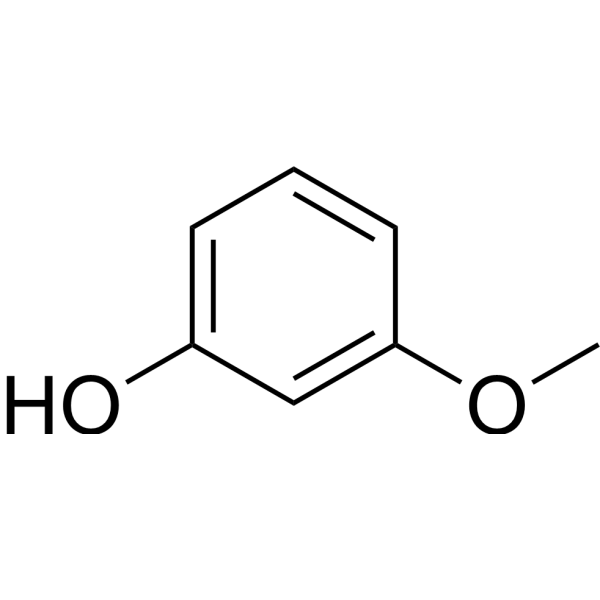
    3-Methoxyphenol is a phenolic compound that is biologically toxic. 3-Methoxyphenol is systemically absorbed, disrupts the function of the liver, kidneys, central nervous system, and redox processes, and increases levels of Hb, red blood cells, and white blood cells in the body.
    3-Methoxyphenol
  • HY-121527

    Enterovirus Influenza Virus Bacterial Infection Neurological Disease
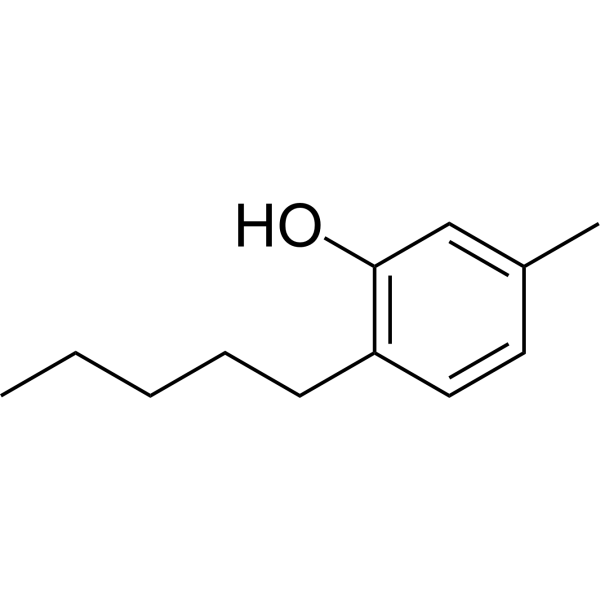
    Amylmetacresol is a phenolic compound with topical antibacterial and antiviral activity. Amylmetacresol works by destroying the protein structure of the virus surface or interfering with the function of the virus lipid membrane. Amylmetacresol inhibits the attachment and replication of respiratory viruses such as human Rhinovirus 1a and influenza virus A, without significant effect on viruses such as HRV8. Amylmetacresol is mainly applied topically to the throat to relieve viral sore throats. Amylmetacresol is more active against enveloped viruses than non-enveloped viruses .
    Amylmetacresol
  • HY-34154

    Lactate Dehydrogenase Others
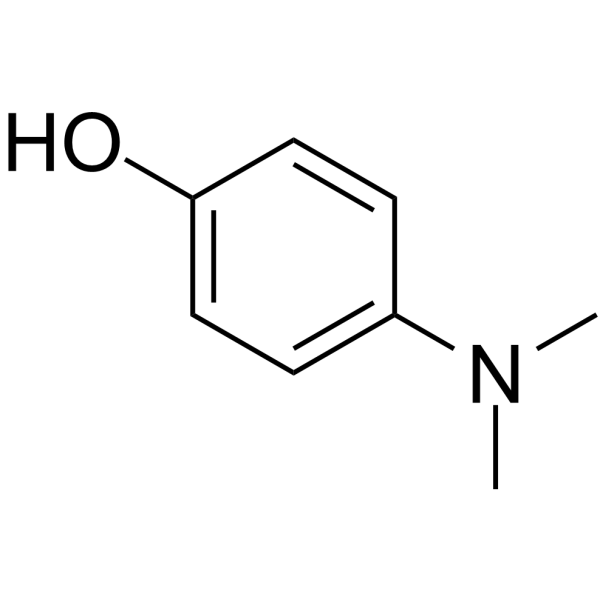
    4-(Dimethylamino)phenol is a potent cyanide antidote. 4-(Dimethylamino)phenol increases the extracellular lactate dehydrogenase (LDH) without markedly affecting gluconeogenesis. 4-(Dimethylamino)phenol cannot decreases the ATP content until the membrane becomes permeable to LDH. 4-(Dimethylamino)phenol’s toxicity is related to its reaction with glutathione and formation of covalent complexes, leading to impaired cellular function .
    4-(Dimethylamino)phenol
  • HY-N5130

    Others Neurological Disease
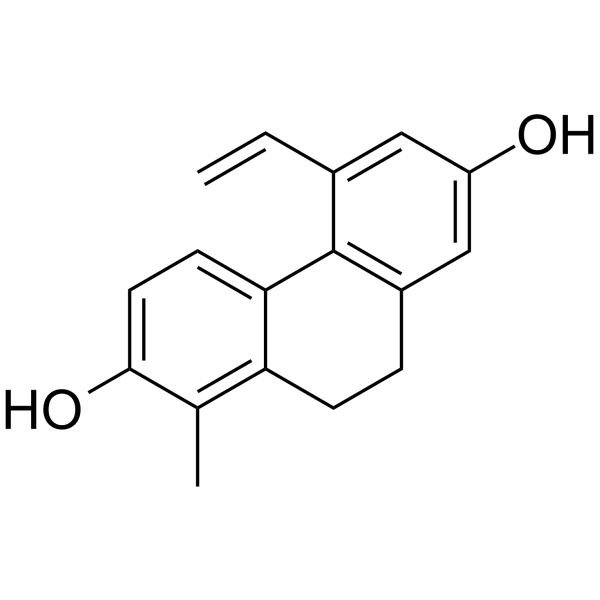
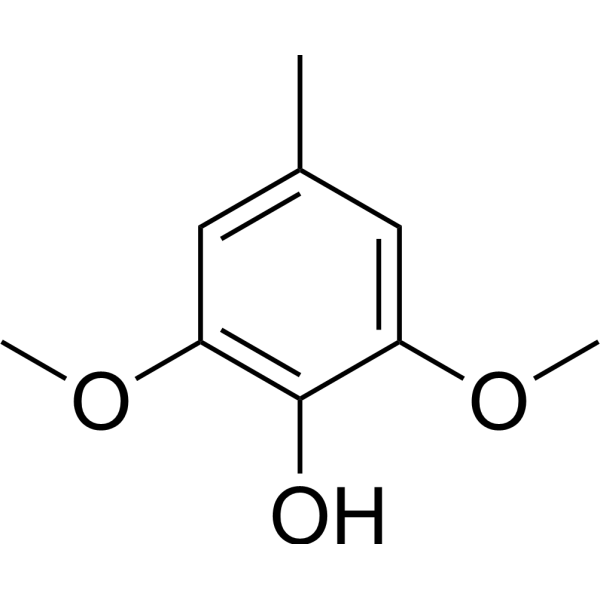
    Effusol, a phenolic constituent from Juncus effuses, exhibits potent scavenging activity for DPPH and ABTS radicals, with IC50 values of 79 μM and 2.73 μM, respectively. Effusol rescues CA1 LTP attenuated by corticosterone, defending the hippocampal function against stress-induced cognitive decline .
    Effusol
  • HY-N2673

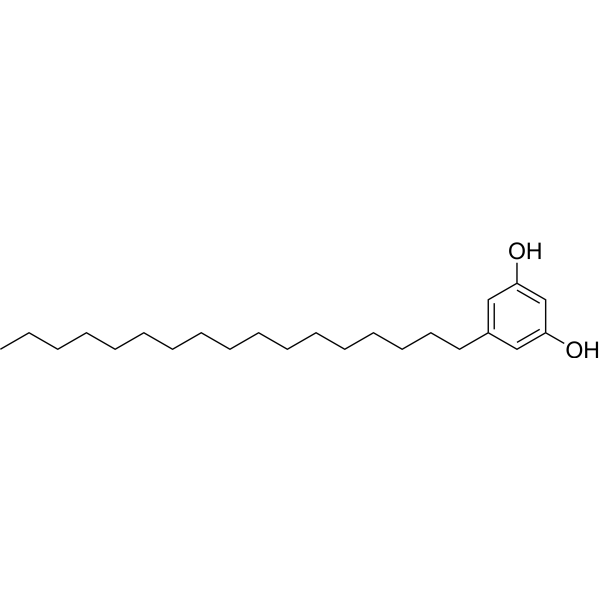
    5-n-Heptadecylresorcinol; AR-C17

    Sirtuin Cardiovascular Disease Metabolic Disease
    5-Heptadecylresorcinol (AR-C17), a phenolic lipid component, is also an orally active mitochondrial protector. 5-Heptadecylresorcinol improves mitochondrial function via sirtuin3 signaling pathway, thus alleviates endothelial cell damage and apoptosis. 5-Heptadecylresorcinol induces sirtuin3-mediated autophagy. 5-Heptadecylresorcinol reduces the atherosclerotic plaques in the aortic root region of mice heart. 5-Heptadecylresorcinol can be used for research of atherosclerosis prevention and obesity .
    5-Heptadecylresorcinol
  • HY-W014226

    Drug Intermediate Ser/Thr Protease Others
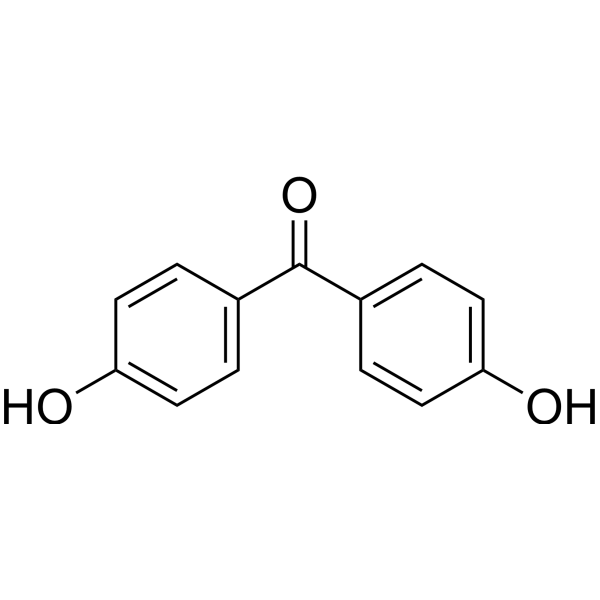
    4,4'-Dihydroxybenzophenone is a type of phenolic ultraviolet absorber and a drug intermediate for synthesis of various anticancer active compounds (such as Sivifene (HY-14801)). 4,4'-Dihydroxybenzophenone binds to the active site of trypsin with binding constants (KA = 7.59 x 10 5 L/moL) and leads to abnormal structure of trypsin, suggesting that long-term intake may affect the digestive function of the human body. 4,4’-dihydroxybenzophenone has a relatively low toxicity to Chlorella vulgaris and a moderate toxicity to Daphnia magna .
    4,4'-Dihydroxybenzophenone
  • HY-P11454

    Bacterial Infection
    PSM-mec peptide is a peptide toxin belonging to the phenol-soluble modulin (PSM) superfamily. PSM-mec peptide is encoded by the psm-mec gene and associated with the methicillin resistance gene element (SCCmec). PSM-mec peptide has pro-inflammatory, cytolytic functions and the role of regulating the structure of biofilms. PSM-mec peptide can be mainly used for the pathogenic mechanism and drug resistance research of canine pseudo-intermediate Staphylococcus (S. pseudintermedius) related infections and zoonotic diseases .
    PSM-mec peptide
  • HY-N2673R

    5-n-Heptadecylresorcinol (Standard); AR-C17 (Standard)

    Reference Standards Sirtuin Cardiovascular Disease Metabolic Disease
    5-Heptadecylresorcinol (AR-C17), a phenolic lipid component, is also an orally active mitochondrial protector. 5-Heptadecylresorcinol improves mitochondrial function via sirtuin3 signaling pathway, thus alleviates endothelial cell damage and apoptosis. 5-Heptadecylresorcinol induces sirtuin3-mediated autophagy. 5-Heptadecylresorcinol reduces the atherosclerotic plaques in the aortic root region of mice heart. 5-Heptadecylresorcinol can be used for research of atherosclerosis prevention and obesity .
    5-Heptadecylresorcinol (Standard)
  • HY-153993

    Endogenous Metabolite Others
    Pyrocatechol sulfate is a phenolic metabolite present in human blood plasma, associated with the intake of certain foods such as berries and the status of the gut microbiota. Pyrocatechol sulfate can serve as a biomarker for uremia. Along with other phenolic sulfates, Pyrocatechol sulfate plays a role in regulating various biological functions, including those related to brain health and the rhythmic beating of cardiomyocytes .
    Pyrocatechol sulfate
  • HY-Y1840R

    Biochemical Assay Reagents Reference Standards Neurological Disease
    3-Methoxyphenol (Standard) is the analytical standard of 3-Methoxyphenol. This product is intended for research and analytical applications. 3-Methoxyphenol is a phenolic compound that is biologically toxic. 3-Methoxyphenol is systemically absorbed, disrupts the function of the liver, kidneys, central nervous system, and redox processes, and increases levels of Hb, red blood cells, and white blood cells in the body.
    3-Methoxyphenol (Standard)
  • HY-Y1840S

    Isotope-Labeled Compounds Neurological Disease
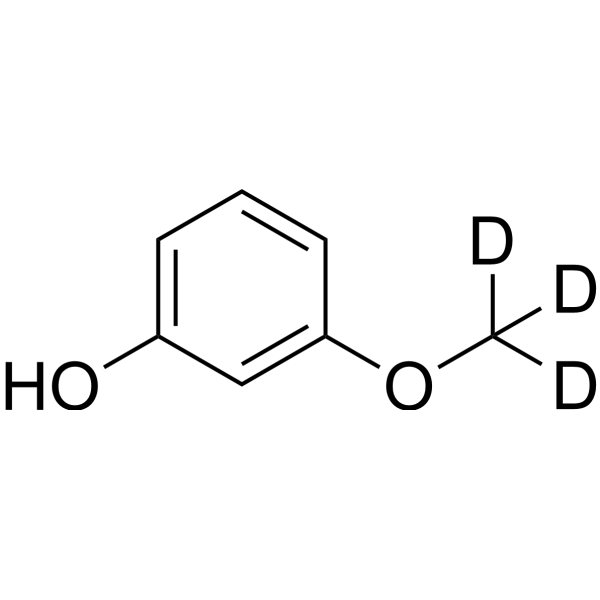
    3-Methoxyphenol-d3 is deuterated labeled 3-Methoxyphenol (HY-Y1840). 3-Methoxyphenol is a phenolic compound that is biologically toxic. 3-Methoxyphenol is systemically absorbed, disrupts the function of the liver, kidneys, central nervous system, and redox processes, and increases levels of Hb, red blood cells, and white blood cells in the body.
    3-Methoxyphenol-d3
  • HY-D0294

    Fluorescent Dye Others
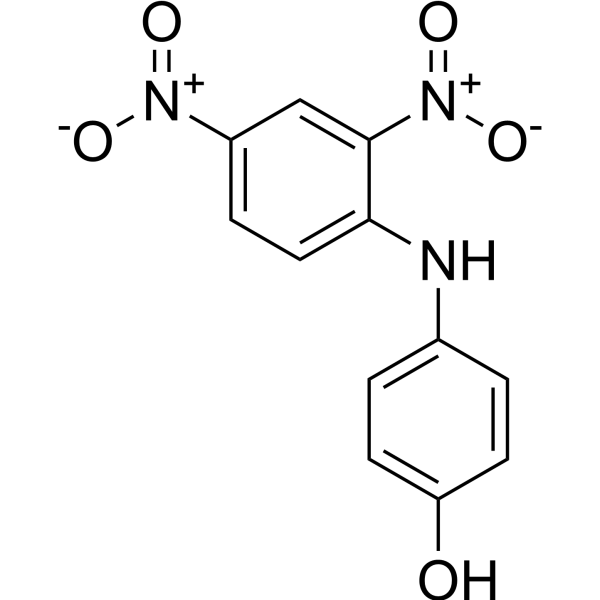
    4-(2,4-Dinitroanilino)phenol is a multifunctional dye. Dyes are important tools in biological experiments. They can help researchers observe and analyze cell structures, track biomolecules, evaluate cell functions, distinguish cell types, detect biomolecules, study tissue pathology and monitor microorganisms. Their applications range from basic scientific research to clinical A wide range of diagnostics. Dyes are also widely used in traditional fields such as textile dyeing, as well as in emerging fields such as functional textile processing, food pigments and dye-sensitized solar cells.
    4-(2,4-Dinitroanilino)phenol
  • HY-D0291

    Fluorescent Dye Others
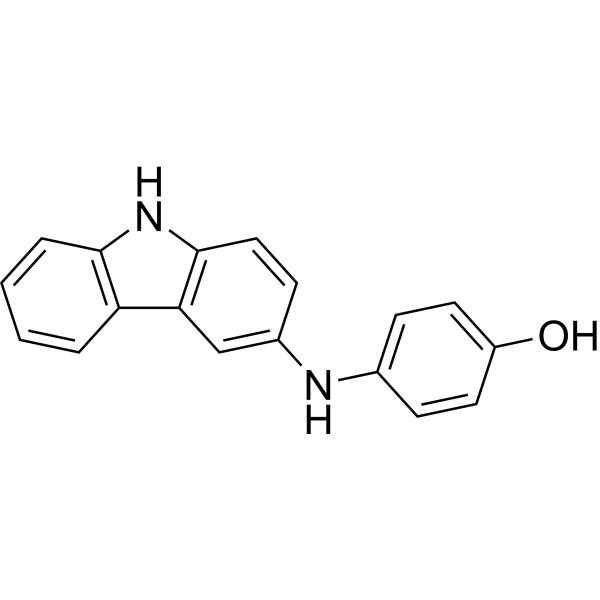
    4-(9H-Carbazol-3-ylamino)phenol is a multifunctional dye. Dyes are important tools in biological experiments. They can help researchers observe and analyze cell structures, track biomolecules, evaluate cell functions, distinguish cell types, detect biomolecules, study tissue pathology and monitor microorganisms. Their applications range from basic scientific research to clinical A wide range of diagnostics. Dyes are also widely used in traditional fields such as textile dyeing, as well as in emerging fields such as functional textile processing, food pigments and dye-sensitized solar cells.
    4-(9H-Carbazol-3-ylamino)phenol
  • HY-34154R

    Reference Standards Others
    4-(Dimethylamino)phenol (Standard) is the analytical standard of 4-(Dimethylamino)phenol. This product is intended for research and analytical applications. 4-(Dimethylamino)phenol is a potent cyanide antidote. 4-(Dimethylamino)phenol increases the extracellular lactate dehydrogenase (LDH) without markedly affecting gluconeogenesis. 4-(Dimethylamino)phenol cannot decreases the ATP content until the membrane becomes permeable to LDH. 4-(Dimethylamino)phenol’s toxicity is related to its reaction with glutathione and formation of covalent complexes, leading to impaired cellular function .
    4-(Dimethylamino)phenol (Standard)
  • HY-N9607

    Others Others
    Uhdenoside is a secoiridoid. Uhdenoside is isolated from the leaves of Fraxinus uhdei (Oleaceae) .
    Uhdenoside
  • HY-N18656

    Bacterial Infection
    Terminalia chebula extract, derived from the fruit of the Terminalia chebula tree. Rich in bioactive compounds such as tannins, flavonoids, phenols, and organic acids like gallic acid and ellagic acid, this extract demonstrates a wide range of pharmacological activities. It acts as a natural laxative, supports digestive health, and exhibits potent antioxidant, anti-inflammatory, and antibacterial properties, effectively targeting various pathogenic bacteria, including Helicobacter pylori, Staphylococcus aureus, and Escherichia coli. Terminalia Chebula Extract also shows significant hepatoprotective effects, shielding the liver from damage through antioxidant and anti-inflammatory mechanisms. It has nephroprotective properties, alleviating renal dysfunction and enhancing kidney health by modulating inflammatory pathways. Additionally, the extract demonstrates neuroprotective activity, reducing neuronal damage and improving memory function. It has potential anti-diabetic effects, enhancing glucose uptake and reducing oxidative stress.
    Terminalia chebula extract

Inquiry Online

Your information is safe with us. * Required Fields.

Salutation


Country or Region *

Applicant Name *


Organization Name *

Department *


Email Address *


Product Name *

Cat. No.


Requested quantity *

Phone Number *


Remarks

Inquiry Online

Inquiry Information

Product Name:
Cat. No.:
Quantity:
MCE Japan Authorized Agent:

