
22 Results for "

satiety

" in MedChemExpress (MCE) Product Catalog:
Products (22)

22 Results for "satiety" in MCE Product Catalog:

1
1 Cited Publications
Cat. No.: HY-P1304
CAS No.: 214050-22-3
Research Areas:  

Neurological Disease

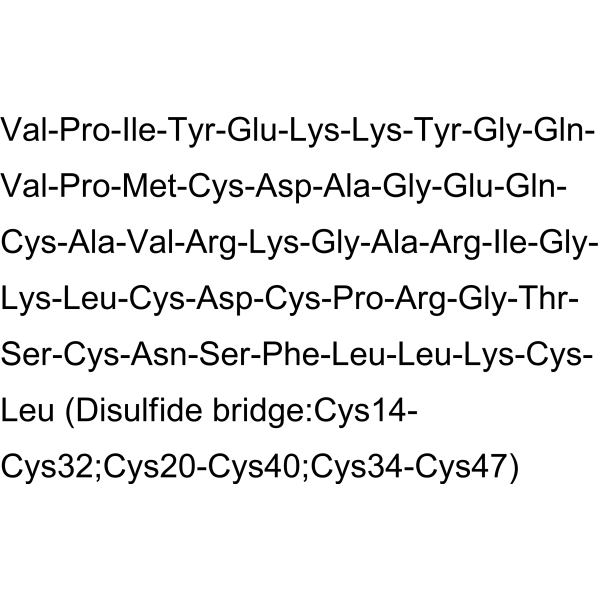
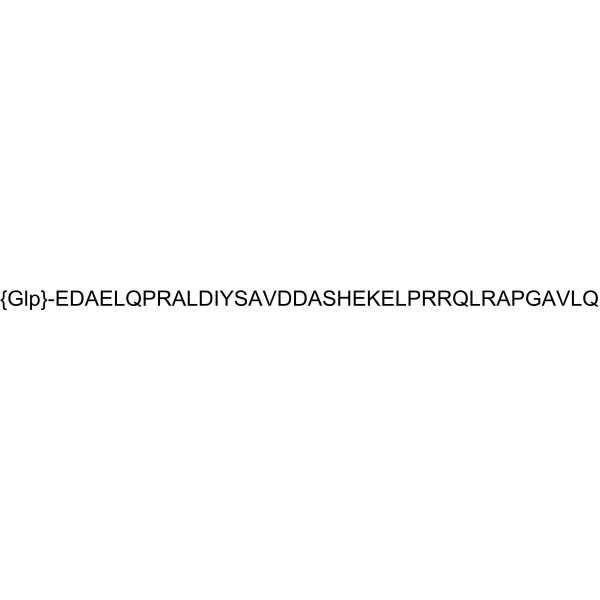
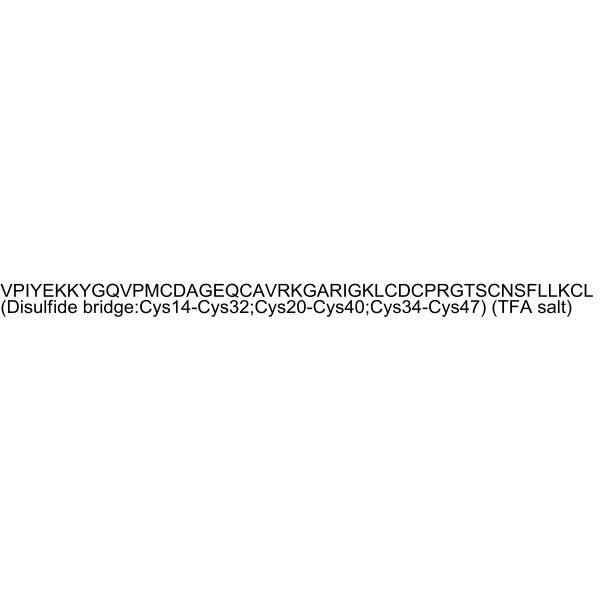
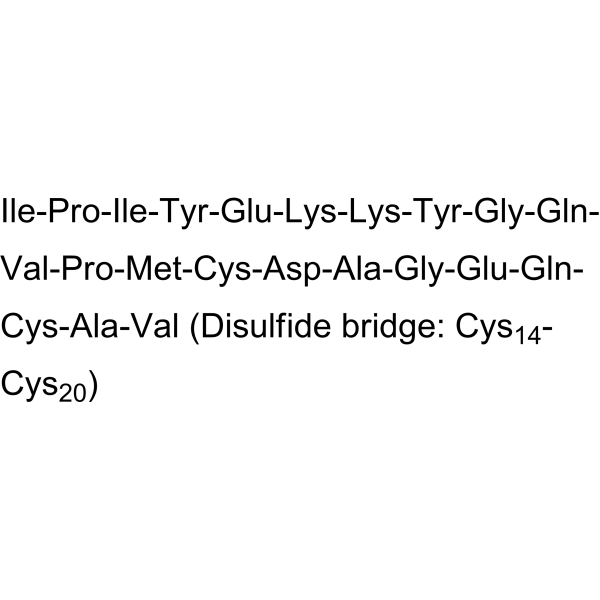
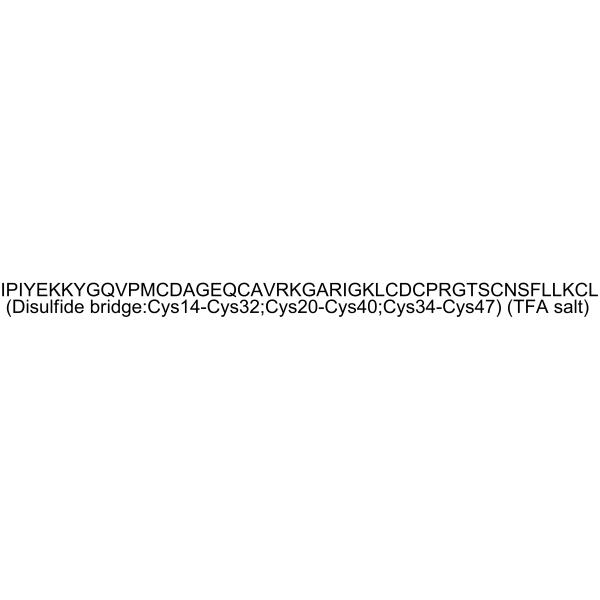
CART(55-102)(human) is an endogenous satiety factor with potent appetite-suppressing activity. CART(55-102)(human) is closely associated with leptin and neuropeptide Y .
loading...
    loading...
Cat. No.: HY-P1070A
Synonyms: DAP amide, human TFA
Target:  

Amylin Receptor

Research Areas:  

Metabolic Disease

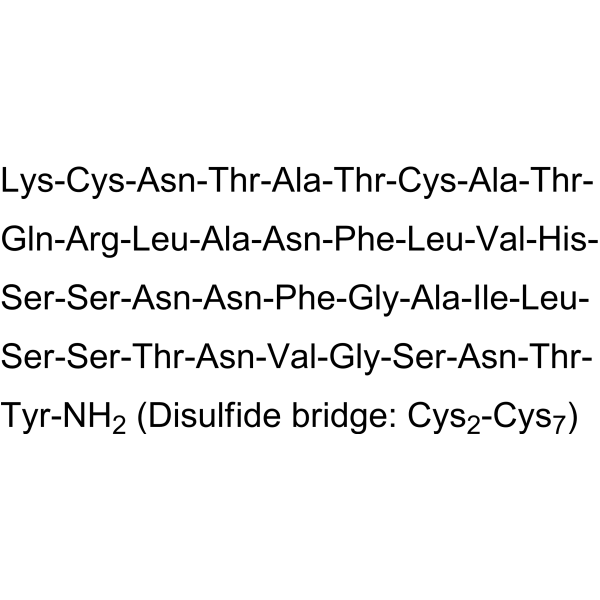
Amylin, amide, human TFA, a 37-amino acid polypeptide, is a pancreatic hormone cosecreted with insulin that exerts unique roles in metabolism and glucose homeostasis. Amylin, amide, human TFA inhibits glucagon secretion, delays gastric emptying, and acts as a satiety agent .
loading...
    loading...
Cat. No.: HY-P1070
CAS No.: 122384-88-7
Synonyms: DAP amide, human
Target:  

Amylin Receptor

Research Areas:  

Metabolic Disease

Amylin, amide, human, a 37-amino acid polypeptide, is a pancreatic hormone cosecreted with insulin that exerts unique roles in metabolism and glucose homeostasis. Amylin, amide, human inhibits glucagon secretion, delays gastric emptying, and acts as a satiety agent .
loading...
    loading...
Cat. No.: HY-P2677
CAS No.: 89911-65-9
Research Areas:  

Metabolic Disease

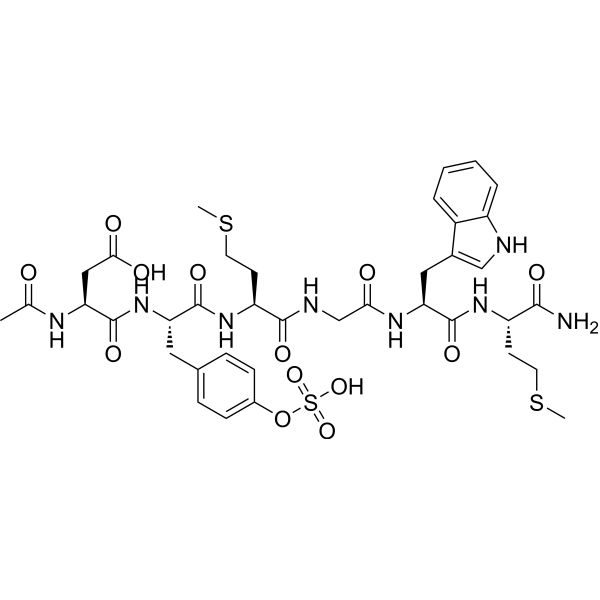
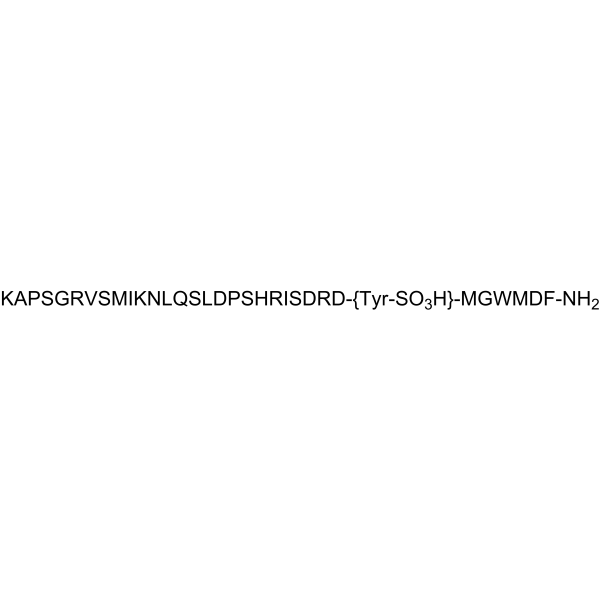
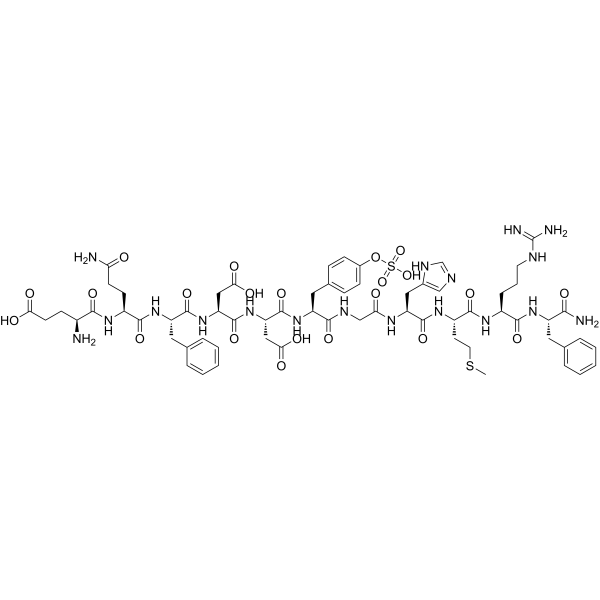
CCK (26-31) (sulfated) is the N-terminal fragment of CCK, a peptide hormone found in the gut and brain that stimulates digestion, regulates satiety, and is associated with anxiety .
loading...
    loading...
Cat. No.: HY-P1305
CAS No.: 209615-79-2
Research Areas:  

Neurological Disease

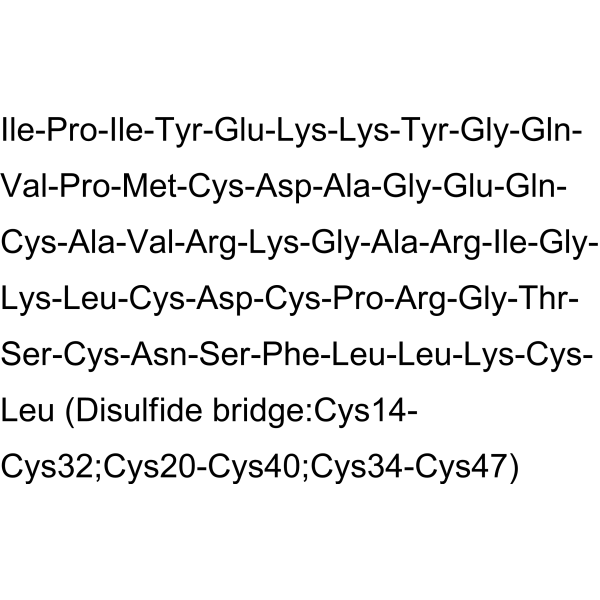
CART(55-102)(rat) is a rat satiety factor with potent appetite-suppressing activity. CART(55-102)(rat) is closely associated with leptin and neuropeptide Y. CART(55-102)(rat) can induces anxiety and stress-related behavior .
loading...
    loading...
Cat. No.: HY-P11291A
Research Areas:  

Metabolic Disease

NNC0165-1273 TFA is a selective NPY Y2 receptor agonist with a Ki of 2 nM and an EC50 of 5.0 nM. NNC0165-1273 TFA blocks Ghrelin-induced cFos expression. NNC0165-1273 TFA reduces nocturnal food intake, attenuates feeding behavior, induces early satiety, and causes dose-dependent decreases in body weight and fat mass in diet-induced obese mice. When used in combination with Semaglutide (HY-114118), NNC0165-1273 TFA reduces preference for high-fat diet, promotes body weight loss, and produces sustained weight loss effects in diet-induced obese rats. NNC0165-1273 TFA can be used in studies related to diet-induced obesity .
loading...
    loading...
Cat. No.: HY-P3691
Research Areas:  

Neurological Disease

CART (1-39), Human, Rat is a neuropeptide consisting of 1-39 residues of the CART peptide. CART (1-39), Human, Rat is a rat satiety factor with potent appetite-suppressing activity and is closely associated with leptin and neuropeptide Y. CART (1-39), Human, Rat inhibits both normal and starvation-induced feeding. CART (1-39), Human, Rat can induce anxiety and stress-related behavior .
loading...
    loading...
Cat. No.: HY-P10965
CAS No.: 3013543-64-8
Synonyms: ZT002
Target:  

GLP Receptor

Research Areas:  

Metabolic Disease

Zovaglutide (ZT002) is a long-acting, selective GLP-1 receptor agonist. Zovaglutide enhances albumin binding capacity via dual fatty acid chain modification. Zovaglutide exerts metabolic effects through central and peripheral GLP-1 pathways, thereby promoting satiety, reducing caloric intake and enhancing glucose-dependent insulin secretion, with no activity against GIP or glucagon receptors. Zovaglutide can be used in research on type 2 diabetes or obesity .
loading...
    loading...
Cat. No.: HY-P3652
CAS No.: 67256-27-3
Research Areas:  

Metabolic Disease

Cholecystokinin-33 (swine) is a cholecystokinin (CCK) fragment. Cholecystokinin-33 (swine) can reduce food intake and gallbladder contraction .
loading...
    loading...
Cat. No.: HY-124187
CAS No.: 493015-74-0
Purity:  ≥98.0%
Synonyms: Ethyl pinolenate
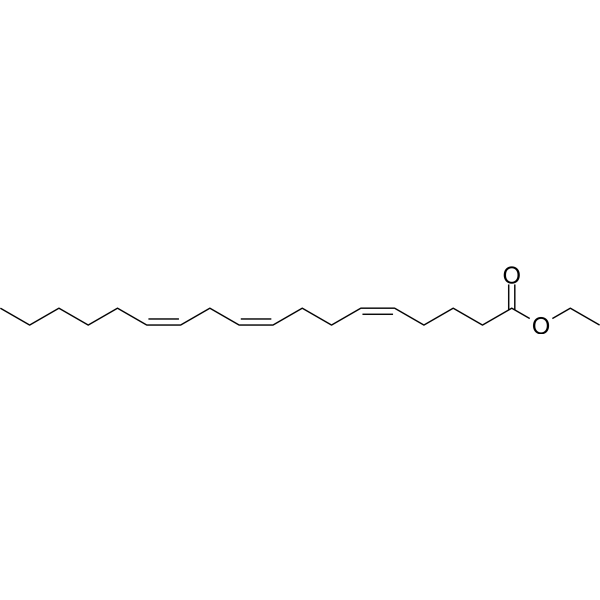
Pinolenic acid is a polyunsaturated fatty acid found in the seed oils of red pine (Pinus orientalis) and maritime pine (Pinus pinaster). Both oils were found to have lipid-lowering properties. A diet containing marine pine nut oil (MPSO) reduces HDL and ApoA1 levels in transgenic mice expressing human ApoA1. MPSO was found to reduce cholesterol efflux in vitro. Korean pine nut oil supplements may help obesity by reducing appetite. People who take this oil experience an increase in the satiety hormones CCK and GLP-1 and a decrease in appetite. The activity of the oil is attributed to pinolenic acid. Pinolenic acid is not metabolized to arachidonic acid and can reduce the level of arachidonic acid in the phosphatidylinositol fraction of HepG2 cells from 15.9% to 7.0%. Pinolenic acid ethyl ester is a neutral, more lipophilic form of the free acid.
loading...
    loading...
Cat. No.: HY-P1304A
Research Areas:  

Neurological Disease

CART(55-102)(human) TFA is a human satiety factor with potent appetite-suppressing activity. CART(55-102)(human) TFA is closely associated with leptin and neuropeptide Y .
loading...
    loading...
Cat. No.: HY-P3692
CAS No.: 1815618-15-5
Research Areas:  

Neurological Disease

CART (55-76), rat is a neuropeptide (55-76 residues of the CART peptide) and constitutes the N-terminal fragments of CART (55-102). CART (55-76), rat is a rat satiety factor with potent appetite-suppressing activity and is closely associated with leptin and neuropeptide Y. CART (55-76), rat can induce anxiety and stress-related behavior .
loading...
    loading...
Cat. No.: HY-175420
CAS No.: 2696409-13-7
Research Areas:  

Metabolic Disease

K-757 is an orally active, gut-targeted GPR40 agonist with EC50 values of 2.1 nM, 5.6 nM, 4.2 nM and 166 nM in humans, mice, rats and dogs, respectively. K-757 activates nutrient receptors co-expressed on pancreatic β cells and intestinal enteroendocrine cells. K-757 mediates and induces the secretion of satiety hormones GLP-1 and PYY in multiple in vitro and in vivo models. When used in combination with GPR119 agonist K-833, K-757 acts as a potentiator to elevate circulating levels of satiety hormones. K-757 can be used in the research of type 2 diabetes, weight loss and other related metabolic disorders .
loading...
    loading...
Cat. No.: HY-P4806
CAS No.: 125131-58-0
Target:  

Calcium Channel

Research Areas:  

Neurological Disease

Perisulfakinin, a satiety signaling neuropeptide, inhibits the activity of central neurons promoting general activity .
loading...
    loading...
Cat. No.: HY-P2678
CAS No.: 89911-64-8
Research Areas:  

Metabolic Disease

CCK (26-31) (non-sulfated) is the N-terminal fragment of CCK, a peptide hormone found in the gut and brain that stimulates digestion, regulates satiety, and is associated with anxiety. CCK (26-31) is also less active in non-sulfated than in sulfated form .
loading...
    loading...
Cat. No.: HY-P1305A
Research Areas:  

Neurological Disease

CART(55-102)(rat) TFA is a rat satiety factor with potent appetite-suppressing activity. CART(55-102)(rat) TFA is closely associated with leptin and neuropeptide Y. CART(55-102)(rat) TFA can induces anxiety and stress-related behavior .
loading...
    loading...
Cat. No.: HY-105955
CAS No.: 154132-95-3
Synonyms: ARL 14294
Research Areas:  

Metabolic Disease

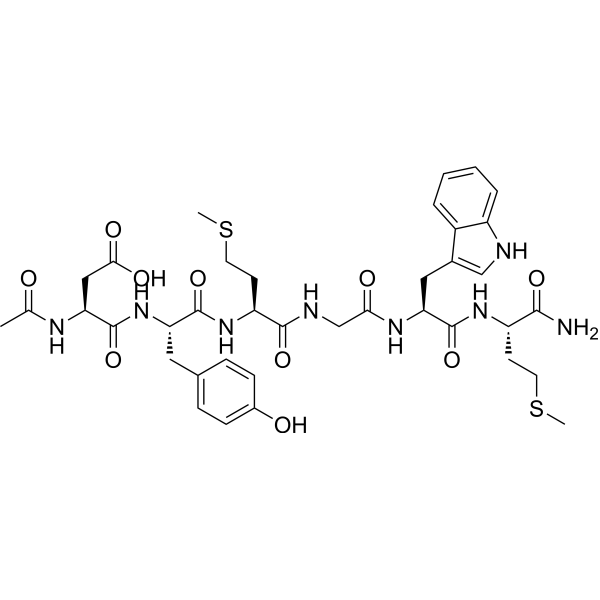
FPL 14294 is a intranasally active anorectic agent and a cholecystokinin octapeptide (CCK) analog with enhanced metabolic stability. FPL 14294 induces satiety in many species and can be utilized in relevant research .
loading...
    loading...
Cat. No.: HY-124399
CAS No.: 925891-74-3
Research Areas:  

Metabolic Disease

Peroxisome proliferator-activated receptors (PPARs) play an important role in regulating lipid and glucose metabolism, and oleoylethanolamide (OEA) is a natural ligand for PPARα. N-Octadecyl-N'-propyl-sulfamide is an analog of OEA and a potent activator of PPARα, with selective binding affinity for PPARα (EC50=100 nM, compared to 120 nM for OEA). N-Octadecyl-N'-propyl-sulfamide (10 mg/kg; ip) inhibits food intake and reduces body weight gain in rats. At a dose of 1 mg/kg, N-Octadecyl-N'-propyl-sulfamide induces satiety, thereby reducing food intake, body weight, and plasma triglyceride concentrations in free-feeding Wistar rats and obese Zucker (fa/fa) rats.
loading...
    loading...
Cat. No.: HY-P11291
Research Areas:  

Metabolic Disease

NNC0165-1273 is a selective NPY Y2 receptor agonist with a Ki of 2 nM and an EC50 of 5.0 nM. NNC0165-1273 blocks Ghrelin-induced cFos expression. NNC0165-1273 reduces nocturnal food intake, attenuates feeding behavior, induces early satiety, and causes dose-dependent decreases in body weight and fat mass in diet-induced obese mice. When used in combination with Semaglutide (HY-114118), NNC0165-1273 reduces preference for high-fat diet, promotes body weight loss, and produces sustained weight loss effects in diet-induced obese rats. NNC0165-1273 can be used in studies related to diet-induced obesity .
loading...
    loading...
Cat. No.: HY-103279
CAS No.: 137734-88-4
Target:  

Bombesin Receptor

Research Areas:  

Metabolic Disease

BIM187 is a Bombesin Receptor agonist that induces satiety. BIM187 significantly reduces short-term food intake in rats, but does not alter the total 6 h food intake of rats. BIM187 can be used in studies related to feeding behavior and satiety regulation in rats .
loading...
    loading...

