1. Search Result
Search Result
Results for "

skin-permeable

" in MedChemExpress (MCE) Product Catalog:

17

Inhibitors & Agonists

2

Biochemical Assay Reagents

6

Peptides

2

Isotope-Labeled Compounds

1

Oligonucleotides

Cat. No. Product Name Target Research Areas Chemical Structure
  • HY-B0568
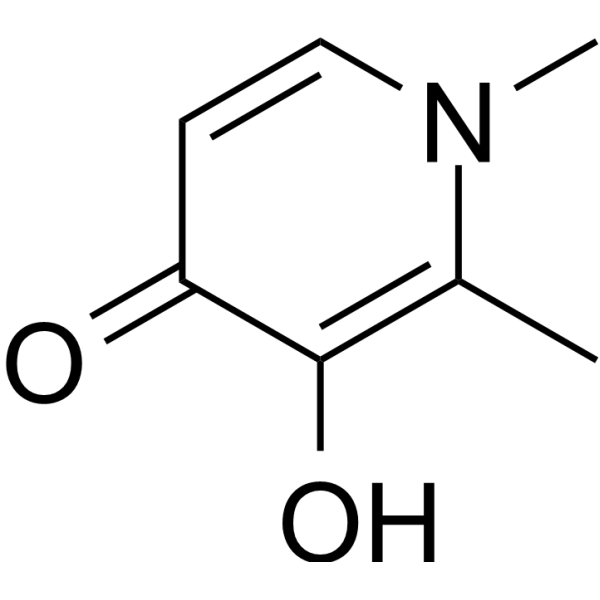
    Deferiprone
    Maximum Cited Publications
    47 Publications Verification

    Ferroptosis HCV Apoptosis COX Histone Demethylase Cardiovascular Disease Infection Neurological Disease Metabolic Disease Inflammation/Immunology Cancer
    Deferiprone is a potent, orally active, brain-penetrant, cell-penetrant, skin-permeable, free iron chelating agent. Deferiprone inhibits the proliferation and migration, and stimulates apoptosis in tumor cell. Deferiprone can inhibit KDM. Deferiprone has antianemic, neuroprotective, anti-inflammatory, antioxidant, and antidotal activity. Deferiprone can be used in cancer, cardiovascular disease, infection, inflammation, and neurological disease study .
    Deferiprone
  • HY-P0033
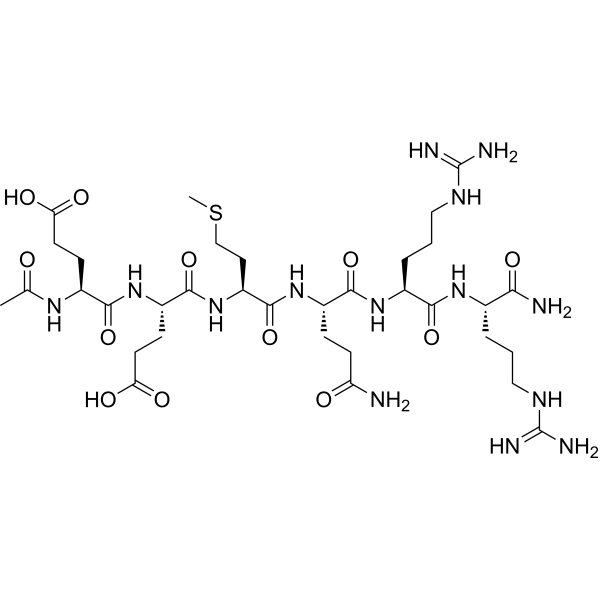
    Argireline
    2 Publications Verification

    Acetyl hexapeptide-3; Acetyl hexapeptide-8

    Calcium Channel Neurological Disease
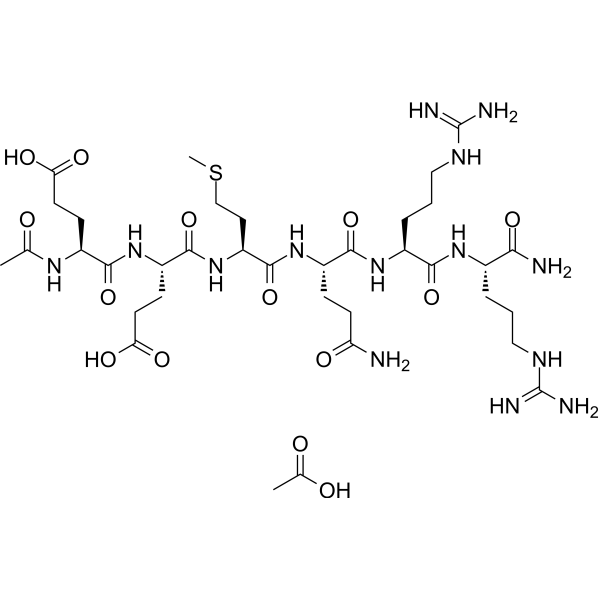
    Argireline (Acetyl hexapeptide-3) is a non-toxic, skin-permeable, antiwrinkle peptide. Argireline significantly inhibits Ca 2+ dependent neurotransmitter release (acetylcholine) at the neuromuscular junction. Argireline has antiwrinkle and anti-aging activity .
    Argireline
  • HY-W009326
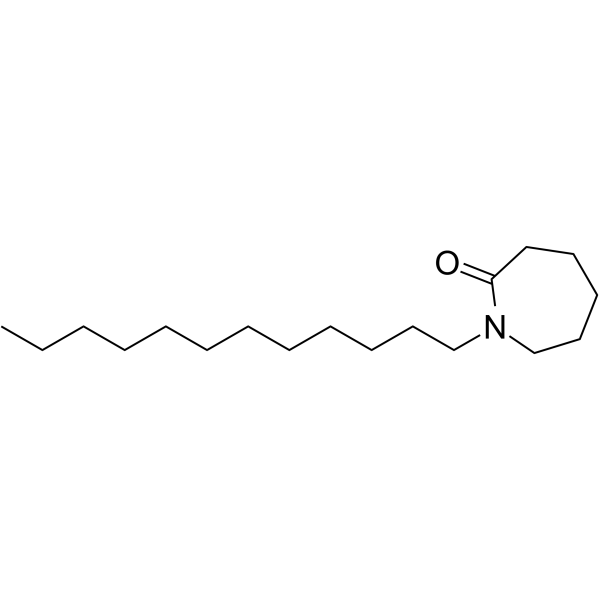
    Laurocapram
    1 Publications Verification

    Environmental Pollutants Biochemical Assay Reagents Infection
    Laurocapram is a chemical penetration enhancer that increases the permeability of compounds through the skin and mucous membranes, thereby improving their local or systemic efficacy. Laurocapram improves the skin permeability of a variety of hydrophilic and lipophilic compounds .
    Laurocapram
  • HY-W141881

    Environmental Pollutants Biochemical Assay Reagents HSV Infection
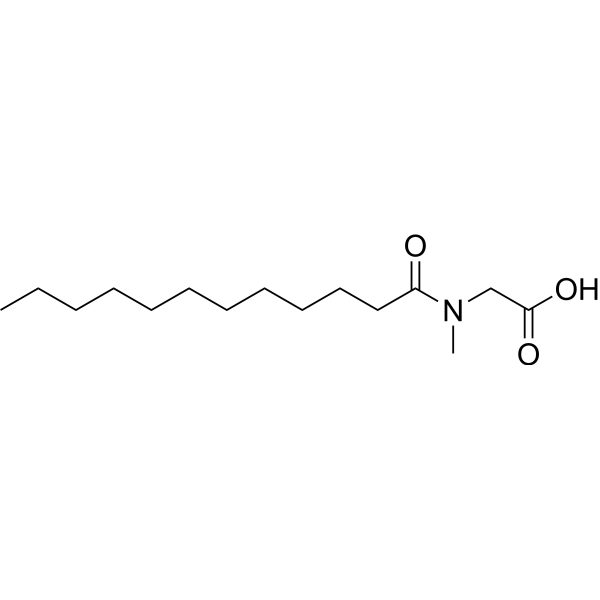
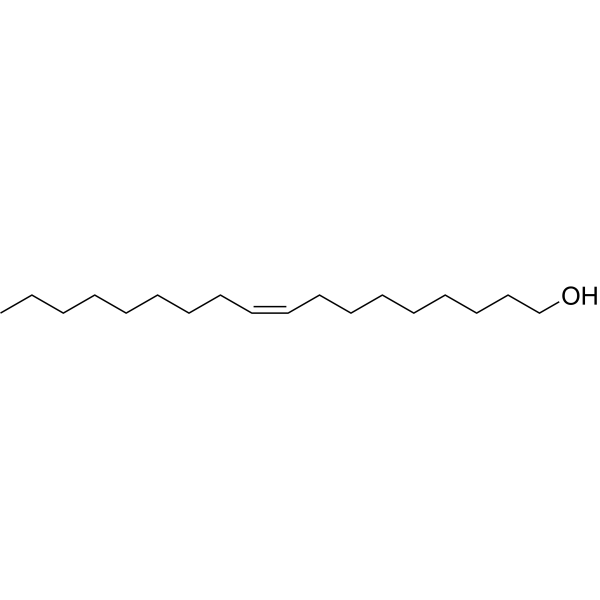
    N-lauroylsarcosine is an anionic surfactant. N-lauroylsarcosine has antiviral activity against HSV-2 strain 333 and HSV-1 strain F. N-lauroylsarcosine synergistically increases skin permeability with 25-50% ethanol. N-lauroylsarcosine can be used to study HSV-2 infection .
    N-Lauroylsarcosine
  • HY-B0568R

    Reference Standards Ferroptosis HCV Apoptosis COX Infection Cardiovascular Disease Neurological Disease Inflammation/Immunology Endocrinology Cancer
    Deferiprone (Standard) is the analytical standard of Deferiprone. This product is intended for research and analytical applications. Deferiprone is a potent, orally active, brain-penetrant, cell-penetrant, skin-permeable, free iron chelating agent. Deferiprone inhibits the proliferation and migration, and stimulates apoptosis in tumor cell. Deferiprone has antianemic, neuroprotective, anti-inflammatory, antioxidant, and antidotal activity. Deferiprone can be used in cancer, cardiovascular disease, infection, inflammation, and neurological disease study .
    Deferiprone (Standard)
  • HY-W250316

    Sucrose Stearate, Type II, USP

    Biochemical Assay Reagents Others
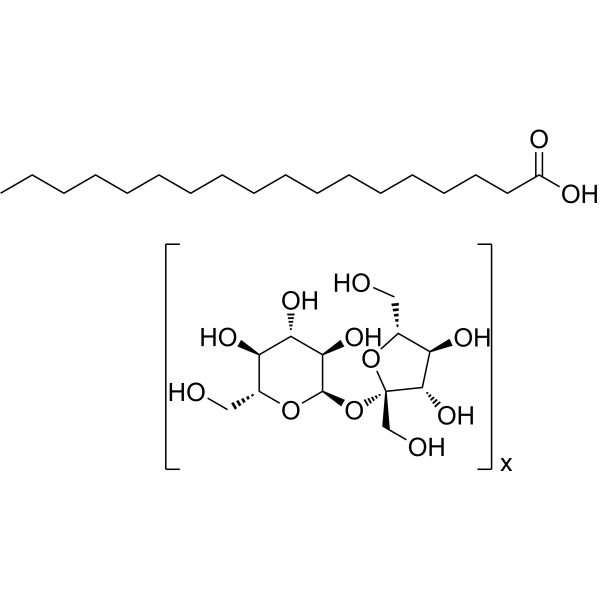
    Alpha-d-Glucopyranoside, beta-d-fructofuranosyl, octadecanoate (Sucrose Stearate, Type II, USP) is a non-ionic surfactant. Alpha-d-Glucopyranoside, beta-d-fructofuranosyl, octadecanoate enhances the skin permeability of formulations .
    Alpha-d-Glucopyranoside, beta-d-fructofuranosyl, octadecanoate
  • HY-P5107

    LMWP; TDSP5

    VEGFR Cancer
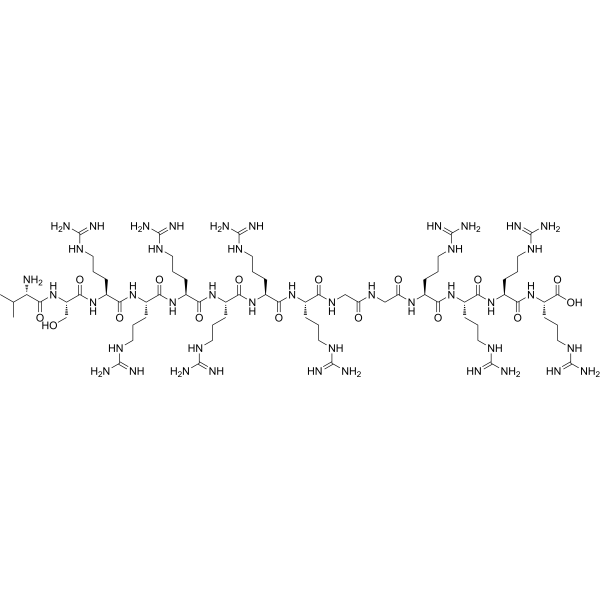
    Low molecular weight protamine (LMWP;TDSP5) is a truncated arginine-rich protamine peptide, as well as a heparin/low-molecular-weight heparin antidote and a cell-penetrating delivery carrier. Low molecular weight protamine neutralizes heparin-induced anticoagulant activities, including aPTT, anti-Xa and anti-IIa activities, and also neutralizes anti-Xa activity of commercially available low-molecular-weight heparin preparations. Low molecular weight protamine translocates across mammalian cell membranes, delivers conjugated impermeable molecules across tumor tissues, enhances skin permeability of conjugated epidermal growth factor, and accelerates wound healing when conjugated with epidermal growth factor. Low molecular weight protamine retains the in vitro cell proliferation activity of conjugated EGF, and also enables site-specific conjugation with peptides or proteins via genetic recombination. Low molecular weight protamine can be used in studies related to colon adenocarcinoma, skin wounds and diabetic skin wounds .
    Low molecular weight protamine
  • HY-P0033A

    Acetyl hexapeptide-3 acetate; Acetyl hexapeptide-8 acetate

    Calcium Channel Neurological Disease
    Argireline acetate (Acetyl hexapeptide-3 acetate) is a non-toxic, skin-permeable, antiwrinkle peptide. Argireline acetate significantly inhibits Ca 2+ dependent neurotransmitter release (acetylcholine) at the neuromuscular junction. Argireline acetate has antiwrinkle and anti-aging activity .
    Argireline acetate
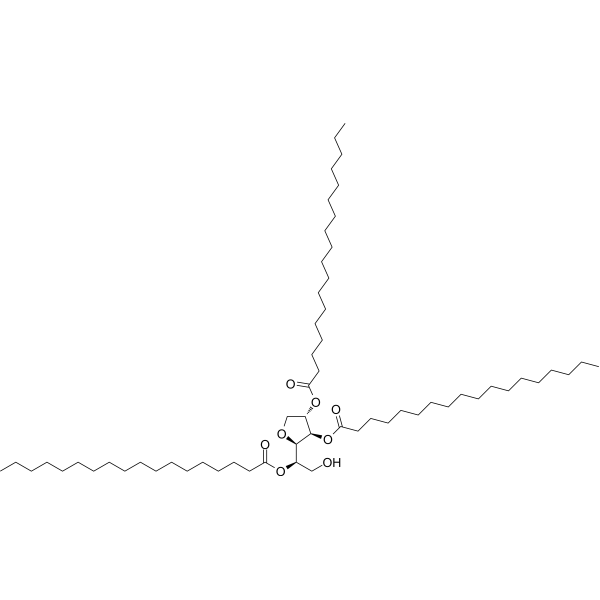
  • HY-W131101

    Environmental Pollutants Liposome Others
    Sorbitan tristearate is a non-ionic surfactant, with a synergistic effect on skin permeability. Sorbitan tristearate can be used as an excipient, such as emulsifier. Pharmaceutical excipients, or pharmaceutical auxiliaries, refer to other chemical substances used in the pharmaceutical process other than pharmaceutical ingredients. Pharmaceutical excipients generally refer to inactive ingredients in pharmaceutical preparations, which can improve the stability, solubility and processability of pharmaceutical preparations. Pharmaceutical excipients also affect the absorption, distribution, metabolism, and elimination (ADME) processes of co-administered drugs .
    Sorbitan tristearate
  • HY-P5107A

    LMWP acetate; TDSP5 acetate

    VEGFR Cancer
    Low molecular weight protamine acetate (LMWP acetate;TDSP5 acetate) is a truncated arginine-rich protamine peptide, which also acts as an antidote for heparin/low molecular weight heparin and a cell-penetrating delivery vector. Low molecular weight protamine acetate neutralizes heparin-induced anticoagulant activities, including aPTT, anti-Xa and anti-IIa activities. Low molecular weight protamine acetate translocates across mammalian cell membranes, delivers conjugated impermeable molecules through tumor tissues, enhances the skin permeability of conjugated epidermal growth factor, and accelerates wound healing when conjugated with epidermal growth factor. Low molecular weight protamine acetate retains the in vitro cell proliferation activity of conjugated EGF, and also enables site-specific conjugation with peptides or proteins via genetic recombination. Low molecular weight protamine acetate can be used in studies related to colon cancer, skin wounds and diabetic skin wounds .
    Low molecular weight protamine acetate
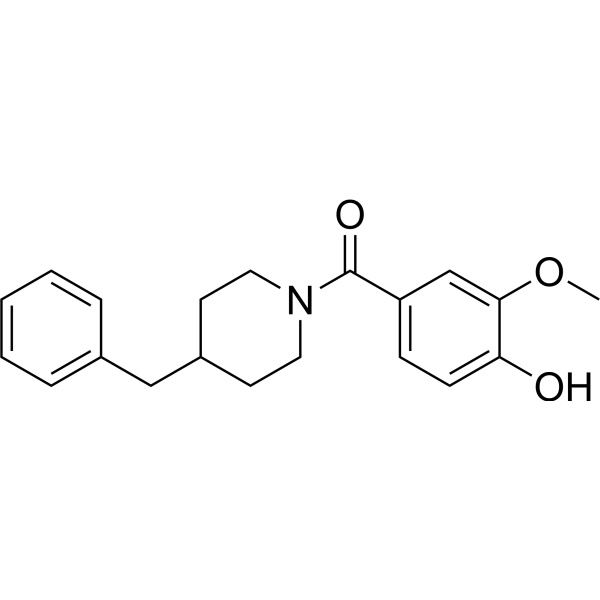
  • HY-149698

    Tyrosinase Cancer
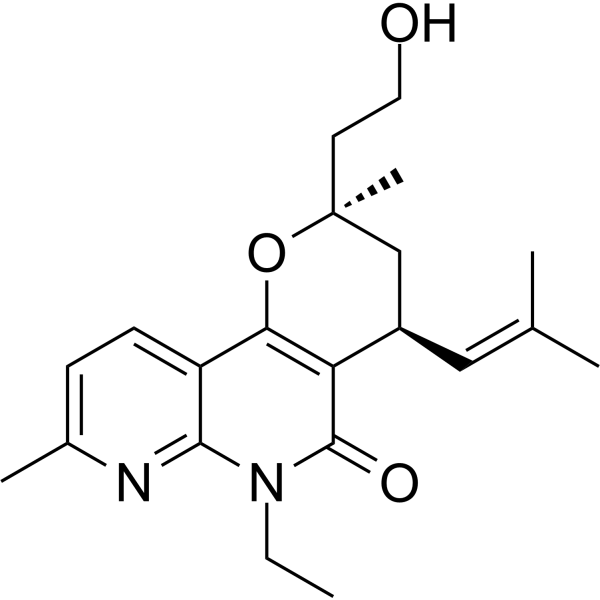
    Tyrosinase-IN-17 (Compound 5b) is a lipophilic, skin-permeable, and non-cytotoxic Tyrosinase inhibitor (pIC50=4.99). Tyrosinase-IN-17 can be used for research on melanin-related diseases, such as melanoma, melanogenesis, etc .
    Tyrosinase-IN-17
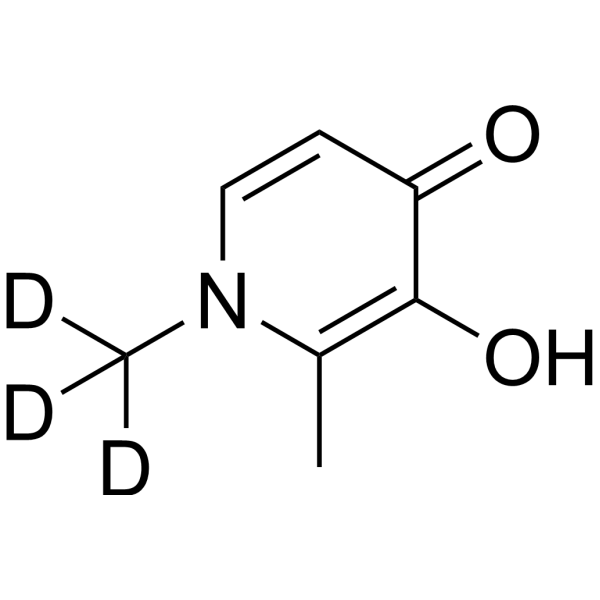
  • HY-B0568S

    Isotope-Labeled Compounds HCV Ferroptosis Cardiovascular Disease Infection Neurological Disease Metabolic Disease Inflammation/Immunology Cancer
    Deferiprone-d3 is the deuterium labeled Deferiprone (HY-B0568). Deferiprone is a potent, orally active, brain-penetrant, cell-penetrant, skin-permeable, free iron chelating agent. Deferiprone inhibits the proliferation and migration, and stimulates apoptosis in tumor cell. Deferiprone can inhibit KDM. Deferiprone has antianemic, neuroprotective, anti-inflammatory, antioxidant, and antidotal activity. Deferiprone can be used in cancer, cardiovascular disease, infection, inflammation, and neurological disease study .
    Deferiprone-d3
  • HY-157418

    Endogenous Metabolite Others
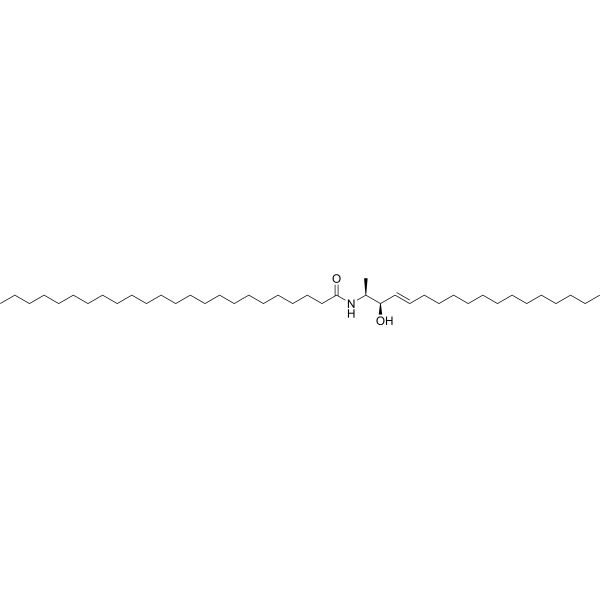
    1-Deoxy-Cer is a Ceramide which is essential component of the skin permeability barrier.
    1-Deoxy-Cer
  • HY-W009326R

    Biochemical Assay Reagents Reference Standards Infection
    Laurocapram is a chemical penetration enhancer that increases the permeability of compounds through the skin and mucous membranes, thereby improving their local or systemic efficacy. Laurocapram improves the skin permeability of a variety of hydrophilic and lipophilic compounds .
    Laurocapram (Standard)
  • HY-144265

    Phosphodiesterase (PDE) Inflammation/Immunology
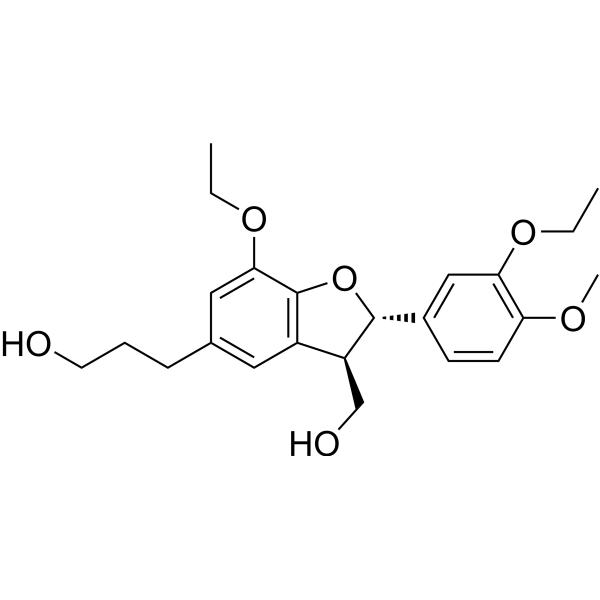
    PDE4-IN-5 (compound 33a) is a potent and selective PDE4 inhibitor (IC50=3.1 nM). PDE4-IN-5 has favorable skin permeability and a well-characterized binding mechanism. Anti-psoriasis effect .
    PDE4-IN-5
  • HY-W009326S

    Isotope-Labeled Compounds Infection
    Laurocapram-15N is a deuterated labeled Laurocapram . Laurocapram is a chemical penetration enhancer that increases the permeability of compounds through the skin and mucous membranes, thereby improving their local or systemic efficacy. Laurocapram improves the skin permeability of a variety of hydrophilic and lipophilic compounds .
    Laurocapram-15N
  • HY-161381

    Phosphodiesterase (PDE) TNF Receptor Inflammation/Immunology
    PDE4-IN-15 (compound 7b-1) is an inhibitor of PDE4 (IC50 = 0.17 μM) and has anti-TNF-α activity (EC50 = 0.19 μM). PDE4-IN-15 has a good skin permeability .
    PDE4-IN-15

Inquiry Online

Your information is safe with us. * Required Fields.

Salutation


Country or Region *

Applicant Name *


Organization Name *

Department *


Email Address *


Product Name *

Cat. No.


Requested quantity *

Phone Number *


Remarks

Inquiry Online

Inquiry Information

Product Name:
Cat. No.:
Quantity:
MCE Japan Authorized Agent:

