10 Results for "

syphilis

" in MedChemExpress (MCE) Product Catalog:
Products (10)

10 Results for "syphilis" in MCE Product Catalog:

1
1 Cited Publications
Cat. No.: HY-A0111
CAS No.: 65052-63-3
Synonyms: Ro 15-8074; Deacetoxycefotaxime
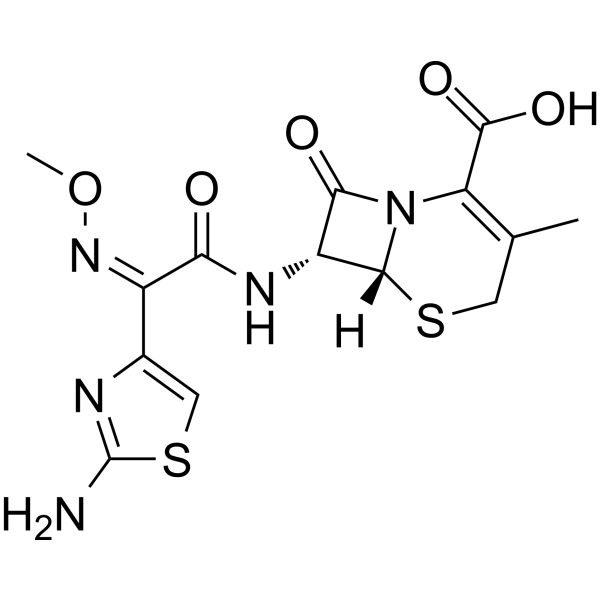
Cefetamet (Ro 15-8074) is a cephalosporin antibiotic and the active metabolite of Cefetamet pivoxil (HY-B1894A). Cefetamet binds to bacterial penicillin-binding protein (PBP) (IC50 for PBP3 in Escherichia coli W3110 is 2.5 μg/mL). Cefetamet has significant activity against Gram-negative bacteria such as Enterobacteriaceae, Neisseria species, and Haemophilus influenzae, as well as Gram-positive bacteria such as Streptococcus. Cefetamet kills and lyses Treponema pallidum. Cefetamet can be used in the research of respiratory tract, urinary tract, ear, nose and throat infections, and syphilis .
loading...
    loading...
Cat. No.: HY-N7139A
CAS No.: 1538-09-6
Synonyms: Benzathine benzylpenicillin
Target:  

Bacterial Antibiotic

Research Areas:  

Infection

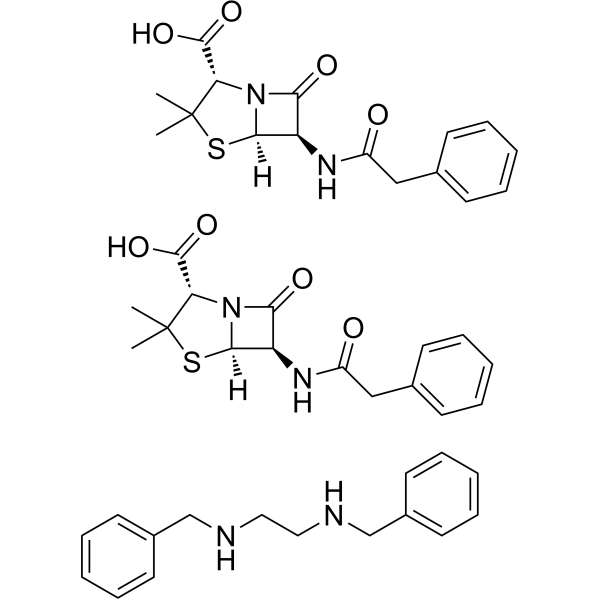
Penicillin G benzathine (Benzathine benzylpenicillin) is an antibiotic against many bacterial infections .
loading...
    loading...
Cat. No.: HY-N7139B
CAS No.: 41372-02-5
Synonyms: Benzathine benzylpenicillin tetrahydrate
Target:  

Antibiotic Bacterial

Research Areas:  

Infection

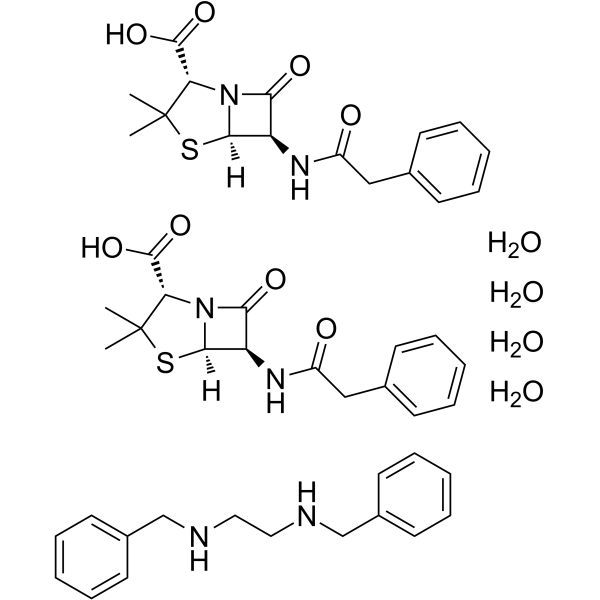
Penicillin G benzathine tetrahydrate (Benzathine benzylpenicillin tetrahydrate) is an antibiotic against many bacterial infections .
loading...
    loading...
Cat. No.: HY-W743473
Synonyms: Ro 15-8074-d3; Deacetoxycefotaxime-d3
Cefetamet-d3 (Ro 15-8074-d3; Deacetoxycefotaxime-d3) is the deuterium labeled Cefetamet (HY-A0111). Cefetamet (Ro 15-8074) is a cephalosporin antibiotic and the active metabolite of Cefetamet pivoxil (HY-B1894A). Cefetamet binds to bacterial penicillin-binding protein (PBP) (IC50 for PBP3 in Escherichia coli W3110 is 2.5 μg/mL). Cefetamet has significant activity against Gram-negative bacteria such as Enterobacteriaceae, Neisseria species, and Haemophilus influenzae, as well as Gram-positive bacteria such as Streptococcus. Cefetamet kills and lyses Treponema pallidum. Cefetamet can be used in the research of respiratory tract, urinary tract, ear, nose and throat infections, and syphilis .
loading...
    loading...
Cat. No.: HY-N7139BR
CAS No.: 41372-02-5
Synonyms: Benzathine benzylpenicillin tetrahydrate (Standard)
Research Areas:  

Infection

Penicillin G benzathine (tetrahydrate) (Standard) is the analytical standard of Penicillin G benzathine (tetrahydrate). This product is intended for research and analytical applications. Penicillin G benzathine tetrahydrate (Benzathine benzylpenicillin tetrahydrate) is an antibiotic against many bacterial infections .
loading...
    loading...
Cat. No.: HY-A0111A
CAS No.: 65243-25-6
Synonyms: Ro15-8074/001; Deacetoxycefotaxime sodium
Cefetamet (Ro 15-8074) sodium is a cephalosporin antibiotic and the active metabolite of Cefetamet pivoxil (HY-B1894A). Cefetamet sodium binds to bacterial penicillin-binding protein (PBP) (IC50 for PBP3 in Escherichia coli W3110 is 2.5 μg/mL). Cefetamet sodium has significant activity against Gram-negative bacteria such as Enterobacteriaceae, Neisseria species, and Haemophilus influenzae, as well as Gram-positive bacteria such as Streptococcus. Cefetamet sodium kills and lyses Treponema pallidum. Cefetamet sodium can be used in the research of respiratory tract, urinary tract, ear, nose and throat infections, and syphilis .
loading...
    loading...
Cat. No.: HY-A0111B
CAS No.: 724438-16-8
Synonyms: Ro 15-8074 hydrochloride; Deacetoxycefotaxime hydrochloride
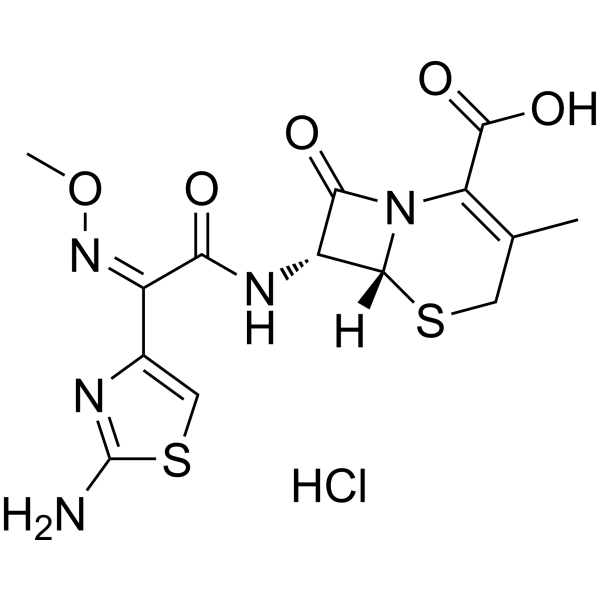
Cefetamet (Ro 15-8074) hydrochloride is a cephalosporin antibiotic and the active metabolite of Cefetamet pivoxil (HY-B1894A). Cefetamet hydrochloride binds to bacterial penicillin-binding protein (PBP) (IC50 for PBP3 in Escherichia coli W3110 is 2.5 μg/mL). Cefetamet hydrochloride has significant activity against Gram-negative bacteria such as Enterobacteriaceae, Neisseria species, and Haemophilus influenzae, as well as Gram-positive bacteria such as Streptococcus. Cefetamet hydrochloride kills and lyses Treponema pallidum. Cefetamet hydrochloride can be used in the research of respiratory tract, urinary tract, ear, nose and throat infections, and syphilis .
loading...
    loading...
Cat. No.: HY-A0111R
CAS No.: 65052-63-3
Synonyms: Ro 15-8074 (Standard); Deacetoxycefotaxime (Standard)
Cefetamet (Standard) is the analytical standard of Cefetamet (HY-A0111). This product is intended for research and analytical applications. Cefetamet (Ro 15-8074) is a cephalosporin antibiotic and the active metabolite of Cefetamet pivoxil (HY-B1894A). Cefetamet binds to bacterial penicillin-binding protein (PBP) (IC50 for PBP3 in Escherichia coli W3110 is 2.5 μg/mL). Cefetamet has significant activity against Gram-negative bacteria such as Enterobacteriaceae, Neisseria species, and Haemophilus influenzae, as well as Gram-positive bacteria such as Streptococcus. Cefetamet kills and lyses Treponema pallidum. Cefetamet can be used in the research of respiratory tract, urinary tract, ear, nose and throat infections, and syphilis .
loading...
    loading...
Cat. No.: HY-W754356
CAS No.: 6011-39-8
Research Areas:  

Infection

Clemizole penicillin is a composite preparation containing two active components, Clemizole (HY-30234) and penicillin, with antihistamine, anti-inflammatory, and bactericidal activities. The Clemizole component of Clemizole penicillin targets the H1 receptor, CrtN, and TRPC5 calcium channel, while penicillin exerts antibacterial effects. The clemizole contained in Clemizole penicillin acts as a reversible competitive inhibitor of the TRPC5 calcium channel; it also competitively targets the CrtN enzyme of Staphylococcus aureus to block staphyloxanthin biosynthesis. Clemizole penicillin can be used in research on lobar pneumonia and syphilis .
loading...
    loading...
Cat. No.: HY-105789
CAS No.: 538-03-4
Target:  

HIV Bacterial

Research Areas:  

Infection Inflammation/Immunology

Oxophenarsine hydrochloride is an anti-syphilitic agent, and also has non-classical applications including treating chronic discoid lupus erythematosus, inhibiting HIV-1 protein synthesis, and prolonging the duration of insulin action . Oxophenarsine hydrochloride forms an unstable insulin complex via sulfhydryl groups or free amino groups, thereby prolonging the hypoglycemic effect of insulin. Oxophenarsine hydrochloride inhibits HIV-1-specific protein synthesis and virus production .
loading...
    loading...

