



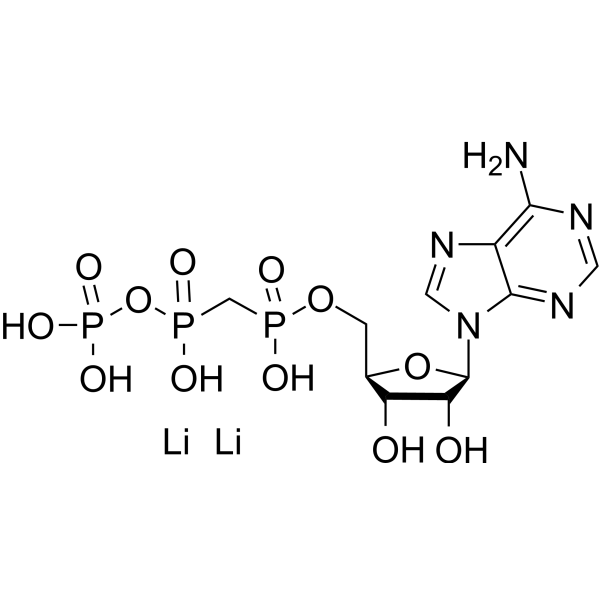
α,β-Methylene-ATP dilithium
Based on 1 publication(s) in Google Scholar
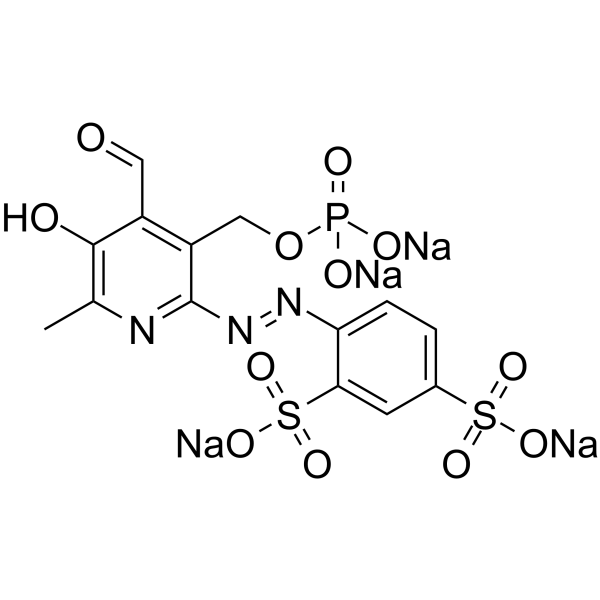
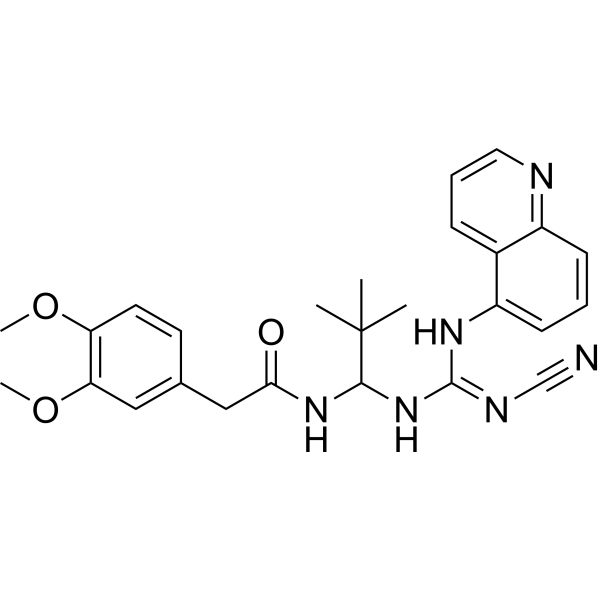
α,β-Methylene-ATP dilithium is an agonist of P2X1 and P2X3 receptors and can cross the blood-brain barrier. α,β-Methylene-ATP dilithium can trigger a reflex pressor response by activating P2X receptors in peripheral muscles and the central locus coeruleus (LC); this effect can be blocked by the P2X antagonist PPADS (HY-108960). α,β-Methylene-ATP dilithium also activates noradrenergic neurons in the central locus coeruleus, mediating antinociceptive effects; this effect can be attenuated by the locus coeruleus damaging agent DSP-4 (HY-103210/HY-121602). α,β-Methylene-ATP dilithium can be used to study the pathological mechanisms of neuropathic pain, cardiovascular reflex regulation, and antinociceptive effects of the central nervous system.
For research use only. We do not sell to patients.
- CAS No.: 104809-20-3
- Formula: C11H18Li2N5O12P3
- Molecular Weight:519.09
-
Storage:
Please store the product under the recommended conditions in the Certificate of Analysis.

To place orders, for customer services and technical support, please contact: MedChemExpress USA
Tel: 609-228-6898 E-mail: [email protected] [email protected]


-
 Biological Activity
-
Chemical Information
- Purity & Documentation
- References
-
 Help & FAQs


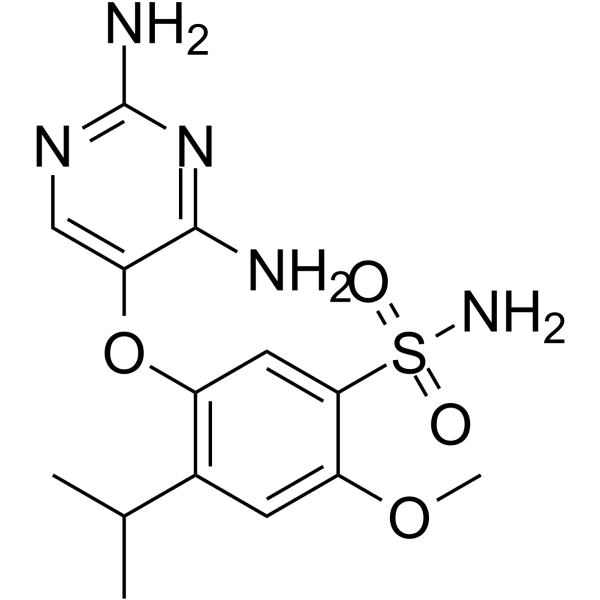
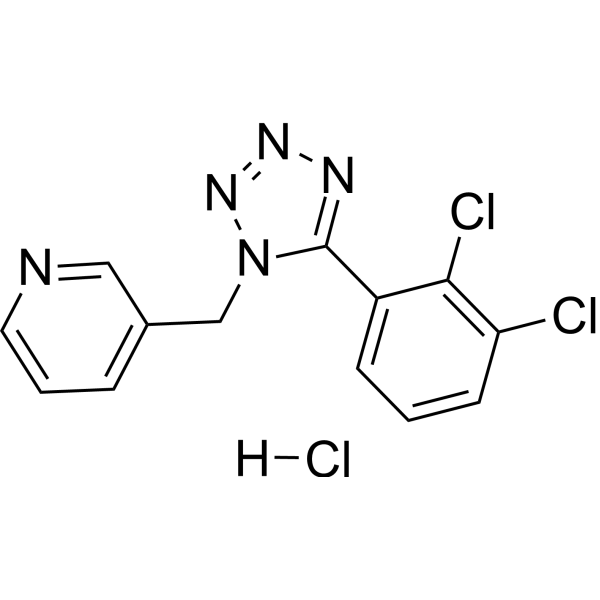
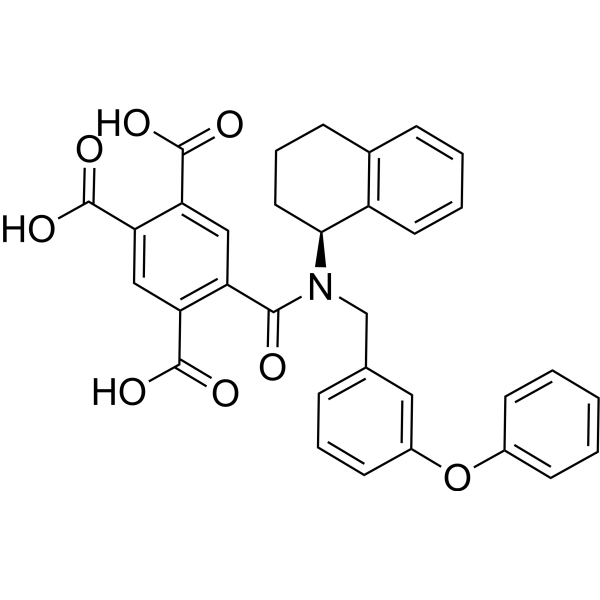
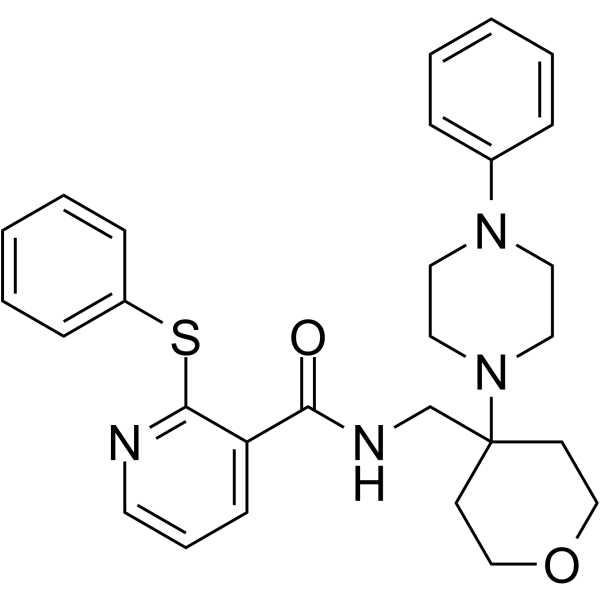
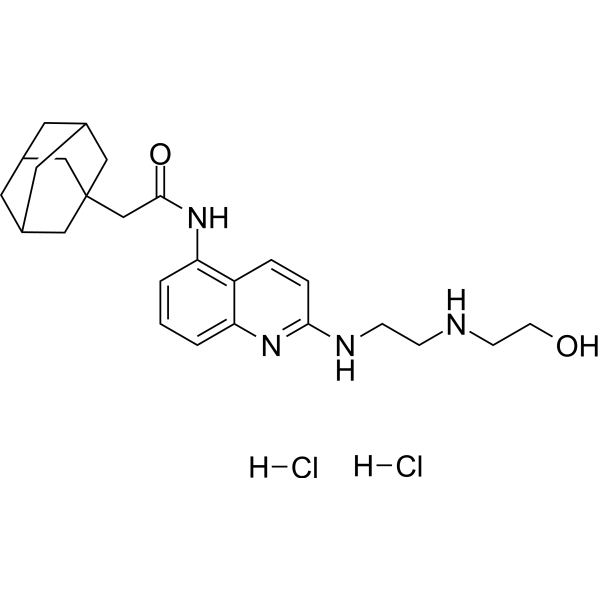
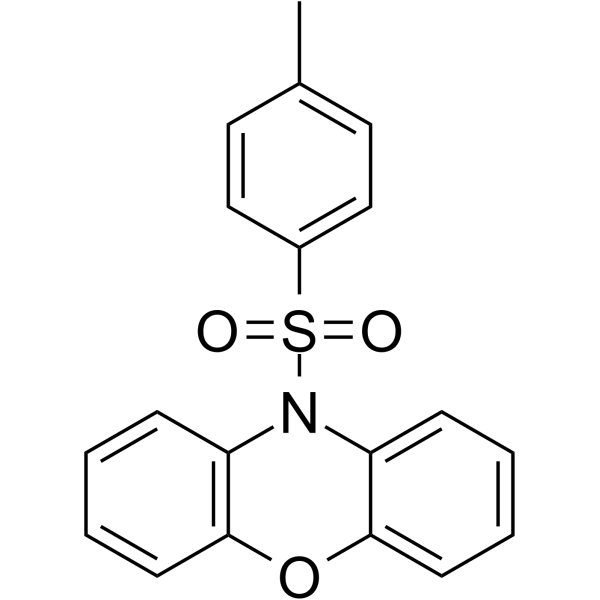
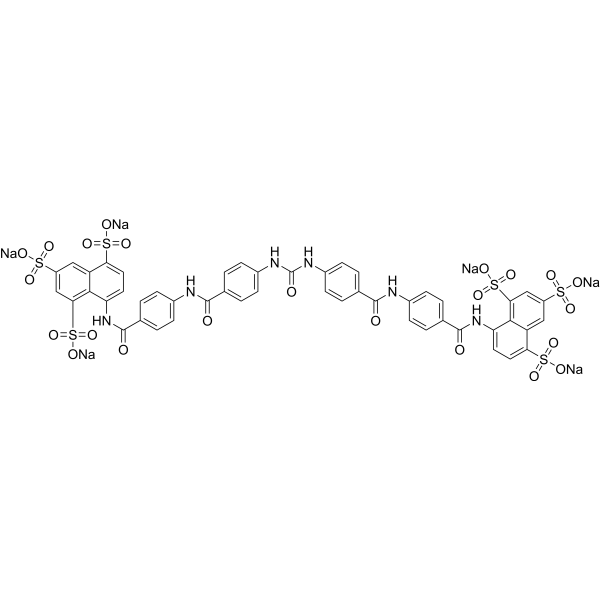
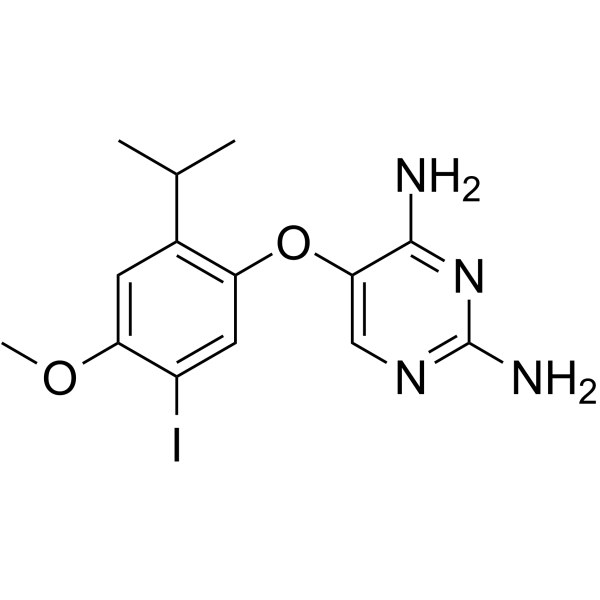
Publications Citing Use of MedChemExpress (MCE) α,β-Methylene-ATP dilithium
MoreAll P2X Receptor Isoforms
More

Biological Activity
Description
IC50 & Target
|
p2x1 Receptor |
P2X3 Receptor |
P2X7 Receptor |
In Vitro
Electrophysiological activity: α,β-Methylene-ATP trisodium (10 μM; 3 seconds) evokes a fast inward current in rat dorsal root ganglion (DRG) neurons, associated with P2X3 receptor activation. 10 μM Diinosine pentaphosphate (Ip5I) can significantly inhibit this inward current[1].
α,β-Methylene-ATP trisodium (10 μM; transient) enhances the amplitude of the current evoked by Acetylcholine (HY-B0282) in rat adrenal medullary chromaffin cells and increases the proportion of the current sensitive to α-conotoxin RgIA (HY-P5845)[1].
MedChemExpress (MCE) has not independently confirmed the accuracy of these methods. They are for reference only.
In Vivo
α,β-Methylene-ATP (10 nmol/rat; intracerebroventricular injection; single dose) dilithium produces an anti-mechanical nociceptive effect in Sprague-Dawley rats, which is significantly attenuated by pretreatment with DSP-4 (HY-121602/HY-103210) (10 mg/kg DSP-4; intraperitoneal injection)[3].
α,β-Methylene-ATP (0.1-1 nmol/side; bilateral microinjection into the locus coeruleus; single dose) dilithium increases the pain threshold of Sprague-Dawley rats in a dose-dependent manner, an effect that could be antagonized by co-injection of PPADS (HY-108960) (0.1-1 nmol/side)[3].
MedChemExpress (MCE) has not independently confirmed the accuracy of these methods. They are for reference only.
-
Animal Model:Decerebrate cats[2]
-
Dosage:5, 20, 50 µg/kg α,β-Methylene-ATP
-
Administration:Left popliteal artery injection, single dose
-
Result:Significantly increased mean arterial pressure.
The pressor response was attenuated by sciatic nerve section and completely blocked by prior popliteal artery injection of PPADS (10 mg/kg), indicating involvement of P2X receptors in muscle afferents.
-
Animal Model:Sprague-Dawley rats (male, 180-250 g, 6-8 weeks old)[3]
-
Dosage:10 nmol/rat
-
Administration:Intracerebroventricular injection, single dose
-
Result:Elevated the mechanical nociceptive threshold by 63.6% at 5 min post-injection. Pretreatment with DSP-4 (50 mg/kg, i.p.), a noradrenergic neurotoxin, reduced the antinociceptive effect to baseline levels, suggesting involvement of locus coeruleus noradrenergic neurons.
-
Animal Model:Sprague-Dawley rats (male, 180-250 g, 6-8 weeks old)[3]
-
Dosage:0.1-1 nmol/side
-
Administration:Bilateral locus coeruleus microinjection, single dose, no cycle
-
Result:Dose-dependently increased the nociceptive threshold (peak at 5 min, 117.9% above control at 1 nmol/side).
Co-injection of PPADS (1 nmol/side) completely antagonized the antinociceptive effect, confirming P2X receptor-mediated mechanism.


Chemical Information
-
CAS No. 104809-20-3
-
Molecular Weight 519.09
-
Formula C11H18Li2N5O12P3
-
SMILES
OP(OP(CP(OC[C@@H]1[C@@H](O)[C@@H](O)[C@H](N2C3=NC=NC(N)=C3N=C2)O1)(O)=O)(O)=O)(O)=O.[Li].[Li]
-
Shipping
Room temperature in continental US; may vary elsewhere.
-
Storage
Please store the product under the recommended conditions in the Certificate of Analysis.


Publications (1)
-
Journal Impact Factor
-
Most Recent
-
Research (Wash D C)
2025 Oct 20:8:0932. PMID: 41122266


Purity & Documentation
References
[1]. Arribas-Blázquez M, et al. Overexpression of P2X3 and P2X7 Receptors and TRPV1 Channels in Adrenomedullary Chromaffin Cells in a Rat Model of Neuropathic Pain. Int J Mol Sci. 2019 Jan 3;20(1). [Content Brief]
[2]. Hanna RL, et al. alpha,beta-Methylene ATP elicits a reflex pressor response arising from muscle in decerebrate cats. J Appl Physiol (1985). 2002 Sep;93(3):834-41. [Content Brief]
[3]. Fukui M, et al. Involvement of locus coeruleus noradrenergic neurons in supraspinal antinociception by alpha,beta-methylene-ATP in rats. J Pharmacol Sci. 2004 Feb;94(2):153-60 [Content Brief]

Calculators
Concentration (start) × Volume (start) = Concentration (final) × Volume (final)


α,β-Methylene-ATP dilithium Related Classifications
HY-134440 Related Classifications
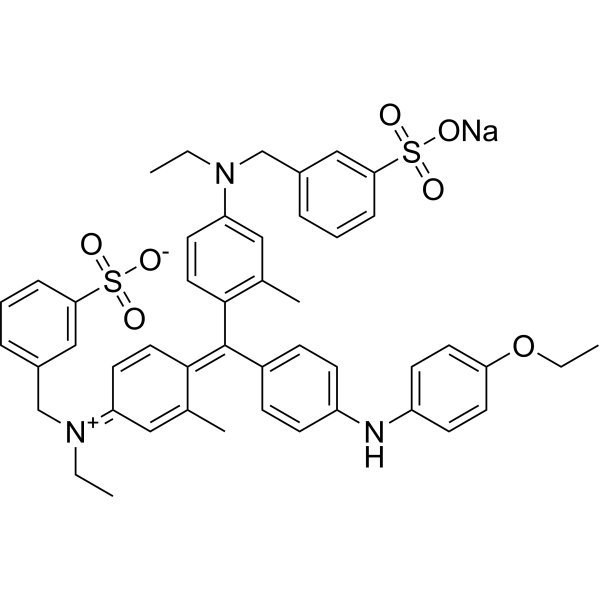
 Powered by Bioz