



Tiplaxtinin
Based on 18 publication(s) in Google Scholar
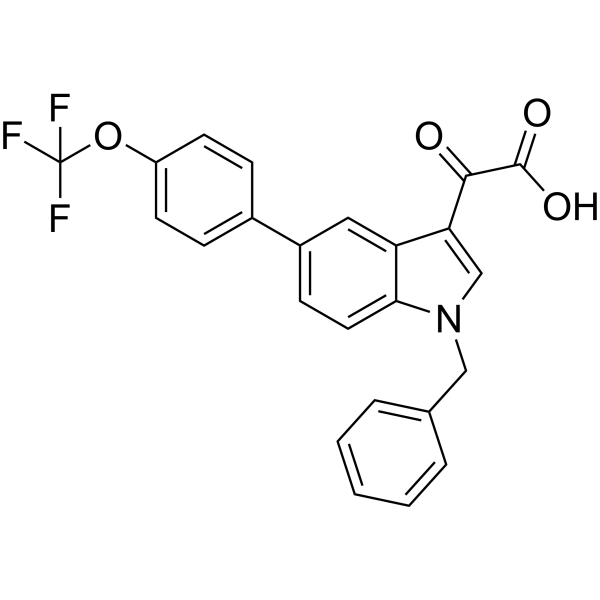
Tiplaxtinin is a selective and orally efficacious inhibitor of plasminogen activator inhibitor-1 (PAI-1) with IC50 of 2.7 μM.
Nur für Forschungszwecke. Wir verkaufen nicht an Patienten.
- Reinheit : 99.76%
- CAS. Nr.: 393105-53-8
- Formel: C24H16F3NO4
- Molecular Weight:439.38
-
Speicherung:Powder -20°C, 3 years , 4°C, 2 years ; In solvent -80°C, 2 years , -20°C, 1 year

To place orders, for customer services and technical support, please contact: MedChemExpress USA
Tel: 609-228-6898 E-mail: [email protected] [email protected]


-
 Biologische Aktivität
-
Chemical Information
-
Lösungsmittel & Löslichkeit
- Reinheit & Dokumentation
- Verweise
-
 Help & FAQs


-
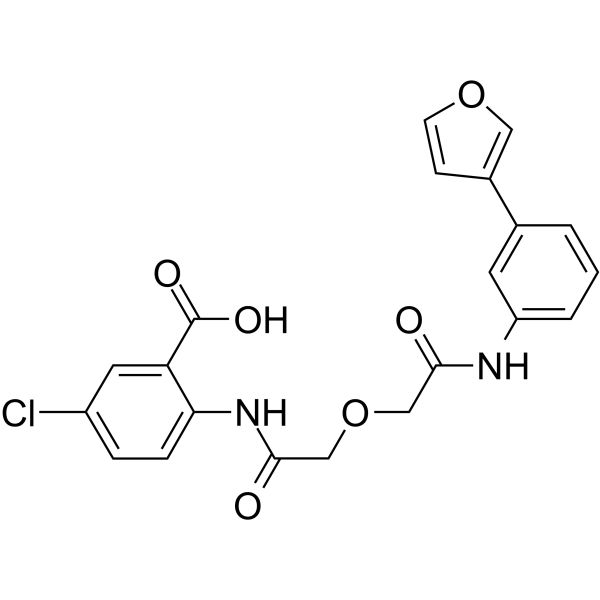
HY-101761
TM5441PAI-1 Inhibitor -
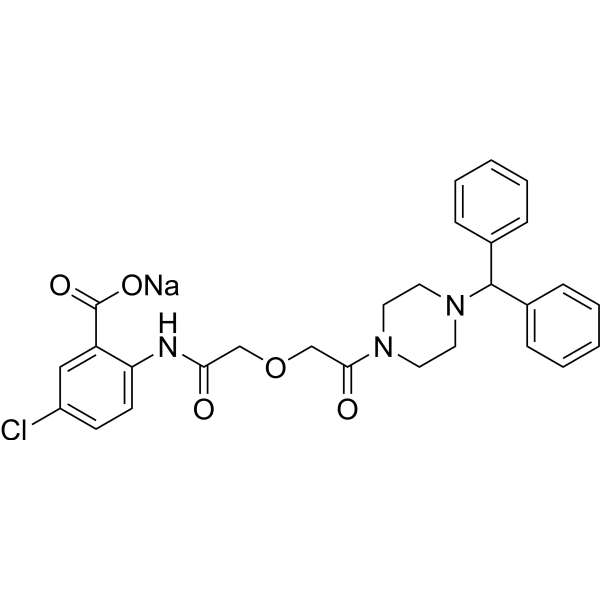
HY-100447
TM5275 sodiumPAI-1 Inhibitor -
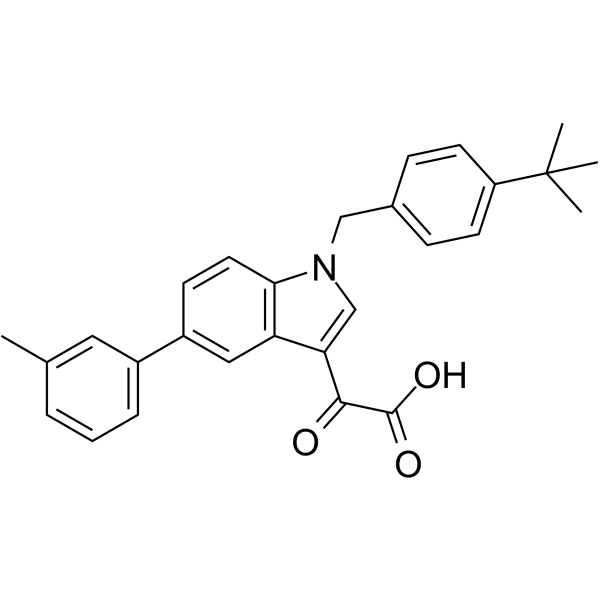
HY-14759
AleplasininPAI-1 Inhibitor -

HY-Y1888
Corn oil -
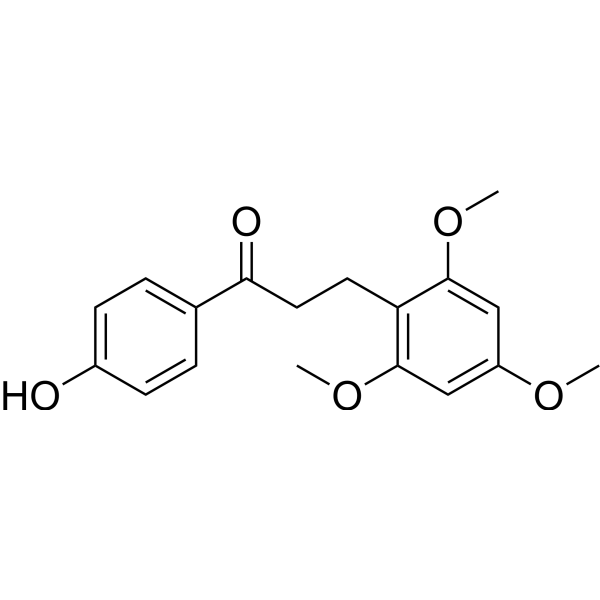
HY-N1504
Loureirin BPAI-1 Inhibitor -

HY-P71077
Serpin E1 Protein, Human (HEK293, His) -
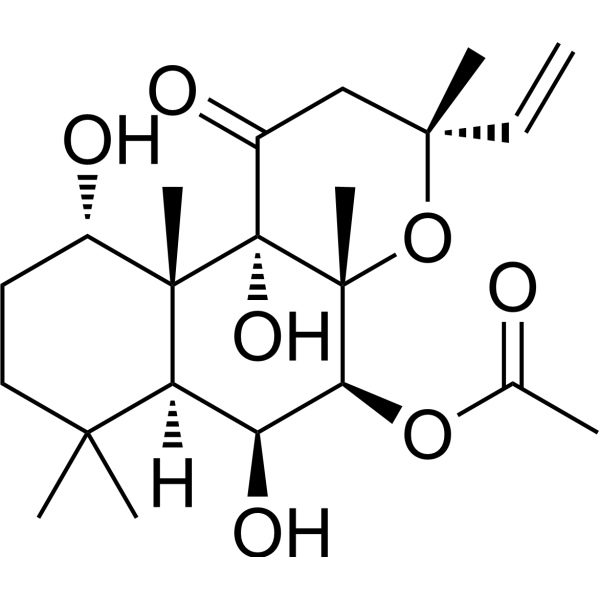
HY-15371
ForskolinAdenylate Cyclase Activator -
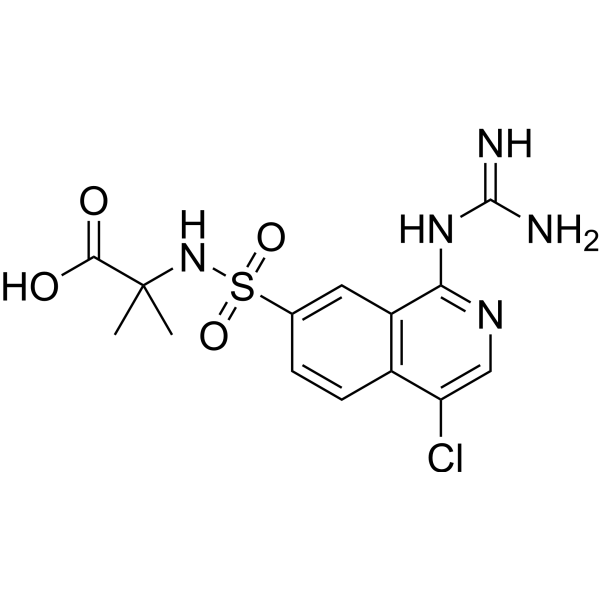
HY-101214
UK-371804uPA Inhibitor -
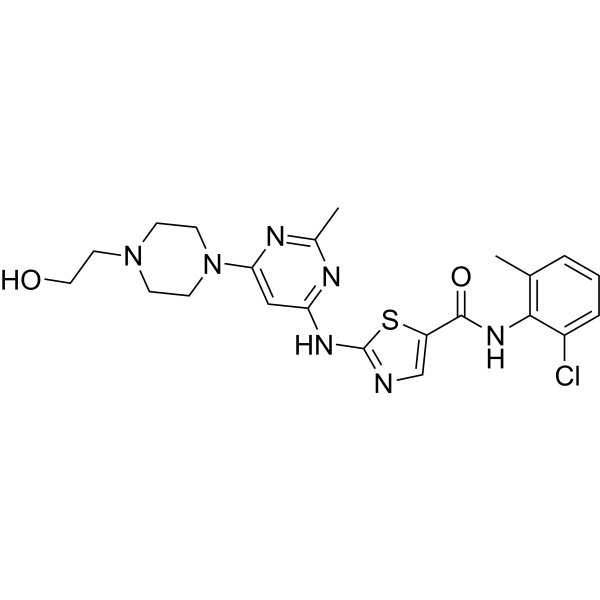
HY-10181
DasatinibSrc/Bcr-Abl Inhibitor -
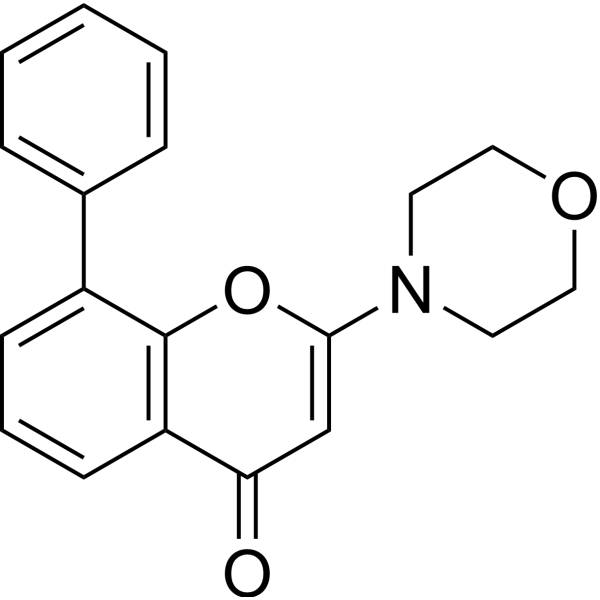
HY-10108
LY294002PI3K Inhibitor -
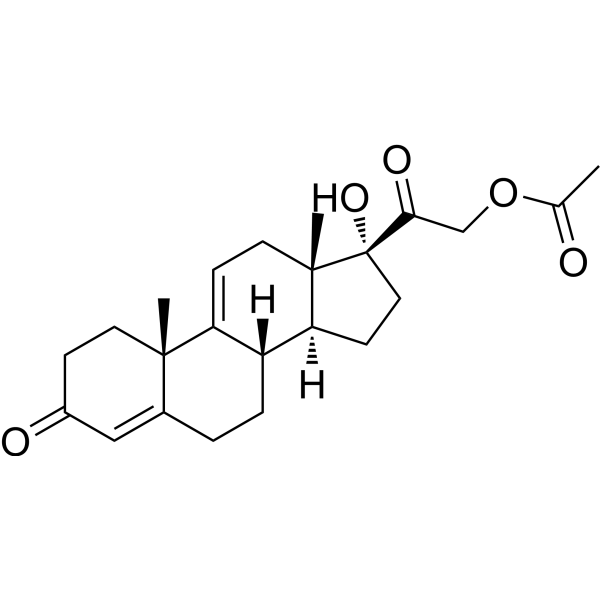
HY-116868
Anecortave acetateAngiostatic Agent -
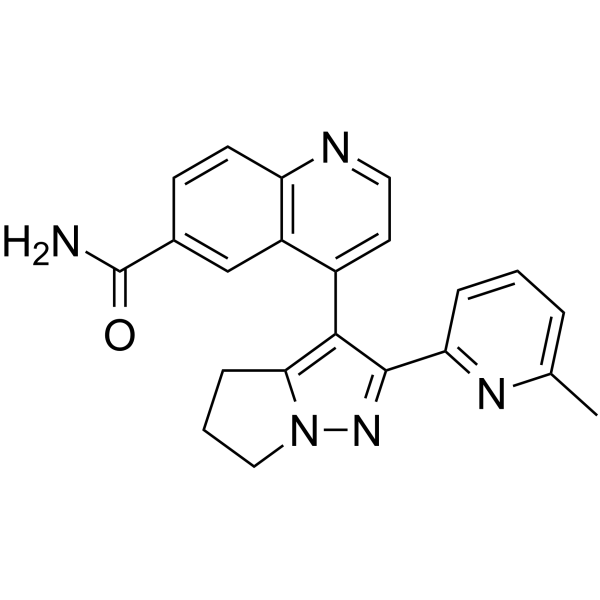
HY-13226
GalunisertibTGFβRI Inhibitor
Publications Citing Use of MedChemExpress (MCE) Tiplaxtinin
More- Cancer Cell. 2025 May 12;43(5):856-874.e9. [Abstract]
- Mol Cancer. 2024 Apr 4;23(1):70. [Abstract]
- Cell Death Discov. 2025 Mar 6;11(1):89. [Abstract]
- Cell Rep. 2026 Feb 18;45(3):117001. [Abstract]
- Environ Sci Technol Lett. 2025 Apr 8.
- Biochim Biophys Acta Mol Basis Dis. 2023 Apr;1869(4):166665. [Abstract]
- Transl Oncol. 2026 Apr:66:102703. [Abstract]
- Cancers (Basel). 2023 Sep 4;15(17):4422. [Abstract]
- J Innate Immun. 2022;14(4):306-319. [Abstract]
- FASEB J. 2026 Apr 15;40(7):e71740. [Abstract]
- Pulm Pharmacol Ther. 2021 Oct:70:102061. [Abstract]
- Viruses. 2021 Sep 4;13(9):1768. [Abstract]
- Exp Cell Res. 2025 Jul 23;450(2):114677. [Abstract]
- Eur Arch Otorhinolaryngol. 2026 Aug 26.
- In Vivo. 2026 Jul-Aug;40(4):1915-1927.
- Yale University. 2025.
- bioRxiv. 2025 May 12.
- Pharmacological Research-Modern Chinese Medicine. March 2022, 100056.
 Customer Validation & Images

-
Cell Imaging/Staining
-
Flow Cytometry
-
Cell Proliferation/Viability Assay
-
WB
-
In Vivo Efficacy Study


Biologische Aktivität
Beschreibung
IC50 & Target
IC50: 2.7 μM (PAI-1)[1]
In Vitro
Tiplaxtinin (PAI-039), a small-molecule inhibitor of PAI-1 activity, on the urothelial cell lines. A significant inhibition in cellular proliferation is noted in T24 cells treated with Tiplaxtinin with the documentation of a favorable IC50 value of 43.7±6.3 μM and in UM-UC-14 cells 52.8±1.6 μM whereas the benign cell line, UROtsa, is noted to have a higher IC50 value of 70.3±0.1 μM. Notably, IC50 values of Tiplaxtinin in detached cells, 19.7±3.8 μM in T24, 44.5±6.5 μM in UM-UC-14, and 31.6±6.1 μM in UROtsa, are significantly lower than the IC50 values calculated for cells cultured in the presence of Tiplaxtinin under attached conditions[2].
MedChemExpress (MCE) has not independently confirmed the accuracy of these methods. They are for reference only.
In Vivo
Tiplaxtinin (PAI-039) is administered by oral gavage to athymic mice bearing human bladder cancer cell line T24 xenografts and human cervical cancer HeLa cell xenografts. The subcutaneous tumor growth of both T24 and HeLa cell xenografts treated with Tiplaxtinin is markedly reduced compared with untreated controls. Specifically, at the end of the study, control T24 xenografts are noted to be 1,150±302 mm3 compared with 593±328 mm3 for T24 xenograft tumors treated with 5 mg/kg Tiplaxtinin (P<0.0001) and 627±248 mm3 for T24 xenografts treated with 20 mg/kg (P<0.0001)[2].
Tiplaxtinin (1, 3, and 10 mg/kg) is subjected to electrolytic injury of the coronary artery. Tiplaxtinin (PAI-039) causes prolongation in time to coronary occlusion (control, 31.7±6.3 min; 3 mg/kg Tiplaxtinin, 66.0±6.4 min; 10 mg/kg, 56.7±7.4 min; n=5-6; p<0.05) and a reduced thrombus weight (control, 7.6±1.5 mg; 10 mg/kg Tiplaxtinin, 3.6±1.0 mg; p<0.05)[3].
MedChemExpress (MCE) has not independently confirmed the accuracy of these methods. They are for reference only.


Chemical Information
-
CAS. Nr. 393105-53-8
-
Appearance Solid
-
Molecular Weight 439.38
-
Formel C24H16F3NO4
-
Color Light yellow to yellow
-
SMILES
O=C(C(O)=O)C1=CN(CC2=CC=CC=C2)C(C1=C3)=CC=C3C4=CC=C(OC(F)(F)F)C=C4
-
Synonyms
PAI-039; Tiplasinin
-
Versand
Room temperature in continental US; may vary elsewhere.
-
Speicherung
Powder -20°C 3 years 4°C 2 years In solvent -80°C 2 years -20°C 1 year


Publications (18)
-
Journal Impact Factor
-
Most Recent
-
Cancer Cell
PAI-1-driven SFRP2high cancer-associated fibroblasts hijack the abscopal effect of radioimmunotherapy. [Abstract]2025 May 12;43(5):856-874.e9. PMID: 40086438
Tiplaxtinin purchased from MedChemExpress. Usage Cited in: Cancer Cell. 2025 May 12;43(5):856-874.e9. [Abstract]
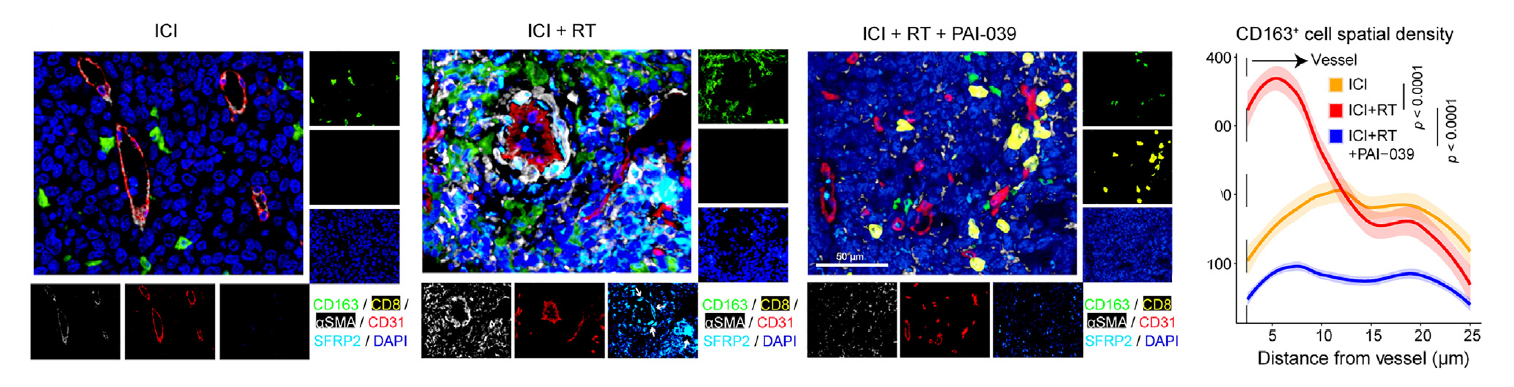
Multiplex immunostaining demonstrated that Tiplaxtinin (PAI-039) (20 mg/kg; corn oil; gavage)decreased vessel-wrapped CD163+ TAM density and reversed the radioimmunotherapy-induced perivascular immunosuppressive niche.
Tiplaxtinin purchased from MedChemExpress. Usage Cited in: Cancer Cell. 2025 May 12;43(5):856-874.e9. [Abstract]
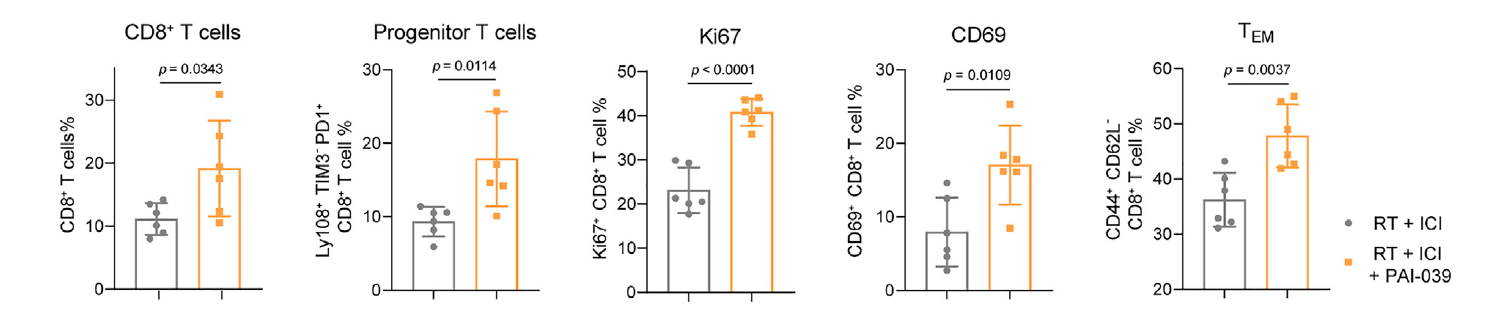
Flow cytometric analysis of CD8+ T cell and progenitor T cell infiltration and Ki67 and CD69 expression on CD8+ T cells in distal, unirradiated LLC1-sgLkb1 tumors, as well as splenic TEMs, was performed. Tiplaxtinin (PAI-039) (20 mg/kg; corn oil; gavage) increased total CD8+ T cell and stem-like progenitor infiltration, proliferation, and activation in distant unirradiated lesions.
-
Mol Cancer
Therapy-induced senescent tumor cell-derived extracellular vesicles promote colorectal cancer progression through SERPINE1-mediated NF-κB p65 nuclear translocation. [Abstract]2024 Apr 4;23(1):70. PMID: 38576002
Tiplaxtinin purchased from MedChemExpress. Usage Cited in: Mol Cancer. 2024 Apr 4;23(1):70. [Abstract]
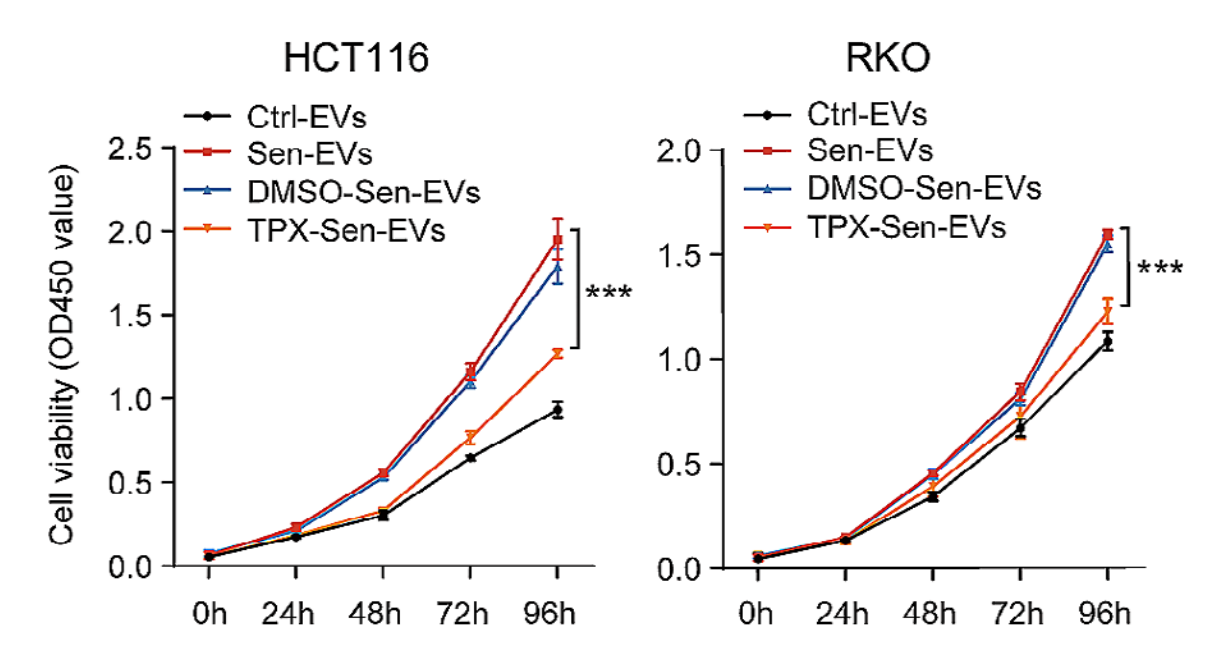
CRC cells were treated with Tiplaxtinin (TPX) (20 μM; 96 h), a selective inhibitor of SERPINE1, to inhibit the expression of SERPINE1, and EVs were harvested (defined as TPXSen-EVs). The growth rate of CRC cells cultured with TPX-Sen-EVs was markedly reduced compared to those treated with Sen-EVs.
Tiplaxtinin purchased from MedChemExpress. Usage Cited in: Mol Cancer. 2024 Apr 4;23(1):70. [Abstract]
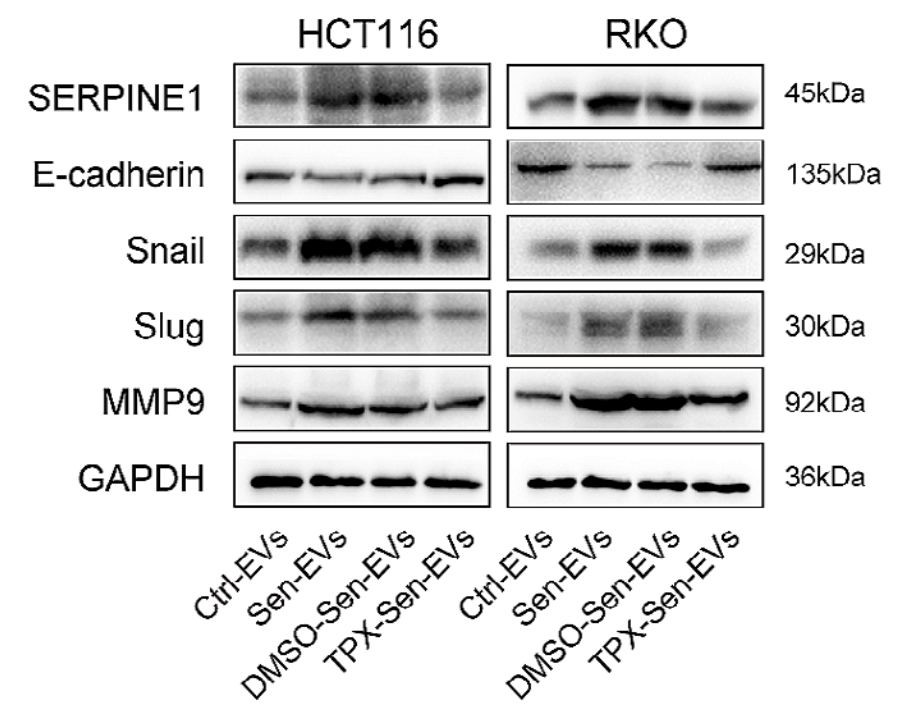
SERPINE1, E-cadherin, Snail, Slug, and MMP9 protein levels.Changes in the expression of epithelial-to-mesenchymal transition (EMT) markers indicated that Tiplaxtinin (TPX) (20 μM; 96 h) treatment impaired the EMT-promoting ability of Sen-EVs.
Tiplaxtinin purchased from MedChemExpress. Usage Cited in: Mol Cancer. 2024 Apr 4;23(1):70. [Abstract]
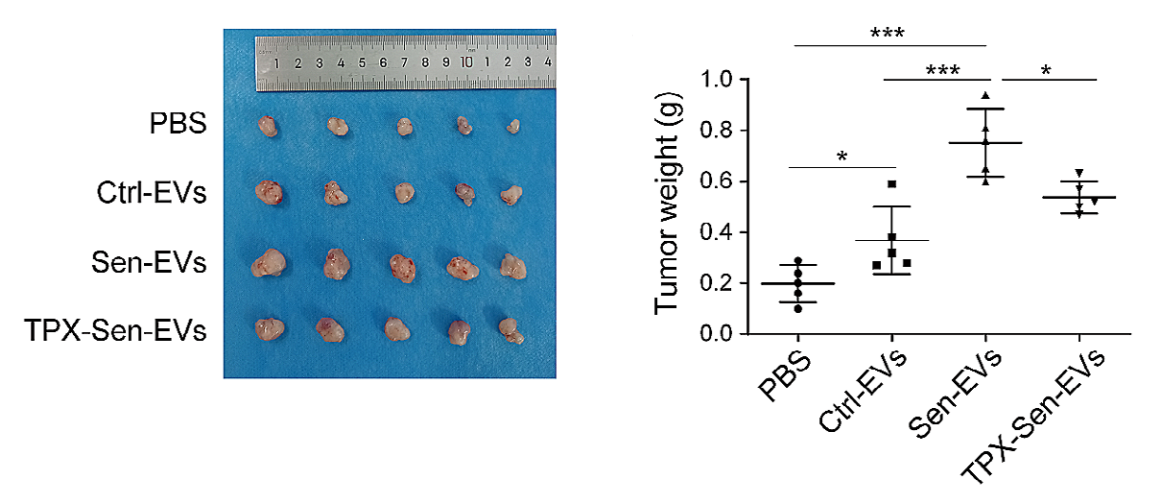
Tiplaxtinin (TPX) (20 μM; 96 h). Images of the excised xenograft tumors and easurement of tumor weight. Compared to the Sen-EVs group, tumor growth and tumor weight of TPX-Sen-EVs (50 μg/mice) group were markedly decreased. TPX-Sen-EVs: Extracellular vesicles isolated from senescent cells after treatment with the SERPINE1 selective inhibitor Tiplaxtinin (TPX) (20 μM; 96 h).
-
Cell Death Discov
2025 Mar 6;11(1):89. PMID: 40050610 -
Cell Rep
Glutamine metabolism tunes myeloid responses to drive resolution of inflammation during skin repair. [Abstract]2026 Feb 18;45(3):117001. PMID: 41712383 -
-
Biochim Biophys Acta Mol Basis Dis
FGFR2 upregulates PAI-1 via JAK2/STAT3 signaling to induce M2 polarization of macrophages in colorectal cancer. [Abstract]2023 Apr;1869(4):166665. PMID: 36781088 -
Transl Oncol
The VAX2-SERPINE1 axis modulates colorectal cancer cell proliferation and apoptosis through WNT/beta-catenin signaling. [Abstract]2026 Apr:66:102703. PMID: 41691849 -
Cancers (Basel)
Novel Function of Cancer Stem Cell Marker ALDH1A3 in Glioblastoma: Pro-Angiogenesis through Paracrine PAI-1 and IL-8. [Abstract]2023 Sep 4;15(17):4422. PMID: 37686698 -
J Innate Immun
Porphyromonas gingivalis Gingipains-Mediated Degradation of Plasminogen Activator Inhibitor-1 Leads to Delayed Wound Healing Responses in Human Endothelial Cells. [Abstract]2022;14(4):306-319. PMID: 34823251 -
FASEB J
2026 Apr 15;40(7):e71740. PMID: 41954091 -
Pulm Pharmacol Ther
Baicalin ameliorates cigarette smoke-induced airway inflammation in rats by modulating HDAC2/NF-κB/PAI-1 signalling. [Abstract]2021 Oct:70:102061. PMID: 34314854 -
Viruses
Nafamostat-Interferon-α Combination Suppresses SARS-CoV-2 Infection In Vitro and In Vivo by Cooperatively Targeting Host TMPRSS2. [Abstract]2021 Sep 4;13(9):1768. PMID: 34578348 -
Exp Cell Res
PAI-1 regulates extracellular matrix remodeling and alters fibroblast profibrotic ability in skeletal muscle repair. [Abstract]2025 Jul 23;450(2):114677. PMID: 40712909 -
-
-
-
-


Lösungsmittel & Löslichkeit
In Vitro:
DMSO : 100 mg/mL (227.59 mM; Need ultrasonic; Hygroscopic DMSO has a significant impact on the solubility of product, please use newly opened DMSO)
H2O : < 0.1 mg/mL (insoluble)
Please refer to the solubility information to select the appropriate solvent. Once prepared, please aliquot and store the solution to prevent product inactivation from repeated freeze-thaw cycles.
Storage method and period of stock solution: -80°C, 2 years; -20°C, 1 year. When stored at -80°C, please use it within 2 years. When stored at -20°C, please use it within 1 year.
Please refer to the solubility information to select the appropriate solvent. Once prepared, please aliquot and store the solution to prevent product inactivation from repeated freeze-thaw cycles.
Storage method and period of stock solution: -80°C, 2 years; -20°C, 1 year. When stored at -80°C, please use it within 2 years. When stored at -20°C, please use it within 1 year.
Konzentration (Stammlösung) × Volumen (Stammlösung) = Konzentration (Ziellösung) × Volumen (Ziellösung)
In Vivo:
Select the appropriate dissolution method based on your experimental animal and administration route.
- For the following dissolution methods, please ensure to first prepare a clear stock solution using an In Vitro approach and then sequentially add co-solvents:
- To ensure reliable experimental results, the clarified stock solution can be appropriately stored based on storage conditions. As for the working solution for In Vivo experiments, it is recommended to prepare freshly and use it on the same day.
- The percentages shown for the solvents indicate their volumetric ratio in the final prepared solution. If precipitation or phase separation occurs during preparation, heat and/or sonication can be used to aid dissolution.
Add each solvent one by one: 10% DMSO 40% PEG300 5% Tween-80 45% Saline
Solubility: ≥ 2.5 mg/mL (5.69 mM); Clear solution
This protocol yields a clear solution of ≥ 2.5 mg/mL (saturation unknown).
Taking 1 mL working solution as an example, add 100 μL DMSO stock solution (25.0 mg/mL) to 400 μL PEG300, and mix evenly; then add 50 μL Tween-80 and mix evenly; then add 450 μL Saline to adjust the volume to 1 mL.
Preparation of Saline: Dissolve 0.9 g sodium chloride in ddH₂O and dilute to 100 mL to obtain a clear Saline solution.
Add each solvent one by one: 10% DMSO 90% (20% SBE-β-CD in Saline)
Solubility: 2.5 mg/mL (5.69 mM); Suspended solution; Need ultrasonic
This protocol yields a suspended solution of 2.5 mg/mL. Suspended solution can be used for oral and intraperitoneal injection.
Taking 1 mL working solution as an example, add 100 μL DMSO stock solution (25.0 mg/mL) to 900 μL 20% SBE-β-CD in Saline, and mix evenly.
Preparation of 20% SBE-β-CD in Saline (4°C, storage for one week): 2 g SBE-β-CD powder is dissolved in 10 mL Saline, completely dissolve until clear.
In Vivo Dissolution Calculator
Please enter the basic information of animal experiments:
-
-
-
-
Recommended: Prepare an additional quantity of animals to account for potential losses during experiments.
Please enter your animal formula composition:
-
%DMSO +
Recommended: Keep the proportion of DMSO in working solution below 2% if your animal is weak.
-
%+
-
+%Tween-80 + +
-
%Saline +
The co-solvents required include: DMSO, . All of co-solvents are available by MedChemExpress (MCE). , Tween 80. All of co-solvents are available by MedChemExpress (MCE).
Working solution concentration: 0.22 mg/mL
Method for preparing stock solution: mg drug dissolved in μL DMSO. Stock solution concentration: mg/mL.
1. Take μL DMSO stock solution;
2. Add μL .
μL , mix evenly;
3. Then add μL Tween 80, mix evenly;
4. Then add μL
Please ensure that the stock solution in the first step is dissolved to a clear state, and add co-solvents in sequence. You can use ultrasonic heating (ultrasonic cleaner, recommended frequency 20-40 kHz), vortexing, etc. to assist dissolution.


Reinheit & Dokumentation
-
Data Sheet (283 KB)
-
SDS (254 KB)
- English - EN (254 KB)
- Français - FR (254 KB)
- Deutsch - DE (254 KB)
- Norwegian - NO (254 KB)
- Español - ES (254 KB)
- Swedish - SV (254 KB)
- Italian - IT (254 KB)
- Korean - KR (254 KB)
- Portuguese - PT (254 KB)
-
Handling Instructions (2659 KB)
Verweise
[1]. Hennan JK, et al. Effect of Tiplaxtinin (PAI-039), an orally bioavailable PAI-1 antagonist, in a rat model of thrombosis. J Thromb Haemost. 2008 Sep;6(9):1558-64. [Content Brief]
[2]. Gomes-Giacoia E, et al. Targeting plasminogen activator inhibitor-1 inhibits angiogenesis and tumor growth in a human cancer xenograft model. Mol Cancer Ther. 2013 Dec;12(12):2697-708. [Content Brief]
[3]. Hennan JK, et al. Evaluation of PAI-039 [{1-benzyl-5-[4-(trifluoromethoxy)phenyl]-1H-indol-3-yl}(oxo)acetic acid], a novel plasminogen activator inhibitor-1 inhibitor, in a canine model of coronary artery thrombosis. J Pharmacol Exp Ther. 2005 Aug;314(2): [Content Brief]


Complete Stock Solution Preparation Table
Please refer to the solubility information to select the appropriate solvent. Once prepared, please aliquot and store the solution to prevent product inactivation from repeated freeze-thaw cycles.
Storage method and period of stock solution: -80°C, 2 years; -20°C, 1 year. When stored at -80°C, please use it within 2 years. When stored at -20°C, please use it within 1 year.
| Optional Solvent | Concentration Solvent Mass | 1 mg | 5 mg | 10 mg | 25 mg |
|---|---|---|---|---|---|
| DMSO | 1 mM | 2.2759 mL | 11.3797 mL | 22.7593 mL | 56.8984 mL |
| 5 mM | 0.4552 mL | 2.2759 mL | 4.5519 mL | 11.3797 mL | |
| 10 mM | 0.2276 mL | 1.1380 mL | 2.2759 mL | 5.6898 mL | |
| 15 mM | 0.1517 mL | 0.7586 mL | 1.5173 mL | 3.7932 mL | |
| 20 mM | 0.1138 mL | 0.5690 mL | 1.1380 mL | 2.8449 mL | |
| 25 mM | 0.0910 mL | 0.4552 mL | 0.9104 mL | 2.2759 mL | |
| 30 mM | 0.0759 mL | 0.3793 mL | 0.7586 mL | 1.8966 mL | |
| 40 mM | 0.0569 mL | 0.2845 mL | 0.5690 mL | 1.4225 mL | |
| 50 mM | 0.0455 mL | 0.2276 mL | 0.4552 mL | 1.1380 mL | |
| 60 mM | 0.0379 mL | 0.1897 mL | 0.3793 mL | 0.9483 mL | |
| 80 mM | 0.0284 mL | 0.1422 mL | 0.2845 mL | 0.7112 mL | |
| 100 mM | 0.0228 mL | 0.1138 mL | 0.2276 mL | 0.5690 mL |


Tiplaxtinin Related Classifications
HY-15253 Related Classifications
 Powered by Bioz