17 Results for "

Crocus

" in MedChemExpress (MCE) Product Catalog:
Products (17)

17 Results for "Crocus" in MCE Product Catalog:

16
16 Publications Verification
Art. -Nr.: HY-N0697
CAS. Nr.: 42553-65-1
Synonyms: Crocin I
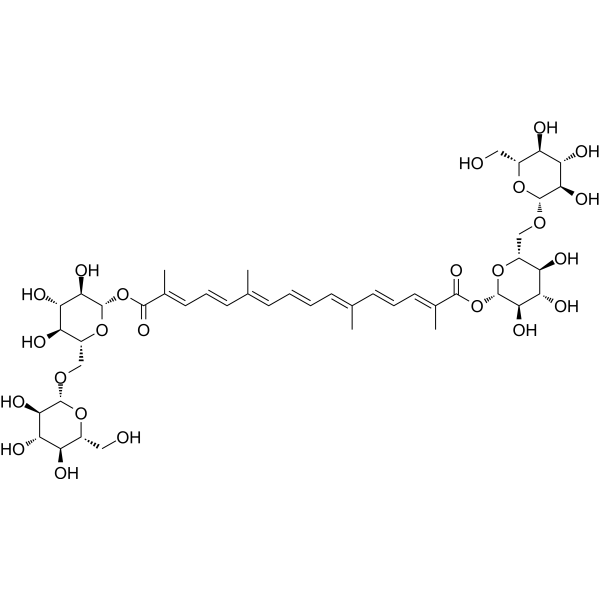
Crocin (Crocin I) is an orally active natural product that can be isolated from the stigma of Crocus sativus. Crocin inhibits tumor cell proliferation and promotes apoptosis through JAK pathway. Crocin has anti-inflammatory, antioxidant and antitumor activities .
6
6 Cited Publications
Art. -Nr.: HY-N7560
CAS. Nr.: 116-26-7
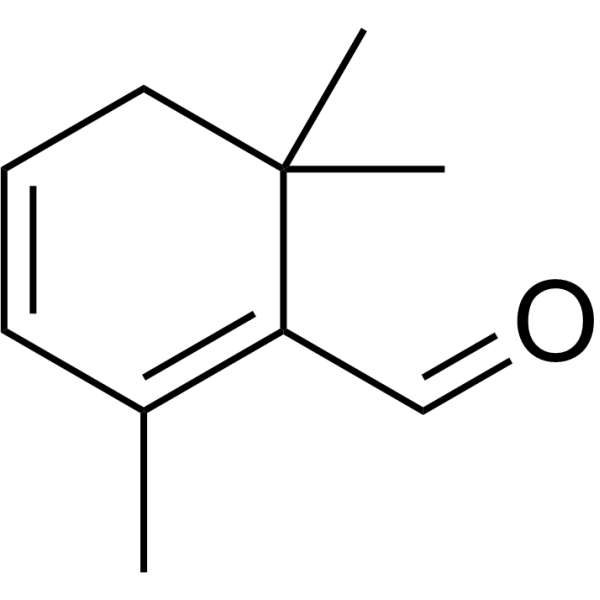
Safranal is an orally active main component of Saffron (Crocus sativus) and is responsible for the unique aroma of this spice. Safranal has neuroprotective and anti-inflammatory effects and has the potential for Parkinson’s disease research .
3
3 Cited Publications
Art. -Nr.: HY-N2072
CAS. Nr.: 27876-94-4
Synonyms: Transcrocetin; trans-Crocetin
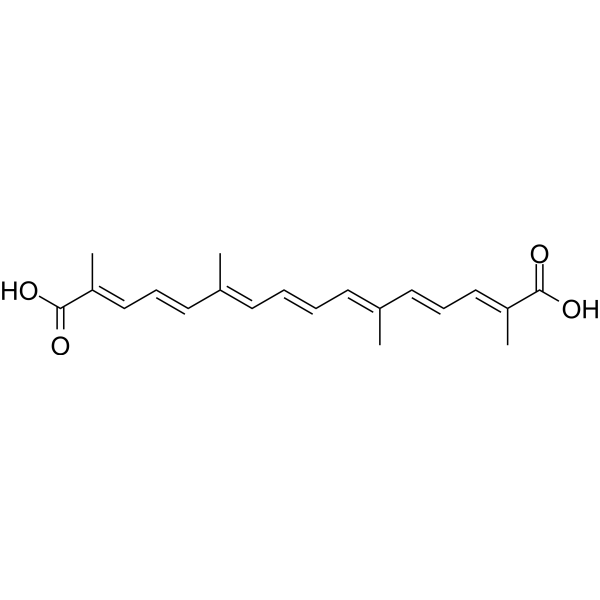
Crocetin (Transcrocetin) is an aglycone of crocin. Crocetin is an orally active and brain-penetrant. Crocetin shows strong NMDA receptor affinity and channel opening activity. Crocetin can downregulate the proinflammatory cytokines and COX-2 exoression. Crocetin can inhibit apoptosis and activation of MAPK. Crocetin can delay delays brain and body aging. Crocetin can be used for the researches of cancer, neurological disease and inflammation, such as cervical cancer and ischemia .
3
3 Cited Publications
Art. -Nr.: HY-16502
CAS. Nr.: 591230-99-8
Synonyms: Transcrocetin disodium; trans-Crocetin disodium
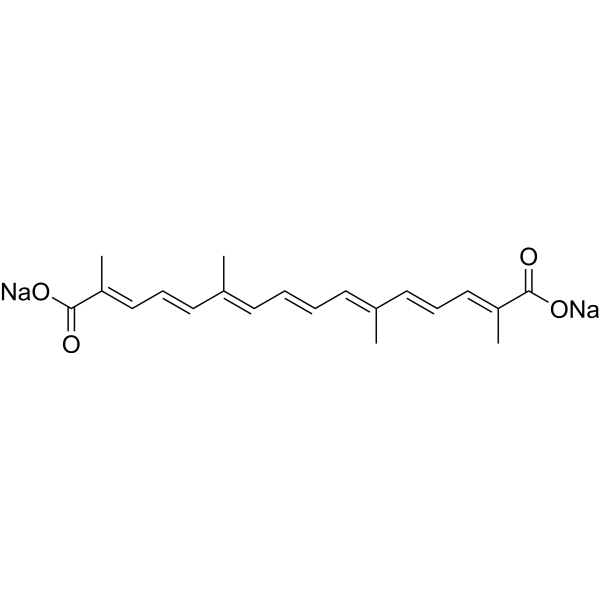
Crocetin (Transcrocetin) disodium, extracted from saffron (Crocus sativus L.), acts as an NMDA receptor antagonist with high affinity.
3
3 Cited Publications
Art. -Nr.: HY-42937
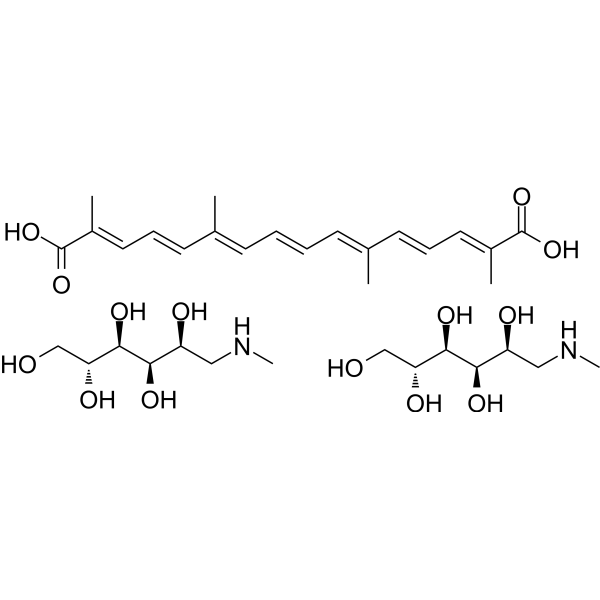
Synonyms: Transcrocetin meglumine; trans-Crocetin meglumine
Crocetin (Transcrocetin) meglumine, extracted from saffron (Crocus sativus L.), acts as an NMDA receptor antagonist with high affinity.
2
2 Cited Publications
Art. -Nr.: HY-N0766
CAS. Nr.: 6859-01-4
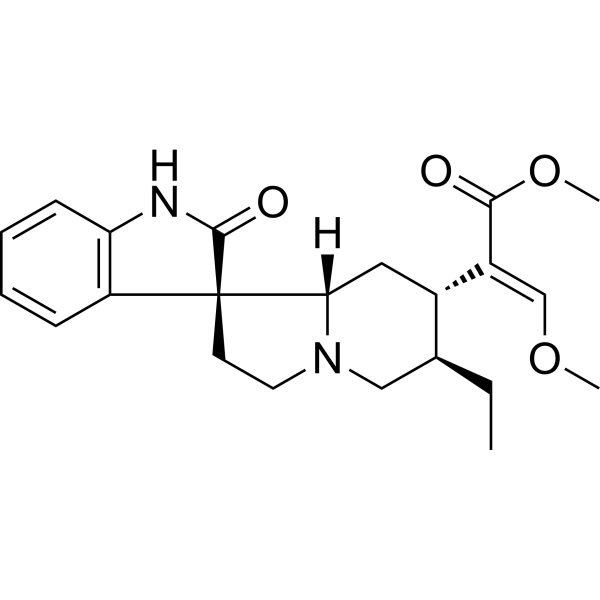
Isorhynchophylline is an alkaloid isolated from Crocus sativus with anticancer, antihypertensive, anti-inflammatory, and neuroprotective properties. Isorhynchophylline can be applied to cardiovascular and neurological disorders, and cancer studies .
1
1 Cited Publications
Art. -Nr.: HY-N6644
CAS. Nr.: 55750-85-1
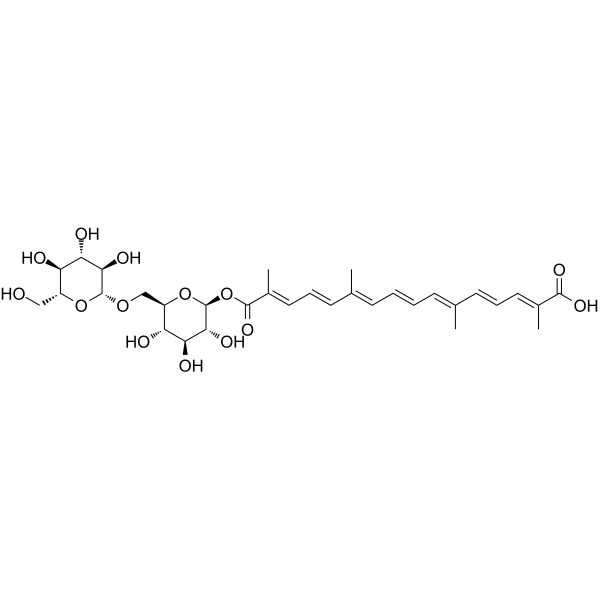
Crocin III is a crocin isolated from Crocus sativus L. Crocins inhibit the growth of tumor cells and exhibit anti-inflammatory activity .
1
1 Cited Publications
Art. -Nr.: HY-N6904
CAS. Nr.: 25368-09-6
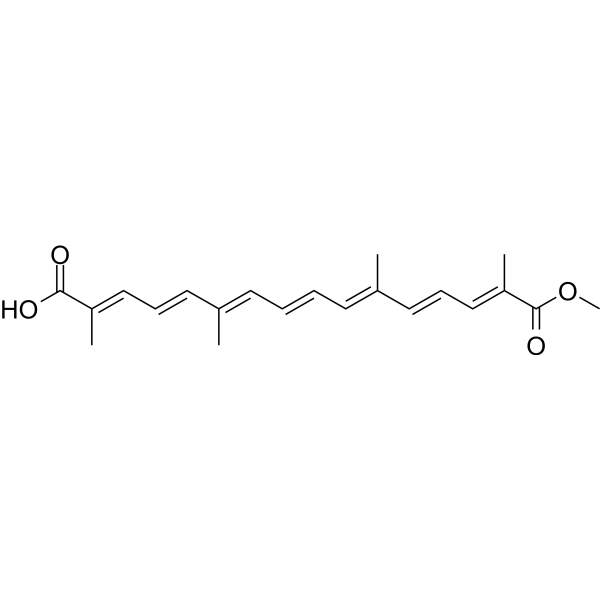
Crocetin monomethyl ester, isolated from Crocus sativus, possesses anti-inflammatory, neuroprotective and antioxidant activity . Crocetin monomethyl ester promotes clearance of amyloid-β by inducing autophagy via the STK11/LKB1-mediated AMPK pathway .
Art. -Nr.: HY-N0697R
CAS. Nr.: 42553-65-1
Synonyms: Crocin I (Standard)
Crocin (Standard) is the analytical standard of Crocin. This product is intended for research and analytical applications. Crocin (Crocin I) is an orally active natural product that can be isolated from the stigma of Crocus sativus. Crocin inhibits tumor cell proliferation and promotes apoptosis through JAK pathway. Crocin has anti-inflammatory, antioxidant and antitumor activities .
Art. -Nr.: HY-N7560R
CAS. Nr.: 116-26-7
Safranal (Standard) is an analytical standard for Safranal. This product is intended for research and analytical applications. Safranal is the main component of saffron (Crocus sativus), is orally active, and is the source of the spice's unique aroma. Safranal has neuroprotective and anti-inflammatory effects and has research potential for Parkinson's disease.
Art. -Nr.: HY-N2072R
CAS. Nr.: 27876-94-4
Synonyms: Transcrocetin (Standard); trans-Crocetin (Standard)
Crocetin (Standard) (TransCrocetin (Standard) ) is an aglycone of crocin. Crocetin (Standard) is orally active and brain-penetrant. Crocetin (Standard) shows strong NMDA receptor affinity and channel opening activity. Crocetin (Standard) can downregulate the proinflammatory cytokines and COX-2 exoression. Crocetin (Standard) can inhibit apoptosis and activation of MAPK. Crocetin (Standard) can delay delays brain and body aging. Crocetin (Standard) can be used for the researches of cancer, neurological disease and inflammation, such as cervical cancer and ischemia .
Art. -Nr.: HY-N6899
CAS. Nr.: 5892-54-6
Synonyms: Dimethylcrocetin
Target:  

DNA/RNA Synthesis

Forschungsgebiete:  

Metabolic Disease

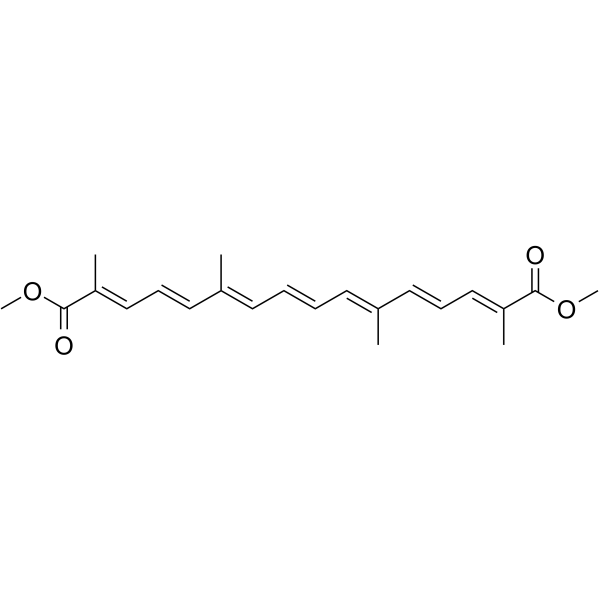
Crocetine dimethyl ester (Dimethylcrocetin) is found in the stigmas of saffron (Crocus sativus L.), and has antioxidant activity .
Art. -Nr.: HY-N6644R
CAS. Nr.: 55750-85-1
Crocin III (Standard) is the analytical standard of Crocin III. This product is intended for research and analytical applications. Crocin III is a crocin isolated from Crocus sativus L. Crocins inhibit the growth of tumor cells and exhibit anti-inflammatory activity.
Art. -Nr.: HY-B0497CR
CAS. Nr.: 1420-04-8
Synonyms: BAY2353 olamine (Standard)
Forschungsgebiete:  

Infection Cancer

Crocin (Standard) is the analytical standard of Crocin. This product is intended for research and analytical applications. Crocin (Crocin I) is an orally active natural product that can be isolated from the stigma of Crocus sativus. Crocin inhibits tumor cell proliferation and promotes apoptosis through JAK pathway. Crocin has anti-inflammatory, antioxidant and antitumor activities .
Art. -Nr.: HY-N6904R
CAS. Nr.: 25368-09-6
Crocetin monomethyl ester (Standard) is the analytical standard of Crocetin monomethyl ester. This product is intended for research and analytical applications. Crocetin monomethyl ester, isolated from Crocus sativus, possesses anti-inflammatory, neuroprotective and antioxidant activity . Crocetin monomethyl ester promotes clearance of amyloid-β by inducing autophagy via the STK11/LKB1-mediated AMPK pathway .
Art. -Nr.: HY-Z17706
CAS. Nr.: 91740-80-6
Crocin Impurity 1 is a carotenoid glycosyl ester and pigment.Crocin Impurity 1 can be found in Gardenia jasminoides fruits and Crocus sativus stigmas.Crocin Impurity 1 functions as a food colorant .
Art. -Nr.: HY-N11889
CAS. Nr.: 28288-98-4
Isorhamnetin 3,4′-diglucoside is a flavonol diglucoside that can be isolated from red-skinned onions (Allium cepa L.) from southern Italy, shallots (Allium ascalonicum Hort.), Zea mays pollen, and flowers of Crocus chrysanthus-biflorus cultivars .
  • 1

