



Bardoxolone
Based on 25 publication(s) in Google Scholar
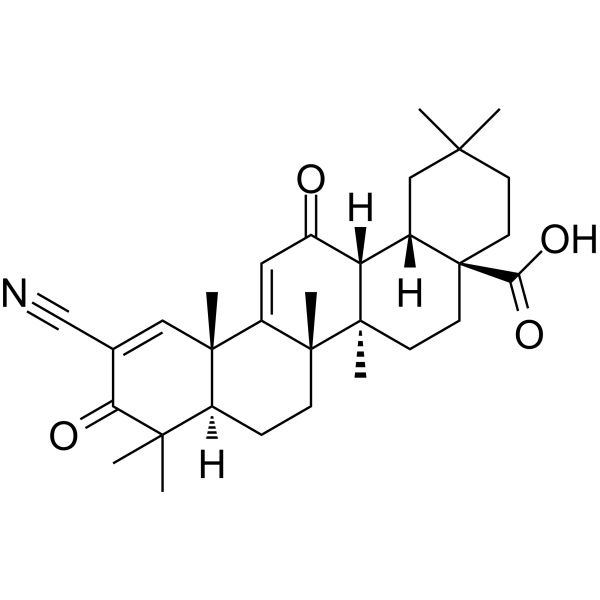
Bardoxolone (CDDO; RTA 401) is a Nrf2 activator. Bardoxolone shows anti-SARS-CoV-2 3CLpro with IC50 of 27.99 μM. Bardoxolone activates the Nrf2 pathway and inhibits the NF-κB pathway. Bardoxolone can induce cells differentiation, apoptosis and shows antiproliferative activity against cancer cells. Bardoxolone can increase ROS and decrease intracellular GSH levels. Bardoxolone inhibits Z-VAD-FMK (HY-16658B)-induced necroptosis. Bardoxolone can be used for the research of cancer, inflammation and infection, such as SARS-CoV infection and glioblastoma.
연구목적의 판매만을 진행합니다. 환자를 대상으로 한 판매는 하지 않습니다.
- Purity : 99.50%
- CAS No.: 218600-44-3
- 화학식: C31H41NO4
- 분자량:491.66
-
보관:Powder -20°C, 3 years , 4°C, 2 years ; In solvent -80°C, 1 year , -20°C, 6 months

To place orders, for customer services and technical support, please contact: MedChemExpress USA
Tel: 609-228-6898 E-mail: [email protected] [email protected]


-
 Biological Activity
-
Chemical Information
-
용액&용해도
- Protocol
- 순도&문서
- References
-
 Help & FAQs


-
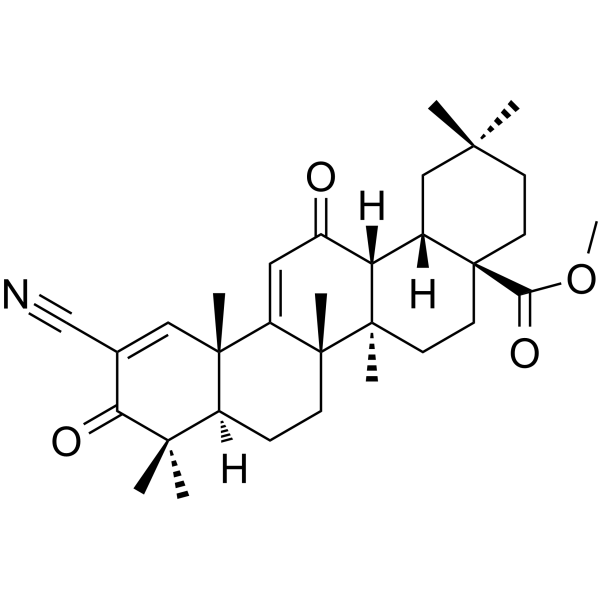
HY-13324
Bardoxolone methylNrf2 Activator -
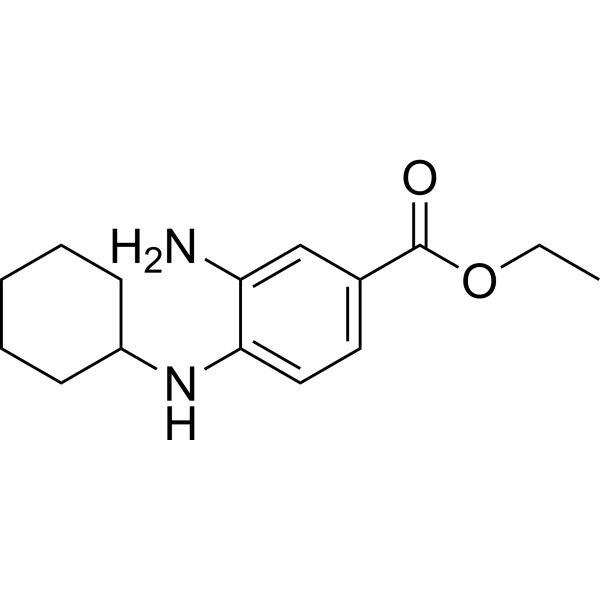
HY-100579
Ferrostatin-1Ferroptosis Inhibitor -
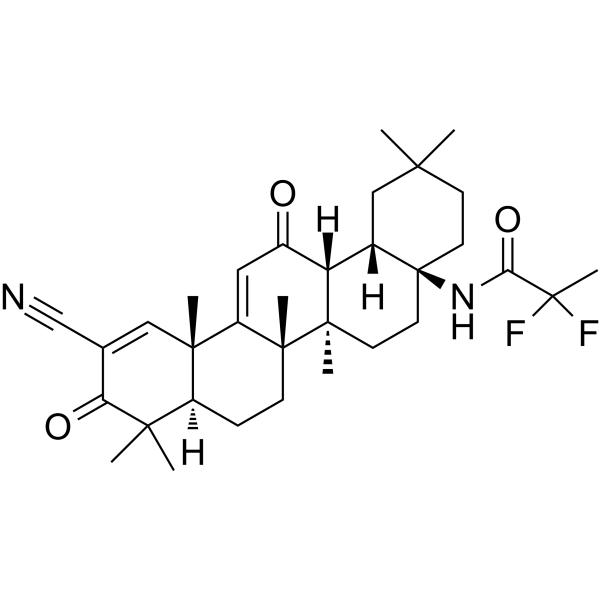
HY-12212
OmaveloxoloneNrf2 Activator -
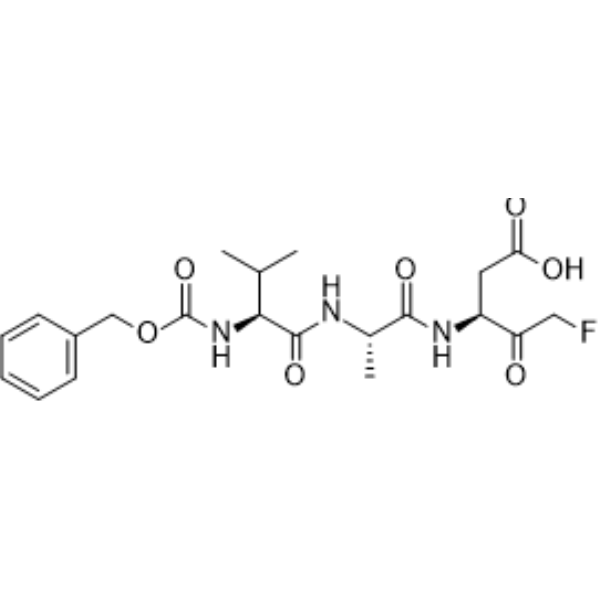
HY-16658B
Z-VAD-FMKPan-Caspase Inhibitor -
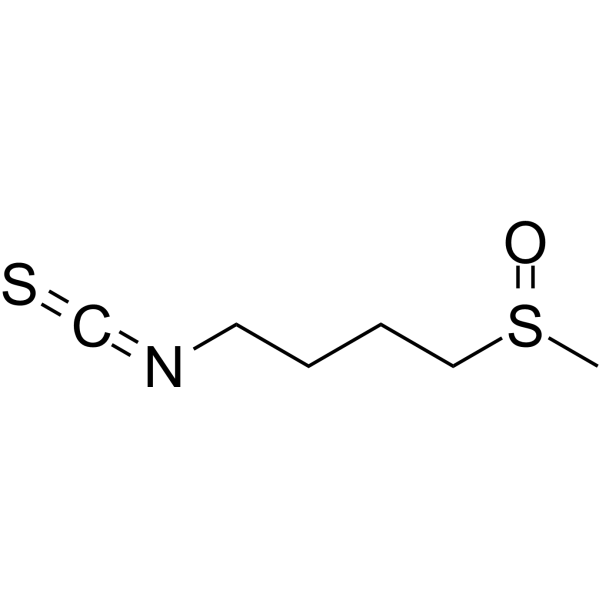
HY-13755
SulforaphaneKeap1/Nrf2/ARE Inducer -
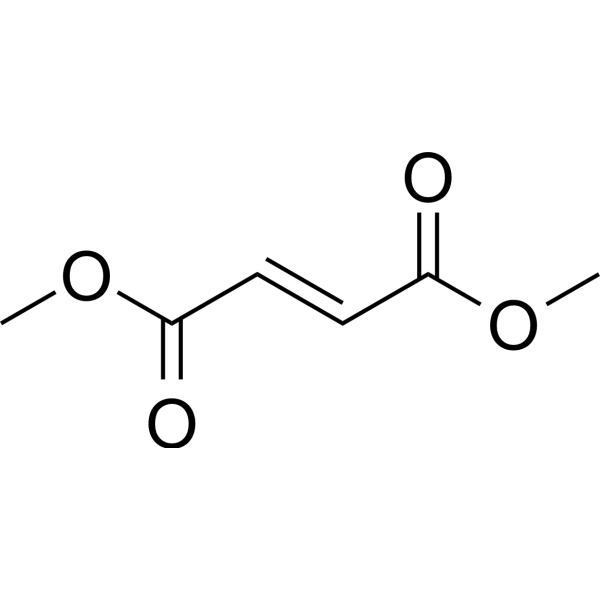
HY-17363
Dimethyl fumarateNrf2 Activator -
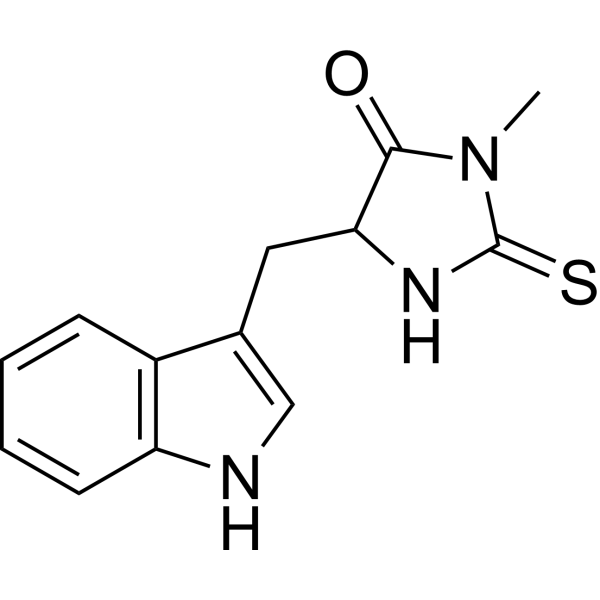
HY-15760
Necrostatin-1RIPK1 Inhibitor -
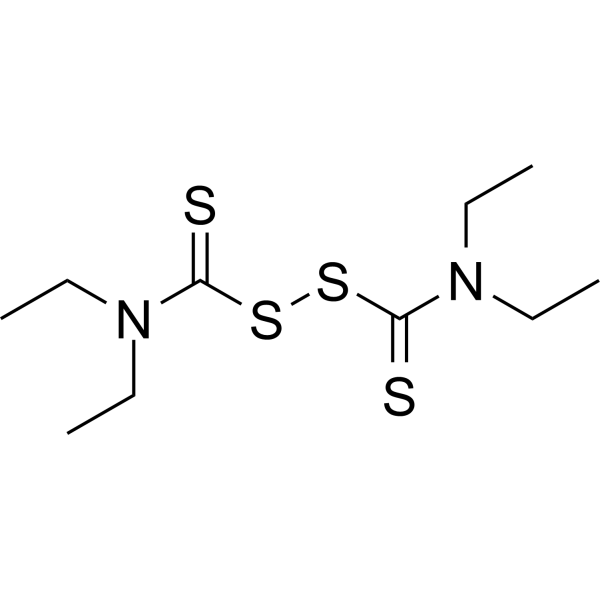
HY-B0240
DisulfiramALDH1 Inhibitor -
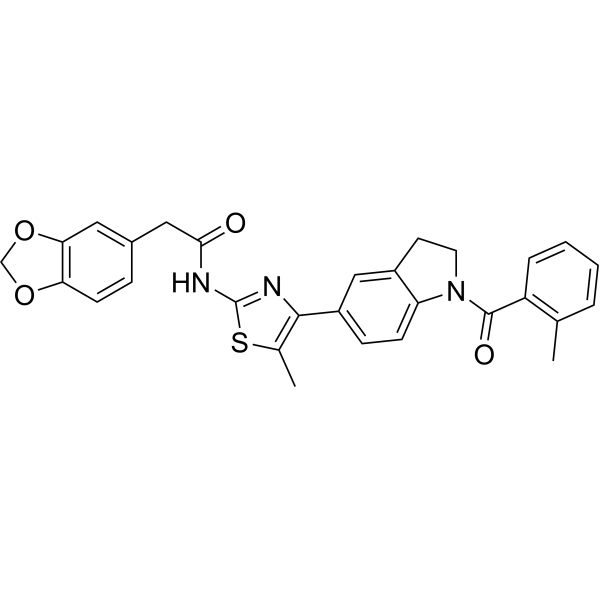
HY-100523
ML385Nrf2 Inhibitor -
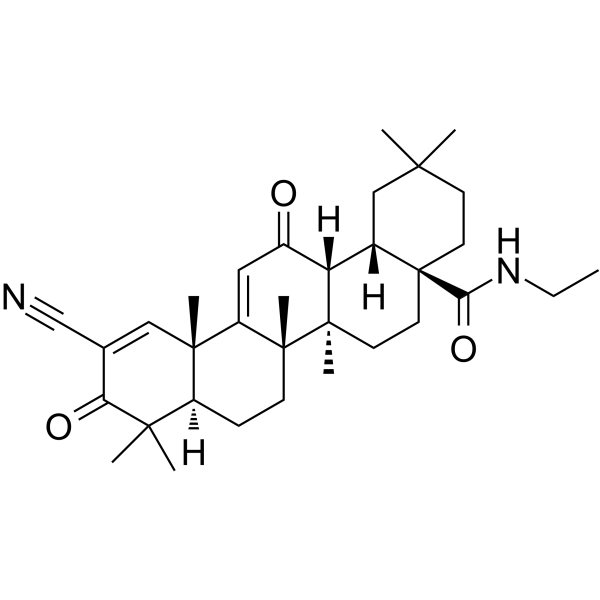
HY-12213
CDDO-EAKeap1-Nrf2 Activator -
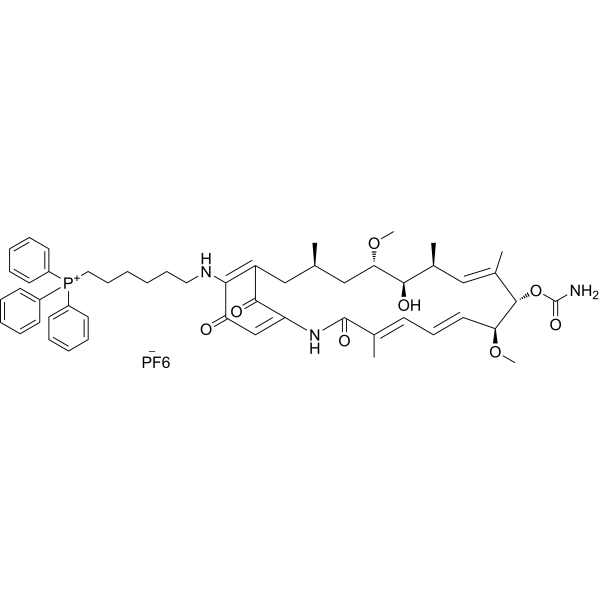
HY-102007A
Gamitrinib TPP hexafluorophosphateHSP90 Inhibitor -
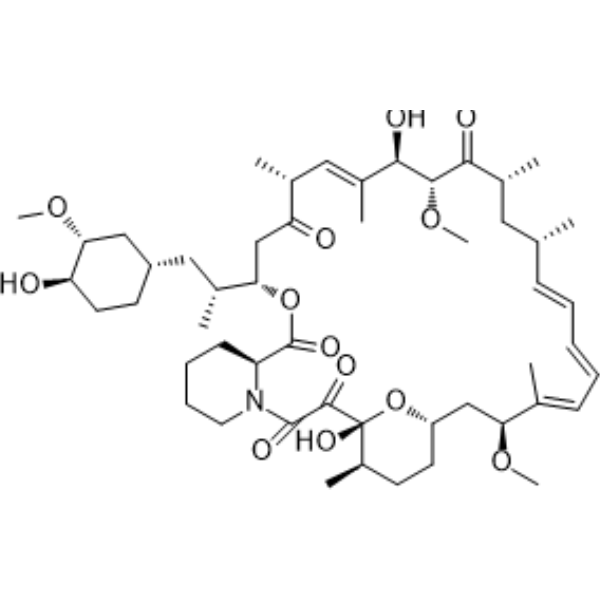
HY-10219
RapamycinmTOR Inhibitor
Publications Citing Use of MedChemExpress (MCE) Bardoxolone
More- Nature. 2020 Mar;579(7799):433-437. [Abstract]
- Cell Mol Immunol. 2022 Aug;19(8):872-882. [Abstract]
- Nat Cell Biol. 2026 May 27. [Abstract]
- Chem Eng J. 2025 Aug 1.
- Phytomedicine. 2025 Mar:138:156389. [Abstract]
- Acta Pharmacol Sin. 2025 Jun;46(6):1733-1741. [Abstract]
- Proc Natl Acad Sci U S A. 2019 Feb 19;116(8):2996-3005. [Abstract]
- Free Radic Biol Med. 2025 Sep 10:S0891-5849(25)00971-2. [Abstract]
- J Invest Dermatol. 2022 Jan;142(1):189-200.e8. [Abstract]
- Commun Biol. 2025 Nov 19;8(1):1610. [Abstract]
- Int J Mol Sci. 2025 Dec 27;27(1):300. [Abstract]
- Am J Physiol Cell Physiol. 2026 Jun 1;330(6):C1721-C1736. [Abstract]
- Molecules. 2022 Sep 24;27(19):6311. [Abstract]
- Sci Rep. 2020 Apr 14;10(1):6427. [Abstract]
- iScience. 2024 May 22;27(6):110075. [Abstract]
- J Pharmacol Exp Ther. 2020 Apr;373(1):149-159. [Abstract]
- Toxins. 2022 May 25;14(6):367. [Abstract]
- Adv Redox Res. 2026 Mar:18:100158. [Abstract]
- Viruses. 2023 Feb 28;15(3):655. [Abstract]
- J Cancer Res Clin Oncol. 2019 Apr;145(4):861-872. [Abstract]
- J Toxicol. 2026 Feb 13:2026:5808911. [Abstract]
- Biochem Biophys Res Commun. 2019 Aug 13;516(1):270-277. [Abstract]
- Biomed Pharmacother. 2023 Nov:167:115618. [Abstract]
- Research Square Preprint. 2023 Oct 12.
- Evid Based Complement Alternat Med. 2020 Aug 15:2020:5172765. [Abstract]
 Customer Validation & Images

-
Cell Imaging/Staining
-
RT-PCR
-
WB
-
Flow Cytometry
-
Cell Proliferation/Viability Assay


Biological Activity
제품 설명
IC50 & Target
Nrf-2[1]
Cellular Effect
|
Cell Line

|
Type | Value | Description | References |
|---|---|---|---|---|
| HT-29 | EC50 |
1.3 μM
Compound: 7; CDDO
|
Anti-necroptotic activity in human HT-29 cells assessed as inhibition of TNFalpha/SM-164/Z-VAD-fmk (TSZ)-induced necroptosis by measuring increase in cell viability measured after 12 hrs by celltiter-glo luminescent cell viability assay
Anti-necroptotic activity in human HT-29 cells assessed as inhibition of TNFalpha/SM-164/Z-VAD-fmk (TSZ)-induced necroptosis by measuring increase in cell viability measured after 12 hrs by celltiter-glo luminescent cell viability assay
|
[PMID: 33248849] |
| L929 | EC50 |
>10 μM
Compound: 7; CDDO
|
Anti-necroptotic activity in mouse L929 cells assessed as inhibition of TNFalpha/Z-VAD-fmk (TZ)-induced necroptosis by measuring increase in cell viability measured after 12 hrs by celltiter-glo luminescent cell viability assay
Anti-necroptotic activity in mouse L929 cells assessed as inhibition of TNFalpha/Z-VAD-fmk (TZ)-induced necroptosis by measuring increase in cell viability measured after 12 hrs by celltiter-glo luminescent cell viability assay
|
[PMID: 33248849] |
| Macrophage | IC50 |
0.0004 μM
Compound: 4, CDDO
|
Antiinflammatory activity in mouse macrophages assessed as inhibition of IFN-gamma-induced nitric oxide production after 48 hrs by Griess method
Antiinflammatory activity in mouse macrophages assessed as inhibition of IFN-gamma-induced nitric oxide production after 48 hrs by Griess method
|
[PMID: 23837912] |
| Macrophage | IC50 |
0.4 nM
Compound: 4, CDDO
|
Antiinflammatory activity in mouse macrophages assessed as inhibition of IFN-gamma-induced nitric oxide production after 48 hrs by Griess method
Antiinflammatory activity in mouse macrophages assessed as inhibition of IFN-gamma-induced nitric oxide production after 48 hrs by Griess method
|
[PMID: 23837912] |
| MCF7 | IC50 |
0.16 μM
Compound: CDDO (1)
|
Inhibitory concentration against proliferation of MCF-7 (ER Positive) breast cancer cells
Inhibitory concentration against proliferation of MCF-7 (ER Positive) breast cancer cells
|
[PMID: 15369396] |
| MCF7 | EC50 |
0.16 μM
Compound: CDDO
|
Cytotoxicity against human MCF7 cells assessed as inhibition of cell proliferation after 3 days by radioactive thymidine incorporation assay
Cytotoxicity against human MCF7 cells assessed as inhibition of cell proliferation after 3 days by radioactive thymidine incorporation assay
|
[PMID: 26177446] |
| RAW | IC50 |
0.02 μM
Compound: CDDO
|
Inhibition of nitric oxide production in IFN-gamma stimulated RAW 264.7 cells
Inhibition of nitric oxide production in IFN-gamma stimulated RAW 264.7 cells
|
[PMID: 16996735] |
| RAW | IC50 |
20 nM
Compound: CDDO
|
Inhibition of interferon gamma-stimulated NO production in RAW 264.7 cells after 24 hrs
Inhibition of interferon gamma-stimulated NO production in RAW 264.7 cells after 24 hrs
|
[PMID: 17367124] |
| RAW264.7 | IC50 |
28.3 nM
Compound: CDDO
|
Antiinflammatory activity against IFN-gamma-stimulated mouse RAW264.7 cells assessed as nitrite accumulation after 24 hrs by Griess reagent method
Antiinflammatory activity against IFN-gamma-stimulated mouse RAW264.7 cells assessed as nitrite accumulation after 24 hrs by Griess reagent method
|
[PMID: 20188548] |
| RAW264.7 | IC50 |
17 nM
Compound: CDDO
|
Antiinflammatory activity in mouse RAW264.7 cells assessed as inhibition of IFN-gamma induced NO production after 24 hrs by Griess reaction
Antiinflammatory activity in mouse RAW264.7 cells assessed as inhibition of IFN-gamma induced NO production after 24 hrs by Griess reaction
|
[PMID: 21361338] |
| RAW264.7 | IC50 |
11 nM
Compound: CDDO, Bardoxolone
|
Inhibition of NO production in INFgamma-stimulated mouse RAW264.7 cells measured after 24 hrs by Griess reaction method
Inhibition of NO production in INFgamma-stimulated mouse RAW264.7 cells measured after 24 hrs by Griess reaction method
|
[PMID: 21441026] |
| RAW264.7 | IC50 |
16.5 nM
Compound: CDDO
|
Antiinflammatory activity in mouse RAW264.7 cells assessed as inhibition of IFNgamma-stimulated NO production pretreated for 2 hrs before IFNgamma challenge measured after 24 hrs by Griess reaction
Antiinflammatory activity in mouse RAW264.7 cells assessed as inhibition of IFNgamma-stimulated NO production pretreated for 2 hrs before IFNgamma challenge measured after 24 hrs by Griess reaction
|
[PMID: 22533790] |
| RAW264.7 | IC50 |
23 nM
Compound: CDDO
|
Inhibition of iNOS in LPS-stimulated mouse RAW264.7 cells assessed as inhibition of nitric oxide production after 48 hrs by Griess assay
Inhibition of iNOS in LPS-stimulated mouse RAW264.7 cells assessed as inhibition of nitric oxide production after 48 hrs by Griess assay
|
[PMID: 25965897] |
In Vitro
Bardoxolone (30 min) reversibly covalently inhibits SARS-CoV-2 3CLpro with an IC50 of 27.99 ± 2.34 μM and a dissociation constant of 25.90 μM[1].
Bardoxolone (48 h) inhibits SARS-CoV-2 replication in Vero and Calu-3 cells with EC50 values of 0.43 and 0.42 μM and selective index of 56.6 and 28.2[1].
Bardoxolone (10-100 nM) induces adipocyte differentiation in 3T3-L1 preadipocytes[2].
Bardoxolone induces differentiation in acute promyelocytic leukemia cell lines (HL-60, NB4, MR2) and primary AML blasts via PPAR-γ-dependent mechanisms, including enhancement of ATRA-induced effects[2].
Bardoxolone induces differentiation in osteosarcoma cells via a PPAR-γ-independent mechanism mediated by caspase-8 activity[2].
Bardoxolone (1-10 μM) exerts antiproliferative and proapoptotic effects in lymphoma and colon cancer cells via inhibition of Lonp1 activity[2].
Bardoxolone (1-10 μM) induces apoptosis in glioblastoma (U87MG, U251MG) and neuroblastoma (SK-N-MC) cell lines[2].
Bardoxolone (1-10 μM) induces intrinsic pathway apoptosis in U-937 leukemia cells with increased ROS and decreased intracellular GSH[2].
Bardoxolone (0.08-10 μM; pre-incubation + 12-16 h) inhibits Z-VAD-FMK (HY-16658B)-induced necroptosis in HT-29 cells with an EC50 of 1.30 ± 0.38 μM[3].
MedChemExpress (MCE) has not independently confirmed the accuracy of these methods. They are for reference only.
- Research Protocol for Infectious Diseases
- Detection of Apoptosis
- TUNEL staining for apoptotic DNA fragmentation
- Annexin V plus membrane-impermeant dye apoptosis staining
- ROS/oxidative-stress fluorescent staining
- Apoptosis Solutions
- Research Protocol for Inflammation-related Diseases
- Cell Viability Determination by MTT Colorimetric Assay
Parmacokinetics
| Species | Dose | Route | CL | CLunbound | Vss | T1/2 | F | AUC0-24 |
|---|---|---|---|---|---|---|---|---|
| Mice[1] | 0.1 mg/kg | i.v. | 0.86 L/h/kg | 3.1 L/h/kg | 2.4 L/kg | 1.9 h | / | / |
| Mice[1] | 5 mg/kg | p.o. | / | / | / | 3.0 h | 68 % | / |
| Rat[1] | 0.1 mg/kg | i.v. | 0.72 L/h/kg | / | 1.4 L/kg | 1.3 h | / | / |
| Rat[1] | 5 mg/kg | p.o. | / | / | / | 4.6 h | 87 % | / |
| Dog[1] | 0.5 mg/kg | i.v. | 0.22 L/h/kg | 0.59 L/h/kg | 1.27 L/kg | 4.0 h | / | / |
| Dog[1] | 5 mg/kg | p.o. | / | / | / | 3.7 h | 46 % | / |
| Mice[1] | 0.03 mg/kg | p.o. | / | / | / | / | / | 6.94 ng·h/mL |
Clinical Trial
| NCT Number | Sponsor | Condition | Start Date |
Phase
|
|---|---|---|---|---|
| NCT01329991 | Plexxikon| | 2011-05 | PHASE1 |


Chemical Information
-
CAS No. 218600-44-3
-
Appearance Solid
-
분자량 491.66
-
화학식 C31H41NO4
-
Color White to off-white
-
SMILES
CC1(C)CC[C@@]2(C(O)=O)[C@@]([C@](C(C=C3[C@@]4(C)CC[C@]5([H])[C@]3(C)C=C(C#N)C(C5(C)C)=O)=O)([H])[C@@]4(C)CC2)([H])C1
-
Synonyms
CDDO; RTA 401
-
선적
Room temperature in continental US; may vary elsewhere.
-
보관
Powder -20°C 3 years 4°C 2 years In solvent -80°C 1 year -20°C 6 months


Publications (25)
-
Journal Impact Factor
-
Most Recent
-
Nature
2020 Mar;579(7799):433-437. PMID: 32132706
Bardoxolone purchased from MedChemExpress. Usage Cited in: Nature. 2020 Mar;579(7799):433-437. [Abstract]
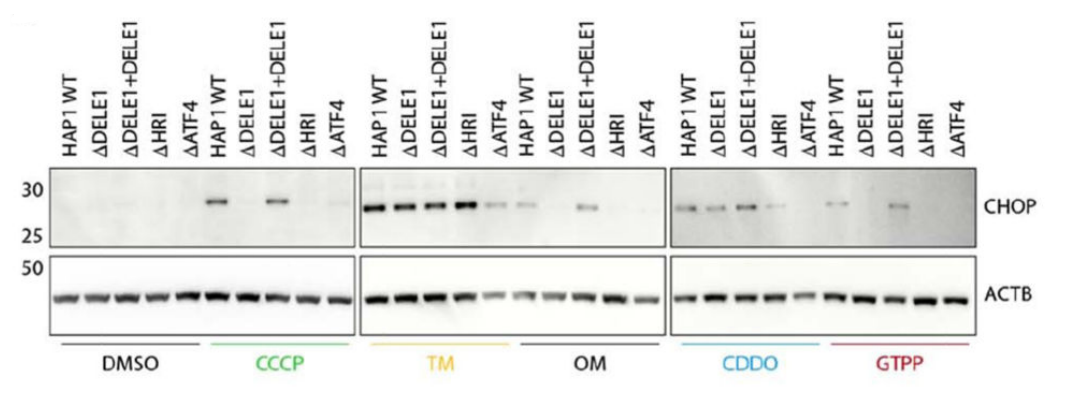
Clonal HAP1 knockout and stably reconstituted cells were treated as indicated (CCCP, 20 μM, 9 h; Tunicamycin, HY-A0098, 10 μM, 9 h; Oligomycin (OM), 9 h; CDDO, Bardoxolone, HY-14909, 2.5 μM, 11 h; GTPP, HY-102007A, 10 μM, 11 h) and analysed by immunoblotting.
Bardoxolone purchased from MedChemExpress. Usage Cited in: Nature. 2020 Mar;579(7799):433-437. [Abstract]
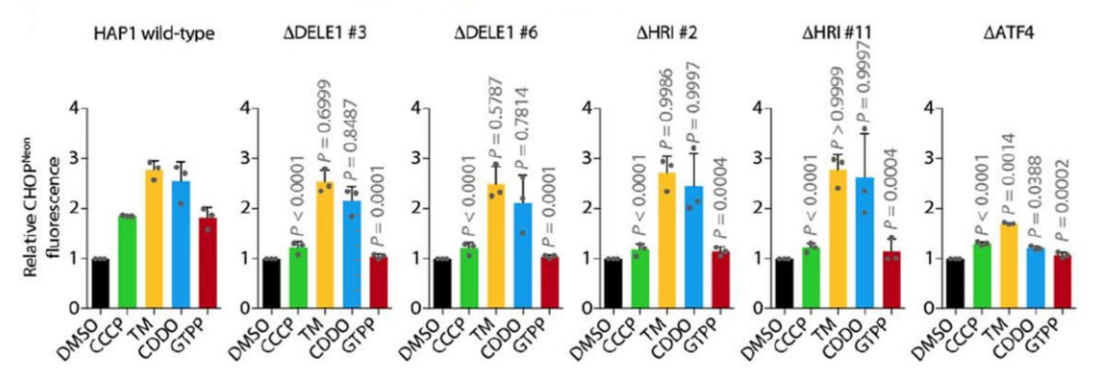
HAP1 CHOPNeon cells of the indicated genotypes were treated for 9 h (CCCP, 20 μM; Tunicamycin, HY-A0098, 10 μM; CDDO, Bardoxolone, HY-14909, 2.5 μM) or 12 h (GTPP, HY-102007A, 10 μM) and analysed by flow cytometry. Per genotype and treatment, the CHOPNeonsignal was normalized to its DMSO control and statistical significance is indicated compared to identically treated wild-type cells (mean ± s.d. of n = 3 independent experiments; one-way ANOVA with Dunnett’s multiple comparisons correction).
-
Cell Mol Immunol
2022 Aug;19(8):872-882. PMID: 35732914
Bardoxolone purchased from MedChemExpress. Usage Cited in: Cell Mol Immunol. 2022 Aug;19(8):872-882. [Abstract]
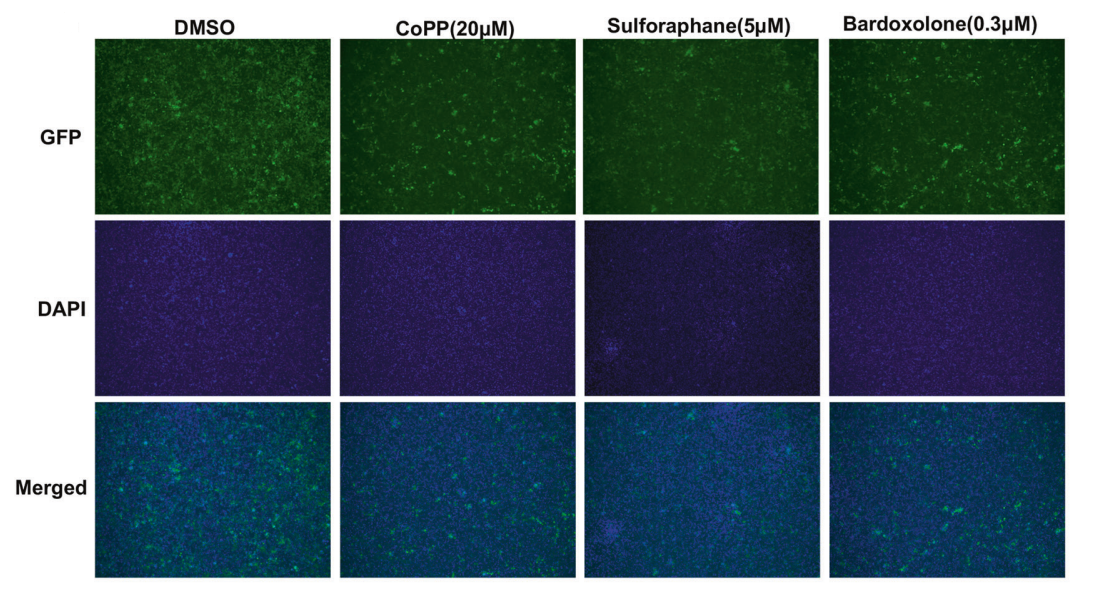
NRF2/HMOX1 agonists inhibit SARS-CoV-2 replication. Fluorescence microscopy images of SARS-CoV-2 replication in NRF2/HMOX1 agonist-treated Vero-E6 cells. Vero-E6 cells were incubated with SARS-CoV-2 at an MOI of 0.01 for 1 h, and then treated with different NRF2/HMOX1 agonists, namely, Cobalt protoporphyrin (CoPP), Sulforaphane, or Bardoxolone for 24 h.
Bardoxolone purchased from MedChemExpress. Usage Cited in: Cell Mol Immunol. 2022 Aug;19(8):872-882. [Abstract]
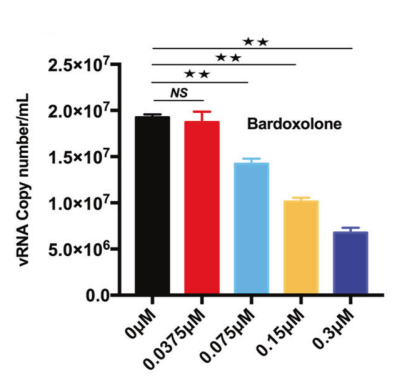
NRF2/HMOX1 agonists inhibit SARS-CoV-2 replication. Vero-E6 cells were incubated with SARS-CoV-2 at an MOI of 0.01 for 1 h, and then treated with different NRF2/HMOX1 agonists Bardoxolone (0.3 μM) for 24 h. The viral RNA copy number in the cell culture medium was determined by real-time PCR assay. The results are expressed as the mean ± SD (error bar) of 3 independent experiments; asterisks represent statistical significance based on two-tailed unpaired Student’s t test (*P < 0.05, **P < 0.01)
-
Nat Cell Biol
2026 May 27. PMID: 42203926 -
-
Phytomedicine
Oxymatrine alleviates ALD-induced cardiac hypertrophy by regulating autophagy via activation Nrf2/SIRT3 signaling pathway. [Abstract]2025 Mar:138:156389. PMID: 39827815 -
Acta Pharmacol Sin
Bardoxolone displays potent activity against triple negative breast cancer by inhibiting the TRIP13/STAT3 circuit. [Abstract]2025 Jun;46(6):1733-1741. PMID: 39939802 -
Proc Natl Acad Sci U S A
2019 Feb 19;116(8):2996-3005. PMID: 30718432
Bardoxolone purchased from MedChemExpress. Usage Cited in: Proc Natl Acad Sci U S A. 2019 Feb 19;116(8):2996-3005. [Abstract]
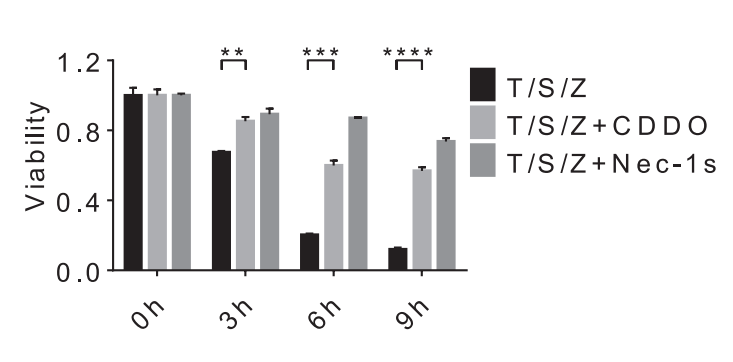
Triterpenoid CDDO inhibits both necroptosis and ferroptosis. HT-22 cells were pretreated with or without 10 μM CDDO (Bardoxolone) or 10 μM Nec-1s for 30 min and then treated with 20 ng/mL TNF-α (T), 20 nM SM-164 (S), and 20 μM zVAD.fmk (Z) for 3, 6, or 9 h. Cell viability was measured by CellTiterGlo assay.
Bardoxolone purchased from MedChemExpress. Usage Cited in: Proc Natl Acad Sci U S A. 2019 Feb 19;116(8):2996-3005. [Abstract]
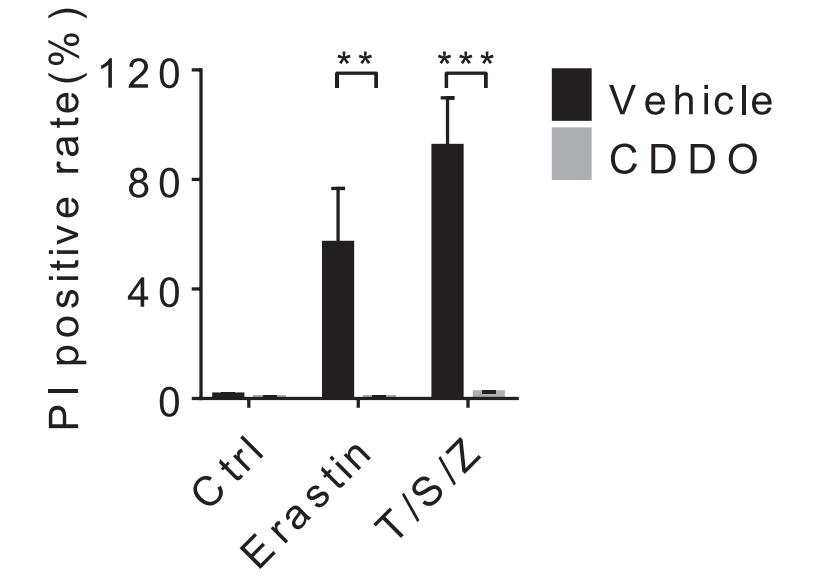
HT-22 cells were pretreated with 10 μM CDDO (Bardoxolone) and then treated with erastin (10 μM) for 8 h or T/S/Z for 4 h. Cell death was measured by PI uptake assay. Results shown are averages of triplicates ± SEM. **P < 0.01; ***P < 0.001; ****P < 0.0001.
Bardoxolone purchased from MedChemExpress. Usage Cited in: Proc Natl Acad Sci U S A. 2019 Feb 19;116(8):2996-3005. [Abstract]
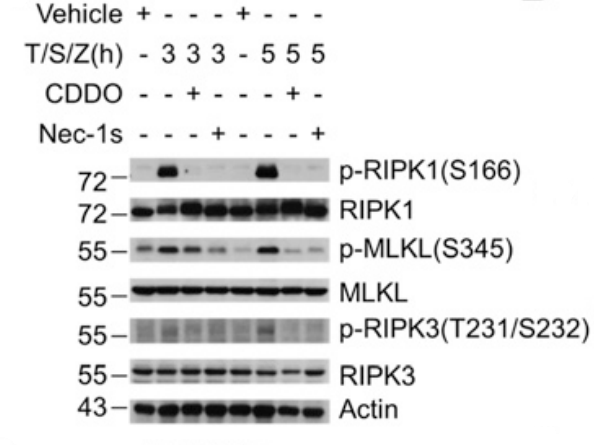
HT-22 cells were pretreated with or without 10 μM CDDO (Bardoxolone) or 10 μM Nec-1s for 30 min and then treated with 20 ng/mL human TNF-α (T), 20 nM SM-164 (S), and 50 μM zVAD.fmk (Z) for the indicated periods of time. The cell lysates were analyzed by Western blotting using the indicated antibodies.
Bardoxolone purchased from MedChemExpress. Usage Cited in: Proc Natl Acad Sci U S A. 2019 Feb 19;116(8):2996-3005. [Abstract]
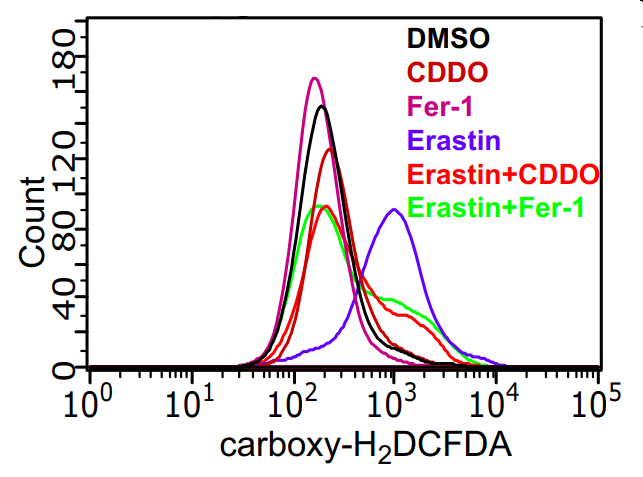
CDDO (Bardoxolone) inhibits ferroptosis by blocking GPX4 degradation. HT-22 cells were treated with the indicated stimuli for 6 h, followed by ROS measurement using the fluorescent probe carboxy-H2DCFDA.
Bardoxolone purchased from MedChemExpress. Usage Cited in: Proc Natl Acad Sci U S A. 2019 Feb 19;116(8):2996-3005. [Abstract]
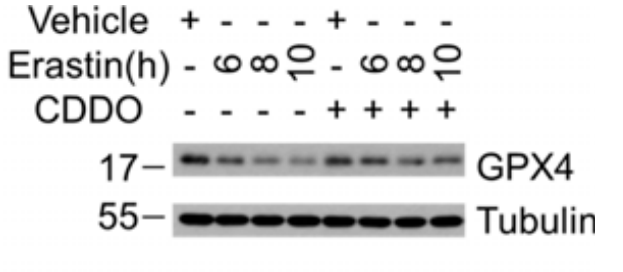
HT-22 cells were treated with the indicated stimuli (10 μM CDDO (Bardoxolone), 10 μM Erastin) for the indicated periods of time. The cell lysates were analyzed by Western blotting using the indicated antibodies.
Bardoxolone purchased from MedChemExpress. Usage Cited in: Proc Natl Acad Sci U S A. 2019 Feb 19;116(8):2996-3005. [Abstract]
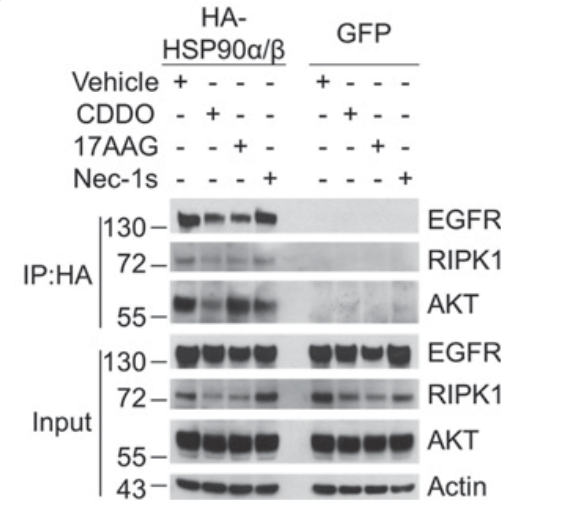
HT-29-HA-HSP90-α/β cells were treated with the indicated stimuli (10 μM CDDO (Bardoxolone), 1 μM 17AAG, 10 μM Nec-1s) for 12 h. The cell lysates were analyzed by immunoprecipitation using anti-HA and analyzed by Western blot using the indicated antibodies. Results shown are averages of triplicates ± SEM. *P < 0.05; **P < 0.01; ***P < 0.001; ****P < 0.0001.
Bardoxolone purchased from MedChemExpress. Usage Cited in: Proc Natl Acad Sci U S A. 2019 Feb 19;116(8):2996-3005. [Abstract]
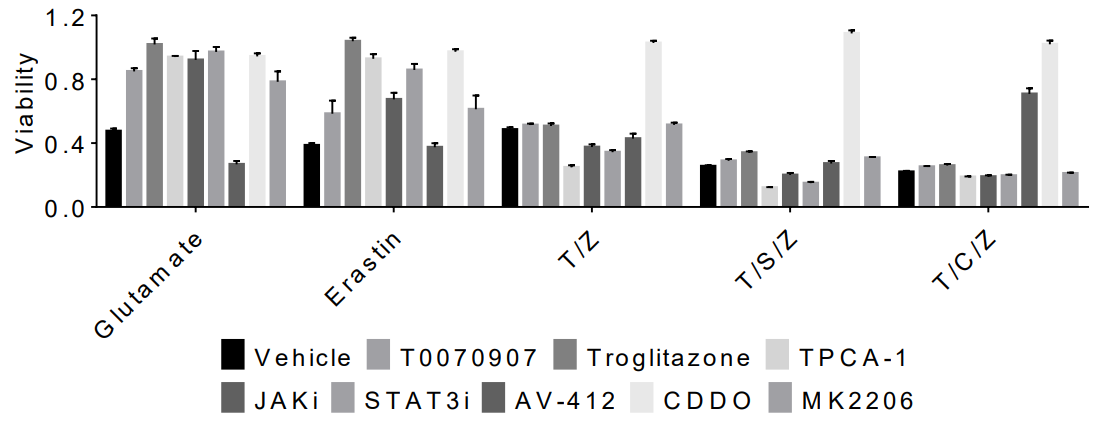
HT22 cells were pretreated with the indicated inhibitors (CDDO (Bardoxolone, HY-14909); T0070907 (HY-13202); Troglitazone (HY-50935 ); TPCA-1 (HY-10074); JAKi; STAT3i; AV-412 (HY-10346); and MK2206 (HY-10358)) and then treated with T/Z, T/S/Z, T/C/Z for 9 h or Glutamate, Erastin (T: 20 ng/ml; Z: 50 μM; S: 20 nM; C: 1 μg/ml; Glutamate: 50 mM; Erastin 10 μM) for 12 h. Cell viability was measured by CellTiterGlo assay.
-
Free Radic Biol Med
Cigarette smoke disrupts osteogenic-adipogenic balance via Nrf2/HERC2 axis-driven ferroptosis. [Abstract]2025 Sep 10:S0891-5849(25)00971-2. PMID: 40939850 -
J Invest Dermatol
CAMKK2 Defines Ferroptosis Sensitivity of Melanoma Cells by Regulating AMPK‒NRF2 Pathway. [Abstract]2022 Jan;142(1):189-200.e8. PMID: 34242660 -
Commun Biol
Druggable genome CRISPR screening identifies the KEAP1/NRF2 axis as a mediator of PD-L1 expression. [Abstract]2025 Nov 19;8(1):1610. PMID: 41261174 -
Int J Mol Sci
Triterpenoids CDDO and CDDO-EA Inhibit the Replication of Hepatitis B Virus by Modulating Nucleocapsid Assembly. [Abstract]2025 Dec 27;27(1):300. PMID: 41516181 -
Am J Physiol Cell Physiol
Divergent mitochondrial stressors elicit specific retrograde signaling pathways in muscle myotubes. [Abstract]2026 Jun 1;330(6):C1721-C1736. PMID: 42126081 -
Molecules
Gastrodin Ameliorates Cognitive Dysfunction in Vascular Dementia Rats by Suppressing Ferroptosis via the Regulation of the Nrf2/Keap1-GPx4 Signaling Pathway. [Abstract]2022 Sep 24;27(19):6311. PMID: 36234847 -
Sci Rep
Cyclovirobuxine D protects against diabetic cardiomyopathy by activating Nrf2-mediated antioxidant responses. [Abstract]2020 Apr 14;10(1):6427. PMID: 32286474 -
iScience
Bradykinin induces acute kidney injury after hypothermic circulatory arrest through the repression of the Nrf2-xCT pathway. [Abstract]2024 May 22;27(6):110075. PMID: 38868208 -
J Pharmacol Exp Ther
2020 Apr;373(1):149-159. PMID: 32015160 -
Toxins
Role of Nrf2 Nucleus Translocation in Beauvericin-Induced Cell Damage in Rat Hepatocytes. [Abstract]2022 May 25;14(6):367. PMID: 35737028 -
Adv Redox Res
Inhibition of smooth muscle phenotypic modulation by bardoxolone methyl, omaveloxolone, and cinnamaldehyde is Nrf-2 dependent. [Abstract]2026 Mar:18:100158. PMID: 41891110 -
Viruses
Inhibitors of the Ubiquitin-Mediated Signaling Pathway Exhibit Broad-Spectrum Antiviral Activities against New World Alphaviruses. [Abstract]2023 Feb 28;15(3):655. PMID: 36992362 -
J Cancer Res Clin Oncol
GLRX inhibition enhances the effects of geftinib in EGFR-TKI-resistant NSCLC cells through FoxM1 signaling pathway. [Abstract]2019 Apr;145(4):861-872. PMID: 30661098 -
J Toxicol
Empagliflozin Alleviates Arsenic Trioxide-Induced Nephrotoxicity by Activating the SIRT1/Akt/Nrf2 Pathway. [Abstract]2026 Feb 13:2026:5808911. PMID: 41695613 -
Biochem Biophys Res Commun
Bardoxolone treatment alleviates lipopolysaccharide (LPS)-induced acute lung injury through suppressing inflammation and oxidative stress regulated by Nrf2 signaling. [Abstract]2019 Aug 13;516(1):270-277. PMID: 31248593 -
Biomed Pharmacother
Cyclovirobuxine D alleviates aldosterone-induced myocardial hypertrophy by protecting mitochondrial function depending on the mutual regulation of Nrf2-SIRT3. [Abstract]2023 Nov:167:115618. PMID: 37793277 -
-
Evid Based Complement Alternat Med
Protective Effect of Simplicillium sp. Ethyl Acetate Extract against High Glucose-Induced Oxidative Stress in HUVECs. [Abstract]2020 Aug 15:2020:5172765. PMID: 32879632


용액&용해도
In Vitro:
DMSO : 100 mg/mL (203.39 mM; Need ultrasonic; Hygroscopic DMSO has a significant impact on the solubility of product, please use newly opened DMSO)
Please refer to the solubility information to select the appropriate solvent. Once prepared, please aliquot and store the solution to prevent product inactivation from repeated freeze-thaw cycles.
Storage method and period of stock solution: -80°C, 1 year; -20°C, 6 months. When stored at -80°C, please use it within 1 year. When stored at -20°C, please use it within 6 months.
Please refer to the solubility information to select the appropriate solvent. Once prepared, please aliquot and store the solution to prevent product inactivation from repeated freeze-thaw cycles.
Storage method and period of stock solution: -80°C, 1 year; -20°C, 6 months. When stored at -80°C, please use it within 1 year. When stored at -20°C, please use it within 6 months.
Concentration (start) × Volume (start) = Concentration (final) × Volume (final)
In Vivo:
Select the appropriate dissolution method based on your experimental animal and administration route.
- For the following dissolution methods, please ensure to first prepare a clear stock solution using an In Vitro approach and then sequentially add co-solvents:
- To ensure reliable experimental results, the clarified stock solution can be appropriately stored based on storage conditions. As for the working solution for In Vivo experiments, it is recommended to prepare freshly and use it on the same day.
- The percentages shown for the solvents indicate their volumetric ratio in the final prepared solution. If precipitation or phase separation occurs during preparation, heat and/or sonication can be used to aid dissolution.
Add each solvent one by one: 10% DMSO 40% PEG300 5% Tween-80 45% Saline
Solubility: ≥ 2.5 mg/mL (5.08 mM); Clear solution
This protocol yields a clear solution of ≥ 2.5 mg/mL (saturation unknown).
Taking 1 mL working solution as an example, add 100 μL DMSO stock solution (25.0 mg/mL) to 400 μL PEG300, and mix evenly; then add 50 μL Tween-80 and mix evenly; then add 450 μL Saline to adjust the volume to 1 mL.
Preparation of Saline: Dissolve 0.9 g sodium chloride in ddH₂O and dilute to 100 mL to obtain a clear Saline solution.
In Vivo Dissolution Calculator
Please enter the basic information of animal experiments:
-
-
-
-
Recommended: Prepare an additional quantity of animals to account for potential losses during experiments.
Please enter your animal formula composition:
-
%DMSO +
Recommended: Keep the proportion of DMSO in working solution below 2% if your animal is weak.
-
%+
-
+%Tween-80 + +
-
%Saline +
The co-solvents required include: DMSO, . All of co-solvents are available by MedChemExpress (MCE). , Tween 80. All of co-solvents are available by MedChemExpress (MCE).
Working solution concentration: 0.22 mg/mL
Method for preparing stock solution: mg drug dissolved in μL DMSO. Stock solution concentration: mg/mL.
1. Take μL DMSO stock solution;
2. Add μL .
μL , mix evenly;
3. Then add μL Tween 80, mix evenly;
4. Then add μL
Please ensure that the stock solution in the first step is dissolved to a clear state, and add co-solvents in sequence. You can use ultrasonic heating (ultrasonic cleaner, recommended frequency 20-40 kHz), vortexing, etc. to assist dissolution.


순도&문서
-
Data Sheet (285 KB)
-
SDS (396 KB)
- English - EN (396 KB)
- Français - FR (396 KB)
- Deutsch - DE (396 KB)
- Norwegian - NO (396 KB)
- Español - ES (396 KB)
- Swedish - SV (396 KB)
- Italian - IT (396 KB)
- Korean - KR (396 KB)
- Portuguese - PT (396 KB)
-
Handling Instructions (2659 KB)
References
[1]. Sun Q, et al. Bardoxolone and bardoxolone methyl, two Nrf2 activators in clinical trials, inhibit SARS-CoV-2 replication and its 3C-like protease. Signal Transduct Target Ther. 2021 May 29;6(1):212. [Content Brief]
[2]. Borella R, et al. Synthesis and Anticancer Activity of CDDO and CDDO-Me, Two Derivatives of Natural Triterpenoids. Molecules. 2019;24(22):4097. Published 2019 Nov 13. [Content Brief]
[3]. Wang Y, et al. Discovery of bardoxolone derivatives as novel orally active necroptosis inhibitors. Eur J Med Chem. 2021;212:113030. [Content Brief]


Complete Stock Solution Preparation Table
Please refer to the solubility information to select the appropriate solvent. Once prepared, please aliquot and store the solution to prevent product inactivation from repeated freeze-thaw cycles.
Storage method and period of stock solution: -80°C, 1 year; -20°C, 6 months. When stored at -80°C, please use it within 1 year. When stored at -20°C, please use it within 6 months.
| Optional Solvent | Concentration Solvent Mass | 1 mg | 5 mg | 10 mg | 25 mg |
|---|---|---|---|---|---|
| DMSO | 1 mM | 2.0339 mL | 10.1696 mL | 20.3393 mL | 50.8481 mL |
| 5 mM | 0.4068 mL | 2.0339 mL | 4.0679 mL | 10.1696 mL | |
| 10 mM | 0.2034 mL | 1.0170 mL | 2.0339 mL | 5.0848 mL | |
| 15 mM | 0.1356 mL | 0.6780 mL | 1.3560 mL | 3.3899 mL | |
| 20 mM | 0.1017 mL | 0.5085 mL | 1.0170 mL | 2.5424 mL | |
| 25 mM | 0.0814 mL | 0.4068 mL | 0.8136 mL | 2.0339 mL | |
| 30 mM | 0.0678 mL | 0.3390 mL | 0.6780 mL | 1.6949 mL | |
| 40 mM | 0.0508 mL | 0.2542 mL | 0.5085 mL | 1.2712 mL | |
| 50 mM | 0.0407 mL | 0.2034 mL | 0.4068 mL | 1.0170 mL | |
| 60 mM | 0.0339 mL | 0.1695 mL | 0.3390 mL | 0.8475 mL | |
| 80 mM | 0.0254 mL | 0.1271 mL | 0.2542 mL | 0.6356 mL | |
| 100 mM | 0.0203 mL | 0.1017 mL | 0.2034 mL | 0.5085 mL |


Bardoxolone Related Classifications
HY-14909 Related Classifications
 Powered by Bioz