122 Results for "

Addiction

" in MedChemExpress (MCE) Product Catalog:
Products (122)

122 Results for "Addiction" in MCE Product Catalog:

6
6 Publications Verification
Cat. No.: HY-B1110
CAS No.: 24526-64-5
Synonyms: (±)-Nomifensine; Nomifensin
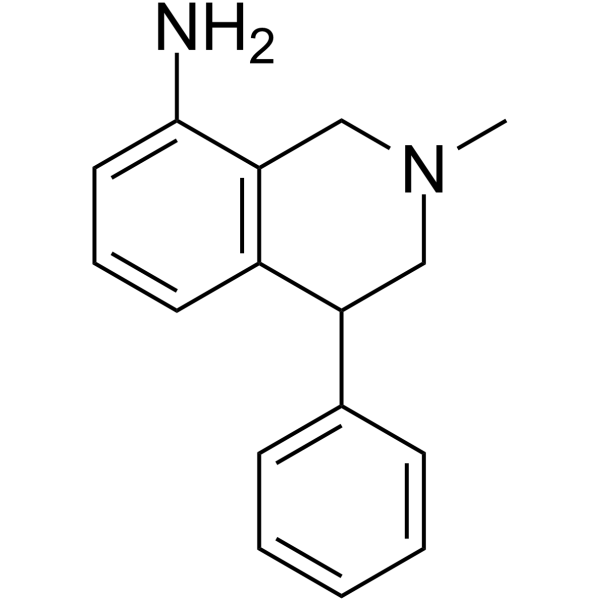
Nomifensine ((±)-Nomifensine) is a potent norepinephrine (NE) and dopamine (DA) reuptake inhibitor. Nomifensine inhibits uptake of NE, DA and 5-HT in rat brain synaptosomes, with IC50 values of 6.6 nM, 48 nM and 830 nM, and Ki values of 4.7 nM, 26 nM and 4000 nM, respectively. Nomifensine has antidepressant and analgesic effects. Nomifensine is used in neurodegenerative diseases, compound addiction, and pain research .
loading...
    loading...
6
6 Publications Verification
Cat. No.: HY-B1110A
CAS No.: 32795-47-4
Synonyms: (±)-Nomifensine maleate; Nomifensin maleate
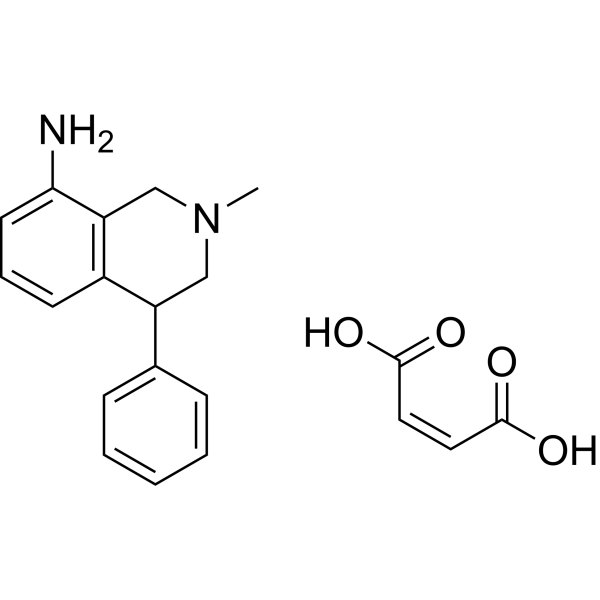
Nomifensine ((±)-Nomifensine) maleate is a potent norepinephrine (NE) and dopamine (DA) reuptake inhibitor. Nomifensine maleate inhibits uptake of NE, DA and 5-HT in rat brain synaptosomes, with IC50 values of 6.6 nM, 48 nM and 830 nM, and Ki values of 4.7 nM, 26 nM and 4000 nM, respectively. Nomifensine maleate has antidepressant and analgesic effects. Nomifensine maleate is used in neurodegenerative diseases, compound addiction, and pain research .
loading...
    loading...
2
2 Cited Publications
Cat. No.: HY-P1335
CAS No.: 103429-32-9
Target:  

Opioid Receptor

Research Areas:  

Neurological Disease

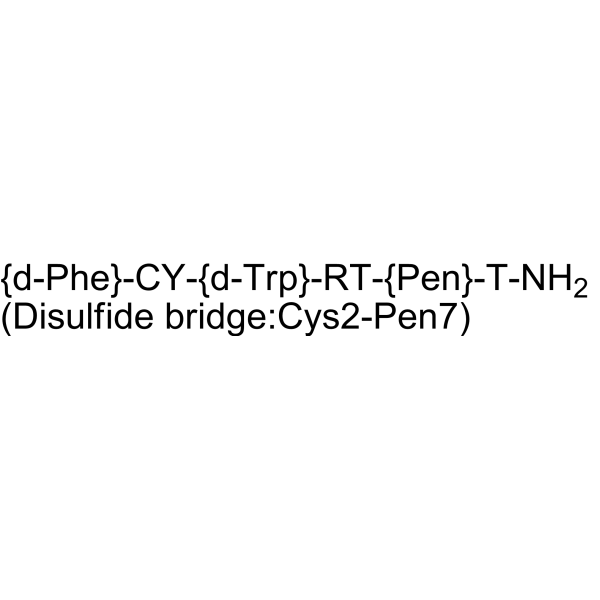
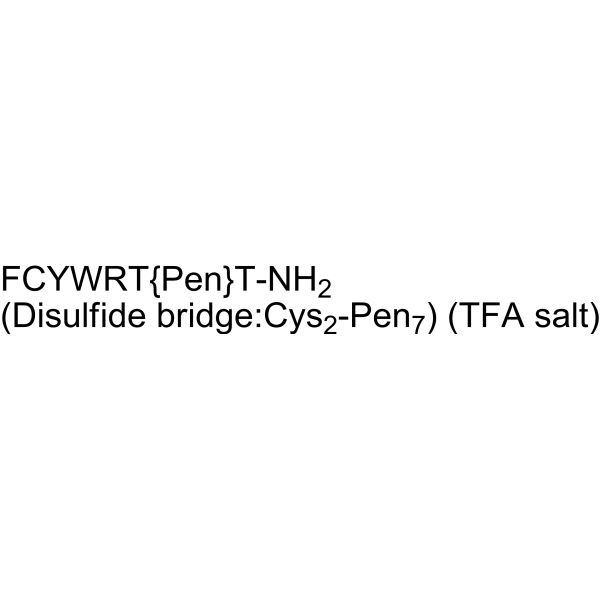
CTAP is a potent, highly selective, and BBB penetrant μ opioid receptor antagonist, with an IC50 of 3.5 nM. CTAP displays over 1200-fold selectivity over δ opioid (IC50=4500 nM) and somatostatin receptors. CTAP can be used for the study of L-DOPA-induced dyskinesia (LID) and opiate overdose or addiction .
loading...
    loading...
2
2 Cited Publications
Cat. No.: HY-P2259
CAS No.: 1404188-93-7
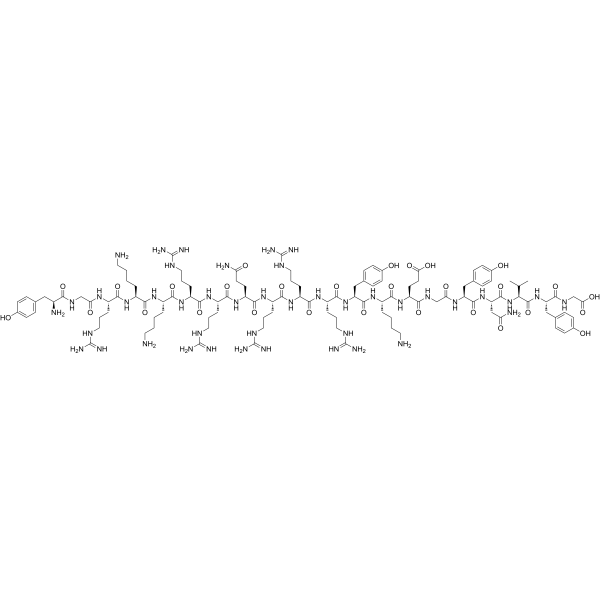
TAT-GluA2 3Y is a blood-brain barrier-permeable AMPA receptor inhibitory peptide that crosses cell membranes via the HIV-1 TAT protein domain. TAT-GluA2 3Y blocks the endocytosis of AMPA receptors, including the internalization of GluA1/GluA2 subunits, by disrupting interactions with the AP2, Brag2 and Syt3-GluA2 complexes, while also inhibiting long-term depression. TAT-GluA2 3Y blocks hypoxia-mediated AMPAR internalization, alleviates A1R-induced persistent synaptic inhibition, and reduces cerebral ischemic volume, neurological deficits and spatial memory deficits. TAT-GluA2 3Y blocks the effect of NLRP3 deficiency on fear generalization, inhibits amphetamine-induced behavioral/neurochemical sensitization, weakens the unconditioned stimulus-conditioned stimulus association of morphine, and promotes the extinction of morphine CPP. TAT-GluA2 3Y can be used in studies related to fear generalization, ischemic stroke, hypoxia, drug addiction and opioid addiction .
loading...
    loading...
2
2 Cited Publications
Cat. No.: HY-P1335A
Target:  

Opioid Receptor

Research Areas:  

Neurological Disease

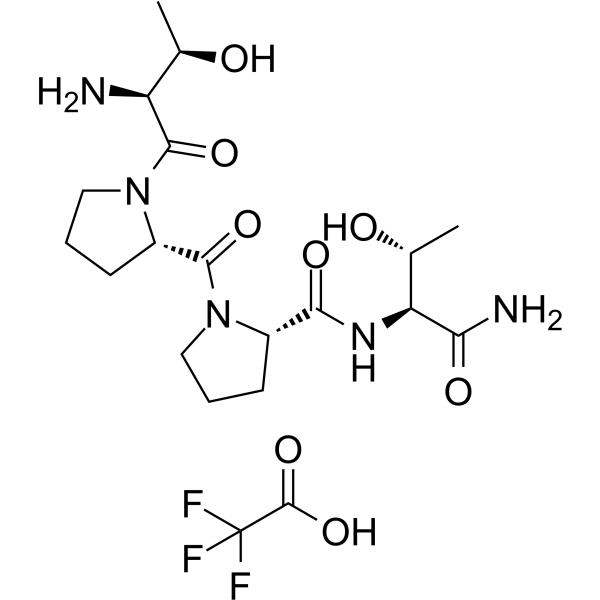
CTAP TFA is a potent, highly selective, and BBB penetrant μ opioid receptor antagonist, with an IC50 of 3.5 nM. CTAP TFA displays over 1200-fold selectivity over δ opioid (IC50=4500 nM) and somatostatin receptors. CTAP TFA can be used for the study of L-DOPA-induced dyskinesia (LID) and opiate overdose or addiction .
loading...
    loading...
1
1 Cited Publications
Cat. No.: HY-12844
CAS No.: 280783-56-4
Purity:  99.82%
Target:  

Opioid Receptor

Research Areas:  

Neurological Disease

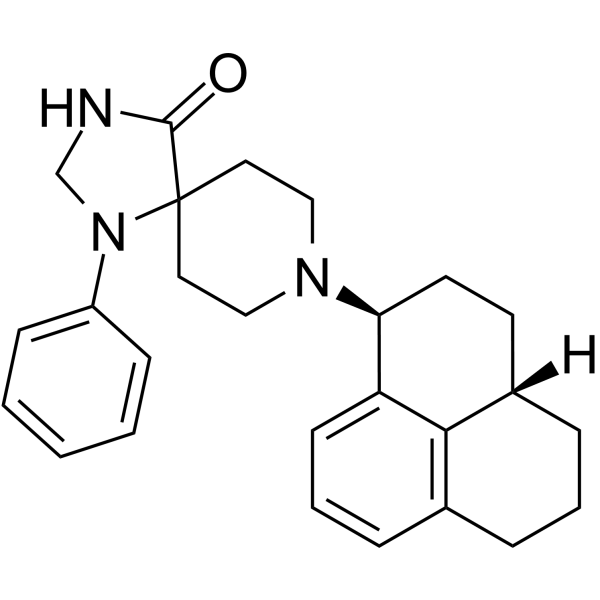
Ro 64-6198 is a potent, selective, nonpeptide, high-affinity, high cellular permeability and brain penetration N/OFQ receptor (NOP) agonist with an EC50 value of 25.6 nM. Ro 64-6198 is at least 100 times more selective for the NOP receptor over the classic opioid receptors. Ro 64-6198 can be used for stress and anxiety, addiction, neuropathic pain, cough, and anorexia .
loading...
    loading...
1
1 Cited Publications
Cat. No.: HY-116649
CAS No.: 614726-85-1
Purity:  99.91%
Synonyms: AM4113
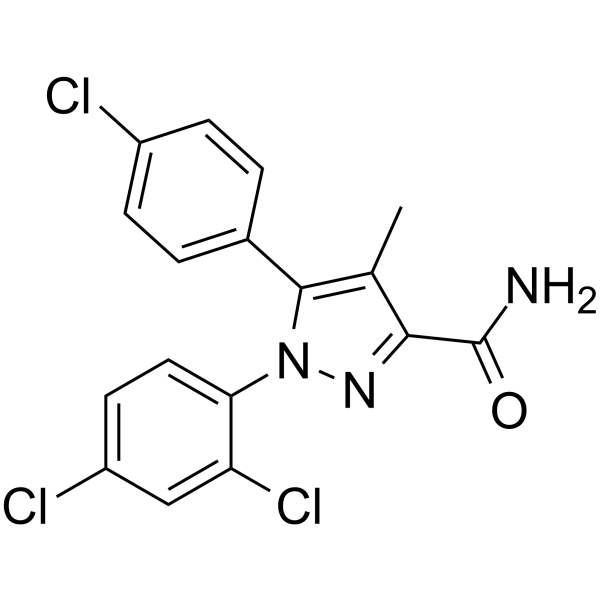
CB1 antagonist 2 (AM4113) is an orally active cannabinoid receptor type 1 (CB1R) antagonist. CB1 antagonist 2 suppresses appetite, reduces body weight, and blocks addictive behaviors such as heroin addiction, without causing adverse effects like nausea and depression that are associated with traditional CB1 inverse agonists. CB1 antagonist 2 can be used in studies related to obesity and opioid addiction .
loading...
    loading...
1
1 Cited Publications
Cat. No.: HY-103673
CAS No.: 2139356-35-5
Purity:  99.52%
Target:  

Adenosine Deaminase

Research Areas:  

Neurological Disease

AMPD2 inhibitor 1 is an adenosine monophosphate deaminase 2 (AMPD2) inhibitor, used in the research of sugar craving, salt craving, umami craving, and addictions including agent, tobacco, nicotine and alcohol addictions.
loading...
    loading...
1
1 Cited Publications
Cat. No.: HY-135783
CAS No.: 1314801-63-2
Purity:  99.94%
AT 1001 is an orally effective α3β4 nicotinic acetylcholine receptor (α3β4 nAChR) antagonist with a Ki value of 2.64 nM. AT 1001 reversibly blocks Epibatidine (HY-101078)-induced inward currents in HEK cells transfected with α3β4 nAChR. AT 1001 dose-dependently blocks nicotine self-administration behavior in rats, alleviates gluten-induced gastrointestinal symptoms, blocks tight junction toxin-induced immune responses, and reduces the incidence of type 1 diabetes in rats. AT 1001 can be used in the research of nicotine addiction and celiac disease .
loading...
    loading...
1
1 Cited Publications
Cat. No.: HY-107457
CAS No.: 1092453-15-0
Purity:  98.02%
Target:  

mGluR

Research Areas:  

Neurological Disease

AZD-8529 is a potent, highly selective and orally bioavailable positive allosteric modulator of mGluR2, with an EC50 of 285 nM, and shows no positive allosteric modulator responses at 20-25 M on the mGluR1, 3, 4, 5, 6, 7, and 8 subtypes.
loading...
    loading...
1
1 Cited Publications
Cat. No.: HY-107457A
CAS No.: 1314217-69-0
Purity:  99.63%
Target:  

mGluR

Research Areas:  

Neurological Disease

AZD-8529 mesylate is a potent, highly selective and orally bioavailable positive allosteric modulator of mGluR2, with an EC50 of 285 nM, and shows no positive allosteric modulator responses at 20-25 M on the mGluR1, 3, 4, 5, 6, 7, and 8 subtypes .
loading...
    loading...
1
1 Cited Publications
Cat. No.: HY-16728
CAS No.: 117928-94-6
Synonyms: GLYX-13
Target:  

iGluR ERK mTOR

Research Areas:  

Neurological Disease Cancer

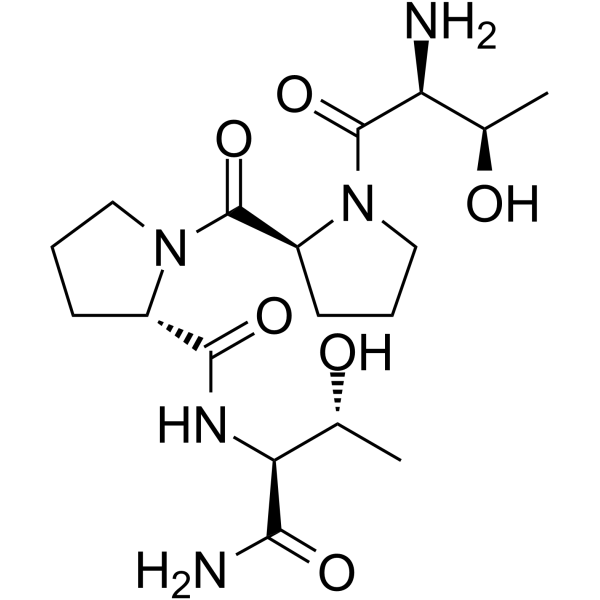
Rapastinel (GLYX-13) is a potent NMDAR modulator capable of crossing the blood-brain barrier, and it exhibits extremely high affinity for human NMDAR (EC50=0.0017-9.9 nM). Rapastinel enhances ERK signaling and activates the mTOR pathway, thereby upregulating the expression of BDNF and VGF, and inducing significant neuroplastic changes such as enhanced LTP and increased mature dendritic spine density in the hippocampus. Rapastinel moderately elevates the efflux of dopamine, norepinephrine and 5-HT in the prefrontal cortex, and uniquely avoids side effects of traditional antidepressants such as dissociation, addiction or sedation. Rapastinel is applicable to the research of major depressive disorder and hepatocellular carcinoma .
loading...
    loading...
1
1 Cited Publications
Cat. No.: HY-16728B
CAS No.: 1435786-04-1
Synonyms: GLYX-13 Trifluoroacetate
Target:  

iGluR mTOR ERK

Research Areas:  

Neurological Disease

Rapastinel (GLYX-13) Trifluoroacetate is a potent NMDAR modulator capable of crossing the blood-brain barrier, and it exhibits extremely high affinity for human NMDAR (EC50=0.0017-9.9 nM). Rapastinel Trifluoroacetate enhances ERK signaling and activates the mTOR pathway, thereby upregulating the expression of BDNF and VGF, and inducing significant neuroplastic changes such as enhanced LTP and increased mature dendritic spine density in the hippocampus. Rapastinel Trifluoroacetate moderately elevates the efflux of dopamine, norepinephrine and 5-HT in the prefrontal cortex, and uniquely avoids side effects of traditional antidepressants such as dissociation, addiction or sedation. Rapastinel Trifluoroacetate is applicable to the research of major depressive disorder and hepatocellular carcinoma .
loading...
    loading...
Cat. No.: HY-17030
CAS No.: 77337-73-6
Synonyms: Calcium N-acetylhomotaurinate
Target:  

GABA Receptor iGluR

Research Areas:  

Neurological Disease

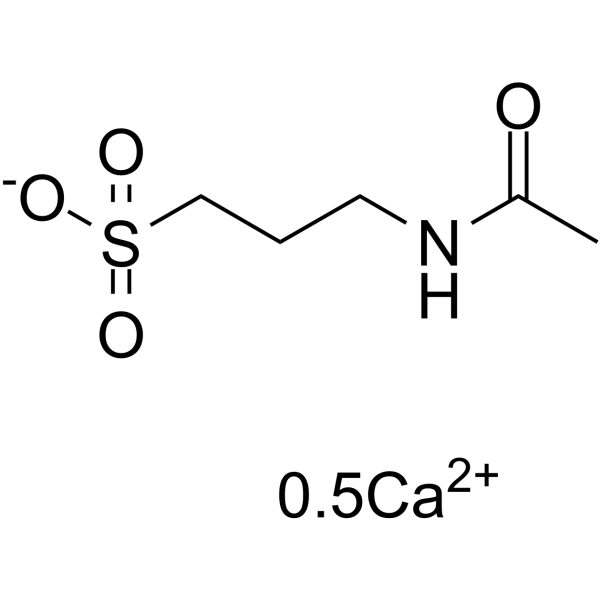
Acamprosate calcium(Campral EC) is a GABA receptor agonist and modulator of glutamatergic systems; reduces alcohol consumption in animal models of alcohol addiction.
loading...
    loading...
Cat. No.: HY-114237
CAS No.: 1494581-70-2
Purity:  99.69%
Target:  

Sodium Channel

Research Areas:  

Neurological Disease

GDC-0276 is a potent, selective, reversible and orally active NaV1.7 inhibitor with an IC50 value of 0.4 nM. GDC-0276 is well tolerated and exhibits a good pharmacokinetic profile. GDC-0276 has the potential for the treatment of pain and to address shortcomings of existing pain medications, such as addiction and off-target side effects .
loading...
    loading...
Cat. No.: HY-N6960
CAS No.: 16562-13-3
Synonyms: Stepholidine; (-)-Stepholidine; L-SPD
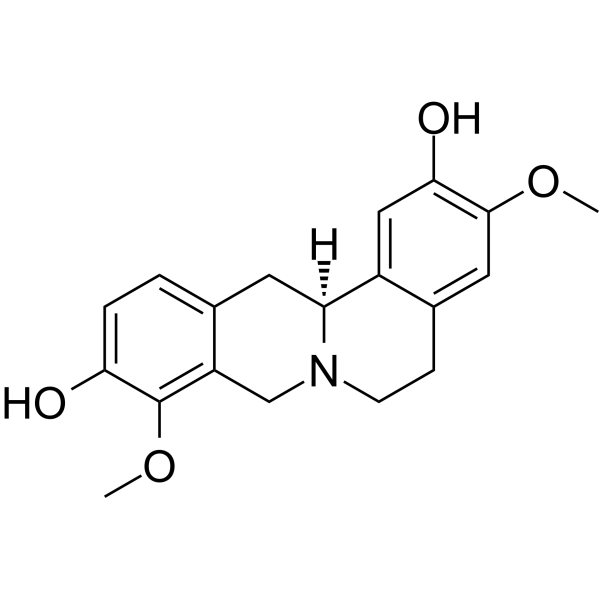
L-Stepholidine (Stepholidine) is an alkaloid. L-Stepholidine exhibits mixed dopamine D1 receptor agonist and D2 antagonist properties. L-Stepholidine has neuroprotective effect. L-Stepholidine can be used for the researches of neurological disease, such as Parkinson disease, Alzheimer's disease and opiate addiction .
loading...
    loading...
Cat. No.: HY-135608
CAS No.: 138356-08-8
Purity:  98.41%
Target:  

Sigma Receptor

Research Areas:  

Neurological Disease

BD-1008 is a nonselective σ receptor antagonist with Kis against σ1 receptor and σ2 receptor of 2 nM and 8 nM. The BD-1008 has an extremely low affinity for the D2 receptor (Ki = 1112 nM) and dopamine transporter (DAT) (Ki > 10,000 nM). BD-1008 significantly antagonizes dopamine release in the shell region of the nucleus accumbens via the σ₂ receptor. BD-1008 blocks the self-administration behavior of σ agonists.BD-1008 can be used for the study of addiction therapy that target the σ receptor .
loading...
    loading...
Cat. No.: HY-B1052
CAS No.: 21498-08-8
Synonyms: Baq-168; MDL-14042
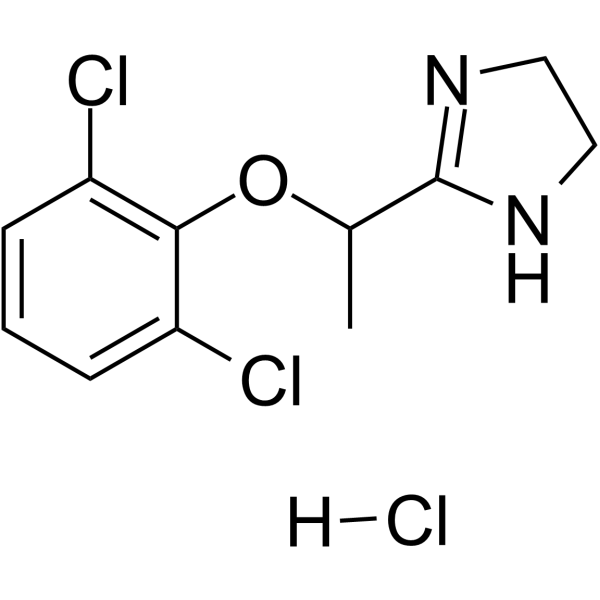
Lofexidine hydrochloride (Baq-168) is an orally active agonist of the imidazoline I1 receptor (imidazoline I1 receptor) (Ki: 1.9 nM) and α2-adrenergic receptor (α2-adrenergic receptor). Lofexidine hydrochloride binds to the α2A-adrenergic receptor, reduces sympathetic outflow, lowers blood pressure, and exhibits vasoconstrictive effects. Lofexidine hydrochloride regulates the expression of c-fos and alleviates opioid withdrawal symptoms. Lofexidine hydrochloride is applicable to research on opioid addiction and withdrawal .
loading...
    loading...
Cat. No.: HY-108626
CAS No.: 1345964-89-7
Purity:  99.59%
Synonyms: NCGC84
Research Areas:  

Neurological Disease

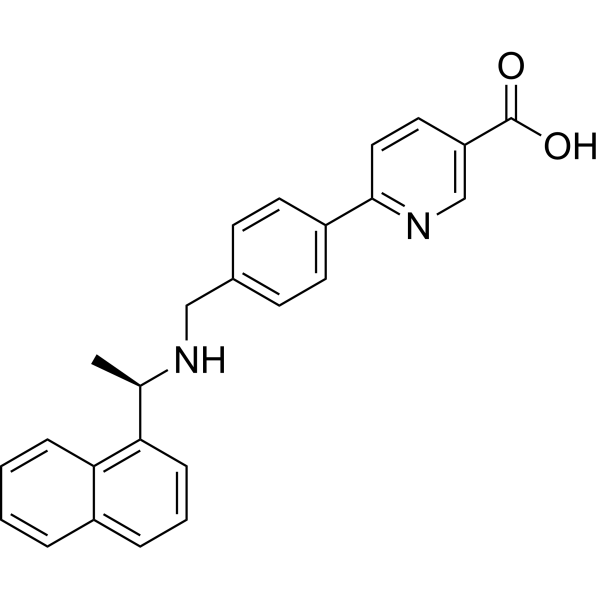
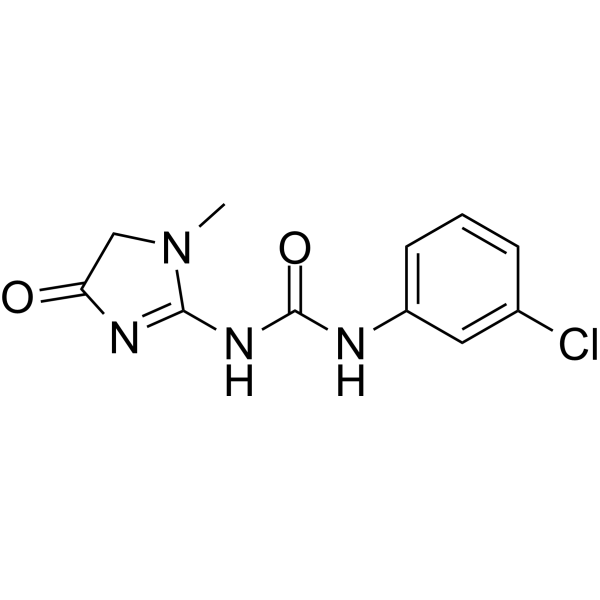
ML154 (NCGC84) is a selective, brain-penetrant and non-peptide neuropeptide S receptor (NPSR) antagonist with a pA2 of 9.98. ML154 potently inhibits NPS-stimulated cellular calcium, cAMP, and ERK phosphorylation responses with IC50 values of 36.5 nM, 22.1 nM, and 9.3 nM, respectively .
loading...
    loading...
Cat. No.: HY-111308
CAS No.: 847554-50-1
Research Areas:  

Neurological Disease

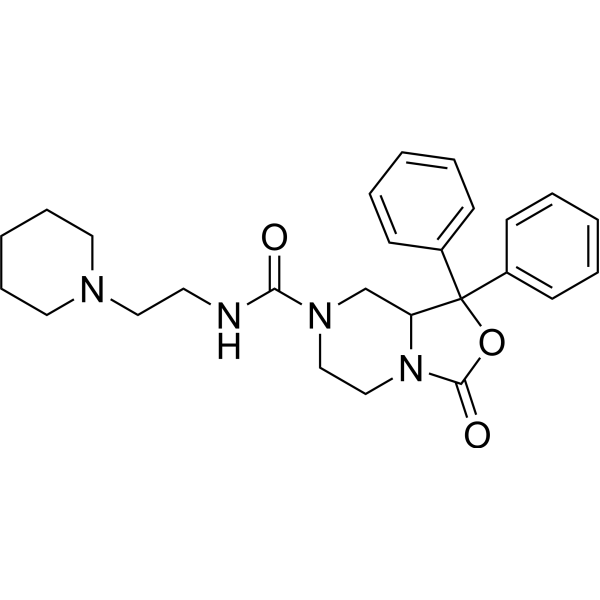
RTI-118 is a novel small-molecule neuropeptide S receptor (NPSR) antagonist. RTI-118 can relieve agent addiction including selectively decrease self-administration .
loading...
    loading...

