

Search Result
Results for "
Ala-Ala-Ala
" in MedChemExpress (MCE) Product Catalog:
1
Isotope-Labeled Compounds
| Cat. No. |
Product Name |
Target |
Research Areas |
Chemical Structure |
-
- HY-P4210
-
|
ALRN-6924; MP-4897
|
MDM-2/p53
|
Cancer
|
|
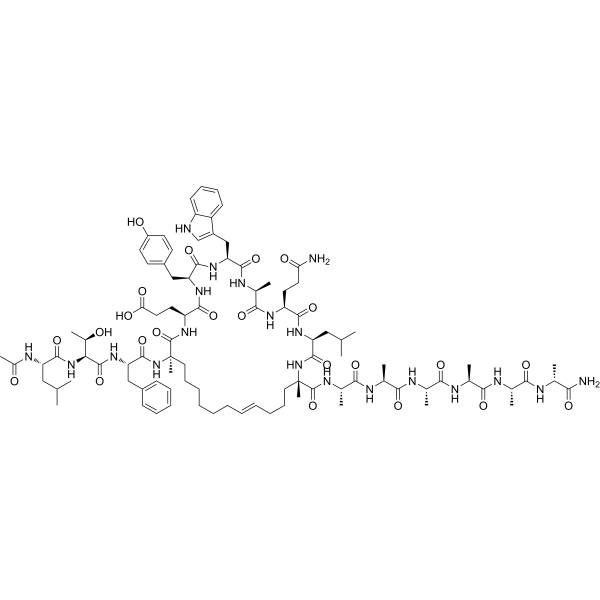
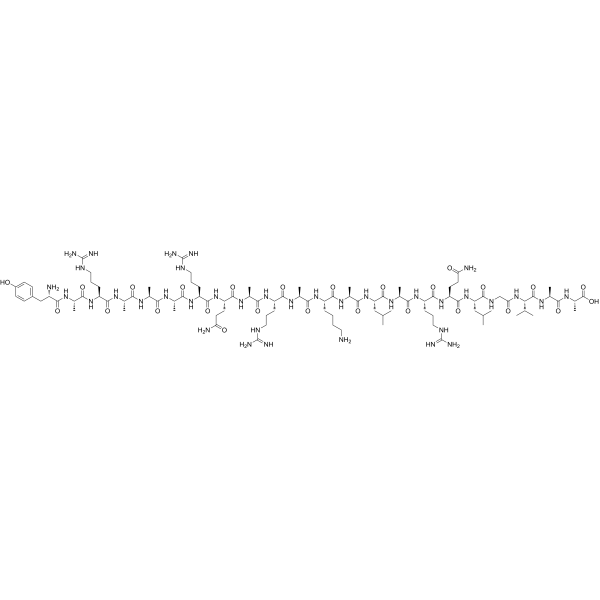
Sulanemadlin (ALRN-6924) is a potent and cell-permeating p53-based peptidomimetic macrocycles. Sulanemadlin is a inhibitor of the p53-MDM2, p53-MDMX, or both p53 and MDM2 and MDMX protein-protein interactions. Sulanemadlin can be used for cancers research .
|
-
-
- HY-P11303
-
|
|
CD74
MHC
|
Neurological Disease
Cancer
|
|
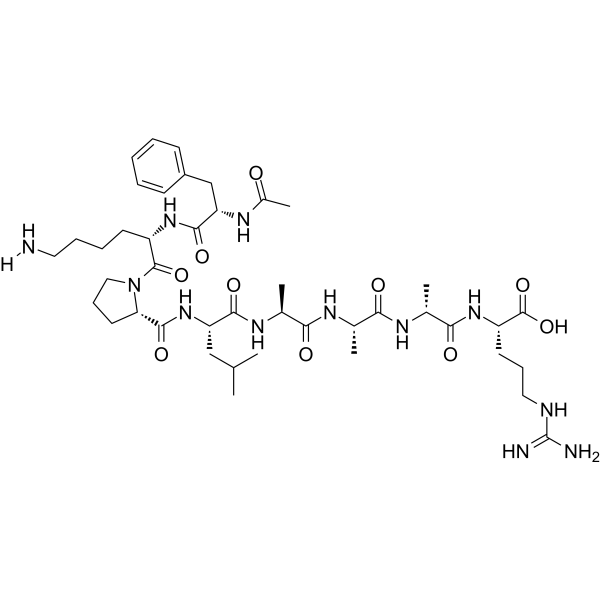
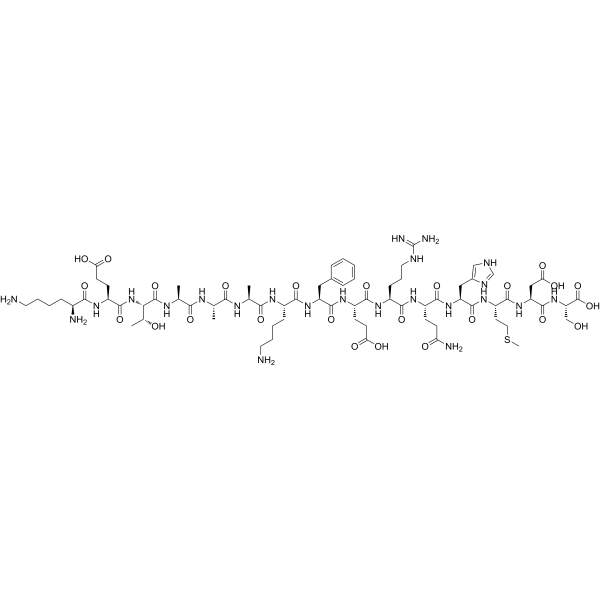
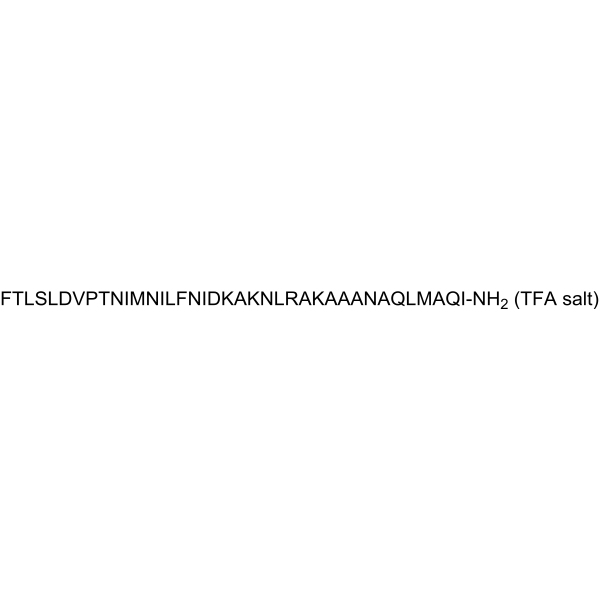
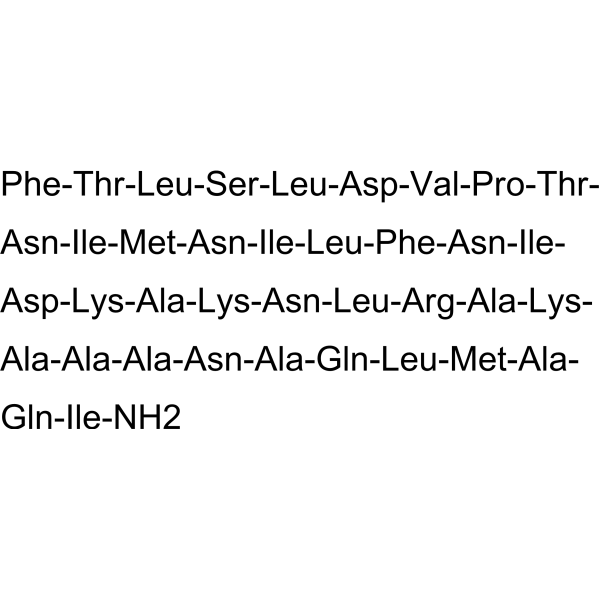
PADRE peptide is a pan-HLA-DR binding epitope and immunostimulant. PADRE peptide binds to the peptide-binding groove of MHC class II molecules for presentation to CD4 + T cells, thereby effectively stimulating specific immune responses. PADRE peptide not only enhances anti-tumor immune responses, inhibits tumor growth and prolongs survival; it also significantly increases the frequency of E7-specific CD8 + T cells and improves therapeutic efficacy against TC-1 tumors when used in combination with E7 peptide-based vaccines and poly (I:C). The intensity of the immune response induced by PADRE peptide is lower than that of the Ii-PADRE DNA vaccine, and it fails to enhance the immune effect of CRT-E7 DNA. PADRE peptide is widely applicable to research on related tumors such as melanoma, glioblastoma and cervical cancer .
|
-
-
- HY-P6312
-
|
|
MHC
|
Inflammation/Immunology
|
|
ESAT6 Epitope is a ESAT6 CD4 + T cell epitope. ESAT6 Epitope binds to MHC class I molecules with an IC50 value of approximately 180 nM. ESAT6 Epitope has weak immunogenicity. ESAT6 Epitope can be used in studies related to pulmonary tuberculosis .
|
-
-
- HY-145237
-
BM213
3 Publications Verification
|
Complement System
Apoptosis
Reactive Oxygen Species (ROS)
|
Cancer
|
|
BM213 is a selective C5aR agonist, with an EC50 of 59 nM. BM213 specifically activates the C5a-C5aR1 axis, which in turn promotes neutrophil extracellular trap (NET) formation and exacerbates inflammatory responses. BM213 significantly induces ventricular dilationin, promotes myocardial ROS production, and induces cardiomyocyte apoptosis in rats. BM213 can be used for the study of myocardial ischemia/reperfusion (I/R) injury .
|
-
-
- HY-P10218
-
|
|
MARCKS
PKC
|
Inflammation/Immunology
Cancer
|
|
MANS peptide is an inhibitor for myristoylated alanine-rich C kinase substrate (MARCKS), which competes with MARCKS in cells for membrane binding, and thus inhibits the stimulation of mucin secretion and tumor metastasis .
|
-
-
- HY-P0263
-
|
|
Bacterial
Fungal
Antibiotic
|
Infection
|
|
Dermaseptin, a peptide isolated from frog skin, exhibits potent antimicrobial activity against bacteria, fungi, and protozoa at micromolar concentration .
|
-
-
- HY-P1858A
-
|
|
CRFR
|
Cardiovascular Disease
Neurological Disease
Endocrinology
|
|
Urocortin III, mouse TFA is a corticotropin-releasing factor (CRF)-related peptide. Urocortin III preferentially binds and activates CRF-R2 . Urocortin III (Ucn3) is a known component of the behavioral stress response system. Urocortin III and CRF-R2 in the medial amygdala regulate complex social dynamics .
|
-
-
- HY-P3106
-
|
(Z-Ala-Ala-Ala-Ala)2Rhodamine110; bis-CBZ-L-Alanyl-L-arginine amide Rhodamine 110
|
Fluorescent Dye
|
Others
|
|
(Z-Ala-Ala-Ala-Ala)2Rh110 is a sensitive fluorogenic elastase substrate. The colorless and nonfluorescent (Z-Ala-Ala-Ala-Ala)2Rh110 is selectively cleaved by elastase to yield the highly fluorescent compound rhodamine 110, which can be analyzed with an excitation wavelength of 485 nm and emission wavelength of 525 nm.
|
-
-
- HY-P10218A
-
|
|
MARCKS
PKC
|
Inflammation/Immunology
Cancer
|
|
MANS peptide TFA is the TFA salt form of MANS peptide (HY-P10218). MANS peptide TFA is an inhibitor for myristoylated alanine-rich C kinase substrate (MARCKS), which competes with MARCKS in cells for membrane binding, and thus inhibits the stimulation of mucin secretion and tumor metastasis .
|
-
-
- HY-P1858
-
|
|
CRFR
|
Cardiovascular Disease
Neurological Disease
Endocrinology
|
|
Urocortin III, mouse is a corticotropin-releasing factor (CRF)-related peptide. Urocortin III preferentially binds and activates CRF-R2 . Urocortin III (Ucn3) is a known component of the behavioral stress response system. Urocortin III and CRF-R2 in the medial amygdala regulate complex social dynamics .
|
-
-
- HY-P3558
-
-
-
- HY-W013460
-
-
-
- HY-P0305
-
|
Prion protein (106-126)
|
Prion Protein
|
Infection
|
|
PrP (106-126) is a peptide corresponding to the prion protein (PrP) amyloidogenic region, and its biochemical properties resemble the infectious form of prion protein.
|
-
-
- HY-P3019
-
|
|
CRFR
|
Cardiovascular Disease
Neurological Disease
Endocrinology
|
|
Urocortin III (human) is a corticotropin-releasing factor (CRF)-related peptide. Urocortin III (human) preferentially binds and activates CRF-R2 and has a discrete central nervous system and peripheral distribution. Urocortin III (human) potently binds to type 2 CRF receptors, specifically mCRF2β (Ki = 13.5 nM) and rCRF2α (Ki = 21.7 nM), while demonstrating negligible affinity for hCRF1 (Ki >100 nM). Urocortin III (human) mediates somatostatin-dependent negative feedback control of Insulin (human) (HY-P0035) secretion [1][2].
|
-
-
- HY-P5594
-
|
|
Fungal
|
Infection
|
|
Dermaseptin-S1 is an antimicrobial peptide derived from frog skin against filamentous fungi .
|
-
-
- HY-P4704A
-
|
|
α-synuclein
|
Neurological Disease
|
|
α-Synuclein (61-95) (human) TFA is the hydrophobic core region of α-synuclein, and induces neuronal cell death. α-Synuclein (61-95) (human) TFA can be used for research of neurodegenerative diseases, including Alzheimer’s disease (AD) and Parkinson’s disease (PD) .
|
-
-
- HY-P3019A
-
|
|
CRFR
|
Cardiovascular Disease
Neurological Disease
Metabolic Disease
|
|
Urocortin III (human) TFA is a corticotropin-releasing factor (CRF)-related peptide. Urocortin III (human) TFA preferentially binds and activates CRF-R2 and has a discrete central nervous system and peripheral distribution. Urocortin III (human) TFA potently binds to type 2 CRF receptors, specifically mCRF2β (Ki = 13.5 nM) and rCRF2α (Ki = 21.7 nM), while demonstrating negligible affinity for hCRF1 (Ki >100 nM). Urocortin III (human) TFA mediates somatostatin-dependent negative feedback control of Insulin (human) (HY-P0035) secretion .
|
-
-
- HY-P4350
-
|
|
Elastase
|
Others
|
|
Suc-Ala-Ala-Ala-AMC is a peptide substrate of elastase or elastase-like .
|
-
-
- HY-P4353
-
|
|
Bacterial
|
Others
|
|
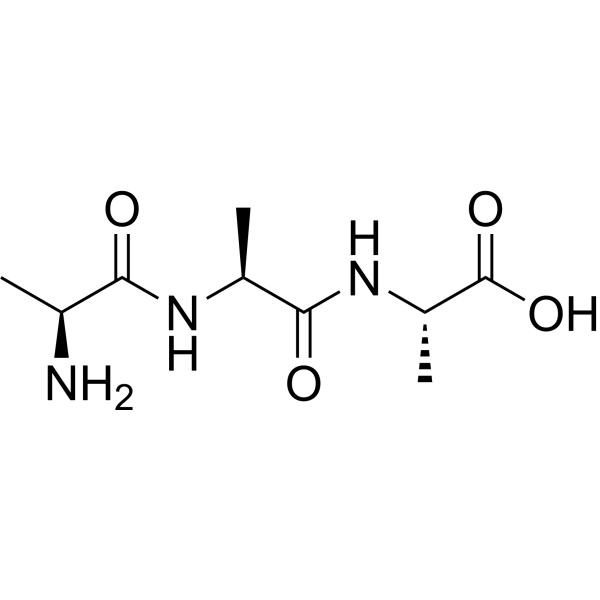
D-{Ala-Ala-Ala} is a tripeptide. D-{Ala-Ala-Ala} binds to ristocetin to detect bacteria at low concentrations .
|
-
-
- HY-P10183
-
-
-
- HY-P11219
-
|
|
YAP
|
Cancer
|
|
TAT-PDHPS1 is a YAP inhibitor composed of the endogenous peptide PDHPS1 and the cell-penetrating peptide sequence TAT. PDHPS1 binds to protein phosphatase 2 phosphatase activator (PTPA), an essential activator of protein phosphatase 2A (PP2A), leading to increased YAP phosphorylation, which inactivates YAP and suppresses the expression of its downstream target genes. TAT-PDHPS1 is potentially useful in ovarian cancer research .
|
-
-
- HY-P11074
-
|
|
Bacterial
|
Infection
|
|
Sakacin P is an antimicrobial peptide that targets Gram-positive bacteria (such as Listeria monocytogenes) and belongs to Class IIa bacteriocin. Sakacin P has almost no antimicrobial activity against Gram-negative bacteria. Sakacin P exerts its antimicrobial activity by interacting with bacterial cell membranes and destroying membrane integrity. Sakacin P can be used for the study of Listeria contamination and antimicrobial drugs in the food industry.
|
-
-
- HY-P5917A
-
|
Vaejovis mexicanus peptide 24 TFA
|
Potassium Channel
|
Inflammation/Immunology
Cancer
|
|
Vm24-toxin (Vaejovis mexicanus peptide 24) TFA, a 36-residue peptide, is a potent and selective Kv1.3 blocker with a Kd of ~3 pM in lymphocytes. Vm24-toxin TFA shows >1500-fold affinity for Kv1.3 over other assayed potassium channels. Vm24-toxin TFA folds into a distorted cystine-stabilized α/β motif consisting of a single-turn α-helix and a three-stranded antiparallel β-sheet, stabilized by four disulfide bridges. Vm24-toxin TFA attenuates the CD4 + effector memory T cell response to T cell receptor (TCR) stimulation .
|
-
-
- HY-160714
-
|
|
ADC Linker
|
Cancer
|
|
Fmoc-Ala-Ala-Ala-amide-C-O-C-COOH (Compound IM-3) is a cleavable ADC linker .
|
-
-
- HY-P3248
-
|
Myelin basic protein (85-99) antagonist
|
Biochemical Assay Reagents
|
Inflammation/Immunology
|
|
J5 peptide is an MBP inhibitor that competitively inhibits the binding of MBP85-99 to HLA-DR2. J5 peptide alleviates PLP139-151/MBP85-99-induced experimental autoimmune encephalomyelitis (EAE) in mice. J5 peptide can be used in research on inflammatory and immune diseases .
|
-
-
- HY-P1576
-
-
-
- HY-P5708
-
|
Dermaseptin b2
|
Antibiotic
Fungal
Bacterial
|
Infection
|
|
Adenoregulin (Dermaseptin b2) is an antimicrobial peptide antibiotic. Adenoregulin is active against Gram-negative and Gram-positive bacteria, yeast and fungi. Adenoregulin also enhances the binding of agonists to the A1 adenosine receptor .
|
-
-
- HY-P4704
-
|
|
α-synuclein
|
Neurological Disease
|
|
α-Synuclein (61-95) (human) is the hydrophobic core region of α-synuclein, and induces neuronal cell death. α-Synuclein (61-95) (human) can be used for research of neurodegenerative diseases, including Alzheimer’s disease (AD) and Parkinson’s disease (PD) .
|
-
-
- HY-147175
-
|
|
ADC Linker
|
Cancer
|
|
Ala-Ala-Ala-NH-CH2OCH2COOH (Compound 37p) is a ADC linker, which serves as an intermediate for ADC synthesis .
|
-
-
- HY-P10546
-
|
pAla
|
Bacterial
|
Infection
|
|
Polyalanine peptide (pALA) is an antimicrobial peptide that targets biofilms and Gram-negative bacteria and is non-toxic to mammalian cells. Polyalanine peptide forms an α-helical conformation that effectively permeabilizes Gram-negative bacterial membranes, thereby inducing lethal cell leakage. Polyalanine peptide can be used in anti-infection research .
|
-
-
- HY-P1100
-
|
HepArrest
|
Thrombin
|
Cardiovascular Disease
|
|
PM102 (HepArrest) is a heparin antagonist that can reverses the anticoagulant effect of heparin. PM102 potently binds heparin (Kd = 36 nM) in vitro .
|
-
-
- HY-P5559
-
|
|
PROTACs
|
Cancer
|
|
ND1-YL2 is a PROTAC that selectively degrades SRC-1 via the N-degron pathway. ND1-YL2 significantly inhibits cancer invasion and migration in vitro and in vivo. ND1-YL2 can be used in cancer research .
|
-
-
- HY-P10562
-
|
|
TMV
|
Others
|
|
BMV Gag-(7 25) is an arginine-rich peptide with cell-penetrating ability. BMV Gag-(7 25) can be used in drug delivery and gene therapy research .
|
-
-
- HY-P10796
-
|
|
MAPKAPK2 (MK2)
|
Inflammation/Immunology
|
|
YARA peptide, a cell-penetrating peptide, is a MK2 inhibitor. YARA-loaded nanoparticles decreases the levels of inflammatory cytokines (IL-1β, IL-6, and TNF-α) in an ex vivo skin culture model. YARA peptide is promising for research of atopic dermatitis (AD) .
|
-
-
- HY-P5588
-
|
|
Fungal
|
Infection
|
|
Dermaseptin-S4 is an antimicrobial peptide derived from frog skin against filamentous fungi .
|
-
-
- HY-P5587
-
|
|
Fungal
|
Infection
|
|
Dermaseptin-S5 is an antimicrobial peptide derived from frog skin against filamentous fungi .
|
-
-
- HY-P4977
-
-
-
- HY-P0263A
-
|
|
Bacterial
Fungal
|
Infection
|
|
Dermaseptin TFA, a peptide isolated from frog skin, exhibits potent antimicrobial activity against bacteria, fungi, and protozoa at micromolar concentration .
|
-
-
- HY-P5593
-
|
|
Fungal
|
Infection
|
|
Dermaseptin-S2 is an antimicrobial peptide derived from frog skin against filamentous fungi .
|
-
-
- HY-P2829
-
|
|
CRFR
|
Endocrinology
|
|
Stresscopin (human) is a selective ligand of type 2 adrenocorticotropin-releasing hormone (CRH) receptors and can be used in the research of stress-related diseases .
|
-
-
- HY-P5917
-
|
Vaejovis mexicanus peptide 24
|
Potassium Channel
|
Inflammation/Immunology
Cancer
|
|
Vm24-toxin (Vaejovis mexicanus peptide 24), a 36-residue peptide, is a potent and selective Kv1.3 blocker with a Kd of ~3 pM in lymphocytes. Vm24-toxin shows >1500-fold affinity for Kv1.3 over other assayed potassium channels. Vm24-toxin folds into a distorted cystine-stabilized α/β motif consisting of a single-turn α-helix and a three-stranded antiparallel β-sheet, stabilized by four disulfide bridges. Vm24-toxin attenuates the CD4 + effector memory T cell response to T cell receptor (TCR) stimulation .
|
-
-
- HY-P11765
-
|
|
Adrenergic Receptor
|
Others
|
|
RESA peptide is a substrate peptide of β-adrenergic receptor kinase (βARK). RESA peptide serves as a substrate for βARK-mediated phosphorylation, and its N-terminal acidic residues enhance phosphorylation efficiency and substrate binding capacity .
|
-
-
- HY-P11560
-
|
|
Biochemical Assay Reagents
|
Others
|
|
YLLDLLPAAASHR is a peptide from egg proteins. YLLDLLPAAASHR can be used as a marker peptide for the detection of egg allergens using UHPLC-MS/MS .
|
-
-
- HY-P11533S
-
-
-
- HY-P11630
-
|
|
Bacterial
|
Cardiovascular Disease
Infection
|
|
ZM-804 is a cationic α-helix antimicrobial peptide. ZM-804 targets bacterial cell membranes. ZM-804 demonstrates antimicrobial activity and prevents the infection of tomato plants by Pst DC3000. ZM-804 inhibits the growth of B. subtilis and E. coli (the same MICs of 41.10 μg/mL). ZM-804 exhibits low hemolytic activity .
|
-
| Cat. No. |
Product Name |
Target |
Research Area |
-
- HY-P4210
-
|
ALRN-6924; MP-4897
|
MDM-2/p53
|
Cancer
|
|
Sulanemadlin (ALRN-6924) is a potent and cell-permeating p53-based peptidomimetic macrocycles. Sulanemadlin is a inhibitor of the p53-MDM2, p53-MDMX, or both p53 and MDM2 and MDMX protein-protein interactions. Sulanemadlin can be used for cancers research .
|
-
- HY-P0326
-
|
|
Peptides
|
Others
|
|
S Tag Peptide is a 15 amino acid peptide derived from RNase A.
|
-
- HY-P11303
-
|
|
CD74
MHC
|
Neurological Disease
Cancer
|
|
PADRE peptide is a pan-HLA-DR binding epitope and immunostimulant. PADRE peptide binds to the peptide-binding groove of MHC class II molecules for presentation to CD4 + T cells, thereby effectively stimulating specific immune responses. PADRE peptide not only enhances anti-tumor immune responses, inhibits tumor growth and prolongs survival; it also significantly increases the frequency of E7-specific CD8 + T cells and improves therapeutic efficacy against TC-1 tumors when used in combination with E7 peptide-based vaccines and poly (I:C). The intensity of the immune response induced by PADRE peptide is lower than that of the Ii-PADRE DNA vaccine, and it fails to enhance the immune effect of CRT-E7 DNA. PADRE peptide is widely applicable to research on related tumors such as melanoma, glioblastoma and cervical cancer .
|
-
- HY-P6312
-
|
|
MHC
|
Inflammation/Immunology
|
|
ESAT6 Epitope is a ESAT6 CD4 + T cell epitope. ESAT6 Epitope binds to MHC class I molecules with an IC50 value of approximately 180 nM. ESAT6 Epitope has weak immunogenicity. ESAT6 Epitope can be used in studies related to pulmonary tuberculosis .
|
-
- HY-145237
-
BM213
3 Publications Verification
|
Complement System
Apoptosis
Reactive Oxygen Species (ROS)
|
Cancer
|
|
BM213 is a selective C5aR agonist, with an EC50 of 59 nM. BM213 specifically activates the C5a-C5aR1 axis, which in turn promotes neutrophil extracellular trap (NET) formation and exacerbates inflammatory responses. BM213 significantly induces ventricular dilationin, promotes myocardial ROS production, and induces cardiomyocyte apoptosis in rats. BM213 can be used for the study of myocardial ischemia/reperfusion (I/R) injury .
|
-
- HY-P10218
-
|
|
MARCKS
PKC
|
Inflammation/Immunology
Cancer
|
|
MANS peptide is an inhibitor for myristoylated alanine-rich C kinase substrate (MARCKS), which competes with MARCKS in cells for membrane binding, and thus inhibits the stimulation of mucin secretion and tumor metastasis .
|
-
- HY-P0263
-
|
|
Bacterial
Fungal
Antibiotic
|
Infection
|
|
Dermaseptin, a peptide isolated from frog skin, exhibits potent antimicrobial activity against bacteria, fungi, and protozoa at micromolar concentration .
|
-
- HY-P1858A
-
|
|
CRFR
|
Cardiovascular Disease
Neurological Disease
Endocrinology
|
|
Urocortin III, mouse TFA is a corticotropin-releasing factor (CRF)-related peptide. Urocortin III preferentially binds and activates CRF-R2 . Urocortin III (Ucn3) is a known component of the behavioral stress response system. Urocortin III and CRF-R2 in the medial amygdala regulate complex social dynamics .
|
-
- HY-P3106
-
|
(Z-Ala-Ala-Ala-Ala)2Rhodamine110; bis-CBZ-L-Alanyl-L-arginine amide Rhodamine 110
|
Fluorescent Dye
|
Others
|
|
(Z-Ala-Ala-Ala-Ala)2Rh110 is a sensitive fluorogenic elastase substrate. The colorless and nonfluorescent (Z-Ala-Ala-Ala-Ala)2Rh110 is selectively cleaved by elastase to yield the highly fluorescent compound rhodamine 110, which can be analyzed with an excitation wavelength of 485 nm and emission wavelength of 525 nm.
|
-
- HY-137409
-
|
|
Peptides
|
Others
|
|
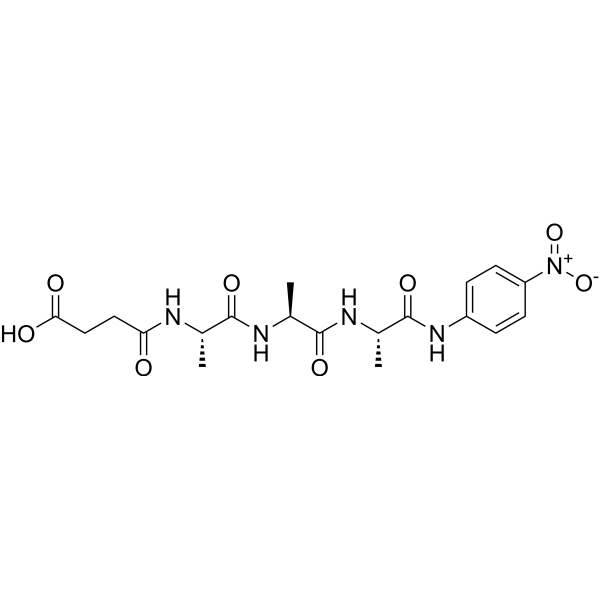
Suc-AAA-pNA is a hydrolyzable peptide substrate. Suc-AAA-pNA serves as a chromogenic substrate for porcine pancreatic elastase, and undergoes hydrolysis via a virtual transition state with a minor physical step and a dominant chemical step, thereby forming a stable reactant state .
|
-
- HY-P10218A
-
|
|
MARCKS
PKC
|
Inflammation/Immunology
Cancer
|
|
MANS peptide TFA is the TFA salt form of MANS peptide (HY-P10218). MANS peptide TFA is an inhibitor for myristoylated alanine-rich C kinase substrate (MARCKS), which competes with MARCKS in cells for membrane binding, and thus inhibits the stimulation of mucin secretion and tumor metastasis .
|
-
- HY-P1858
-
|
|
CRFR
|
Cardiovascular Disease
Neurological Disease
Endocrinology
|
|
Urocortin III, mouse is a corticotropin-releasing factor (CRF)-related peptide. Urocortin III preferentially binds and activates CRF-R2 . Urocortin III (Ucn3) is a known component of the behavioral stress response system. Urocortin III and CRF-R2 in the medial amygdala regulate complex social dynamics .
|
-
- HY-P3558
-
-
- HY-W013460
-
-
- HY-P0305
-
|
Prion protein (106-126)
|
Prion Protein
|
Infection
|
|
PrP (106-126) is a peptide corresponding to the prion protein (PrP) amyloidogenic region, and its biochemical properties resemble the infectious form of prion protein.
|
-
- HY-P3019
-
|
|
CRFR
|
Cardiovascular Disease
Neurological Disease
Endocrinology
|
|
Urocortin III (human) is a corticotropin-releasing factor (CRF)-related peptide. Urocortin III (human) preferentially binds and activates CRF-R2 and has a discrete central nervous system and peripheral distribution. Urocortin III (human) potently binds to type 2 CRF receptors, specifically mCRF2β (Ki = 13.5 nM) and rCRF2α (Ki = 21.7 nM), while demonstrating negligible affinity for hCRF1 (Ki >100 nM). Urocortin III (human) mediates somatostatin-dependent negative feedback control of Insulin (human) (HY-P0035) secretion [1][2].
|
-
- HY-P4357
-
-
- HY-P4525
-
|
|
Peptides
|
Others
|
|
Ala-Ala-Ala-Ala is a poly-L-alanine (PLA) sequences. PLA is a kind of key element of the crystalline domains of spider dragline and wild silkworm silks .
|
-
- HY-P5594
-
|
|
Fungal
|
Infection
|
|
Dermaseptin-S1 is an antimicrobial peptide derived from frog skin against filamentous fungi .
|
-
- HY-P4704A
-
|
|
α-synuclein
|
Neurological Disease
|
|
α-Synuclein (61-95) (human) TFA is the hydrophobic core region of α-synuclein, and induces neuronal cell death. α-Synuclein (61-95) (human) TFA can be used for research of neurodegenerative diseases, including Alzheimer’s disease (AD) and Parkinson’s disease (PD) .
|
-
- HY-P3019A
-
|
|
CRFR
|
Cardiovascular Disease
Neurological Disease
Metabolic Disease
|
|
Urocortin III (human) TFA is a corticotropin-releasing factor (CRF)-related peptide. Urocortin III (human) TFA preferentially binds and activates CRF-R2 and has a discrete central nervous system and peripheral distribution. Urocortin III (human) TFA potently binds to type 2 CRF receptors, specifically mCRF2β (Ki = 13.5 nM) and rCRF2α (Ki = 21.7 nM), while demonstrating negligible affinity for hCRF1 (Ki >100 nM). Urocortin III (human) TFA mediates somatostatin-dependent negative feedback control of Insulin (human) (HY-P0035) secretion .
|
-
- HY-P4239
-
|
|
Peptides
|
Others
|
|
Ala-Ala-Ala-Ala-Ala-Ala is a hexapeptide composed of six alanine amino acid residues .
|
-
- HY-P4350
-
|
|
Elastase
|
Others
|
|
Suc-Ala-Ala-Ala-AMC is a peptide substrate of elastase or elastase-like .
|
-
- HY-P3559
-
|
|
Peptides
|
Others
|
|
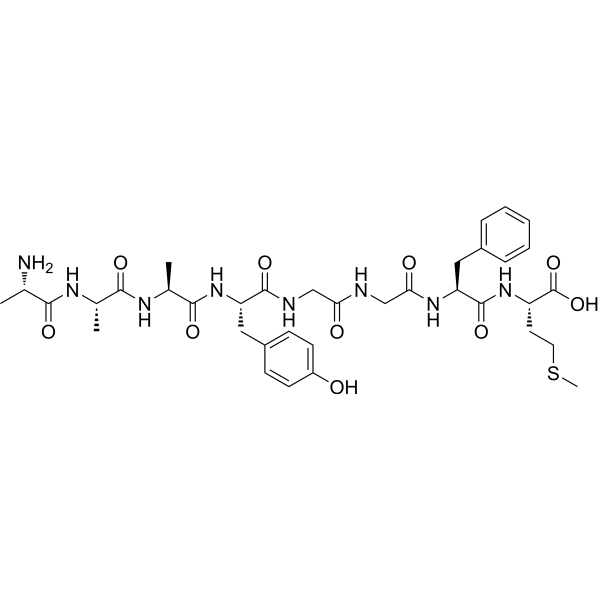
Ala-Ala-Ala-Tyr-Gly-Gly-Phe-Leu is a β-lipotropin peptide. Ala-Ala-Ala-Tyr-Gly-Gly-Phe-Leu is a polypeptide of 8 amino acids .
|
-
- HY-P4353
-
|
|
Bacterial
|
Others
|
|
D-{Ala-Ala-Ala} is a tripeptide. D-{Ala-Ala-Ala} binds to ristocetin to detect bacteria at low concentrations .
|
-
- HY-P10183
-
-
- HY-P4080
-
|
|
Peptides
|
Others
|
|
MPG peptides, Pα is an amphipathic carrier peptide that can be used for drug delivery .
|
-
- HY-P11219
-
|
|
YAP
|
Cancer
|
|
TAT-PDHPS1 is a YAP inhibitor composed of the endogenous peptide PDHPS1 and the cell-penetrating peptide sequence TAT. PDHPS1 binds to protein phosphatase 2 phosphatase activator (PTPA), an essential activator of protein phosphatase 2A (PP2A), leading to increased YAP phosphorylation, which inactivates YAP and suppresses the expression of its downstream target genes. TAT-PDHPS1 is potentially useful in ovarian cancer research .
|
-
- HY-P11074
-
|
|
Bacterial
|
Infection
|
|
Sakacin P is an antimicrobial peptide that targets Gram-positive bacteria (such as Listeria monocytogenes) and belongs to Class IIa bacteriocin. Sakacin P has almost no antimicrobial activity against Gram-negative bacteria. Sakacin P exerts its antimicrobial activity by interacting with bacterial cell membranes and destroying membrane integrity. Sakacin P can be used for the study of Listeria contamination and antimicrobial drugs in the food industry.
|
-
- HY-P5917A
-
|
Vaejovis mexicanus peptide 24 TFA
|
Potassium Channel
|
Inflammation/Immunology
Cancer
|
|
Vm24-toxin (Vaejovis mexicanus peptide 24) TFA, a 36-residue peptide, is a potent and selective Kv1.3 blocker with a Kd of ~3 pM in lymphocytes. Vm24-toxin TFA shows >1500-fold affinity for Kv1.3 over other assayed potassium channels. Vm24-toxin TFA folds into a distorted cystine-stabilized α/β motif consisting of a single-turn α-helix and a three-stranded antiparallel β-sheet, stabilized by four disulfide bridges. Vm24-toxin TFA attenuates the CD4 + effector memory T cell response to T cell receptor (TCR) stimulation .
|
-
- HY-P10213
-
-
- HY-P4623
-
|
Penta-L-Alanine
|
Peptides
|
Neurological Disease
|
|
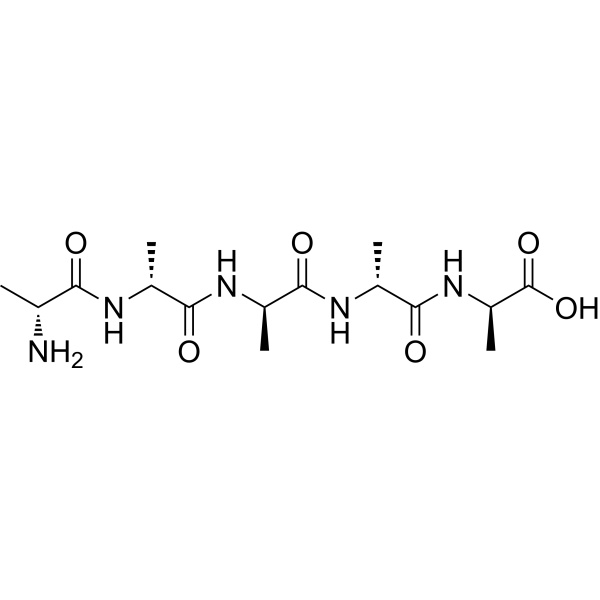
Penta-alanine (Penta-L-alanine) is a petide. Penta-alanine can be used for neurological disease research .
|
-
- HY-P3248
-
|
Myelin basic protein (85-99) antagonist
|
Biochemical Assay Reagents
|
Inflammation/Immunology
|
|
J5 peptide is an MBP inhibitor that competitively inhibits the binding of MBP85-99 to HLA-DR2. J5 peptide alleviates PLP139-151/MBP85-99-induced experimental autoimmune encephalomyelitis (EAE) in mice. J5 peptide can be used in research on inflammatory and immune diseases .
|
-
- HY-P1576
-
-
- HY-P5708
-
|
Dermaseptin b2
|
Antibiotic
Fungal
Bacterial
|
Infection
|
|
Adenoregulin (Dermaseptin b2) is an antimicrobial peptide antibiotic. Adenoregulin is active against Gram-negative and Gram-positive bacteria, yeast and fungi. Adenoregulin also enhances the binding of agonists to the A1 adenosine receptor .
|
-
- HY-P4704
-
|
|
α-synuclein
|
Neurological Disease
|
|
α-Synuclein (61-95) (human) is the hydrophobic core region of α-synuclein, and induces neuronal cell death. α-Synuclein (61-95) (human) can be used for research of neurodegenerative diseases, including Alzheimer’s disease (AD) and Parkinson’s disease (PD) .
|
-
- HY-P10546
-
|
pAla
|
Bacterial
|
Infection
|
|
Polyalanine peptide (pALA) is an antimicrobial peptide that targets biofilms and Gram-negative bacteria and is non-toxic to mammalian cells. Polyalanine peptide forms an α-helical conformation that effectively permeabilizes Gram-negative bacterial membranes, thereby inducing lethal cell leakage. Polyalanine peptide can be used in anti-infection research .
|
-
- HY-P1100
-
|
HepArrest
|
Thrombin
|
Cardiovascular Disease
|
|
PM102 (HepArrest) is a heparin antagonist that can reverses the anticoagulant effect of heparin. PM102 potently binds heparin (Kd = 36 nM) in vitro .
|
-
- HY-P5559
-
|
|
PROTACs
|
Cancer
|
|
ND1-YL2 is a PROTAC that selectively degrades SRC-1 via the N-degron pathway. ND1-YL2 significantly inhibits cancer invasion and migration in vitro and in vivo. ND1-YL2 can be used in cancer research .
|
-
- HY-P4134
-
|
|
Peptides
|
Others
|
|
Lipid Membrane Translocating Peptide is a cell-penetrating peptide consisting of 13 amino acids .
|
-
- HY-P10562
-
|
|
TMV
|
Others
|
|
BMV Gag-(7 25) is an arginine-rich peptide with cell-penetrating ability. BMV Gag-(7 25) can be used in drug delivery and gene therapy research .
|
-
- HY-P2600
-
|
|
Peptides
|
Cancer
|
|
Laminin B1 (1363-1383) (Compound p4) is a peptide derived from residues 1363-1383 of the Laminin B1 chain that binds to the laminin receptor .
|
-
- HY-P10796
-
|
|
MAPKAPK2 (MK2)
|
Inflammation/Immunology
|
|
YARA peptide, a cell-penetrating peptide, is a MK2 inhibitor. YARA-loaded nanoparticles decreases the levels of inflammatory cytokines (IL-1β, IL-6, and TNF-α) in an ex vivo skin culture model. YARA peptide is promising for research of atopic dermatitis (AD) .
|
-
- HY-P5588
-
|
|
Fungal
|
Infection
|
|
Dermaseptin-S4 is an antimicrobial peptide derived from frog skin against filamentous fungi .
|
-
- HY-P5587
-
|
|
Fungal
|
Infection
|
|
Dermaseptin-S5 is an antimicrobial peptide derived from frog skin against filamentous fungi .
|
-
- HY-P4977
-
-
- HY-P0263A
-
|
|
Bacterial
Fungal
|
Infection
|
|
Dermaseptin TFA, a peptide isolated from frog skin, exhibits potent antimicrobial activity against bacteria, fungi, and protozoa at micromolar concentration .
|
-
- HY-P5593
-
|
|
Fungal
|
Infection
|
|
Dermaseptin-S2 is an antimicrobial peptide derived from frog skin against filamentous fungi .
|
-
- HY-P2829
-
|
|
CRFR
|
Endocrinology
|
|
Stresscopin (human) is a selective ligand of type 2 adrenocorticotropin-releasing hormone (CRH) receptors and can be used in the research of stress-related diseases .
|
-
- HY-P5917
-
|
Vaejovis mexicanus peptide 24
|
Potassium Channel
|
Inflammation/Immunology
Cancer
|
|
Vm24-toxin (Vaejovis mexicanus peptide 24), a 36-residue peptide, is a potent and selective Kv1.3 blocker with a Kd of ~3 pM in lymphocytes. Vm24-toxin shows >1500-fold affinity for Kv1.3 over other assayed potassium channels. Vm24-toxin folds into a distorted cystine-stabilized α/β motif consisting of a single-turn α-helix and a three-stranded antiparallel β-sheet, stabilized by four disulfide bridges. Vm24-toxin attenuates the CD4 + effector memory T cell response to T cell receptor (TCR) stimulation .
|
- HY-P11765
-
|
|
Adrenergic Receptor
|
Others
|
|
RESA peptide is a substrate peptide of β-adrenergic receptor kinase (βARK). RESA peptide serves as a substrate for βARK-mediated phosphorylation, and its N-terminal acidic residues enhance phosphorylation efficiency and substrate binding capacity .
|
- HY-P11560
-
|
|
Biochemical Assay Reagents
|
Others
|
|
YLLDLLPAAASHR is a peptide from egg proteins. YLLDLLPAAASHR can be used as a marker peptide for the detection of egg allergens using UHPLC-MS/MS .
|
- HY-P11533S
-
- HY-P11630
-
|
|
Bacterial
|
Cardiovascular Disease
Infection
|
|
ZM-804 is a cationic α-helix antimicrobial peptide. ZM-804 targets bacterial cell membranes. ZM-804 demonstrates antimicrobial activity and prevents the infection of tomato plants by Pst DC3000. ZM-804 inhibits the growth of B. subtilis and E. coli (the same MICs of 41.10 μg/mL). ZM-804 exhibits low hemolytic activity .
|
- HY-P4749
-
|
|
Peptides
|
Neurological Disease
|
|
Prion Protein (106-126) (human) (scrambled) is a scrambled sequence of Prion Protein (106-126). Prion Protein (106-126) (human) (scrambled) with a random sequence of the amino acids that are the same as the active fragment. Prion Protein (106-126) (human) (scrambled) usually used as a negative control .
|
| Cat. No. |
Product Name |
Category |
Target |
Chemical Structure |
| Cat. No. |
Product Name |
Chemical Structure |
-
- HY-P11533S
-
|
|
|
VGDSSGTAAAH-(Lys- 13C6, 15N2) TFA is the 13C- and 15N-labeled VGDSSGTAAAH.
|
-
Your information is safe with us. * Required Fields.
Inquiry Information
- Product Name:
- Cat. No.:
- Quantity:
- MCE Japan Authorized Agent:

