1. Search Result
Search Result
Results for "

CDK9 activity

" in MedChemExpress (MCE) Product Catalog:
Targets Recommended:
Cat. No. Product Name Target Research Areas Chemical Structure
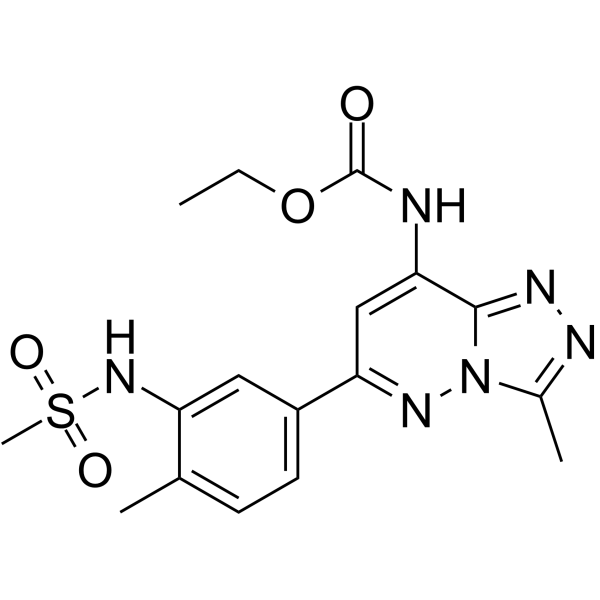
  • HY-138293
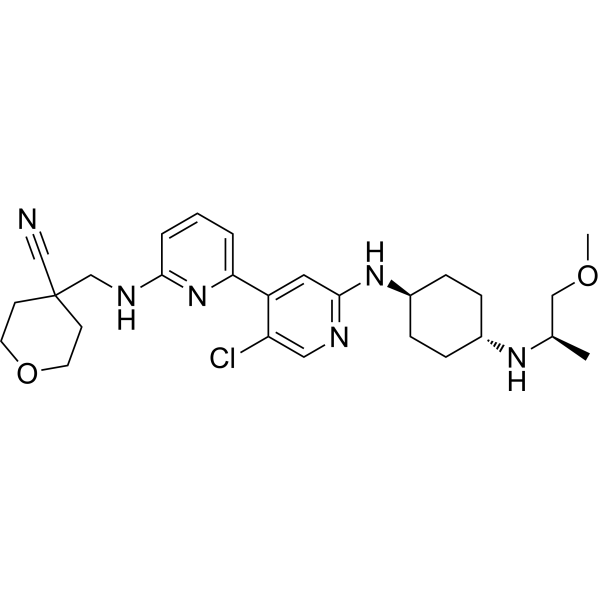
    SY-5609
    5+ Cited Publications

    CDK7-IN-3

    CDK Apoptosis Cancer
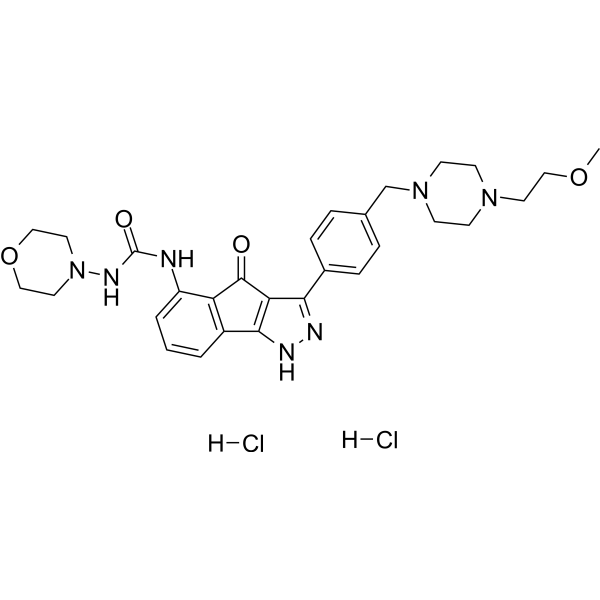
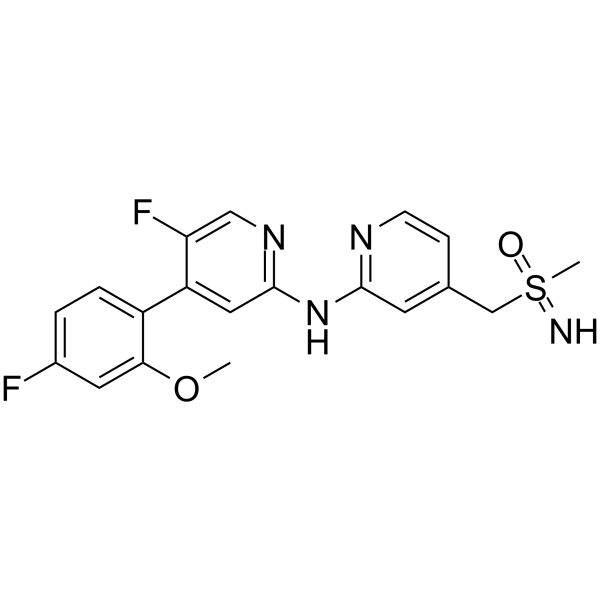
    SY-5609 (CDK7-IN-3) is an orally active, highly selective, noncovalent CDK7 inhibitor with a KD of 0.065 nM. SY-5609 shows poor inhibition on CDK2 (Ki=2600 nM), CDK9 (Ki=960 nM), CDK12 (Ki=870 nM). SY-5609 induces apoptosis in tumor cells and has antitumor activity .
    SY-5609
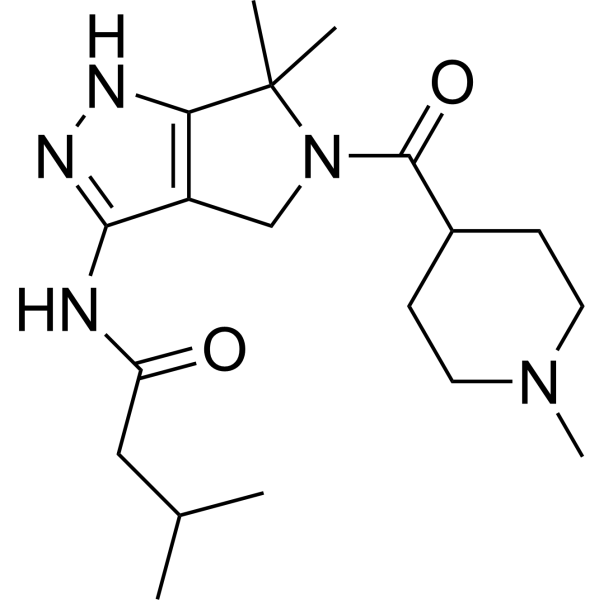
  • HY-10012
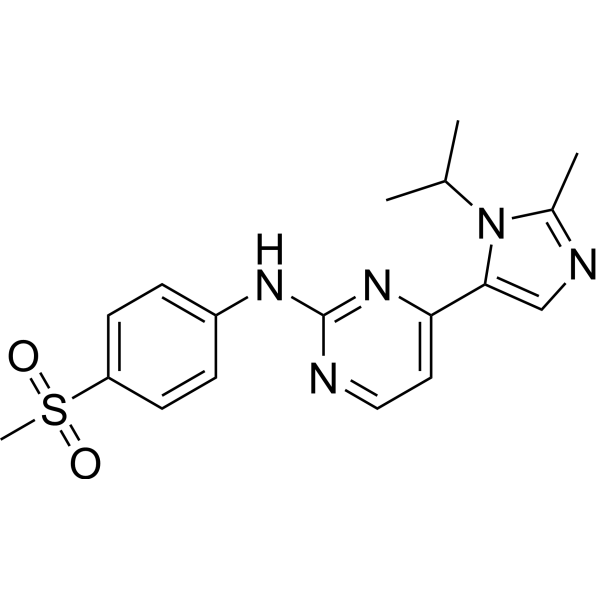
    AZD-5438
    10+ Cited Publications

    CDK Cancer
    AZD-5438 is a potent CDK1, CDK2, and CDK9 inhibitor, with IC50s of 16 nM, 6 nM, and 20 nM in cell-free assays, respectively. AZD-5438 shows less inhibition activity against GSK3β, CDK5 and CDK6 .
    AZD-5438
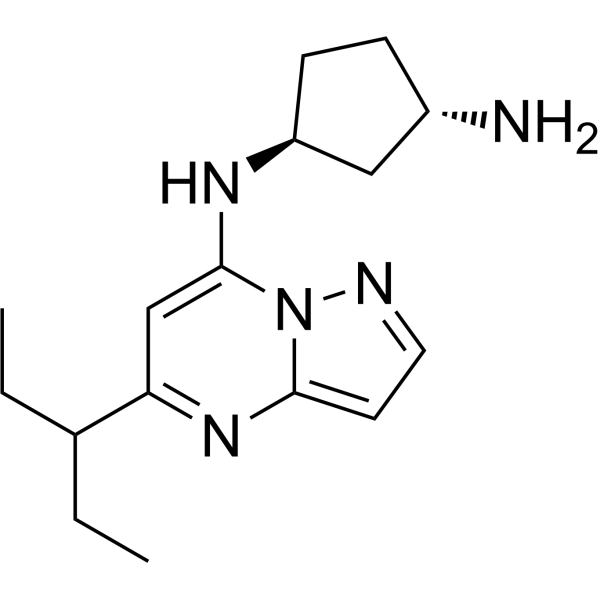
  • HY-12214A
    NVP-2
    Maximum Cited Publications
    41 Publications Verification

    CDK Apoptosis Cancer
    NVP-2 is a potent and selective ATP-competitive cyclin dependent kinase 9 (CDK9) probe, inhibits CDK9/CycT activity with an IC50 of 0.514 nM. NVP-2 displays inhibitory effcts on CDK1/CycB, CDK2/CycA and CDK16/CycY kinases with IC50 values of 0.584 μM, 0.706 μM, and 0.605 μM, respectively. NVP-2 induces cell apoptosis.
    NVP-2
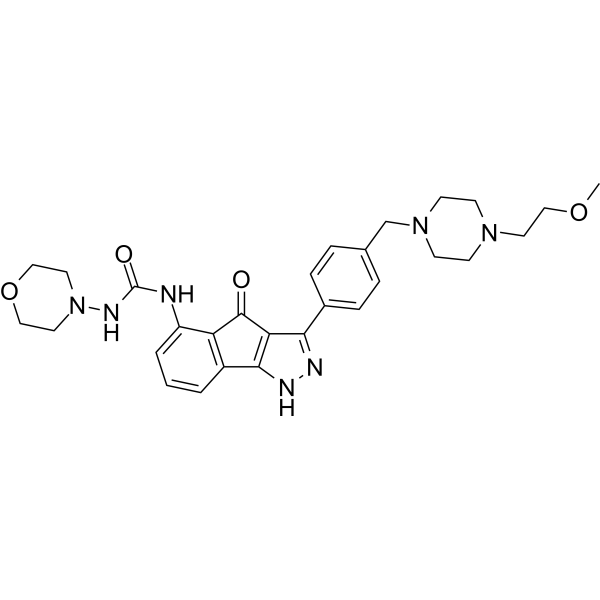
  • HY-137478
    KB-0742
    3 Publications Verification

    CDK Cancer
    KB-0742 is a potent, selective and orally active CDK9 inhibitor with an IC50 of 6 nM for CDK9/cyclin T1. KB-0742 is selective for CDK9/cyclin T1 with >50-fold selectivity over other CDK kinases. KB-0742 has potent anti-tumor activity .
    KB-0742
  • HY-173523

    PROTACs CDK c-Myc Cancer
    KI-CDK9d-32 is a highly selective and potent CDK9 PROTAC degrader (DC50: 0.89 nM). KI-CDK9d-32 promotes the ubiquitination and degradation of CDK9. KI-CDK9d-32 inhibits the MYC pathway and disrupts nucleolar homeostasis. KI-CDK9d-32 exhibits anticancer activity against acute lymphoblastic leukemia and pancreatic cancer. (Pink: CDK9 ligand (HY-153718); Blue: E3 ligase CRBN ligand (HY-163233); Black: Linker (HY-W011657); E3 ligase CRBN ligand-linker conjugate (HY-173525)) .
    KI-CDK9d-32
  • HY-103019A

    (±)-BAY-1251152; (±)-VIP152

    CDK Apoptosis DNA/RNA Synthesis Cancer
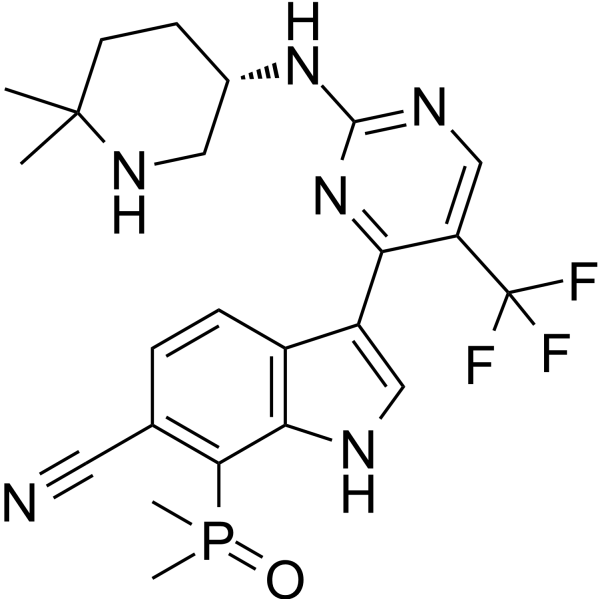
    (±)-Enitociclib ((±)-BAY-1251152) is the racemic mixture of Enitociclib (HY-103019E). Enitociclib is a selective CDK9 inhibitor and apoptosis inducer. Enitociclib inhibits CDK9 activity and reduces the phosphorylation of Ser2 in the carboxyl-terminal domain (CTD) of RNA polymerase Pol II, thereby downregulating the transcription of key oncogenes such as MYC and MCL1. Enitociclib has anti-proliferative activity targeting MYC + lymphoma and multiple myeloma (MM) cells, and has synergistic effects with Bortezomib (HY-10227) and Lenalidomide (HY-A0003), and can be used in the research of hematological malignancies .
    (±)-Enitociclib
  • HY-15504A
    RGB-286638 free base
    3 Publications Verification

    CDK GSK-3 MEK JAK Cancer
    RGB-286638 is a CDK inhibitor that inhibits the kinase activity of cyclin T1-CDK9, cyclin B1-CDK1, cyclin E-CDK2, cyclin D1-CDK4, cyclin E-CDK3, and p35-CDK5 with IC50s of 1, 2, 3, 4, 5 and 5 nM, respectively; also inhibits GSK-3β, TAK1, Jak2 and MEK1, with IC50s of 3, 5, 50, and 54 nM.
    RGB-286638 free base
  • HY-111388A
    Romaciclib monohydrochloride
    5+ Cited Publications

    SEL120-34A monohydrochloride

    CDK Cancer
    SEL120-34A monohydrochloride is an ATP-competitive and selective CDK8 inhibitor, inhibits kinase activities of CDK8/CycC and CDK19/CycC complexes with IC50s of 4.4 nM and 10.4 nM, respectively, with a Kd of 3 nM for CDK8. SEL120-34A monohydrochloride weakly inhibits CDK9 (calculated IC50=1070 nM), but shows no obvious activity against CDK1, 2, 4, 6, 5, 7. SEL120-34A monohydrochloride inhibits phosphorylation of STAT1 S727 and STAT5 S726 . Has anti-tumor activity .
    Romaciclib monohydrochloride
  • HY-15504
    RGB-286638
    3 Publications Verification

    CDK GSK-3 MEK JAK Cancer
    RGB-286638 is a CDK inhibitor that inhibits the kinase activity of cyclin T1-CDK9, cyclin B1-CDK1, cyclin E-CDK2, cyclin D1-CDK4, cyclin E-CDK3, and p35-CDK5 with IC50s of 1, 2, 3, 4, 5 and 5 nM, respectively; also inhibits GSK-3β, TAK1, Jak2 and MEK1, with IC50s of 3, 5, 50, and 54 nM.
    RGB-286638
  • HY-15815
    Bromosporine
    5 Publications Verification

    Epigenetic Reader Domain Apoptosis CDK HIV Cancer
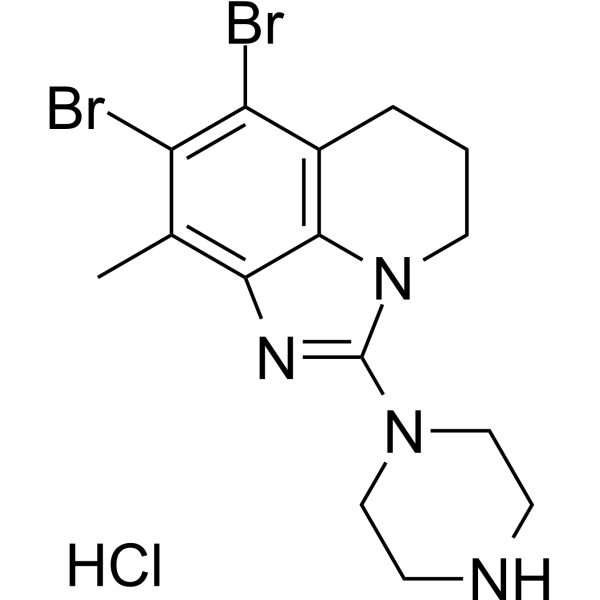
    Bromosporine, a chemical probe, is a potent BET inhibitor with an IC50 value of 2.1 μM for PCAF. Bromosporine can arrest cell cycle and induce apoptosis in cancer cells. Bromosporine exhibits excellent antitumor activity in xenograft mice model when combined with 5-Fluorouracil (HY-90006). Bromosporine can increase CDK9 T-loop phosphorylation in HIV-1 latency models, resulting the protection of reactivate HIV-1 replication from latency. Bromosporine can be used to research colorectal cancer, acute myeloid leukemia (AML) and AIDS .
    Bromosporine
  • HY-137478A
    KB-0742 dihydrochloride
    3 Publications Verification

    CDK Cancer
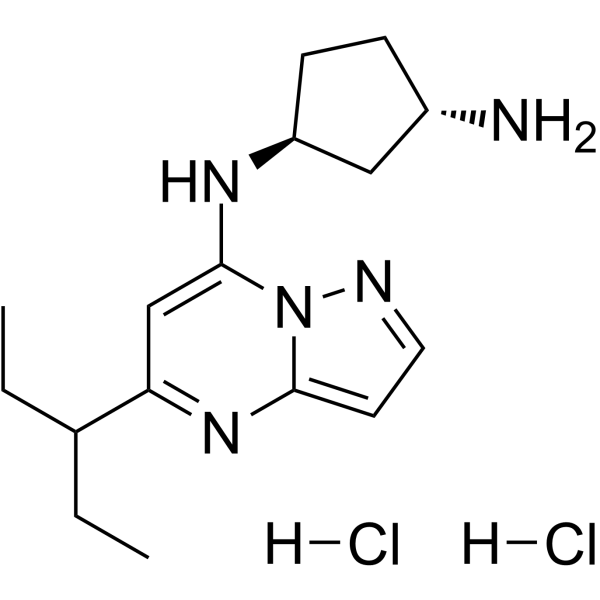
    KB-0742 dihydrochloride is a potent, selective and orally active CDK9 inhibitor with an IC50 of 6 nM for CDK9/cyclin T1. KB-0742 dihydrochloride is selective for CDK9/cyclin T1 with >50-fold selectivity over other CDK kinases. KB-0742 dihydrochloride has potent anti-tumor activity .
    KB-0742 dihydrochloride
  • HY-162706
    BSJ-5-63
    1 Publications Verification

    PROTACs CDK Cancer
    BSJ-5-63 is a potent CDK12, CDK7, CDK9 PROTAC degrader. BSJ-5-63 BSJ-5-63 decreases the protein expression of CDK12, CDK7, CDK9, RNAPII, Cyclin K. BSJ-5-63 decreases the mRNA expression of BRCA1, BRCA2. BSJ-5-63 shows anticancer activity and has the potential for the research of prostate cancer (Pink: ligand for target protein (HY-150948); black: linker (HY-W140827); Blue: E3 ligase ligand (HY-112078)) .
    BSJ-5-63
  • HY-16559
    Riviciclib hydrochloride
    3 Publications Verification

    P276-00

    CDK Apoptosis Cancer
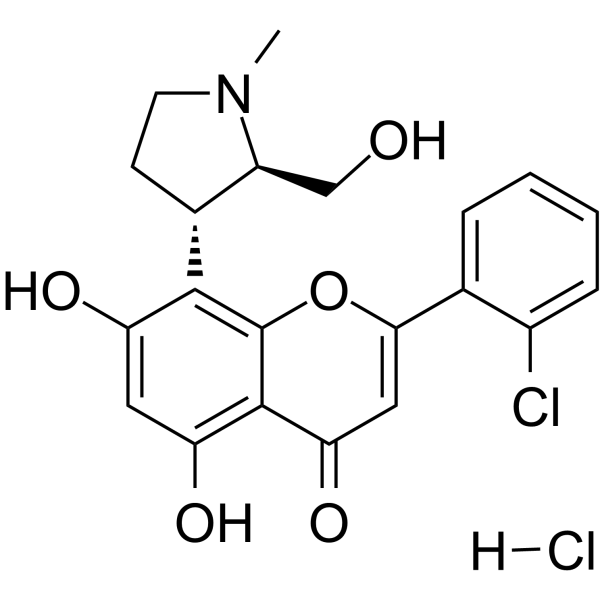
    Riviciclib hydrochloride (P276-00) is a potent cyclin-dependent kinase (CDK) inhibitor, which inhibits CDK9-cyclinT1, CDK4-cyclin D1, and CDK1-cyclinB with IC50s of 20 nM, 63 nM, and 79 nM, respectively . Riviciclib hydrochloride (P276-00) shows antitumor activity on cisplatin-resistant cells .
    Riviciclib hydrochloride
  • HY-100429
    CAN508
    1 Publications Verification

    CDK Cancer
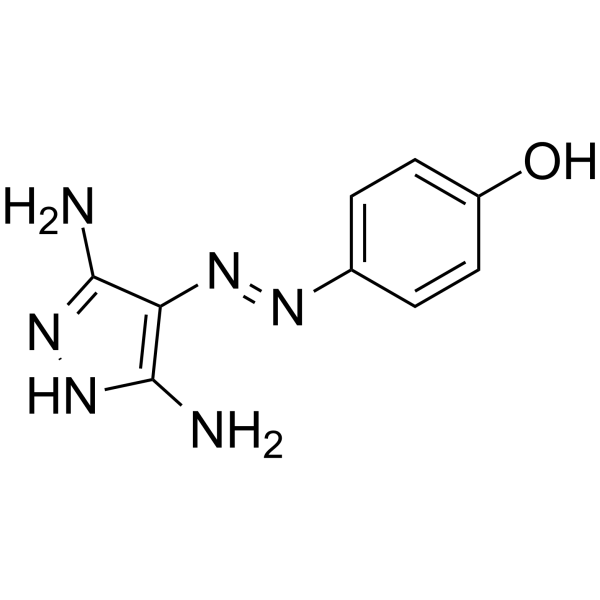
    CAN508 is a potent, ATP-competitive CDK9/cyclin T1 inhibitor with an IC50 of 0.35 μM. CAN508 exhibits a 38-fold selectivity for CDK9/cyclin T over other CDK/cyclin complexes. Antitumor activity .
    CAN508
  • HY-103019B
    (-)-Enitociclib
    2 Publications Verification

    (R)-Enitociclib; (-)-BAY-1251152; (-)-VIP152

    Drug Isomer CDK Apoptosis DNA/RNA Synthesis Cancer
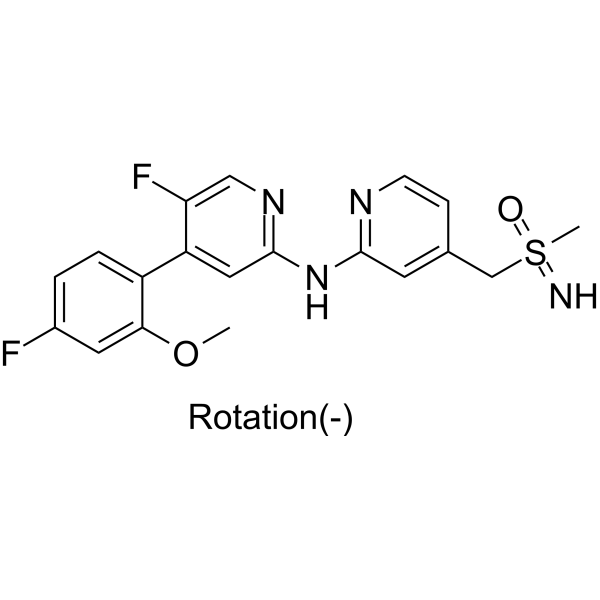
    (-)-Enitociclib ((R)-Enitociclib) is an enantiomer of Enitociclib (HY-103019E) with an optical rotation of (-). Enitociclib is a selective CDK9 inhibitor and apoptosis inducer. Enitociclib inhibits CDK9 activity and reduces the phosphorylation of Ser2 in the carboxyl-terminal domain (CTD) of RNA polymerase Pol II, thereby downregulating the transcription of key oncogenes such as MYC and MCL1. Enitociclib has anti-proliferative activity targeting MYC + lymphoma and multiple myeloma (MM) cells, and has synergistic effects with Bortezomib (HY-10227) and Lenalidomide (HY-A0003), and can be used in the research of hematological malignancies .
    (-)-Enitociclib
  • HY-176142

    CDK c-Myc Apoptosis Bcl-2 Family Cancer
    YX0798 is a selective and orally active CDK9 inhibitor (Kd: 0.28 nM). YX0798 downregulates the oncoprotein c-MYC and pro-survival protein MCL-1. YX0798 disrupts the cell cycle and results in transcriptomic reprogramming, eventually leading to cell apoptosis. YX0798 has antitumor activity .
    YX0798
  • HY-178861

    PROTACs CDK Caspase PARP Apoptosis Cancer
    dCDK9-202 a potent CDK9 PROTAC degrader with an DC50 value of 3.5 nM. dCDK9-202 exhibits broad-spectrum anti-tumor activity and extensively disrupts the oncogenic transcriptome. dCDK9-202 can activate Caspase-3/7, increase the level of cleaved PARP, and directly induce apoptosis of tumor cells. dCDK9-202 effectively inhibits TC-71 tumor growth without any signs of toxicity in mice. dCDK9-202 can be used for the study of EGFR-driven cancers such as sarcoma (Pink: CDK9 ligand (HY-178862); Blue: CRBN ligand (HY-W248665); Black: Linker (HY-N8015)) .
    dCDK9-202
  • HY-151071

    Ligands for Target Protein for PROTAC CDK Cancer
    TMX-3013 is a CDK inhibitor capable of inhibiting the activity of CDK1, CDK2, CDK4, CDK5, and CDK6, with IC50 values of 0.9 nM, <0.5 nM, 24.5 nM, 0.5 nM, and 15.6 nM, respectively. TMX-3013 can be used as a target protein ligand, conjugated with the PROTAC linker and the CRBN ligand Thalidomide (HY-14658) for the synthesis of PROTAC TMX-2138 (HY-164906). TMX-3013 can also act as an effector ligand, binding to target proteins HaloTag or FKBP, and can be used in the synthesis of regulated induced proximity targeting chimeras (RIPTACs) .
    TMX-3013
  • HY-123955

    Casein Kinase CDK Apoptosis Cancer
    Casein Kinase inhibitor A86 is a potent and orally active casein kinase 1α (CK1α) inhibitor. Casein Kinase inhibitor A86 also inhibits of CDK7 (TFIIH) and CDK9 (P-TEFb). Casein Kinase inhibitor A861 induces leukemia cell apoptosis, and has potent anti-leukemic activities .
    Casein Kinase inhibitor A86
  • HY-161724

    Amyloid-β Dopamine Transporter CDK Autophagy Neurological Disease
    TFEB activator 2 is an orally active compound that can cross the blood-brain barrier. TFEB activator 2 can bind to the dopamine transporter (DAT). TFEB activator 2 promotes TFEB nuclear translocation and lysosome biogenesis by targeting the DAT-CDK9-TFEB pathway. TFEB activator 2 has neuroprotective activity and can be used in the research of Alzheimer's disease and other diseases .
    TFEB activator 2
  • HY-155218

    PROTACs CDK Cancer
    TMX-2172 is a selective bivalent cereblon-recruiting PROTAC-based dual CDK2 and CDK5 degrader with IC50 values of 6.5 nM and 6.8 nM, respectively. TMX-2172 shows selectivity for CDK2 and CDK5 over other cell cycle CDKs (CDK1, CDK4, and CDK6) and transcriptional CDKs (CDK7 and CDK9). TMX-2172 inhibits CDK2/CDK5 enzymatic activity, induces their proteasomal degradation, reduces ASCL1 protein levels and half-life, induces cancer cell death, and exerts antiproliferative effects. TMX-2172 can be used for the research of ovarian cancer and small cell lung cancer .
    TMX-2172
  • HY-119715

    CDK Apoptosis Inflammation/Immunology Cancer
    AG-012986 is a pan-CDK inhibitor with Ki values of 44 nM (CDK1), 9.2 nM (CDK4), 94 nM (CDK2), and IC50 values of 22 nM (CDK5), 4 nM (CDK9). AG-012986 causes apoptosis of T-cells by targeting upstream kinases in the p38 Mitogen-activated protein kinase (MAPK) pathway and impairing cellular survival. AG-012986 induces cell cycle arrest, retinoblastoma protein hypophosphorylation, and reduces Ki-67 expression. AG-012986 exerts antiproliferative activity in tumor cells, demonstrates antitumor efficacy in human xenograft models, and causes retinal and peripheral neurotoxicity, plus immune cell toxicity. AG-012986 can be used for the research of colon carcinoma, non-small cell lung carcinoma, lung carcinoma, breast carcinoma, ovarian tumor, pancreatic carcinoma, osteosarcoma, lymphoma, leukemia, retinotoxicity .
    AG-012986
  • HY-156084

    CDK PROTACs Apoptosis c-Myc Cancer
    LL-K9-3 is a potent small-molecule degrader of CDK9-cyclin T1. LL-K9-3 has anti-proliferative and pro-apoptotic activities and suppresses downstream signaling of CDK9 and AR. Moreover, LL-K9-3 inhibits AR and Myc-driven oncogenic transcriptional programs .
    LL-K9-3
  • HY-169245

    CDK BCL6 Cancer
    DK-TCIP2, linking inhibitor of CDK9 SNS-032 (HY-10008) with ligands of BCL6 BI-3812 (HY-111381), is a anticancer agent. DK-TCIP2 shows anticancer activity in vivo and in vitro and can be used for study of lymphoma cancer .
    CDK-TCIP2
  • HY-115714

    CDK Cancer
    CDK9-IN-12 displays the optimal CDK9 inhibitory activity with an IC50 value of 5.41 nM.
    CDK9-IN-12
  • HY-176165

    CDK Histone Methyltransferase Cancer
    CDK9/EZH2-IN-1 (Compound D16) is a CDK9/EZH2 dual-target inhibitor (IC50: 83.9/108.6 nM). CDK9/EZH2-IN-1 induces apoptosis and DNA double-strand breaks (DSBs). CDK9/EZH2-IN-1 inhibits the proliferation activity of MKN45, MDA-MB-453 and SW620 cancer cells (IC50 values are 136.3, 171.3 and 315.7 nM, respectively) .
    CDK9/EZH2-IN-1
  • HY-126251

    CDK Apoptosis Cancer
    CDK9-IN-7 (compound 21e) is a selective, highly potent, and orally active CDK9/cyclin T inhibitor (IC50=11 nM), which exhibits more potent over other CDKs (CDK4/cyclinD=148 nM; CDK6/cyclinD=145 nM). CDK9-IN-7 shows antitumor activity without obvious toxicity. CDK9-IN-7 induces NSCLC cell apoptosis, arrests the cell cycle in the G2 phase, and suppresses the stemness properties of NSCLC .
    CDK9-IN-7
  • HY-100950

    GSK-3 CDK Inflammation/Immunology Cancer
    ABC1183 is an orally active selective dual GSK3 and CDK9 inhibitor. ABC1183 inhibits GSK3β, GSK3α and CDK9/cyclin T1 with the IC50 values of 657 nM, 327 nM and 321 nM, respectively. ABC1183 has anti-inflammatory and anti-tumor activities .
    ABC1183
  • HY-201330

    RGT-419B

    CDK Cancer
    GDC-4198 (RGT-419B) is an orally active CDK4/2 inhibitor with desired degrees of selectivity against kinases such as CDK6, CDK9 and GSK3β. GDC-4198 inhibits the activity of cyclin-CDK complexes, blocks phosphorylation of the retinoblastoma protein (pRb), arresting the cell cycle transition from G1 to S phase. GDC-4198 is promising for research of cancers, such as breast cancer (especially hormone receptor-positive, HER2-negative type), lung cancer, and colorectal cancer .
    GDC-4198
  • HY-151984

    CDK Cancer
    CDK9-IN-22 is a potent CDK9 inhibitor with IC50s of 10.4, 876.2 nM for CDK9, CDK, respectively. CDK9-IN-22 induces apoptosis and cell cycle arrests at G2/M phase. CDK9-IN-22 decreases the expression of p-RNAPII (S2) and CDK9 protein. CDK9-IN-22 shows antiproliferative and aiti-tumor activity .
    CDK9-IN-22
  • HY-130001

    CDK Cancer
    CDK9-IN-9 (example 2) is a potent and selective CDK9 inhibitor with an IC50 of 1.8 nM. CDK9-IN-9 inhibits CDK2 with an IC50 of 155 nM. CDK9-IN-9 has anti-cancer activity .
    CDK9-IN-9
  • HY-176736

    CDK Apoptosis Cancer
    CDK9-IN-40 is a potent and orally active CDK9 inhibitor with an IC50 of 5.5 nM. CDK9-IN-40 shows high selectivity for CDK9 versus CDK1, CDK2, CDK4, and CDK6, respectively. CDK9-IN-40 can arrest cell cycle, induce cell apoptosis and inhibit tumor growth. CDK9-IN-40 exhibits strong anti-cancer activity .
    CDK9-IN-40
  • HY-16559A

    P276-00 free base

    CDK Cancer
    Riviciclib (P276-00 free base) is a potent cyclin-dependent kinase (CDK) inhibitor, which inhibits CDK9-cyclinT1, CDK4-cyclin D1, and CDK1-cyclinB with IC50s of 20 nM, 63 nM, and 79 nM, respectively . Riviciclib shows antitumor activity on cisplatin-resistant cells .
    Riviciclib
  • HY-112450

    CDK Cancer
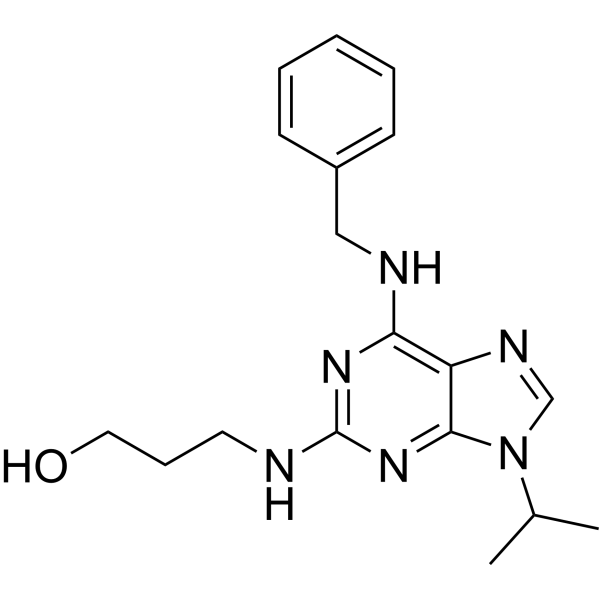
    Olomoucine II is a potent CDK inhibitor with IC50 values of 0.06, 0.1, 0.45, 7.6, 19.8 µM for CDK9/cyclin T, CDK2/cyclin E, CDK7/cyclin H, CDK1/cyclin B, CDK4/cyclin D1, respectively. Olomoucine II shows antiproliferative activity .
    Olomoucine II
  • HY-12843
    Bohemine
    1 Publications Verification

    CDK ERK Cancer
    Bohemine is a purine analogue and is a synthetic and selective CDK inhibitor with IC50s of 4.6 μM, 83 μM, and 2.7 μM for Cdk2/cyclin E, Cdk2/cyclin A, and Cdk9/cyclin T1, respectively. Bohemine also inhibits ERK2 with an IC50 of 52 μM and has less inhibitory effect on CDK1, CDK4 and CDK6. Bohemine has a broad spectrum anti-cancer activities .
    Bohemine
  • HY-177780

    Molecular Glues CDK Apoptosis Cancer
    Cyclin K degrader 2 is a molecular glucose degrading agent that targets the cyclin K protein. Cyclin K degrader 2 has inhibitory activity against CDK1 and CDK9. Cyclin K degrader 2 causes a decrease in RNA polymerase II Ser2 phosphorylation levels, downregulation of DNA damage response gene expression, accumulation of DNA damage, G1 phase arrest of the cell cycle, and apoptosis. Cyclin K degrader 2 can be used for cancer research .
    Cyclin K degrader 2
  • HY-178499

    CDK c-Myc Bcl-2 Family Neurological Disease Cancer
    CDK9-IN-44 (Compound 7) is a selective CDK9 inhibitor (IC50=7.6 μM). CDK9-IN-44 inhibits CDK9/cyclin T1 kinase activity, blocking transcriptional elongation, reducing the expression of pro-cancer proteins (such as MCL1, c-MYC), and inducing tumor cell apoptosis. CDK9-IN-44 is promising for research of glioblastoma (GBM) and central nervous system (CNS) disorders .
    CDK9-IN-44
  • HY-156296

    CDK Apoptosis Cancer
    CDK9-Cyclin T1 PPI-IN-1 (Compound B19) is a selective CDK9-Cyclin T1 protein-protein interaction (PPI) inhibitor. CDK9-Cyclin T1 PPI-IN-1 inhibits cell proliferation in TNBC MDA-MB-231 cells (IC50: 0.044 μM), and induces apoptosis. CDK9-Cyclin T1 PPI-IN-1 inhibits CDK9 transcription activity, reduces the phosphorylation of RNA Pol II CTD ser2. CDK9-Cyclin T1 PPI-IN-1 inhibits tumor growth in a TNBC 4T1 mouse model .
    CDK9-Cyclin T1 PPI-IN-1
  • HY-176451

    CDK Cancer
    CDK9 degrader-1 (Compound AZ-9) is a selective CDK9 degrader (DC50: 0.4073 µM). CDK9 degrader-1 recruits ATG101 to initiate the autophagy-lysosome pathway and forms autophagosomes by recruiting LC3, which then fuses with lysosomes to degrade CDK9 and its partner protein Cyclin T1 (DC50: 1.215 µM). CDK9 degrader-1 induces caspase 3-mediated apoptosis. CDK9 degrader-1 has antitumor activity in a mouse HCT116 xenograft model .
    CDK9 degrader-1
  • HY-137478B

    CDK Cancer
    KB-0742 hydrochloride is a potent, selective and orally active CDK9 inhibitor with an IC50 of 6 nM for CDK9/cyclin T1. KB-0742 hydrochloride is selective for CDK9/cyclin T1 with >50-fold selectivity over other CDK kinases. KB-0742 hydrochloride has potent anti-tumor activity .
    KB-0742 hydrochloride
  • HY-168892

    Atg8/LC3 Autophagy Cancer
    LC3B recruiter 2 (34R) is an LC3B recruiter and a component of the autophagy-lysosome pathway degradation system (ATTEC, Autophagy-Tethering Compounds), which directly binds to LC3B. LC3B recruiter 2 binds to CDK9 inhibitor SNS-032 (HY-10008) through a linker, forming an ATTEC that targets the degradation of the CDK9 and Cyclin T1 complex (with inhibitory effects on both). Therefore, LC3B recruiter 2 exerts activity through the LC3B-dependent autophagy-lysosome pathway, interfering with the cell cycle of cancer cells, thus exhibiting antitumor activity .
    LC3B recruiter 2
  • HY-153221

    CDK Cancer
    QR-6401 is an orally active and selective macrocyclic CDK2 inhibitor with IC50 values of 0.37, 10, 22, 34 and 45 nM for CDK2/E1, CDK9/T1, CDK1/A2, CDK6/D3 and CDK4/D1, respectively. QR-6401 has potent antitumor activity in an OVCAR3 ovarian cancer xenograft model. QR-6401 has the potential to be used in the study of cancer .
    QR-6401
  • HY-178862

    Target Protein Ligand-Linker Conjugates Cancer
    CDK9 ligand-Linker Conjugate is a synthesized CDK9 ligand-linker conjugate that can be used for synthesis of dCDK9-202 (HY-178861). dCDK9-202 is a potent CDK9 PROTAC degrader with anti-tumor activity .
    CDK9 ligand-Linker Conjugate
  • HY-147905

    CDK Apoptosis Cancer
    CDK9-IN-18 is a potent CDK9 inhibitor. CDK9-IN-18 blocks the phosphorylation function of kinase CDK9. CDK9-IN-18 exhibits both good anticancer activity and low cellular activity. CDK9-IN-18 induces apoptosis.
    CDK9-IN-18
  • HY-151436

    CDK Cholinesterase (ChE) Apoptosis Cancer
    ZLMT-12 (compound 35), tacrine derivatives, is a potent, orally active CDK2/9 inhibitor with IC50 values of 0.002 and 0.011 μM for CDK9 and CDK2, respectively. ZLMT-12 has a weak inhibitory effect on AChE (IC50=19.023 μM) and BChE (IC50=2.768 μM). ZLMT-12 has low toxicity and antiproliferative activity. ZLMT-12 induces apoptosis and arrests the cell cycle in the S phase and G2/M phase .
    ZLMT-12
  • HY-162619

    Apoptosis CDK Cancer
    CDK9-IN-33 (compound C35) is a potent, selective and orally active CDK9 inhibitor with IC50 values of 17.44, 160, 316.30, 1771.00, >10000 nM for CDK9, CDK7, CDK2, CDK4, CDK6 respectively. CDK9-IN-33 induces apoptosis. CDK9-IN-33 decreases the protein expression of RPB1 CTD Ser2, RPB1, MCL1. CDK9-IN-33 shows anti-tumor activity .
    CDK9-IN-33
  • HY-150562

    CDK Cancer
    CDK9-IN-19 is a highly potent and selective CDK9 inhibitor with an IC50 value of 2.0 nM. CDK9-IN-19 has excellent cellular antiproliferative activity, moderate pharmacokinetic property and low hERG inhibition. CDK9-IN-19 significantly induces tumour growth inhibition in an MV4-11 xenograft mice model. CDK9-IN-19 can be used for researching acute myeloid leukaemia (AML) .
    CDK9-IN-19
  • HY-156083

    CDK Cancer
    PROTAC CDK9/CycT1 Degrader-1 (compounds 10) is a potent inhibitor of CDK9. PROTAC CDK9/CycT1 Degrader-1 can be used as a PROTAC target protein ligand for PROTAC synthesis. PROTAC CDK9/CycT1 Degrader-1 shows strong anti-proliferative activity in solid tumors .
    CDK9-IN-28
  • HY-164619

    CDK SARS-CoV Infection Cancer
    CDK9-IN-34 (Compound 1b) is an inhibitor for CDK9 with an IC50 of 0.25 μM. CDK9-IN-34 exhibits cytotoxicity to cancer cell HCT116, MCF7 and K652 with IC50s of 1.43, 3.01 and 50.27 μM, respectively. CDK9-IN-34 exhibits antiviral activity against coronavirus 229E with an IC50 of 145.92 μM .
    CDK9-IN-34
  • HY-155843

    CDK SARS-CoV Virus Protease Infection
    CDK9-IN-25 (compound 4a) is an imidazopyrazine CDK9 inhibitor (IC50: 0.24 μM). CDK9-IN-25 has good affinity to the main protease of COVID-19 and has antiviral activity against human coronavirus 229E (IC50: 63.28 μM) .
    CDK9-IN-25

Inquiry Online

Your information is safe with us. * Required Fields.

Salutation


Country or Region *

Applicant Name *


Organization Name *

Department *


Email Address *


Product Name *

Cat. No.


Requested quantity *

Phone Number *


Remarks

Inquiry Online

Inquiry Information

Product Name:
Cat. No.:
Quantity:
MCE Japan Authorized Agent:

