1. Search Result
Search Result
Pathways Recommended: Antibody-drug Conjugate/ADC Related
Results for "

Drug development

" in MedChemExpress (MCE) Product Catalog:

131

Inhibitors & Agonists

132

Screening Libraries

1

Fluorescent Dye

6

Biochemical Assay Reagents

19

Peptides

1

MCE Kits

1

Inhibitory Antibodies

13

Natural
Products

5

Isotope-Labeled Compounds

3

Click Chemistry

5

Oligonucleotides

Cat. No. Product Name Target Research Areas Chemical Structure
  • HY-Y0135

    Drug Intermediate Cancer
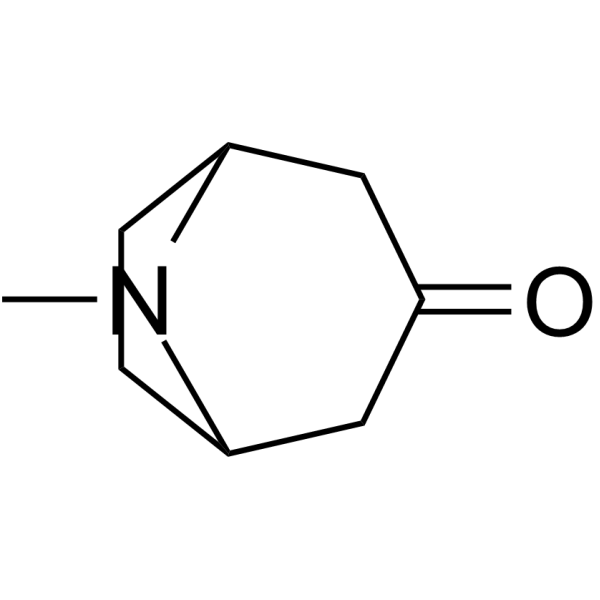
    Tropinone is an organic synthesis intermediate and a skeleton for constructing derivatives containing thiazole rings and other structures. Tropinone derivatives have anticancer activities such as inducing tumor cell apoptosis and inhibiting tyrosinase activity, and can be used in research such as anticancer drug development and tyrosinase inhibitor design .
    Tropinone
  • HY-W416291

    Poly(A)

    Biochemical Assay Reagents Cancer
    Polyadenylic acid potassium, also known as Poly(A), is enzymatically added to messenger RNA (mRNA) in eukaryotic cells to stabilize mRNAs. Poly(A) is used to evaluate binding on cationic liposomes doped with non-ionic nucleolipids. Poly(A) is used in small molecule mRNA targeted drug development to evaluate the binding of potential therapeutic agents such as the Isoquinoline group of alkaloids. Small molecules that could bind to this poly(A) tail could influence and possibly inhibit mRNA function and subsequent protein production in the cell leading to the development of new type of therapeutic agents.
    Polyadenylic acid potassium
  • HY-132180A

    ADC Payload DNA/RNA Synthesis Inflammation/Immunology Cancer
    Seco-DUBA hydrochloride is a DNA-targeting cytotoxic agent. Seco-DUBA hydrochloride binds to the minor groove of A-T-rich DNA regions, alkylates the adenine N3 residue, and undergoes spontaneous spirocyclization to generate active DUBA (HY-160969). Seco-DUBA hydrochloride exerts cytotoxic activity against human cancer cells. The reduced hydrophobicity of Seco-DUBA hydrochloride supports the development of antibody-drug conjugates .
    Seco-DUBA
  • HY-174892

    Biochemical Assay Reagents Others
    Biotin-PEG5-NHS ester is a heterobifunctional crosslinker as well as a polyethylene glycol-containing bioconjugation reagent. Biotin-PEG5-NHS ester is widely used in scientific research fields such as the construction of highly sensitive biosensors, the development of targeted drug delivery systems (e.g., liposome modification), immunofluorescence imaging, and protein affinity purification, and serves as an important tool for achieving precise labeling and functionalization of biomolecules .
    Biotin-PEG5-NHS ester
  • HY-W035137

    5,15-DPP

    STAT Cancer
    5,15-Diphenylporphyrin (5,15-DPP) is an inhibitor of the oncogenic transcription factor STAT3. 5,15-Diphenylporphyrin specifically binds to the SH2 domain of STAT3, blocking the pTyr-SH2 interaction, thereby inhibiting the dimerization, nuclear translocation and DNA binding activity of STAT3, and ultimately inhibiting the expression of cancer cell-related genes. 5,15-Diphenylporphyrin can be used in research fields related to the development of anticancer drugs[1][2].
    5,15-Diphenylporphyrin
  • HY-W048488

    DNA/RNA Synthesis Drug Intermediate Others
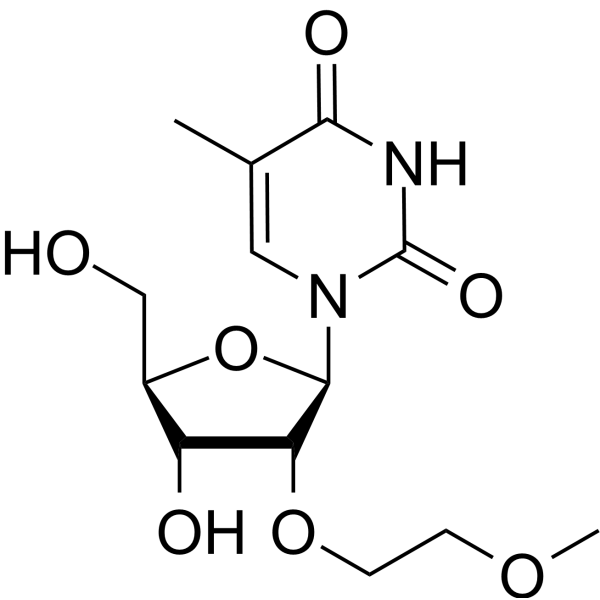
    2'-O-MOE-5-Me-rU is a dual chemically modified ribonucleoside, which is a key modifying unit in the development of RNA drug preparations (such as antisense oligonucleotides ASO, siRNA). Its core function is to significantly enhance the stability, target affinity and drugability of nucleic acid drugs.
    2'-O-MOE-5-Me-rU
  • HY-P2112

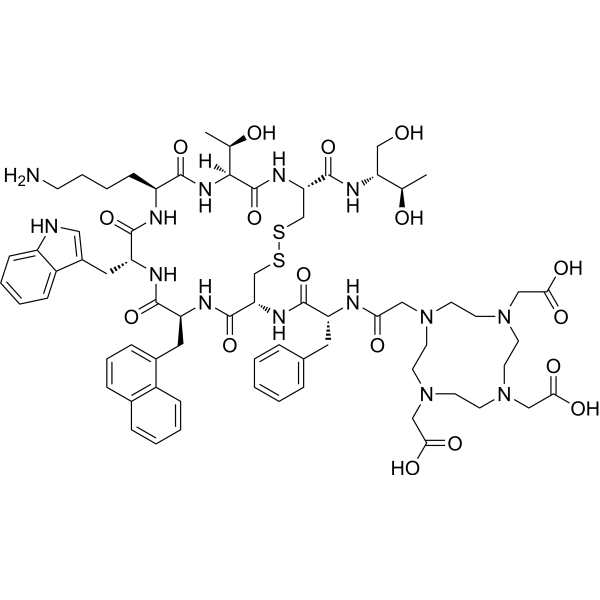
    DOTA-Nal3-octreotide

    Radionuclide-Drug Conjugates (RDCs) Somatostatin Receptor Others
    DOTA-NOC (DOTA-Nal3-octreotide) is a high-affinity ligand of somatostatin receptor subtypes 2, 3 and 5. DOTA-NOC can be used for labeling with various radiometals, and development of radiopeptide imaging . DOTA-NOC can be used for the synthesis/research of Radionuclide-Drug Conjugates (RDCs).
    DOTA-NOC
  • HY-170528

    PROTAC Linkers Others
    DBCO-PEG3-NHS is a biochemical assay reagent, that can be used to chemically modify proteins and antibodies with an alkynyl (DBCO) or N-hydroxysuccinimide (NHS) ester group. DBCO-PEG3-NHS can be used as a linker in PROTAC synthesis or for drug delivery and the development of biosensors and diagnostic reagents .
    DBCO-PEG3-NHS
  • HY-A0248B

    Antibiotic Bacterial Infection
    Polymyxin B2 is a polypeptide antibiotic that has antibacterial activity, particularly against gram-negative bacteria. Polymyxin B2 kills the bacteria by binding to lipopolysaccharide molecules on the bacterial cell membrane, disrupting the integrity of the cell membrane and causing the cell contents to leak. Polymyxin B2 can be used in antibiotic development and treatment of drug-resistant strains .
    Polymyxin B2
  • HY-125864C

    Biochemical Assay Reagents Cardiovascular Disease
    Porcine Fibrinogen is a coagulation protein, purified from porcine plasma with no plasminogen contained. Porcine Fibrinogen has excellent biocompatibility and does not induce aggregation of porcine platelets when in contact with porcine hepatocytes, aortic endothelial cells or hepatic sinusoidal endothelial cells. Porcine Fibrinogen is widely used in studies on the pathological mechanisms of cardiovascular diseases such as atherosclerosis and the development of related drugs .
    Porcine Fibrinogen
  • HY-128753

    Endogenous Metabolite Drug Intermediate Metabolic Disease
    D-Lyxose is an endogenous metabolite. D-Lyxose is a rare pentose with significant potential for pharmaceutical synthesis. D-Lyxose serves as a starting material for antitumor agents (such as α-galactosylceramide-based immunostimulants). D-Lyxose acts as a precursor for L-nucleoside analogs used in the development of antiviral drugs. D-Lyxose can be used as a synthetic intermediate for other rare sugars (such as L-ribose) .
    D-Lyxose
  • HY-42709

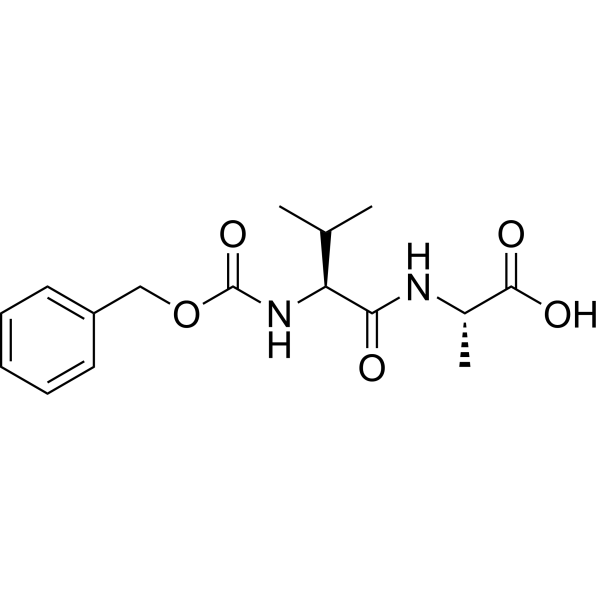
    Carbobenzoxy-L-valyl-L-alanine

    Amino Acid Derivatives Cancer
    Z-Val-Ala-OH is a dipeptide derivative of valine and alanine. Z-Val-Ala-OH undergoes cleavage by cathepsin B and other lysosomal proteases to enable payload release following lysosomal internalization. Z-Val-Ala-OH can be used for the research of antibody-drug conjugate (ADC) development[1] .
    Z-Val-Ala-OH
  • HY-W127702

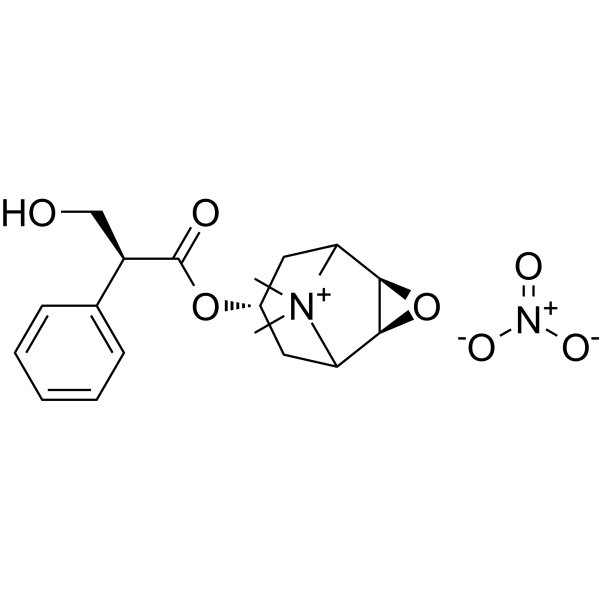
    Methscopolamine nitrate

    Biochemical Assay Reagents Others
    Scopolamine methyl nitrate is an organic compound commonly used in neuroscience research and pharmacology research. It can be used to study the role and structure of acetylcholine receptors, and is widely used in drug development and research in related fields. In addition, this compound is also used as a substrate or catalyst in certain biochemical reactions.
    Scopolamine methyl nitrate
  • HY-151727

    ADC Linker Others
    Norbornene-NHS is a norbornene-functionalized antibody-drug conjugate linker (ADC Linker) bearing an NHS ester, which is applicable for highly efficient and specific antibody conjugation reactions in ADC research and development. Norbornene-NHS also acts as an azide-group-containing click chemistry reagent, serving as a dienophile for copper-free click reaction conjugation .
    Norbornene-NHS
  • HY-171414

    Antibiotic Bacterial Infection
    MC-VC-PAB-O-Gemcitabine is a linker-antibiotic intermediate, which is part of the antibody-antibiotic conjugate (AAC) molecule. MC-VC-PAB-O-Gemcitabine is conjugated with the linker and the antibiotic Gemcitabine (HY-17026). MC-VC-PAB-O-Gemcitabine can be used to study the immunotherapy of bacterial infections and the development of new antibacterial drugs .
    MC-VC-PAB-O-Gemcitabine
  • HY-P1805

    Calmodulin Neurological Disease
    Calmodulin Binding Peptide 1 is a high-affinity (pM) CaM-binding peptide derived from smooth muscle myosin light chain kinase (MLCK peptide). The interface of the complex formed by Calmodulin Binding Peptide 1 and Ca 2+-CaM can be specifically bound by small-molecule inhibitors, serving as a key target for selective regulation of smooth muscle contraction and development of anti-CaM drugs .
    Calmodulin Binding Peptide 1
  • HY-134783

    Liposome Others
    1,19-Bis(2-butyloctyl) 10-[[3-(dimethylamino)propyl](1-oxononyl)amino]nonadecanedioate is an excipient for vaccines. 1,19-Bis(2-butyloctyl) 10-[[3-(dimethylamino)propyl](1-oxononyl)amino]nonadecanedioate can be used for the research of the development of COVID-19 vaccines and drug delivery for gene therapy .
    1,19-Bis(2-butyloctyl) 10-[[3-(dimethylamino)propyl](1-oxononyl)amino]nonadecanedioate
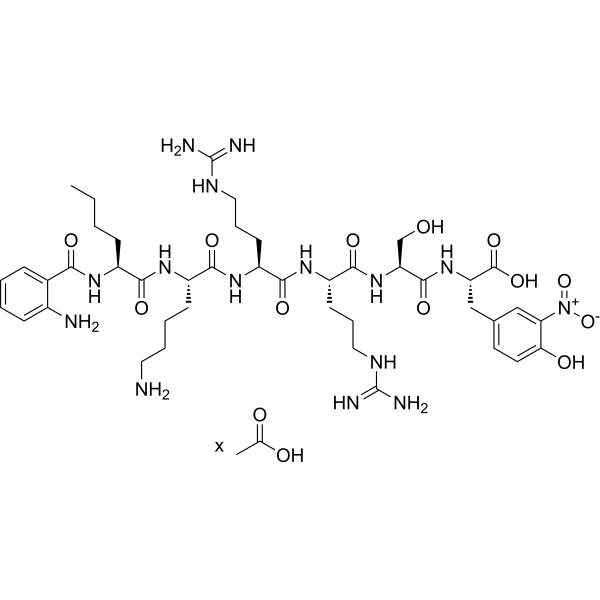
  • HY-P5313A

    Dengue Virus Infection
    Abz-Nle-Lys-Arg-Arg-Ser-3-(NO2)Tyr acetate is a DEN protease substrate, which can be used in research related to dengue virus (drug development) .
    Abz-Nle-Lys-Arg-Arg-Ser-3-(NO2)Tyr acetate
  • HY-158072

    Biochemical Assay Reagents Radionuclide-Drug Conjugates (RDCs) Cancer
    DOTAM-NHS-ester is a bifunctional chelator and a macrocyclic DOTA derivative used for tumor pre-targeting. DOTAM-NHS-ester combines the efficient metal chelating ability of DOTAM macrocyclic ligands with the bioconjugation function of NHS ester active groups, and can be widely used in the biomedical field for metal labeling, molecular imaging and drug delivery development .
    DOTAM-NHS-ester
  • HY-W613220

    Malate Dehydrogenase (MDH) HIF/HIF Prolyl-Hydroxylase Mitochondrial Metabolism Neurological Disease Inflammation/Immunology Cancer
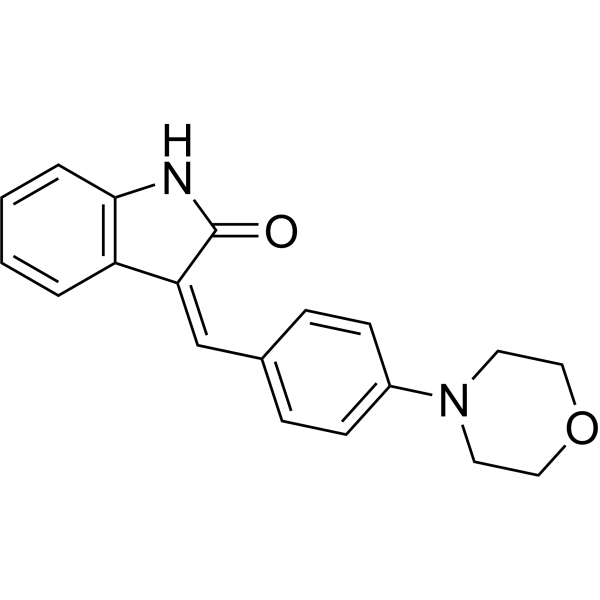
    MDH1/2-IN-1 is a MDH1/2 inhibitor (IC50: 1.07 μM and 1.06 μM respectively). MDH1/2-IN-1 inhibits mitochondrial respiration and the HIF-1α pathway. MDH1/2-IN-1 demonstrates significant anti-tumor potential. MDH1/2-IN-1 provides a new direction for the development of drugs targeting cancer metabolism .
    MDH1/2-IN-1
  • HY-124081

    Apoptosis Metabolic Disease
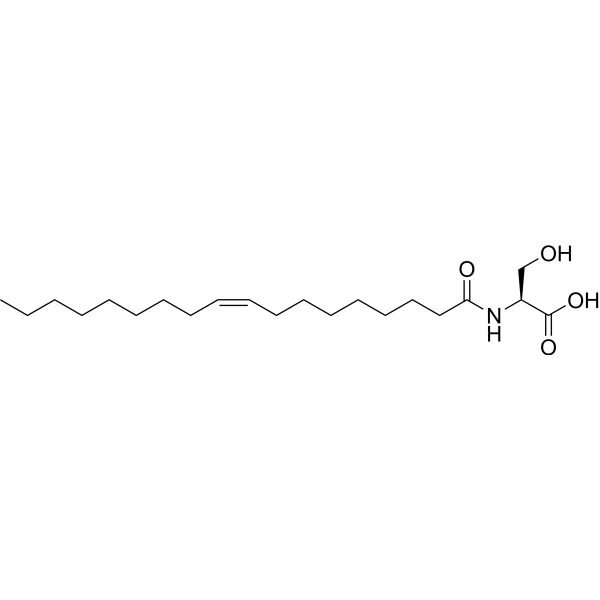
    N-Oleoyl-L-Serine is an endogenous amide of long-chain fatty acids with ethanolamine (N-acyl amides). N-Oleoyl-L-Serine is a lipid regulator of bone remodeling and stimulates osteoclast apoptosis. N-Oleoyl-L-Serine can be used for antiosteoporotic drug discovery development .
    N-Oleoyl-L-serine
  • HY-W004121

    Drug Intermediate Cancer
    4-Biphenylsulfonyl chloride is a synthetic intermediate that participates in the sulfonamide formation reaction to synthesize antiproliferative compounds. The derivatives of 4-Biphenylsulfonyl chloride inhibit human head and neck squamous cell carcinoma (HNSCC) cells by increasing PTEN expression and inhibiting the PI3K/Akt/mTOR pathway. 4-Biphenylsulfonyl chloride can be used in the development of anticancer drugs for HNSCC .
    4-Biphenylsulfonyl chloride
  • HY-148316

    VEGFR Cancer
    hVEGF-IN-2 (compound 19) is a selective VEGF (Flk-1) receptor tyrosine kinases (RTK) inhibitor with an IC50 value of 2.5 μM. hVEGF-IN-2 inhibits PDGF RTK activity with an IC50 value of 33.1 μM. hVEGF-IN-2 can be used for the development of RTK-specific agents .
    hVEGF-IN-2
  • HY-44370

    ADC Linker Cancer
    (tert-Butoxycarbonyl)glycyl-glycyl-glycyl-glycyl-glycine is an ADC linker with a Boc group on the N terminus, and it is used for the development of antibody-drug conjugates (ADCs). The Boc group can be deprotected under mild acidic conditions to form the free amine.
    Boc-Gly-Gly-Gly-Gly-Gly
  • HY-128753S6

    Isotope-Labeled Compounds Endogenous Metabolite Drug Intermediate Metabolic Disease
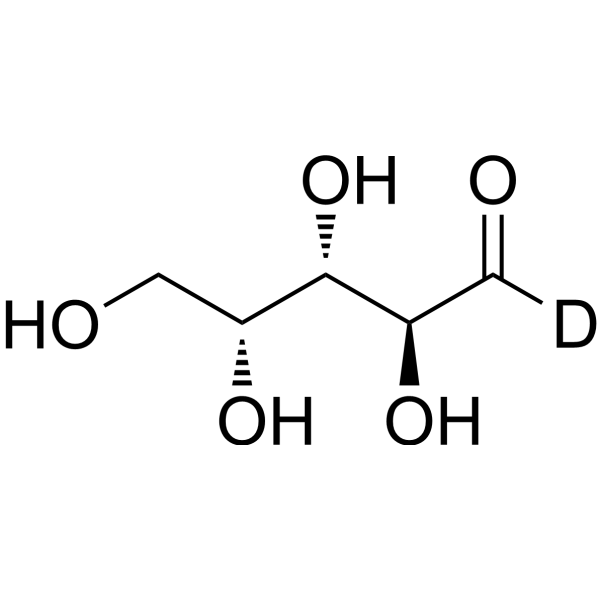
    D-Lyxose-d is the deuterium labeled D-Lyxose. D-Lyxose is an endogenous metabolite. D-Lyxose is a rare pentose sugar with significant potential for drug synthesis. D-Lyxose can be used as a starting material for anti-tumor drugs such as alpha galactose ceramide immunostimulants. D-Lyxose can be used as a precursor for L-nucleoside analogs for the development of antiviral drugs. D-Lyxose can be used as a synthetic intermediate for other rare sugars such as L-ribose .
    D-Lyxose-d
  • HY-W152363

    1,2,3,4-Tetra-O-acetyl-α-L-fucopyranose

    Biochemical Assay Reagents Others
    1,2,3,4-Tetra-O-acetyl-alpha-L-fucopyranoseIt is an organic compound commonly used as a substrate or reference standard in enzymology and sugar chemistry research. It can be used in the synthesis of polysaccharide analogs, drug development and biotechnology, and is widely used in the research of glycosyl chemistry and sugar metabolism pathways. In addition, this compound is used as a catalyst or buffer in certain biochemical reactions.
    1,2,3,4-Tetra-O-acetyl-alpha-L-fucopyranose
  • HY-122817

    Antibiotic Parasite Infection
    FR900098 sodium is an antimalarial agent that inhibits 1-deoxy-d-xylulose-5-phosphate (DXP) reductoisomerase. FR900098 sodium has no significant acute toxicity or genotoxicity, and does not have the ability to cause chromosome breakage or heterogeneity. FR900098 sodium has no effect on bone marrow red blood cells in NMRI mice .
    FR900098 sodium
  • HY-119340

    Flavoneacetic acid

    Reactive Oxygen Species (ROS) Cancer
    Mitoflaxone (flavoneacetic acid) is a synthetic flavonoid compound with vascular targeting properties. Mitoflaxone exerts anti-proliferative effects on endothelial cells through a superoxide-dependent mechanism, this effect leads to changes in the permeability of tumor blood vessels, thereby exerting anti-tumor effects [1] [2] .
    Mitoflaxone
  • HY-130695

    ADC Linker Cancer
    N-(Amino-PEG5)-N-bis(PEG4-acid) is a PEG derivative containing an amino group with two terminal carboxylic acids. The amino group is reactive with carboxylic acids, activated NHS esters. The terminal carboxylic acids can react with primary amine groups in the presence of activators to form a stable amide bond. N-(Amino-PEG5)-N-bis(PEG4-acid) can be useful in the development of antibody drug conjugates (ADCs) .
    N-(Amino-PEG5)-N-bis(PEG4-acid)
  • HY-W009033

    Biochemical Assay Reagents Amino Acid Derivatives Others
    Cbz-Lys(Boc)-OH is a protected amino acid, primarily utilized in peptide synthesis, protein engineering, and drug development, particularly in research involving lysine residues .
    Cbz-Lys(Boc)-OH
  • HY-P11083

    HBV Cancer
    Xentry is a cell-penetrating peptide (CCP) consisting of only 7 amino acids of hepatitis B virus: LCLRPVG. Xentry-linked anti-B-raf antibodies and siRNAs demonstrates the capability to kill B-raf-dependent melanoma cells. Xentry alone or conjugated to β-galactosidase leads to its delivery to most tissues in mice, except circulating blood cells. Xentry can be used for the delivery of large molecules (antibodies, siRNA, enzymes) .
    Xentry
  • HY-117218

    PAK Cancer
    KY-04045 is a PAK4 specific inhibitor (IC50=8.7 μM) that can be used for the development of anticancer drugs targeting PAK4 .
    KY-04045
  • HY-179058

    Deubiquitinase Ras Cancer
    JOSD2-IN-1 (Compound 31) is a covalent JOSD2 inhibitor with an IC50 value of 1.95 μM. JOSD2-IN-1 inhibits JOSD2, thereby down-regulating KRAS expression. JOSD2-IN-1 exhibits significant anti-proliferative activity against HCT116 cells. JOSD2-IN-1 can be used for research on colorectal cancer .
    JOSD2-IN-1
  • HY-122274

    Parasite Infection
    MMV666693 is a translation inhibitor specific for Plasmodium falciparum. MMV666693 has low cytotoxicity in human fibroblasts (IC50>32 µM) and can be used in the development of antimalarial drugs .
    MMV666693
  • HY-W881466

    DNA/RNA Synthesis Others
    5'(E)-VP-2'-OMe-Bz-A Phosphoramidite is a phosphoramidate nucleotide precursor compound, which is mainly used to synthesize stable and functionalized modified oligonucleotides and is used in the development and synthesis of nucleic acid drugs .
    5'(E)-VP-2'-OMe-Bz-A Phosphoramidite
  • HY-106920

    KNI 272; Kynostatin; NSC 651714

    HIV Protease Infection
    Kynostatin 272 (KNI 272) is a potent HIV protease inhibitor. Kynostatin 272 inhibits the activity of the HIV protease by simulating the substrate transition state of the HIV protease, thus preventing a key step in the replication of the HIV virus. Kynostatin 272 provides an important research foundation for the development of drugs for HIV and AIDS .
    Kynostatin 272
  • HY-P10536

    Bacterial Infection
    Temporin SHF is a broad-spectrum antimicrobial peptide that is active against Gram-positive and Gram-negative bacteria and yeasts, but does not have hemolytic activity. Temporin SHF disrupts the acyl chain stacking of anionic lipid bilayers, leading to cracks and disintegration of microbial membranes. Temporin SHF can be used in the development of antimicrobial drugs .
    Temporin SHF
  • HY-19071

    Antibiotic Bacterial Infection
    BK-218 is an orally active cephalosporin antibiotic that binds to penicillin-binding proteins (PBPs) and has a greater inhibitory effect than Cephalexin (HY-B0200) and Cefoxitin (HY-B1825). BK-218 has similar antibacterial activity to Cefamandole (HY-B1128) and can be used in the development of antibacterial drugs .
    BK-218
  • HY-168616

    RSV IGF-1R Infection
    CL-A3-7 is a virus-cell fusion inhibitor targeting the RSV F protein. It exerts its effect by blocking the interaction between the virus and the host IGF1R, effectively inhibiting infections of both wild-type RSV and the K394R variant. It is applicable to anti-RSV drug development and resistance-related research .
    CL-A3-7
  • HY-158861

    G1-nPr-C14E

    Liposome Others
    C3-K2-E14 is a multi-ionizable amino-lipid featuring a central tertiary amine with two identical branches and an n-propyl group. Each branch features a propanamide linking to a branched amine, each with two C14 arms and a hydroxyl. Ionizable lipids such as this may be applied in the development of lipid nanoparticles for drug discovery.
    C3-K2-E14
  • HY-161800

    Aminoacyl-tRNA Synthetase Infection
    Aminoacyl tRNA synthetase-IN-3 (compound 36K3) is an inhibitor of lysine tRNA synthetase (PfLysRS) from Plasmodium falciparum (IC50=59.2 nM), which inhibits the activity of PfLysRS by occupying the ATP binding site and L-lysine binding site of PfLysRS. Aminoacyl tRNA synthetase-IN-3 can be used in the development of antimalarial drugs .
    Aminoacyl tRNA synthetase-IN-3
  • HY-W043170

    Phosphatase Cancer
    PRL3-CNNM4 PPI IN 1 (Compound C28d52) is an inhibitor of the PRL3-CNNM4 interaction and also inhibits PRL-mediated suppression of CNNM. PRL3-CNNM4 PPI IN 1 is capable of penetrating epithelial cell layers, exhibits metabolic stability, possesses favorable pharmacokinetic and pharmacodynamic properties, and holds potential for drug development based on this compound .
    PRL3-CNNM4 PPI-IN-1
  • HY-P10417

    Integrin IFNAR Cancer
    RTDLDSLRTYTL is an Alpha (v) beta (6) integrin (avb6) inhibitor with high affinity and specificity. RTDLDSLRTYTL binds to avb6 integrin, a peptide sequence that activates cytotoxicity and cytokine production in T cells, such as interferon-gamma. RTDLDSLRTYTL is designed through a chimeric T cell antigen receptor (CAR) so that T cells can be redirected to specifically recognize and attack tumor cells. RTDLDSLRTYTL can be used in the research of cancer immunotherapy and targeted drug development .
    RTDLDSLRTYTL
  • HY-Y1826

    Bacterial Antibiotic Infection
    IITR01324 is an antimicrobial agent. IITR01324 has antimicrobial activity against Escherichia coli (MIC = 3.58 mg/L) and other Gram-negative bacteria (Shigella flexneri: MIC = 3.58 mg/L; Cronobacter sakazakii: MIC = 28.63 mg/L). IITR01324 exerts its antimicrobial activity by destroying bacterial DNA after activation of intracellular reductases. IITR01324 can be used to study the development of new antimicrobial drugs, especially against multidrug-resistant (MDR) pathogens .
    IITR01324
  • HY-171341

    Biochemical Assay Reagents Others
    H-Pro-2-ClTrt resin is an acid-sensitive resin for solid-phase peptide synthesis. H-Pro-2-ClTrt resin binds to amino acids through an acid-labile chlorotrityl linker. H-Pro-2-ClTrt resin is promising for research of peptide drug development .
    H-Pro-2-ClTrt resin
  • HY-114253

    EGFR Cancer
    ODS-2004436 is a small molecule radiotracer that uses positron emission tomography (PET) imaging to measure the activity of the epidermal growth factor receptor (EGFR) in tumors. ODS-2004436 labeled with the radioactive isotope fluorine-18 shows significantly higher uptake in the xenograft models of lung cancer with EGFR mutations compared to the wild-type models, and could be used to distinguish the mutation status. ODS-2004436 can be used to identify EGFR-positive tumors and predict their response to certain reagent treatments, especially for non-small cell lung cancer (NSCLC) .
    ODS-2004436
  • HY-122983

    Biochemical Assay Reagents Infection
    Diisobutyl adipate is a plasticizer and a useful compound for the development of antibacterial drugs as a preservative .
    Diisobutyl adipate
  • HY-117065

    Bacterial Infection
    MAC173979 is a inhibitor of PABA synthesis in E. coli. MAC173979 can be used for study of antibacterial drug development .
    MAC173979
  • HY-142025

    Others Infection Metabolic Disease
    Daumone is a natural product secreted by Caenorhabditis elegans. Daumone can be used for aging and obesity research and the development of anti-nematode drugs .
    Daumone
  • HY-N12878

    Others Others
    Calleryanin is a phenolic glycoside, which is mainly isolated from Maloideae and Prunus of the family Rosaceae. Calleryanin is used in study of plant defense mechanisms and new drugs development .
    Calleryanin

Inquiry Online

Your information is safe with us. * Required Fields.

Salutation


Country or Region *

Applicant Name *


Organization Name *

Department *


Email Address *


Product Name *

Cat. No.


Requested quantity *

Phone Number *


Remarks

Inquiry Online

Inquiry Information

Product Name:
Cat. No.:
Quantity:
MCE Japan Authorized Agent: