19 Results for "

SHIP

" in MedChemExpress (MCE) Product Catalog:
Products (19)

19 Results for "SHIP" in MCE Product Catalog:

8
8 Publications Verification
Cat. No.: HY-19776
CAS No.: 2206-20-4
Target:  

Phosphatase

Research Areas:  

Cancer

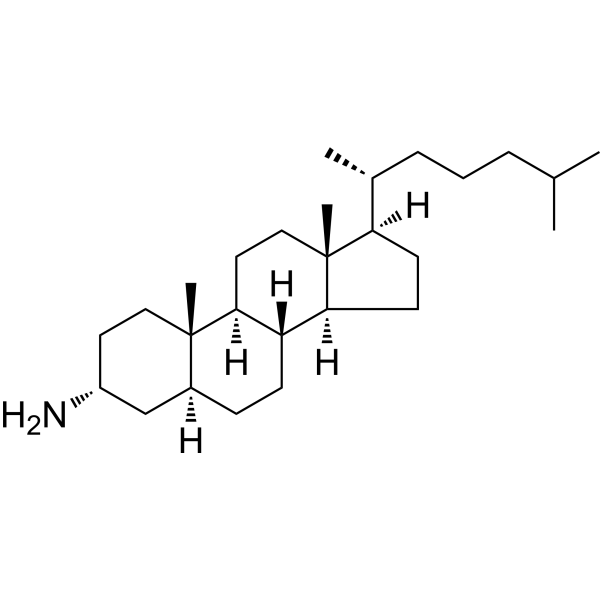
3α-Aminocholestane is a selective SH2 domain-containing inositol-5′-phosphatase 1 (SHIP1) inhibitor with an IC50 of ~2.5 μM.
3
3 Cited Publications
Cat. No.: HY-109011
CAS No.: 782487-28-9
Purity:  99.73%
Synonyms: AQX-1125
Target:  

Phosphatase

Research Areas:  

Cancer

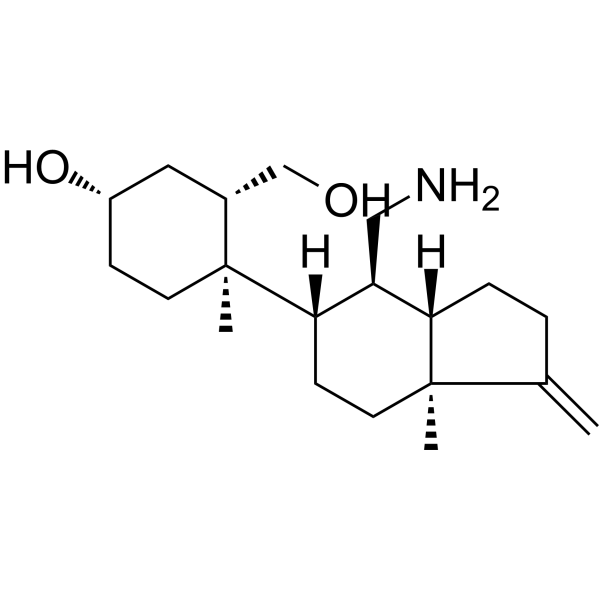
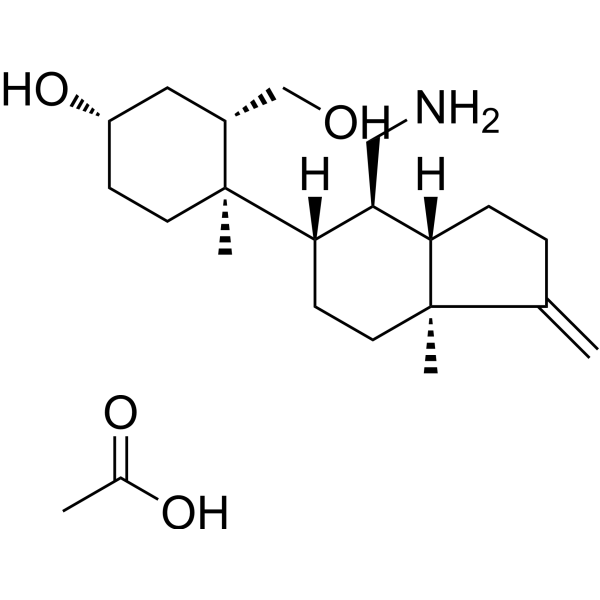
Rosiptor (AQX-1125) is a selective and orally active phosphatase SHIP1 activator with anti-inflammatory effects. Rosiptor (AQX-1125) inhibits Akt phosphorylation, inflammatory mediator production and leukocyte chemotaxis in vitro .
1
1 Cited Publications
Cat. No.: HY-18686
CAS No.: 1203680-76-5
Target:  

Phosphatase Akt

Research Areas:  

Metabolic Disease

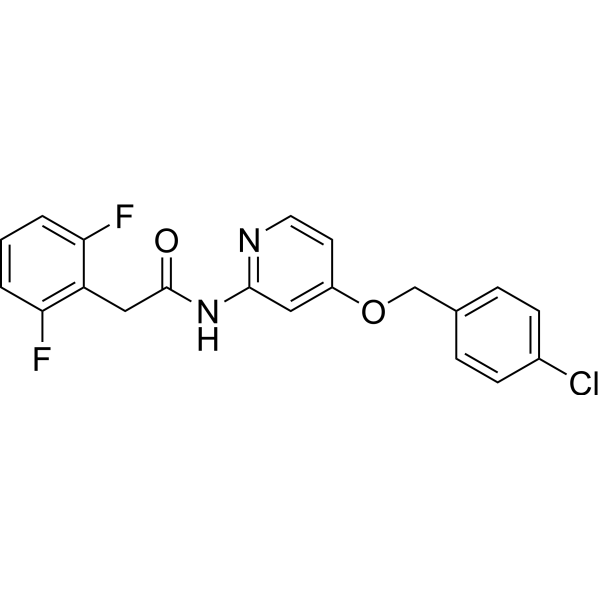
AS1949490 is a potent, orally active, selective SHIP2 phosphatase inhibitor with IC50 values of 0.34, 0.62, 13, >50, >50, and >50 µM for Mouse SHIP2, Human SHIP2, Human SHIP1, Human PTEN, Human synaptojanin, and Human myotubularin, respectively. AS1949490 increases the phosphorylation of Akt, glucose consumption and glucose uptake. AS1949490 activates intracellular insulin signalling pathways. AS1949490 can be used for research of diabetes .
1
1 Cited Publications
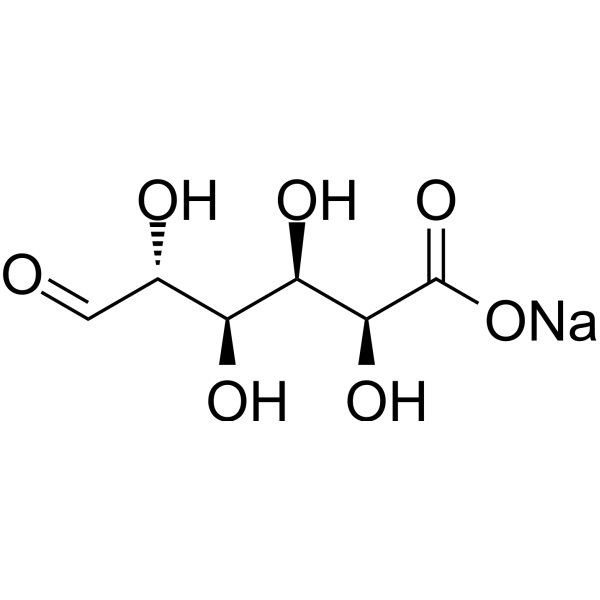
Cat. No.: HY-N7700A
Synonyms: G2013 sodium
Guluronic acid (G2013) sodium is an orally active oxidative stress regulator and anti-inflammatory agent that exerts pharmacological effects by down-regulating various pro-inflammatory and oxidative stress-related genes (such as TLR4, NF-κB, iNOS, etc.) and inhibiting the activities of COX-2, MMPs and VEGF. Low-dose Guluronic acid sodium up-regulates the expression of immunoregulatory genes SHIP1 and SOCS1, thereby effectively inhibiting cancer-related inflammation, tumor angiogenesis, cell adhesion and metastasis, while reducing the accumulation of immunosuppressive cells. Guluronic acid sodium significantly prolongs the survival time of tumor-bearing hosts within a concentration range without direct cytotoxicity, demonstrating favorable safety. Guluronic acid sodium has involved in the research of multiple sclerosis, ankylosing spondylitis, breast cancer and other inflammatory diseases .
Cat. No.: HY-18685
CAS No.: 1415834-63-7
Target:  

Phosphatase

Research Areas:  

Metabolic Disease

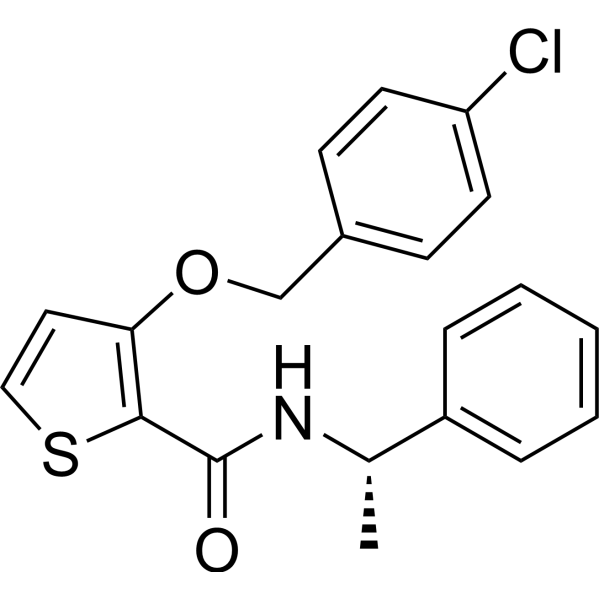
CPDA is a novel potent SH2 domain-containing inositol phosphatase 2 (SHIP2) inhibitor.
Cat. No.: HY-115620
CAS No.: 849669-54-1
Purity:  98.00%
Research Areas:  

Inflammation/Immunology

AQX-016A is an orally active and potent SHIP1 agonist. AQX-016A can activate recombinant SHIP1 enzyme in vitro and stimulate SHIP1 activity. AQX-016A also can inhibit the PI3K pathway and TNFa production, can be useful for various inflammatory diseases research .
Cat. No.: HY-112700
CAS No.: 2252247-80-4
Purity:  99.72%
Target:  

Phosphatase

Research Areas:  

Neurological Disease

SHIP2-IN-1 is a potent SHIP2 inhibitor, inhibits SHIP2 activity, with an IC50 of 2 μM. SHIP2-IN-1 blocks GSK3β activation by phosphorylation at the Ser9 residue. SHIP2-IN-1 is used in the research of Alzheimer’s disease .
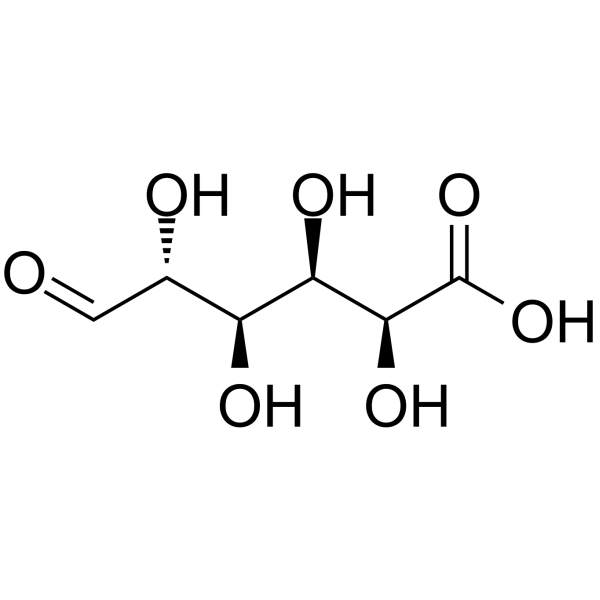
Cat. No.: HY-N7700
CAS No.: 15769-56-9
Synonyms: G2013
Guluronic acid (G2013) is an orally active oxidative stress regulator and anti-inflammatory agent that exerts pharmacological effects by down-regulating various pro-inflammatory and oxidative stress-related genes (such as TLR4, NF-κB, iNOS, etc.) and inhibiting the activities of COX-2, MMPs and VEGF. Low-dose Guluronic acid up-regulates the expression of immunoregulatory genes SHIP1 and SOCS1, thereby effectively inhibiting cancer-related inflammation, tumor angiogenesis, cell adhesion and metastasis, while reducing the accumulation of immunosuppressive cells. Guluronic acid significantly prolongs the survival time of tumor-bearing hosts within a concentration range without direct cytotoxicity, demonstrating favorable safety. Guluronic acid has involved in the research of multiple sclerosis, ankylosing spondylitis, breast cancer and other inflammatory diseases .
Cat. No.: HY-RS21142
Research Areas:  

Others

Inpp5d Mouse Pre-designed siRNA Set A contains three designed siRNAs for Inpp5d gene (Mouse), as well as a negative control, a positive control, and a FAM-labeled negative control.

Cat. No.: HY-136268
CAS No.: 1619983-52-6
Purity:  99.19%
Target:  

Phosphatase Apoptosis

Research Areas:  

Inflammation/Immunology

AQX-435 is a potent SHIP1 phosphatase activator. AQX-435 reduces PI3K activation downstream of the B-cell receptor (BCR) and induces apoptosis of malignant B cells, and reduces lymphoma growth .
Cat. No.: HY-18284
CAS No.: 1243155-40-9
Target:  

Akt GLUT Phosphatase

Research Areas:  

Others

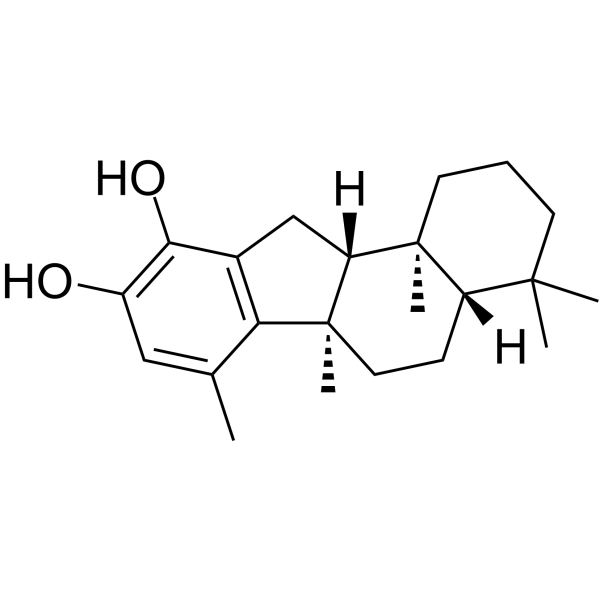
AS1938909 is a compound that inhibits SHIP2 activity. It can selectively inhibit SHIP2, increase Akt phosphorylation, and regulate glucose metabolism. Its effect is related to upregulating GLUT1 gene expression.
Cat. No.: HY-117087
CAS No.: 1071544-43-8
Target:  

Phosphatase PANoptosis

Research Areas:  

Cancer

K103 is an inhibitor discovered from the screen that is an analog of the serotonin antagonist benzazocine. K103 exhibited inhibition of SHIP homologues, labelling it a pan-SHIP1/2 inhibitor, but the molecule had no effect on another 5' inositol phosphatase, OCRL. In line with the "two PIPs hypothesis", the molecule exhibited significant anti-tumour effects against a variety of cell lines, particularly breast cancer cells. Additional studies with K103 revealed that inhibition of SHIP1/2 in multiple myeloma cells resulted in G2/M cell cycle arrest followed by extensive apoptosis via activation of the caspase cascade. K103 fits the commonly used small molecule agent property profile, but while this work was being conducted, it was discovered that K103 caused psychoactive effects in mice, which limited the utility of the molecule in vivo. Therefore, certain synthetic studies were conducted on this tryptamine to identify the features that needed to be present in the molecule to maintain pan-SHIP1/2 inhibition in order to design an inhibitor with favourable pharmacodynamic properties and an improved side effect profile.
Cat. No.: HY-113817
CAS No.: 1000010-33-2
Target:  

Phosphatase

Research Areas:  

Inflammation/Immunology

SHIP1 activator 1 is an SH3 domain-containing inositol 5-phosphatase regulator with SHIP1 activating activity. SHIP1 activator 1 retains its SHIA-1 activating ability by removing unnecessary functional groups. SHIP1 activator 1 is able to activate SHIP1 in vitro, inhibit Akt phosphorylation in MOLT-4 cells, and show dose-dependent activity in a mouse model of inflammation. SHIP1 activator 1 is an important chemical tool for evaluating the potential of SHIP1 activators as inhibitors of hematopoietic diseases involving abnormal PI3K cell signaling .
Cat. No.: HY-155370
Target:  

PROTACs

Research Areas:  

Cancer

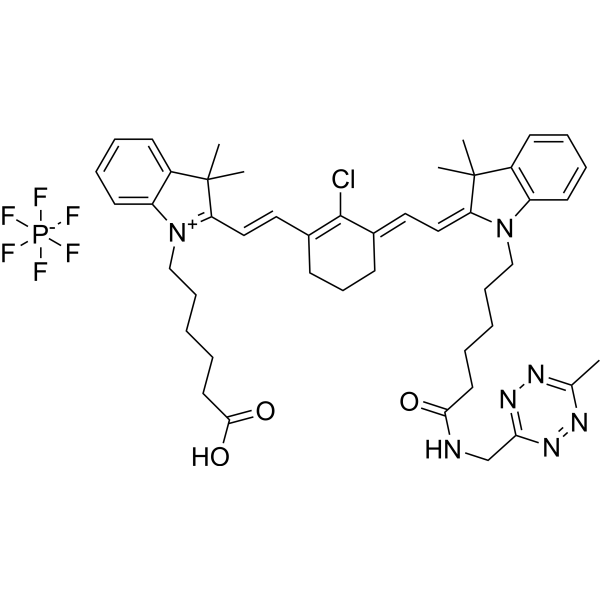
IR808-TZ is a Tetraazine base station shipped with. IR808-TZ is a biocompatible PROTAC (BT-PROTAC) that can activate MZ1 and reduce BRD4 specificity .
Cat. No.: HY-RS06829
Research Areas:  

Others

INPP5D Human Pre-designed siRNA Set A contains three designed siRNAs for INPP5D gene (Human), as well as a negative control, a positive control, and a FAM-labeled negative control.

Cat. No.: HY-109011A
CAS No.: 782487-29-0
Synonyms: AQX-1125 acetate
Target:  

Phosphatase

Research Areas:  

Cancer

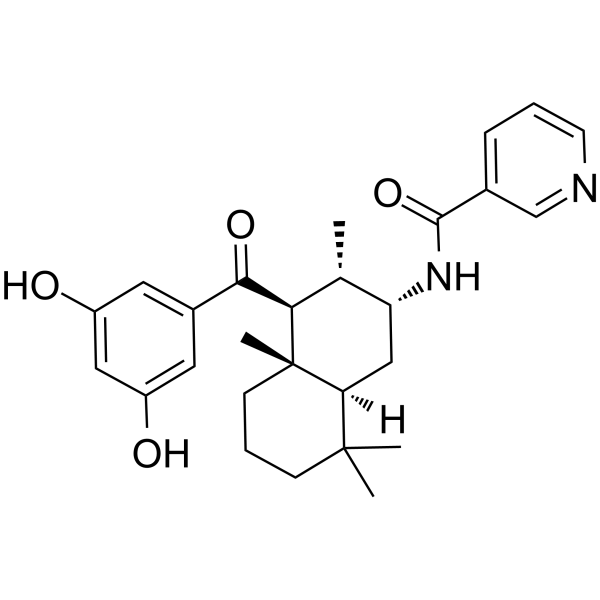
Rosiptor (AQX-1125) acetate is a selective and orally active phosphatase SHIP1 activator with anti-inflammatory effects. Rosiptor acetate (AQX-1125) inhibits Akt phosphorylation, inflammatory mediator production and leukocyte chemotaxis in vitro .
Cat. No.: HY-183593
CAS No.: 3027375-00-1
Research Areas:  

Neurological Disease

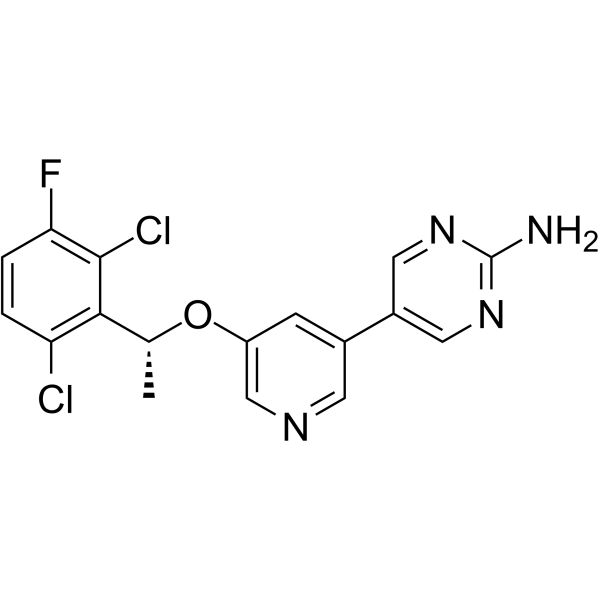
SHIP1-IN-1 is an orally active, blood-brain barrier-permeable SHIP1 ligand. SHIP1-IN-1 exhibits IC50 values of 384 μM and 177 μM against human SHIP1, and an IC50 value of 379 μM against murine SHIP1. SHIP1-IN-1 alters the binding state of SHIP1 to phosphatidylinositol membranes, and regulates phosphoinositide pools and phosphorylated AKT levels. SHIP1-IN-1 enhances the uptake of myelin/membrane fragments and amyloid proteins by microglia, alters gene expression and reduces IL-1β levels. SHIP1-IN-1 can be used in studies related to Alzheimer's disease .
Cat. No.: HY-P83344
Synonyms: INPP5D; SHIP; SHIP1; Phosphatidylinositol 3; 4; 5-trisphosphate 5-phosphatase 1; Inositol polyphosphate-5-phosphatase of 145 kDa; SIP-145; SH2 domain-containing inositol 5'-phosphatase 1; SH2 domain-containing inositol phosphatase 1; SHIP-1

Host:  

Rabbit

Application:  

WB, ICC/IF, IP

Reactivity:  

Human

Cat. No.: HY-P83087
Synonyms: INPP5D; SHIP; SHIP1; Phosphatidylinositol 3; 4; 5-trisphosphate 5-phosphatase 1; Inositol polyphosphate-5-phosphatase of 145 kDa; SIP-145; SH2 domain-containing inositol 5'-phosphatase 1; SH2 domain-containing inositol phosphatase 1; SHIP-1

Host:  

Rabbit

Application:  

WB, IHC-P, IP, FC

Reactivity:  

Human

  • 1

