
1. Search Result
Search Result
Results for "

Transcription factor complexes

" in MedChemExpress (MCE) Product Catalog:

31

Inhibitors & Agonists

1

Screening Libraries

3

Peptides

2

Natural
Products

1

Isotope-Labeled Compounds

6

Oligonucleotides

Cat. No. Product Name Target Research Areas Chemical Structure
  • HY-400902

    YAP VEGFR Hippo (MST) Cancer
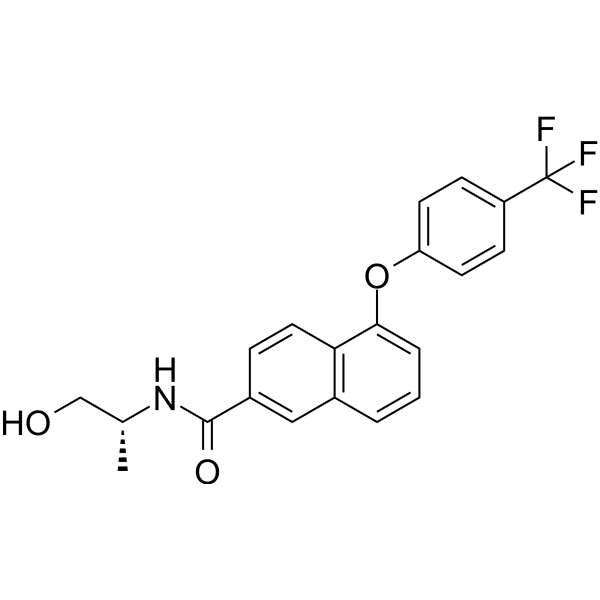
    VT3989 is an orally active pan-TEAD autopalmitoylation inhibitor that modulates the Hippo signaling pathway. VT3989 directly binds to TEAD transcription factors to block their palmitoylation modification, thereby disrupting the formation of YAP/TAZ-TEAD complexes and inhibiting downstream oncogenic transcriptional activity. VT3989 effectively inhibits the growth of NF2-deficient schwannoma and meningioma cells and reverses the Schwann cell phenotype. In addition, VT3989 exerts a synergistic effect when combined with Osimtinib (HY-15772) in EGFR-mutant non-small cell lung cancer models, significantly delaying tumor recurrence and prolonging survival. VT3989 can be used for the research of epithelioid hemangioendothelioma, malignant pleural mesothelioma, type 2 neurofibromatosis and related advanced solid tumors .
    VT3989
  • HY-100760
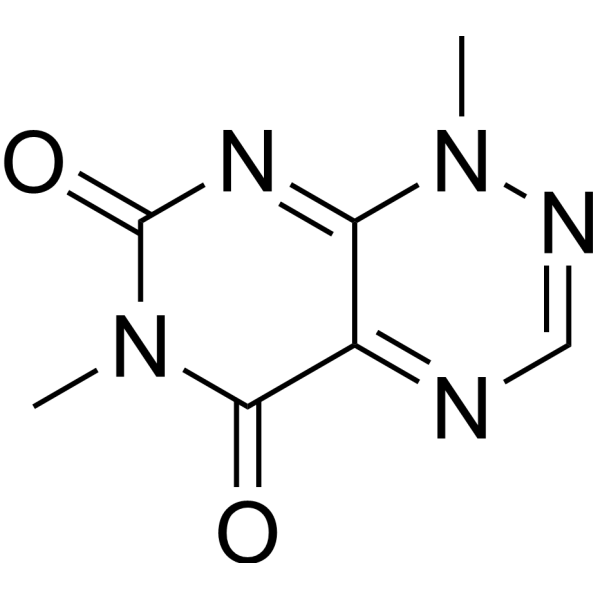
    Toxoflavin
    Maximum Cited Publications
    8 Publications Verification

    Xanthothricin; Toxoflavine; PKF-118-310

    β-catenin Bacterial Antibiotic Histone Demethylase Infection Cancer
    Toxoflavin (Xanthothricin) is an antagonist of transcription factor 4 (TCF4)/β-catenin complex, also acts as an inhibitor of KDM4A, with antitumor and antibiotic activity .
    Toxoflavin
  • HY-103000
    HSF1A
    3 Publications Verification

    HSP Cardiovascular Disease Cancer
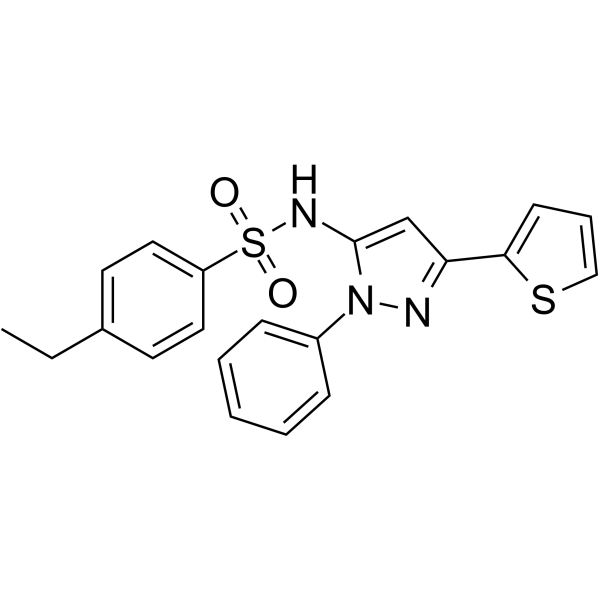
    HSF1A is a cell-permeable activator of heat shock transcription factor 1 (HSF1) . HSF1A also acts as a specific inhibitor of TRiC/CCT. Chaperonin TCP-1 ring complex (TRiC)/chaperonin containing TCP-1 (CCT) plays a pivotal role in toxin translocation and/or refolding .
    HSF1A
  • HY-135797A
    DB1976 dihydrochloride
    Maximum Cited Publications
    8 Publications Verification

    Apoptosis Cancer
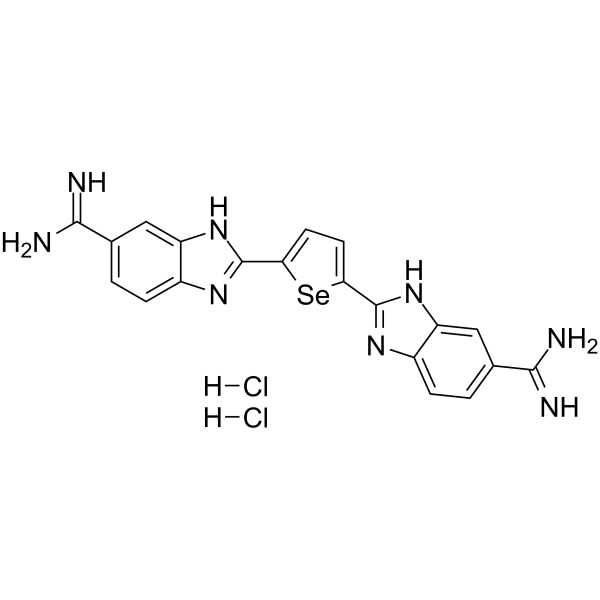
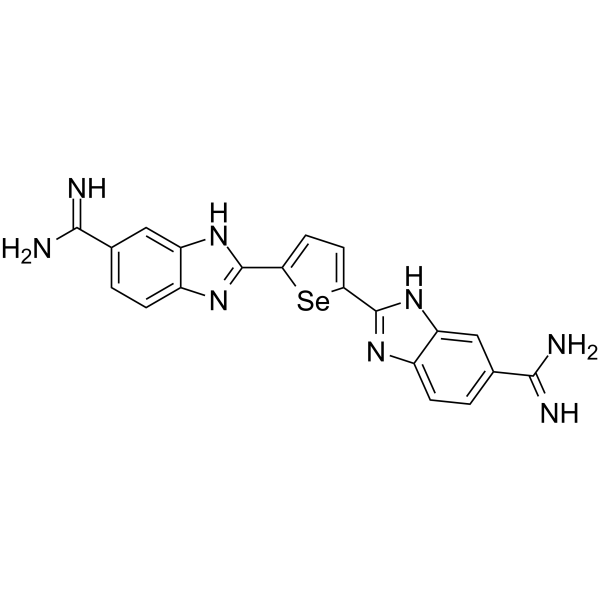
    DB1976 dihydrochloride is a selenophene analog of DB270 and a potent and cell-permeable fully efficacious transcription factor PU.1 inhibitor. DB1976 dihydrochloride potently inhibits PU.1 binding (IC50 of 10 nM) and strongly inhibits the PU.1/DNA complex (with high DB1976-λB affinity, KD of 12 nM) in vitro. DB1976 dihydrochloride has apoptosis-inducing effect .
    DB1976 dihydrochloride
  • HY-159099

    Molecular Glues Histone Acetyltransferase Cardiovascular Disease
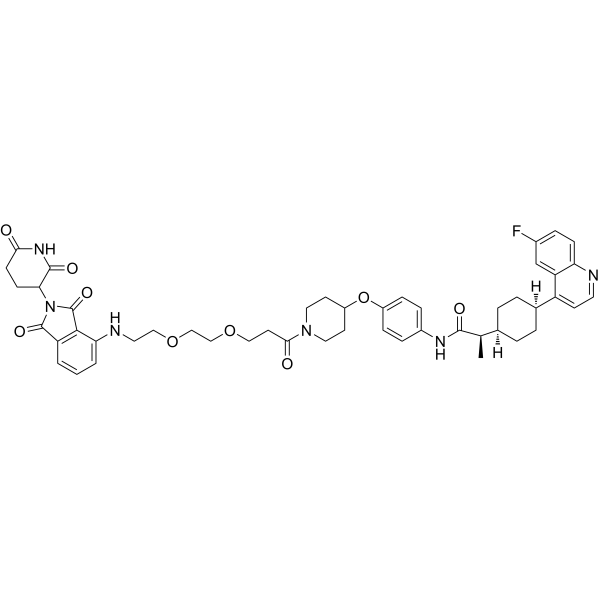
    WIZ degrader 9 is an orally active molecular glue degrader of the WIZ transcription factor. As a molecular glue, WIZ degrader 9 recruits WIZ to the cereblon E3 ubiquitin ligase complex via its ZF7 domain, driving proteasome-dependent degradation of WIZ. WIZ degrader 9 induces hemoglobin production, reduces the level of H3K9 dimethylation across the whole genome and at the β-globin locus, upregulates the transcription of γ-globin and BGLT3, and increases the level of histone H3K9 acetylation in the promoter region of HBG1/2. WIZ degrader 9 effectively induces fetal hemoglobin production in both mice and cynomolgus monkeys. WIZ degrader 9 can be used for research on sickle cell disease .
    WIZ degrader 9
  • HY-159098

    Molecular Glues PROTACs Histone Acetyltransferase Cardiovascular Disease
    dWIZ-1 is an orally active molecular glue and chemical probe targeting the WIZ transcription factor, which based on an IMiD backbone, binding to human WIZ with an affinity of 3.5 μM. dWIZ-1 recruits WIZ to the cereblon-DDB1 complex via its ZF7 domain, thereby triggering proteasome-dependent degradation of WIZ. dWIZ-1 significantly induces fetal hemoglobin expression in erythroblasts while reducing the level of inhibitory H3K9 dimethylation at WIZ binding sites such as the β-globin locus. Meanwhile, dWIZ-1 does not affect the proliferation and differentiation of erythroblasts, and no cytotoxicity is observed in in vitro cells or cynomolgus monkey models. dWIZ-1 serves as a critical tool molecule for investigating the mechanism and underlying pathways of sickle cell disease .
    dWIZ-1
  • HY-P5832

    TGF-beta/Smad RUNX Metabolic Disease
    BMP2-derived peptide is an osteogenic inducer and BMP receptor ligand. BMP2-derived peptide binds to BMP receptors on the cell surface to form a complex, activates the downstream Smad signaling pathway, and regulates the expression of osteogenic transcription factors. BMP2-derived peptide effectively promotes the adhesion, proliferation, osteogenic differentiation and mineralization of bone marrow mesenchymal stem cells, significantly up-regulates the mRNA levels of OCN, Runx2 and type I collagen, and increases alkaline phosphatase activity and calcium deposition. BMP2-derived peptide induces osteoblast differentiation and ectopic bone regeneration, and improves cranial bone defect repair. Meanwhile, BMP2-derived peptide enhances the cytocompatibility of mesoporous silica nanoparticles, synergistically increases osteogenic activity with Dexamethasone (HY-14648), serving as an important tool for bone defect repair research .
    BMP2-derived peptide
  • HY-104067

    NASTRp

    Epigenetic Reader Domain Cancer
    Naphthol AS-MX phosphate (NASTRp) is a small molecule inhibitor of the CREB (cyclic adenosine phosphate reaction element binding protein)-CBP (CREB binding protein) transcription factor complex. Naphthol AS-MX phosphate shows antitumor activity against lung cancer cells, inhibiting tumor cell proliferation (IC50=3.701 μmol/L), colony formation, and anchored independent growth in soft AGAR. Naphthol AS-MX phosphate can be used in the study of KRAS mutated lung cancer, especially for KRAS mutated lung cancer with poor chemotherapy resistance and prognosis .
    Naphthol AS-MX phosphate
  • HY-153493A

    Small Interfering RNA (siRNA) Metabolic Disease
    PF-04523655 sodium is a siRNA directed against RTP801 gene. RTP801 sodium is an inhibitor of the mammalian target of rampamycin complex 1 (mTORC1) and downstream transcription factor HIF-1.
    PF-04523655 sodium
  • HY-N10612

    AMPK PPAR TRP Channel Mitochondrial Metabolism Metabolic Disease Cancer
    Petasin inhibits adipogenesis in cell 3T3-F442A with an IC50 of 0.95 μM. Petasin inhibits the expression of lipid synthesis factors ACC1, FAS and SCD1 by inhibiting transcription factors PPARγ and C/EBPα, as well as targeting TRPA1 and TRPV1 channels . Petasin inhibits mitochondrial complex I, thereby inhibiting tumor growth and metastasis. Petasin activates AMPK signaling pathway, participating in regulation of glucose and lipid metabolism. Petasin is orally active .
    Petasin
  • HY-135797

    Apoptosis Cancer
    DB1976 is a selenophene analog of DB270 and a potent and cell-permeable fully efficacious transcription factor PU.1 inhibitor. DB1976 potently inhibits PU.1 binding (IC50 of 10 nM) and strongly inhibits the PU.1/DNA complex (with high DB1976-λB affinity, KD of 12 nM) in vitro. DB1976 has apoptosis-inducing effect .
    DB1976
  • HY-124582
    NEO214
    1 Publications Verification

    Autophagy mTOR Cancer
    NEO214 is an autophagy inhibitor and a covalent conjugate of the PDE4 inhibitor Rolipram (HY-16900) and perillyl alcohol (HY-N7000). It has anti-cancer activity and blood-brain barrier (BBB) permeability. Over sex. NEO214 prevents autophagy-lysosome fusion, thereby blocking autophagic flux and triggering glioma cell death. The process involves mTOR activation, andTFEB(Transcription Factor EB) aggregation. NEO214 inhibitionMacroautophagy/autophagy in glioblastoma cells has the potential to overcome chemotherapy resistance in glioblastoma .
    NEO214
  • HY-153493

    Small Interfering RNA (siRNA) Metabolic Disease
    PF-04523655 is a siRNA directed against RTP801 gene. RTP801 is an inhibitor of the mammalian target of rampamycin complex 1 (mTORC1) and downstream transcription factor HIF-1.
    PF-04523655
  • HY-176866

    HDAC Neurological Disease
    Rodin-A is an orally active, brain-penetrant and selective histone deacetylase (HDAC)-co-repressor of repressor element-1 silencing transcription factor (CoREST) complex inhibitor with an IC50 value of 1.80 μM for the CoREST complex, 0.15 μM for HDAC1, and 0.43 μM for HDAC2. Rodin-A increases the acetylation level of histone H3K9, upregulates the expression of neuron-related genes, thereby promoting the increase in dendritic spine density, the colocalization of synaptic proteins (SV2A and PSD95), and the improvement of hippocampal long-term potentiation (LTP), exerting synaptic protection and repair activity. Rodin-A is promising for research of neurodegenerative diseases related to synaptic dysfunction, especially Alzheimer’s disease .
    Rodin-A
  • HY-106981

    OR 1384

    NADPH Oxidase Reactive Oxygen Species (ROS) Apoptosis NF-κB NO Synthase STAT Inflammation/Immunology
    Orazipone (OR 1384) is a small molecule immunomodulator with strong anti-inflammatory properties. Orazipone exerts its immunomodulatory effect by forming reversible thiol complexes, which bind to intracellular signaling proteins and the thiol groups of glutathione. Orazipone exhibits potent anti-eosinophilic activity by inducing apoptosis. Orazipone inhibits activation of inflammatory transcription factors NF-kB and STAT 1 and decreases inducible iNOS expression and NO production in response to inflammatory stimuli. Orazipone reduces NADPH oxidase activity and thereby decreases ROS production. Orazipone has a protective effect in intestinal radiation injury .
    Orazipone
  • HY-P3103

    DNA/RNA Synthesis Cancer
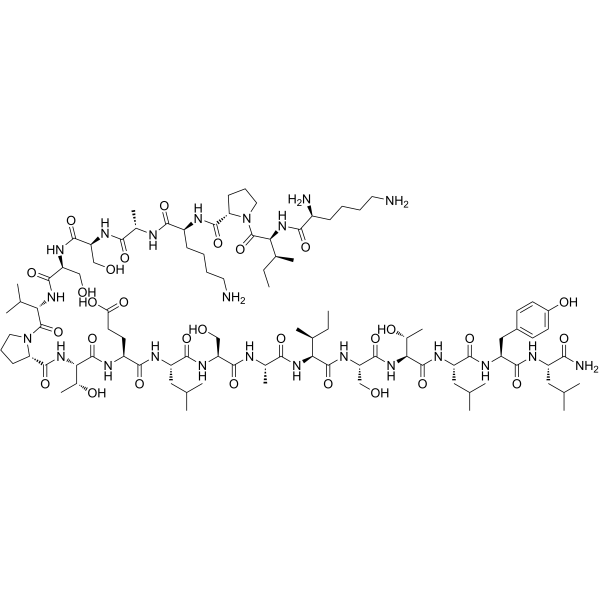
    PINT-87aa, an 87-amino acid (aa) peptide, is encoded by the circular form of the long intergenic non-protein-coding RNA p53-induced transcript (LINC-PINT). PINT-87aa directly interacts with polymerase associated factor complex (PAF1c) and inhibits the transcriptional elongation of multiple oncogenes. PINT-87aa suppresses glioblastoma cell proliferation in vitro and in vivo .
    PINT-87aa
  • HY-P3103A

    DNA/RNA Synthesis Cancer
    PINT-87aa TFA, an 87-amino acid (aa) peptide, is encoded by the circular form of the long intergenic non-protein-coding RNA p53-induced transcript (LINC-PINT). PINT-87aa TFA directly interacts with polymerase associated factor complex (PAF1c) and inhibits the transcriptional elongation of multiple oncogenes. PINT-87aa TFA suppresses glioblastoma cell proliferation in vitro and in vivo .
    PINT-87aa TFA
  • HY-174568

    mRNA Inflammation/Immunology
    Human NFKB2 mRNA encodes the human nuclear factor kappa B subunit 2 (NFKB2) protein, a subunit of the transcription factor complex nuclear factor-kappa-B (NFkB). The NFkB complex is expressed in numerous cell types and functions as a central activator of genes involved in inflammation and immune function. NFKB2 can function as either a transcriptional activator or repressor depending on its dimerization partner.
    Human NFKB2 mRNA
  • HY-108441

    Wnt β-catenin Cancer
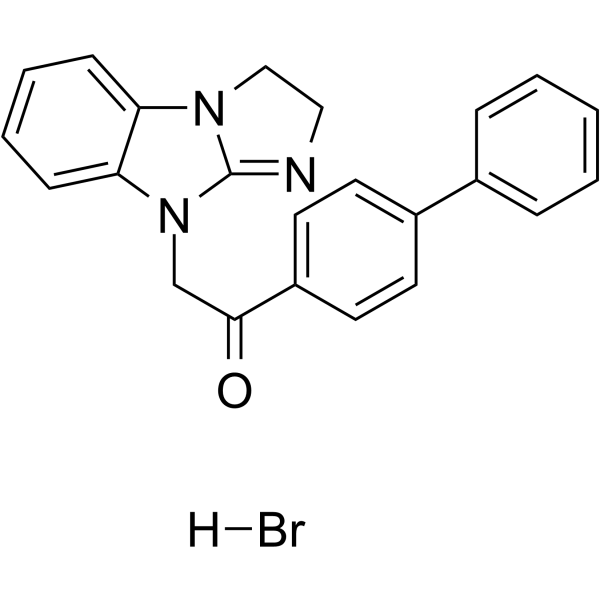
    CCT 031374 hydrobromid is a potent inhibitor of β-catenin/transcription factor (TCF) complex signaling. CCT031374 inhibits TCF-dependent transcription of genes of Wnt signaling pathway. CCT 031374 has antitumor activity .
    CCT031374 hydrobromide
  • HY-E70689

    CDK Cancer
    CDK7/CycH/MAT1 Recombinant Human Active Protein Kinase acts as a cyclin-dependent kinase activating kinase. CDK7 exists in several forms including a core tri-partite CDK7/CycH/MAT1 complex known as CAK (cyclin-dependent kinase activating kinase), as a component in the general transcription factor TFIIH and as a component of larger complexes containing pol II and other transcription factors .
    CDK7/CycH/MAT1 Recombinant Human Active Protein Kinase
  • HY-174784

    mRNA Cancer
    Human ACVR1C mRNA encodes the human activin A receptor type 1C (ACVR1C) protein, a type I receptor for the TGFB family of signaling molecules. Upon ligand binding, type I receptors phosphorylate cytoplasmic SMAD transcription factors, which then translocate to the nucleus and interact directly with DNA or in complex with other transcription factors.
    Human ACVR1C mRNA
  • HY-100760S

    Xanthothricin-13C4; Toxoflavine-13C4; PKF-118-310-13C4

    Isotope-Labeled Compounds β-catenin Bacterial Antibiotic Infection Cancer
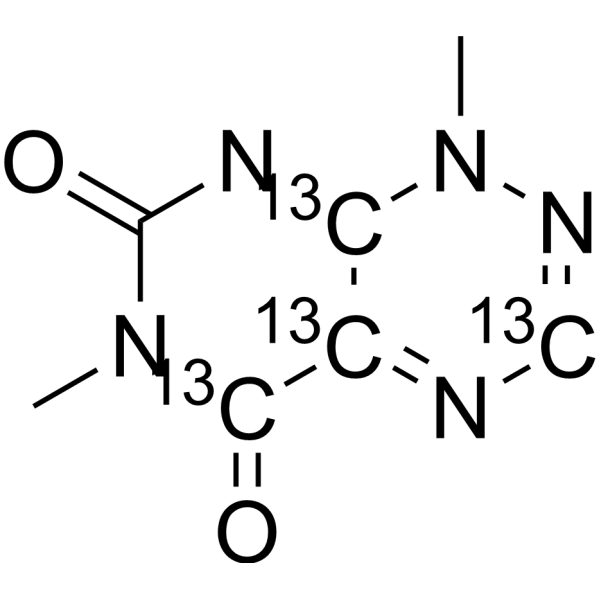
    Toxoflavin- 13C4 is the 13C-labeled Toxoflavin. Toxoflavin (Xanthothricin) is an antagonist of transcription factor 4 (TCF4)/β-catenin complex, also acts as an inhibitor of KDM4A, with antitumor activity . Antibiotic properties.
    Toxoflavin-13C4
  • HY-100760R

    Xanthothricin (Standard); Toxoflavine (Standard); PKF-118-310 (Standard)

    Reference Standards β-catenin Bacterial Antibiotic Histone Demethylase Infection Cancer
    Toxoflavin (Standard) is the analytical standard of Toxoflavin. This product is intended for research and analytical applications. Toxoflavin (Xanthothricin) is an antagonist of transcription factor 4 (TCF4)/β-catenin complex, also acts as an inhibitor of KDM4A, with antitumor and antibiotic activity[1][2].
    Toxoflavin (Standard)
  • HY-162463

    PD-1/PD-L1 Cancer
    Ir-UA is an usnic acid-derived iridium(III) complex that enhances PD-L1 expression and converts "cold tumors" into "hot tumors." Ir-UA stimulates PD-L1 expression by explicitly regulating the PD-L1 transcription factor .
    Ir-UA
  • HY-N12887

    Mitochondrial Metabolism Others Cancer
    Mycothiazole is an inhibitor for mitochondrial electron transport chain (ETC) complex I. Mycothiazole exhibits cytotoxicity in cancer cells Huh7 (IC50 is 55.8 μM), U87 and MCF7. Mycothiazole induces apoptosis in Huh7. Mycothiazole utilizes the unfolded protein response (UPR) and heat shock response (HSR) pathway involved transcription factors ATFS-1 and HSF1, to extend the lifespan of C. elegans .
    Mycothiazole
  • HY-174788

    mRNA Others
    HHV-1 UL48 mRNA encodes the UL48 protein of human herpesvirus 1 (HHV-1). UL48 is a tanscriptional activator of immediate-early (IE) gene products (alpha genes). It acts as a key activator of lytic infection by initiating the lytic program through the assembly of the transcriptional regulatory VP16-induced complex composed of VP16 and two cellular factors, HCFC1 and POU2F 1.
    HHV-1 UL48 mRNA
  • HY-176867

    HDAC Neurological Disease
    Rodin-B is a selective histone deacetylase (HDAC)-co-repressor of repressor element-1 silencing transcription factor (CoREST) complex inhibitor with an IC50 value of 0.50 μM for the CoREST complex, 0.27 μM for HDAC1, and 0.28 μM for HDAC2. Rodin-B increases the acetylation level of histone H3K9, upregulates the expression of neuron-related genes, thereby promoting the increase in dendritic spine density, the colocalization of synaptic proteins (SV2A and PSD95), and the improvement of hippocampal long-term potentiation (LTP), exerting synaptic protection and repair activity. Rodin-B is promising for research of neurodegenerative diseases related to synaptic dysfunction, especially Alzheimer’s disease .
    Rodin-B
  • HY-102072

    Bacterial DNA/RNA Synthesis Infection
    GKL003 is a bacterial transcription inhibitor that targets the RNAP-σ interaction interface, with a Ki of 5.79 nM. GKL003 specifically binds to the RNAP β' clamp helix region at the σ A factor binding site, blocks the formation of RNAP holoenzyme, and inhibits the formation of bacterial transcription initiation complexes. GKL003 inhibits the growth of both Gram-positive and Gram-negative bacterial cells, and also exhibits activity against drug-resistant strains .
    GKL003
  • HY-174530

    mRNA Inflammation/Immunology
    Human TGFBR2 mRNA encodes the human transforming growth factor beta receptor 2 (TGFBR2) protein, a transmembrane protein that has a protein kinase domain, forms a heterodimeric complex with TGF-beta receptor type-1, and binds TGF-beta. TGFBR2/ligand complex phosphorylates proteins, which then enter the nucleus and regulate the transcription of genes related to cell proliferation, cell cycle arrest, wound healing, immunosuppression, and tumorigenesis.
    Human TGFBR2 mRNA
  • HY-103000R

    Reference Standards HSP Cardiovascular Disease Cancer
    HSF1A (Standard) is the analytical standard of HSF1A (HY-103000). This product is intended for research and analytical applications. HSF1A is a cell-permeable activator of heat shock transcription factor 1 (HSF1) . HSF1A also acts as a specific inhibitor of TRiC/CCT. Chaperonin TCP-1 ring complex (TRiC)/chaperonin containing TCP-1 (CCT) plays a pivotal role in toxin translocation and/or refolding .
    HSF1A (Standard)
  • HY-180419

    ERK Apoptosis c-Myc Inflammation/Immunology Cancer
    SF-3-030 is a potent, selective and non-ATP competitive ERK1/2 inhibitor. SF-3-030 selectively induces apoptosis in melanoma cells containing mutated BRaf and constitutively active ERK1/2 signalling. SF-3-030 mitigates multiple features of asthma in a murine model of asthma. SF-3-030 can be used for the research of asthma and melanomasup .
    SF-3-030

Inquiry Online

Your information is safe with us. * Required Fields.

Salutation


Country or Region *

Applicant Name *


Organization Name *

Department *


Email Address *


Product Name *

Cat. No.


Requested quantity *

Phone Number *


Remarks

Inquiry Online

Inquiry Information

Product Name:
Cat. No.:
Quantity:
MCE Japan Authorized Agent:

