
29 Results for "

bone+tissue

" in MedChemExpress (MCE) Product Catalog:
Products (29)

29 Results for "bone+tissue" in MCE Product Catalog:

7
7 Publications Verification
Cat. No.: HY-18102
CAS No.: 1215085-92-9
Target:  

Androgen Receptor

Research Areas:  

Neurological Disease

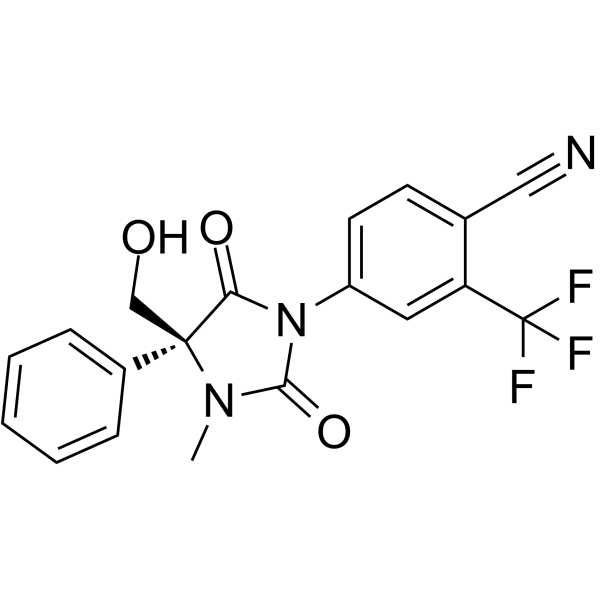
GLPG0492 is an orally active, non-steroidal selective androgen receptor modulator. GLPG0492 exerts functional transactivation by binding to the ligand-binding domain of the receptor, exhibiting preferential partial agonist activity in muscle and bone tissues with low activity in reproductive tissues. GLPG0492 effectively counteracts muscle atrophy-related pathways, significantly enhances muscle strength, maintains motor ability, reduces fibrosis and improves electrophysiological parameters. GLPG0492 prevents immobilization-induced muscle atrophy and regulates muscle mass homeostasis, serving as a valuable tool compound for studies on Duchenne muscular dystrophy, muscle loss and various types of disuse musculoskeletal atrophy .
2
2 Cited Publications
Cat. No.: HY-13981
CAS No.: 1165910-22-4
Purity:  99.93%
Synonyms: LGD-4033
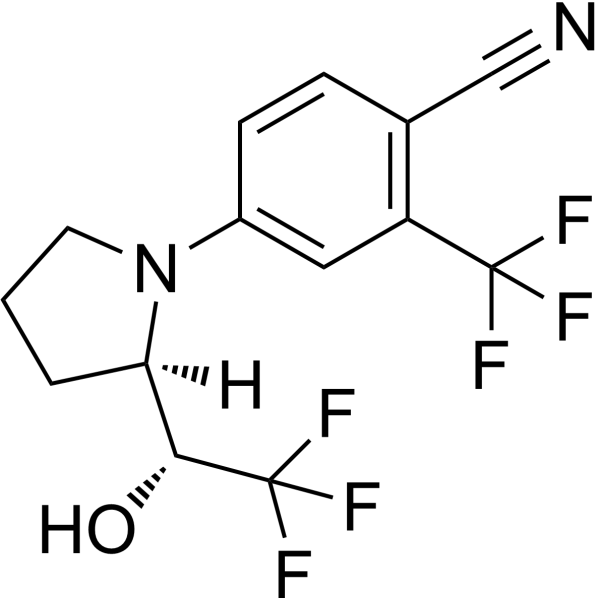
Ligandrol is an orally active, selective androgen receptor (AR) agonist. Ligandrol enhances protein synthesis, inhibits muscle breakdown and oxidative stress, improves muscle cell viability and bone tissue microstructure, and reduces Cisplatin (HY-17394)-induced muscle toxicity and apoptosis. Ligandrol promotes muscle growth, protects bone structure, and has anti-diabetic, anti-apoptotic and antioxidant effects. Ligandrol can antagonize Streptozotocin (HY-13753) damage to pancreatic islets and improve the symptoms of type 2 diabetes .
2
2 Cited Publications
Cat. No.: HY-N0546
CAS No.: 260413-62-5
Synonyms: Nuezhenoside
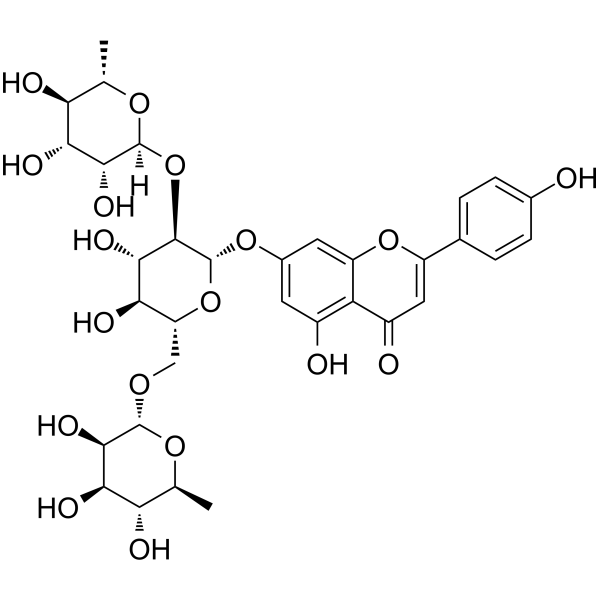
Ligustroflavone is an orally active flavonoid compound. Ligustroflavone can be extracted from Ligustrum lucidum. Ligustroflavone antagonizes the calcium-sensing receptor (CaSR), inhibits the RIPK1/RIPK3/MLKL pathway, and downregulates TGF-β/Smad signaling. Ligustroflavone regulates calcium metabolism, protects bone tissue, reduces cerebral ischemic injury, and inhibits liver fibrosis. Ligustroflavone can be used in the study of diabetic osteoporosis, ischemic stroke, and liver fibrosis .
1
1 Cited Publications
Cat. No.: HY-W016409
CAS No.: 3943-89-3
Synonyms: Protocatechuic acid ethyl ester
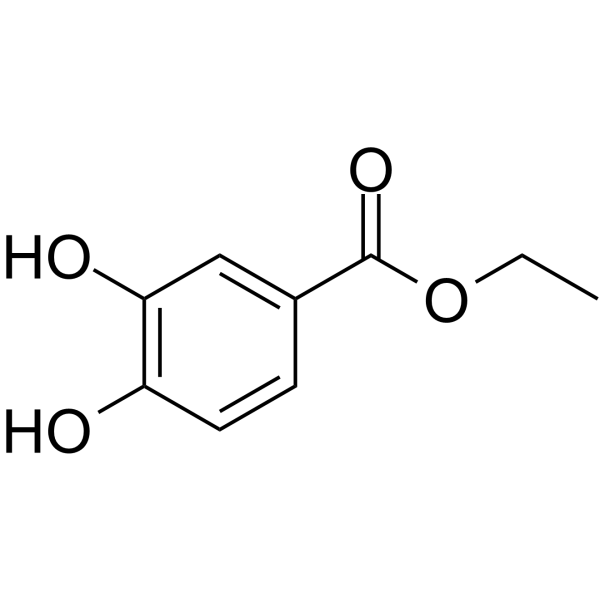
Ethyl 3,4-dihydroxybenzoate (Protocatechuic acid ethyl ester) is an orally effective, blood-brain barrier-permeable, competitive prolyl hydroxylase (PHD) inhibitor that inhibits the hydroxylation modification of hypoxia-inducible factor (HIF) by PHD. Ethyl 3,4-dihydroxybenzoate stabilizes HIF-1α by inhibiting PHD, activates downstream pathways to induce autophagy and apoptosis of tumor cells, and regulates inflammatory responses, inhibits the NF-κB pathway, improves vascular permeability, and promotes osteoblast differentiation. Ethyl 3,4-dihydroxybenzoate has anti-tumor, anti-hypoxic injury, and bone metabolism regulation effects. It can also be used in the research of cardiovascular protection (such as reducing myocardial ischemic damage), bone tissue engineering (promoting osteogenesis/inhibiting osteoclast differentiation), and prevention and treatment of high-altitude cerebral edema .
Cat. No.: HY-112531B
CAS No.: 25249-16-5
Research Areas:  

Others

Poly(2-hydroxyethyl methacrylate) (Mv 300000) is a biocompatible, optically transparent, hydrophilic, and non-degradable polymer with excellent cytocompatibility, eliciting a minimal immunological response from host tissue. Poly(2-hydroxyethyl methacrylate) (Mv 300000) can be used for different biomedical applications, such as bone tissue regeneration, wound dressings and drug delivery .
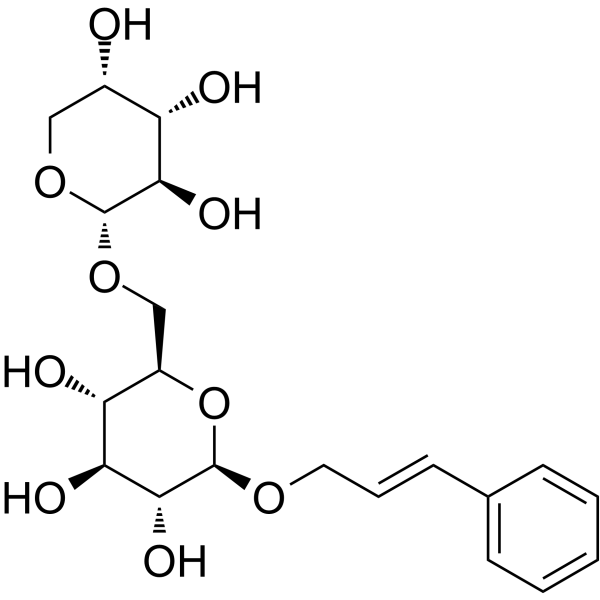
Cat. No.: HY-N0507
CAS No.: 84954-92-7
Rosavin, an orally bioactive phenylpropanoid from Rhodiola rosea L. (RRL), is an adaptogen that enhances the body’s response to environmental stress. Rosavin significantly influences bone tissue metabolism by inhibiting osteoclastogenesis and promoting osteoblast differentiation, also impacts various diseases, demonstrating antidepressant, adaptogenic, and anxiolytic effects in mouse models. Additionally, Rosavin improves survival, reducing intestinal damage in irradiated rats and Ischemia-reperfusion(I/R)-induced cerebral injury in vivo by regulating inflammation and oxidative stress, making it a promising candidate for research in radiation-induced intestinal injury, I/R-induced cerebral injury and osteoporosis .
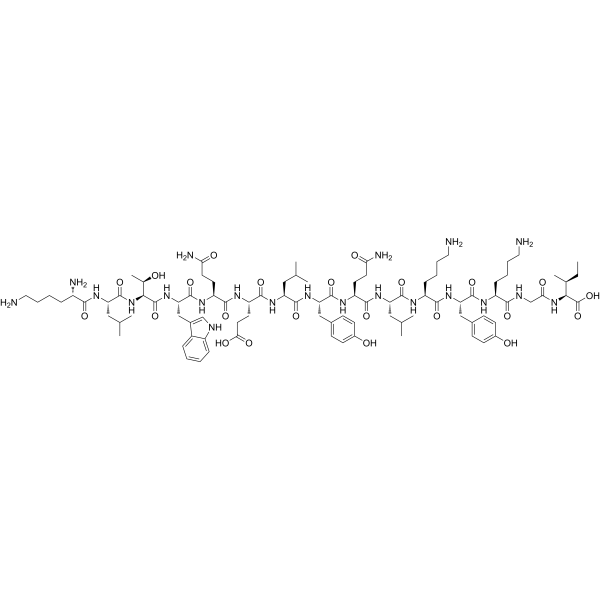
Cat. No.: HY-P5558
CAS No.: 917760-16-8
Target:  

VEGFR

Research Areas:  

Neurological Disease

KLTWQELYQLKYKGI is a VEGF mimetic peptide designed based on the VEGF helix sequence 17-25, with the ability to activate VEGF receptors and exert pro-angiogenic biological activity. KLTWQELYQLKYKGI effectively promotes the attachment, spreading and proliferation of human umbilical vein endothelial cells. KLTWQELYQLKYKGI enhances the proliferation, migration and osteogenic differentiation of bone marrow stromal cells (BMSCs). KLTWQELYQLKYKGI synergistically accelerates angiogenesis and bone regeneration in rat cranial defect models. KLTWQELYQLKYKGI can be used for the research of brain tissue engineering and traumatic brain injury repair and biomaterials for bone tissue engineering and bone repair .
Cat. No.: HY-P5284
CAS No.: 1613231-49-4
Target:  

Peptides

Research Areas:  

Others

RALA peptide is a cationic amphiphilic delivery agent targeting cell membranes, which forms nanoparticles through electrostatic interactions with anionic drugs. RALA peptide has pH-responsive binding properties, which can enhance the α-helical conformation in an acidic environment and destroy the endosomal membrane, promote the release of drugs into the cytoplasm, and exert efficient intracellular delivery activity. RALA peptide can be used in cancer research (enhancing the activity of bisphosphonates against prostate cancer and breast cancer cells) and bone tissue engineering (promoting osteoblast collagen deposition and extracellular matrix mineralization) .
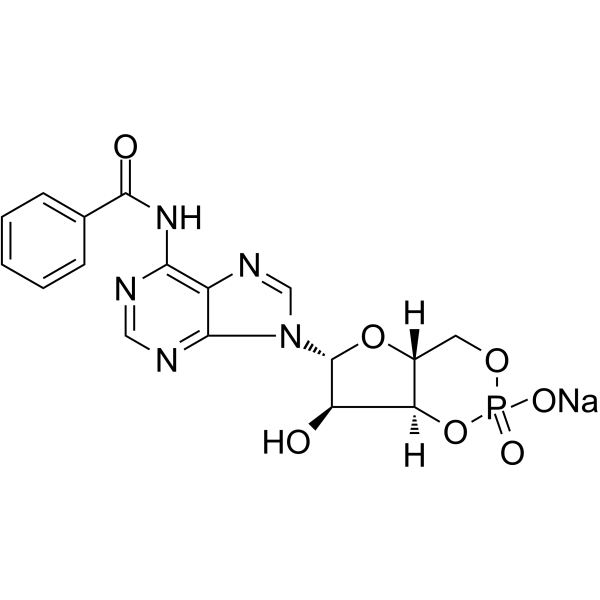
Cat. No.: HY-103322
CAS No.: 1135306-29-4
Target:  

PKA Potassium Channel

Research Areas:  

Metabolic Disease Cancer

6-Bnz-cAMP sodium, a derivative of cyclic adenosine monophosphate (cAMP), is a selective PKA activator with inhibitory activity against the bTREK-1 K + channel. 6-Bnz-cAMP sodium does not activate the Epac signaling pathway. It inhibits the bTREK-1 K + channel via a voltage-independent, ATP-dependent mechanism that is independent of the PKA/Epac/calmodulin kinase/MAP kinase pathway. 6-Bnz-cAMP sodium activates CREB phosphorylation to regulate osteoblast-specific gene expression, induces osteoblast differentiation, promotes extracellular matrix mineralization, supports osteoblast proliferation, and shows no cytotoxicity toward osteoblasts. It can be used in studies related to bone tissue repair and regeneration .
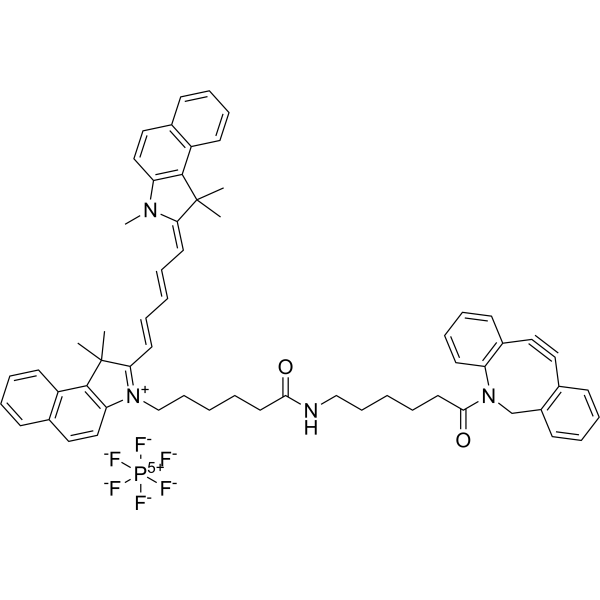
Cat. No.: HY-D1537
CAS No.: 2643308-61-4
Synonyms: DBCO-Cy5.5; Cyanine5.5 DBCO
Dibenzocyclooctyne-Cy5.5 (DBCO-Cy5.5) is a fluorescent dye. Dibenzocyclooctyne-Cy5.5 can be used to syntheses calcium-binding near-infrared fluorescent nanoprobe for bone tissue imaging .
Cat. No.: HY-158203
CAS No.: 1438900-88-9
Purity:  99.26%
Target:  

TGF-β Receptor

Research Areas:  

Others

BMP agonist 2 (derivative I-9) is a potent bone-inducing cytokine. BMP agonist 2 promotes bone tissue production by increasing the proportion and activity of osteoblasts. BMP agonist 2 promotes osteoblast proliferation and differentiation through the BMP2-ATF4 signaling axis, in which ATF4 is a transcription factor closely related to osteoblast differentiation and bone formation. BMP agonist 2 can be used in the study of senile osteoporosis (SOP) .
Cat. No.: HY-Y0850U
CAS No.: 9002-89-5
Synonyms: Polyvinyl alcohol (Mw 31000, 87-89% hydrolyzed, ~630 polymerization); Poly(Ethenol) (Mw 31000, 87-89% hydrolyzed, ~630 polymerization)
PVA (Polyvinyl alcohol; Poly(Ethenol)) (Mw 31000, 87-89% hydrolyzed, ~630 polymerization) is a biocompatible, biodegradable, nontoxic and hydrophilic synthetic polymer. PVA (Mw 31000, 87-89% hydrolyzed, ~630 polymerization) can be used to produce bone tissue engineering scaffold [1]
Cat. No.: HY-135702
CAS No.: 1258513-40-4
Purity:  99.20%
Target:  

NF-κB

Research Areas:  

Others

UBS109, as a curcumin analogue, can promote the differentiation and mineralization of osteoblasts. UBS109 shows to regulate bone cell function by activating Smad and inhibiting NF-kB. UBS109 can be used in bone tissue engineering and osteoporosis research .
Cat. No.: HY-N0546R
CAS No.: 260413-62-5
Synonyms: Nuezhenoside (Standard)
Ligustroflavone (Standard) is the analytical standard of Ligustroflavone (HY-N0546). This product is intended for research and analytical applications. Ligustroflavone is an orally active flavonoid compound. Ligustroflavone can be extracted from Ligustrum lucidum. Ligustroflavone antagonizes the calcium-sensing receptor (CaSR), inhibits the RIPK1/RIPK3/MLKL pathway, and downregulates TGF-β/Smad signaling. Ligustroflavone regulates calcium metabolism, protects bone tissue, reduces cerebral ischemic injury, and inhibits liver fibrosis. Ligustroflavone can be used in the study of diabetic osteoporosis, ischemic stroke, and liver fibrosis .
Cat. No.: HY-N0507R
CAS No.: 84954-92-7
Rosavin (Standard) is the analytical standard of Rosavin. This product is intended for research and analytical applications. Rosavin, an orally bioactive phenylpropanoid from Rhodiola rosea L. (RRL), is an adaptogen that enhances the body’s response to environmental stress. Rosavin significantly influences bone tissue metabolism by inhibiting osteoclastogenesis and promoting osteoblast differentiation, also impacts various diseases, demonstrating antidepressant, adaptogenic, and anxiolytic effects in mouse models. Additionally, Rosavin improves survival, reducing intestinal damage in irradiated rats and Ischemia-reperfusion(I/R)-induced cerebral injury in vivo by regulating inflammation and oxidative stress, making it a promising candidate for research in radiation-induced intestinal injury, I/R-induced cerebral injury and osteoporosis .
Cat. No.: HY-149765
CAS No.: 2481214-36-0
Target:  

Fluorescent Dye

Research Areas:  

Others

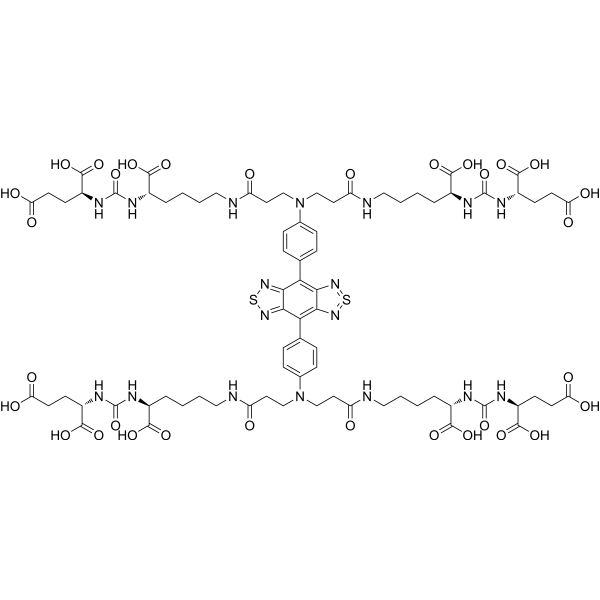
Bone-1064 is a EuK-based PSMA tetramer bone probe for high-contrast visualization of bone in surrounding tissue. Bone-1064 specifically binds hydroxyapatite in bone tissue and can be used for NIR-II fluorescence imaging in animal models .
Cat. No.: HY-174779
Target:  

mRNA

Research Areas:  

Cancer

Human AREG mRNA encodes the human amphiregulin (AREG) protein, a member of the epidermal growth factor family. AREG interacts with the EGF/TGF-alpha receptor to promote the growth of normal epithelial cells, and inhibits the growth of certain aggressive carcinoma cell lines. It also functions in mammary gland, oocyte and bone tissue development.
Cat. No.: HY-137381
CAS No.: 30275-80-0
Synonyms: N6-Benzoyl-cAMP
Target:  

PKA Potassium Channel

Research Areas:  

Metabolic Disease

6-Bnz-cAMP, a derivative of cyclic adenosine monophosphate (cAMP), is a selective PKA activator with inhibitory activity against the bTREK-1 K + channel. 6-Bnz-cAMP does not activate the Epac signaling pathway. 6-Bnz-cAMP inhibits the bTREK-1 K + channel via a voltage-independent, ATP-dependent mechanism that is independent of the PKA/Epac/calmodulin kinase/MAP kinase pathway. 6-Bnz-cAMP activates CREB phosphorylation to regulate osteoblast-specific gene expression, induces osteoblast differentiation, promotes extracellular matrix mineralization, supports osteoblast proliferation, and shows no cytotoxicity toward osteoblasts. 6-Bnz-cAMP can be used in studies related to bone tissue repair and regeneration .
Cat. No.: HY-18102BS
GLPG0492- 13C,d3 racemate is 13C-labeled GLPG0492 (racemate) (HY-18102B). GLPG0492 racemate is an orally active, non-steroidal selective androgen receptor modulator. GLPG0492 racemate exerts functional transactivation by binding to the ligand-binding domain of the receptor, exhibiting preferential partial agonist activity in muscle and bone tissues with low activity in reproductive tissues. GLPG0492 racemate effectively counteracts muscle atrophy-related pathways, significantly enhances muscle strength, maintains motor ability, reduces fibrosis and improves electrophysiological parameters. GLPG0492 racemate prevents immobilization-induced muscle atrophy and regulates muscle mass homeostasis, serving as a valuable tool compound for studies on Duchenne muscular dystrophy, muscle loss and various types of disuse musculoskeletal atrophy .
Cat. No.: HY-W016409R
CAS No.: 3943-89-3
Synonyms: Protocatechuic acid ethyl ester (Standard)
Ethyl 3,4-dihydroxybenzoate (Standard) (Protocatechuic acid ethyl ester (Standard)) is the analytical standard of Ethyl 3,4-dihydroxybenzoate (HY-W016409). This product is intended for research and analytical applications. Ethyl 3,4-dihydroxybenzoate (Protocatechuic acid ethyl ester) is an orally effective, blood-brain barrier-permeable, competitive prolyl hydroxylase (PHD) inhibitor that inhibits the hydroxylation modification of hypoxia-inducible factor (HIF) by PHD. Ethyl 3,4-dihydroxybenzoate stabilizes HIF-1α by inhibiting PHD, activates downstream pathways to induce autophagy and apoptosis of tumor cells, and regulates inflammatory responses, inhibits the NF-κB pathway, improves vascular permeability, and promotes osteoblast differentiation. Ethyl 3,4-dihydroxybenzoate has anti-tumor, anti-hypoxic injury, and bone metabolism regulation effects. It can also be used in the research of cardiovascular protection (such as reducing myocardial ischemic damage), bone tissue engineering (promoting osteogenesis/inhibiting osteoclast differentiation), and prevention and treatment of high-altitude cerebral edema .

