1. Search Result
Search Result
Results for "

histidine dipeptide

" in MedChemExpress (MCE) Product Catalog:

18

Inhibitors & Agonists

11

Peptides

8

Natural
Products

3

Isotope-Labeled Compounds

Cat. No. Product Name Target Research Areas Chemical Structure
  • HY-W013494
    L-Carnosine
    2 Publications Verification

    Endogenous Metabolite Metabolic Disease Inflammation/Immunology
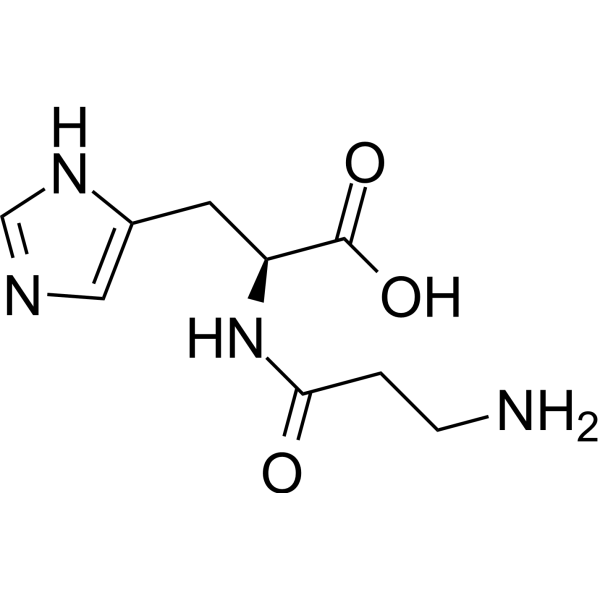
    L-Carnosine is a dipeptide composed of beta-alanine and histidine. L-Carnosine is an endogenous metabolite found in human brain, muscle and gastrointestinal tissues and is present in all vertebrates. L-Carnosine is a non-enzymatic free radical scavenger and natural antioxidant with anti-inflammatory and neuroprotective properties that can inhibit biochemical changes associated with aging .
    L-Carnosine
  • HY-113354
    Anserine
    5 Publications Verification

    Endogenous Metabolite Neurological Disease
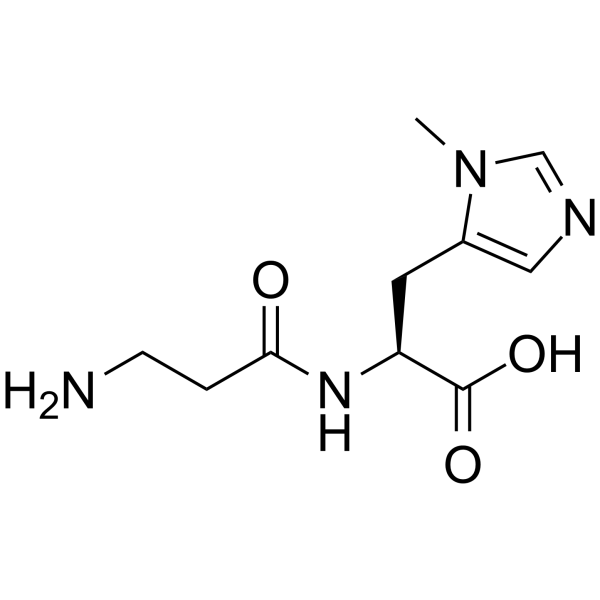
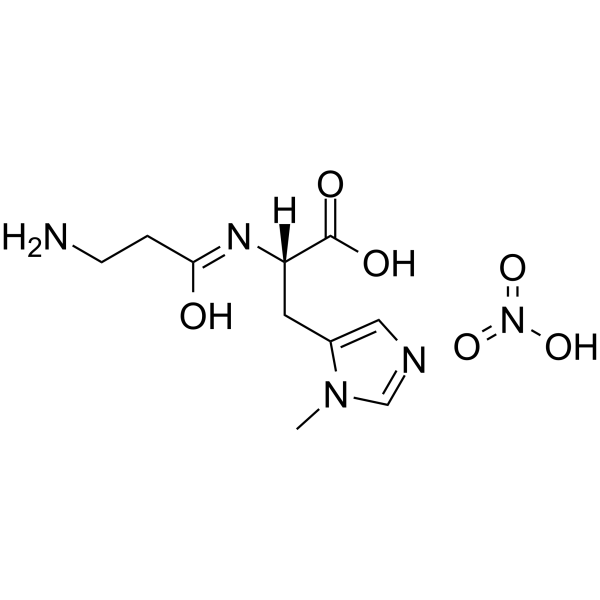
    Anserine, a methylated form of Carnosine, is an orally active, natural Histidine-containing dipeptide found in skeletal muscle of vertebrates. Anserine is not cleaved by serum carnosinase and act as biochemical buffers, chelators, antioxidants, and anti-glycation agents. Anserine has blood-brain barrier permeability, and improves memory functions in Alzheimer's disease (AD)-model mice .
    Anserine
  • HY-133026

    N-Acetyl-L-carnosine

    Drug Intermediate Endogenous Metabolite Inflammation/Immunology
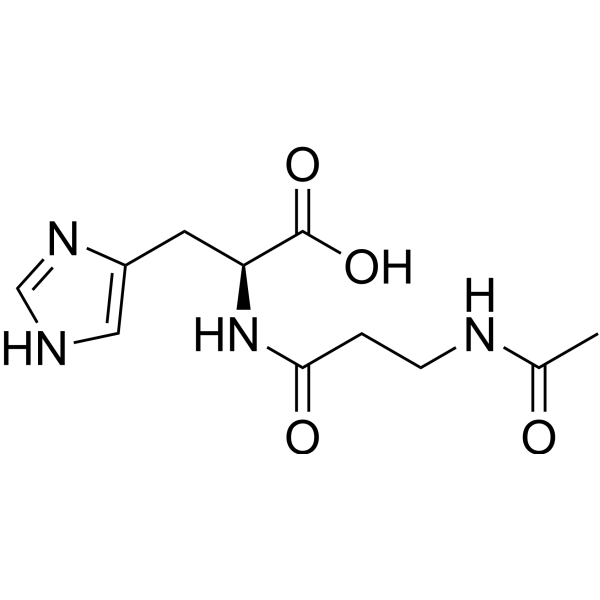
    N-Acetylcarnosine, a natural histidine-containing dipeptide, is a source of pharmacological principal L-carnosine. N-Acetylcarnosine is a potent ophthalmic agent in human cataracts .
    N-Acetylcarnosine
  • HY-W013494S

    Isotope-Labeled Compounds Endogenous Metabolite Metabolic Disease
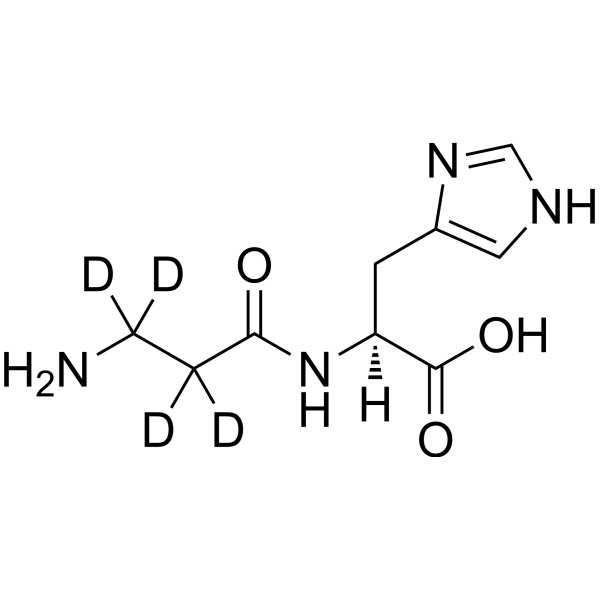
    L-Carnosine-d4 is the deuterium labeled L-Carnosine. L-Carnosine is a dipeptide of the amino acids beta-alanine and histidine and has the potential to suppress many of the biochemical changes that accompany aging.
    L-Carnosine-d4
  • HY-P4666

    Biochemical Assay Reagents Others
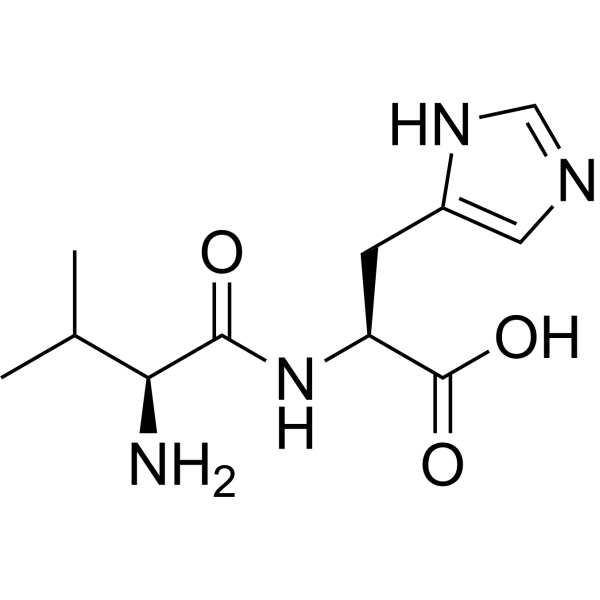
    Valylhistidine is a dipeptide composed of valine and histidine (Val-His). Valylhistidine can form a dipeptide complex with Cu (II) that mimics superoxide dismutase but lacks activity .
    Valylhistidine
  • HY-W012572

    Mitochondrial Metabolism Bacterial Infection Metabolic Disease
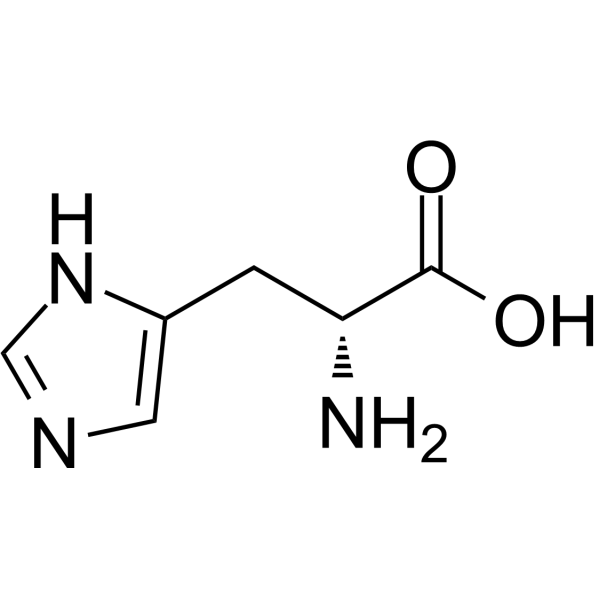
    D-Histidine is an anti-biofilm agent that targets bacterial quorum sensing systems (such as RhlI/RhlR pathway) and has antibacterial activity. D-Histidine works by non-covalently binding to bacterial regulatory factors or copper ion complexes, selectively inhibiting bacterial biofilm formation and motility. D-Histidine downregulates quorum sensing-related gene expression, reduces the synthesis of virulence factors (such as alginate and proteases), and interferes with bacterial membrane stability, inhibiting biofilm formation, promoting the disintegration of mature biofilms, and enhancing antibiotic sensitivity. D-Histidine is also an efficient catalyst for the salt-induced peptide formation (SIPF) reaction, which promotes the condensation of amino acids to form dipeptides (such as dialanine and dilysine) by forming a complex with copper ions (Cu 2+) .
    D-Histidine
  • HY-113354S

    Endogenous Metabolite Neurological Disease
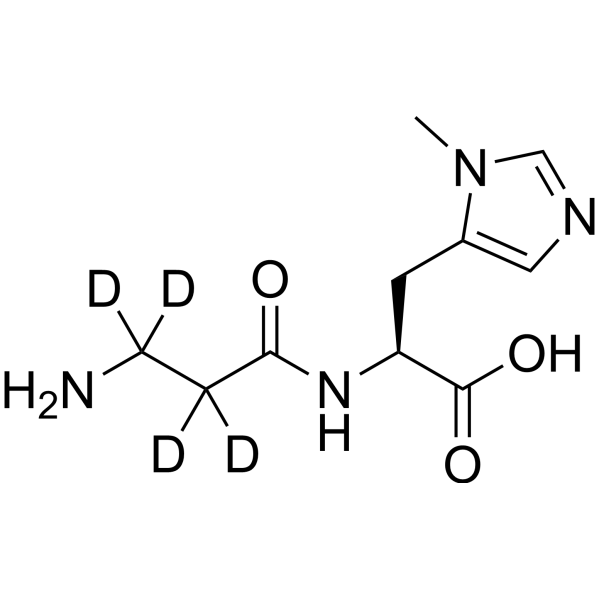
    Anserine-d4 is the deuterium labeled Anserine. Anserine, a methylated form of Carnosine, is an orally active, natural Histidine-containing dipeptide found in skeletal muscle of vertebrates. Anserine is not cleaved by serum carnosinase and act as biochemical buffers, chelators, antioxidants, and anti-glycation agents. Anserine improves memory functions in Alzheimer's disease (AD)-model mice .
    Anserine-d4
  • HY-W013494R

    Reference Standards Endogenous Metabolite Metabolic Disease Cancer
    L-Carnosine (Standard) is the analytical standard of L-Carnosine. This product is intended for research and analytical applications. L-Carnosine is a dipeptide of the amino acids beta-alanine and histidine and has the potential to suppress many of the biochemical changes that accompany aging. In Vitro: L-Carnosine is a dipeptide of the amino acids beta-alanine and histidine and has the potential to suppress many of the biochemical changes that accompany aging .
    L-Carnosine also exhibits some antioxidant effects. The antioxidant mechanism of L-Carnosine is attributed to its chelating effect against metal ions, superoxide dismutase (SOD)-like activity, and ROS and free radicals scavenging ability .
    L-Carnosine (Standard)
  • HY-114883

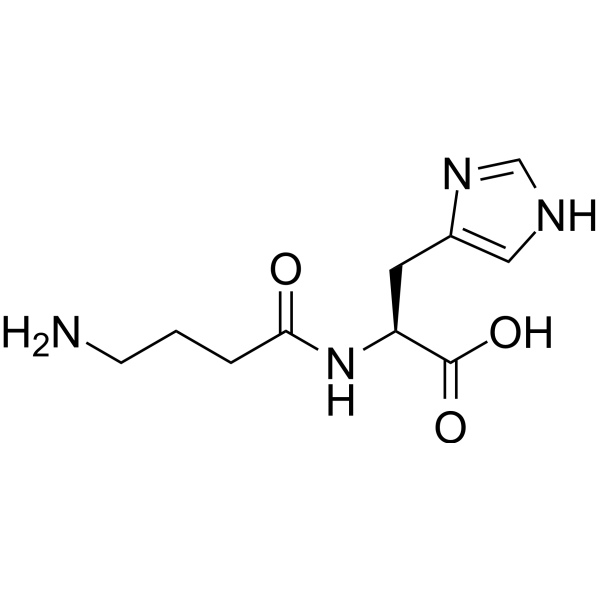
    L-Homocarnosine

    GABA Receptor Endogenous Metabolite Neurological Disease Inflammation/Immunology
    Homocarnosine is a dipeptide of γ-aminobutyric acid (GABA) and histidine unique to brain. Homocarnosine is an inhibitory neuromodulator synthesized in the neuron from GABA and exhibiting anticonvulsant effects .Homocarnosine has antioxidant and anti-inflammatory actions, prevention of DNA damage, and inhibition of advanced glycation end-product formation .
    Homocarnosine
  • HY-114883A

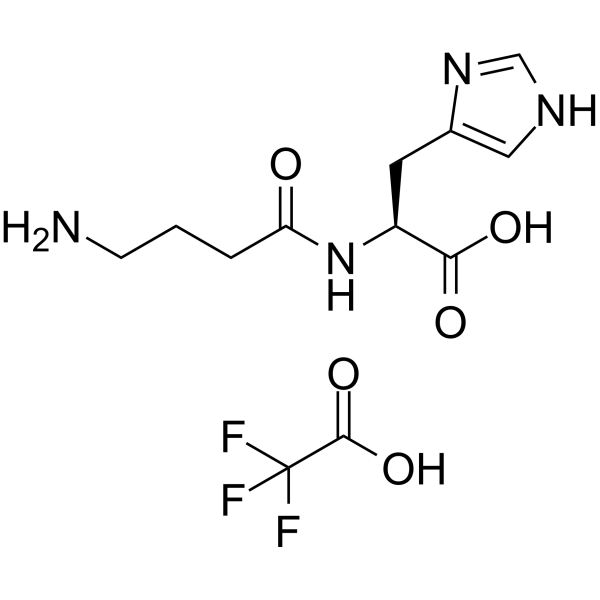
    L-Homocarnosine TFA

    GABA Receptor Endogenous Metabolite Neurological Disease
    Homocarnosine TFA is a dipeptide of γ-aminobutyric acid (GABA) and histidine unique to brain. Homocarnosine TFA is an inhibitory neuromodulator synthesized in the neuron from GABA and exhibiting anticonvulsant effects . Homocarnosine TFA has antioxidant and anti-inflammatory actions, prevention of DNA damage, and inhibition of advanced glycation end-product formation .
    Homocarnosine TFA
  • HY-P4288

    Amino Acid Derivatives Others
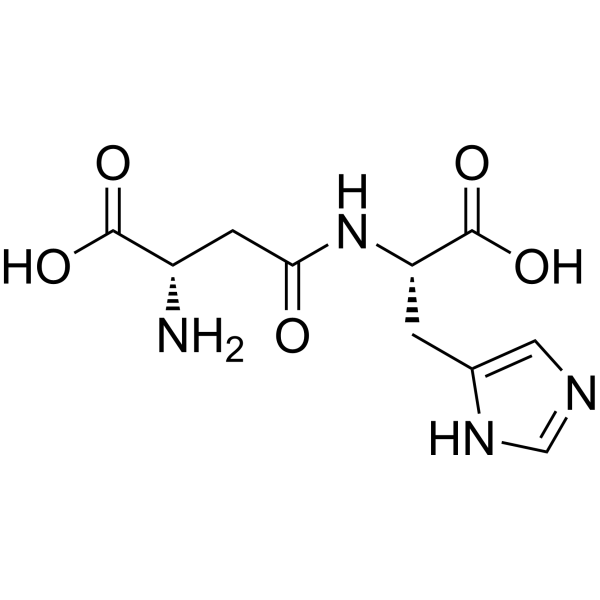
    Beta-Asp-His is a dipeptide containing aspartic acid and histidine, which can form amino acid derivatives by complexing with Zinc .
    Beta-Asp-His
  • HY-P4650

    Angiotensin-converting Enzyme (ACE) Cardiovascular Disease
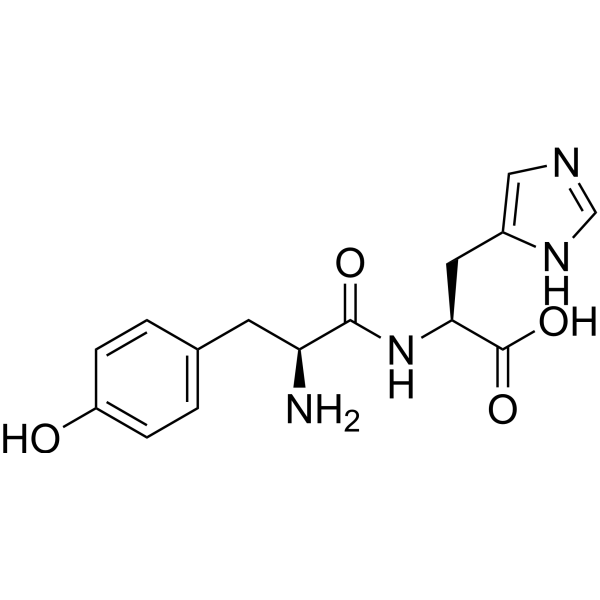
    Tyrosylhistidine is a dipeptide consisting of tyrosine and histidine (Tyr-His). Tyrosylhistidine is an orally active antihypertensive peptide. Tyrosylhistidine reduces blood pressure in mice in a model of spontaneous hypertension .
    Tyrosylhistidine
  • HY-W012572A

    Mitochondrial Metabolism Bacterial Infection Metabolic Disease
    D-Histidine hydrochloride hydrate is an anti-biofilm agent that targets bacterial quorum sensing systems (such as RhlI/RhlR pathway) and has antibacterial activity. D-Histidine hydrochloride hydrate works by non-covalently binding to bacterial regulatory factors or copper ion complexes, selectively inhibiting bacterial biofilm formation and motility. D-Histidine hydrochloride hydrate downregulates quorum sensing-related gene expression, reduces the synthesis of virulence factors (such as alginate and proteases), and interferes with bacterial membrane stability, inhibiting biofilm formation, promoting the disintegration of mature biofilms, and enhancing antibiotic sensitivity. D-Histidine hydrochloride hydrate is also an efficient catalyst for the salt-induced peptide formation (SIPF) reaction, which promotes the condensation of amino acids to form dipeptides (such as dialanine and dilysine) by forming a complex with copper ions (Cu 2+) .
    D-Histidine hydrochloride hydrate
  • HY-133026R

    N-Acetyl-L-carnosine (Standard)

    Drug Intermediate Endogenous Metabolite Reference Standards Inflammation/Immunology
    N-Acetylcarnosine (Standard) is the analytical standard of N-Acetylcarnosine. This product is intended for research and analytical applications. N-Acetylcarnosine, a natural histidine-containing dipeptide, is a source of pharmacological principal L-carnosine. N-Acetylcarnosine is a potent ophthalmic agent in human cataracts .
    N-Acetylcarnosine (Standard)
  • HY-W012572R

    Reference Standards Mitochondrial Metabolism Bacterial Infection Metabolic Disease
    D-Histidine (Standard) is the analytical standard of D-Histidine (HY-W012572). This product is intended for research and analytical applications. D-Histidine is an anti-biofilm agent that targets bacterial quorum sensing systems (such as RhlI/RhlR pathway) and has antibacterial activity. D-Histidine works by non-covalently binding to bacterial regulatory factors or copper ion complexes, selectively inhibiting bacterial biofilm formation and motility. D-Histidine downregulates quorum sensing-related gene expression, reduces the synthesis of virulence factors (such as alginate and proteases), and interferes with bacterial membrane stability, inhibiting biofilm formation, promoting the disintegration of mature biofilms, and enhancing antibiotic sensitivity. D-Histidine is also an efficient catalyst for the salt-induced peptide formation (SIPF) reaction, which promotes the condensation of amino acids to form dipeptides (such as dialanine and dilysine) by forming a complex with copper ions (Cu 2+) .
    D-Histidine (Standard)
  • HY-113354S1

    Isotope-Labeled Compounds Neurological Disease
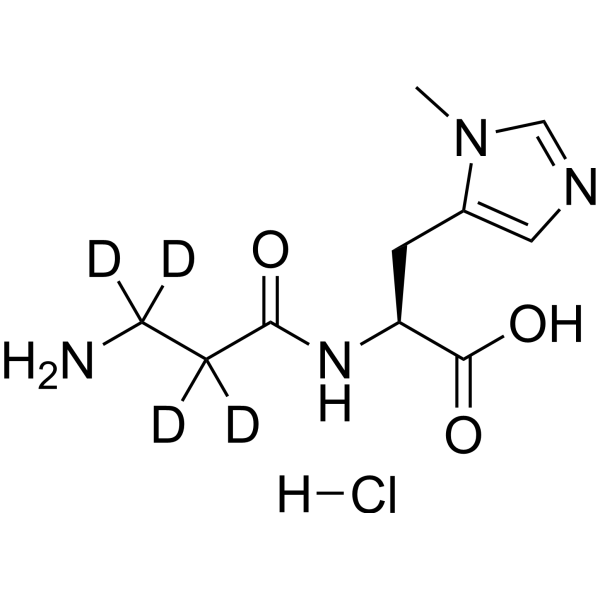
    Anserine-d4 hydrochloride is the deuterium labeled Anserine (HY-113354). Anserine, a methylated form of Carnosine, is an orally active, natural Histidine-containing dipeptide found in skeletal muscle of vertebrates. Anserine is not cleaved by serum carnosinase and act as biochemical buffers, chelators, antioxidants, and anti-glycation agents. Anserine improves memory functions in Alzheimer's disease (AD)-model mice .
    Anserine-d4 hydrochloride
  • HY-113354R

    Reference Standards Endogenous Metabolite Neurological Disease
    Anserine (Standard) is the analytical standard of Anserine. This product is intended for research and analytical applications. Anserine, a methylated form of Carnosine, is an orally active, natural Histidine-containing dipeptide found in skeletal muscle of vertebrates. Anserine is not cleaved by serum carnosinase and act as biochemical buffers, chelators, antioxidants, and anti-glycation agents. Anserine improves memory functions in Alzheimer's disease (AD)-model mice[1][2].
    Anserine (Standard)
  • HY-P4599B

    Biochemical Assay Reagents Others
    H-His-His-OH acetate is an oligopeptide. H-His-His-OH acetate can chelate with Ruthenium (II). H-His-His-OH inhibits the hydrolysis of metal ions at pH 7.4 .
    H-His-His-OH acetate

Inquiry Online

Your information is safe with us. * Required Fields.

Salutation


Country or Region *

Applicant Name *


Organization Name *

Department *


Email Address *


Product Name *

Cat. No.


Requested quantity *

Phone Number *


Remarks

Inquiry Online

Inquiry Information

Product Name:
Cat. No.:
Quantity:
MCE Japan Authorized Agent:

