



7,8-Dihydroxyflavone
Based on 21 publication(s) in Google Scholar
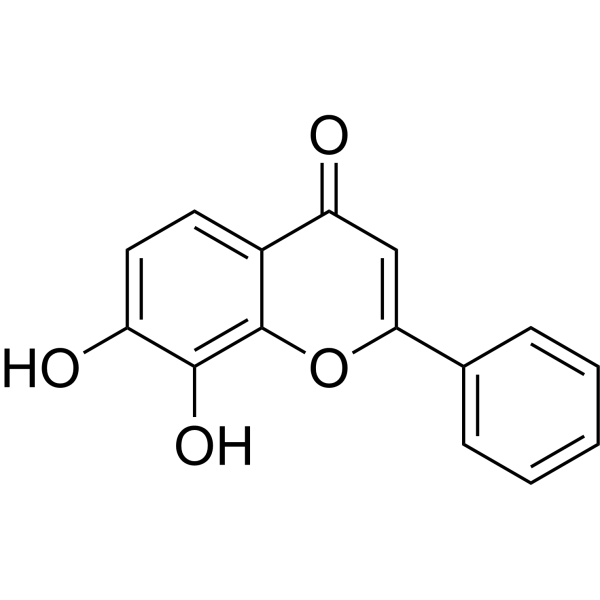
7,8-Dihydroxyflavone is a potent and selective TrkB agonist that mimics the physiological actions of Brain-derived neurotrophic factor (BDNF). Displays therapeutic efficacy toward various neurological diseases.
For research use only. We do not sell to patients.
- Purity : 99.58%
- CAS No.: 38183-03-8
- Formula: C15H10O4
- Molecular Weight:254.24
-
Storage:
4°C, stored under nitrogen
* In solvent : -80°C, 1 year; -20°C, 6 months (stored under nitrogen)

To place orders, for customer services and technical support, please contact: MedChemExpress USA
Tel: 609-228-6898 E-mail: [email protected] [email protected]


-
 Biological Activity
-
Chemical Information
-
Solvent & Solubility
- Purity & Documentation
- References
-
 Help & FAQs


-
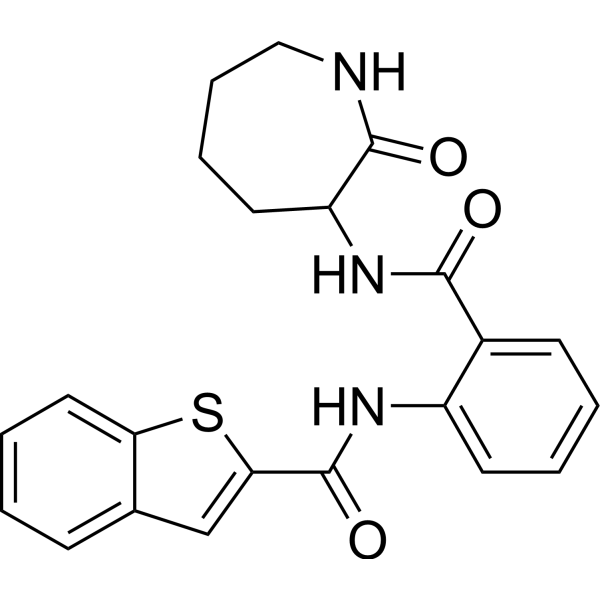
HY-12497
ANA-12TrkB Antagonist -
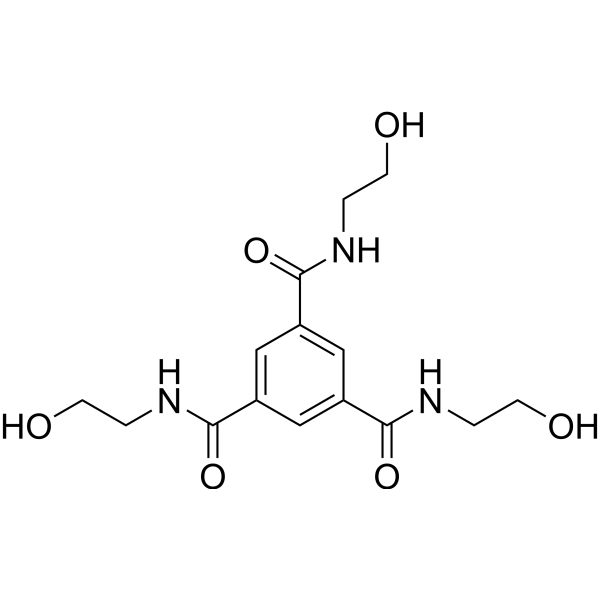
HY-100673
LM22A-4TrkB Agonist -
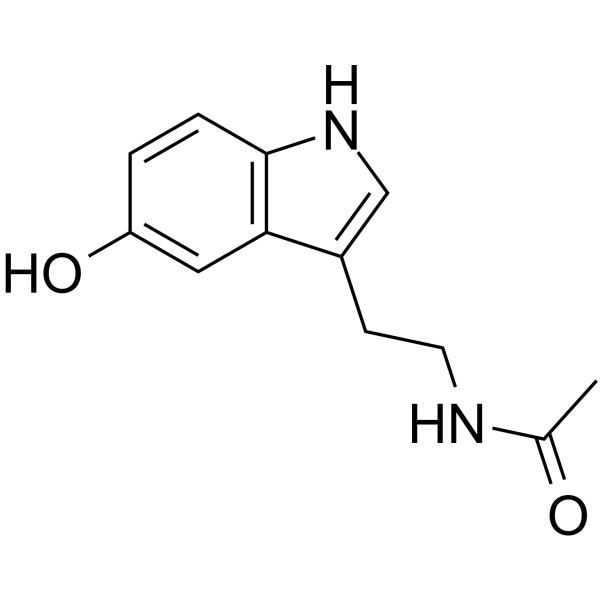
HY-107854
N-Acetyl-5-hydroxytryptamineMelatonin Precursor -
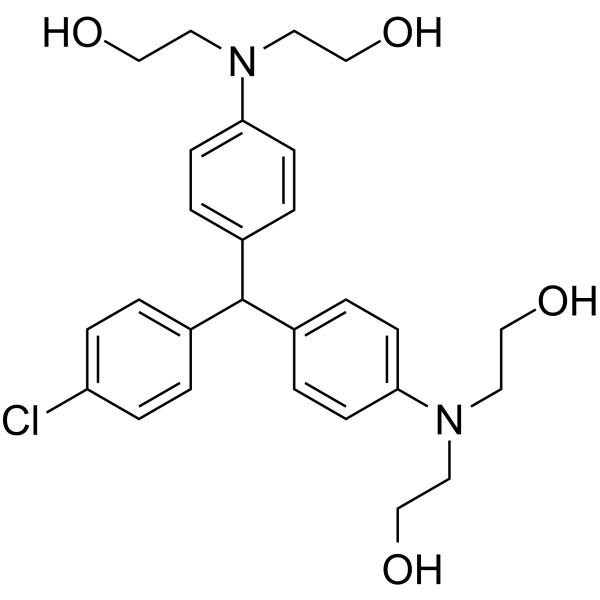
HY-104047
LM22B-10TrkB/TrkC Activator -
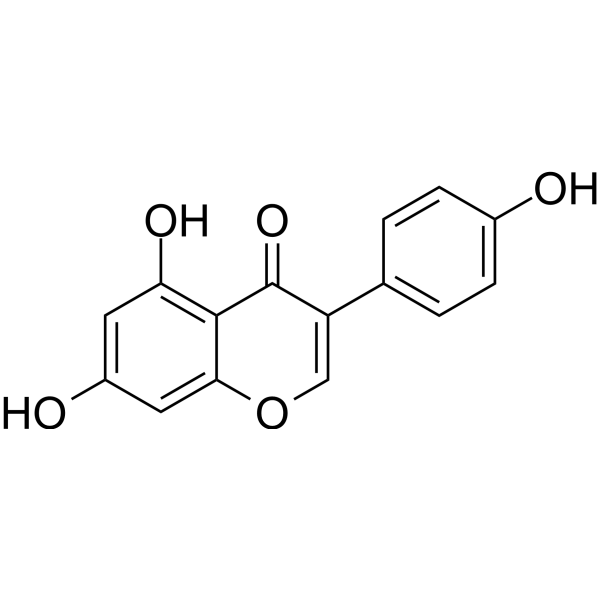
HY-14596
GenisteinAutophagy Inducer -
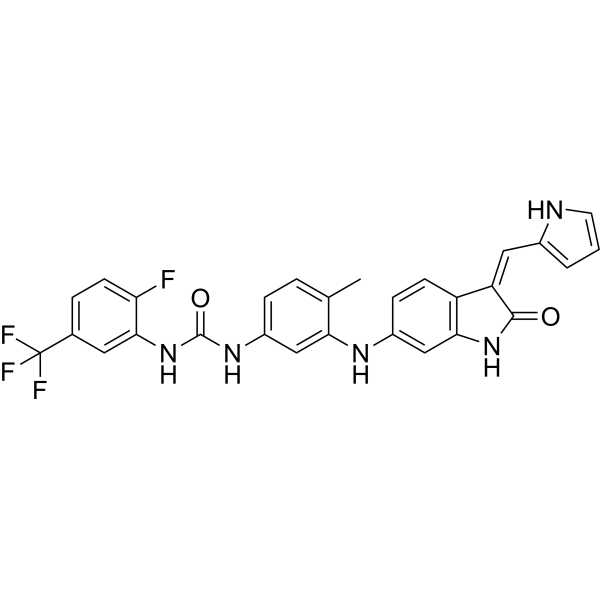
HY-13491
GNF-5837Trk Receptor Inhibitor -
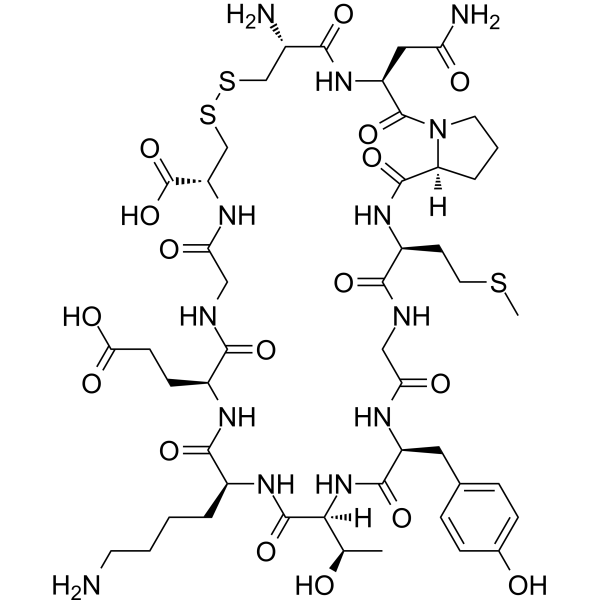
HY-P1178
Cyclotraxin BTrkB Inhibitor -
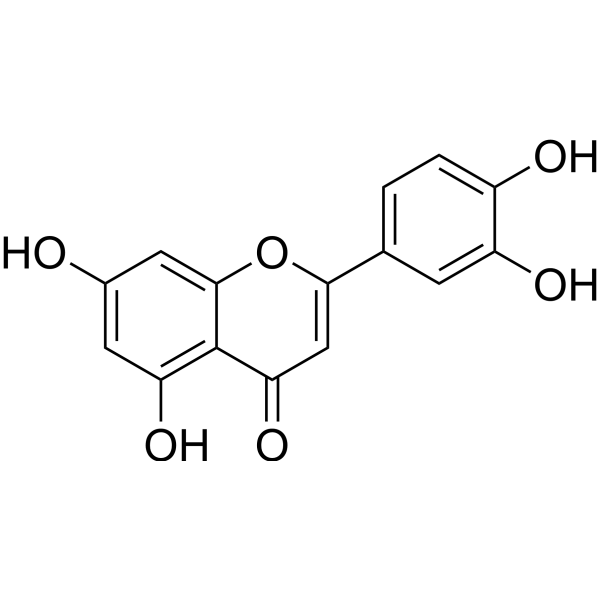
HY-N0162
LuteolinNrf2 Inhibitor -
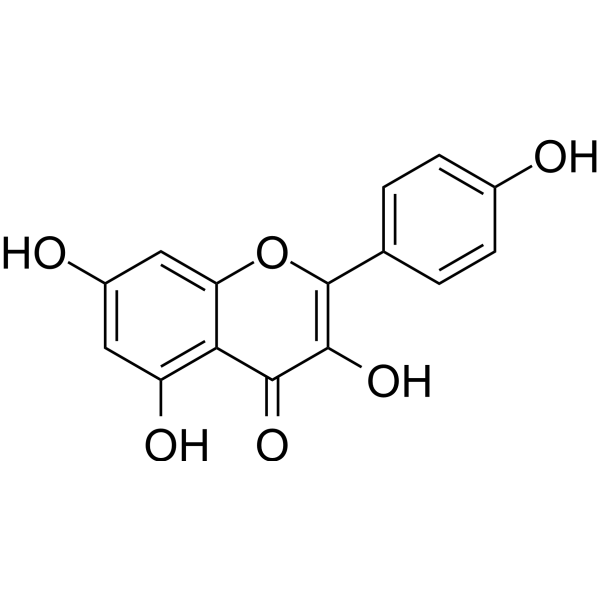
HY-14590
KaempferolEstrogen Receptor α Inhibitor -
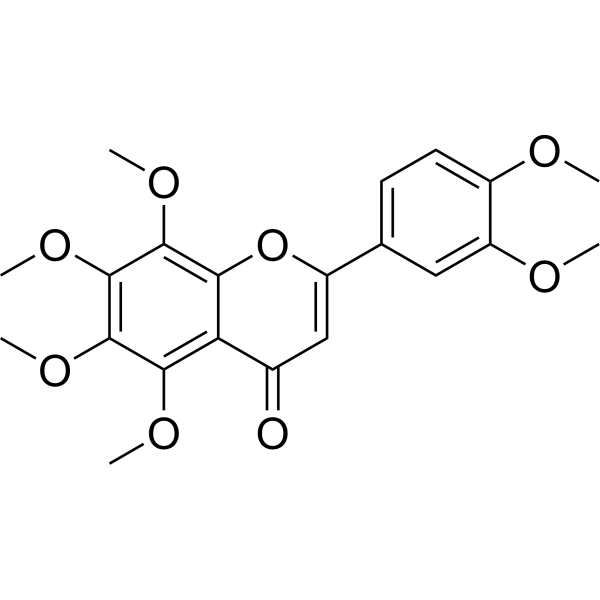
HY-N0155
NobiletinROR Agonist -
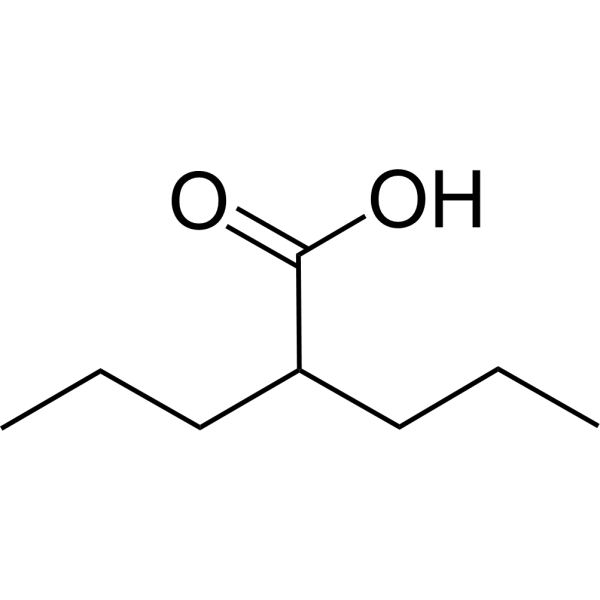
HY-10585
Valproic acidHDAC Inhibitor -
HY-15097
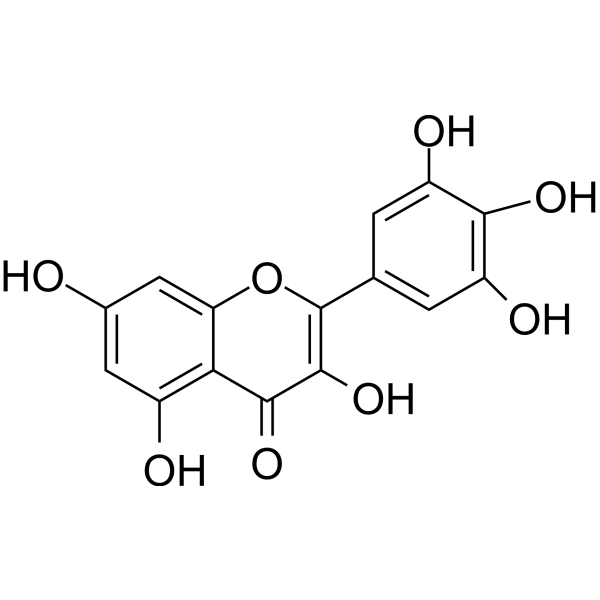
MyricetinAutophagy Inducer
Publications Citing Use of MedChemExpress (MCE) 7,8-Dihydroxyflavone
More- Phytomedicine. 2025 Apr:139:156532. [Abstract]
- Phytomedicine. 2024 Sep:132:155803. [Abstract]
- J Hazard Mater. 2023 Sep 5:457:131831. [Abstract]
- Mol Psychiatry. 2022 Feb;27(2):1047-1058. [Abstract]
- Free Radic Biol Med. 2025 Oct 30:242:275-287. [Abstract]
- J Agric Food Chem. 2021 Nov 17;69(45):13618-13627. [Abstract]
- Ecotoxicol Environ Saf. 2022 Dec 15:248:114307. [Abstract]
- Drug Des Devel Ther. 2021 Mar 30:15:1409-1422. [Abstract]
- Colloids Surf B Biointerfaces. 2026 Jun:262:115514. [Abstract]
- Colloids Surf B Biointerfaces. 2026 May 22:266:115841. [Abstract]
- Eur J Pharmacol. 2023 Jan 5:938:175420. [Abstract]
- Sci Rep. 2022 Jan 26;12(1):1378. [Abstract]
- Neuropharmacology. 2025 Dec 15:281:110701. [Abstract]
- Int J Med Sci. 2022 Jan 1;19(1):13-24. [Abstract]
- Basic Clin Pharmacol Toxicol. 2026 Jan;138(1):e70158. [Abstract]
- Toxicol Appl Pharmacol. 2025 Dec:505:117578. [Abstract]
- Toxicol Appl Pharmacol. 2024 May:486:116951. [Abstract]
- PeerJ. 2022 Feb 15:10:e12886. [Abstract]
- Sleep Breath. 2022 Mar;26(1):287-295. [Abstract]
- Pharmacological Research Modern Chinese Medicine. 2025 Sep 20;17:100693.
- Evid Based Complement Alternat Med. 2022 Feb 14;2022:2497430. [Abstract]
 Customer Validation & Images

-
Cell Imaging/Staining
-
WB
-
WB
-
WB
-
Cell Imaging/Staining


Biological Activity
Description
IC50 & Target
|
TrkB |
Cellular Effect
|
Cell Line

|
Type | Value | Description | References |
|---|---|---|---|---|
| A549 | IC50 |
37.25 μM
Compound: 11a
|
Antiproliferative activity against human A549 cells after 24 hrs by MTT assay
Antiproliferative activity against human A549 cells after 24 hrs by MTT assay
|
[PMID: 22472167] |
| H9 | EC50 |
10 μM
Compound: 10
|
Antiviral activity against HIV1 3B infected in human H9 cells assessed as inhibition of viral replication after 3 days by p24 antigen capture assay
Antiviral activity against HIV1 3B infected in human H9 cells assessed as inhibition of viral replication after 3 days by p24 antigen capture assay
|
[PMID: 8158164] |
| H9 | IC50 |
14 μM
Compound: 10
|
Cytotoxicity against human H9 cells after 3 days
Cytotoxicity against human H9 cells after 3 days
|
[PMID: 8158164] |
| HEK293 | IC50 |
36 μM
Compound: 1b
|
Inhibition of human telomerase from HEK293 cell extracts by Flash-Plate assay
Inhibition of human telomerase from HEK293 cell extracts by Flash-Plate assay
|
[PMID: 15588081] |
| HEK293 | IC50 |
36 μM
Compound: Fig 20, R1C3
|
Inhibition of telomerase extracted from HEK293 cells using 5'-bAATCCGTCGAGCAGAGTT as primer assessed as polymerization of telomeric repeats to the end of the primers after 2 hrs by Flash-Plate assay
Inhibition of telomerase extracted from HEK293 cells using 5'-bAATCCGTCGAGCAGAGTT as primer assessed as polymerization of telomeric repeats to the end of the primers after 2 hrs by Flash-Plate assay
|
10.1039/C0MD00241K |
| MCF7 | IC50 |
27.5 μM
Compound: 3c
|
The compound was tested for antiproliferative activity against MCF-7 human breast cancer cells
The compound was tested for antiproliferative activity against MCF-7 human breast cancer cells
|
[PMID: 11720850] |
| U-251 | IC50 |
50.11 μM
Compound: 11a
|
Antiproliferative activity against human U251 cells after 24 hrs by MTT assay
Antiproliferative activity against human U251 cells after 24 hrs by MTT assay
|
[PMID: 22472167] |
In Vitro
7,8-Dihydroxyflavone (500 nM) protects the primary cortical neurons and locus coeruleus (LC) neurons from Aβ-induced toxicity and promotes dendritic growth and synaptogenesis[1].
MedChemExpress (MCE) has not independently confirmed the accuracy of these methods. They are for reference only. .
In Vivo
Administration of 7,8- dihydroxyflavone to mice activates TrkB in the brain, inhibits kainic acid-induced toxicity, decreases infarct volumes in stroke in a TrkBdependent manner, and is neuroprotective in an animal model of Parkinson disease[2].
MedChemExpress (MCE) has not independently confirmed the accuracy of these methods. They are for reference only.


Chemical Information
-
CAS No. 38183-03-8
-
Appearance Solid
-
Molecular Weight 254.24
-
Formula C15H10O4
-
Color Light yellow to yellow
-
SMILES
O=C1C=C(C2=CC=CC=C2)OC3=C(O)C(O)=CC=C13
-
Structure Classification
-
Shipping
Room temperature in continental US; may vary elsewhere.
-
Storage
4°C, stored under nitrogen
* In solvent : -80°C, 1 year; -20°C, 6 months (stored under nitrogen)


Publications (21)
-
Journal Impact Factor
-
Most Recent
-
Phytomedicine
Ligustilide covalently binds to Cys254 of the creatine kinase, M-type protein, ameliorating acute myocardial ischemia by enhancing the creatine phosphate level. [Abstract]2025 Apr:139:156532. PMID: 40007343 -
Phytomedicine
Astragaloside IV mediates radiation-induced neuronal damage through activation of BDNF-TrkB signaling. [Abstract]2024 Sep:132:155803. PMID: 38876008
7,8-Dihydroxyflavone purchased from MedChemExpress. Usage Cited in: Phytomedicine. 2024 Sep:132:155803. [Abstract]
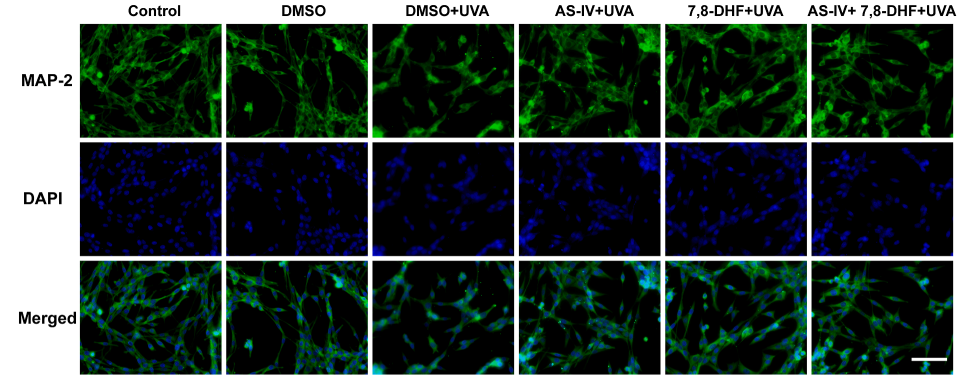
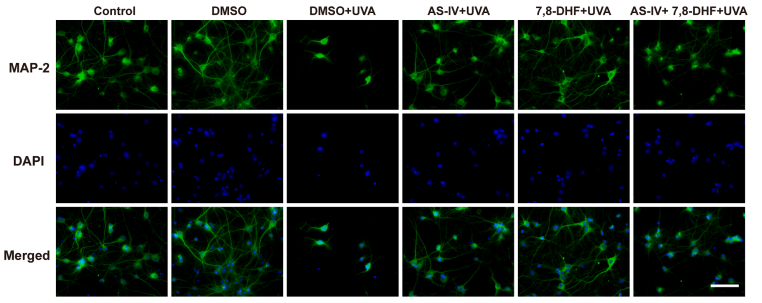
7,8-Dihydroxyflavone (7,8-DHF; 500 nM; 24 h) showed protective effect in PC12 cells. Immunofluorescence staining of MAP-2 expression in PC12 cells.
7,8-Dihydroxyflavone purchased from MedChemExpress. Usage Cited in: Phytomedicine. 2024 Sep:132:155803. [Abstract]
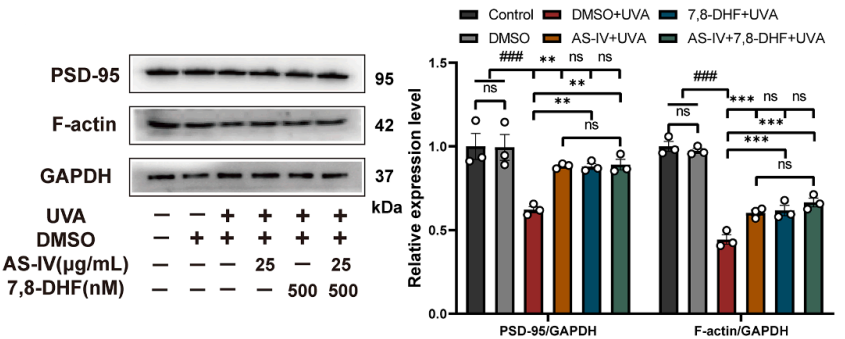
7,8-Dihydroxyflavone (7,8-DHF; 500 nM; 24 h) decreased the expression of PSD-95 and F-actin in PC12 cells.
7,8-Dihydroxyflavone purchased from MedChemExpress. Usage Cited in: Phytomedicine. 2024 Sep:132:155803. [Abstract]
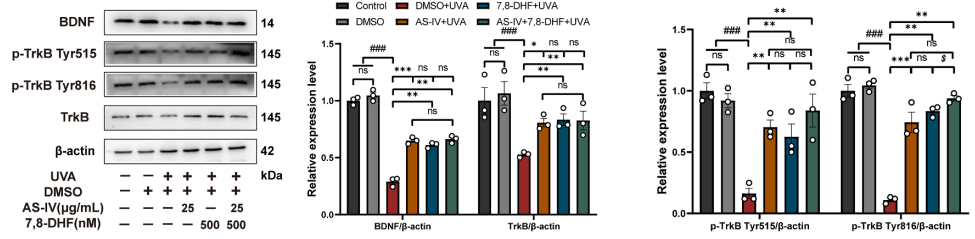
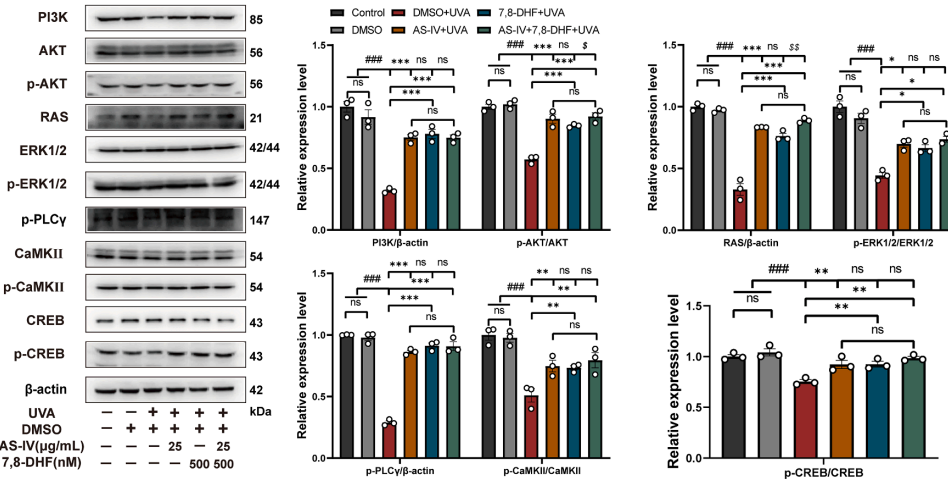
The expression levels of related proteins of BDNF-TrkB signaling pathway by western blot 7,8-Dihydroxyflavone (7,8-DHF; 500 nM).
7,8-Dihydroxyflavone purchased from MedChemExpress. Usage Cited in: Phytomedicine. 2024 Sep:132:155803. [Abstract]
The expression levels of related proteins of BDNF-TrkB signaling pathway by western blot 7,8-Dihydroxyflavone (7,8-DHF; 500 nM).
7,8-Dihydroxyflavone purchased from MedChemExpress. Usage Cited in: Phytomedicine. 2024 Sep:132:155803. [Abstract]
Immunofluorescence staining of MAP-2 expression primary cortical neurons treated with 7,8-Dihydroxyflavone (7,8-DHF; 500 nM; 24 h).
-
J Hazard Mater
Mechanistic exploration on neurodevelopmental toxicity induced by upregulation of alkbh5 targeted by triclosan exposure to larval zebrafish. [Abstract]2023 Sep 5:457:131831. PMID: 37320907 -
Mol Psychiatry
Anti-depressive-like behaviors of APN KO mice involve Trkb/BDNF signaling related neuroinflammatory changes. [Abstract]2022 Feb;27(2):1047-1058. PMID: 34642455 -
Free Radic Biol Med
7,8-Dihydroxyflavone protects acetaminophen induced liver injury through activating PI3K/Akt/NRF2/GPX4 mediated ferroptosis suppression. [Abstract]2025 Oct 30:242:275-287. PMID: 41173313 -
J Agric Food Chem
Fluoride Stimulates Anxiety- and Depression-like Behaviors Associated with SIK2-CRTC1 Signaling Dysfunction. [Abstract]2021 Nov 17;69(45):13618-13627. PMID: 34735150 -
Ecotoxicol Environ Saf
Amelioration of cholesterol sulfate for lead-induced CTX cell apoptosis based on BDNF signaling pathway mediated cholesterol metabolism. [Abstract]2022 Dec 15:248:114307. PMID: 36423370 -
Drug Des Devel Ther
Edaravone Alleviated Propofol-Induced Neurotoxicity in Developing Hippocampus by mBDNF/TrkB/PI3K Pathway. [Abstract]2021 Mar 30:15:1409-1422. PMID: 33833500 -
Colloids Surf B Biointerfaces
Drug-reinforced metal-organic framework nanozyme for combined treatment of ischemia/reperfusion acute kidney injury. [Abstract]2026 Jun:262:115514. PMID: 41671821 -
Colloids Surf B Biointerfaces
pH-Responsive 7,8-DHF/HZIF-8@PLGA microspheres for modulating the osteoporotic microenvironment: Osteogenesis, immunomodulation, and ROS scavenging. [Abstract]2026 May 22:266:115841. PMID: 42208272 -
Eur J Pharmacol
7,8-Dihydroxyflavone alleviates cardiac fibrosis by restoring circadian signals via downregulating Bmal1/Akt pathway. [Abstract]2023 Jan 5:938:175420. PMID: 36427535 -
Sci Rep
Bupivacaine reduces GlyT1 expression by potentiating the p-AMPKα/BDNF signalling pathway in spinal astrocytes of rats. [Abstract]2022 Jan 26;12(1):1378. PMID: 35082359 -
Neuropharmacology
Excessive calpain impairs offspring cognition via BDNF/TrkB dysregulation after maternal non-obstetric surgery during pregnancy. [Abstract]2025 Dec 15:281:110701. PMID: 41043554 -
Int J Med Sci
7,8-Dihydroxyflavone alleviates apoptosis and inflammation induced by retinal ischemia-reperfusion injury via activating TrkB/Akt/NF-kB signaling pathway. [Abstract]2022 Jan 1;19(1):13-24. PMID: 34975295 -
Basic Clin Pharmacol Toxicol
7,8-Dihydroxyflavone Suppresses Experimental Pulmonary Fibrosis by Inhibiting Fibroblast-to-Myofibroblast Transformation and Epithelial-Mesenchymal Transition. [Abstract]2026 Jan;138(1):e70158. PMID: 41347324 -
Toxicol Appl Pharmacol
7,8-Dihydroxyflavone attenuates cisplatin-induced cardiomyocyte apoptosis and mitochondrial dysfunction via the p53/Nrf2 pathway. [Abstract]2025 Dec:505:117578. PMID: 40992637 -
Toxicol Appl Pharmacol
BDNF mimetics recover palmitic acid-induced injury in cardiomyocytes by ameliorating Akt-dependent mitochondrial impairments. [Abstract]2024 May:486:116951. PMID: 38705401 -
PeerJ
7,8-Dihydroxyflavone protects neurons against oxygen-glucose deprivation induced apoptosis and activates the TrkB/Akt pathway. [Abstract]2022 Feb 15:10:e12886. PMID: 35186478 -
Sleep Breath
7,8-Dihydroxyflavone protects retinal ganglion cells against chronic intermittent hypoxia-induced oxidative stress damage via activation of the BDNF/TrkB signaling pathway. [Abstract]2022 Mar;26(1):287-295. PMID: 33993395 -
-
Evid Based Complement Alternat Med
Electroacupuncture Alleviates Visceral Hypersensitivity in IBS-D Rats by Inhibiting EGCs Activity through Regulating BDNF/TrkB Signaling Pathway. [Abstract]2022 Feb 14;2022:2497430. PMID: 35198032


Solvent & Solubility
In Vitro:
DMSO : ≥ 100 mg/mL (393.33 mM; Hygroscopic DMSO has a significant impact on the solubility of product, please use newly opened DMSO)
* "≥" means soluble, but saturation unknown.
Please refer to the solubility information to select the appropriate solvent. Once prepared, please aliquot and store the solution to prevent product inactivation from repeated freeze-thaw cycles.
Storage method and period of stock solution: -80°C, 1 year; -20°C, 6 months (stored under nitrogen). When stored at -80°C, please use it within 1 year. When stored at -20°C, please use it within 6 months.
Please refer to the solubility information to select the appropriate solvent. Once prepared, please aliquot and store the solution to prevent product inactivation from repeated freeze-thaw cycles.
Storage method and period of stock solution: -80°C, 1 year; -20°C, 6 months (stored under nitrogen). When stored at -80°C, please use it within 1 year. When stored at -20°C, please use it within 6 months.
Concentration (start) × Volume (start) = Concentration (final) × Volume (final)
In Vivo:
Select the appropriate dissolution method based on your experimental animal and administration route.
- For the following dissolution methods, please ensure to first prepare a clear stock solution using an In Vitro approach and then sequentially add co-solvents:
- To ensure reliable experimental results, the clarified stock solution can be appropriately stored based on storage conditions. As for the working solution for In Vivo experiments, it is recommended to prepare freshly and use it on the same day.
- The percentages shown for the solvents indicate their volumetric ratio in the final prepared solution. If precipitation or phase separation occurs during preparation, heat and/or sonication can be used to aid dissolution.
Add each solvent one by one: 10% DMSO 40% PEG300 5% Tween-80 45% Saline
Solubility: ≥ 2.5 mg/mL (9.83 mM); Clear solution
This protocol yields a clear solution of ≥ 2.5 mg/mL (saturation unknown).
Taking 1 mL working solution as an example, add 100 μL DMSO stock solution (25.0 mg/mL) to 400 μL PEG300, and mix evenly; then add 50 μL Tween-80 and mix evenly; then add 450 μL Saline to adjust the volume to 1 mL.
Preparation of Saline: Dissolve 0.9 g sodium chloride in ddH₂O and dilute to 100 mL to obtain a clear Saline solution.
Add each solvent one by one: 10% DMSO 90% (20% SBE-β-CD in Saline)
Solubility: ≥ 2.5 mg/mL (9.83 mM); Clear solution
This protocol yields a clear solution of ≥ 2.5 mg/mL (saturation unknown).
Taking 1 mL working solution as an example, add 100 μL DMSO stock solution (25.0 mg/mL) to 900 μL 20% SBE-β-CD in Saline, and mix evenly.
Preparation of 20% SBE-β-CD in Saline (4°C, storage for one week): 2 g SBE-β-CD powder is dissolved in 10 mL Saline, completely dissolve until clear.
In Vivo Dissolution Calculator
Please enter the basic information of animal experiments:
-
-
-
-
Recommended: Prepare an additional quantity of animals to account for potential losses during experiments.
Please enter your animal formula composition:
-
%DMSO +
Recommended: Keep the proportion of DMSO in working solution below 2% if your animal is weak.
-
%+
-
+%Tween-80 + +
-
%Saline +
The co-solvents required include: DMSO, . All of co-solvents are available by MedChemExpress (MCE). , Tween 80. All of co-solvents are available by MedChemExpress (MCE).
Working solution concentration: 0.22 mg/mL
Method for preparing stock solution: mg drug dissolved in μL DMSO. Stock solution concentration: mg/mL. * In solvent : -80°C, 1 year; -20°C, 6 months (stored under nitrogen)
1. Take μL DMSO stock solution;
2. Add μL .
μL , mix evenly;
3. Then add μL Tween 80, mix evenly;
4. Then add μL
Please ensure that the stock solution in the first step is dissolved to a clear state, and add co-solvents in sequence. You can use ultrasonic heating (ultrasonic cleaner, recommended frequency 20-40 kHz), vortexing, etc. to assist dissolution.


Purity & Documentation
-
Data Sheet (275 KB)
-
SDS (394 KB)
- English - EN (394 KB)
- Français - FR (394 KB)
- Deutsch - DE (394 KB)
- Norwegian - NO (394 KB)
- Español - ES (394 KB)
- Swedish - SV (394 KB)
- Italian - IT (394 KB)
- Korean - KR (394 KB)
- Portuguese - PT (394 KB)
-
Handling Instructions (2659 KB)
References


Complete Stock Solution Preparation Table
Please refer to the solubility information to select the appropriate solvent. Once prepared, please aliquot and store the solution to prevent product inactivation from repeated freeze-thaw cycles.
Storage method and period of stock solution: -80°C, 1 year; -20°C, 6 months (stored under nitrogen). When stored at -80°C, please use it within 1 year. When stored at -20°C, please use it within 6 months.
| Optional Solvent | Concentration Solvent Mass | 1 mg | 5 mg | 10 mg | 25 mg |
|---|---|---|---|---|---|
| DMSO | 1 mM | 3.9333 mL | 19.6665 mL | 39.3329 mL | 98.3323 mL |
| 5 mM | 0.7867 mL | 3.9333 mL | 7.8666 mL | 19.6665 mL | |
| 10 mM | 0.3933 mL | 1.9666 mL | 3.9333 mL | 9.8332 mL | |
| 15 mM | 0.2622 mL | 1.3111 mL | 2.6222 mL | 6.5555 mL | |
| 20 mM | 0.1967 mL | 0.9833 mL | 1.9666 mL | 4.9166 mL | |
| 25 mM | 0.1573 mL | 0.7867 mL | 1.5733 mL | 3.9333 mL | |
| 30 mM | 0.1311 mL | 0.6555 mL | 1.3111 mL | 3.2777 mL | |
| 40 mM | 0.0983 mL | 0.4917 mL | 0.9833 mL | 2.4583 mL | |
| 50 mM | 0.0787 mL | 0.3933 mL | 0.7867 mL | 1.9666 mL | |
| 60 mM | 0.0656 mL | 0.3278 mL | 0.6555 mL | 1.6389 mL | |
| 80 mM | 0.0492 mL | 0.2458 mL | 0.4917 mL | 1.2292 mL | |
| 100 mM | 0.0393 mL | 0.1967 mL | 0.3933 mL | 0.9833 mL |


7,8-Dihydroxyflavone Related Classifications
HY-W013372 Related Classifications
 Powered by Bioz