



TrkC
TrkC (NTRK3) is a receptor tyrosine kinase that functions as a high-affinity receptor for neurotrophin-3 (NT-3) and supports neurotrophin-dependent signaling in neural contexts[1]. Mechanistically, TrkC signaling connects ligand recognition to receptor activation and downstream biological responses, while developmental studies show broad expression in the developing nervous system and selected non-neuronal tissues[2]. In synapse models, postsynaptic TrkC interacts with presynaptic PTPσ to generate bidirectional adhesion and recruitment that are essential for excitatory synapse development[3]. In genetic mouse models, disruption of TrkC eliminates Ia muscle afferent projections, reduces large myelinated axons, and produces abnormal movement and posture, linking NT-3/TrkC signaling to proprioceptive circuit formation[4]. Compared with related Trk isoforms, TrkC shows key ligand and splice-isoform distinctions: TrkC is identified as an NT-3 receptor, and alternative TrkC isoforms display distinct biological properties and substrate specificities[1][5]. Kinase-insert TrkC isoforms show impaired signaling responses, emphasizing isoform selection as a critical experimental variable[6]. For research applications, selective TrkC peptidomimetics can function as agonistic ligands, while NT-3-derived peptidomimetics can antagonize TrkC activation and signaling[7][8].
References:
- [1]. Lamballe F, et al. trkC, a new member of the trk family of tyrosine protein kinases, is a receptor for neurotrophin-3. Cell. 1991 Sep 6;66(5):967-79. [Content Brief]
- [2]. Tessarollo L, et al. trkC, a receptor for neurotrophin-3, is widely expressed in the developing nervous system and in non-neuronal tissues. Development. 1993 Jun;118(2):463-75. [Content Brief]
- [3]. Takahashi H, et al. Postsynaptic TrkC and presynaptic PTPσ function as a bidirectional excitatory synaptic organizing complex. Neuron. 2011 Jan 27;69(2):287-303. [Content Brief]
- [4]. Klein R, et al. Disruption of the neurotrophin-3 receptor gene trkC eliminates la muscle afferents and results in abnormal movements. Nature. 1994 Mar 17;368(6468):249-51. [Content Brief]
- [5]. Lamballe F, et al. trkC encodes multiple neurotrophin-3 receptors with distinct biological properties and substrate specificities. EMBO J. 1993 Aug;12(8):3083-94. [Content Brief]
- [6]. Tsoulfas P, et al. TrkC isoforms with inserts in the kinase domain show impaired signaling responses. J Biol Chem. 1996 Mar 8;271(10):5691-7. [Content Brief]
- [7]. Zaccaro MC, et al. Selective small molecule peptidomimetic ligands of TrkC and TrkA receptors afford discrete or complete neurotrophic activities. Chem Biol. 2005 Sep;12(9):1015-28. [Content Brief]
- [8]. Brahimi F, et al. A peptidomimetic of NT-3 acts as a TrkC antagonist. Peptides. 2009 Oct;30(10):1833-9. [Content Brief]
-
TrkC Related Products (34)
Related Products (34)

- 1
- 2
-
Larotrectinib
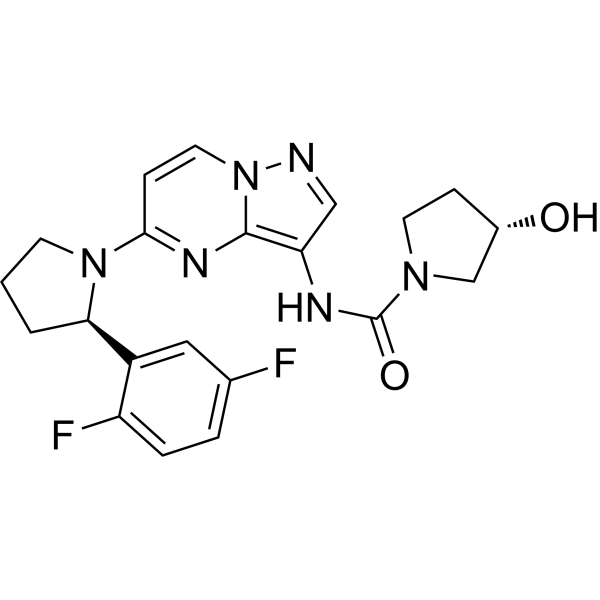 0 ImagesSynonyms: LOXO-101; ARRY-470
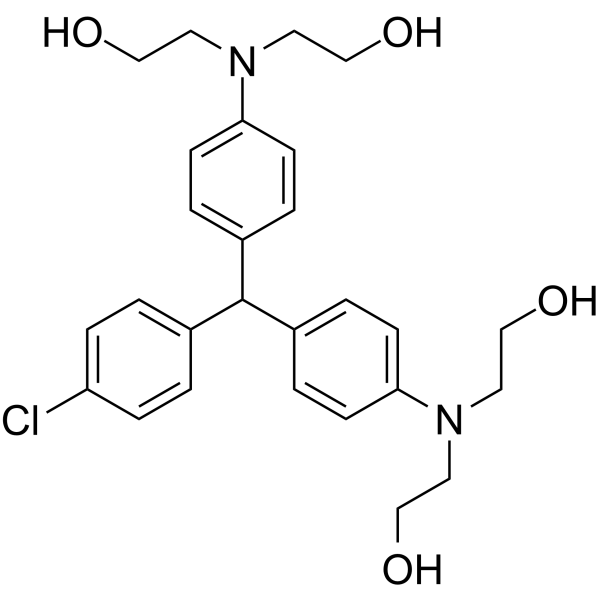
-
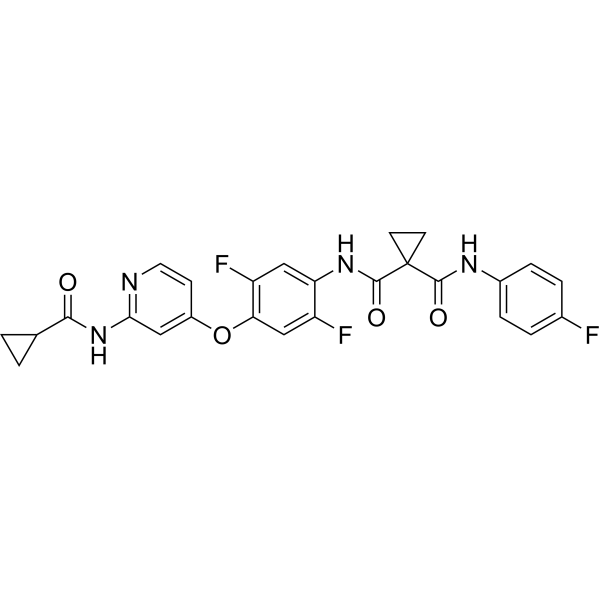
GNF-5837
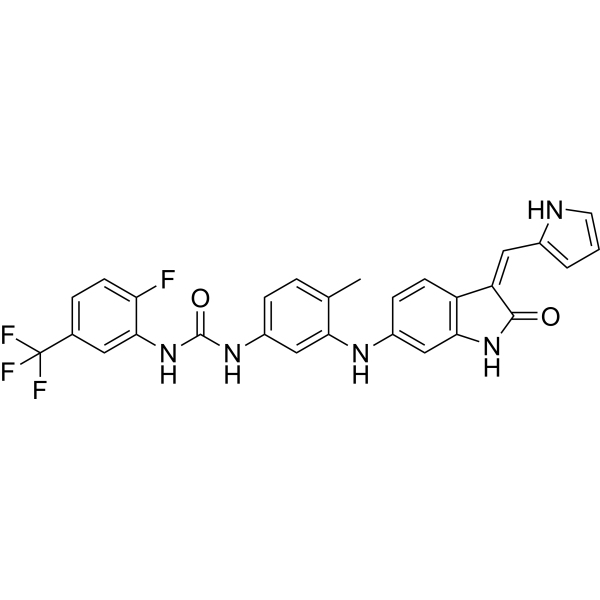 0 ImagesGNF-5837 is a potent, selective, and orally bioavailable pan-tropomyosin receptor kinase (TRK) inhibitor which display antiproliferative effects in cellular Ba/F3 assays ( IC50 values of 7 nM, 9 nM and 11 nM for cells containing the fusion proteins Tel-TrkC, Tel-TrkB and Tel-TrkA, respectively) .
-
PF-07245303
 0 ImagesCat. No.: HY-182335CAS No.: 2655556-75-3PF-07245303 is a ITK/TRK inhibitor. PF-07245303 reduces the production of inflammatory cytokines such as IL-4 and IFNγ, and inhibits the phosphorylation of PLCγ1. PF-07245303 inhibits nerve growth factor-induced basophil activation and the phosphorylation of TRKA. PF-07245303 reduces oxazolone-induced ear swelling in mouse ear tissues. PF-07245303 is applicable to research related to atopic dermatitis.
-
Larotrectinib sulfate
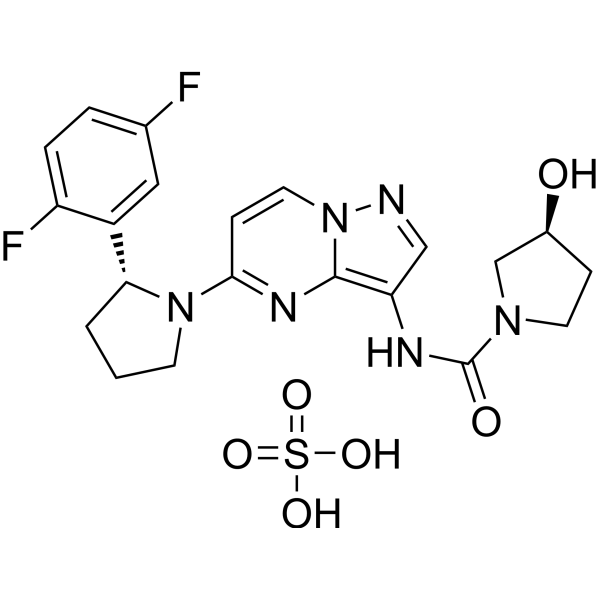 0 ImagesSynonyms: LOXO-101 sulfate; ARRY-470 sulfate
-
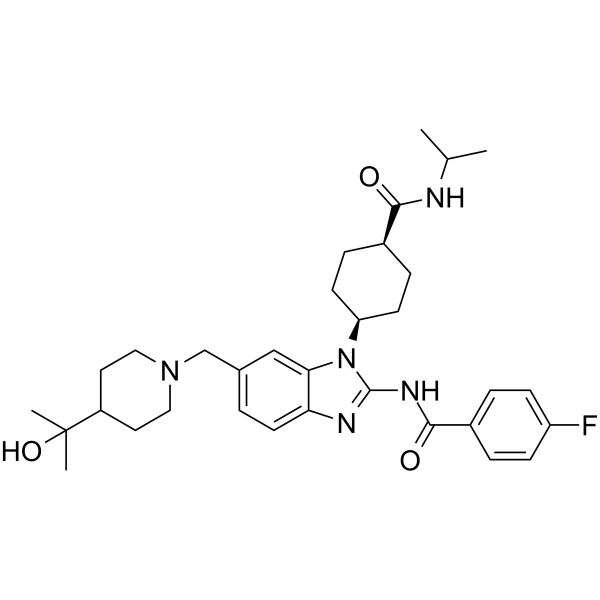
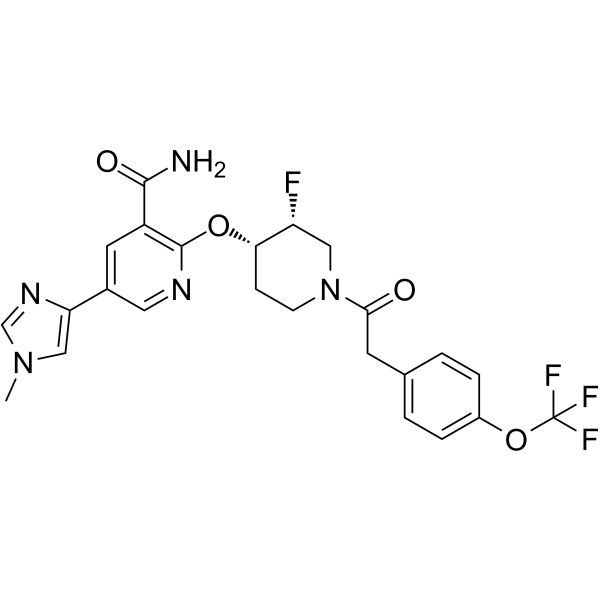
PF-06273340
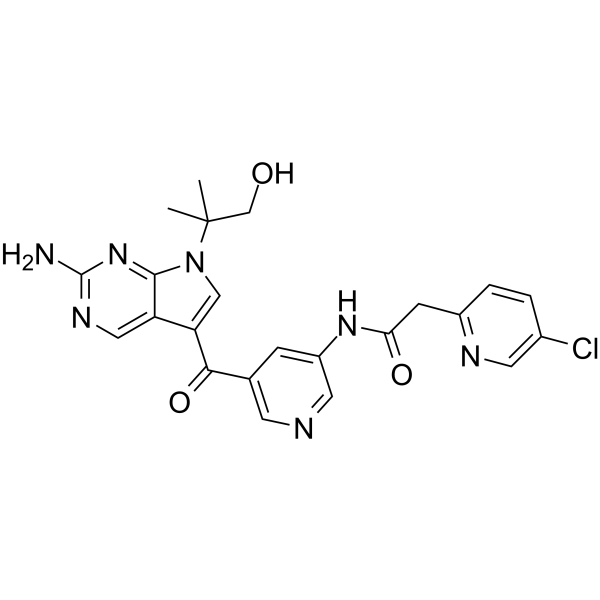 0 ImagesPF-06273340 is a peripherally restricted pan-Trk inhibitor with IC50 values of 6, 4, 3 nM for TrkA, TrkB, and TrkC receptors. PF-06273340 binds in a DFG-out conformation, targeting less conserved kinase ligand binding domain regions outside the ATP binding pocket. PF-06273340 exhibits anti-hyperalgesic and analgesic effects. PF-06273340 can be used for the research of pain.
-
Zurletrectinib
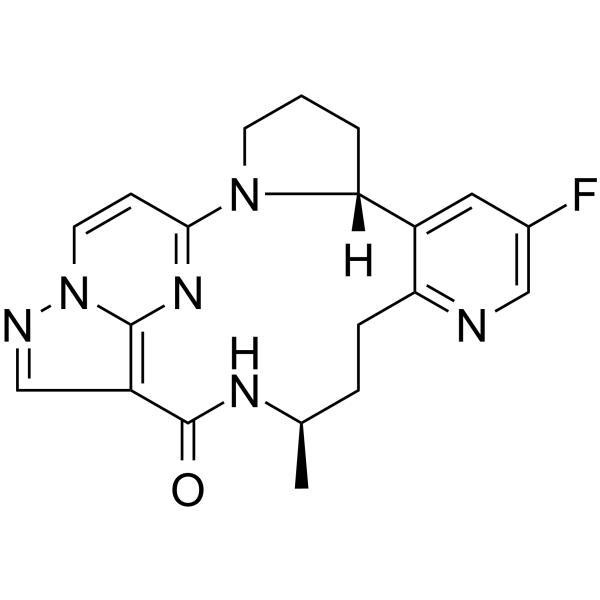
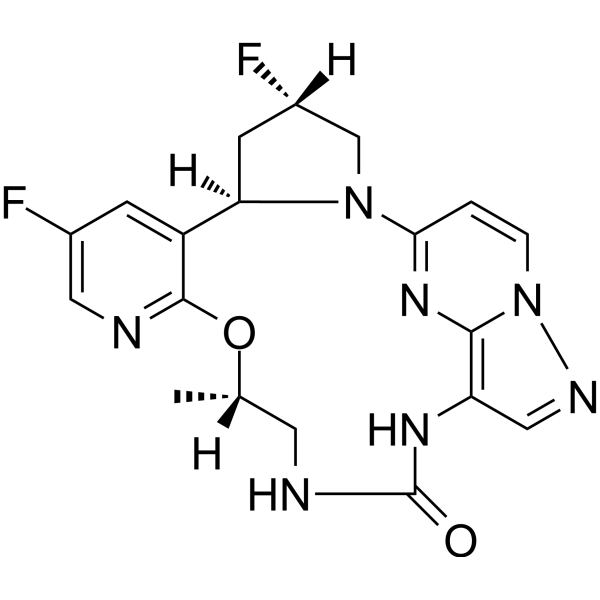 0 ImagesSynonyms: ICP-723Zurletrectinib is a brain-penetrant, orally active TRK inhibitor (TRKA IC50 = 0.81 nM; TRKB IC50 = 0.145 nM; TRKC IC50 = 0.184 nM). Zurletrectinib exhibits stronger activity as a consequence of its augmented binding affinity for TRK kinases. Zurletrectinib exhibits higher activity against most TRK inhibitor resistance mutations (13 out of 18 mutations). Zurletrectinib can be used for the study of glioma.
-
CG428
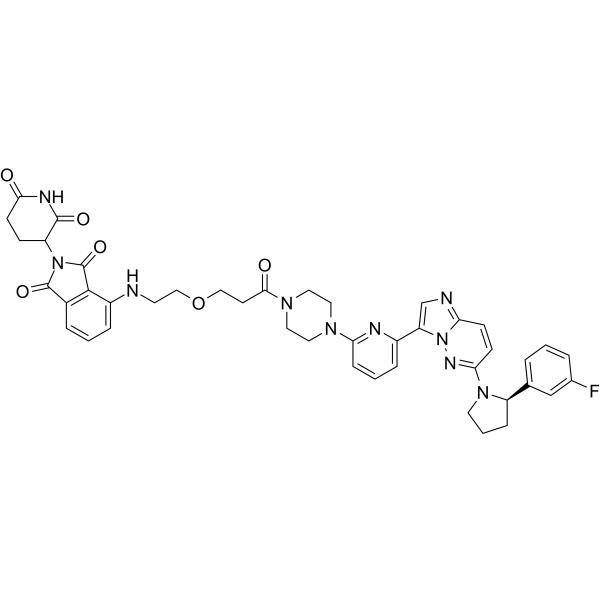 0 ImagesCG428 is a potent and selective CRBN-dependent tropomyosin receptor kinase (TRK) PROTAC degrader that has anti-tumor activity. CG428 reduces levels of the tropomyosin 3 TPM3-TRKA fusion protein in KM12 colorectal carcinoma cells (DC50 = 0.36 nM) and inhibits downstream PLCγ1 phosphorylation (IC50 = 0.33 nM). CG428 has a higher binding affinity for TRKA than TRKB and TRKC (Kd = 1 nM, 28 nM and 4.2 nM, respectively). CG428 can be used for the research of colorectal carcinoma.
-
TrkA-IN-1
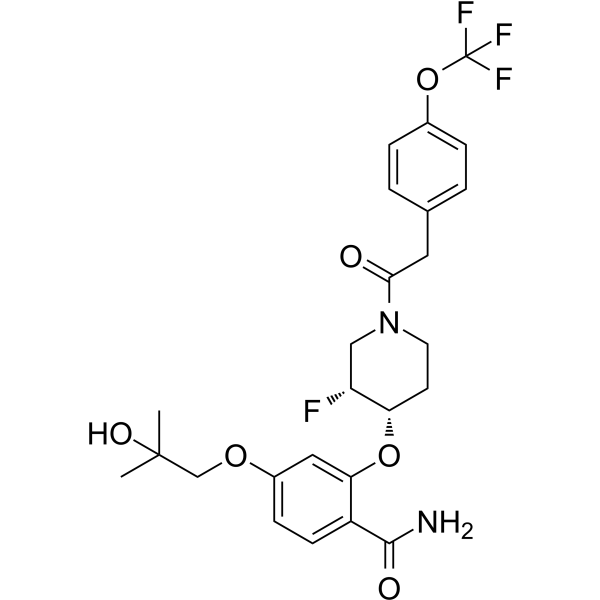
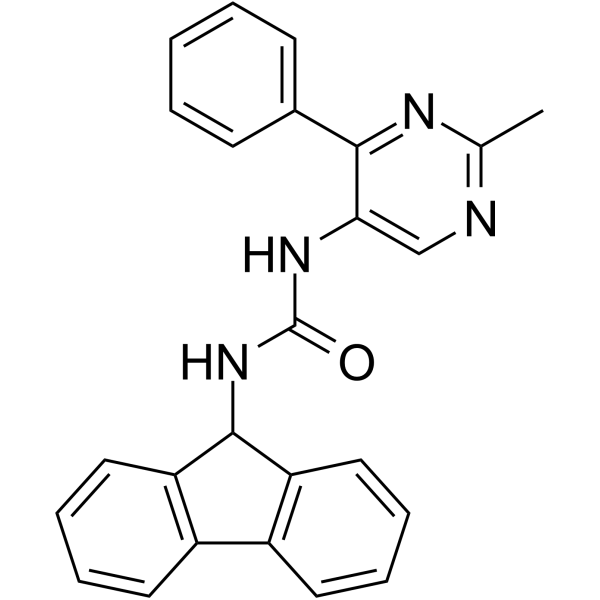 0 ImagesCat. No.: HY-129634CAS No.: 1680179-43-4TrkA-IN-1 is a potent and selective Tropomyosin-related kinase A (TrkA) inhibitor with an IC50 of 99 nM in a cell-based assay. TrkA-IN-1 has analgesic activity.
-
CG428-NEG
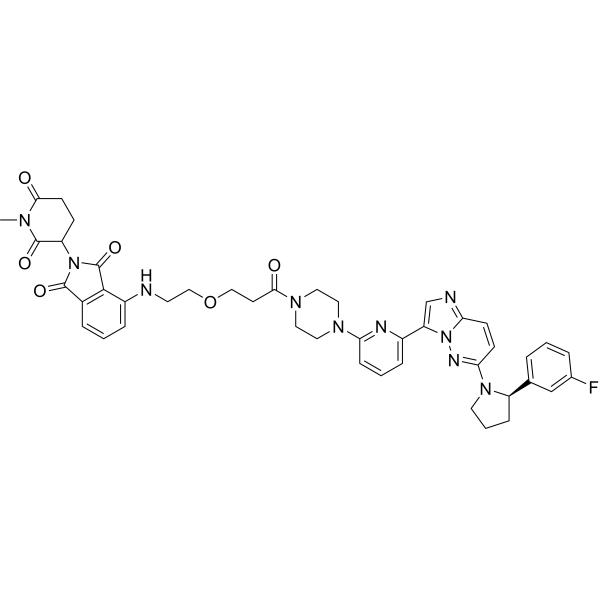 0 ImagesCat. No.: HY-157542CAS No.: 2714560-39-9CG428-NEG is the negative control of PROTAC CG428 (HY-137465). CG428-NEG binds to TRKA, TRKB and TRKC with high affinity, with Kd values of 0.88 nM, 4.8 nM and 59.8 nM, respectively. CG428-NEG inhibits the growth of cancer cells and reduces the level of TPM3-TRKA fusion protein in cancer cells. CG428-NEG can be used in the research of colorectal cancer.
-
LPM4870108
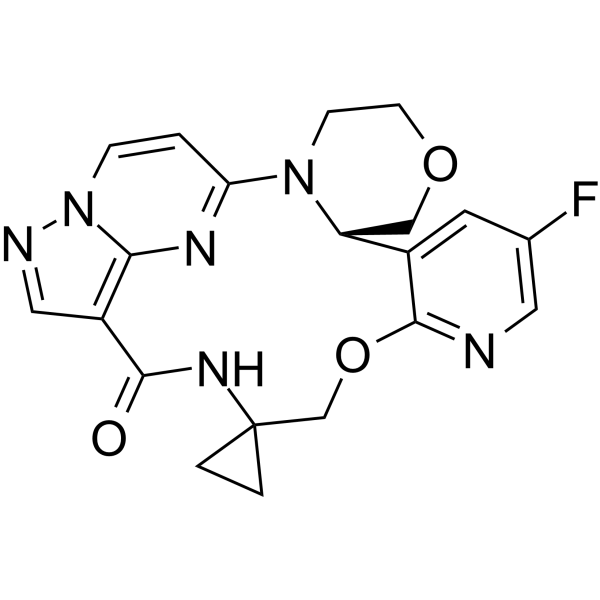 0 ImagesCat. No.: HY-132229CAS No.: 2803679-07-2
-
Fudotinib
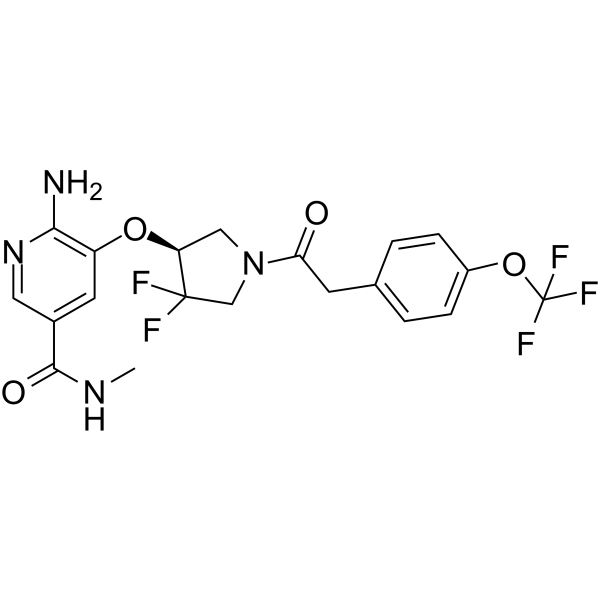
 0 ImagesCat. No.: HY-176942CAS No.: 2644645-39-4Synonyms: JYP0322Fudotinib (JYP0322) (ROS1-IN-3) is a potent orally active, selective, and CNS-penetrant ROS1 inhibitor. Fudotinib selectively inhibits human wild-type ROS1 and human ROS1G2032R with IC50s of 0.37 and 0.3 nM, respectively, showing 6-130-fold selectivity over TRKA, TRKB, and TRKC. Fudotinib inhibits proliferation of ROS1 fusion-expressing cells, and inhibits tumor growth in mouse xenograft models. Fudotinib can be used for the research of non-small cell lung cancer (NSCLC).
-
DZX19
 0 ImagesCat. No.: HY-181871DZX19 (Compound C02) is an orally active, selective TRK inhibitor with a TRKA IC50 value of 1.32 nM, a TRKB IC50 of 2.28 nM, and a TRKC IC50 of 4.05 nM. DZX19 inhibits the kinase activities of wild-type TRKA, TRKA mutants (G595R, F589L, G667C), wild-type TRKB, and wild-type TRKC, and suppresses the phosphorylation of TRKA as well as its downstream AKT and ERK signaling pathways. DZX19 induces apoptosis. DZX19 inhibits tumor growth in a colorectal cancer xenograft mouse model. DZX19 is applicable for the research of colorectal cancer.
-
Trk-IN-7
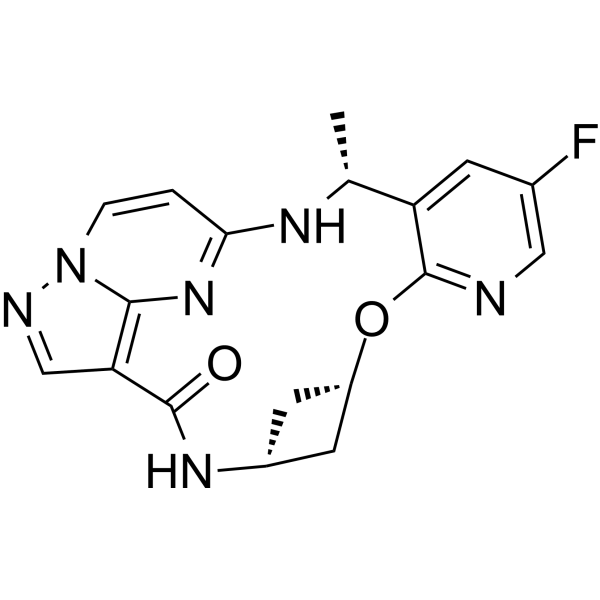 0 ImagesCat. No.: HY-143557CAS No.: 2383011-61-6
- 1
- 2



