



Mixed Lineage Kinase Inhibitor
- 1
- 2
-
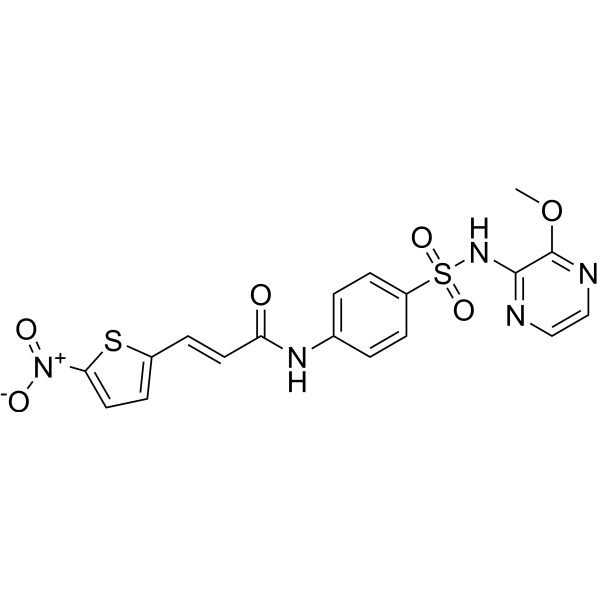
Necrosulfonamide
 0 Images
Necrosulfonamide is a MLKL and Gasdermin D (GSDMD) inhibitor, capable of separately inhibiting necroptosis and pyroptosis of cells. Necrosulfonamide does not affect the activation of upstream signals, but specifically inhibits the downstream executor oligomerization step. Necrosulfonamide reduces the expression of the key kinases NLRP3 and caspase-1 involved in necroptosis and pyroptosis, activate the Nrf2 pathway and the downstream antioxidant enzymes, and also downregulates a variety of inflammatory factors. Necrosulfonamide plays significant roles in various diseases such as neurodegenerative diseases (such as Parkinson’s disease), tissue damage and ischemia-reperfusion injury, inflammatory bowel disease, osteoarthritis and fracture repair, and hair loss by regulating two important programmed necrosis pathways.
-
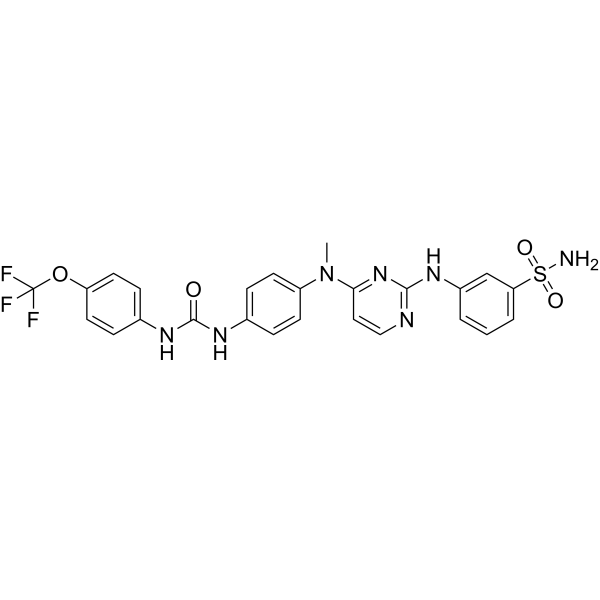
GW806742X
 0 Images
GW806742X, an ATP mimetic and a potent MLKL (Mixed Lineage Kinase Domain-Like protein) inhibitor, binds the MLKL pseudokinase domain with a Kd of 9.3 μM. GW806742X has activity against VEGFR2 (IC50=2 nM). GW806742X retards MLKL membrane translocation and inhibits necroptosis.
-
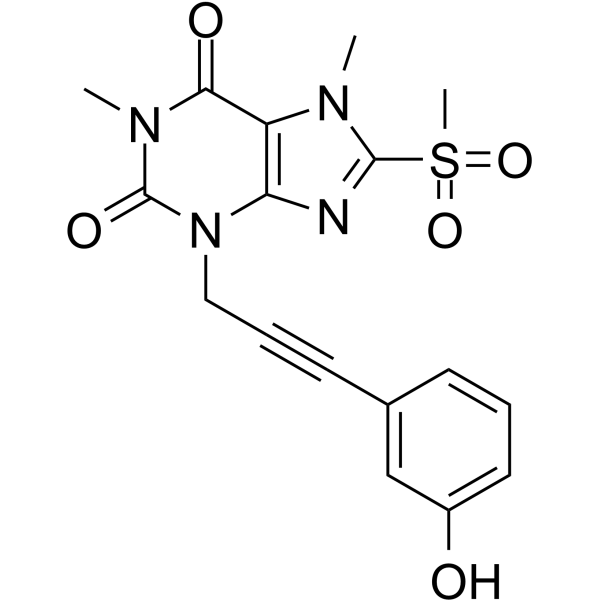
TC13172
 0 Images
TC13172 is a mixed lineage kinase domain-like protein (MLKL) inhibitor with an EC50 value of 2 nM for HT-29 cells.
-
GR2-128
 0 ImagesCat. No.: HY-184396
GR2-128 is a dual inhibitor targeting MLK3 and NAMPT with IC50 values of 84 nM and 14 nM, respectively. GR2-128 inhibits downstream JNK/c‑Jun signaling and reduces NAD+ levels. GR2-128 exhibits antiproliferative and pro-apoptotic activities in triple-negative breast cancer cells without significant toxicity to normal cells. GR2-128 suppresses tumor growth, reduces macrophage and neutrophil infiltration, and increases tumor T-cell markers in a syngeneic mouse model, and can be used for triple-negative breast cancer research.
-
PRT062607 Hydrochloride
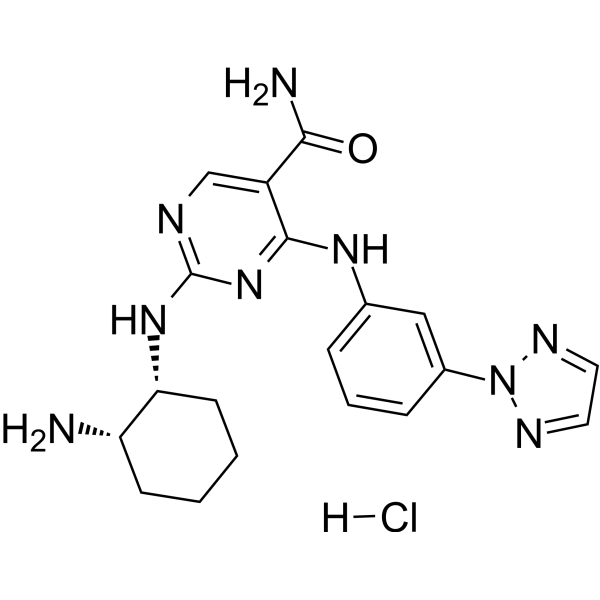 0 ImagesSynonyms: P505-15 Hydrochloride
-
URMC-099
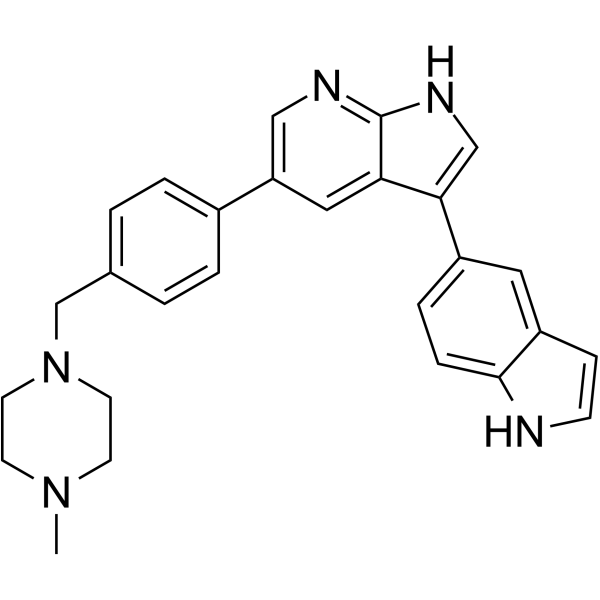 0 Images
URMC-099 is an orally bioavailable and potent mixed lineage kinase type 3 (MLK3) (IC50=14 nM) inhibitor with with excellent blood-brain barrier penetration properties.
-
CS640
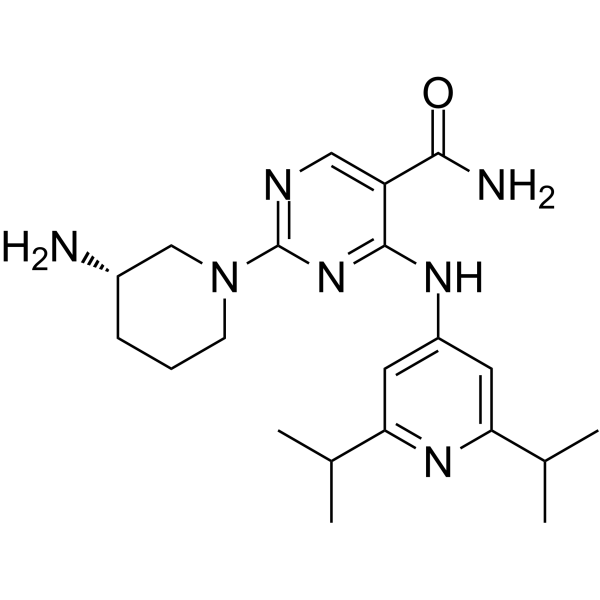 0 Images
CS640 (Compound 19) is a chemical probe and a calmodulin-dependent kinase inhibitor. CS640 inhibits CaMK1D, CaMK1B, CaMK1A, CaMK1G, MEK5, RIPK4, mLK3 and PIP5K1, with IC50 values of 8, 3, 1, 1, 25 nM, 5.69, 2.75 and 11.2 μM, respectively. CS640 blocks Aβ-induced hyperphosphorylation of tau protein at the Thr181 site, but fails to protect primary mouse cortical neurons from Aβ-induced toxic damage. CS640 is applicable to research related to Alzheimer's disease.
-
Famlasertib
 0 ImagesSynonyms: Prostetin/12k
Famlasertib is a potent, brain-penetrant MAP4K inhibitor with IC50s value of 0.3 nM, 23.7 nM, and 44.7 nM for HGK (MAP4K4), MLK3, and MLK1, respectively. Famlasertib shows motor neuron protection and anti-inflammatory properties. Famlasertib can be used for the study of amyotrophic lateral sclerosis (ALS).
-
Aurantiamide
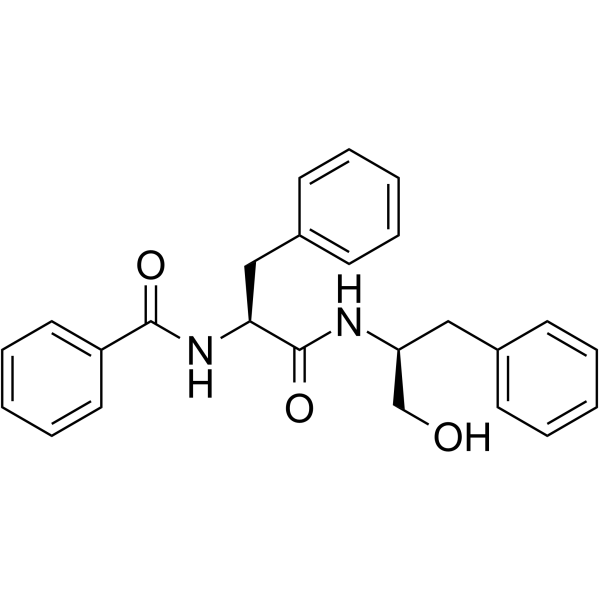 0 Images
Aurantiamide is a non-covalent, orally active, blood-brain-permeable GRPR selective antagonist with anti-inflammatory and neuroprotective effects. Aurantiamide reduces inflammation and oxidative stress in renal tissue by inhibiting GRPR-mediated renal necrosis pathways (such as RIPK3/MLKL signaling) and NF-κB inflammatory pathways, exerting anti-acute kidney injury and endothelial function activities. Aurantiamide also inhibits the M1 polarization of microglia and inhibits NLRP3 activation, thereby improving AD mouse models. Aurantiamide has in vivo inhibitory efficacy in acute kidney injury models such as ischemia/reperfusion, sepsis, and hypertension models.
-
GW806742X hydrochloride
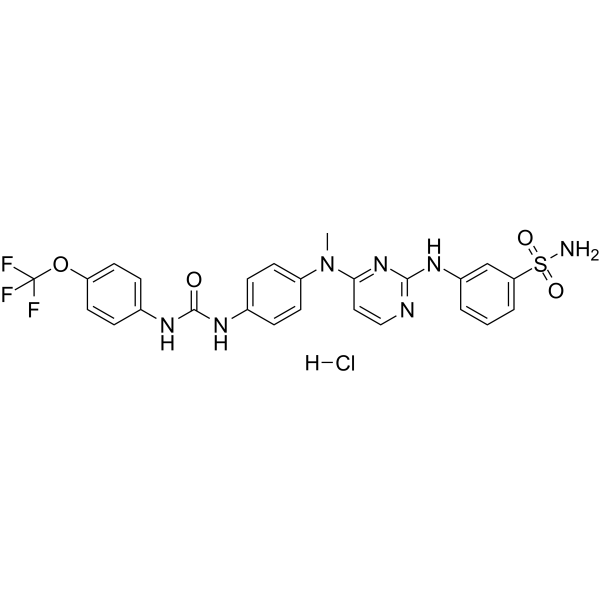 0 Images
GW806742X hydrochloride, an ATP mimetic and a potent MLKL (Mixed Lineage Kinase Domain-Like protein) inhibitor, binds the MLKL pseudokinase domain with a Kd of 9.3 μM. GW806742X hydrochloride has activity against VEGFR2 (IC50=2 nM). GW806742X hydrochloride retards MLKL membrane translocation and inhibits necroptosis.
-
Ligustroflavone
 0 ImagesSynonyms: Nuezhenoside
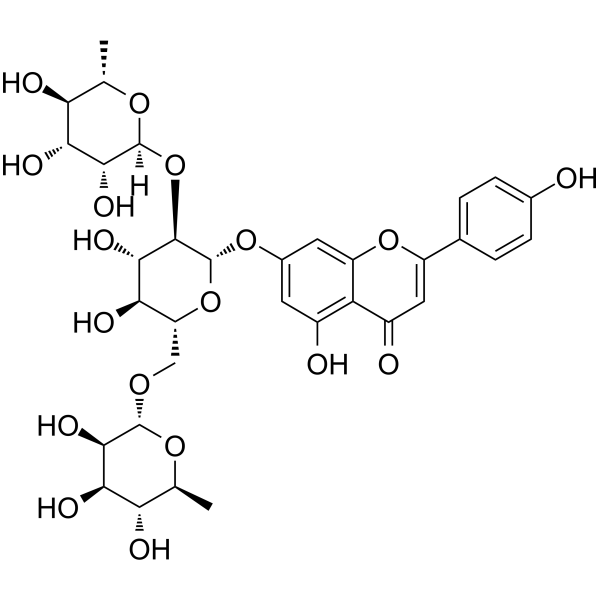
Ligustroflavone is an orally active flavonoid compound. Ligustroflavone can be extracted from Ligustrum lucidum. Ligustroflavone antagonizes the calcium-sensing receptor (CaSR), inhibits the RIPK1/RIPK3/MLKL pathway, and downregulates TGF-β/Smad signaling. Ligustroflavone regulates calcium metabolism, protects bone tissue, reduces cerebral ischemic injury, and inhibits liver fibrosis. Ligustroflavone can be used in the study of diabetic osteoporosis, ischemic stroke, and liver fibrosis.
-
MLKL-IN-6
 0 Images
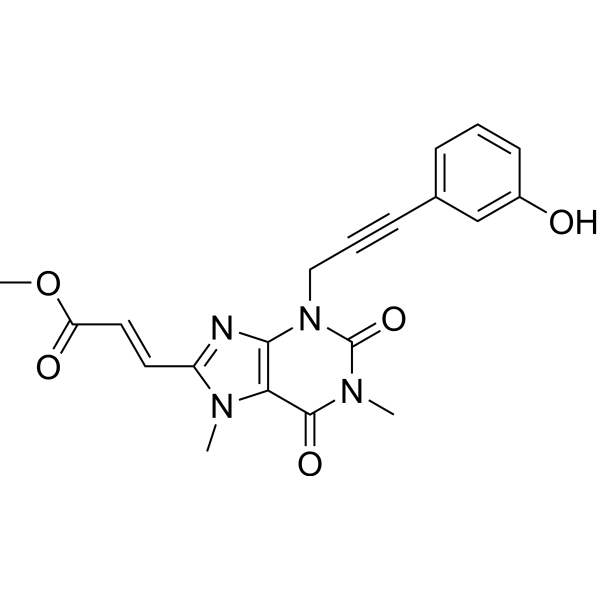
MLKL-IN-6 (compound P28) is a mixed lineage kinase inhibitor targeting Mixed Lineage Kinase domain-like (MLKL). MLKL-IN-6 inhibits cell necrosis. MLKL-IN-6 inhibits MLKL phosphorylation and oligomerization during cell necrosis, inhibits immune cell death, and reduces the expression of adhesion factors. MLKL-IN-6 has low cytotoxicity, and it inhibits hepatic stellate cell activation, reduces liver fibrosis marker levels, and has anti-fibrotic effects.
-
MLK-IN-1
 0 Images
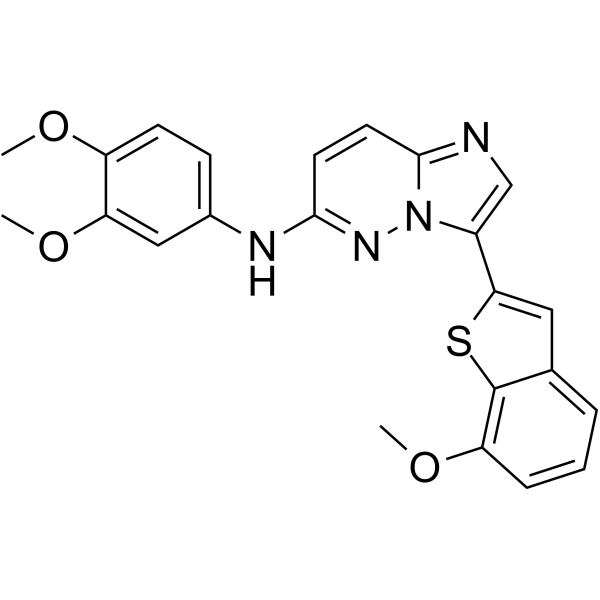
MLK-IN-1 is a potent, brain penetrant and specific mixed lineage kinase 3 (MLK-3) inhibitor, compound 68, extracted from patent US20140256733A1.
-
RIPK1-IN-17
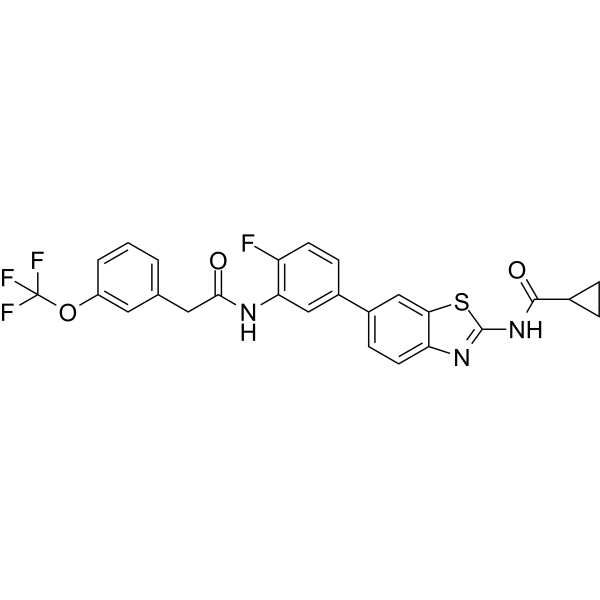 0 ImagesCat. No.: HY-157039CAS No.: 3033385-59-7
RIPK1-IN-17 is an orally active, selective RIPK1 inhibitor (Kd = 17 nM) and shows no significant inhibition to RIPK3. RIPK1-IN-17 specifically inhibits necroptosis rather than apoptosis by inhibiting RIPK1, RIPK3, and MLKL phosphorylation. RIPK1-IN-17 protects mice from hypothermia and death. RIPK1-IN-17 can be used for the study of necroptosis-related diseases such as inflammatory response syndrome (SIRS).
-
PRT062607 acetate
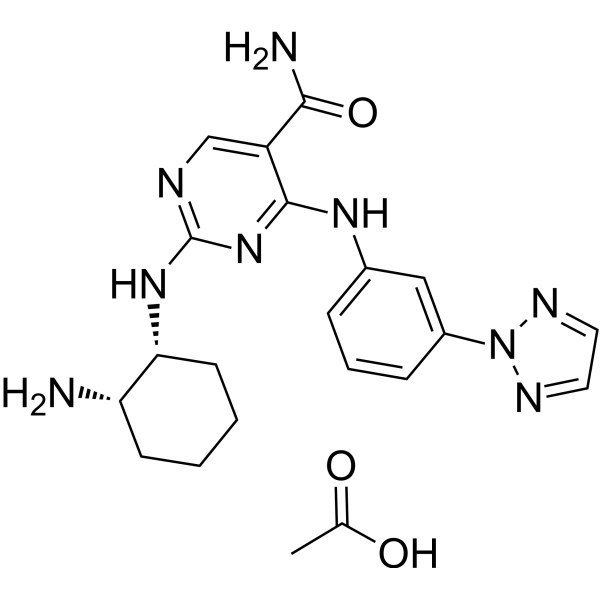 0 ImagesSynonyms: P505-15 acetate; PRT-2607 acetate; BIIB-057 acetate
-
CEP-1347
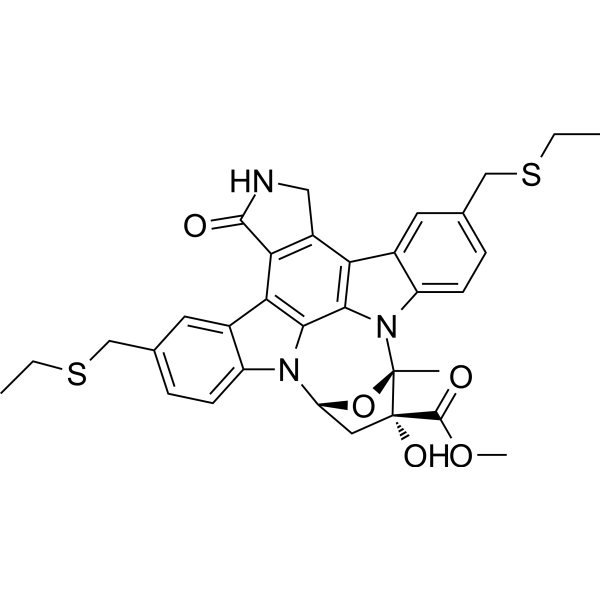 0 ImagesSynonyms: KT7515
CEP-1347 is an inhibitor of the JNK/SAPK pathway with neuroprotective effects. CEP-1347 blocks JNK1 activation induced by members of the mixed lineage kinase (MLK) family (MLK3, MLK2, MLK1, dual leucine zipper kinase, and leucine zipper kinase). As an inhibitor of MDM4, CEP-1347 can more effectively inhibit the growth of glioma cells expressing wild-type p53.
-
RIPK3-IN-3
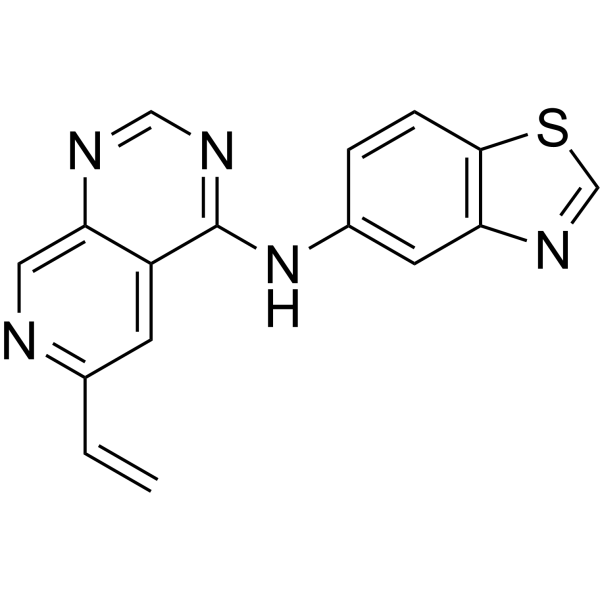 0 ImagesCat. No.: HY-149393CAS No.: 3052303-53-1
RIPK3-IN-3 (compound 20) is a selective inhibitor of RIP kinase RIPK3 (IC50=10 nM). RIPK3 mediates the phosphorylation of Mixed Lineage Kinase (MLKL) and causes necroptosis, while RIPK3-IN-3 inhibits p-MLKL oligomerization and thereby inhibits necroptosis. RIPK3-IN-3 also downregulates CXCL5 secretion and inhibits AsPC-1 cell migration and invasion.
-
(E/Z)-Necrosulfonamide
 0 Images
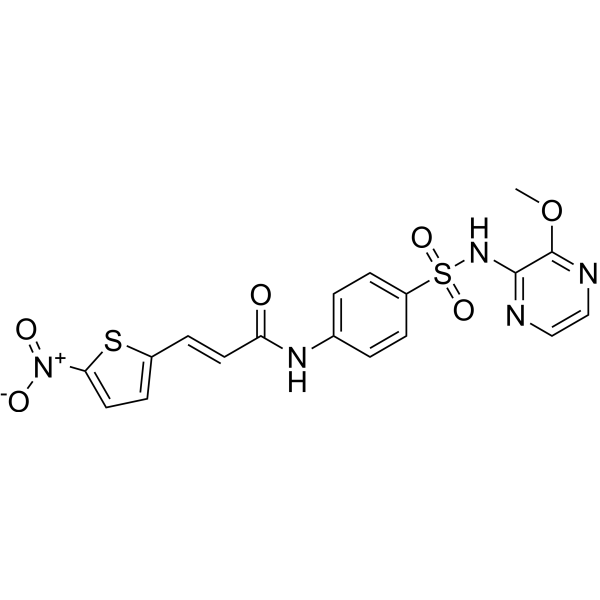
(E/Z)-Necrosulfonamide is a racemic compound of Necrosulfonamide (HY-100573). Necrosulfonamide is a MLKL and Gasdermin D (GSDMD) inhibitor, capable of separately inhibiting necroptosis and pyroptosis of cells. Necrosulfonamide does not affect the activation of upstream signals, but specifically inhibits the downstream executor oligomerization step. Necrosulfonamide reduces the expression of the key kinases NLRP3 and caspase-1 involved in necroptosis and pyroptosis, activate the Nrf2 pathway and the downstream antioxidant enzymes, and also downregulates a variety of inflammatory factors. Necrosulfonamide plays significant roles in various diseases such as neurodegenerative diseases (such as Parkinson’s disease), tissue damage and ischemia-reperfusion injury, inflammatory bowel disease, osteoarthritis and fracture repair, and hair loss by regulating two important programmed necrosis pathways.
-
MBA-m1
 0 ImagesCat. No.: HY-24504CAS No.: 305866-70-0
MBA-m1 is a reversible non-covalent allosteric inhibitor of mMLKL2, with a Kd value of 6 μM for mMLKL2. MBA-m1 delays Necroptosis. MBA-m1 has no effect on the activities of RIPK1 or RIPK3. MBA-m1 alleviates skin injury, epidermal thickening and immune cell infiltration in dermatitis models, and reduces aortic diameter enlargement and structural changes in abdominal aortic aneurysm models. MBA-m1 can be used in research related to dermatitis and abdominal aortic aneurysm.
- 1
- 2



