



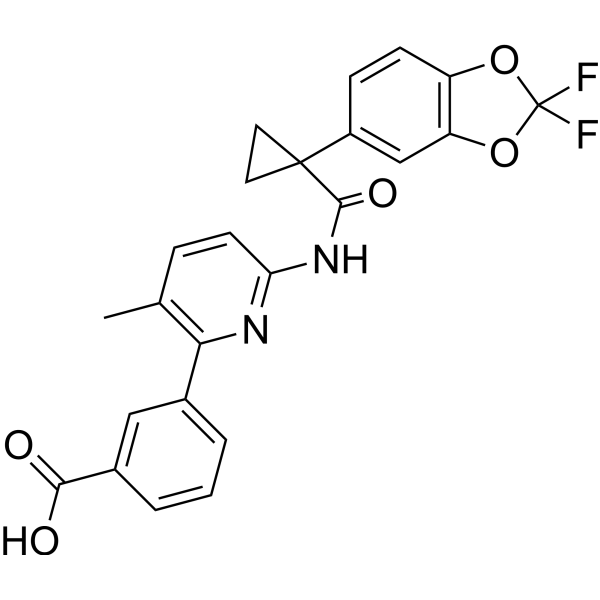
Lumacaftor
Based on 22 publication(s) in Google Scholar
Lumacaftor (VX-809; VRT 826809) is a CFTR modulator that corrects the folding and trafficking of CFTR protein.
For research use only. We do not sell to patients.
- Purity : 99.85%
- CAS No.: 936727-05-8
- Formula: C24H18F2N2O5
- Molecular Weight:452.41
-
Storage:Powder -20°C, 3 years , 4°C, 2 years ; In solvent -80°C, 1 year , -20°C, 6 months

To place orders, for customer services and technical support, please contact: MedChemExpress USA
Tel: 609-228-6898 E-mail: [email protected] [email protected]


-
 Biological Activity
-
Chemical Information
-
Solvent & Solubility
- Purity & Documentation
- References
-
 Help & FAQs


-
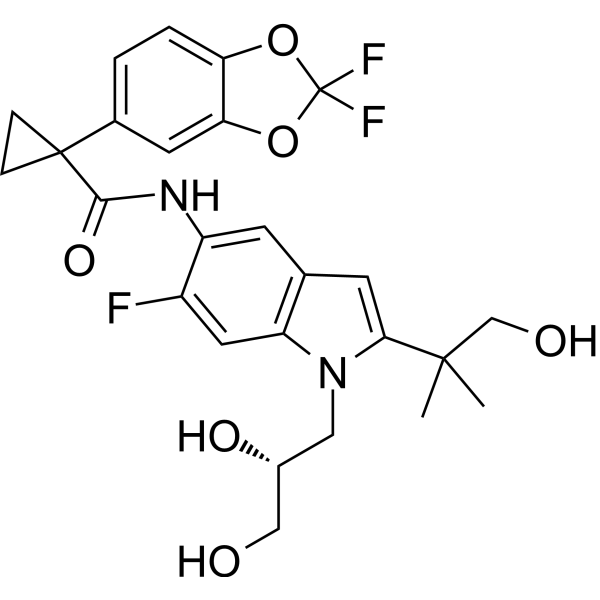
HY-15448
TezacaftorCFTR Corrector -
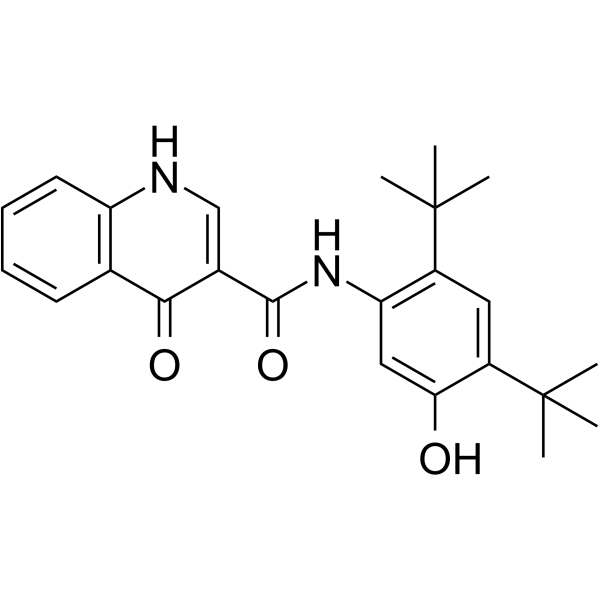
HY-13017
IvacaftorCFTR Potentiator -
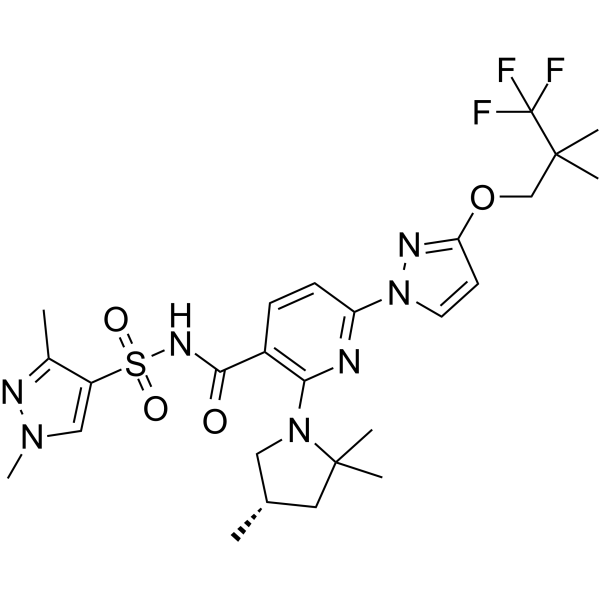
HY-111772
ElexacaftorCFTR Corrector -
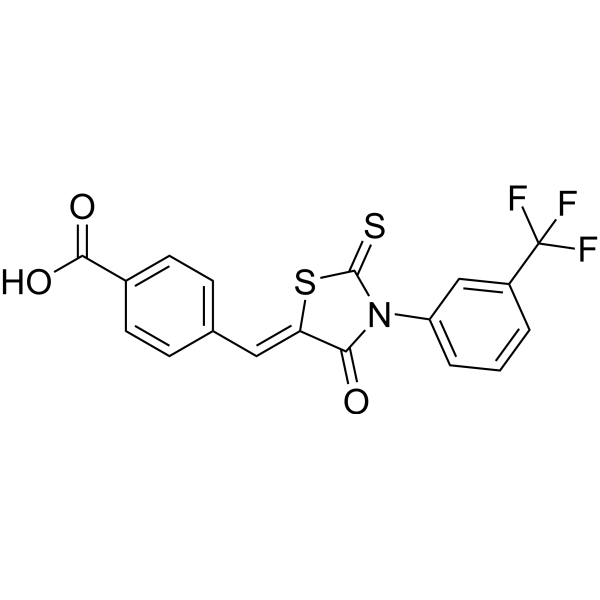
HY-16671
CFTR(inh)-172CFTR Inhibitor -
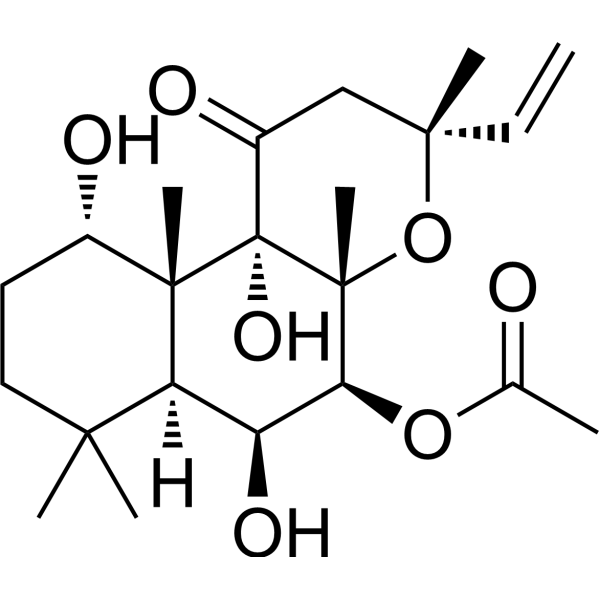
HY-15371
ForskolinAdenylate Cyclase Activator -
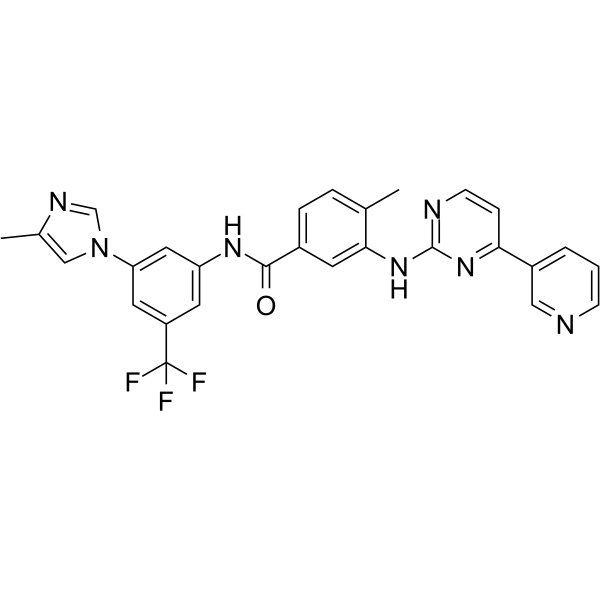
HY-10159
NilotinibBcr-Abl Inhibitor -
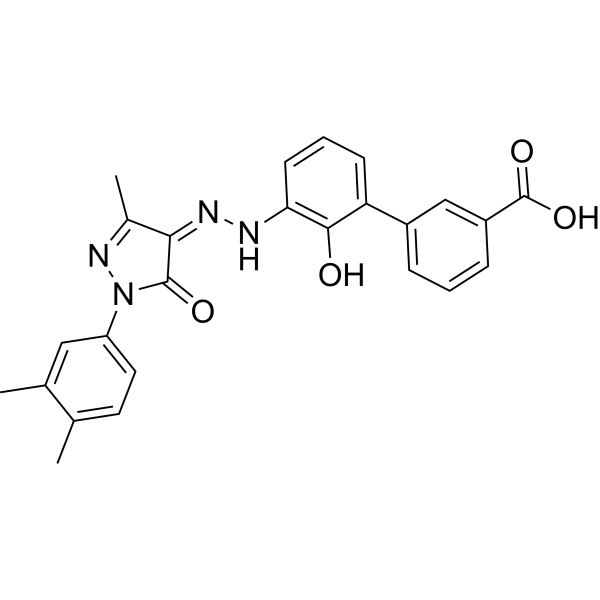
HY-15306
EltrombopagTPO Receptor Agonist -
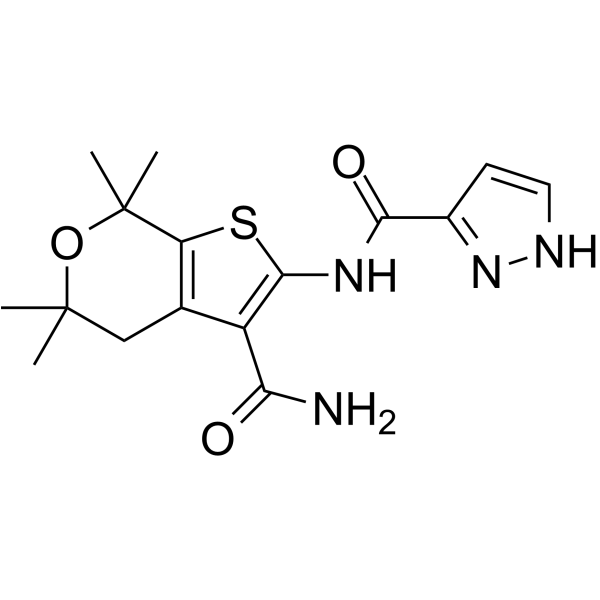
HY-111099
GLPG1837 -
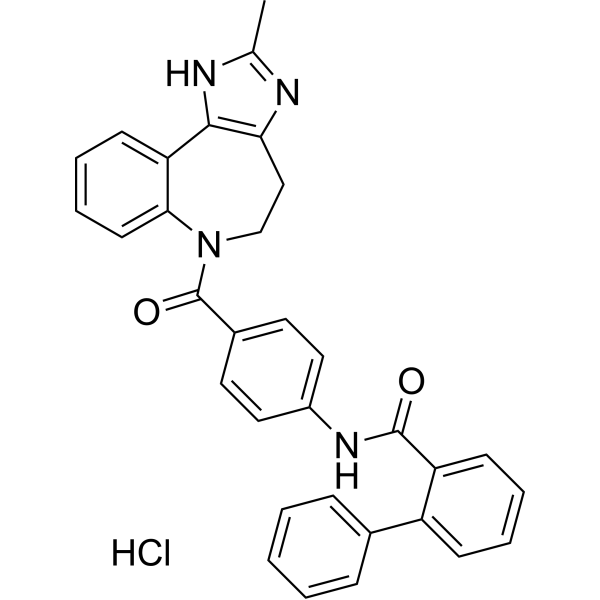
HY-18347A
Conivaptan hydrochlorideVasopressin V1a/V2 Receptor Antagonist -
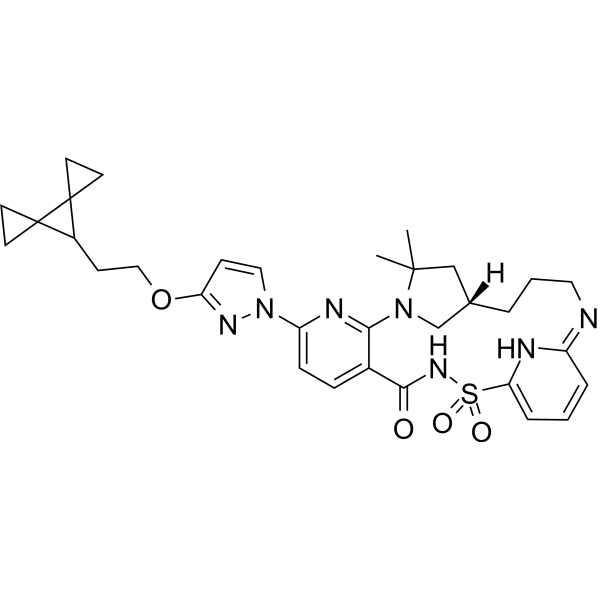
HY-145603
VanzacaftorCFTR Modulator -
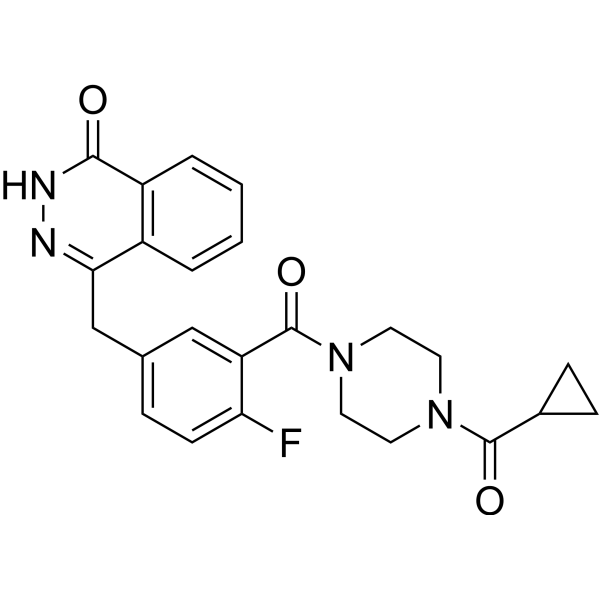
HY-10162
OlaparibPARP Inhibitor -
HY-13434
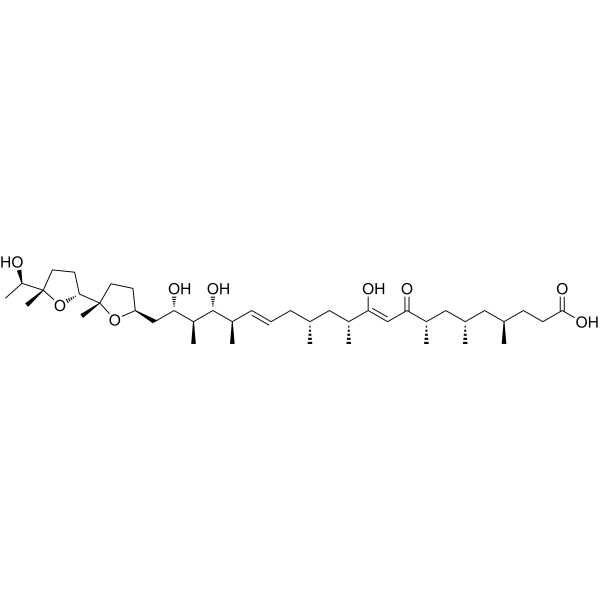
IonomycinCalcium Ionophore
Publications Citing Use of MedChemExpress (MCE) Lumacaftor
More- Cell. 2022 Jan 6;185(1):158-168.e11. [Abstract]
- J Clin Invest. 2024 Jul 2;134(16):e176328. [Abstract]
- Mol Ther. 2026 Jul 1;34(7):4212-4225. [Abstract]
- Acta Pharmacol Sin. 2025 Apr;46(4):1045-1057. [Abstract]
- J Med Chem. 2025 Feb 27;68(4):4596-4618. [Abstract]
- Cells. 2025 Oct 15;14(20):1601. [Abstract]
- Cells. 2022 Jan 18;11(3):319. [Abstract]
- Int J Mol Sci. 2022 Aug 25;23(17):9612. [Abstract]
- Stem Cell Reports. 2020 Nov 10;15(5):1127-1139. [Abstract]
- Sci Rep. 2025 Apr 21;15(1):13767. [Abstract]
- Sci Rep. 2020 Oct 2;10(1):16383. [Abstract]
- Sci Rep. 2015 Oct 30:5:15946. [Abstract]
- PNAS Nexus. 2025 Jul 4;4(7):pgaf211. [Abstract]
- J Biol Chem. 2024 Nov;300(11):107873. [Abstract]
- J Physiol Sci. 2019 Jan;69(1):103-112. [Abstract]
- Mol Biol Cell. 2022 Nov 1;33(13):ar120. [Abstract]
- Virology. 2023 Aug:585:205-214. [Abstract]
- bioRxiv. 2026 Jul 29.
- Patent. US20240252655A1.
- University of Kentucky. 2022 Aug.
- bioRxiv. April 30, 2021.
- Patent. US20150328217A1.
 Customer Validation & Images

-
Flow Cytometry
-
WB

-
Bio/Physico-chemical Assay
-
Bio/Physico-chemical Assay
-
Bio/Physico-chemical Assay


Biological Activity
Description
IC50 & Target
EC50: 0.1 μM (CFTR)[1]
In Vitro
In fischer rat thyroid (FRT) cells, Lumacaftor improves F508del-CFTR maturation by 7.1±0.3 fold (n=3) compared with vehicle-treated cells (EC50, 0.1±0.1 μM; n=3) and enhances F508del-CFTR-mediated chloride transport by approximately fivefold (EC50, 0.5±0.1 μM; n=3). At Lumacaftor concentrations greater than 10 μM, the response is reduced, resulting in a bell-shaped dose-response relationship with an IC50 of approximately 100 μM. Lumacaftor is orally bioavailable in rats and achieved in vivo plasma levels significantly above concentrations required for in vitro efficacy[1]. Lumacaftor produces a concentration-dependent increase in the HRP luminescence signal after incubation with cells at 37°C or 27°C in both cell lines, with a similar EC50 value of approximately 0.3 μM. In F508-HRP CFBE41o- cells at 37°C, Lumacaftor increases the signal maximally to approximately 250 luminescence arbitrary units (a.u.) over the DMSO control baseline of approximately 60 a.u., representing an approximately 4-fold signal increase. Similarly, with the R1070W-HRP CFBE41o- cells, Lumacaftor increases the signal maximally to approximately 220 a.u. over the DMSO control baseline of approximately 85 a.u., representing an approximately 2.5-fold signal increase. Therefore, both cell lines produced robust signals with a good dynamic range for high-throughput screening[2].
MedChemExpress (MCE) has not independently confirmed the accuracy of these methods. They are for reference only. .
In Vivo
MedChemExpress (MCE) has not independently confirmed the accuracy of these methods. They are for reference only.
Clinical Trial
| NCT Number | Sponsor | Condition | Start Date |
Phase

|
|---|---|---|---|---|
| NCT01329991 | Plexxikon| | 2011-05 | PHASE1 |


Chemical Information
-
CAS No. 936727-05-8
-
Appearance Solid
-
Molecular Weight 452.41
-
Formula C24H18F2N2O5
-
Color Off-white to light yellow
-
SMILES
FC1(F)OC(C=C(C=C2)C3(CC3)C(NC4=NC(C5=CC=CC(C(O)=O)=C5)=C(C=C4)C)=O)=C2O1
-
Synonyms
VX-809; VRT 826809
-
Shipping
Room temperature in continental US; may vary elsewhere.
-
Storage
Powder -20°C 3 years 4°C 2 years In solvent -80°C 1 year -20°C 6 months


Publications (22)
-
Journal Impact Factor
-
Most Recent
-
Cell
2022 Jan 6;185(1):158-168.e11. PMID: 34995514
Lumacaftor purchased from MedChemExpress. Usage Cited in: Cell. 2022 Jan 6;185(1):158-168.e11. [Abstract]
The addition of Lumacaftor (1 µM) increased the presence of ΔF508-CFTR at the plasma membrane in HEK293F cells.
Lumacaftor purchased from MedChemExpress. Usage Cited in: Cell. 2022 Jan 6;185(1):158-168.e11. [Abstract]
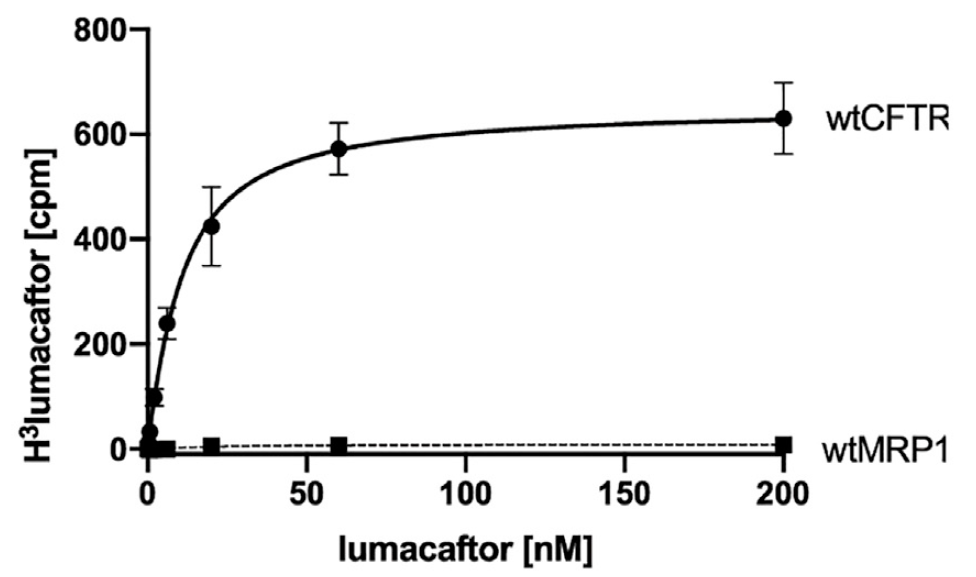
Saturation binding and nonlinear regression analysis of [3H]Lumacaftor (0-200 nM) binding to wtCFTR in the absence of phosphorylation and ATP (Kd = 8.3 ± 2.2 nM). Specific binding of [3H]Lumacaftor to wtCFTR increased as a function of its concentration.
Lumacaftor purchased from MedChemExpress. Usage Cited in: Cell. 2022 Jan 6;185(1):158-168.e11. [Abstract]
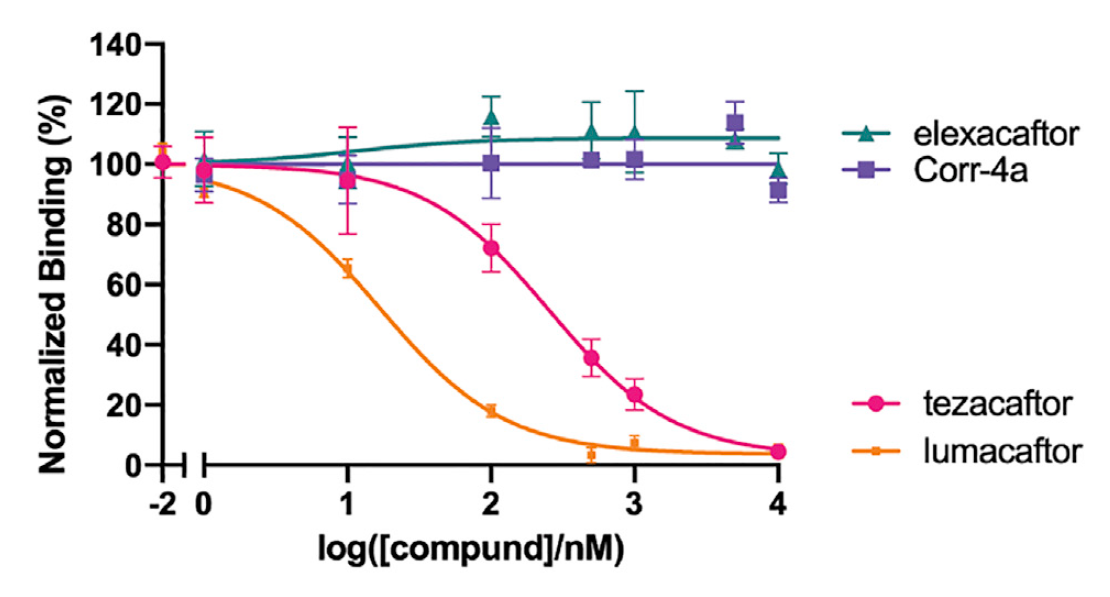
Competition binding assay. The binding of [H3]Lumacaftor (10 nM) was plotted as a function of the competitor's concentration. The Ki of unlabeled Lumacaftor (10-104 nM) was determined to be 7.7 ± 2.0 nM.
-
J Clin Invest
Potentiation of BKCa channels by cystic fibrosis transmembrane conductance regulator (CFTR) correctors VX-445 and VX-121. [Abstract]2024 Jul 2;134(16):e176328. PMID: 38954478 -
Mol Ther
2026 Jul 1;34(7):4212-4225. PMID: 41925277 -
Acta Pharmacol Sin
Ivacaftor, a CFTR potentiator, synergizes with osimertinib against acquired resistance to osimertinib in NSCLC by regulating CFTR-PTEN-AKT axis. [Abstract]2025 Apr;46(4):1045-1057. PMID: 39627385 -
J Med Chem
Target Identification with Live-Cell Photoaffinity Labeling and Mechanism of Action Elucidation of ARN23765, a Highly Potent CFTR Corrector. [Abstract]2025 Feb 27;68(4):4596-4618. PMID: 39928576 -
Cells
Mitochondrial Fragmentation Induced by the CFTR Modulators Lumacaftor and Ivacaftor in Immortalized Cystic Fibrosis Cell Lines. [Abstract]2025 Oct 15;14(20):1601. PMID: 41148816
Lumacaftor purchased from MedChemExpress. Usage Cited in: Cells. 2025 Oct 15;14(20):1601. [Abstract]
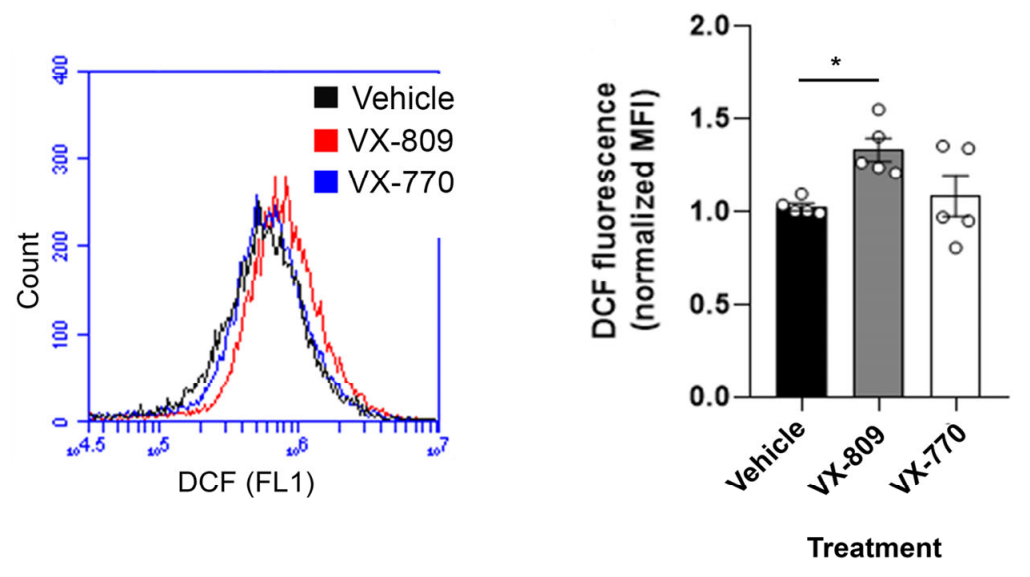
The corrector Lumacaftor (VX-809) (10 μM; 48 h) significantly increased the cROS levels in IB3-1 cells.
-
Cells
Assessment of FDA-Approved Drugs as a Therapeutic Approach for Niemann-Pick Disease Type C1 Using Patient-Specific iPSC-Based Model Systems. [Abstract]2022 Jan 18;11(3):319. PMID: 35159129 -
Int J Mol Sci
2022 Aug 25;23(17):9612. PMID: 36077010 -
Stem Cell Reports
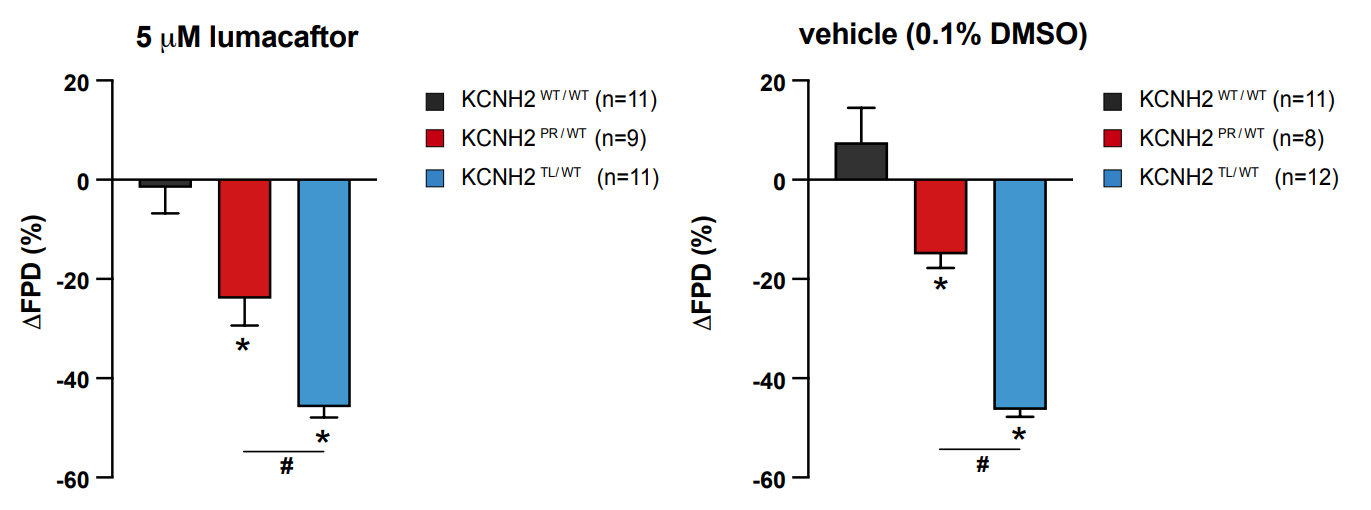
Isogenic Sets of hiPSC-CMs Harboring Distinct KCNH2 Mutations Differ Functionally and in Susceptibility to Drug-Induced Arrhythmias. [Abstract]2020 Nov 10;15(5):1127-1139. PMID: 33176122
Lumacaftor purchased from MedChemExpress. Usage Cited in: Stem Cell Reports. 2020 Nov 10;15(5):1127-1139. [Abstract]
Lumacaftor (5 μM; 8 d) significantly shortened the FPD in the KCNH2 variant lines.
-
Sci Rep
CFTR acts as a potential therapeutic target for attention deficit-hyperactivity disorder. [Abstract]2025 Apr 21;15(1):13767. PMID: 40258939 -
Sci Rep
Characterization of five novel vasopressin V2 receptor mutants causing nephrogenic diabetes insipidus reveals a role of tolvaptan for M272R-V2R mutation. [Abstract]2020 Oct 2;10(1):16383. PMID: 33009446 -
Sci Rep
CFTR-regulated MAPK/NF-κB signaling in pulmonary inflammation in thermal inhalation injury. [Abstract]2015 Oct 30:5:15946. PMID: 26515683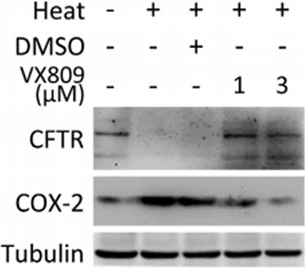
Lumacaftor purchased from MedChemExpress. Usage Cited in: Sci Rep. 2015 Oct 30:5:15946. [Abstract]
VX-809 reverses the heat-induced effects in cells including reduction in CFTR, upregulation of COX-2 and increases in PGE2.
-
PNAS Nexus
VX-445 (elexacaftor) inhibits chloride secretion across human bronchial epithelial cells by directly blocking KCa3.1 channels. [Abstract]2025 Jul 4;4(7):pgaf211. PMID: 40688096 -
J Biol Chem
A nonnatural peptide targeting the A-kinase anchoring function of PI3Kγ for therapeutic cAMP modulation in pulmonary cells. [Abstract]2024 Nov;300(11):107873. PMID: 39393573 -
J Physiol Sci
Characterization of Δ(G970-T1122)-CFTR, the most frequent CFTR mutant identified in Japanese cystic fibrosis patients. [Abstract]2019 Jan;69(1):103-112. PMID: 29951967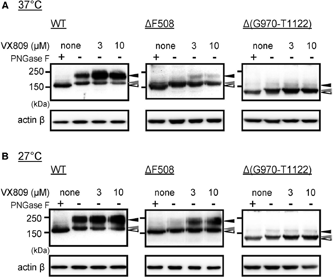
Lumacaftor purchased from MedChemExpress. Usage Cited in: J Physiol Sci. 2019 Jan;69(1):103-112. [Abstract]
Effect of VX-809 on maturation of Δ(G970-T1122)-CFTR protein. Immunoblots for WT-, ΔF508-, and Δ(G970-T1122)-CFTR proteins expressed in CHO cells in the presence of 0, 3, or 10 μM VX-809 at a 37°C for 24 h or b 27°C for 48 h.
-
Mol Biol Cell
2022 Nov 1;33(13):ar120. PMID: 36074076 -
Virology
Structure-based virtual screening of ROCK1 inhibitors for the discovery of Enterovirus-A71 antivirals. [Abstract]2023 Aug:585:205-214. PMID: 37384967 -
-
-
-
-


Solvent & Solubility
In Vitro:
DMSO : 25 mg/mL (55.26 mM; ultrasonic and warming and heat to 60°C; Hygroscopic DMSO has a significant impact on the solubility of product, please use newly opened DMSO)
Please refer to the solubility information to select the appropriate solvent. Once prepared, please aliquot and store the solution to prevent product inactivation from repeated freeze-thaw cycles.
Storage method and period of stock solution: -80°C, 1 year; -20°C, 6 months. When stored at -80°C, please use it within 1 year. When stored at -20°C, please use it within 6 months.
Please refer to the solubility information to select the appropriate solvent. Once prepared, please aliquot and store the solution to prevent product inactivation from repeated freeze-thaw cycles.
Storage method and period of stock solution: -80°C, 1 year; -20°C, 6 months. When stored at -80°C, please use it within 1 year. When stored at -20°C, please use it within 6 months.
Concentration (start) × Volume (start) = Concentration (final) × Volume (final)
In Vivo:
Select the appropriate dissolution method based on your experimental animal and administration route.
- For the following dissolution methods, please ensure to first prepare a clear stock solution using an In Vitro approach and then sequentially add co-solvents:
- To ensure reliable experimental results, the clarified stock solution can be appropriately stored based on storage conditions. As for the working solution for In Vivo experiments, it is recommended to prepare freshly and use it on the same day.
- The percentages shown for the solvents indicate their volumetric ratio in the final prepared solution. If precipitation or phase separation occurs during preparation, heat and/or sonication can be used to aid dissolution.
Add each solvent one by one: 10% DMSO 40% PEG300 5% Tween-80 45% Saline
Solubility: ≥ 3 mg/mL (6.63 mM); Clear solution
This protocol yields a clear solution of ≥ 3 mg/mL (saturation unknown).
Taking 1 mL working solution as an example, add 100 μL DMSO stock solution (30.0 mg/mL) to 400 μL PEG300, and mix evenly; then add 50 μL Tween-80 and mix evenly; then add 450 μL Saline to adjust the volume to 1 mL.
Preparation of Saline: Dissolve 0.9 g sodium chloride in ddH₂O and dilute to 100 mL to obtain a clear Saline solution.
In Vivo Dissolution Calculator
Please enter the basic information of animal experiments:
-
-
-
-
Recommended: Prepare an additional quantity of animals to account for potential losses during experiments.
Please enter your animal formula composition:
-
%DMSO +
Recommended: Keep the proportion of DMSO in working solution below 2% if your animal is weak.
-
%+
-
+%Tween-80 + +
-
%Saline +
The co-solvents required include: DMSO, . All of co-solvents are available by MedChemExpress (MCE). , Tween 80. All of co-solvents are available by MedChemExpress (MCE).
Working solution concentration: 0.22 mg/mL
Method for preparing stock solution: mg drug dissolved in μL DMSO. Stock solution concentration: mg/mL.
1. Take μL DMSO stock solution;
2. Add μL .
μL , mix evenly;
3. Then add μL Tween 80, mix evenly;
4. Then add μL
Please ensure that the stock solution in the first step is dissolved to a clear state, and add co-solvents in sequence. You can use ultrasonic heating (ultrasonic cleaner, recommended frequency 20-40 kHz), vortexing, etc. to assist dissolution.


Purity & Documentation
-
Data Sheet (285 KB)
-
SDS (396 KB)
- English - EN (396 KB)
- Français - FR (396 KB)
- Deutsch - DE (396 KB)
- Norwegian - NO (396 KB)
- Español - ES (396 KB)
- Swedish - SV (396 KB)
- Italian - IT (396 KB)
- Korean - KR (396 KB)
- Portuguese - PT (396 KB)
-
Handling Instructions (2659 KB)
References
[1]. Van Goor F, et al. Correction of the F508del-CFTR protein processing defect in vitro by the investigational drug VX-809. Proc Natl Acad Sci U S A. 2011 Nov 15;108(46):18843-8. [Content Brief]
[2]. Phuan PW, et al. Synergy-based small-molecule screen using a human lung epithelial cell line yields ΔF508-CFTR correctors that augment VX-809 maximal efficacy. Mol Pharmacol. 2014 Jul;86(1):42-51. [Content Brief]


Complete Stock Solution Preparation Table
Please refer to the solubility information to select the appropriate solvent. Once prepared, please aliquot and store the solution to prevent product inactivation from repeated freeze-thaw cycles.
Storage method and period of stock solution: -80°C, 1 year; -20°C, 6 months. When stored at -80°C, please use it within 1 year. When stored at -20°C, please use it within 6 months.
| Optional Solvent | Concentration Solvent Mass | 1 mg | 5 mg | 10 mg | 25 mg |
|---|---|---|---|---|---|
| DMSO | 1 mM | 2.2104 mL | 11.0519 mL | 22.1038 mL | 55.2596 mL |
| 5 mM | 0.4421 mL | 2.2104 mL | 4.4208 mL | 11.0519 mL | |
| 10 mM | 0.2210 mL | 1.1052 mL | 2.2104 mL | 5.5260 mL | |
| 15 mM | 0.1474 mL | 0.7368 mL | 1.4736 mL | 3.6840 mL | |
| 20 mM | 0.1105 mL | 0.5526 mL | 1.1052 mL | 2.7630 mL | |
| 25 mM | 0.0884 mL | 0.4421 mL | 0.8842 mL | 2.2104 mL | |
| 30 mM | 0.0737 mL | 0.3684 mL | 0.7368 mL | 1.8420 mL | |
| 40 mM | 0.0553 mL | 0.2763 mL | 0.5526 mL | 1.3815 mL | |
| 50 mM | 0.0442 mL | 0.2210 mL | 0.4421 mL | 1.1052 mL |


Lumacaftor Related Classifications
HY-13262 Related Classifications
 Powered by Bioz