



cIAP-2
cIAP-2 (cellular inhibitor of apoptosis protein 2, encoded by BIRC3) is a member of the inhibitor of apoptosis protein (IAP) family that functions as a signaling regulator linking cell survival, inflammatory responses, and programmed cell death pathways[1][2]. Mechanistically, cIAP-2 acts as an E3 ubiquitin ligase within TNF receptor and pattern-recognition receptor signaling complexes, where it contributes to ubiquitination-dependent activation of NF-κB signaling and downstream transcriptional programs that support cellular adaptation to stress and immune stimulation[3][4]. Through cooperation with TRAF family proteins, cIAP-2 participates in the regulation of receptor-mediated signaling networks that control apoptosis, innate immunity, and inflammatory responses[3][5]. In disease settings, altered BIRC3 expression or mutation has been associated with hematologic malignancies and other cancers, highlighting the importance of cIAP-2 in tumor cell survival and therapy response[6][7]. Compared with the closely related isoform cIAP-1 (BIRC2), cIAP-2 displays distinct expression kinetics and regulatory patterns; cIAP-2 is strongly inducible by inflammatory cytokines through NF-κB-dependent mechanisms, whereas cIAP-1 is more constitutively expressed and is thought to support rapid signaling events[4]. This distinction suggests that cIAP-2 may contribute preferentially to sustained or later-phase signaling responses following inflammatory stimulation[4]. For experimental applications, cIAP-2 is widely investigated as a target of SMAC mimetics and other IAP-directed compounds that promote cIAP degradation or disrupt cIAP-associated signaling complexes, providing useful tools for studying NF-κB regulation, apoptosis sensitivity, and anticancer therapeutic mechanisms[2][8].
Verweise:
- [1]. Bertrand MJ, et al. Cellular inhibitors of apoptosis cIAP1 and cIAP2 are required for innate immunity signaling by the pattern recognition receptors NOD1 and NOD2. Immunity. 2009 Jun 19;30(6):789-801. [Content Brief]
- [2]. Rabezanahary H, et al. Live virus neutralizing antibodies against pre and post Omicron strains in food and retail workers in Québec, Canada. Heliyon. 2024 May 21;10(10):e31026. [Content Brief]
- [3]. Li Y, et al. Structure of natural killer cell receptor KLRG1 bound to E-cadherin reveals basis for MHC-independent missing self recognition. Immunity. 2009 Jul 17;31(1):35-46. [Content Brief]
- [4]. Thorne A, et al. Differential regulation of BIRC2 and BIRC3 expression by inflammatory cytokines and glucocorticoids in pulmonary epithelial cells. PLoS One. 2023 Jun 8;18(6):e0286783. [Content Brief]
- [5]. Lee MJ, et al. Time to HIV rebound after infusion of long-acting broadly neutralising antibodies 3BNC117-LS and 10-1074-LS and analytical treatment interruption (the RIO trial): a double-blind, randomised, placebo-controlled trial. Lancet HIV. 2026 May 27:S2352-3018(26)00059-7. [Content Brief]
- [6]. Frazzi R. BIRC3 and BIRC5: multi-faceted inhibitors in cancer. Cell Biosci. 2021 Jan 7;11(1):8. doi: 10.1186/s13578-020-00521-0. PMID: 33413657; PMCID: PMC7792207. et al. BIRC3 and BIRC5: multi-faceted inhibitors in cancer. Cell Biosci. 2021 Jan 7;11(1):8. [Content Brief]
- [7]. Yamato A, et al. Oncogenic activity of BIRC2 and BIRC3 mutants independent of nuclear factor-κB-activating potential. Cancer Sci. 2015 Sep;106(9):1137-42. [Content Brief]
- [8]. Cossu F, et al. Computational and Experimental Characterization of NF023, A Candidate Anticancer Compound Inhibiting cIAP2/TRAF2 Assembly. J Chem Inf Model. 2020 Oct 26;60(10):5036-5044. [Content Brief]
-
cIAP-2 Verwandte Produkte (18)
Verwandte Produkte (18)

-
Antibodies (1)
- 1
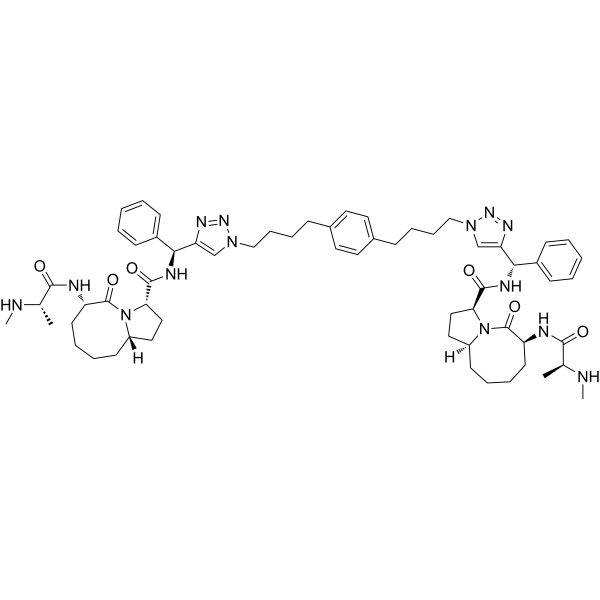
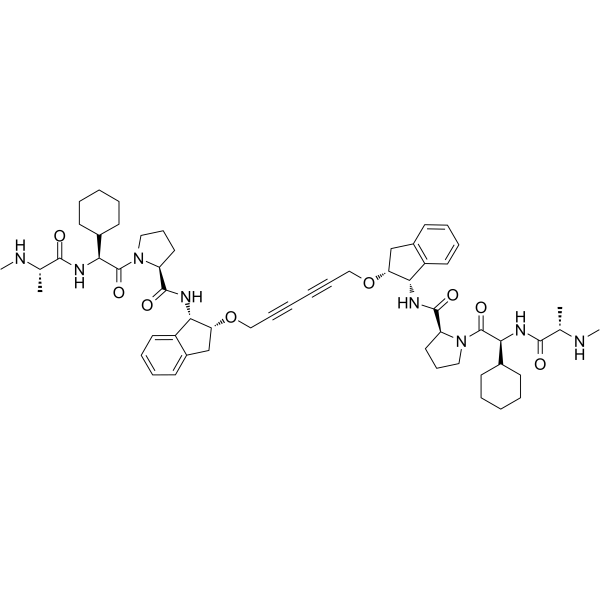
-
Xevinapant
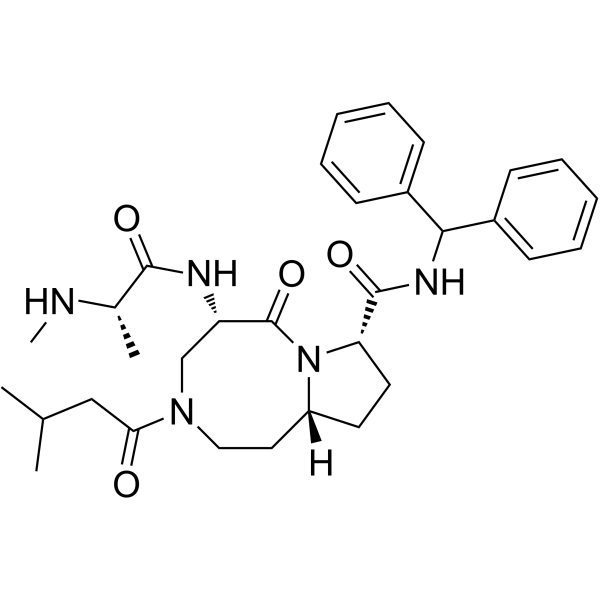 0 ImagesSynonyms: AT-406; Debio 1143; SM-406
-
Tolinapant
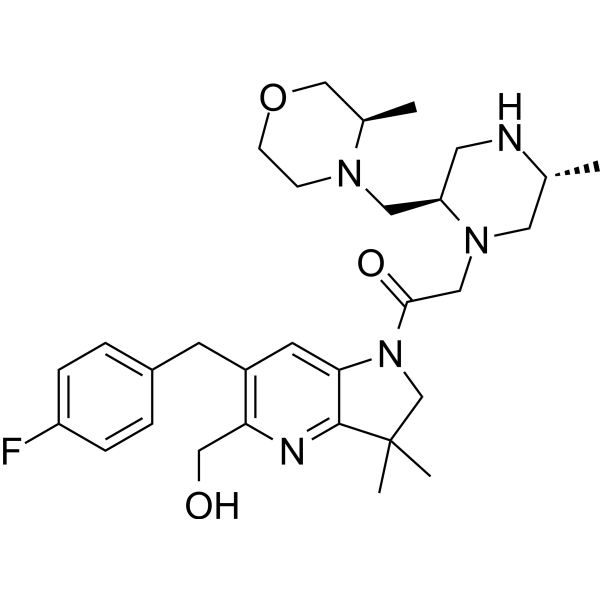 0 ImagesSynonyms: ASTX660Tolinapant (ASTX660) is an orally active cIAP1/2 and XIAP antagonist, with an IC50 of < 40 nM against XIAP and an IC50 of <12 nM against cIAP1. Tolinapant triggers TNFα-dependent Apoptosis in cancer cells. Tolinapant inhibits tumor growth in mouse xenograft models. Tolinapant can be used in research related to breast cancer, melanoma, lymphoma, multiple myeloma, acute lymphoblastic leukemia and advanced solid tumors.
-
SM-164 hydrochloride
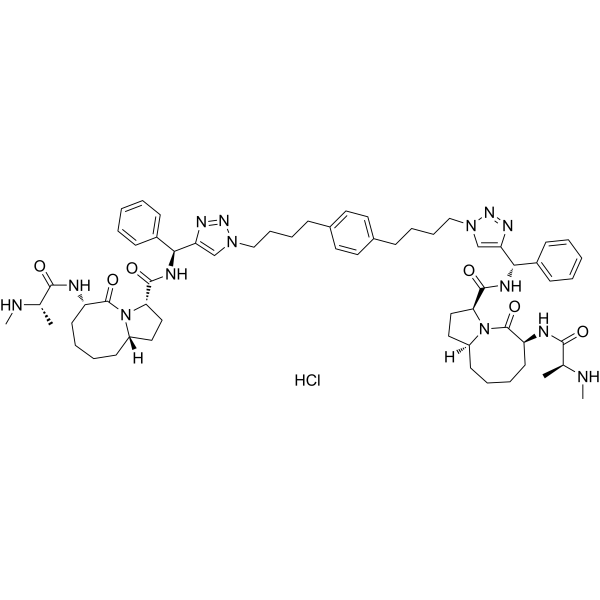 0 ImagesArt. -Nr.: HY-15989ACAS. Nr.: 2734174-02-6
-
TD1092
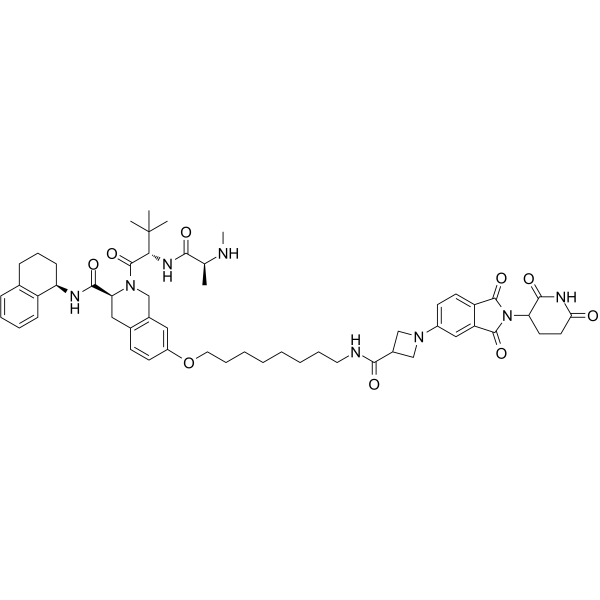 0 ImagesTD1092 is a pan-inhibitor of apoptosis protein (IAP) PROTAC degrader that targets cIAP1, cIAP2, and XIAP for degradation. TD1092 induces cell apoptosis by activating caspase. TD1092 inhibits the NF-κB signaling pathway induced by TNFα. TD1092 suppresses TNFα-induced epithelial-mesenchymal transition, cancer cell migration, and invasion. TD1092 is suitable for research on breast cancer, ovarian cancer, melanoma, and inflammation-related diseases.

-
Jolkinolide B
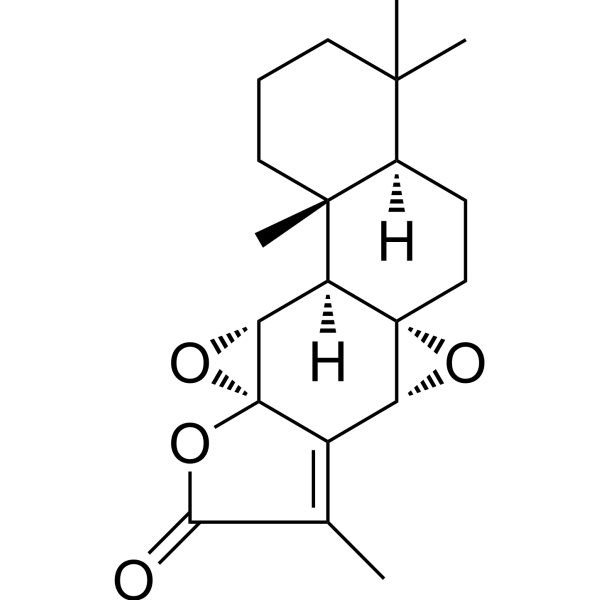 0 ImagesJolkinolide B is a bioactive diterpene isolated from the roots of Euphorbia fischeriana Steud with oral activity. Jolkinolide B downregulates XIAP, cIAP1, cIAP2, and phosphorylated Akt, upregulates Smac, activates caspase-3 and caspase-9, and inhibits NF-κB, TGFβ/smad3 and JAK/STAT3 pathways. Jolkinolide B exerts comprehensive biological effects including inducing cancer cell apoptosis, suppressing inflammatory responses, improving lung function, alleviating hepatic steatosis and eliminating intracellular Mycobacterium tuberculosis. Jolkinolide B can be used for the research of leukemia, histiocytic lymphoma, asthma, metabolic dysfunction-associated steatotic liver disease and tuberculosis.
-
Xevinapant hydrochloride
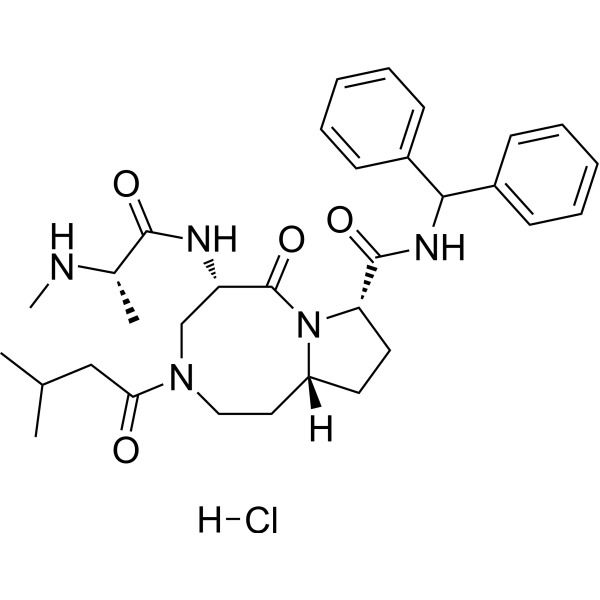 0 ImagesSynonyms: AT-406 hydrochloride; Debio 1143 hydrochloride; SM-406 hydrochlorideXevinapant (AT-406) hydrochloride is a potent and orally bioavailable Smac mimetic and an antagonist of the inhibitor of apoptosis proteins (IAPs). Xevinapant hydrochloride binds to XIAP, cIAP1, and cIAP2 proteins with Kis of 66.4, 1.9, and 5.1 nM, respectively. Xevinapant hydrochloride effectively antagonizes XIAP BIR3 protein in a cell-free functional assay, induces rapid degradation of cellular cIAP1 protein, and inhibits cancer cell growth in various human cancer cell lines. Xevinapant hydrochloride is highly effective in induction of apoptosis in xenograft tumors.
-
CST626
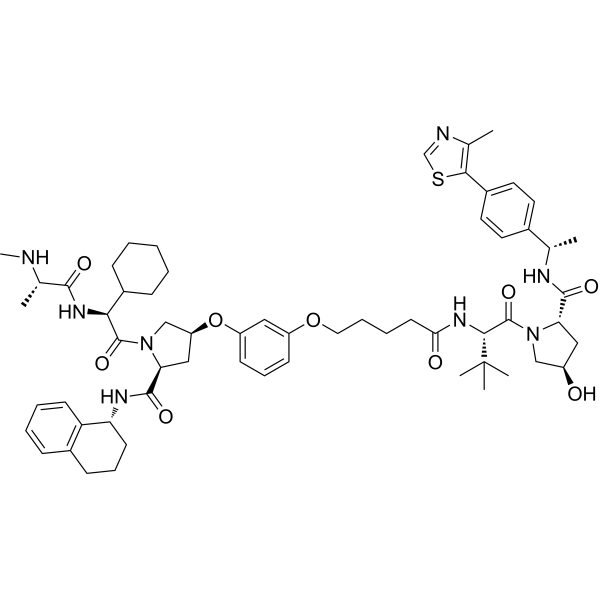 0 ImagesCST626 is a PROTAC degrader targeting IAP, with DC50 values of 0.7 nM, 2.4 nM and 6.2 nM against XIAP, cIAP1 and cIAP2, respectively. This compound recruits the VHL E3 ubiquitin ligase to form a heterotrimeric complex, thereby inducing ubiquitination and proteasomal degradation of the target proteins. CST626 also exhibits certain degrading activity against VHL30 and VHL19. CST626 inhibits the proliferation and induces apoptosis of various hematologic tumor cell lines, and its anti-tumor effect is further enhanced when used in combination with TNF-α. CST626 can be used in research related to multiple myeloma, acute myeloid leukemia and diffuse large B-cell lymphoma.

-
HM90822
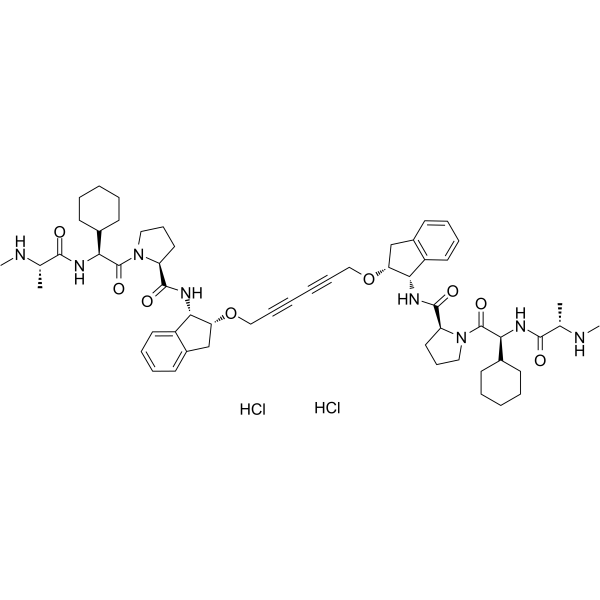
 0 ImagesArt. -Nr.: HY-12440CAS. Nr.: 1363145-46-3HM90822 is an orally active IAP antagonist. HM90822 induces ubiquitination and proteasome-dependent degradation of XIAP, cIAP1 and cIAP2 in sensitive pancreatic cancer cells. HM90822 induces Apoptotic cell death. HM90822 inhibits tumor growth in Panc-1 pancreatic cancer xenograft and orthotopic mouse models. HM90822 can be used for the research of pancreatic cancer.

-
GNE-5472
 0 ImagesArt. -Nr.: HY-175445CAS. Nr.: 2417369-99-2GNE-5472 is a potent bifunctional ERα PRRTAC degrader, with its E3 ligand being a pan-IAP antagonist. GNE-5472 antagonizes cIAP1/2, activating the non-classical NF-κB pathway, resulting in a significant upregulation of TNFα expression. GNE-5472 inhibits the proliferation of breast cancer cells and induces cell apoptosis. GNE-5472 can be used for the study of breast cancer.
-
Tolinapant dihydrochloride
 0 ImagesArt. -Nr.: HY-109565BCAS. Nr.: 1799328-50-9Synonyms: ASTX660 dihydrochlorideTolinapant dihydrochloride (ASTX660 dihydrochloride) is an orally active cIAP1/2 and XIAP antagonist, with an IC50 of < 40 nM against XIAP and an IC50 of <12 nM against cIAP1. Tolinapant dihydrochloride triggers TNFα-dependent Apoptosis in cancer cells. Tolinapant dihydrochloride inhibits tumor growth in mouse xenograft models. Tolinapant dihydrochloride can be used in research related to breast cancer, melanoma, lymphoma, multiple myeloma, acute lymphoblastic leukemia and advanced solid tumors.
-
FL113
 0 ImagesArt. -Nr.: HY-187844CAS. Nr.: 104155-89-7
-
Jolkinolide B (Standard)
 0 ImagesArt. -Nr.: HY-N0732RCAS. Nr.: 37905-08-1Jolkinolide B (Standard) is the analytical standard of Jolkinolide B (HY-N0732). This product is intended for research and analytical applications. Jolkinolide B is a bioactive diterpene isolated from the roots of Euphorbia fischeriana Steud with oral activity. Jolkinolide B downregulates XIAP, cIAP1, cIAP2, and phosphorylated Akt, upregulates Smac, activates caspase-3 and caspase-9, and inhibits NF-κB, TGFβ/smad3 and JAK/STAT3 pathways. Jolkinolide B exerts comprehensive biological effects including inducing cancer cell apoptosis, suppressing inflammatory responses, improving lung function, alleviating hepatic steatosis and eliminating intracellular Mycobacterium tuberculosis. Jolkinolide B can be used for the research of leukemia, histiocytic lymphoma, asthma, metabolic dysfunction-associated steatotic liver disease and tuberculosis.
- 1




