From 11:00 pm to 12:00 pm EST ( 8:00 pm to 9:00 pm PST ) on January 6th, the website will be under maintenance. We are sorry for the inconvenience. Please arrange your schedule properly.
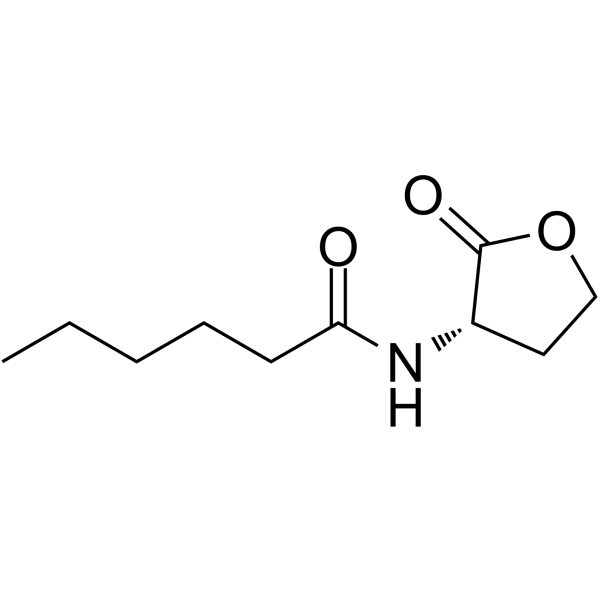
N-Hexanoyl-L-homoserine lactone is a short-chained N-acyl homoserine lactone (AHL). N-hexanoyl-L-homoserine lactone is also a mediator of bacterial quorum-sensing regulation. N-hexanoyl-L-homoserine lactone promotes lipid accumulation in algae. AHL is an intercellular communication signal molecule in the quorum sensing system of Gram-negative bacteria and a medium for mediating information exchange between eukaryotic plants and prokaryotic bacteria. AHL can affect bacteria activities, such as biofilm formation, pigment synthesis, and antibiotic synthesis .
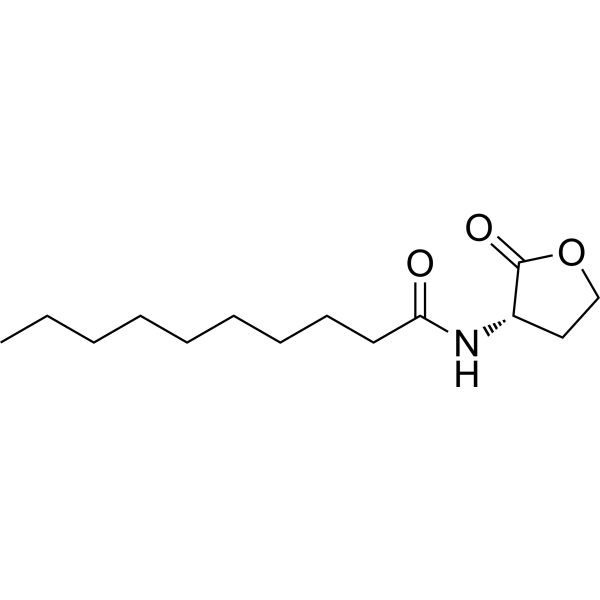
N-decanoyl-L-homoserine lactone (C10-HSL) is a N-acyl-homoserine lactone (AHL) N-decanoyl-L-homoserine lactone can inhibit primary root growth in Arabidopsis. N-decanoyl-L-homoserine lactone triggers a transient and immediate increase in the concentrations of cytosolic free Ca 2+ and reactive oxygen species (ROS), increases the activity of mitogen-activated protein kinase 6 (MPK6), and induces nitric oxide (NO) production in Arabidopsis roots .
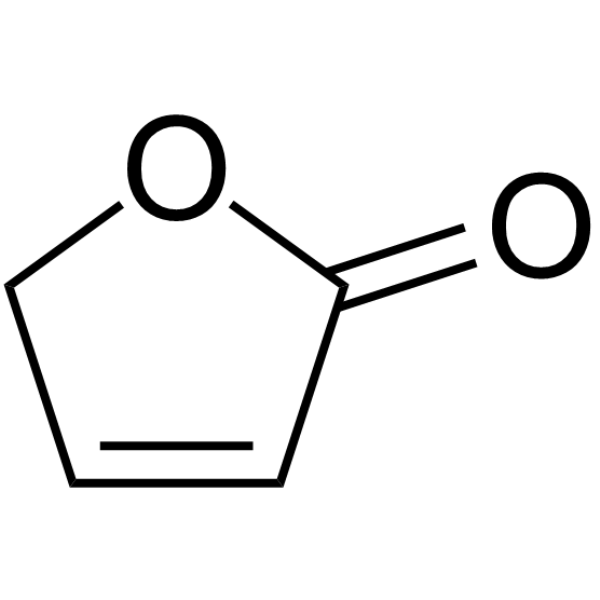
2(5H)-Furanone (γ-Crotonolactone) is an endogenous metabolite. 2(5H)-Furanone mimics N-acyl homoserine lactone signals, occupies the binding site of LuxR homologs, and interferes with quorum sensing-mediated gene regulation. 2(5H)-Furanone inhibits quorum sensing mediated by AHLs with different acyl chain lengths. 2(5H)-Furanone inhibits biofilm formation of environmental Aeromonas hydrophila strains on polystyrene plates. 2(5H)-Furanone suppresses spike-and-wave discharges in a rat model of generalized absence seizures and exhibits selective activity against absence seizures. 2(5H)-Furanone can be used in studies related to bacteria infections and generalized absence seizures.
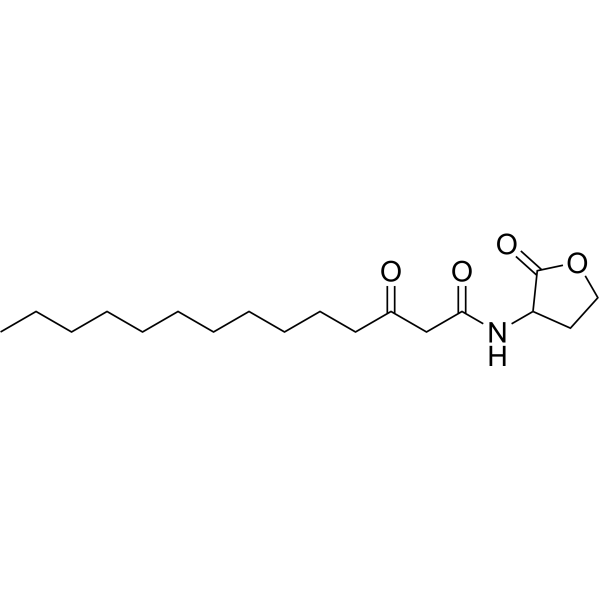
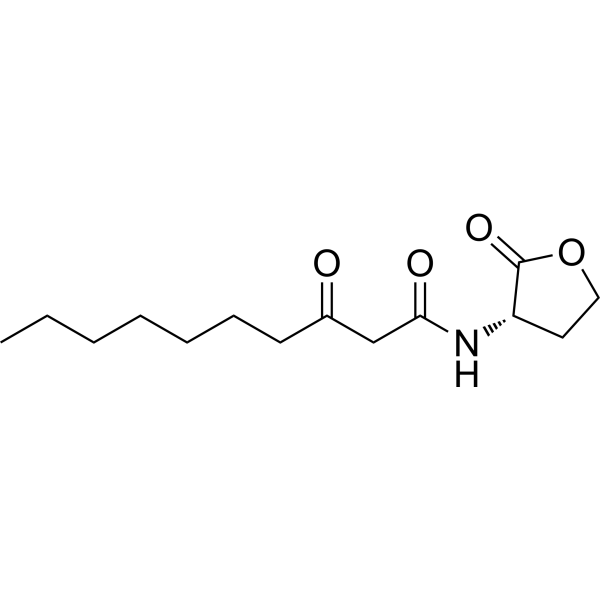
N-(3-Oxotetradecanoyl)-DL-homoserine lactone, a member of N-Acyl homoserine lactone (AHL) from gram-negative bacteria, is a quorum sensing (QS) signaling molecule .
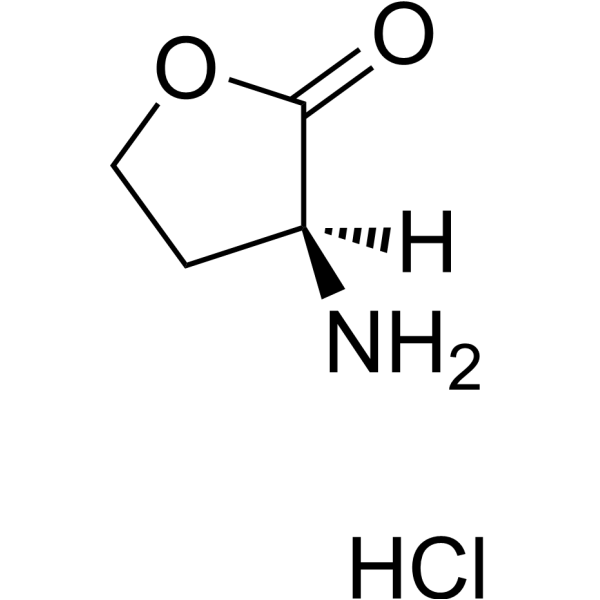
L-Homoserine lactone hydrochloride is the core structural unit of the bacterial quorum-sensing signal molecule N-acyl-L-homoserine lactone (AHLs). As an important intermediate, L-Homoserine lactone hydrochloride acylated derivatives have potent immunosuppressive activity .
C450-0730 is an antagonist targeting the AHL membrane-bound sensor kinase and is an antagonist of the nine-transmembrane protein LuxN of Vibrio harveyi . C450-0730 competitively binds to the LuxN AI-1 binding site and specifically antagonizes the LuxN/AI-1 quorum sensing signal in Vibrio harveyi. The inhibitory activity of C450-0730 against LuxN I209F was not significant .
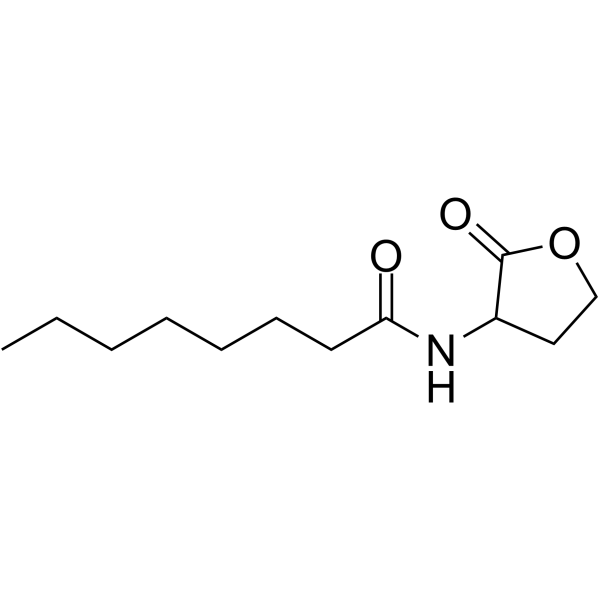
N-Octanoyl-DL-homoserine lactone is a member of N-acyl homoserine lactones (AHLs) family, also one of the signal molecule of quorum-sensing (QS) signals. N-Octanoyl-DL-homoserine lactone can regulate the production of siderophores and present positive correlation in Aeromonas sobria strain AS7. N-Octanoyl-DL-homoserine lactone can also regulate the secretion of proteases and stimulate the production of total volatile basic nitrogen (TVB-N) .
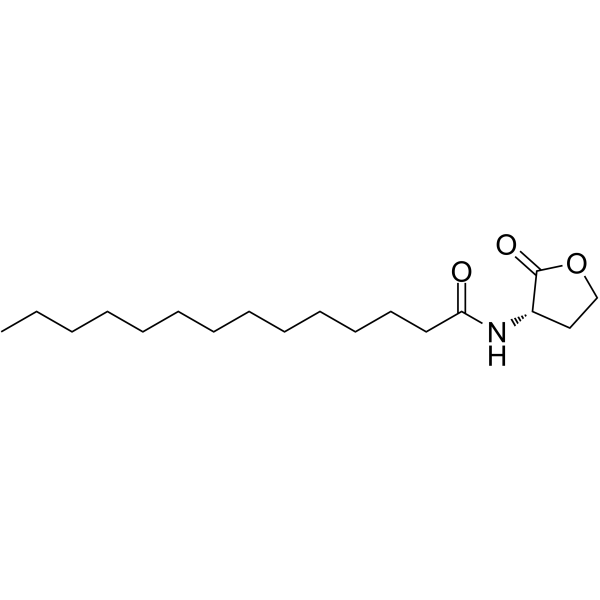
N-Tetradecanoyl-L-homoserine lactone is a short-chained N-acyl homoserine lactone (AHL). Diatoms are frequently found in association with Proteobacteria, many members of which employ cell-to-cell communication via AHLs in aquatic habitats .
N-Hexanoyl-L-homoserine lactone (Standard) is the analytical standard of N-Hexanoyl-L-homoserine lactone (HY-133685). This product is intended for research and analytical applications. N-Hexanoyl-L-homoserine lactone is a short-chained N-acyl homoserine lactone (AHL). N-hexanoyl-L-homoserine lactone is also a mediator of bacterial quorum-sensing regulation. N-hexanoyl-L-homoserine lactone promotes lipid accumulation in algae. AHL is an intercellular communication signal molecule in the quorum sensing system of Gram-negative bacteria and a medium for mediating information exchange between eukaryotic plants and prokaryotic bacteria. AHL can affect bacteria activities, such as biofilm formation, pigment synthesis, and antibiotic synthesis.
N-Tetradecanoyl-L-homoserine lactone (Standard) is the analytical standard of N-Tetradecanoyl-L-homoserine lactone (HY-133684). This product is intended for research and analytical applications. N-Tetradecanoyl-L-homoserine lactone is a short-chained N-acyl homoserine lactone (AHL). Diatoms are frequently found in association with Proteobacteria, many members of which employ cell-to-cell communication via AHLs in aquatic habitats.
N-Hexanoyl-L-Homoserine lactone-d3 (C6-HSL-d3) is deuterium labeled N-Hexanoyl-L-homoserine lactone. N-Hexanoyl-L-homoserine lactone is a short-chained N-acyl homoserine lactone (AHL). Diatoms are frequently found in association with Proteobacteria, many members of which employ cell-to-cell communication via AHLs in aquatic habitats .
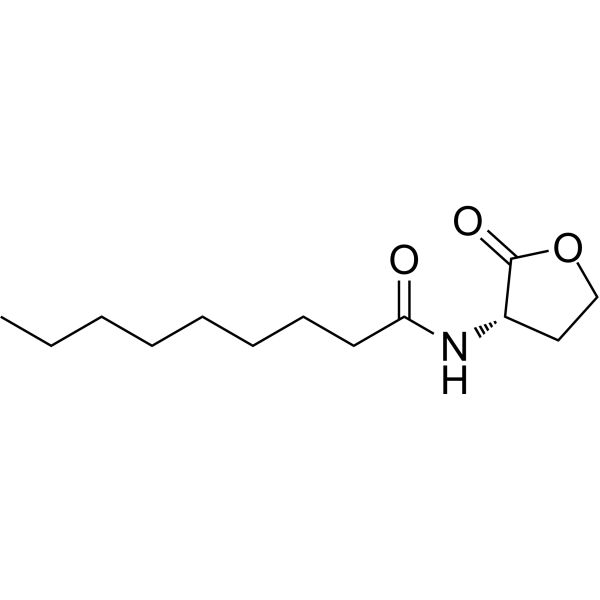
Quorum sensing is a regulatory system used by bacteria to control gene expression in response to increased cell density. This regulatory process manifests itself in a variety of phenotypes, including biofilm formation and virulence factor production. Coordinated gene expression is achieved through the production, release and detection of small diffusible signaling molecules called autoinducers. N-acylated homoserine lactones (AHLs) comprise a class of such autoinducers, each of which generally consists of a fatty acid coupled to a homoserine lactone (HSL). Modulation of bacterial quorum-sensing signaling systems to suppress pathogenesis represents a new approach to antimicrobial research for infectious diseases. AHLs differ in acyl length (C4-C18), C3 substitution (hydrogen, hydroxyl, or oxo group), and the presence or absence of one or more carbon-carbon double bonds in the fatty acid chain. These differences confer signaling specificity through the affinity of the LuxR family of transcriptional regulators. C9-HSL is a rare odd-numbered acyl carbon chain produced by wild-type Erwinia carotovora strain SCC 3193 grown in nutrient-rich Luria-Bertani broth (LB) medium.
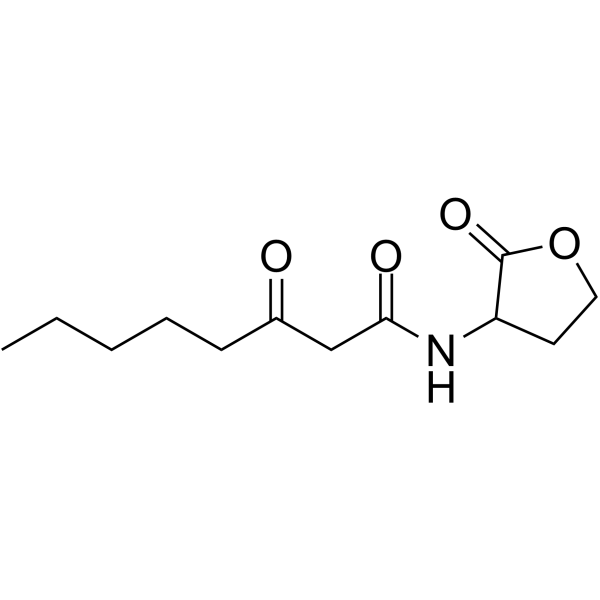
N-(3-Oxooctanoyl)-DL-homoserine lacton is a member of N-Acyl homoserine lactone (AHL) from gram-negative bacteria, with stereochemistry-dependent growth regulatory activity for roots .
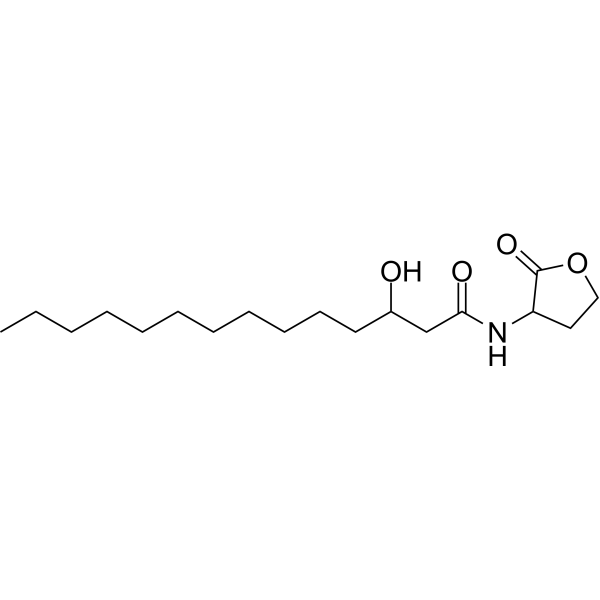
N-(3-Hydroxytetradecanoyl)-DL-homoserine lactone (N-(3-oxodecanoyl)-homoserine lactone) is a member of N-Acyl homoserine lactone (AHL) from V. alginolyticus strains. N-(3-Hydroxytetradecanoyl)-DL-homoserine lactone is used for biofilm formation and has antibacterial activity .
N-3-Hydroxydecanoyl-L-homoserine lactone is a type of N-acyl-L-homoserine lactone (AHL), which is a class of signaling molecules in bacterial quorum sensing systems, and it has a weak activating effect on AbaR .
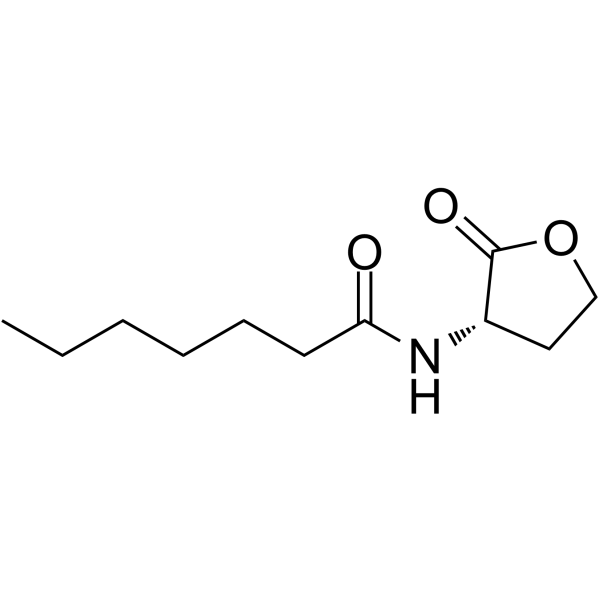
N-Heptanoyl-L-homoserine lactone is a member of N-acyl-homoserine lactone family. N-acyl-homoserine lactones (AHL) can regulate gene expression in gram-negative bacteria, such as Echerichia and Salmonella, and are involved in quorum sensing, cell to cell communication among bacteria.
N-3-Hydroxydecanoyl-DL-Homoserine lactone is a bacterial quorum-sensing molecule. N-3-Hydroxydecanoyl-DL-Homoserine lactone activates the transcription factor SdiA (EC50 = 0.6 µM), which detects N-acyl homoserine lactones (AHLs), and exerts its effect in Salmonella enterica (S. enterica) 12.
AHL modulator-1 is a N-acylated L-homoserine lactone (AHL) modulator that modulating bacteria quorum sensing (QS). AHL modulator-1 can be used for the research of plant soft rot .
AHL-Pu-2 is the clickable electrophilic purine. AHL-Pu-2 can be used to directly quantify protein-RNA interactions on proteins through photoaffinity competition with 4-thiouridine (4SU)-labeled RNA in cells .
N-(3-Oxotetradecanoyl)-DL-homoserine lactone (Standard) is the analytical standard of N-(3-Oxotetradecanoyl)-DL-homoserine lactone. This product is intended for research and analytical applications. N-(3-Oxotetradecanoyl)-DL-homoserine lactone, a member of N-Acyl homoserine lactone (AHL) from gram-negative bacteria, is a quorum sensing (QS) signaling molecule[1][2].
N-(3-Hydroxyoctanoyl)-L-homoserine lactone (compound 11), a hydroxyl-containing N-acyl l-homoserine lactone (AHL) ligand, is a competitive AbaR and LasR inhibitor .
N-3-Oxo-hexadecanoyl-L-Homoserine lactone (3-Oxo-C16-AHL) is a signaling molecule to coordinate group behaviors at high densities in many bacteria. N-3-Oxo-hexadecanoyl-L-Homoserine lactone adsorbs to and promotes the remodeling of lipid membranes in ways that could underpin cell-cell or host-cell interactions .
N-Butyryl-DL-homocysteine thiolactone is an N-acyl homoserine lactone (AHL) analogue. AHLs are potent inhibitors of biofilm formation and virulence factors, and has been used for degrading microbial communities, reducing bacterial pathogenicity .
4-Epitetracycline (hydrochloride) (Standard) is the analytical standard of 4-Epitetracycline (hydrochloride). This product is intended for research and analytical applications. 4-Epitetracycline hydrochloride is an epimer of Tetracycline (HY-A0107). Tetracycline can undergo epimerization in solution to 4-Epitetracycline hydrochloride, which shows a much lower antibiotic activity .
Quorum sensing is a regulatory system used by bacteria to control gene expression in response to increased cell density. This regulatory process manifests itself in a variety of phenotypes, including biofilm formation and virulence factor production. Coordinated gene expression is achieved through the production, release and detection of small diffusible signaling molecules called autoinducers. N-acylated homoserine lactones (AHLs) comprise a class of such autoinducers, each of which generally consists of a fatty acid coupled to a homoserine lactone (HSL). Modulation of bacterial quorum-sensing signaling systems to suppress pathogenesis represents a new approach to antimicrobial research for infectious diseases. AHLs differ in acyl length (C4-C18), C3 substitution (hydrogen, hydroxyl, or oxo group), and the presence or absence of one or more carbon-carbon double bonds in the fatty acid chain. These differences confer signaling specificity through the affinity of the LuxR family of transcriptional regulators. C18-HSL, one of four lipophilic long acyl side chain AHLs produced by the LuxI AHL synthase homolog SinI, is involved in quorum-sensing signaling in strains of Rhizobium meliloti (a nitrogen-fixing bacterial symbiont of the legume M. sativa) . C18-HSL and other hydrophobic AHLs tend to localize in the relatively lipophilic environment of bacterial cells and cannot diffuse freely across the cell membrane. Long-chain N-acyl homoserine lactones can be exported from cells by efflux pumps, or can be transported between communicating cells by extracellular outer membrane vesicles.
Quorum sensing is a regulatory system used by bacteria to control gene expression in response to increased cell density. The control of bacterial infection by quenching the quorum sensing system of bacteria is a promising research area. The expression of specific target genes, such as transcriptional regulators belonging to the LuxIR protein family, is coordinated by the synthesis of diffusible acyl homoserine lactone (AHL) molecules. N-butyryl-L-Homocysteine thio-lactone is an analog of N-butyryl-L-homoserine lactone, a small, diffusible signaling molecule involved in quorum sensing, thereby controlling gene expression and cellular metabolism . N-butyryl-L-homocysteine thiolactone induces violacein expression in Viola viola mutants that normally fail to produce AHL.
AHL-157 is a fibrate hypolipidemic agent. AHL-157 can decrease triglyceride, cholesterol, and blood sugar. AHL-157 can be used for the research of metabolic disease, such as hyperlipidemia and diabete .
Cdh23 Mouse Pre-designed siRNA Set A contains three designed siRNAs for Cdh23 gene (Mouse), as well as a negative control, a positive control, and a FAM-labeled negative control.
3-Oxo-C16:1 could induce changes in root protein production in the model legume Medicago truncatula. 3-Oxo-C16:1 is an unsaturated 16-carbon AHL utilized by species such as S. meliloti and Agrobacterium vitus .
N-(3-Hydroxy-7-cis tetradecenoyl)-L-Homoserine lactone is an N-acyl-homoserine lactone (AHL) signaling molecule primarily secreted by Gram-negative bacteria for quorum sensing. It can be used to study bacterial quorum sensing mechanisms and their behavioral characteristics in the environment .
N-Dodecanoyl-L-homoserine lactone-3-hydrazone-biotin (N-Dodecanoyl-L-hsl-3-hydrazone-biotin) is a biotin-tagged bacterial quorum sensing probe that links the quorum sensing signaling molecule AHL (acyl-homoserine lactone) to biotin via a hydrazone bond .
AHL-7160 is a covalent DGKα inhibitor that possesses dual functions of enzyme activity inhibition (IC₅₀ ≈ 12 nM) and molecular gel-mediated degradation. AHL-7160 can rapidly recruit endogenous DGKα to the cell membrane (EC₅₀ = 39 nM), and this effect has isozyme selectivity. AHL-7160 can stereospecifically block phosphatidylcholine acid (PA) production mediated by DGKα (IC₅₀ = 340 nM). AHL-7160 enhances T cell activation and promotes anti-tumor immune responses. AHL-7160 can be used for research on immunotherapy .
D-Homoserine lactone is a signaling molecule with the activity of regulating bacterial quorum sensing. The chemical structure of D-Homoserine lactone makes it a potential regulator of the AHL synthase RhlI. D-Homoserine lactone has been shown to inhibit the activity of RhlI, thereby affecting the bacterial quorum sensing signaling pathway. D-Homoserine lactone is also an enantiomer of L-homoserine lactone and is used as an inhibitor of serine hydroxymethyltransferase .
Quorum sensing is a regulatory system used by bacteria to control gene expression in response to increased cell density. This regulatory process manifests itself in a variety of phenotypes, including biofilm formation and virulence factor production. Coordinated gene expression is achieved through the production, release and detection of small diffusible signaling molecules called autoinducers. N-acylated homoserine lactones (AHLs) comprise a class of such autoinducers, each of which generally consists of a fatty acid coupled to a homoserine lactone (HSL). Modulation of bacterial quorum-sensing signaling systems to suppress pathogenesis represents a new approach to antimicrobial research for infectious diseases. AHLs differ in acyl length (C4-C18), C3 substitution (hydrogen, hydroxyl, or oxo group), and the presence or absence of one or more carbon-carbon double bonds in the fatty acid chain. These differences confer signaling specificity through the affinity of the LuxR family of transcriptional regulators. C11-HSL has a rare odd-numbered acyl carbon chain and may be a minor quorum-sensing signaling molecule in Pseudomonas aeruginosa strains.
2(5H)-Furanone (Standard) is the analytical standard of 2(5H)-Furanone. This product is intended for research and analytical applications. 2(5H)-Furanone (γ-Crotonolactone) is an endogenous metabolite. 2(5H)-Furanone mimics N-acyl homoserine lactone signals, occupies the binding site of LuxR homologs, and interferes with quorum sensing-mediated gene regulation. 2(5H)-Furanone inhibits quorum sensing mediated by AHLs with different acyl chain lengths. 2(5H)-Furanone inhibits biofilm formation of environmental Aeromonas hydrophila strains on polystyrene plates. 2(5H)-Furanone suppresses spike-and-wave discharges in a rat model of generalized absence seizures and exhibits selective activity against absence seizures. 2(5H)-Furanone can be used in studies related to bacteria infections and generalized absence seizures.
N-cis-Dodec-5(Z)-enoyl-L-homoserine lactone (5-cis-C12-HSL) (Compound 2) is an acylated homoserine lactone. N-cis-Dodec-5(Z)-enoyl-L-homoserine lactone can be isolated for Mesorhizobium sp. N-cis-Dodec-5(Z)-enoyl-L-homoserine lactone restores protease and pyoverdin production of an AHL-deficient Pseudomonas aeruginosa PAO1 lasI rhlI double mutant. N-cis-Dodec-5(Z)-enoyl-L-homoserine lactone has no significant antibacterial activity and cytotoxicity against tumor cells .
Quorum sensing is a regulatory system used by bacteria to control gene expression in response to increased cell density. This regulatory process manifests itself in a variety of phenotypes, including biofilm formation and virulence factor production. Coordinated gene expression is achieved through the production, release and detection of small diffusible signaling molecules called autoinducers. N-acylated homoserine lactones (AHLs) comprise a class of such autoinducers, each of which generally consists of a fatty acid coupled to a homoserine lactone (HSL). Modulation of bacterial quorum-sensing signaling systems to suppress pathogenesis represents a new approach to antimicrobial research for infectious diseases. AHLs differ in acyl length (C4-C18), C3 substitution (hydrogen, hydroxyl, or oxo group), and the presence or absence of one or more carbon-carbon double bonds in the fatty acid chain. These differences confer signaling specificity through the affinity of the LuxR family of transcriptional regulators. C9-HSL is a rare odd-numbered acyl carbon chain produced by wild-type Erwinia carotovora strain SCC 3193 grown in nutrient-rich Luria-Bertani broth (LB) medium.
Quorum sensing is a regulatory system used by bacteria to control gene expression in response to increased cell density. This regulatory process manifests itself in a variety of phenotypes, including biofilm formation and virulence factor production. Coordinated gene expression is achieved through the production, release and detection of small diffusible signaling molecules called autoinducers. N-acylated homoserine lactones (AHLs) comprise a class of such autoinducers, each of which generally consists of a fatty acid coupled to a homoserine lactone (HSL). Modulation of bacterial quorum-sensing signaling systems to suppress pathogenesis represents a new approach to antimicrobial research for infectious diseases. AHLs differ in acyl length (C4-C18), C3 substitution (hydrogen, hydroxyl, or oxo group), and the presence or absence of one or more carbon-carbon double bonds in the fatty acid chain. These differences confer signaling specificity through the affinity of the LuxR family of transcriptional regulators. C18-HSL, one of four lipophilic long acyl side chain AHLs produced by the LuxI AHL synthase homolog SinI, is involved in quorum-sensing signaling in strains of Rhizobium meliloti (a nitrogen-fixing bacterial symbiont of the legume M. sativa) . C18-HSL and other hydrophobic AHLs tend to localize in the relatively lipophilic environment of bacterial cells and cannot diffuse freely across the cell membrane. Long-chain N-acyl homoserine lactones can be exported from cells by efflux pumps, or can be transported between communicating cells by extracellular outer membrane vesicles.
Quorum sensing is a regulatory system used by bacteria to control gene expression in response to increased cell density. The control of bacterial infection by quenching the quorum sensing system of bacteria is a promising research area. The expression of specific target genes, such as transcriptional regulators belonging to the LuxIR protein family, is coordinated by the synthesis of diffusible acyl homoserine lactone (AHL) molecules. N-butyryl-L-Homocysteine thio-lactone is an analog of N-butyryl-L-homoserine lactone, a small, diffusible signaling molecule involved in quorum sensing, thereby controlling gene expression and cellular metabolism . N-butyryl-L-homocysteine thiolactone induces violacein expression in Viola viola mutants that normally fail to produce AHL.
Quorum sensing is a regulatory system used by bacteria to control gene expression in response to increased cell density. This regulatory process manifests itself in a variety of phenotypes, including biofilm formation and virulence factor production. Coordinated gene expression is achieved through the production, release and detection of small diffusible signaling molecules called autoinducers. N-acylated homoserine lactones (AHLs) comprise a class of such autoinducers, each of which generally consists of a fatty acid coupled to a homoserine lactone (HSL). Modulation of bacterial quorum-sensing signaling systems to suppress pathogenesis represents a new approach to antimicrobial research for infectious diseases. AHLs differ in acyl length (C4-C18), C3 substitution (hydrogen, hydroxyl, or oxo group), and the presence or absence of one or more carbon-carbon double bonds in the fatty acid chain. These differences confer signaling specificity through the affinity of the LuxR family of transcriptional regulators. C11-HSL has a rare odd-numbered acyl carbon chain and may be a minor quorum-sensing signaling molecule in Pseudomonas aeruginosa strains.
L-Homoserine lactone hydrochloride is the core structural unit of the bacterial quorum-sensing signal molecule N-acyl-L-homoserine lactone (AHLs). As an important intermediate, L-Homoserine lactone hydrochloride acylated derivatives have potent immunosuppressive activity .
N-Octanoyl-DL-homoserine lactone is a member of N-acyl homoserine lactones (AHLs) family, also one of the signal molecule of quorum-sensing (QS) signals. N-Octanoyl-DL-homoserine lactone can regulate the production of siderophores and present positive correlation in Aeromonas sobria strain AS7. N-Octanoyl-DL-homoserine lactone can also regulate the secretion of proteases and stimulate the production of total volatile basic nitrogen (TVB-N) .
N-Butyryl-DL-homocysteine thiolactone is an N-acyl homoserine lactone (AHL) analogue. AHLs are potent inhibitors of biofilm formation and virulence factors, and has been used for degrading microbial communities, reducing bacterial pathogenicity .
N-decanoyl-L-homoserine lactone (C10-HSL) is a N-acyl-homoserine lactone (AHL) N-decanoyl-L-homoserine lactone can inhibit primary root growth in Arabidopsis. N-decanoyl-L-homoserine lactone triggers a transient and immediate increase in the concentrations of cytosolic free Ca 2+ and reactive oxygen species (ROS), increases the activity of mitogen-activated protein kinase 6 (MPK6), and induces nitric oxide (NO) production in Arabidopsis roots .
2(5H)-Furanone (γ-Crotonolactone) is an endogenous metabolite. 2(5H)-Furanone mimics N-acyl homoserine lactone signals, occupies the binding site of LuxR homologs, and interferes with quorum sensing-mediated gene regulation. 2(5H)-Furanone inhibits quorum sensing mediated by AHLs with different acyl chain lengths. 2(5H)-Furanone inhibits biofilm formation of environmental Aeromonas hydrophila strains on polystyrene plates. 2(5H)-Furanone suppresses spike-and-wave discharges in a rat model of generalized absence seizures and exhibits selective activity against absence seizures. 2(5H)-Furanone can be used in studies related to bacteria infections and generalized absence seizures.
N-(3-Oxotetradecanoyl)-DL-homoserine lactone, a member of N-Acyl homoserine lactone (AHL) from gram-negative bacteria, is a quorum sensing (QS) signaling molecule .
N-(3-Oxooctanoyl)-DL-homoserine lacton is a member of N-Acyl homoserine lactone (AHL) from gram-negative bacteria, with stereochemistry-dependent growth regulatory activity for roots .
N-(3-Oxotetradecanoyl)-DL-homoserine lactone (Standard) is the analytical standard of N-(3-Oxotetradecanoyl)-DL-homoserine lactone. This product is intended for research and analytical applications. N-(3-Oxotetradecanoyl)-DL-homoserine lactone, a member of N-Acyl homoserine lactone (AHL) from gram-negative bacteria, is a quorum sensing (QS) signaling molecule[1][2].
4-Epitetracycline (hydrochloride) (Standard) is the analytical standard of 4-Epitetracycline (hydrochloride). This product is intended for research and analytical applications. 4-Epitetracycline hydrochloride is an epimer of Tetracycline (HY-A0107). Tetracycline can undergo epimerization in solution to 4-Epitetracycline hydrochloride, which shows a much lower antibiotic activity .
2(5H)-Furanone (Standard) is the analytical standard of 2(5H)-Furanone. This product is intended for research and analytical applications. 2(5H)-Furanone (γ-Crotonolactone) is an endogenous metabolite. 2(5H)-Furanone mimics N-acyl homoserine lactone signals, occupies the binding site of LuxR homologs, and interferes with quorum sensing-mediated gene regulation. 2(5H)-Furanone inhibits quorum sensing mediated by AHLs with different acyl chain lengths. 2(5H)-Furanone inhibits biofilm formation of environmental Aeromonas hydrophila strains on polystyrene plates. 2(5H)-Furanone suppresses spike-and-wave discharges in a rat model of generalized absence seizures and exhibits selective activity against absence seizures. 2(5H)-Furanone can be used in studies related to bacteria infections and generalized absence seizures.
N-cis-Dodec-5(Z)-enoyl-L-homoserine lactone (5-cis-C12-HSL) (Compound 2) is an acylated homoserine lactone. N-cis-Dodec-5(Z)-enoyl-L-homoserine lactone can be isolated for Mesorhizobium sp. N-cis-Dodec-5(Z)-enoyl-L-homoserine lactone restores protease and pyoverdin production of an AHL-deficient Pseudomonas aeruginosa PAO1 lasI rhlI double mutant. N-cis-Dodec-5(Z)-enoyl-L-homoserine lactone has no significant antibacterial activity and cytotoxicity against tumor cells .
The hemagglutinin (HA) protein attaches viral particles to host cells by binding to sialic acid-containing receptors and induces viral particle internalization through clathrin-dependent endocytosis. HA also promotes an alternative clathrin- and caveolin-independent pathway for some virions. HA/Hemagglutinin Protein, H5N8 (AHL21419, sf9, His) is the recombinant Virus-derived HA/Hemagglutinin protein, expressed by Sf9 insect cells , with C-His labeled tag.
The hemagglutinin (HA) protein attaches viral particles to host cells by binding to sialic acid-containing receptors and induces viral particle internalization through clathrin-dependent endocytosis. HA also promotes an alternative clathrin- and caveolin-independent pathway for some virions. HA/Hemagglutinin Protein, H5N8 (AHL21407, sf9, His) is the recombinant Virus-derived HA/Hemagglutinin protein, expressed by Sf9 insect cells , with C-His labeled tag.
The hemagglutinin (HA) protein attaches viral particles to host cells by binding to sialic acid-containing receptors and induces viral particle internalization through clathrin-dependent endocytosis.HA also promotes an alternative clathrin- and caveolin-independent pathway for some virions.HA1/Hemagglutinin Protein, H5N8 (AHL21419, HEK293, His) is the recombinant Virus-derived HA1/Hemagglutinin protein, expressed by HEK293 , with C-His labeled tag.
The hemagglutinin (HA) protein attaches viral particles to host cells by binding to sialic acid-containing receptors and induces viral particle internalization through clathrin-dependent endocytosis.HA also promotes an alternative clathrin- and caveolin-independent pathway for some virions.HA1/Hemagglutinin Protein, H5N8 (AHL21407, HEK293, His) is the recombinant Virus-derived HA1/Hemagglutinin protein, expressed by HEK293 , with C-His labeled tag.
N-Hexanoyl-L-Homoserine lactone-d3 (C6-HSL-d3) is deuterium labeled N-Hexanoyl-L-homoserine lactone. N-Hexanoyl-L-homoserine lactone is a short-chained N-acyl homoserine lactone (AHL). Diatoms are frequently found in association with Proteobacteria, many members of which employ cell-to-cell communication via AHLs in aquatic habitats .
Cdh23 Mouse Pre-designed siRNA Set A contains three designed siRNAs for Cdh23 gene (Mouse), as well as a negative control, a positive control, and a FAM-labeled negative control.
Inquiry Online
Your information is safe with us. * Required Fields.
Western blot analysis of extracts from THP-1(lane 2(20μg), Jurkat (lane 3(20μg) and NIH3T3(lane 4(20μg) using FOXO1A (HY-P80132) Rabbit mAb. Proteins were transferred
to a PVDF membrane and blocked with 5% non-fat milk in TBST for 2 hour at room temperature. The primary antibody (1/1000) and Loading control antibody (Beta Actin, HY-P80438, 1/10000) was
used in 5% non-fat milk in TBST at 4°C overnight. Goat Anti-Mouse/Rabbit IgG-HRP Secondary Antibody (1/10000) was used for 1 hour at room temperature.
Western blot analysis of extracts from THP-1(lane 2(20μg), Jurkat (lane 3(20μg) and NIH3T3(lane 4(20μg) using FOXO1A (HY-P80132) Rabbit mAb. Proteins were transferred
to a PVDF membrane and blocked with 5% non-fat milk in TBST for 2 hour at room temperature. The primary antibody (1/1000) and Loading control antibody (Beta Actin, HY-P80438, 1/10000) was
used in 5% non-fat milk in TBST at 4°C overnight. Goat Anti-Mouse/Rabbit IgG-HRP Secondary Antibody (1/10000) was used for 1 hour at room temperature.
Western blot analysis of extracts from THP-1(lane 2(20μg), Jurkat (lane 3(20μg) and NIH3T3(lane 4(20μg) using FOXO1A (HY-P80132) Rabbit mAb. Proteins were transferred
to a PVDF membrane and blocked with 5% non-fat milk in TBST for 2 hour at room temperature. The primary antibody (1/1000) and Loading control antibody (Beta Actin, HY-P80438, 1/10000) was
used in 5% non-fat milk in TBST at 4°C overnight. Goat Anti-Mouse/Rabbit IgG-HRP Secondary Antibody (1/10000) was used for 1 hour at room temperature.
Western blot analysis of extracts from THP-1(lane 2(20μg), Jurkat (lane 3(20μg) and NIH3T3(lane 4(20μg) using FOXO1A (HY-P80132) Rabbit mAb. Proteins were transferred
to a PVDF membrane and blocked with 5% non-fat milk in TBST for 2 hour at room temperature. The primary antibody (1/1000) and Loading control antibody (Beta Actin, HY-P80438, 1/10000) was
MedchemExpress Validation 03
Western blot analysis of extracts from THP-1(lane 2(20μg), Jurkat (lane 3(20μg) and NIH3T3(lane 4(20μg) using FOXO1A (HY-P80132) Rabbit mAb. Proteins were transferred
MedchemExpress Validation 04
Western blot analysis of extracts from THP-1(lane 2(20μg), Jurkat (lane 3(20μg) and NIH3T3(lane 4(20μg) using FOXO1A (HY-P80132) Rabbit mAb. Proteins were transferred
to a PVDF membrane and blocked with 5% non-fat milk in TBST for 2 hour at room temperature. The primary antibody (1/1000) and Loading control antibody (Beta Actin, HY-P80438, 1/10000) was
used in 5% non-fat milk in TBST at 4°C overnight. Goat Anti-Mouse/Rabbit IgG-HRP Secondary Antibody (1/10000) was used for 1 hour at room temperature.
MedchemExpress Validation
Western blot analysis of extracts from THP-1(lane 2(20μg), Jurkat (lane 3(20μg) and NIH3T3(lane 4(20μg) using FOXO1A (HY-P80132) Rabbit mAb. Proteins were transferred
to a PVDF membrane and blocked with 5% non-fat milk in TBST for 2 hour at room temperature. The primary antibody (1/1000) and Loading control antibody (Beta Actin, HY-P80438, 1/10000) was
used in 5% non-fat milk in TBST at 4°C overnight. Goat Anti-Mouse/Rabbit IgG-HRP Secondary Antibody (1/10000) was used for 1 hour at room temperature.
Western blot analysis of extracts from THP-1(lane 2(20μg), Jurkat (lane 3(20μg) and NIH3T3(lane 4(20μg) using FOXO1A (HY-P80132) Rabbit mAb. Proteins were transferred
to a PVDF membrane and blocked with 5% non-fat milk in TBST for 2 hour at room temperature. The primary antibody (1/1000) and Loading control antibody (Beta Actin, HY-P80438, 1/10000) was
used in 5% non-fat milk in TBST at 4°C overnight. Goat Anti-Mouse/Rabbit IgG-HRP Secondary Antibody (1/10000) was used for 1 hour at room temperature.
MedchemExpress Validation
Western blot analysis of extracts from THP-1(lane 2(20μg), Jurkat (lane 3(20μg) and NIH3T3(lane 4(20μg) using FOXO1A (HY-P80132) Rabbit mAb. Proteins were transferred
to a PVDF membrane and blocked with 5% non-fat milk in TBST for 2 hour at room temperature. The primary antibody (1/1000) and Loading control antibody (Beta Actin, HY-P80438, 1/10000) was
used in 5% non-fat milk in TBST at 4°C overnight. Goat Anti-Mouse/Rabbit IgG-HRP Secondary Antibody (1/10000) was used for 1 hour at room temperature.
MedchemExpress Validation
Western blot analysis of extracts from THP-1(lane 2(20μg), Jurkat (lane 3(20μg) and NIH3T3(lane 4(20μg) using FOXO1A (HY-P80132) Rabbit mAb. Proteins were transferred
to a PVDF membrane and blocked with 5% non-fat milk in TBST for 2 hour at room temperature. The primary antibody (1/1000) and Loading control antibody (Beta Actin, HY-P80438, 1/10000) was
used in 5% non-fat milk in TBST at 4°C overnight. Goat Anti-Mouse/Rabbit IgG-HRP Secondary Antibody (1/10000) was used for 1 hour at room temperature.
MedchemExpress Validation
Western blot analysis of extracts from THP-1(lane 2(20μg), Jurkat (lane 3(20μg) and NIH3T3(lane 4(20μg) using FOXO1A (HY-P80132) Rabbit mAb. Proteins were transferred
to a PVDF membrane and blocked with 5% non-fat milk in TBST for 2 hour at room temperature. The primary antibody (1/1000) and Loading control antibody (Beta Actin, HY-P80438, 1/10000) was
used in 5% non-fat milk in TBST at 4°C overnight. Goat Anti-Mouse/Rabbit IgG-HRP Secondary Antibody (1/10000) was used for 1 hour at room temperature.
MedchemExpress Validation
Western blot analysis of extracts from THP-1(lane 2(20μg), Jurkat (lane 3(20μg) and NIH3T3(lane 4(20μg) using FOXO1A (HY-P80132) Rabbit mAb. Proteins were transferred
to a PVDF membrane and blocked with 5% non-fat milk in TBST for 2 hour at room temperature. The primary antibody (1/1000) and Loading control antibody (Beta Actin, HY-P80438, 1/10000) was
used in 5% non-fat milk in TBST at 4°C overnight. Goat Anti-Mouse/Rabbit IgG-HRP Secondary Antibody (1/10000) was used for 1 hour at room temperature.
MedchemExpress Validation
Western blot analysis of extracts from THP-1(lane 2(20μg), Jurkat (lane 3(20μg) and NIH3T3(lane 4(20μg) using FOXO1A (HY-P80132) Rabbit mAb. Proteins were transferred
to a PVDF membrane and blocked with 5% non-fat milk in TBST for 2 hour at room temperature. The primary antibody (1/1000) and Loading control antibody (Beta Actin, HY-P80438, 1/10000) was
used in 5% non-fat milk in TBST at 4°C overnight. Goat Anti-Mouse/Rabbit IgG-HRP Secondary Antibody (1/10000) was used for 1 hour at room temperature.
MedchemExpress Validation
Western blot analysis of extracts from THP-1(lane 2(20μg), Jurkat (lane 3(20μg) and NIH3T3(lane 4(20μg) using FOXO1A (HY-P80132) Rabbit mAb. Proteins were transferred
to a PVDF membrane and blocked with 5% non-fat milk in TBST for 2 hour at room temperature. The primary antibody (1/1000) and Loading control antibody (Beta Actin, HY-P80438, 1/10000) was
used in 5% non-fat milk in TBST at 4°C overnight. Goat Anti-Mouse/Rabbit IgG-HRP Secondary Antibody (1/10000) was used for 1 hour at room temperature.
MedChemExpress values your privacy and your trust is important to us. We use cookies to enhance your website experience. Some cookies are necessary to run the website.
Privacy and Cookie Policy

