Search Result
Results for "
ATP (Standard)
" in MedChemExpress (MCE) Product Catalog:
6
Biochemical Assay Reagents
| Cat. No. |
Product Name |
Target |
Research Areas |
Chemical Structure |
-
- HY-10583R
-
|
|
ROCK
Organoid
Reference Standards
|
Cancer
|
|
Y-27632 dihydrochloride (Standard) is the analytical standard of Y-27632 dihydrochloride. Y-27632 dihydrochloride is an orally active and ATP-competitive ROCK (Rho-kinase) inhibitor (ROCK-I Ki=220 nM; ROCK-II Ki=300 nM). Y-27632 dihydrochloride shows antiepileptic effects .
|
-
-
- HY-B2176R
-
|
Adenosine 5'-triphosphate (Standard)
|
Reference Standards
Endogenous Metabolite
|
Metabolic Disease
Inflammation/Immunology
|
ATP (Standard) is the analytical standard of ATP. This product is intended for research and analytical applications. ATP (Adenosine 5'-triphosphate) is a central component of energy storage and metabolism in vivo. ATP provides the metabolic energy to drive metabolic pumps and serves as a coenzyme in cells. ATP is an important endogenous signaling molecule in immunity and inflammation .
In Vitro: ATP (5 mM; 1 hour) co-treatment with LPS (1 μg/mL) has a synergistic effect on the activation of the NLRP3 inflammasome in HGFs .
ATP (2 mM; 0.5-24 hours) induces secretion of IL-1β, KC and MIP-2 from BMDMs in a caspase-1 activation-dependent manner .
ATP promotes neutrophil chemotaxis in vitro .
In Vivo: ATP (50 mg/kg; i.p.) protects mice against bacterial infection in vivo .
ATP induces the secretion of IL-1β, KC and MIP-2 and neutrophils recruitment in vivo .
|
-
-
- HY-13343
-
|
|
Raf
Apoptosis
|
Cancer
|
|
ZM 336372 is a potent inhibitor of the protein kinase c-Raf. The IC50 value is 0.07 μM in the standard assay, which contains 0.1 mM ATP.
|
-
-
- HY-B0112R
-
|
U10858 (Standard)
|
Reference Standards
Potassium Channel
Endogenous Metabolite
|
Cardiovascular Disease
Cancer
|
|
Minoxidil (Standard) is the analytical standard of Minoxidil. This product is intended for research and analytical applications. Minoxidil (U10858) is an ATP-sensitive potassium (KATP) channel opener, a potent oral antihypertensive agent and a peripheral vasodilator that promotes vasodilation also affects hair growth. Minoxidil is also a potent inhibitor of soybean lipoxygenaseare with an IC50 of 20 μM .
|
-
-
- HY-14881AR
-
|
R403323 (Standard); TMC207 fumarate (Standard); R207910 fumarate (Standard)
|
Reference Standards
Bacterial
Antibiotic
|
Infection
|
|
Bedaquiline (fumarate) (Standard) is the analytical standard of Bedaquiline (fumarate). This product is intended for research and analytical applications. Bedaquiline fumarate, a diarylquinoline antibiotic that targets ATP synthase, is effective for the treatment of Mycobacterium tuberculosis infections.
|
-
-
- HY-B1140R
-
|
Sch-6783 (Standard); SRG-95213 (Standard)
|
Reference Standards
Potassium Channel
Autophagy
|
Cardiovascular Disease
Cancer
|
|
Diazoxide (Standard) is the analytical standard of Diazoxide. This product is intended for research and analytical applications. Diazoxide (Sch-6783) is an ATP-sensitive potassium channel activator, has the potential for hyperinsulinism treatment.
|
-
-
- HY-W010918R
-
|
Adenosine diphosphate (Standard); ADP (Standard)
|
Reference Standards
Endogenous Metabolite
|
Others
|
|
Adenosine 5'-diphosphate (Standard) is the analytical standard of Adenosine 5'-diphosphate. This product is intended for research and analytical applications. Adenosine 5'-diphosphate (Adenosine diphosphate) is a nucleoside diphosphate. Adenosine 5'-diphosphate is the product of ATP dephosphorylation by ATPases. Adenosine 5'-diphosphate induces human platelet aggregation and inhibits stimulated adenylate cyclase by an action at P2T-purinoceptors.
In Vitro: Adenosine 5'-diphosphate consists of the pyrophosphate group, the pentose sugar ribose, and the nucleobase adenine. Adenosine 5'-diphosphate is the product of ATP dephosphorylation by ATPases. ADP is converted back to ATP by ATP synthases. ATP is an important energy transfer molecule in cells. Adenosine 5'-diphosphate is utilized in a wide number of cellular processes, including respiration, biosynthetic reactions, motility, and cell division.
|
-
-
- HY-N0021R
-
|
Acteoside (Standard); Kusaginin (Standard); TJC160 (Standard)
|
Reference Standards
PKC
Apoptosis
Bacterial
HSV
|
Neurological Disease
Inflammation/Immunology
Cancer
|
|
Verbascoside (Standard) is the analytical standard of Verbascoside. This product is intended for research and analytical applications. Verbascoside is isolated from Acanthus mollis, acts as an ATP-competitive inhibitor of PKC, with an IC50 of 25 μM, and has antitumor, anti-inflammatory and antineuropathic pain activity.
|
-
-
- HY-12432R
-
|
ASP2215 (Standard)
|
Reference Standards
FLT3
TAM Receptor
|
Cancer
|
|
Gilteritinib (Standard) is the analytical standard of Gilteritinib. This product is intended for research and analytical applications. Gilteritinib (ASP2215) is a potent and ATP-competitive FLT3/AXL inhibitor with IC50s of 0.29 nM/0.73 nM, respectively.
|
-
-
- HY-14881R
-
|
TMC207 (Standard); R207910 (Standard)
|
Reference Standards
Bacterial
Antibiotic
|
Infection
|
|
Bedaquiline (Standard) is the analytical standard of Bedaquiline. This product is intended for research and analytical applications. Bedaquiline (TMC207) is a diarylquinoline agent and inhibits Mycobacterium tuberculosis (Mtb) F1FO-ATP synthase through targeting of both the c- and the ε-subunit . Bedaquiline has uncoupler activity. Bedaquiline is used for the multi-agent resistant tuberculosis .
|
-
-
- HY-W015883R
-
|
|
Reference Standards
Endogenous Metabolite
NF-κB
p38 MAPK
|
Metabolic Disease
Inflammation/Immunology
|
|
Fumaric acid (Standard) is the analytical standard of Fumaric acid. This product is intended for research and analytical applications. Fumaric acid is an unsaturated dicarbonic acid, an intermediate product of the citric acid cycle that provides intracellular energy in the form of ATP. Fumaric acid exerts anti-inflammatory effects by inhibiting the NF-κB signaling pathway dependent on p38 MAPK. Fumaric acid can be used in the study of pregnancy-induced hypertension .
|
-
-
- HY-B0152R
-
|
|
Reference Standards
DNA/RNA Synthesis
Endogenous Metabolite
|
Cancer
|
|
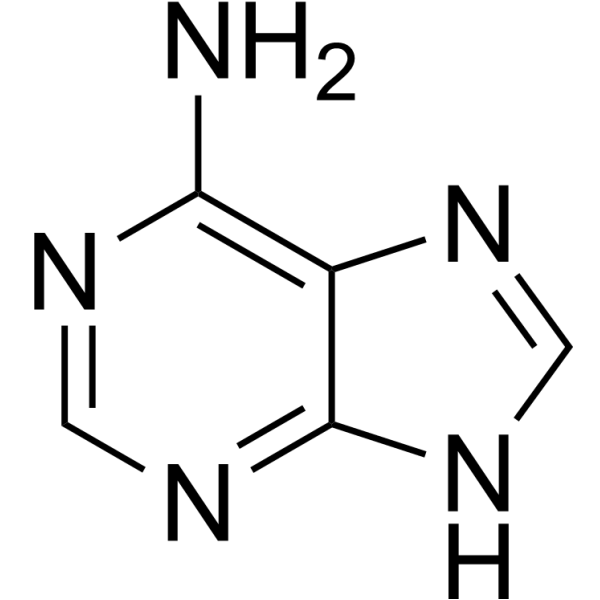
Adenine (Standard) is the analytical standard of Adenine. This product is intended for research and analytical applications. Adenine (6-Aminopurine), a purine, is one of the four nucleobases in the nucleic acid of DNA. Adenine acts as a chemical component of DNA and RNA. Adenine also plays an important role in biochemistry involved in cellular respiration, the form of both ATP and the cofactors (NAD and FAD), and protein synthesis .
|
-
-
- HY-W013636R
-
|
Alpha-Ketoglutaric acid (Standard); 2-Oxoglutaric acid (Standard)
|
Reference Standards
Tyrosinase
Endogenous Metabolite
|
Neurological Disease
Metabolic Disease
|
|
2-Ketoglutaric acid (Standard) (Alpha-Ketoglutaric acid (Standard)) is the analytical standard of 2-Ketoglutaric acid (HY-W013636). This product is intended for research and analytical applications. 2-Ketoglutaric acid (Alpha-Ketoglutaric acid) is an intermediate in the production of ATP or GTP in the Krebs cycle. 2-Ketoglutaric acid also acts as the major carbon skeleton for nitrogen-assimilatory reactions. 2-Ketoglutaric acid is a reversible inhibitor of tyrosinase (IC50=15 mM) .
|
-
-
- HY-D0199R
-
|
Adenosine diphosphate disodium (Standard); ADP disodium (Standard)
|
Endogenous Metabolite
Reference Standards
|
Cardiovascular Disease
|
|
Adenosine 5'-diphosphate (disodium) (Standard) is the analytical standard of Adenosine 5'-diphosphate (disodium). This product is intended for research and analytical applications. Adenosine 5'-diphosphate disodium is a nucleoside diphosphate. Adenosine 5'-diphosphate disodium is the product of ATP dephosphorylation by ATPases. Adenosine 5'-diphosphate disodium is a platelet aggregation agent for hemostasis and the development and extension of arterial thrombosis .
|
-
-
- HY-15141R
-
|
Antibiotic AM-2282 (Standard); STS (Standard); AM-2282 (Standard)
|
Reference Standards
PKC
PKA
Apoptosis
Bacterial
Fungal
Antibiotic
|
Infection
Cancer
|
|
Staurosporine (Standard) is the analytical standard of Staurosporine. This product is intended for research and analytical applications. Staurosporine is a potent, ATP-competitive and non-selective inhibitor of protein kinases with IC50s of 6 nM, 15 nM, 2 nM, and 3 nM for PKC, PKA, c-Fgr, and Phosphorylase kinase respectively. Staurosporine also inhibits TAOK2 with an IC50 of 3 μM. Staurosporine is an apoptosis inducer[1][2][3][4][5].
|
-
-
- HY-10255R
-
|
SU 11248 Malate (Standard)
|
Reference Standards
PDGFR
VEGFR
IRE1
Mitophagy
Autophagy
Apoptosis
|
Cancer
|
|
Sunitinib (Malate) (Standard) is the analytical standard of Sunitinib (Malate). This product is intended for research and analytical applications. Sunitinib Malate (SU 11248 Malate) is a multi-targeted receptor tyrosine kinase inhibitor with IC50s of 80 nM and 2 nM for VEGFR2 and PDGFRβ, respectively . Sunitinib Malate, an ATP-competitive inhibitor, effectively inhibits autophosphorylation of Ire1α by inhibiting autophosphorylation and consequent RNase activation .
|
-
-
- HY-B0254R
-
|
CP 28720 (Standard); K 4024 (Standard)
|
Reference Standards
Potassium Channel
|
Metabolic Disease
|
|
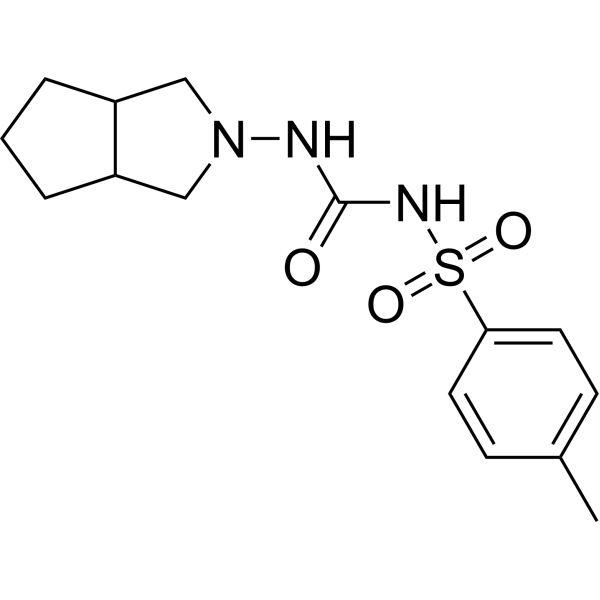
Glipizide (Standard) is the analytical standard of Glipizide. This product is intended for research and analytical applications. Glipizide (CP 2872; K 4024) a potent, orally active and sulfonylurea class anti-diabetic agent and can be used for type 2 diabetes mellitus research but not type 1. Glipizide acts by partially blocking ATP-sensitive potassium (KATP) channels among β cells of pancreatic islets of Langerhans .
|
-
-
- HY-B0345AR
-
|
Adenosine 5'-triphosphate disodium (Standard); Disodium adenosine triphosphate (Standard)
|
Reference Standards
Endogenous Metabolite
|
Metabolic Disease
Inflammation/Immunology
Cancer
|
|
ATP disodium salt (Standard) is the analytical standard of ATP disodium salt (HY-B0345A). This product is intended for research and analytical applications. ATP disodium salt (Adenosine 5'-triphosphate disodium salt) is a central component of energy storage and metabolism in vivo, provides the metabolic energy to drive metabolic pumps and serves as a coenzyme in cells. ATP disodium salt is an important endogenous signaling molecule in immunity and inflammation .
|
-
-
- HY-B0753R
-
|
S1702 (Standard); SE1702 (Standard)
|
Reference Standards
Potassium Channel
|
Cardiovascular Disease
|
|
Gliclazide (Standard) is the analytical standard of Gliclazide. This product is intended for research and analytical applications. Gliclazide (S1702) is a whole-cell beta-cell ATP-sensitive potassium currents blocker with an IC50 of 184 nM. Gliclazide is used as an antidiabetic .
|
-
-
- HY-15247R
-
|
AZD2014 (Standard)
|
mTOR
Autophagy
Apoptosis
Reference Standards
|
Cancer
|
|
Vistusertib (Standard) is the analytical standard of Vistusertib. This product is intended for research and analytical applications. Vistusertib (AZD2014) is an ATP competitive mTOR inhibitor with an IC50 of 2.81 nM. AZD2014 inhibits both mTORC1 and mTORC2 complexes.
|
-
-
- HY-W008807R
-
|
Phosphoenolpyruvate potassium (Standard)
|
Reference Standards
Endogenous Metabolite
|
Metabolic Disease
|
|
Phosphoenolpyruvic acid potassium (Standard) (Potassium 1-carboxyvinyl hydrogenphosphate (Standard)) is the analytical standard of Phosphoenolpyruvic acid potassium (HY-W008807). This product is intended for research and analytical applications. Phosphoenolpyruvic acid potassium is a glycolysis metabolite with a high-energy phosphate group. Phosphoenolpyruvic acid potassium is involved in glycolysis and gluconeogenesis, and used as energy source to produce ATP, under the energy-limited conditions. Phosphoenolpyruvic acid potassium also exhibits cytoprotective and anti-oxidative properties.
|
-
-
- HY-N2306R
-
|
Aclarubicin (Standard)
|
Reference Standards
Topoisomerase
DNA/RNA Synthesis
Proteasome
Antibiotic
|
Cancer
|
|
Aclacinomycin A (Standard) is the analytical standard of Aclacinomycin A. This product is intended for research and analytical applications. Aclacinomycin A (Aclarubicin) is an orally active and potent anthracycline antitumor antibiotic. Aclacinomycin A is an inhibitor of topoisomerase I and II. Aclacinomycin A inhibits synthesis of nucleic acid, especially RNA. Aclacinomycin A might inhibit the 26S protease complex as well as the ubiquitin-ATP-dependent proteolysis .
|
-
-
- HY-Y0344H
-
|
Halite (Pharmaceutical primary standard, USP)
|
Biochemical Assay Reagents
Na+/K+ ATPase
Interleukin Related
|
Inflammation/Immunology
Cancer
|
|
Sodium chloride, United States Pharmacopeia (USP) Reference Standard is an orally active salt. Sodium chloride, United States Pharmacopeia (USP) Reference Standard induces the expression of ATP1A1. Sodium chloride, for cell culture induces the pro-inflammatory cytokines IL-2, TNFα, IL-9 and several chemokines. Sodium chloride, United States Pharmacopeia (USP) Reference Standard enhances the anti-tumor activities of Digoxin (HY-B1049) against small cell lung cancer. Sodium chloride, United States Pharmacopeia (USP) Reference Standard drives autoimmune disease by the induction of pathogenic Th17 cells .
|
-
-
- HY-W010735R
-
|
Adenosine 5'-triphosphate disodium salt hydrate (Standard)
|
Reference Standards
Endogenous Metabolite
|
Metabolic Disease
Inflammation/Immunology
Cancer
|
|
ATP (disodium salt hydrate) (Standard) is the analytical standard of ATP (disodium salt hydrate). This product is intended for research and analytical applications. ATP disodium salt hydrate (Adenosine 5'-triphosphatedisodium salt hydrate) is a central component of energy storage and metabolism in vivo, provides the metabolic energy to drive metabolic pumps and serves as a coenzyme in cells. ATP disodium salt hydrate is an important endogenous signaling molecule in immunity and inflammation .
|
-
-
- HY-B2176AR
-
|
Adenosine-5'-triphosphate disodium trihydrate (Standard)
|
Endogenous Metabolite
Reference Standards
|
Metabolic Disease
Inflammation/Immunology
Cancer
|
|
ATP (disodium trihydrate) (Standard) is the analytical standard of ATP (disodium trihydrate). This product is intended for research and analytical applications. ATP disodium trihydrate (Adenosine 5'-triphosphate disodium trihydrate) is a central component of energy storage and metabolism in vivo. ATP disodium trihydrate provides the metabolic energy to drive metabolic pumps and serves as a coenzyme in cells. ATP disodium trihydrate is an important endogenous signaling molecule in immunity and inflammation .
|
-
-
- HY-B0183R
-
-
-
- HY-12357R
-
|
ETC-1002 (Standard); ESP-55016 (Standard)
|
ATP Citrate Lyase
AMPK
Reference Standards
|
Metabolic Disease
|
|
Bempedoic acid (Standard) is the analytical standard of Bempedoic acid. This product is intended for research and analytical applications. Bempedoic acid (ETC-1002) is an ATP-citrate lyase (ACL) inhibitor . Bempedoic acid (ETC-1002) activates AMPK .
|
-
-
- HY-50706R
-
|
AZD6244 (Standard); ARRY-142886 (Standard)
|
MEK
Apoptosis
Reference Standards
|
Cancer
|
|
Selumetinib (Standard) is the analytical standard of Selumetinib. This product is intended for research and analytical applications. Selumetinib (AZD6244) is selective, non-ATP-competitive oral MEK1/2 inhibitor, with an IC50 of 14 nM for MEK1. Selumetinib (AZD6244) inhibits ERK1/2 phosphorylation.
|
-
-
- HY-14896R
-
|
BIA 9-1067 (Standard)
|
Reference Standards
COMT
|
Neurological Disease
|
|
Opicapone (Standard) is the analytical standard of Opicapone. This product is intended for research and analytical applications. Opicapone (BIA 9-1067) is a potent third-generation catechol-O-methyltransferase (COMT) inhibitor for the research of Parkinson's disease and motor fluctuations. Opicapone decreases the ATP content of the cells with an IC50 of 98 μM .
|
-
-
- HY-15663R
-
|
|
PAK
|
Cancer
|
|
IPA-3 (Standard) is the analytical standard of IPA-3. This product is intended for research and analytical applications. IPA-3 is a selective non-ATP competitive PAK1 inhibitor with IC50 of 2.5 μM, and shows no inhibition to group II PAKs (PAKs 4-6).
|
-
-
- HY-100011R
-
|
|
Casein Kinase
Reference Standards
|
Cancer
|
|
SR-3029 (Standard) is the analytical standard of SR-3029 (HY-100011). This product is intended for research and analytical applications. SR-3029 is a potent and ATP competitive CK1δ and CK1ε inhibitor, with IC50s of 44 nM and 260 nM, respectively, and Kis of 97 nM for both kinases.
|
-
-
- HY-10255AR
-
|
SU 11248 (Standard)
|
Reference Standards
VEGFR
PDGFR
IRE1
Mitophagy
Autophagy
Apoptosis
|
Cancer
|
|
Sunitinib (Standard) is the analytical standard of Sunitinib. This product is intended for research and analytical applications. Sunitinib (SU 11248) is a multi-targeted receptor tyrosine kinase inhibitor with IC50s of 80 nM and 2 nM for VEGFR2 and PDGFRβ, respectively . Sunitinib, an ATP-competitive inhibitor, effectively inhibits autophosphorylation of Ire1α by inhibiting autophosphorylation and consequent RNase activation .
|
-
-
- HY-15656R
-
-
-
- HY-B0152BR
-
|
6-Aminopurine hemisulfate (Standard); Vitamin B4 hemisulfate (Standard)
|
DNA/RNA Synthesis
Endogenous Metabolite
Reference Standards
|
Cancer
|
|
Adenine (hemisulfate) (Standard) is the analytical standard of Adenine (hemisulfate). This product is intended for research and analytical applications. Adenine hemisulfate (6-Aminopurine hemisulfate), a purine, is one of the four nucleobases in the nucleic acid of DNA. Adenine hemisulfate acts as a chemical component of DNA and RNA. Adenine hemisulfate also plays an important role in biochemistry involved in cellular respiration, the form of both ATP and the cofactors (NAD and FAD), and protein synthesis .
|
-
-
- HY-B2176BR
-
|
Adenosine 5'-triphosphate dimagnesium (Standard)
|
Endogenous Metabolite
Reference Standards
|
Inflammation/Immunology
|
|
ATP (dimagnesium) (Standard) is the analytical standard of ATP (dimagnesium). This product is intended for research and analytical applications. ATP (Adenosine 5'-triphosphate) dimagnesium is a central component of energy storage and metabolism in vivo. ATP dimagnesium provides the metabolic energy to drive metabolic pumps and serves as a coenzyme in cells. ATP dimagnesium is an important endogenous signaling molecule in immunity and inflammation .
|
-
-
- HY-138247R
-
|
EX-A4764 (Standard); UUN51204 (Standard)
|
Beta-lactamase
Reference Standards
Bacterial
Antibiotic
|
Infection
|
|
ATP (disodium salt) (Standard) is the analytical standard of ATP (disodium salt). This product is intended for research and analytical applications. ATP disodium salt (Adenosine 5'-triphosphate disodium salt) is a central component of energy storage and metabolism in vivo, provides the metabolic energy to drive metabolic pumps and serves as a coenzyme in cells. ATP disodium salt is an important endogenous signaling molecule in immunity and inflammation .
|
-
-
- HY-17451R
-
|
|
Reference Standards
Potassium Channel
|
Metabolic Disease
|
|
Glibornuride (Standard) is the analytical standard of Glibornuride. This product is intended for research and analytical applications. Glibornuride is a blocker of ATP-sensitive K+ channels (KATP channel) with a pKi of 5.75 . Antidiabetic agent .
|
-
-
- HY-12283R
-
|
PST 2238 (Standard)
|
Na+/K+ ATPase
RSV
Reference Standards
|
Cardiovascular Disease
|
|
Rostafuroxin (Standard) is the analytical standard of Rostafuroxin. This product is intended for research and analytical applications. Rostafuroxin (PST 2238), a digitoxigenin derivative, is an orally active and potent Na+,K+-ATPase (ATP1A1) antognist. Rostafuroxin binds specifically to the ATP1A1 extracellular domain and blocks respiratory syncytial virus (RSV)-triggered EGFR Tyr845 phosphorylation. Rostafuroxin has antihypertensive and anti-RSV activity .
|
-
-
- HY-13805R
-
|
AGL 1879 (Standard)
|
Src
Reference Standards
|
Cancer
|
|
PP2 (Standard) is the analytical standard of PP2. This product is intended for research and analytical applications. PP2 is a reversible and ATP-competitive Src family kinases inhibitor with IC50s of 4 and 5 nM for Lck and Fyn, respectively.
|
-
-
- HY-13328R
-
|
INK-128 (Standard); MLN0128 (Standard); TAK-228 (Standard)
|
mTOR
Autophagy
Reference Standards
|
Cancer
|
|
Sapanisertib (Standard) is the analytical standard of Sapanisertib. This product is intended for research and analytical applications. Sapanisertib (INK-128; MLN0128; TAK-228) is an orally available, ATP-dependent mTOR1/2 inhibitor with an IC50 of 1 nM for mTOR kinase.
|
-
-
- HY-14660R
-
|
GSK2118436A (Standard); GSK2118436 (Standard)
|
Reference Standards
Raf
|
Cancer
|
|
Dabrafenib (Standard) is the analytical standard of Dabrafenib. This product is intended for research and analytical applications. Dabrafenib (GSK2118436A) is an ATP-competitive inhibitor of Raf with IC50s of 5 nM and 0.6 nM for C-Raf and B-Raf V600E, respectively .
|
-
-
- HY-N1469R
-
|
|
Reference Standards
Potassium Channel
|
Neurological Disease
Inflammation/Immunology
|
|
Kaurenoic acid (Standard) is the analytical standard of Kaurenoic acid. This product is intended for research and analytical applications. Kaurenoic acid is a diterpene from Sphagneticola trilobata, inhibits Inflammatory Pain by the inhibition of cytokine production and activation of the NO–cyclic GMP–PKG–ATP-sensitive potassium channel signaling pathway .
|
-
-
- HY-116482R
-
|
|
Insecticide
Herbicide
Reference Standards
|
Others
|
|
Desmedipham (Standard) is the analytical standard of Desmedipham. This product is intended for research and analytical applications. Desmedipham is a selective systemic phenyl-carbamate herbicide. Desmedipham acts by disrupting CO2 fixation and the production of intermediary energy components-ATP and NADPH2 and inhibition of Hill reaction .
|
-
-
- HY-12432AR
-
|
ASP2215 hemifumarate (Standard)
|
FLT3
TAM Receptor
Reference Standards
|
Cancer
|
|
Gilteritinib hemifumarate (Standard) is the analytical standard of Gilteritinib hemifumarate. This product is intended for research and analytical applications. Gilteritinib (ASP2215) hemifumarate is a potent and ATP-competitive FLT3/AXL inhibitor with IC50 of 0.29 nM/0.73 nM, respectively.
|
-
-
- HY-10474R
-
|
PP 242 (Standard)
|
Reference Standards
mTOR
Autophagy
Mitophagy
Apoptosis
|
Cancer
|
|
Torkinib (Standard) is the analytical standard of Torkinib. This product is intended for research and analytical applications. Torkinib (PP 242) is a selective and ATP-competitive mTOR inhibitor with an IC50 of 8 nM . PP242 inhibits both mTORC1 and mTORC2 with IC50s of 30 nM and 58 nM, respectively .
|
-
-
- HY-130353R
-
|
N-desethylamiodarone hydrochloride(Standard); LB 33020 hydrochloride (Standard)
|
Reference Standards
Potassium Channel
Autophagy
|
Cardiovascular Disease
|
|
Desethylamiodarone (hydrochloride) (Standard) is the analytical standard of Desethylamiodarone (hydrochloride). This product is intended for research and analytical applications. Desethylamiodarone hydrochloride (N-desethylamiodarone hydrochloride) is a major active metabolite of Amiodarone. Desethylamiodarone hydrochloride is formed by CYP3A isoenzymes. Amiodarone is an antiarrhythmic agent for inhibition of ATP-sensitive potassium channel with an IC50 of 19.1 μM .
|
-
-
- HY-10512R
-
|
AR 0133418 (Standard); GSK 3β inhibitor VIII (Standard); AR 014418 (Standard)
|
Reference Standards
GSK-3
|
Metabolic Disease
Cancer
|
|
AR-A014418 (Standard) is the analytical standard of AR-A014418. This product is intended for research and analytical applications. AR-A014418 is a potent, selective and ATP-competitive GSK3β inhibitor (IC50=104 nM; Ki=38 nM) .
|
-
-
- HY-N2522R
-
|
Gummiferin dipotassium (Standard)
|
Reference Standards
Mitochondrial Metabolism
Calcium Channel
Reactive Oxygen Species (ROS)
|
Neurological Disease
|
|
Carboxyatractyloside (dipotassium) (Standard) is the analytical standard of Carboxyatractyloside dipotassium (HY-N2522). This product is intended for research and analytical applications. Carboxyatractyloside dipotassium is a diterpenoid. Carboxyatractyloside dipotassium can be isolated from plants of the genus Xanthium. Carboxyatractyloside dipotassium is an ADP/ATP carrier inhibitor, inhibiting mitochondrial ADP/ATP transport. Carboxyatractyloside dipotassium promotes ROS production, induces Ca 2+ release, and leads to mitochondrial dysfunction. Carboxyatractyloside dipotassium induces lethargy, weakness, and epileptic seizures in rats .
|
-
-
- HY-12866R
-
|
LOXO-101 (Standard); ARRY-470 (Standard)
|
Reference Standards
Trk Receptor
Apoptosis
|
Cancer
|
|
Larotrectinib (Standard) is the analytical standard of Larotrectinib. This product is intended for research and analytical applications. Larotrectinib (LOXO-101) is an ATP-competitive oral, selective inhibitor of the tropomyosin-related kinase (TRK) family receptors, with low nanomolar 50% inhibitory concentrations against all three isoforms (TRKA, B, and C).
|
-
-
- HY-14691R
-
|
BAY 869766 (Standard); RDEA119 (Standard)
|
MEK
Reference Standards
|
Cancer
|
|
Refametinib (Standard) is the analytical standard of Refametinib. This product is intended for research and analytical applications. Refametinib (BAY 869766; RDEA119) is an orally available, potent, non-ATP-competitive, selective, allosteric MEK1/MEK2 inhibitor with IC50s of 19 nM and 47 nM, respectively.
|
-
- HY-50706AR
-
|
AZD6244 sulfate (Standard); ARRY-142886 sulfate (Standard)
|
MEK
Apoptosis
Reference Standards
|
Cancer
|
|
Selumetinib (sulfate) (Standard) is the analytical standard of Selumetinib (sulfate). This product is intended for research and analytical applications. Selumetinib (AZD6244) is selective, non-ATP-competitive oral MEK1/2 inhibitor, with an IC50 of 14 nM for MEK1. Selumetinib (AZD6244) inhibits ERK1/2 phosphorylation.
|
-
- HY-12012R
-
|
|
GSK-3
Autophagy
|
Neurological Disease
Cancer
|
|
SB 216763 (Standard) is the analytical standard of SB 216763. This product is intended for research and analytical applications. SB 216763 is potent, selective and ATP-competitive GSK-3 inhibitor with IC50s of 34.3 nM for both GSK-3α and GSK-3β.
|
-
- HY-10961R
-
|
CYT387 (Standard)
|
JAK
Autophagy
Apoptosis
Reference Standards
|
Cancer
|
|
Momelotinib (Standard) is the analytical standard of Momelotinib. This product is intended for research and analytical applications. Momelotinib (CYT387) is an ATP-competitive inhibitor of JAK1/JAK2 with IC50a of 11 nM and 18 nM,respectively. CYT387 shows much less activity against JAK3.
|
-
- HY-10337R
-
|
BMS-540215 (Standard)
|
Reference Standards
VEGFR
Autophagy
|
Cancer
|
|
Brivanib (Standard) is the analytical standard of Brivanib. This product is intended for research and analytical applications. Brivanib (BMS-540215) is an ATP-competitive inhibitor against VEGFR2 with an IC50 of 25 nM, and has moderate potency against VEGFR-1 and FGFR-1, but >240-fold against PDGFR-β .
|
-
- HY-B0887BR
-
|
(-)-trans-NRDC-143 (Standard); (1S)-trans-Permethrin (Standard)
|
Insecticide
Reference Standards
|
Others
|
|
Atractyloside (potassium salt) (Standard) is the analytical standard of Atractyloside (potassium salt). This product is intended for research and analytical applications. Atractyloside potassium salt is a toxic diterpenoid glycoside that can be isolated from the fruits of Xanthium sibiricum. Atractyloside potassium salt is a powerful and specific inhibitor of mitochondrial ADP/ATP transport. Atractyloside potassium salt inhibits chloride channels from mitochondrial membranes of rat heart .
|
-
- HY-108573R
-
|
|
Potassium Channel
|
Cardiovascular Disease
|
|
P-1075 (Standard) is the analytical standard of P-1075. This product is intended for research and analytical applications. P-1075 is a potent activator of sulfonylurea receptor 2-associated ATP-sensitive potassium channels (SUR2-KIR6), with an EC50 value of 45 nM for SUR2B-KIR6 channel activation . P-1075 also P1075 opens mitochondrial K(ATP) channels and generates reactive oxygen species resulting in cardioprotection of rabbit hearts .
|
-
- HY-18963R
-
|
RG-14355 (Standard)
|
Reference Standards
EGFR
|
Cancer
|
|
Lavendustin A (Standard) is the analytical standard of Lavendustin A. This product is intended for research and analytical applications. Lavendustin A (RG-14355) is a potent, selective and ATP-competitive inhibitor of epidermal growth factor receptor (EGFR) tyrosine kinase, with an IC50 of 11 nM. Lavendustin A does not inhibit protein kinase A or C. Lavendustin A can suppress VEGF-induced angiogenesis[1][2].
|
-
- HY-B0501R
-
|
CP 76136-27 (Standard)
|
Reference Standards
Bacterial
Antibiotic
|
Infection
|
|
Danofloxacin mesylate (Standard) is the analytical standard of Danofloxacin mesylate. This product is intended for research and analytical applications. Danofloxacin mesylate (CP 76136-27) is a fluoroquinolone used as a veterinary drug. Danofloxacin mesylate has a broad spectrum of bactericidal activity, mainly inhibiting the DNA cycloenzyme of the bacteria. In addition, Danofloxacin mesylate is a substrate for ATP-dependent efflux transporters (P-gp and MRP2) .
|
-
- HY-10962R
-
|
CYT387 sulfate salt (Standard)
|
JAK
Autophagy
Apoptosis
Reference Standards
|
Cancer
|
|
Momelotinib (sulfate) (Standard) is the analytical standard of Momelotinib (sulfate). This product is intended for research and analytical applications. Momelotinib sulfate (CYT387 sulfate salt) is an ATP-competitive inhibitor of JAK1/JAK2 with IC50 of 11 nM/18 nM, 10-fold selectivity versus JAK3 (IC50=155 nM).
|
-
- HY-11007R
-
|
|
Bcr-Abl
SARS-CoV
|
Cancer
|
|
GNF-2 (Standard) is the analytical standard of GNF-2. This product is intended for research and analytical applications. GNF-2 is a highly selective, allosteric, non-ATP competitive inhibitor of Bcr-Abl. GNF-2 inhibits Ba/F3.p210 proliferation with an IC50 of 138 nM .
|
-
- HY-W013636AR
-
|
Alpha-Ketoglutaric acid Sodium (Standard)
|
Reference Standards
Tyrosinase
Endogenous Metabolite
|
Neurological Disease
Metabolic Disease
|
|
2-Ketoglutaric acid (Sodium) (Standard) is the analytical standard of 2-Ketoglutaric acid Sodium (HY-W013636A). This product is intended for research and analytical applications. 2-Ketoglutaric acid (Alpha-Ketoglutaric acid) Sodium (Standard) is an intermediate in the production of ATP or GTP in the Krebs cycle. 2-Ketoglutaric acid Sodium also acts as the major carbon skeleton for nitrogen-assimilatory reactions. 2-Ketoglutaric acid Sodium is a reversible inhibitor of tyrosinase (IC50=15 mM) .
|
-
- HY-B0422R
-
|
A4166 (Standard); Senaglinide (Standard)
|
Potassium Channel
Dipeptidyl Peptidase
Reference Standards
|
Metabolic Disease
|
|
Nateglinide (Standard) is the analytical standard of Nateglinide. This product is intended for research and analytical applications. Nateglinide, a D-phenylalanine derivative, is an orally active and short-acting insulinotropic agent and a DPP IV inhibitor. Nateglinide inhibits ATP-sensitive K + channels in pancreatic β-cells. Nateglinide is used for the treatment of type 2 (non-insulin-dependent) diabetes mellitus .
|
-
- HY-10336R
-
|
BMS-582664 (Standard)
|
Reference Standards
VEGFR
Autophagy
|
Cancer
|
|
Brivanib (alaninate) (Standard) is the analytical standard of Brivanib (alaninate). This product is intended for research and analytical applications. Brivanib alaninate (BMS-582664) is an ATP-competitive inhibitor against VEGFR2 with an IC50 of 25 nM; has moderate potency against VEGFR-1 and FGFR-1, but more than 240-fold against PDGFRβ .
|
-
- HY-12866AR
-
|
LOXO-101 sulfate (Standard); ARRY-470 sulfate (Standard)
|
Trk Receptor
Apoptosis
Reference Standards
|
Cancer
|
|
Larotrectinib sulfate (Standard) is the analytical standard of Larotrectinib sulfate. This product is intended for research and analytical applications. Larotrectinib sulfate (LOXO-101 sulfate; ARRY-470 sulfate) is an ATP-competitive oral, selective inhibitor of the tropomyosin-related kinase (TRK) family receptors, with low nanomolar 50% inhibitory concentrations against all three isoforms (TRKA, B, and C).
|
-
- HY-10195R
-
|
LY333531 (Standard)
|
Reference Standards
PKC
|
Metabolic Disease
|
|
Ruboxistaurin (Standard) is the analytical standard of Ruboxistaurin. This product is intended for research and analytical applications. Ruboxistaurin (LY333531) is an orally active, selective PKC beta inhibitor (Ki=2 nM). Ruboxistaurin exhibits ATP dependent competitive inhibition of PKC beta I with an IC50 of 4.7 nM. Ruboxistaurin inhibits PKC beta II with an IC50 of 5.9 nM .
|
-
- HY-B0341R
-
|
SG-75 (Standard)
|
Reference Standards
Potassium Channel
|
Cardiovascular Disease
|
|
Nicorandil (Standard) is the analytical standard of Nicorandil. This product is intended for research and analytical applications. Nicorandil (SG-75) is a potent potassium channel activator and targets vascular nucleoside diphosphate-dependent K + channels and cardiac ATP-sensitive K + channels (KATP). Nicorandil is a nicotinamide ester with vasodilatory and cardioprotective effects and has the potential for angina and forischemic heart diseases .
|
-
- HY-10873R
-
|
SU-12662 (Standard)
|
Reference Standards
Drug Metabolite
|
Cancer
|
|
N-Desethyl Sunitinib (Standard) is the analytical standard of N-Desethyl Sunitinib. This product is intended for research and analytical applications. N-Desethyl Sunitinib (SU-12662) is a metabolite of sunitinib. Sunitinib is a potent, ATP-competitive VEGFR, PDGFRβ and KIT inhibitor with Ki values of 2, 9, 17, 8 and 4 nM for VEGFR -1, -2, -3, PDGFRβ and KIT, respectively[1].
|
-
- HY-B0152AR
-
|
6-Aminopurine hydrochloride (Standard); Vitamin B4 hydrochloride (Standard)
|
Reference Standards
DNA/RNA Synthesis
Endogenous Metabolite
|
Cancer
|
|
Adenine (hydrochloride) (Standard) is the analytical standard of Adenine (hydrochloride). This product is intended for research and analytical applications. Adenine hydrochloride (6-Aminopurine hydrochloride), a purine, is one of the four nucleobases in the nucleic acid of DNA. Adenine hydrochloride acts as a chemical component of DNA and RNA. Adenine hydrochloride also plays an important role in biochemistry involved in cellular respiration, the form of both ATP and the cofactors (NAD and FAD), and protein synthesis[1][2][3].
|
-
- HY-13418R
-
|
Compound C dihydrochloride (Standard); BML-275 dihydrochloride (Standard)
|
Organoid
AMPK
TGF-β Receptor
Autophagy
Reference Standards
|
Cancer
|
|
Dorsomorphin (dihydrochloride) (Standard) is the analytical standard of Dorsomorphin (dihydrochloride). This product is intended for research and analytical applications. Dorsomorphin (Compound C) dihydrochloride is a potent, selective and ATP-competitive AMPK inhibitor, with a Ki of 109 nM. Dorsomorphin dihydrochloride inhibits BMP pathway by targeting the type I receptors ALK2, ALK3, and ALK6. Dorsomorphin dihydrochloride can reverse autophagy activation and anti-inflammatory effect of Urolithin A (HY-100599).
|
-
- HY-G0006R
-
|
Ufiprazole (Standard)
|
Reference Standards
Drug Metabolite
|
Others
|
|
Omeprazole sulfide (Standard) is the analytical standard of Omeprazole sulfide. This product is intended for research and analytical applications. Omeprazole sulfide is an Esomeprazole (HY-17021) precursor. Omeprazole sulfide can be converted to Esomeprazole by Lysinibacillus sp. B71. Esomeprazole can inhibit gastric H +/ + ATP enzyme. Omeprazole sulfide is mainly used in gastroesophageal reflux disease, gastric ulcer and antibacterial research .
|
-
- HY-103400R
-
|
8-Cl-Ado (Standard)
|
Reference Standards
AMPK
Nucleoside Antimetabolite/Analog
Autophagy
|
Cancer
|
|
8-Chloroadenosine (Standard) is the analytical standard of 8-Chloroadenosine. This product is intended for research and analytical applications. 8-Chloroadenosine (8-Cl-Ado), a unique ribonucleoside analog, depletes endogenous ATP that subsequently induces the phosphorylation and activation of AMPK. 8-Chloroadenosine induces autophagic cell death. 8-Chloroadenosine effectively inhibited in vivo tumor growth in mice .
|
-
- HY-10917R
-
|
|
c-Fms
|
Inflammation/Immunology
Cancer
|
|
GW2580 (Standard) is the analytical standard of GW2580. This product is intended for research and analytical applications. GW2580 is an orally bioavailable and selective inhibitor of c-Fms kinase which completely inhibits human cFMS kinase in vitro at 0.06 μM. GW2580 acts as a competitive inhibitor of ATP binding to the cFMS kinase and inhibits colony-stimulating-factor-1 signaling .
|
-
- HY-N7347R
-
|
Garcinia lactone (Standard)
|
Reference Standards
ATP Citrate Lyase
|
Metabolic Disease
|
|
(-)-Hydroxycitric acid lactone (Standard) is the analytical standard of (-)-Hydroxycitric acid lactone. This product is intended for research and analytical applications. (-)-Hydroxycitric acid lactone (Garcinia lactone) is an anti-obesity agent and a popular weight loss food supplement. (-)-Hydroxycitric acid lactone is a potent inhibitor of ATP-citrate lyase. (-)-Hydroxycitric acid lactone catalyzes the extramitochondrial cleavage of citrate to oxaloacetate and acetyl-CoA, limits the availability of acetyl-CoA units required for fatty acid synthesis .
|
-
- HY-108652R
-
|
|
Reference Standards
P2X Receptor
|
Inflammation/Immunology
|
|
α,β-Methylene-ATP trisodium (Standard) is the analytical standard of α,β-Methylene-ATP (trisodium) (HY-108652). This product is intended for research and analytical applications. α,β-Methylene-ATP trisodium is an agonist of P2X1 and P2X3 receptors and can cross the blood-brain barrier. α,β-Methylene-ATP trisodium can trigger a reflex pressor response by activating P2X receptors in peripheral muscles and the central locus coeruleus (LC); this effect can be blocked by the P2X antagonist PPADS (HY-108960). α,β-Methylene-ATP trisodium also activates noradrenergic neurons in the central locus coeruleus, mediating antinociceptive effects; this effect can be attenuated by the locus coeruleus damaging agent DSP-4 (HY-103210/HY-121602). α,β-Methylene-ATP trisodium can be used to study the pathological mechanisms of neuropathic pain, cardiovascular reflex regulation, and antinociceptive effects of the central nervous system .
|
-
- HY-108666R
-
|
Adenosine-5'-O-(3-thiotriphosphate) tetralithium salt (Standard); Adenosine 5'-[γ-thio]triphosphate tetralithium salt (Standard)
|
Reference Standards
Eukaryotic Initiation Factor (eIF)
P2Y Receptor
|
Neurological Disease
Metabolic Disease
Inflammation/Immunology
|
|
ATPγS tetralithium salt (Standard) is the analytical standard of ATPγS (tetralithium salt) (HY-108666). This product is intended for research and analytical applications. ATPγS (tetralithium salt) is a P2Y11 receptor agonist, an antioxidant and a neuroprotective agent. ATPγS (tetralithium salt) can be used as a substrate for the nucleotide hydrolysis and RNA unwinding activities of eukaryotic translation initiation factor eIF4A. ATPγS (tetralithium salt) is active in ATP hydrolysis .
|
-
- HY-108643R
-
|
|
Reference Standards
MAPKAPK2 (MK2)
|
Cancer
|
|
CMPD1 (Standard) is the analytical standard of CMPD1 (HY-108643). This product is intended for research and analytical applications. CMPD1 is a selective and non-ATP-competitive p38 MAPK-mediated MK2 phosphorylation inhibitor with apparent Ki (Kiapp) of 330 nM .
|
-
- HY-101053R
-
|
Src Kinase Inhibitor 1 (Standard); Src-l1 (Standard)
|
Src
Reference Standards
|
Cancer
|
|
Src Inhibitor 1 (Standard) is the analytical standard of Src Inhibitor 1 (HY-101053). This product is intended for research and analytical applications. Src Inhibitor 1 is a potent, ATP-competitive and selective dual site Src tyrosine kinase inhibitor with IC50 values of 44 nM for Src and 88nM for Lck.
|
-
- HY-101760R
-
|
|
Reference Standards
RIP kinase
|
Inflammation/Immunology
|
|
GSK2982772 (Standard) is the analytical standard of GSK2982772 (HY-101760). This product is intended for research and analytical applications. GSK2982772 is a potent, orally active and ATP competitive RIP1 kinase inhibitor with IC50 values of 16 nM and 20 nM for human and monkey RIP1, respectively .
|
-
- HY-101523R
-
|
|
CDK
Reference Standards
|
Cancer
|
|
Cdc7-IN-1 (Standard) is the analytical standard of Cdc7-IN-1 (HY-101523). This product is intended for research and analytical applications. Cdc7-IN-1 (Compound 13) is a highly potent, selective and ATP competitive inhibitor of Cdc7 kinase, with an IC50 value of 0.6 nM at 1 mM ATP and with slow off-rate characteristics. Cdc7-IN-1 potently inhibits Cdc7 activity in cancer cells, and effectively induces cell death .
|
-
- HY-108476R
-
|
|
Reference Standards
DYRK
|
Cancer
|
|
INDY (Standard) is the analytical standard of INDY (HY-108476). This product is intended for research and analytical applications. INDY is a potent and ATP-competitive Dyrk1A and Dyrk1B inhibitor with IC50s of 0.24 μM and 0.23 μM, respectively. INDY binds in the ATP pocket of the enzyme and has a Ki value of 0.18 μM for Dyrk1A. INDY sharply reduces the self-renewal capacity of normal and tumorigenic cells in primary Glioblastoma (GBM) cell lines and neural progenitor cells .
|
-
- HY-10193R
-
|
|
Reference Standards
JAK
|
Cancer
|
|
AZD-1480 (Standard) is the analytical standard of AZD-1480 (HY-10193). This product is intended for research and analytical applications. AZD-1480 is an ATP-competitive inhibitor of JAK1 and JAK2 with IC50s of 1.3 nM and <0.4 nM, respectively .
|
-
- HY-100844R
-
|
|
MAP3K
Reference Standards
Apoptosis
|
Cancer
|
|
GS-444217 (Standard) is the analytical standard of GS-444217 (HY-100844). This product is intended for research and analytical applications. GS-444217 is a potent, orally available and selective ATP-competitive inhibitor of apoptosis signal-regulating kinase 1 (ASK1) with an IC50 of 2.87 nM .
|
-
- HY-101212R
-
|
CYC065 (Standard)
|
CDK
Reference Standards
|
Cancer
|
|
Fadraciclib (Standard) is the analytical standard of Fadraciclib (HY-101212). This product is intended for research and analytical applications. Fadraciclib (CYC065) is a second-generation, orally available ATP-competitive inhibitor of CDK2/CDK9 kinases with IC50s of 5 and 26 nM, respectively .
|
-
- HY-100888R
-
|
TAK-931 (Standard)
|
CDK
Reference Standards
|
Cancer
|
|
Simurosertib (Standard) is the analytical standard of Simurosertib (HY-100888). This product is intended for research and analytical applications. Simurosertib (TAK-931) is an orally active, selective and ATP-competitive cell division cycle 7 (CDC7) kinase inhibitor, with an IC50 of <0.3 nM. Simurosertib has anti-cancer activity .
|
-
- HY-10458R
-
|
VS-6062 besylate (Standard)
|
Reference Standards
FAK
Pyk2
|
Cancer
|
|
PF-562271 besylate (Standard) is the analytical standard of PF-562271 besylate (HY-10458). This product is intended for research and analytical applications. PF-562271 (VS-6062) besylate is a potent ATP-competitive, reversible inhibitor of FAK and Pyk2 kinase, with an IC50 of 1.5 nM and 13 nM, respectively .
|
-
- HY-10459R
-
|
VS-6062 (Standard)
|
Reference Standards
FAK
Pyk2
|
Cancer
|
|
PF-562271 (Standard) is the analytical standard of PF-562271 (HY-10459). This product is intended for research and analytical applications. PF-562271 (VS-6062) is a potent, ATP-competitive and reversible FAK and Pyk2 kinase inhibitor with IC50s of 1.5 nM and 13 nM, respectively .
|
-
- HY-10422R
-
|
|
Reference Standards
mTOR
Autophagy
Apoptosis
|
Cancer
|
|
AZD-8055 (Standard) is the analytical standard of AZD-8055 (HY-10422). This product is intended for research and analytical applications. AZD-8055 is a potent, selective, and orally bioavailable ATP-competitive mTOR kinase inhibitor with an IC50 of 0.8 nM. AZD-8055 inhibits both mTORC1 and mTORC2 .
|
-
- HY-10395R
-
|
|
Reference Standards
Bcr-Abl
Src
|
Cancer
|
|
PD173955 (Standard) is the analytical standard of PD173955 (HY-10395). This product is intended for research and analytical applications. PD173955 is an orally active inhibitor of Src (IC50= 22 nM), Yes, Abl, ATP and MAP kinases. PD173955 can effectively prevent the mitotic process and has anticancer activity .
|
-
- HY-10193AR
-
|
|
Reference Standards
JAK
|
Cancer
|
|
(1R)-AZD-1480 (Standard) is the analytical standard of (1R)-AZD-1480 (HY-10193A). This product is intended for research and analytical applications. (1R)-AZD-1480 is the (1R) chiral isomer of AZD-1480, an ATP competitive JAK1 and JAK2 inhibitor .
|
-
- HY-109019R
-
|
CM082 (Standard); X-82 (Standard)
|
Reference Standards
VEGFR
PDGFR
|
Cardiovascular Disease
Cancer
|
|
Vorolanib (Standard) is the analytical standard of Vorolanib (HY-109019). This product is intended for research and analytical applications. Vorolanib (CM082) is an orally active, potent multiKinase VEGFR/PDGFR inhibitor. Vorolanib is a potent ATP-binding cassette (ABC) transporter inhibitor. Vorolanib is an angiogenesis inhibitor and has antitumor activity combined with ZD1839 (HY-50895) .
|
-
- HY-100018R
-
|
|
Akt
Reference Standards
|
Cancer
|
|
BAY1125976 (Standard) is the analytical standard of BAY1125976 (HY-100018). This product is intended for research and analytical applications. BAY1125976, a chemical probe, is a selective allosteric Akt1/Akt2 inhibitor; inhibits Akt1 and Akt2 activity with IC50 values of 5.2 nM and 18 nM at 10 μM ATP, respectively.
|
-
- HY-100888AR
-
|
|
CDK
Reference Standards
|
Others
|
|
(R)-Simurosertib (Standard) is the analytical standard of (R)-Simurosertib (HY-100888A). This product is intended for research and analytical applications. (R)-Simurosertib ((R)-TAK-931) is the (R)-enantiomer of Simurosertib. Simurosertib (TAK-931) is an orally active, selective and ATP-competitive cell division cycle 7 (CDC7) kinase inhibitor, with an IC50 of <0.3 nM .
|
-
- HY-10319R
-
|
ROCK-IN-2 (Standard); Azaindole 1 (Standard); TC-S 7001 (Standard)
|
Reference Standards
ROCK
|
Cardiovascular Disease
|
|
BAY-549 (Standard) is the analytical standard of BAY-549 (HY-10319). This product is intended for research and analytical applications. BAY-549 (Azaindole 1), a chemical probe, is an orally active and ATP-competitive ROCK inhibitor with IC50s of 0.6 and 1.1 nM for human ROCK-1 and ROCK-2, respectively .
|
-
- HY-101549R
-
|
UNC2371 (Standard)
|
FLT3
Reference Standards
|
Cancer
|
|
MRX-2843 (Standard) is the analytical standard of MRX-2843 (HY-101549). This product is intended for research and analytical applications. MRX-2843 (UNC2371) is an orally active, ATP-competitive dual MERTK and FLT3 tyrosine kinases inhibitor (TKI) with enzymatic IC50s of 1.3 nM for MERTK and 0.64 nM for FLT3, respectively .
|
-
- HY-103021R
-
|
|
Reference Standards
TGF-β Receptor
|
Inflammation/Immunology
Cancer
|
|
LY3200882 (Standard) is the analytical standard of LY3200882 (HY-103021). This product is intended for research and analytical applications. LY3200882 is a potent, highly selective, ATP-competitive and orally active TGF-β receptor type 1 (ALK5) inhibitor with an IC50 of 38.2 nM. LY3200882 inhibits various pro-tumorigenic activities and is also used as an immune modulatory agent .
|
-
- HY-10195BR
-
|
LY333531 hydrochloride (Standard)
|
Reference Standards
PKC
|
Metabolic Disease
|
|
Ruboxistaurin hydrochloride (Standard) is the analytical standard of Ruboxistaurin hydrochloride (HY-10195B). This product is intended for research and analytical applications. Ruboxistaurin (LY333531) hydrochloride is an orally active, selective PKC beta inhibitor (Ki=2 nM). Ruboxistaurin hydrochloride exhibits ATP dependent competitive inhibition of PKC beta I with an IC50 of 4.7 nM. Ruboxistaurin hydrochloride inhibits PKC beta II with an IC50 of 5.9 nM .
|
-
- HY-10010R
-
|
|
BCRP
Reference Standards
|
Cancer
|
|
Ko 143 (Standard) is the analytical standard of Ko 143 (HY-10010). This product is intended for research and analytical applications. Ko 143 is a potent and selective ATP-binding cassette subfamily G member 2 (ABCG2/BCRP) inhibitor. Ko 143 displays >200-fold selectivity over P-gp and MRP-1 transporters .
|
-
- HY-108333R
-
|
|
Ser/Thr Kinase
Reference Standards
|
Cardiovascular Disease
Cancer
|
|
SB-633825 (Standard) is the analytical standard of SB-633825 (HY-108333). This product is intended for research and analytical applications. SB-633825 is a potent and ATP-competitive inhibitor of TIE2, LOK (STK10) and BRK with IC50s of 3.5 nM, 66 nM, 150 nM, respectively. SB-633825 can inhibit cancer cell growth and angiogenesis .
|
-
- HY-10423R
-
|
ASP7486 (Standard)
|
Reference Standards
mTOR
Autophagy
|
Cancer
|
|
OSI-027 (Standard) is the analytical standard of OSI-027 (HY-10423). This product is intended for research and analytical applications. OSI-027 (ASP7486) is a potent, selective, orally active and ATP-competitive mTOR kinase activity inhibitor with an IC50 of 4 nM. OSI-027 targets both mTORC1 and mTORC2 with IC50s of 22 nM and 65 nM, respectively .
|
-
- HY-101920R
-
|
|
Reference Standards
Autophagy
PI3K
|
Neurological Disease
Cancer
|
|
Autophinib (Standard) is the analytical standard of Autophinib (HY-101920). This product is intended for research and analytical applications. Autophinib is a potent, selective autophagy inhibitor with IC50s of 90 nM and 40 nM for starvation- and Rapamycin-induced autophagy, respectively. Autophinib is also an ATP competitive Vacuolar Protein Sorting 34 (VPS34) inhibitor with an IC50 of 19 nM. Autophinib inhibits autophagy induced by starvation or Rapamycin by targeting VPS34 .
|
-
- HY-B0445AR
-
|
β-DPN sodium (Standard); β-NAD sodium (Standard); β-Nicotinamide Adenine Dinucleotide sodium (Standard)
|
Endogenous Metabolite
Reference Standards
|
Metabolic Disease
|
|
NAD sodium (Standard) is the analytical standard of NAD sodium. This product is intended for research and analytical applications. NAD (β-Nicotinamide Adenine Dinucleotide) sodium is an analogue of NAD. NAD sodium can be reduced to β-nicotinamide adenine dinucleotide (NADH) during coupling with reactions which oxidize organic substrates. NAD sodium can be converted to β-nicotinamide adenine dinucleotide (NADH) and passes to the inside of mitochondria that indirectly generates ATP .
|
-
- HY-108670R
-
|
|
Reference Standards
P2X Receptor
|
Inflammation/Immunology
|
|
AZ 11645373 (Standard) is the analytical standard of AZ 11645373 (HY-108670). This product is intended for research and analytical applications. AZ11645373 is a highly selective and potent antagonist at human but not rat P2X7 receptors,AZ11645373 inhibits ATP-evoked IL-1β release from lipopolysaccharide-activated THP-1 cells , with an IC50 value of 90 nM .
|
-
- HY-103666R
-
|
|
Reference Standards
NOD-like Receptor (NLR)
|
Inflammation/Immunology
|
|
CY-09 (Standard) is the analytical standard of CY-09 (HY-103666). This product is intended for research and analytical applications. CY-09 is a selective and direct NLRP3 inhibitor. CY-09 directly binds to the ATP-binding motif of NLRP3 NACHT domain and inhibits NLRP3 ATPase activity, resulting in the suppression of NLRP3 inflammasome assembly and activation .
|
-
- HY-B0150R
-
|
Niacinamide(Standard); Nicotinic acid amide (Standard)
|
Reference Standards
Endogenous Metabolite
Sirtuin
|
Cancer
|
|
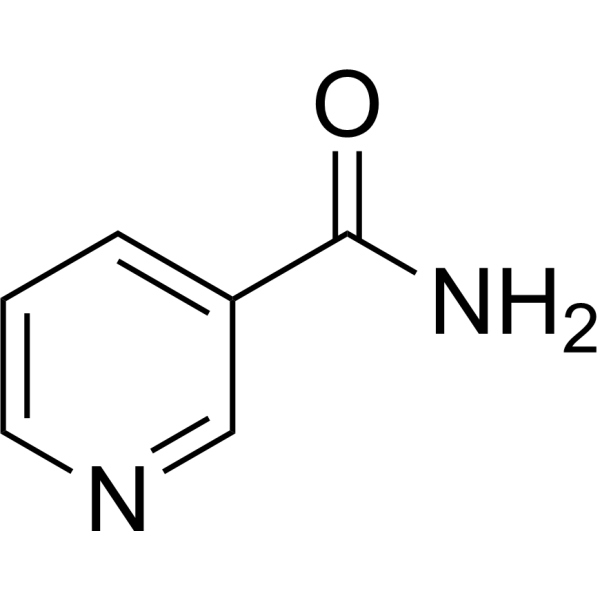
Nicotinamide (Standard) is the analytical standard of Nicotinamide. This product is intended for research and analytical applications. Nicotinamide is a form of vitamin B3 or niacin. Nicotinamide Hydrochloride inhibits SIRT2 activity (IC50: 2 μM). Nicotinamide also inhibits SIRT1. Nicotinamide increases cellular NAD+, ATP, ROS levels. Nicotinamide inhibits tumor growth and improves survival. Nicotinamide also has anti-HBV activity .
|
-
- HY-W018772R
-
|
|
Reference Standards
Endogenous Metabolite
|
Inflammation/Immunology
Cancer
|
|
D-Ribose(mixture of isomers) (Standard) is the analytical standard of D-Ribose(mixture of isomers). This product is intended for research and analytical applications. D-Ribose(mixture of isomers) is an energy enhancer, and acts as a sugar moiety of ATP, and widely used as a metabolic therapy supplement for chronic fatigue syndrome or cardiac energy metabolism. D-Ribose(mixture of isomers) is active in protein glycation, induces NF-κB inflammation in a RAGE-dependent manner .
|
-
- HY-10229R
-
|
AMG 706 Diphosphate (Standard)
|
Reference Standards
c-Kit
VEGFR
|
Cancer
|
|
Motesanib (Diphosphate) (Standard) is the analytical standard of Motesanib (Diphosphate). This product is intended for research and analytical applications. Motesanib Diphosphate (AMG 706 Diphosphate) is a potent ATP-competitive inhibitor of VEGFR1/2/3 with IC50s of 2 nM/3 nM/6 nM, respectively, and has similar activity against Kit, and is approximately 10-fold more selective for VEGFR than PDGFR and Ret.
|
-
- HY-100706R
-
|
|
DNA-PK
Reference Standards
|
Cancer
|
|
AMA-37 (Standard) is the analytical standard of AMA-37 (HY-100706). This product is intended for research and analytical applications. AMA-37, an Arylmorpholine analog, is ATP-competitive DNA-PK inhibitor, with IC50 values of 0.27 μM (DNA-PK), 32 μM (p110α), 3.7 μM (p110β), and 22 μM (p110γ), respectively .
|
-
- HY-12041R
-
|
|
JNK
Autophagy
Apoptosis
Ferroptosis
|
Cancer
|
|
SP600125 (Standard) is the analytical standard of SP600125. This product is intended for research and analytical applications. SP600125 is an orally active, reversible, and ATP-competitive JNK inhibitor with IC50s of 40, 40 and 90 nM for JNK1, JNK2 and JNK3, respectively. SP600125 is a potent ferroptosis inhibitor. SP600125 induces the transformation of bladder cancer cells from autophagy to apoptosis .
|
-
- HY-14721R
-
|
EMD-1214063 (Standard)
|
Reference Standards
c-Met/HGFR
Autophagy
|
Cancer
|
|
Tepotinib (Standard) is the analytical standard of Tepotinib. This product is intended for research and analytical applications. Tepotinib (EMD-1214063) is an orally active and highly selective, reversible, ATP-competitive c-Met inhibitor with an IC50 of 3 nM, >200-fold selective for c-Met than IRAK4, TrkA, Axl, IRAK1, and Mer. Tepotinib inhibits c-Met phosphorylation. Tepotinib has antitumor effects .
|
-
- HY-15656AR
-
|
LDK378 dihydrochloride (Standard)
|
Anaplastic lymphoma kinase (ALK)
Insulin Receptor
IGF-1R
Reference Standards
|
Metabolic Disease
Inflammation/Immunology
Cancer
|
|
Ceritinib (LDK378) dihydrochloride (Standard) is the analytical standard of Ceritinib dihydrochloride (HY-15656A). This product is intended for research and analytical applications. Ceritinib dihydrochloride is a selective, orally bioavailable, and ATP-competitive ALK tyrosine kinase inhibitor with an IC50 of 200 pM. Ceritinib dihydrochloride also inhibits IGF-1R, InsR, and STK22D with IC50 values of 8, 7, and 23 nM, respectively. Ceritinib shows great antitumor potency .
|
-
- HY-10228R
-
|
AMG 706 (Standard)
|
Reference Standards
c-Kit
VEGFR
|
Cancer
|
|
Motesanib (Standard) is the analytical standard of Motesanib. This product is intended for research and analytical applications. Motesanib (AMG 706) is a potent ATP-competitive inhibitor of?VEGFR1/2/3?with?IC50s?of 2 nM/3 nM/6 nM, respectively, and has similar activity against Kit, and is appr 10-fold more selective for VEGFR than PDGFR and Ret.
|
-
- HY-121183
-
|
RP 52891
|
Potassium Channel
|
Cardiovascular Disease
|
|
Aprikalim (RP 52891), a potassium channel opener (KCO), activates ATP-sensitive K+ (KATP) channels in guinea pig ventricular myocytes. Using patch-clamp techniques, it was found that aprikalim enhances KATP channel activity more effectively in Mg-NDP solution compared to standard solutions. In Mg-NDP solution, aprikalim reduced the sensitivity of KATP channels to ATP, increasing the concentration of ATP required to inhibit channel activity by half (K1) from 56 μM to 180 μM. However, this effect diminished over time. Aprikalim's ability to activate KATP channels in Mg-NDP solution suggests potential therapeutic implications in modulating cardiac excitability and may relate to changes in channel protein enzymatic activity under experimental conditions .
|
-
- HY-14290R
-
|
P-1134 (Standard)
|
Reference Standards
Potassium Channel
|
Cardiovascular Disease
|
|
Pinacidil (Standard) is the analytical standard of Pinacidil. This product is intended for research and analytical applications. Pinacidil is a potent activator of ATP-sensitive potassium channel. Pinacidil is an antihypertensive agent hyperpolarizes vascular smooth muscle by opening K + channels. Pinacidil enhances K +-efflux in smooth muscle. Pinacidil has vasorelaxant properties. Pinacidil is able to inhibit spontaneous tone and of reducing agonist induced contractions. Pinacidil can be studied in research area such as cardiovascular diseases .
|
-
- HY-10014R
-
|
|
CDK
Reference Standards
GSK-3
Apoptosis
|
Cancer
|
|
R547 (Standard) is the analytical standard of R547 (HY-10014). This product is intended for research and analytical applications. R547 is a potent, selective and orally active ATP-competitive CDK inhibitor, with Kis of 2 nM, 3 nM and 1 nM for CDK1/cyclin B, CDK2/cyclin E and CDK4/cyclin D1, respectively .
|
-
- HY-10403R
-
|
|
Reference Standards
p38 MAPK
Autophagy
|
Inflammation/Immunology
Cancer
|
|
PH-797804 (Standard) is the analytical standard of PH-797804 (HY-10403). This product is intended for research and analytical applications. PH-797804 is a ATP-competitive, selective p38α/p38β inhibitor (IC50=26 nM and Ki=5.8 nM for p38α; Ki=40 nM for p38β) and does not inhibit JNK2.
|
-
- HY-17398R
-
|
KAD-1229 anhydrous (Standard); S21403 anhydrous (Standard)
|
Potassium Channel
Reference Standards
|
Metabolic Disease
|
|
Mitiglinide (calcium) (Standard) is the analytical standard of Mitiglinide (calcium). This product is intended for research and analytical applications. Mitiglinide Calcium (KAD-1229 anhydrous), an insulinotropic agent, is an ATP-sensitive K+ (KATP) channel antagonist. Mitiglinide Calcium is highly specific to the Kir6.2/SUR1 complex (the pancreatic beta-cell KATP channel). Mitiglinide Calcium can be used for the research of type 2 diabetes .
|
-
- HY-B0682AR
-
|
KAD-1229 (Standard); S-21403 (Standard)
|
Reference Standards
Potassium Channel
|
Metabolic Disease
|
|
Mitiglinide (calcium hydrate) (Standard) is the analytical standard of Mitiglinide (calcium hydrate). This product is intended for research and analytical applications. Mitiglinide calcium hydrate (KAD-1229), an insulinotropic agent, is an ATP-sensitive K + (KATP) channel antagonist. Mitiglinide calcium hydrate is highly specific to the Kir6.2/SUR1 complex (the pancreatic beta-cell KATP channel). Mitiglinide Calcium hydrate can be used for the research of type 2 diabetes .
|
-
- HY-101870BR
-
|
INCB053914 phosphate (Standard)
|
Reference Standards
Pim
|
Cancer
|
|
Uzansertib phosphate (Standard) is the analytical standard of Uzansertib phosphate (HY-101870B). This product is intended for research and analytical applications. Uzansertib (INCB053914) phosphate is an orally active, ATP-competitive pan-PIM kinase inhibitor with IC50s of 0.24 nM, 30 nM, 0.12 nM for PIM1, PIM2, PIM3, respectively. Uzansertib phosphate has broad anti-proliferative activity against a variety of hematologic tumor cell lines .
|
-
- HY-101981R
-
|
5'-Uridylic acid (Standard)
|
Reference Standards
Endogenous Metabolite
|
Cardiovascular Disease
Metabolic Disease
|
|
Uridine 5'-monophosphate (Standard) is the analytical standard of Uridine 5'-monophosphate. This product is intended for research and analytical applications. Uridine 5'-monophosphate (5'-Uridylic acid) is an orally active mitochondrial ATP-dependent potassium channel activator that has a protective effect on the heart. Uridine 5'-monophosphate can promote the synthesis of CDP-choline and induce apoptosis in intestinal epithelial cells, which is beneficial for gut development and reduces diarrhea.
|
-
- HY-107365R
-
|
|
Reference Standards
PI3K
mTOR
|
Cancer
|
|
PQR530 (Standard) is the analytical standard of PQR530 (HY-107365). This product is intended for research and analytical applications. PQR530 is a potent, ATP-competitive, orally bioavailable and brain-penetrant dual pan-PI3K/mTORC1/2 inhibitor, with a subnanomolar Kd toward PI3Kα and mTOR (0.84 and 0.33 nM, respectively). Antitumor activity .
|
-
- HY-W008915R
-
|
CDP (Standard)
|
Reference Standards
DNA/RNA Synthesis
|
Metabolic Disease
|
|
Cytidine 5'-diphosphate (trisodium salt) (Standard) is the analytical standard of Cytidine 5'-diphosphate (trisodium salt). This product is intended for research and analytical applications. Cytidine 5'-diphosphate trisodium salt (CDP) is produced by the transfer of phosphoryl group from ATP to cytidine monophosphate (CMP) catalyzed by uridine monophosphate kinase (UMPK). Cytidine 5′-diphosphate can be used to produce Cytidine triphosphate (CTP) for synthesis of DNA and RNA[1][2].
|
-
- HY-N7126R
-
|
|
Reference Standards
Potassium Channel
|
Neurological Disease
|
|
Citronellal (Standard) is the analytical standard of Citronellal. This product is intended for research and analytical applications.Citronellal is a monoterpene that can be found in the essential oils in various aromatic species of plants, with antiinflammatory and antinociceptive properties. Citronellal attenuates mechanical nociception, mediated in part by the NO-cGMP-ATP-sensitive K+ channel pathway. Citronellal induces reduction of spontaneuous activity, ataxia, analgesia, and sedation in vivo. Citronellal can attenuate mechanical nociception response in mouse model .
|
-
- HY-125780R
-
|
|
Drug Metabolite
Reference Standards
|
Cardiovascular Disease
Neurological Disease
|
|
Dasatinib (monohydrate) (Standard) is the analytical standard of Dasatinib (monohydrate). This product is intended for research and analytical applications. Dasatinib (BMS-354825) monohydrate is a highly potent, ATP competitive, orally active dual Src/Bcr-Abl inhibitor with potent antitumor activity. The Kis are 16 pM and 30 pM for Src and Bcr-Abl, respectively. Dasatinib monohydrate inhibits Bcr-Abl and Src with IC50s of <1.0 nM and 0.5 nM, respectively . Dasatinib monohydrate also induces apoptosis and autophagy.
|
-
- HY-13011AR
-
|
CH5424802 Hydrochloride (Standard); RO5424802 Hydrochloride (Standard); AF-802 Hydrochloride (Standard)
|
Anaplastic lymphoma kinase (ALK)
Reference Standards
|
Cancer
|
|
Alectinib (Hydrochloride) (Standard) is the analytical standard of Alectinib (Hydrochloride). This product is intended for research and analytical applications. Alectinib Hydrochloride (CH5424802 Hydrochloride; RO5424802 Hydrochloride; AF-802 Hydrochloride) is a potent, selective, and orally available ALK inhibitor with an IC50 of 1.9 nM and a Kd value of 2.4 nM (in an ATP-competitive manner), and also inhibits ALK F1174L and ALK R1275Q with IC50s of 1 nM and 3.5 nM, respectively . Alectinib demonstrates effective central nervous system (CNS) penetration .
|
-
- HY-13203R
-
|
TAE226 (Standard)
|
FAK
Pyk2
IGF-1R
Insulin Receptor
Apoptosis
Reference Standards
|
Endocrinology
Cancer
|
|
NVP-TAE 226 (Standard) is the analytical standard of NVP-TAE 226. This product is intended for research and analytical applications. NVP-TAE 226 (TAE226) is a potent and ATP-competitive dual FAK and IGF-1R inhibitor with IC50s of 5.5 nM and 140 nM, respectively. NVP-TAE 226 (TAE226) also effectively inhibits Pyk2 and insulin receptor (InsR) with IC50s of 3.5 nM and 44 nM, respectively .
|
-
- HY-10181R
-
|
BMS-354825 (Standard)
|
Reference Standards
Bcr-Abl
Src
Autophagy
Apoptosis
|
Cancer
|
|
Dasatinib (Standard) is the analytical standard of Dasatinib. This product is intended for research and analytical applications. Dasatinib (BMS-354825) is a highly potent, ATP competitive, orally active dual Src/Bcr-Abl inhibitor with potent antitumor activity. The Kis are 16 pM and 30 pM for Src and Bcr-Abl, respectively. Dasatinib inhibits Bcr-Abl and Src with IC50s of <1.0 nM and 0.5 nM, respectively . Dasatinib also induces apoptosis and autophagy.
|
-
- HY-109068AR
-
|
INCB050465 hydrochloride (Standard); IBI-376 hydrochloride (Standard)
|
Reference Standards
PI3K
|
Cancer
|
|
Parsaclisib hydrochloride (Standard) is the analytical standard of Parsaclisib (hydrochloride) (HY-109068A). This product is intended for research and analytical applications. Parsaclisib hydrochloride (INCB050465 hydrochloride) is a potent, selective and orally active inhibitor of PI3Kδ, with an IC50 of 1 nM at 1 mM ATP. Parsaclisib hydrochloride shows approximately 20000-fold selectivity over other PI3K class I isoforms. Parsaclisib hydrochloride can be used for the research of relapsed or refractory B-cell malignancies .
|
-
- HY-16397R
-
|
Phenethylbiguanide (Standard)
|
Reference Standards
Apoptosis
mTOR
Autophagy
Mitochondrial Metabolism
AMPK
|
Neurological Disease
Metabolic Disease
Cancer
|
|
Phenformin (Phenethylbiguanide) (Standard) is the analytical standard of Phenformin (HY-16397). This product is intended for research and analytical applications. Phenformin (Phenethylbiguanide) is an orally active biguanide hypoglycemic agent. Phenformin inhibits mitochondrial respiratory chain complex I, leading to an increased AMP/ATP ratio, activation of AMPK, and subsequent inhibition of the mTOR pathway, thereby suppressing cell proliferation, inducing apoptosis and autophagy. Phenformin inhibits cancer stem cells (CSCs) and possesses potent antitumor potential.
|
-
- HY-109068R
-
|
INCB050465 (Standard); IBI-376 (Standard)
|
Reference Standards
PI3K
|
Cancer
|
|
Parsaclisib (Standard) is the analytical standard of Parsaclisib (HY-109068). This product is intended for research and analytical applications. Parsaclisib (INCB050465) is a potent, selective and orally active inhibitor of PI3Kδ, with an IC50 of 1 nM at 1 mM ATP. Parsaclisib shows approximately 20000-fold selectivity over other PI3K class I isoforms. Parsaclisib can be used for the research of relapsed or refractory B-cell malignancies .
|
-
- HY-10044R
-
|
WYE-125132 (Standard)
|
mTOR
Reference Standards
Apoptosis
|
Cancer
|
|
WYE-132 (Standard) is the analytical standard of WYE-132 (HY-10044). This product is intended for research and analytical applications. WYE-132 (WYE-125132) is a highly potent, ATP-competitive, and specific mTOR kinase inhibitor (IC50: 0.19±0.07 nM; >5,000-fold selective versus PI3Ks). WYE-132 (WYE-125132) inhibits mTORC1 and mTORC2.
|
-
- HY-W013636BR
-
|
|
Tyrosinase
Reference Standards
Endogenous Metabolite
|
Metabolic Disease
|
|
Calcium 2-oxoglutarate (Standard) is the analytical standard of Calcium 2-oxoglutarate (HY-W013636B). This product is intended for research and analytical applications. Calcium 2-oxoglutarate is an intermediate in the production of ATP or GTP in the Krebs cycle. Calcium 2-oxoglutarate also acts as the major carbon skeleton for nitrogen-assimilatory reactions. Calcium 2-oxoglutarate is a reversible inhibitor of tyrosinase (IC50=15 mM) .
|
-
- HY-103442R
-
|
DAPH (Standard)
|
Reference Standards
EGFR
Amyloid-β
|
Neurological Disease
Cancer
|
|
CGP52411 (Standard) is the analytical standard of CGP52411 (HY-103442). This product is intended for research and analytical applications. CGP52411 (DAPH) is a high selective, potent, orally active and ATP-competitive EGFR inhibitor with an IC50 of 0.3 μM. CGP52411 blocks the toxic influx of Ca2+ ions into neuronal cells, and dramatic inhibits and reverses the formation of β-amyloid (Aβ42) fibril aggregates associated with Alzheimer's disease .
|
-
- HY-100501R
-
|
MSC2363318A (Standard)
|
Ribosomal S6 Kinase (RSK)
Reference Standards
Akt
|
Cancer
|
|
M2698 (Standard) is the analytical standard of M2698 (HY-100501). This product is intended for research and analytical applications. M2698 (MSC2363318A) is an orally active, ATP competitive, selective p70S6K and Akt dual-inhibitor with IC50s of 1 nM for p70S6K, Akt1 and Akt3. M2698 can cross the blood-brain barrier and has anti-cancer activity .
|
-
- HY-14290AR
-
|
P-1134 monohydrate (Standard)
|
Potassium Channel
Reference Standards
|
Cardiovascular Disease
|
|
Pinacidil (monohydrate) (Standard) is the analytical standard of Pinacidil (monohydrate). This product is intended for research and analytical applications. Pinacidil (P-1134) monohydrate is a potent activator of ATP-sensitive potassium channel. Pinacidil monohydrate is an antihypertensive agent hyperpolarizes vascular smooth muscle by opening K+ channels. Pinacidil monohydrate enhances K+-efflux in smooth muscle. Pinacidil monohydrate has vasorelaxant properties. Pinacidil monohydrate is able to inhibit spontaneous tone and of reducing agonist induced contractions. Pinacidil monohydrate can be studied in research area such as cardiovascular diseases .
|
-
- HY-10181AR
-
|
BMS-354825 hydrochloride (Standard)
|
Reference Standards
Bcr-Abl
Src
Autophagy
Apoptosis
|
Cancer
|
|
Dasatinib (hydrochloride) (Standard) is the analytical standard of Dasatinib (hydrochloride). This product is intended for research and analytical applications. Dasatinib (BMS-354825) hydrochloride is a highly potent, ATP competitive, orally active dual Src/Bcr-Abl inhibitor with potent antitumor activity. The Kis are 16 pM and 30 pM for Src and Bcr-Abl, respectively. Dasatinib hydrochloride inhibits Bcr-Abl and Src with IC50s of <1.0 nM and 0.5 nM, respectively . Dasatinib hydrochloride also induces apoptosis and autophagy.
|
-
- HY-16397AR
-
|
Phenethylbiguanide hydrochloride (Standard)
|
Reference Standards
Apoptosis
mTOR
Autophagy
Mitochondrial Metabolism
AMPK
|
Neurological Disease
Metabolic Disease
Cancer
|
|
Phenformin (Phenethylbiguanide) hydrochloride (Standard) is the analytical standard of Phenformin hydrochloride (HY-16397). This product is intended for research and analytical applications. Phenformin hydrochloride (Phenethylbiguanide) is an orally active biguanide hypoglycemic agent. Phenformin hydrochloride inhibits mitochondrial respiratory chain complex I, leading to an increased AMP/ATP ratio, activation of AMPK, and subsequent inhibition of the mTOR pathway, thereby suppressing cell proliferation, inducing apoptosis and autophagy. Phenformin hydrochloride inhibits cancer stem cells (CSCs) and possesses potent antitumor potential.
|
-
- HY-10295AR
-
|
|
Organoid
Reference Standards
p38 MAPK
Autophagy
Apoptosis
|
Neurological Disease
Cancer
|
|
SB 202190 (hydrochloride) (Standard) is the analytical standard of SB 202190 (hydrochloride). This product is intended for research and analytical applications. SB 202190 hydrochloride is a selective p38 MAP kinase inhibitor with IC50s of 50 nM and 100 nM for p38α and p38β2, respectively. SB 202190 hydrochloride binds to the ATP pocket of the active recombinant human p38 kinase with a Kd of 38 nM. SB 202190 hydrochloride has anti-cancer activity . SB202190 hydrochloride induces autophagy .
|
-
- HY-W015213R
-
|
|
Endogenous Metabolite
Reference Standards
DNA/RNA Synthesis
|
Metabolic Disease
|
|
Adenine monohydrochloride hemihydrate (Standard) is the analytical standard of Adenine monohydrochloride hemihydrate (HY-W015213). This product is intended for research and analytical applications. Adenine monohydrochloride hemihydrate is a hydrochloride derivative of Adenine. Adenine (6-Aminopurine), a purine, is one of the four nucleobases in the nucleic acid of DNA. Adenine acts as a chemical component of DNA and RNA. Adenine also plays an important role in biochemistry involved in cellular respiration, the form of both ATP and the cofactors (NAD and FAD), and protein synthesis .
|
-
- HY-124953R
-
|
|
MAP3K
Apoptosis
|
Cancer
|
|
7,3',4'-Trihydroxyisoflavone (Standard) is the analytical standard of 7,3',4'-Trihydroxyisoflavone. This product is intended for research and analytical applications. 7,3',4'-Trihydroxyisoflavone, a major metabolite of Daidzein, is an ATP-competitive inhibitor of Cot (Tpl2/MAP3K8) and MKK4. 7,3',4'-Trihydroxyisoflavone has anticancer, anti-angiogenic, chemoprotective, and free radical scavenging activities .
|
-
- HY-10181BR
-
|
BMS-354825 monohydrate (Standard)
|
Reference Standards
Bcr-Abl
Src
Autophagy
Apoptosis
|
Cancer
|
|
Dasatinib (monohydrate) (Standard) is the analytical standard of Dasatinib (monohydrate). This product is intended for research and analytical applications. Dasatinib (BMS-354825) monohydrate is a highly potent, ATP competitive, orally active dual Src/Bcr-Abl inhibitor with potent antitumor activity. The Kis are 16 pM and 30 pM for Src and Bcr-Abl, respectively. Dasatinib monohydrate inhibits Bcr-Abl and Src with IC50s of <1.0 nM and 0.5 nM, respectively . Dasatinib monohydrate also induces apoptosis and autophagy.
|
-
- HY-12137R
-
|
BI 6727 (Standard)
|
Polo-like Kinase (PLK)
Apoptosis
Reference Standards
|
Cancer
|
|
Volasertib (Standard) is the analytical standard of Volasertib. This product is intended for research and analytical applications. Volasertib (BI 6727) is an orally active, highly potent and ATP-competitive Polo-like kinase 1 (PLK1) inhibitor with an IC50 of 0.87 nM. Volasertib inhibits PLK2 and PLK3 with IC50s of 5 and 56 nM, respectively. Volasertib induces mitotic arrest and apoptosis. Volasertib, a dihydropteridinone derivative, shows marked antitumor activity in multiple cancer models .
|
-
- HY-15816R
-
|
BVD-523 (Standard); VRT752271 (Standard)
|
ERK
Reference Standards
|
Cancer
|
|
Ulixertinib (Standard) is the analytical standard of Ulixertinib. This product is intended for research and analytical applications. Ulixertinib (BVD-523; VRT752271) is a potent, orally active, highly selective, ATP-competitive and reversible covalent inhibitor of ERK1/2 kinases, with an IC50 of <0.3 nM against ERK2. Ulixertinib (BVD-523; VRT752271) inhibits the phosphorylated ERK2 (pERK) and downstream kinase RSK (pRSK) in an A375 melanoma cell line .
|
-
- HY-110313R
-
|
|
p38 MAPK
|
Inflammation/Immunology
|
|
SB-747651A (dihydrochloride) (Standard) is the analytical standard of SB-747651A (dihydrochloride). This product is intended for research and analytical applications. SB-747651A dihydrochloride is an ATP-competitive mitogen- and stress-activated kinase 1 (MSK1) inhibitor with an IC50 of 11 nM. SB-747651A dihydrochloride also inhibits PRK2, RSK1, p70S6K and ROCK-II. SB-747651A dihydrochloride can be used for inflammation research .
|
-
- HY-100213R
-
|
|
EGFR
Reference Standards
|
Cancer
|
|
EAI045 (Standard) is the analytical standard of EAI045 (HY-100213). This product is intended for research and analytical applications. EAI045 is an allosteric and the fourth-generation inhibitor of mutant EGFR with IC50s of 1.9, 0.019, 0.19 and 0.002 μM for EGFR, EGFRL858R, EGFRT790M and EGFRL858R/T790M at 10 μM ATP, respectively.
|
-
- HY-10517AR
-
|
(Z)-SU6668 (Standard); (Z)-TSU-68 (Standard)
|
Reference Standards
VEGFR
PDGFR
FGFR
|
Cancer
|
|
(Z)-Orantinib (Standard) is the analytical standard of (Z)-Orantinib (HY-10517A). This product is intended for research and analytical applications. (Z)-Orantinib ((Z)-SU6668) is a potent, selective, orally active and ATP competitive inhibitor of Flk‐1/KDR, PDGFRβ, and FGFR1, with IC50s of 2.1, 0.008, and 1.2 μM, respectively. (Z)-Orantinib is a potent antiangiogenic and antitumor agent that induces regression of established tumors .
|
-
- HY-W013175R
-
|
5'-Uridylic acid disodium salt (Standard)
|
Endogenous Metabolite
Cholinesterase (ChE)
Reference Standards
Potassium Channel
Apoptosis
|
Cardiovascular Disease
Metabolic Disease
|
|
Uridine 5'-monophosphate (disodium salt) (Standard) is the analytical standard of Uridine 5'-monophosphate (disodium salt). This product is intended for research and analytical applications. Uridine 5'-monophosphate (5'-Uridylic acid) disodium salt is an orally active mitochondrial ATP-dependent potassium channel activator that has a protective effect on the heart. Uridine 5'-monophosphate disodium salt can promote the synthesis of CDP-choline and induce apoptosis in intestinal epithelial cells, which is beneficial for gut development and reduces diarrhea .
|
-
- HY-B0859R
-
|
|
Herbicide
Reference Standards
Cytochrome P450
|
Metabolic Disease
|
|
MCPA (Standard) is the analytical standard of MCPA (HY-B0859). This product is intended for research and analytical applications. MCPA is an orally active phenoxyacetic acid herbicide. MCPA interferes with membrane integrity, energy metabolism (decreases ATP levels), and redox balance in plant cells. MCPA increases hepatic cytochrome P-450 levels and increases aniline hydroxylase and 7-ethoxycoumarin O-deethylase activities. MCPA can be used to control broadleaf weeds .
|
-
- HY-10254R
-
|
PD0325901 (Standard); PD325901 (Standard)
|
Reference Standards
MEK
Autophagy
Apoptosis
|
Cancer
|
|
Mirdametinib (Standard) is the analytical standard of Mirdametinib (HY-10254). This product is intended for research and analytical applications. Mirdametinib (PD0325901) is an orally active, selective and non-ATP-competitive MEK inhibitor with an IC50 of 0.33 nM. Mirdametinib exhibits a Kiapp of 1 nM against activated MEK1 and MEK2. Mirdametinib suppresses the expression of p-ERK1/2 and induces apoptosis. Mirdametinib has anti-cancer activity for a broad spectrum of human tumor xenografts .
|
-
- HY-10261BR
-
|
(E/Z)-BIBW 2992 (Standard)
|
EGFR
Apoptosis
c-Met/HGFR
Akt
p38 MAPK
Autophagy
Reference Standards
|
Others
|
|
(E/Z)-Afatinib (Standard) is the analytical standard of (E/Z)-Afatinib. This product is intended for research and analytical applications. (E/Z)-Afatinib ((E/Z)-BIBW 2992) is the mixture of (E)-Afatinib and (Z)-Afatinib. Afatinib (HY-10261) is an irreversible inhibitor of EGFR, by irreversibly binding to their ATP binding site to block activation of EGFR, HER2, HER4, and EGFRvIII. Afatinib used in co-administration with Temozolomide (HY-17364), potently targeting to EGFRvIII-cMet signaling in glioblastoma cells .
|
-
- HY-101511R
-
|
|
P-glycoprotein
Reference Standards
|
Cancer
|
|
TTT-28 (Standard) is the analytical standard of TTT-28 (HY-101511). This product is intended for research and analytical applications. TTT-28 is a synthesized thiazole-valine peptidomimetic, a novel selective inhibitor of ABCB1 (P-gp/MDR1) with high efficacy and low toxicity, which reverses the ATP-binding cassette sub-family B member 1 (ABCB1)-mediated multidrug resistance (MDR) by selectively blocking the efflux function of ABCB1 .
|
-
- HY-N0451R
-
|
5,7-Dihydroxy-4'-methoxyflavone (Standard)
|
Reference Standards
Apoptosis
Autophagy
|
Neurological Disease
Inflammation/Immunology
Cancer
|
|
Acacetin (Standard) is the analytical standard of Acacetin. This product is intended for research and analytical applications. Acacetin (5,7-Dihydroxy-4'-methoxyflavone) is an orally active flavonoid derived from Dendranthema morifolium. Acacetin docks in the ATP binding pocket of PI3Kγ. Acacetin causes cell cycle arrest and induces apoptosis and autophagy in cancer cells. Acacetin has potent anti-cancer and anti-inflammatory activity and has the potential for pain-related diseases research .
|
-
- HY-10409AR
-
|
TG-101348 hydrochloride hydrate (Standard); SAR 302503 hydrochloride hydrate (Standard)
|
Reference Standards
JAK
Apoptosis
|
Cancer
|
|
Fedratinib (hydrochloride hydrate) (Standard) is the analytical standard of Fedratinib (hydrochloride hydrate). This product is intended for research and analytical applications. Fedratinib hydrochloride hydrate (TG-101348 hydrochloride hydrate) is a potent, selective, ATP-competitive and orally active JAK2 inhibitor with IC50s of 3 nM for both JAK2 and JAK2V617F kinase. Fedratinib hydrochloride hydrate shows 35- and 334-fold selectivity over JAK1 and JAK3, respectively. Fedratinib hydrochloride hydrate induces cancer cell apoptosis and has the potential for myeloproliferative disorders research .
|
-
- HY-15206R
-
|
Glyburide (Standard)
|
Mitochondrial Metabolism
Autophagy
CFTR
P-glycoprotein
Potassium Channel
Reference Standards
|
Metabolic Disease
|
|
Glibenclamide (Standard) is the analytical standard of Glibenclamide. This product is intended for research and analytical applications. Glibenclamide (Glyburide) is an orally active ATP-sensitive K + channel (KATP) inhibitor and can be used for the research of diabetes and obesity . Glibenclamide inhibits P-glycoprotein. Glibenclamide directly binds and blocks the SUR1 subunits of KATP and inhibits the cystic fibrosis transmembrane conductance regulator protein (CFTR) . Glibenclamide interferes with mitochondrial bioenergetics by inducing changes on membrane ion permeability . Glibenclamide can induce autophagy .
|
-
- HY-N0309R
-
-
- HY-50878R
-
|
PF-02341066 (Standard)
|
Reference Standards
Anaplastic lymphoma kinase (ALK)
c-Met/HGFR
ROS Kinase
Autophagy
|
Cancer
|
|
Crizotinib (Standard) is the analytical standard of Crizotinib. This product is intended for research and analytical applications. Crizotinib (PF-02341066) is an orally bioavailable, ATP-competitive ALK and c-Met inhibitor with IC50s of 20 and 8 nM, respectively. Crizotinib inhibits tyrosine phosphorylation of NPM-ALK and tyrosine phosphorylation of c-Met with IC50s of 24 and 11 nM in cell-based assays, respectively. Crizotinib is also a ROS1 inhibitor. Crizotinib has effective tumor growth inhibition .
|
-
- HY-13011R
-
|
CH5424802 (Standard); RO5424802 (Standard); RG7853 (Standard)
|
Reference Standards
Anaplastic lymphoma kinase (ALK)
|
Cancer
|
|
Alectinib (CH5424802; RO5424802; RG7853) (Standard) is the analytical standard of Alectinib. This product is intended for research and analytical applications. Alectinib (CH5424802) is a potent, selective, and orally available ALK inhibitor with an IC50 of 1.9 nM and a Kd value of 2.4 nM (in an ATP-competitive manner), and also inhibits ALK F1174L and ALK R1275Q with IC50s of 1 nM and 3.5 nM, respectively . Alectinib demonstrates effective central nervous system (CNS) penetration .
|
-
- HY-10424R
-
|
PHA-848125 (Standard)
|
Reference Standards
CDK
Autophagy
|
Cancer
|
|
Milciclib (Standard) is the analytical standard of Milciclib. This product is intended for research and analytical applications. Milciclib (PHA-848125) is a potent, ATP-competitive and dual inhibitor of CDK and Tropomyosin receptor kinase (TRK), with IC50s of 45, 150, 160, 363, 398 nM and 53 nM for cyclin A/CDK2, cyclin H/CDK7, cyclin D1/CDK4, cyclin E/CDK2, cyclin B/CDK1 and TRKA, respectively.
|
-
- HY-10409R
-
|
TG-101348 (Standard); SAR 302503 (Standard)
|
Reference Standards
JAK
Apoptosis
|
Cancer
|
|
Fedratinib (Standard) is the analytical standard of Fedratinib. This product is intended for research and analytical applications. Fedratinib (TG-101348) is a potent, selective, ATP-competitive and orally active JAK2 inhibitor with IC50s of 3 nM for both JAK2 and JAK2V617F kinase. Fedratinib shows 35- and 334-fold selectivity over JAK1 and JAK3, respectively. Fedratinib induces cancer cell apoptosis and has the potential for myeloproliferative disorders research .
|
-
- HY-13072R
-
|
AS-703569 (Standard); R-763 (Standard)
|
Aurora Kinase
Bcr-Abl
Akt
STAT
FLT3
Reference Standards
|
Cancer
|
|
Cenisertib (Standard) is the analytical standard of Cenisertib. This product is intended for research and analytical applications. Cenisertib (AS-703569) is an ATP-competitive multi-kinase inhibitor that blocks the activity of Aurora-kinase-A/B, ABL1, AKT, STAT5 and FLT3. Cenisertib induces major growth-inhibitory effects by blocking the activity of several different molecular targets in neoplastic mast cells (MC). Cenisertib inhibits tumor growth in xenograft models of pancreatic, breast, colon, ovarian, and lung tumors and leukemia .
|
-
- HY-15463R
-
|
STI571 (Standard); CGP-57148B (Standard)
|
Reference Standards
Bcr-Abl
PDGFR
c-Kit
SARS-CoV
Autophagy
|
Cancer
|
|
Imatinib (Standard) is the analytical standard of Imatinib. This product is intended for research and analytical applications. Imatinib (STI571) is an orally bioavailable tyrosine kinases inhibitor that selectively inhibits BCR/ABL, v-Abl, PDGFR and c-kit kinase activity. Imatinib (STI571) works by binding close to the ATP binding site, locking it in a closed or self-inhibited conformation, therefore inhibiting the enzyme activity of the protein semicompetitively . Imatinib also is an inhibitor of SARS-CoV and MERS-CoV .
|
-
- HY-107794R
-
|
Disodium clodronate tetrahydrate (Standard)
|
Others
Reference Standards
|
Neurological Disease
Inflammation/Immunology
Cancer
|
|
Clodronate (disodium tetrahydrate) (Standard) is the analytical standard of Clodronate (disodium tetrahydrate). This product is intended for research and analytical applications. Clodronate disodium tetrahydrate (Disodium clodronate tetrahydrate) is first-generation bisphosphonate, with anti-osteoporotic, anti-inflammatory and analgesic effects. Clodronate disodium tetrahydrate is a selective, potent, reversible and Cl-competitive vesicular nucleotide transporter (VNUT) inhibitor, with an IC50 of 15.6 nM. Clodronate disodium tetrahydrate inhibits vesicular ATP release from neurons and reduces chronic neuropathic and inflammatory pain .
|
-
- HY-10295R
-
|
|
Organoid
Reference Standards
p38 MAPK
Autophagy
Apoptosis
|
Neurological Disease
Cancer
|
|
SB 202190 (Standard) is the analytical standard of SB 202190. This product is intended for research and analytical applications. SB 202190 is a selective p38 MAP kinase inhibitor with IC50s of 50 nM and 100 nM for p38α and p38β2, respectively. SB 202190 binds to the ATP pocket of the active recombinant human p38 kinase with a Kd of 38 nM. SB 202190 has anti-cancer activity and rescued memory deficits . SB202190 induces autophagy .
|
-
- HY-B0347R
-
|
|
Reference Standards
Calcium Channel
Reactive Oxygen Species (ROS)
Caspase
Apoptosis
|
Cardiovascular Disease
|
|
Lacidipine (Standard) is the analytical standard of Lacidipine. This product is intended for research and analytical applications. Lacidipine is an orally active and highly selective L-type calcium channel blocker that acts on smooth muscle calcium channels, primarily dilates peripheral arteries, reduces peripheral resistance, and has long-lasting anti-hypertensive activity. Lacidipine protects HKCs from apoptosis induced by ATP depletion and recovery by modulating the caspase-3 pathway. Lacidipine can be used in studies of hypertension, atherosclerosis and acute kidney injury (AKI) .
|
-
- HY-17600R
-
|
ACP-196 (Standard)
|
Reference Standards
Btk
|
Cancer
|
|
Acalabrutinib (Standard) is the analytical standard of Acalabrutinib. This product is intended for research and analytical applications. Acalabrutinib (ACP-196) is an orally active, irreversible, and highly selective second-generation BTK inhibitor. Acalabrutinib binds covalently to Cys481 in the ATP-binding pocket of BTK. Acalabrutinib demonstrates potent on-target effects and efficacy in mouse models of chronic lymphocytic leukemia (CLL) . Acalabrutinib is a click chemistry reagent, itcontains an Alkyne group and can undergo copper-catalyzed azide-alkyne cycloaddition (CuAAc) with molecules containing Azide groups.
|
-
- HY-16749AR
-
|
PLX-3397 hydrochloride (Standard)
|
c-Fms
c-Kit
Apoptosis
Reference Standards
|
Cancer
|
|
Pexidartinib (hydrochloride) (Standard) is the analytical standard of Pexidartinib (hydrochloride). This product is intended for research and analytical applications. Pexidartinib hydrochloride (PLX-3397 hydrochloride) is a potent, orally active, selective, and ATP-competitive colony stimulating factor 1 receptor (CSF1R or M-CSFR) and c-Kit inhibitor, with IC50s of 20 and 10 nM, respectively. Pexidartinib hydrochloride exhibits 10- to 100-fold selectivity for c-Kit and CSF1R over other related kinases. Pexidartinib hydrochloride induces cell apoptosis and has anti-cancer activity .
|
-
- HY-N0656AR
-
|
|
Reference Standards
mTOR
Bacterial
Autophagy
|
Cancer
|
|
(+)-Usnic acid (Standard) is the analytical standard of (+)-Usnic acid. This product is intended for research and analytical applications. (+)-Usnic acid is isolated from isolated from lichens, binds at the ATP-binding pocket of mTOR, and inhibits mTORC1/2 activity. (+)-Usnic acid inhibits the phosphorylation of mTOR downstream effectors: Akt (Ser473), 4EBP1, S6K, induces autophay, with anti-cancer activity . (+)-Usnic acid possesses antimicrobial activity against a number of planktonic gram-positive bacteria, including Staphylococcus aureus, Enterococcus faecalis, and Enterococcus faecium .
|
-
- HY-10249R
-
|
|
Reference Standards
Akt
AMPK
Autophagy
|
Cancer
|
|
GSK-690693 (Standard) is the analytical standard of GSK-690693 (HY-10249). This product is intended for research and analytical applications. GSK-690693 is an ATP-competitive pan-Akt inhibitor with IC50s of 2 nM, 13 nM, 9 nM for Akt1, Akt2 and Akt3, respectively. GSK-690693 is also an AMPK inhibitor, affects Unc-51-like autophagy activating kinase 1 (ULK1) activity and robustly inhibits STING-dependent IRF3 activation .
|
-
- HY-100900R
-
|
|
Deubiquitinase
Reference Standards
|
Cancer
|
|
ML364 (Standard) is the analytical standard of ML364 (HY-100900). This product is intended for research and analytical applications. ML364 is a selective ubiquitin specific peptidase 2 (USP2) inhibitor (IC50=1.1 μM) with anti-proliferative activity, which direct binds to USP2 (Kd=5.2 μM), induces an increase in cellular cyclin D1 degradation and causes cell cycle arrest. ML364 increases the levels of mitochondrial ROS and decreases in the intracellular content of ATP .
|
-
- HY-15424R
-
|
NSC 113939 (Standard); 5-ITu (Standard)
|
Adenosine Kinase
Reference Standards
|
Cancer
|
|
5-Iodotubercidin (Standard) is the analytical standard of 5-Iodotubercidin. This product is intended for research and analytical applications. 5-Iodotubercidin (NSC 113939), an ATP mimetic, is a potent adenosine kinase inhibitor with an IC50 of 26 nM. 5-Iodotubercidin (NSC 113939) initiates glycogen synthesis in isolated hepatocytes by causing inactivation of phosphorylase and activation of glycogen synthase. 5-Iodotubercidin (NSC 113939) also inhibits CK1, insulin receptor tyrosine kinase, phosphorylase kinase, PKA, CK2, PKC and Haspin .
|
-
- HY-10510R
-
|
|
Autophagy
Ribosomal S6 Kinase (RSK)
Reference Standards
|
Cancer
|
|
BI-D1870 (Standard) is the analytical standard of BI-D1870 (HY-10510). This product is intended for research and analytical applications. BI-D1870 is an ATP-competitive, cell permeable and brain penetrated inhibitor of RSK isoforms, with IC50s of 31 nM/24 nM/18 nM/15 nM for RSK1/RSK2/RSK3/RSK4, respectively .
|
-
- HY-B0488R
-
|
L631529 (Standard); MK401 (Standard)
|
Reference Standards
Parasite
|
Infection
|
|
Clorsulon (Standard) is the analytical standard of Clorsulon (HY-B0488). This product is intended for research and analytical applications. Clorsulon (L631529; MK401) is an orally active flukicidal agent. Clorsulon inhibits glycolysis, the primary energy production pathway in flukes. Clorsulon is also a competitive inhibitor of 3-phosphoglycolate and ATP, inhibiting glucose utilization and acetate and propionate formation by mature Fasciola hepatica in vitro. Clorsulon can be used in studies of liver fluke (Fasciola hepatica and Fasciola gigantica) infection in calves and sheep .
|
-
- HY-103712AR
-
|
CT7001 hydrochloride (Standard); ICEC0942 hydrochloride (Standard)
|
Reference Standards
CDK
Apoptosis
|
Cancer
|
|
Samuraciclib hydrochloride (Standard) is the analytical standard of Samuraciclib hydrochloride (HY-103712A). This product is intended for research and analytical applications. Samuraciclib hydrochloride (CT7001 hydrochloride) is a potent, selective, ATP-competitive and orally active CDK7 inhibitor, with an IC50 of 41 nM. Samuraciclib hydrochloride displays 45-, 15-, 230- and 30-fold selectivity over CDK1, CDK2 (IC50 of 578 nM), CDK5 and CDK9, respectively. Samuraciclib hydrochloride inhibits the growth of breast cancer cell lines with GI50 values between 0.2-0.3 µM. Samuraciclib hydrochloride has anti-tumor effects .
|
-
- HY-101562R
-
|
GDC-0077 (Standard); RG6114 (Standard)
|
PI3K
Reference Standards
Apoptosis
|
Cancer
|
|
Inavolisib (Standard) is the analytical standard of Inavolisib (HY-101562). This product is intended for research and analytical applications. Inavolisib (GDC-0077) is a potent, orally active, and selective PI3Kα inhibitor (IC50=0.038 nM). Inavolisib exerts its activity by binding to the ATP binding site of PI3K, thereby inhibiting the phosphorylation of PIP2 to PIP3. Inavolisib is more selective for mutant versus wild-type PI3Kα. Inavolisib can be used for the study of breast cancer .
|
-
- HY-B0860R
-
|
|
Herbicide
Reference Standards
Reactive Oxygen Species (ROS)
MDM-2/p53
|
Cancer
|
|
Diuron (Standard) is the analytical standard of Diuron (HY-B0860). This product is intended for research and analytical applications. Diuron is an orally active phenylurea herbicide. Diuron inhibits photosynthesis in plants by blocking the formation of ATP and NADH. Diuron increases the production of ROS. Diuron increases expression of p53 in certain cell lines. Diuron has herbicidal activity against annual and perennial broadleaf weeds and grass weeds. Diuron promotes DMBA/BBN-induced bladder cancer. Diuron can be used in breast cancer research .
|
-
- HY-34154R
-
|
|
Reference Standards
|
Others
|
|
4-(Dimethylamino)phenol (Standard) is the analytical standard of 4-(Dimethylamino)phenol. This product is intended for research and analytical applications. 4-(Dimethylamino)phenol is a potent cyanide antidote. 4-(Dimethylamino)phenol increases the extracellular lactate dehydrogenase (LDH) without markedly affecting gluconeogenesis. 4-(Dimethylamino)phenol cannot decreases the ATP content until the membrane becomes permeable to LDH. 4-(Dimethylamino)phenol’s toxicity is related to its reaction with glutathione and formation of covalent complexes, leading to impaired cellular function .
|
-
- HY-15154R
-
|
Compound 52 (Standard)
|
CDK
Reference Standards
|
Cancer
|
|
NG 52 (Standard) is the analytical standard of NG 52. This product is intended for research and analytical applications. NG 52 is a potent, cell-permeable, selective, ATP-compatible and orally active Cdc28p and Pho85p kinase inhibitor with IC50s of 7 μM and 2 μM, respectively. NG 52 also inhibits the activity of phosphoglycerate kinase 1 (PGK1) with an IC50 of 2.5 μM. NG 52 is inactive against yeast kinases Kin28p, Srb10, and Cak1p .
|
-
- HY-10524R
-
|
|
Reference Standards
IGF-1R
Insulin Receptor
Apoptosis
|
Endocrinology
Cancer
|
|
GSK1904529A (Standard) is the analytical standard of GSK1904529A (HY-10524). This product is intended for research and analytical applications. GSK1904529A is a potent, selective, orally active, and ATP-competitive inhibitor of insulin-like growth factor-1 receptor (IGF-1R) and insulin receptor (IR), with IC50s of 27 and 25 nM, respectively. GSK1904529A shows poor activity (IC50>1 μM) in 45 other serine/threonine and tyrosine kinases. GSK1904529A exhibits anti-tumor activity .
|
-
- HY-106005R
-
|
|
Reference Standards
Parasite
PI4K
|
Infection
|
|
MMV390048 (Standard) is the analytical standard of MMV390048 (HY-106005). This product is intended for research and analytical applications. MMV390048 is a representative of a new chemical class of Plasmodium PI4K inhibitor (Kdapp=0.3 μM). MMV390048 binds to the ATP binding site of Plasmodium PI4K and does not bind to other P. falciparum and human kinases apart from human PIP4K2C, thus alleviating potential kinase-mediated safety concerns. MMV390048 is an antimalarial agent .
|
-
- HY-10683R
-
|
|
Reference Standards
PI3K
mTOR
|
Cancer
|
|
PKi-402 (Standard) is the analytical standard of PKi-402 (HY-10683). This product is intended for research and analytical applications. PKi-402 is a selective, reversible, ATP-competitive inhibitor of PI3K, including PI3K-α mutants, and mTOR (IC50=2, 3, 7,14 and 16 nM for PI3Kα, mTOR, PI3Kβ, PI3Kδ and PI3Kγ).
|
-
- HY-W011012R
-
|
|
Reference Standards
Adenosine Receptor
|
Metabolic Disease
|
|
Adenosine 5'-monophosphate (disodium) (Standard) is the analytical standard of Adenosine 5'-monophosphate (disodium). This product is intended for research and analytical applications. Adenosine 5'-monophosphate disodium is an orally active purine nucleotide, and participates in ATP metabolism. Adenosine 5'-monophosphate disodium is also a ligand for adenosine 2B receptor. Adenosine 5'-monophosphate disodium can activate AMPK in skeletal muscle, and ameliorates insulin resistance and impaired glucose metabolism. Adenosine 5'-monophosphate disodium can be used for research of diabetes .
|
-
- HY-107427R
-
|
|
Reference Standards
MAPKAPK2 (MK2)
p38 MAPK
|
Inflammation/Immunology
|
|
PF-3644022 (Standard) is the analytical standard of PF-3644022 (HY-107427). This product is intended for research and analytical applications. PF-3644022 is a potent, selective, orally active and ATP-competitive MAPKAPK2 (MK2) inhibitor with an IC50 of 5.2 nM and a Ki of 3 nM. PF-3644022 also inhibits MK3 and p38 regulated/activated Kinase (PRAK) with IC50s of 53 nM and 5.0 nM, respectively. PF-3644022 potently inhibits TNFα production and has anti-inflammatory effect .
|
-
- HY-135359R
-
|
|
Drug Metabolite
Reference Standards
|
Neurological Disease
|
|
Adenosine 5'-monophosphate (disodium) (Standard) is the analytical standard of Adenosine 5'-monophosphate (disodium). This product is intended for research and analytical applications. Adenosine 5'-monophosphate disodium is an orally active purine nucleotide, and participates in ATP metabolism. Adenosine 5'-monophosphate disodium is also a ligand for adenosine 2B receptor. Adenosine 5'-monophosphate disodium can activate AMPK in skeletal muscle, and ameliorates insulin resistance and impaired glucose metabolism. Adenosine 5'-monophosphate disodium can be used for research of diabetes .
|
-
- HY-16749R
-
|
PLX-3397 (Standard)
|
c-Fms
c-Kit
Apoptosis
Reference Standards
|
Cancer
|
|
Pexidartinib (Standard) is the analytical standard of Pexidartinib. This product is intended for research and analytical applications. Pexidartinib (PLX-3397) is a potent, orally active, selective, and ATP-competitive colony stimulating factor 1 receptor (CSF1R or M-CSFR) and c-Kit inhibitor, with IC50s of 20 and 10 nM, respectively. Pexidartinib (PLX-3397) exhibits 10- to 100-fold selectivity for c-Kit and CSF1R over other related kinases. Pexidartinib (PLX-3397) induces cell apoptosis and has anti-tumor activity .
|
-
- HY-N1462R
-
|
|
Reference Standards
Chloride Channel
Autophagy
mTOR
AMPK
|
Cardiovascular Disease
Metabolic Disease
Cancer
|
|
Atractyloside (potassium salt) (Standard) is the analytical standard of Atractyloside (potassium salt). This product is intended for use in research and analytical applications. Atractyloside potassium salt is a powerful and specific inhibitor of mitochondrial ADP/ATP transport. Atractyloside potassium salt inhibits chloride channels from mitochondrial membranes of rat heart. Atractyloside potassium salt activates autophagy, inhibits ANT2, mTOR and promotes the activation of p-AMPK. Atractyloside potassium salt has anti-cancer effects on non-small cell lung cancer and can inhibit liver steatosis. Atractylodesin potassium salt has nephrotoxicity .
|
-
- HY-10032R
-
|
PF 00477736 (Standard)
|
Checkpoint Kinase (Chk)
Reference Standards
VEGFR
Src
c-Fms
Aurora Kinase
FGFR
FLT3
RET
CDK
|
Cancer
|
|
PF 477736 (Standard) is the analytical standard of PF 477736 (HY-10032). This product is intended for research and analytical applications. PF 477736 (PF 00477736) is a potent, selective and ATP-competitive inhibitor of Chk1, with a Ki of 0.49 nM, it is also a Chk2 inhibitor, with a Ki of 47 nM. PF 477736 shows <100-fold selectivity for Chk1 over VEGFR2, Fms, Yes, Aurora-A, FGFR3, Flt3, and Ret (IC50=8 (Ki), 10, 14, 23, 23, 25, and 39 nM, respectively). PF 477736 can enhance Gemcitabine antitumor activity in vitro and in vivo .
|
-
- HY-107779R
-
|
|
Reference Standards
Raf
|
Cancer
|
|
BI-882370 (Standard) is the analytical standard of BI-882370 (HY-107779). This product is intended for research and analytical applications. BI-882370 is a potent and selective RAF Kinase inhibitor that binds to the ATP binding site of the Kinase positioned in the DFG-out (inactive) conformation of the BRAF Kinase. BI-882370 (BI 882370) inhibits the oncogenic BRAFV600E-mutant, the WT BRAF and CRAF Kinases with IC50s of 0.4, 0.8, and 0.6 nM, respectively. BI-882370 also inhibits SRC family Kinases .
|
-
- HY-104066R
-
|
Xiliertinib (Standard); HMPL-309 (Standard)
|
Reference Standards
EGFR
|
Cancer
|
|
Theliatinib (Standard) is the analytical standard of Theliatinib (HY-104066). This product is intended for research and analytical applications. Theliatinib (Xiliertinib) is a potent, ATP-competitive, orally active and highly selective EGFR inhibitor with a Ki of 0.05 nM and an IC50 of 3 nM. Theliatinib has an IC50 of 22 nM for EGFR T790M/L858R mutant. Theliatinib shows >50-fold selectivity for EGFR than other kinases . Theliatinib is a click chemistry reagent, it contains an Alkyne group and can undergo copper-catalyzed azide-alkyne cycloaddition (CuAAc) with molecules containing Azide groups.
|
-
- HY-108662R
-
|
2,2'-Pyridylisatogen tosylate (Standard)
|
Reference Standards
P2Y Receptor
|
Inflammation/Immunology
Cancer
|
|
PIT (Standard) is the analytical standard of PIT (HY-108662). This product is intended for research and analytical applications. PIT (2,2'-Pyridylisatogen tosylate) is a selective and non-competitive antagonist of P2Y1 receptor with an IC50 value of 0.14 μM for human P2Y1 receptor. PIT antagonizes P2Y1 receptor signaling without affecting nucleotide binding. PIT is an irreversible antagonist of responses to ATP at metabotropic purinoceptors (of the P2Y family) in some smooth muscles. PIT can be used for the research of chronic bronchitis and asthma .
|
-
- HY-N0165R
-
|
|
Reference Standards
HIV
Reverse Transcriptase
|
Cardiovascular Disease
Infection
Inflammation/Immunology
|
|
Methyl-Hesperidin (Standard) is the analytical standard of Methyl-Hesperidin (HY-N0165). This product is intended for research and analytical applications. Methyl-Hesperidin is a glycoside compound. Methyl-Hesperidin has hypotensive, coronary dilating, smooth muscle relaxing, capillary stabilizing, choleretic, and anti-ulcer activities. Methyl-Hesperidin act as a competitive substrate to inhibit HIV-1 reverse transcriptase activity. Methyl-Hesperidin potentiates coronary dilating actions of adenine nucleotides and 3'-AMP, enhances depressant action on isolated atria, and prolongs adenosine- and ATP-induced heart block in guinea pigs .
|
-
- HY-10580R
-
|
6-Bromoindirubin-3'-oxime (Standard); BIO (Standard); MLS 2052 (Standard)
|
Reference Standards
GSK-3
CDK
Apoptosis
|
Cancer
|
|
GSK 3 Inhibitor IX (Standard) is the analytical standard of GSK 3 Inhibitor IX (HY-10580). This product is intended for research and analytical applications. GSK 3 Inhibitor IX (6-Bromoindirubin-3'-oxime; BIO) is a potent, selective, reversible and ATP-competitive inhibitor of GSK-3α/β and CDK1-cyclinB complex with IC50s of 5 nM/320 nM/80 nM for (GSK-3α/β)/CDK1/CDK5, respectively.
|
-
- HY-B0881R
-
|
|
Reference Standards
Potassium Channel
|
Metabolic Disease
Cancer
|
|
Acetohexamide (Standard) is the analytical standard of Acetohexamide. This product is intended for research and analytical applications. Acetohexamide is an orally active first-generation sulfonylurea agent used in research related to type 2 diabetes and cancer. Acetohexamide exerts reductase activity in human erythrocytes. Acetohexamide stimulates the pancreas to secrete insulin. Acetohexamide inhibits ATP-sensitive potassium channels in the β cells of the pancreas. Acetohexamide can inhibit the formation of circular chemorepellent induced defects (CCIDs) in lymphendothelial cell (LEC) monolayers. Acetohexamide inhibits markers of epithelial-to-mesenchymal-transition and migration. Acetohexamide suppresses the synthesis of 12(S)-HETE. Acetohexamide can potentiate hypoglycaemic action .
|
-
- HY-18944R
-
|
|
CDK
HSV
CMV
DNA/RNA Synthesis
|
Infection
|
|
FIT-039 (Standard) is the analytical standard of FIT-039. This product is intended for research and analytical applications. FIT-039 is a selective, ATP-competitive and orally active CDK9 inhibitor with an IC50 of 5.8 μM for CKD9/cyclin T1. FIT-039 does not inhibit other CDKs and other kinases. FIT-039 inhibits replication of HSV-1 (IC50 of 0.69 μM), HSV-2, human adenovirus, and human CMV. FIT-039 is a promising antiviral agent for inhibiting drug-resistant HSVs and other DNA viruses.
|
-
- HY-15589R
-
|
|
Free Fatty Acid Receptor
Potassium Channel
Reference Standards
|
Cardiovascular Disease
Metabolic Disease
Inflammation/Immunology
|
|
GW9508 (Standard) is the analytical standard of GW9508. This product is intended for research and analytical applications. GW9508 is a potent and selective G protein-coupled receptors FFA1 (GPR40) and GPR120 agonist with pEC50s of 7.32 and 5.46, respectively. GW9508 shows ~100-fold selectivity for GPR40 over GPR120. GW9508 is inactive against other GPCRs, kinases, proteases, integrins and PPARs. GW9508 is a glucose-sensitive insulin secretagogue and an ATP-sensitive potassium (KATP) channels opener. Anti-inflammatory and anti-atherosclerotic activities .
|
-
- HY-100848R
-
|
|
EGFR
Reference Standards
|
Cancer
|
|
TX1-85-1 (Standard) is the analytical standard of TX1-85-1 (HY-100848). This product is intended for research and analytical applications. TX1-85-1 is an irreversible Her3 (ErbB3) inhibitor with an IC50 of 23 nM. TX1-85-1 is also the first selective Her3 ligand, which forms a covalent bond with Cys721 located in the ATP-binding site of Her3. TX1-85-1 induces partial degradation of Her3 protein and attenuates Her3-dependent signaling .
|
-
- HY-W014684R
-
|
|
Reference Standards
Keap1-Nrf2
Reactive Oxygen Species (ROS)
Mitochondrial Metabolism
|
Endocrinology
|
|
Lilial (Standard) is the analytical standard of Lilial. This product is intended for research and analytical applications. Lilial is a widely used synthetic fragrance and ester in consumer products. Lilial possesses estrogenic activity in vitro. Lilial can induce a toxic effect on mitochondria that causes a decrease in the viability of HaCaT cells. Lilial can increase NRF2 protein level in vitro. Lilial is able to target respiratory chain complexes, inhibit complexes I and II of the electron transport chain, increase the generation of reactive oxygen species, and decrease the level of intracellular ATP. Lilial can induce systemic toxicity in vivo. Lilial induces significant DNA strand breaks .
|
-
- HY-17499R
-
|
|
EGFR
Apoptosis
|
Cancer
|
|
EGFR-IN-12 (Standard) is the analytical standard of EGFR-IN-12. This product is intended for research and analytical applications. EGFR-IN-12 is a 4,6-disubstituted pyrimidine and is a potent, ATP-competitive, irreversible and highly selective EGFR inhibitor with an IC50of 21 nM. EGFR-IN-12 also inhibits mutant EGFRL858R and EGFRL861Q with IC50s of 63 nM and 4 nM, respectively. EGFR-IN-12 displays strong selectivity for EGFR over HER4 (IC50 = 7640 nM) and a panel of 55 other kinases. EGFR-IN-12 induces cells apoptosis and has antitumor activity .
|
-
- HY-W014118R
-
|
|
Reference Standards
Environmental Pollutants
|
Cancer
|
|
α-Hexylcinnamaldehyde (Standard) is the analytical standard of α-Hexylcinnamaldehyde. This product is intended for research and analytical applications. α-Hexylcinnamaldehyde is an O-acetyltransferase (OAT) inhibitor. α-Hexylcinnamaldehyde inhibits OAT-mediated bioactivation of nitroarene mutagens, exerts antimutagenic activity through demutagenic and bioantimutagenic mechanisms, and interferes with ATP-binding cassette (ABC) transporter function to reduce substrate efflux. α-Hexylcinnamaldehyde alters membrane permeability, fluidizes phospholipid membranes, exerts antioxidant effects, and enhances the antiproliferative effect of Doxorubicin on human cancer cells. α-Hexylcinnamaldehyde can be used in the research of colorectal adenocarcinoma, T-cell leukemia, and multidrug-resistant cancers .
|
-
- HY-100542R
-
|
Disodium (R)-2-hydroxyglutarate (Standard)
|
Reference Standards
Reactive Oxygen Species (ROS)
ATP Synthase
mTOR
Endogenous Metabolite
|
Neurological Disease
Inflammation/Immunology
Cancer
|
|
D-α-Hydroxyglutaric acid (disodium) (Standard) is the analytical standard of D-α-Hydroxyglutaric acid (disodium). This product is intended for research and analytical applications. D-α-Hydroxyglutaric acid disodium (Disodium (R)-2-hydroxyglutarate) is the principal metabolite accumulating in neurometabolic disease D-2-hydroxyglutaric aciduria. D-α-Hydroxyglutaric acid disodium is a weak competitive antagonist of α-ketoglutarate (α-KG) and inhibits multiple α-KG-dependent dioxygenases with a Ki of 10.87 mM. D-α-Hydroxyglutaric acid disodium increases reactive oxygen species (ROS) production. D-α-Hydroxyglutaric acid disodium binds and inhibits ATP synthase and inhibits mTOR signaling .
|
-
- HY-N2414R
-
|
|
Reference Standards
Reactive Oxygen Species (ROS)
Necroptosis
Pyroptosis
Interleukin Related
Caspase
NOD-like Receptor (NLR)
|
Inflammation/Immunology
Cancer
|
|
Periplogenin (Standard) is the analytical standard of Periplogenin (HY-N2414). Periplogenin is an orally active cardiac glycoside found in Cortex periplocae. Periplogenin can induce ROS production and necroptosis and cause G0/G1 phase arrest. Periplogenin can inhibit pyroptosis by regulating the NLRP3/Caspase-1/GSDMD signaling. Periplogenin suppresses growth of prostate carcinoma cells by docking to an ATP1A1 protein pocket and forming a hydrogen bond with T804. Periplogenin can be used for the researches of cancer, inflammation and immunology, such as prostate carcinoma, rheumatoid arthritis and psoriasis .
|
-
- HY-13404CR
-
|
INC280 dihydrochloride hydrate (Standard); INCB-28060 dihydrochloride hydrate (Standard)
|
c-Met/HGFR
Apoptosis
Reference Standards
|
Cancer
|
|
Capmatinib (dihydrochloride hydrate) (Standard) is the analytical standard of Capmatinib (dihydrochloride hydrate). This product is intended for research and analytical applications. Capmatinib (INC280; INCB28060) dihydrochloride hydrate is a potent, orally active, selective, and ATP competitive c-Met kinase inhibitor (IC50=0.13 nM). Capmatinib dihydrochloride hydrate can inhibit phosphorylation of c-MET as well as c-MET pathway downstream effectors such as ERK1/2, AKT, FAK, GAB1, and STAT3/5. Capmatinib dihydrochloride hydrate potently inhibits c-MET-dependent tumor cell proliferation and migration and effectively induces apoptosis. Antitumor activity. Capmatinib dihydrochloride hydrate is largely metabolized by CYP3A4 and aldehyde oxidase .
|
-
- HY-13404R
-
|
INC280 (Standard); INCB28060 (Standard)
|
Reference Standards
c-Met/HGFR
Apoptosis
|
Cancer
|
|
Capmatinib (Standard) is the analytical standard of Capmatinib. This product is intended for research and analytical applications. Capmatinib (INC280; INCB28060) is a potent, orally active, selective, and ATP competitive c-Met kinase inhibitor (IC50=0.13 nM). Capmatinib can inhibit phosphorylation of c-MET as well as c-MET pathway downstream effectors such as ERK1/2, AKT, FAK, GAB1, and STAT3/5. Capmatinib potently inhibits c-MET-dependent tumor cell proliferation and migration and effectively induces apoptosis. Antitumor activity. Capmatinib is largely metabolized by CYP3A4 and aldehyde oxidase .
|
-
- HY-15346R
-
|
BAY 80-6946 (Standard)
|
Reference Standards
PI3K
Apoptosis
|
Cancer
|
|
Copanlisib (Standard) is the analytical standard of Copanlisib. This product is intended for research and analytical applications. Copanlisib (BAY 80-6946) is a potent, selective and ATP-competitive pan-class I PI3K inhibitor, with IC50s of 0.5 nM, 0.7 nM, 3.7 nM and 6.4 nM for PI3Kα, PI3Kδ, PI3Kβ and PI3Kγ, respectively. Copanlisib has more than 2,000-fold selectivity against other lipid and protein kinases, except for mTOR. Copanlisib has superior antitumor activity .
|
-
- HY-10256AR
-
|
SB 203580 hydrochloride (Standard); RWJ 64809 hydrochloride (Standard)
|
Organoid
Reference Standards
p38 MAPK
Autophagy
Mitophagy
|
Inflammation/Immunology
Cancer
|
|
Adezmapimod (hydrochloride) (Standard) is the analytical standard of Adezmapimod (hydrochloride). This product is intended for research and analytical applications. Adezmapimod (SB 203580; RWJ 64809) hydrochloride is a selective and ATP-competitive p38 MAPK inhibitor with IC50s of 50 nM and 500 nM for SAPK2a/p38 and SAPK2b/p38β2, respectively. Adezmapimod hydrochloride inhibits LCK, GSK3β and PKBα with IC50s of 100-500-fold higher than that for SAPK2a/p38. Adezmapimod hydrochloride does not disrupt JNK activity and is an autophagy and mitophagy activator .
|
-
- HY-Y0488AR
-
|
Ammonium formate (Standard)
|
Reference Standards
NO Synthase
Calcium Channel
Bacterial
ATP Synthase
|
Metabolic Disease
|
|
Formic acid ammonium (Standard) is the analytical standard of Formic acid ammonium. This product is intended for research and analytical applications. Formic acid ammonium is the ammonium salt form of formic acid, which is an endogenous metabolite. Formic acid ammonium activates the nitric oxide/cyclic guanosine monophosphate (NO/cGMP) signaling pathway in endothelial cells and inhibits calcium ion influx in vascular smooth muscle cells, resulting in vasomotor relaxation. Formic acid ammonium inhibits cytochrome C oxidase (CcO) and disrupts the electron transport chain, leading to ATP depletion. Formic acid ammonium can be used as a feed additive, which can lower the feed pH value, inhibit the growth of microorganisms (such as Escherichia coli, Salmonella), and extend the shelf life of the feed.
|
-
- HY-101513R
-
|
|
Eukaryotic Initiation Factor (eIF)
Reference Standards
|
Neurological Disease
Cancer
|
|
eIF4A3-IN-1 (Standard) is the analytical standard of eIF4A3-IN-1 (HY-101513). This product is intended for research and analytical applications. eIF4A3-IN-1 is a selective eIF4A3 inhibitor (IC50: 0.26 μM; Kd: 0.043 μM) with cellular nonsense-mediated RNA decay (NMD) inhibitory activity. eIF4A3-IN-1 can specifically bind to the non-ATP binding site of eIF4A3. eIF4A3-IN-1 has anti-tumor and analgesic activities .
|
-
- HY-12215R
-
|
PF-06463922 (Standard)
|
Reference Standards
Anaplastic lymphoma kinase (ALK)
ROS Kinase
Apoptosis
|
Cancer
|
|
Lorlatinib (Standard) is the analytical standard of Lorlatinib. This product is intended for research and analytical applications. Lorlatinib (PF-06463922) is a selective, orally active, brain-penetrant and ATP-competitive ROS1/ALK inhibitor with anticancer activity. Lorlatinib has Kis of <0.025 nM, <0.07 nM, and 0.7 nM for ROS1, wild type ALK, and ALK L1196M, respectively. Lorlatinib targets to EML4-ALK, and inhibits ALK phosphorylation with IC50s of 15-43 nM (ALK L1196), 14-80 nM (ALK G1269A), 38-50 nM (ALK 1151Tins), 77-113 nM (ALK G1202R), respectively .
|
-
- HY-N0466R
-
|
|
Reference Standards
Glycosidase
HMG-CoA Reductase (HMGCR)
Fatty Acid Synthase (FASN)
LDLR
|
Others
|
|
Rebaudioside A (Standard) is the analytical standard of Rebaudioside A. This product is intended for research and analytical applications. Rebaudioside A is an orally effective steviol glycoside with high sweetness. Rebaudioside A acts as an inhibitor of α-glucosidase with an IC50 value of 35.01 μg/mL. Rebaudioside A increases the ATP/ADP ratio in β cells in a glucose-dependent manner, thereby inhibiting KATP channels, leading to membrane depolarization, calcium influx, and ultimately stimulating insulin secretion. Rebaudioside A activates the SREBP signaling pathway by inhibiting HMGCR, the rate-limiting enzyme in cholesterol synthesis, resulting in increased expression of LDLR on the cell surface, thus promoting the uptake of LDL-C in the blood. Rebaudioside A can be used for studies on blood glucose and lipid regulation as well as anti-obesity.
|
-
- HY-17355AR
-
|
(R)-Pramipexole dihydrochloride (Standard); R-(+)-Pramipexole dihydrochloride (Standard); KNS-760704 dihydrochloride (Standard)
|
Reference Standards
ATP Synthase
Sodium Channel
Glutathione Peroxidase
NOD-like Receptor (NLR)
Mitophagy
Ferroptosis
PINK1/Parkin
Autophagy
Apoptosis
|
Cardiovascular Disease
Neurological Disease
Inflammation/Immunology
|
|
Dexpramipexole ((R)-Pramipexole) dihydrochloride (Standard) is the analytical standard of Dexpramipexole (dihydrochloride). This product is intended for research and analytical applications. Dexpramipexole dihydrochloride is an orally active, blood-brain barrier permeable mitochondrial protective agent. Dexpramipexole dihydrochloride upregulates the expression of Parkin, PINK1, GPX4 and FSP1; binds to mitochondrial F1/Fo-ATP synthase; blocks the Nav1.8 sodium channel; and inhibits the activation of the NLRP3 inflammasome. Dexpramipexole dihydrochloride induces mitophagy, inhibits ferroptosis, pyroptosis, apoptosis, neuroinflammation and eosinophilopoiesis; maintains mitochondrial function and redox homeostasis; reduces reactive oxygen species production; and decreases myocardial infarct size. Dexpramipexole dihydrochloride is applicable to studies on eosinophilic asthma, myocardial ischemia/reperfusion injury, sepsis-associated encephalopathy, analgesia, and more.
|
-
- HY-10256R
-
|
SB 203580 (Standard); RWJ 64809 (Standard)
|
Organoid
Reference Standards
p38 MAPK
Autophagy
Mitophagy
HSP
|
Inflammation/Immunology
Cancer
|
|
Adezmapimod (Standard) is the analytical standard of Adezmapimod. This product is intended for research and analytical applications. Adezmapimod (SB 203580) is a selective and ATP-competitive p38 MAPK inhibitor with IC50s of 50 nM and 500 nM for SAPK2a/p38 and SAPK2b/p38β2, respectively. Adezmapimod inhibits LCK, GSK3β and PKBα with IC50s of 100-500-fold higher than that for SAPK2a/p38. Adezmapimod can inhibit p38 MAPK and lead to the inhibition of downstream HSP27 phosphorylation. Adezmapimod does not disrupt JNK activity and is an autophagy and mitophagy activator .
|
-
- HY-103490R
-
|
EDHS-206 (Standard)
|
Reference Standards
MAP3K
Apoptosis
|
Infection
Inflammation/Immunology
Cancer
|
|
Takinib (Standard) is the analytical standard of Takinib. This product is intended for research and analytical applications. Takinib (EDHS-206) is an orally active and selective TAK1 inhibitor (IC50=9.5 nM), more than 1.5 log more potent than the second and third ranked targets, IRAK4 (120 nM) and IRAK1 (390 nM), respectively. Takinib is an inhibitor of autophosphorylated TAK1 that non-competitively binds within the ATP binding pocket. Takinib induces apoptosis following TNFα stimulation in cell models of rheumatoid arthritis and metastatic breast cancer. Takinib is also a P. falciparum protein kinase 9 (PfPK9) inhibitor (KD(app) of 0.46 μM) .
|
-
- HY-B0764R
-
|
Dibutyryl cAMP sodium (Standard); DBcAMP sodium (Standard)
|
Reference Standards
PKA
Reactive Oxygen Species (ROS)
Apoptosis
|
Neurological Disease
Inflammation/Immunology
Cancer
|
|
Bucladesine (Dibutyryl cAMP; DBcAMP) sodium (Standard) is the analytical standard of Bucladesine sodiumn (HY-B0764). This product is intended for research and analytical applications. Bucladesine is a membrane-permeable 3′, 5′-cyclic adenosine monophosphate (cAMP) analog. Bucladesine selectively activates cAMP dependent protein kinase (PKA) by increasing the intracellular level of cAMP. Bucladesine significantly attenuates MDMA-induced increases in hippocampal mitochondrial ROS formation, mitochondrial outer membrane damage, cytochrome c release, and hippocampal ADP/ATP ratio, thereby improving spatial learning and memory impairments. Bucladesine exhibit anti-nociceptive and anti-inflammation effect. Bucladesine can inhibit cancer cells proliferation, induce apoptosis. Bucladesine can be used for the researches of neurological disease, cancer, inflammation .
|
-
- HY-N1939R
-
|
Icarisid I (Standard)
|
Reference Standards
Apoptosis
Reactive Oxygen Species (ROS)
NOD-like Receptor (NLR)
STAT
CDK
Bcl-2 Family
Aryl Hydrocarbon Receptor
JAK
Caspase
IFNAR
PD-1/PD-L1
|
Inflammation/Immunology
Endocrinology
Cancer
|
|
Icariside I (Standard) is the analytical standard of Icariside I (HY-N1939). This product is intended for research and analytical applications. Icariside I (GH01) is an orally active metabolite of icalin. Icariside I improves estrogen deficiency-induced osteoporosis by simultaneously regulating osteoblast and osteoclast differentiation. Icariside I promotes ATP (HY-B2176) or Nigericin (HY-127019)-induced mtROS production and NLRP3 inflammasome activation and causes idiosyncratic hepatotoxicity. Icariside I does not alter the activation of NLRC4 and AIM2 inflammasomes. Icariside I inhibits breast cancer proliferation, apoptosis, invasion, and metastasis by targeting the IL-6/STAT3 pathway. Icariside I is a kynurenine-AhR pathway inhibitor that alleviates cancer by blocking tumor immune escape .
|
-
- HY-N0248R
-
|
|
Reference Standards
P-glycoprotein
HCV
|
Infection
Cancer
|
|
Saikosaponin B2 (Standard) is the analytical standard of Saikosaponin B2. This product is intended for research and analytical applications. Saikosaponin B2 is an antiviral and anticancer agent that regulates multiple transporters (such as various solute carriers and ATP-binding cassette transporters including MRP1, MRP2, and OCT2). Saikosaponin B2 is isolated from the plant glycoside component of the roots of Bupleurum scorzonerifolium. Saikosaponin B2 enhances the liver targeting of anticancer drugs via vinegar-baked Radix Bupleuri. Saikosaponin B2 inhibits HCV entry, replication, and translation, is effective against Daclatasvir (HY-10466)-resistant strains, and exerts a synergistic effect when used in combination with Daclatasvir. Saikosaponin B2 is commonly used in studies related to hepatocellular carcinoma and HCV infection .
|
-
- HY-119976R
-
|
|
Reference Standards
Apoptosis
Fungal
Mitochondrial Metabolism
Succinate Dehydrogenase
|
Infection
|
|
Boscalid (Standard) is the analytical standard of Boscalid. This product is intended for research and analytical applications. Boscalid is a succinate dehydrogenase (SDHI) inhibitor with antifungal activity. Boscalid binds to the ubiquinone-binding site of fungal mitochondrial complex II, blocks ATP production and aerobic respiration, exhibits good control efficacy against a variety of plant fungal diseases including gray mold, sclerotinia rot and powdery mildew, and is widely used for disease control in agriculture. Boscalid induces apoptosis, altered lipid metabolism, mitochondrial dysfunction, respiratory impairment, oxidative stress, ROS accumulation and neurodevelopmental disorders in zebrafish. Boscalid reduces foraging ability, shortens median death time and causes chronic toxicity in exposed honeybees. Boscalid also possesses genotoxicity, cytotoxicity, elevated mitochondrial superoxide levels and early-stage apoptosis .
|
-
- HY-12591B
-
|
D-(-)-Luciferin potassium; Firefly luciferin potassium; Beetle Luciferin potassium
|
Fluorescent Dye
|
Others
|
|
D-luciferin potassium is the natural substrate of the enzyme luciferase (Luc) that catalyzes the production of the typical yellowgreen light of fireflies. The 560 nm chemiluminescence from this reaction peaks within seconds, with light output that is proportional to luciferase concentration when the substrate luciferin is present in excess. The luciferase (luc) gene is a popular reporter gene for research and agent screening. Chemiluminescent techniques are virtually background-free, making the luc reporter gene ideal for detecting low-level gene expression. As little as 0.02 pg of luciferase can be reliably measured in a standard scintillation counter. In addition to its role as a reporter of gene expression, luciferase is commonly used in an extremely sensitive assay for ATP . We offer the firefly luciferase (HY-P1004A), luciferin free acid (HY-12591A), as well as its water-soluble sodium salts (HY-12591) and potassium salts (HY-12591B) .
|
-
- HY-12591
-
|
D-(-)-Luciferin sodium; Firefly luciferin sodium; Beetle Luciferin sodium
|
Fluorescent Dye
|
Others
|
|
D-luciferin sodium is the natural substrate of the enzyme luciferase (Luc) that catalyzes the production of the typical yellowgreen light of fireflies. The 560 nm chemiluminescence from this reaction peaks within seconds, with light output that is proportional to luciferase concentration when the substrate luciferin is present in excess. The luciferase (luc) gene is a popular reporter gene for research and agent screening. Chemiluminescent techniques are virtually background-free, making the luc reporter gene ideal for detecting low-level gene expression. As little as 0.02 pg of luciferase can be reliably measured in a standard scintillation counter. In addition to its role as a reporter of gene expression, luciferase is commonly used in an extremely sensitive assay for ATP . We of er the firefly luciferase (HY-P1004A), luciferin free acid (HY-12591A), as well as its water-soluble sodium salts (HY-12591) and potassium salts (HY-12591B) .
|
-
- HY-12591A
-
D-Luciferin
Maximum Cited Publications
110 Publications Verification
D-(-)-Luciferin; Firefly luciferin; Beetle Luciferin
|
Fluorescent Dye
|
Others
|
|
D-luciferin is the natural substrate of the enzyme luciferase (Luc) that catalyzes the production of the typical yellowgreen light of fireflies. The 560 nm chemiluminescence from this reaction peaks within seconds, with light output that is proportional to luciferase concentration when the substrate luciferin is present in excess. The luciferase (luc) gene is a popular reporter gene for research and agent screening. Chemiluminescent techniques are virtually background-free, making the luc reporter gene ideal for detecting low-level gene expression. As little as 0.02 pg of luciferase can be reliably measured in a standard scintillation counter. In addition to its role as a reporter of gene expression, luciferase is commonly used in an extremely sensitive assay for ATP . We of er the firefly luciferase (HY-P1004A), luciferin free acid (HY-12591A), as well as its water-soluble sodium salts (HY-12591) and potassium salts (HY-12591B) .
|
-
- HY-N2593R
-
|
|
Reference Standards
Carnitine Palmitoyltransferase (CPT)
Reactive Oxygen Species (ROS)
Autophagy
Apoptosis
NF-κB
PI3K
Akt
MMP
Keap1-Nrf2
|
Inflammation/Immunology
Cancer
|
|
Isorhapontigenin (Standard) is the analytical standard of Isorhapontigenin (HY-N2593). This product is intended for research and analytical applications. Isorhapontigenin is an orally active dietary polyphenol. Isorhapontigenin acts as a potent antioxidant that reduces the production of reactive oxygen species (ROS). Isorhapontigenin promotes the binding of JUN to the AP-1 site on the SESN2 promoter, induces SESN2 transcription, triggers MAPK8-dependent JUN activation, and upregulates the expression of PPAR-α, PGC-1α and CPT-1A to facilitate fatty acid oxidation. Isorhapontigenin induces autophagy, apoptosis and preadipocyte differentiation; it inhibits tumor growth, cell invasion, NF-κB transcriptional activity, the PI3K/Akt signaling pathway, STAT1 phosphorylation and MMP-2 expression. Isorhapontigenin alleviates oxidative stress, inflammatory cytokine release and triglyceride accumulation; it increases intracellular ATP levels and promotes Nrf2 nuclear translocation. Isorhapontigenin improves insulin sensitivity in adipose tissue and glucose tolerance, and reduces postprandial blood glucose, insulin and free fatty acid levels. Isorhapontigenin is applicable to research on bladder cancer, liver injury, chronic obstructive pulmonary disease, acute lung injury and type 2 diabetes.
|
-
| Cat. No. |
Product Name |
Type |
-
- HY-12591B
-
|
D-(-)-Luciferin potassium; Firefly luciferin potassium; Beetle Luciferin potassium
|
Fluorescent Dyes
|
|
D-luciferin potassium is the natural substrate of the enzyme luciferase (Luc) that catalyzes the production of the typical yellowgreen light of fireflies. The 560 nm chemiluminescence from this reaction peaks within seconds, with light output that is proportional to luciferase concentration when the substrate luciferin is present in excess. The luciferase (luc) gene is a popular reporter gene for research and agent screening. Chemiluminescent techniques are virtually background-free, making the luc reporter gene ideal for detecting low-level gene expression. As little as 0.02 pg of luciferase can be reliably measured in a standard scintillation counter. In addition to its role as a reporter of gene expression, luciferase is commonly used in an extremely sensitive assay for ATP . We offer the firefly luciferase (HY-P1004A), luciferin free acid (HY-12591A), as well as its water-soluble sodium salts (HY-12591) and potassium salts (HY-12591B) .
|
-
- HY-12591
-
|
D-(-)-Luciferin sodium; Firefly luciferin sodium; Beetle Luciferin sodium
|
Fluorescent Dyes
|
|
D-luciferin sodium is the natural substrate of the enzyme luciferase (Luc) that catalyzes the production of the typical yellowgreen light of fireflies. The 560 nm chemiluminescence from this reaction peaks within seconds, with light output that is proportional to luciferase concentration when the substrate luciferin is present in excess. The luciferase (luc) gene is a popular reporter gene for research and agent screening. Chemiluminescent techniques are virtually background-free, making the luc reporter gene ideal for detecting low-level gene expression. As little as 0.02 pg of luciferase can be reliably measured in a standard scintillation counter. In addition to its role as a reporter of gene expression, luciferase is commonly used in an extremely sensitive assay for ATP . We of er the firefly luciferase (HY-P1004A), luciferin free acid (HY-12591A), as well as its water-soluble sodium salts (HY-12591) and potassium salts (HY-12591B) .
|
-
- HY-12591A
-
D-Luciferin
Maximum Cited Publications
110 Publications Verification
D-(-)-Luciferin; Firefly luciferin; Beetle Luciferin
|
Fluorescent Dyes
|
|
D-luciferin is the natural substrate of the enzyme luciferase (Luc) that catalyzes the production of the typical yellowgreen light of fireflies. The 560 nm chemiluminescence from this reaction peaks within seconds, with light output that is proportional to luciferase concentration when the substrate luciferin is present in excess. The luciferase (luc) gene is a popular reporter gene for research and agent screening. Chemiluminescent techniques are virtually background-free, making the luc reporter gene ideal for detecting low-level gene expression. As little as 0.02 pg of luciferase can be reliably measured in a standard scintillation counter. In addition to its role as a reporter of gene expression, luciferase is commonly used in an extremely sensitive assay for ATP . We of er the firefly luciferase (HY-P1004A), luciferin free acid (HY-12591A), as well as its water-soluble sodium salts (HY-12591) and potassium salts (HY-12591B) .
|
-
- HY-N2306R
-
|
Aclarubicin (Standard)
|
Fluorescent Dyes
|
|
Aclacinomycin A (Standard) is the analytical standard of Aclacinomycin A. This product is intended for research and analytical applications. Aclacinomycin A (Aclarubicin) is an orally active and potent anthracycline antitumor antibiotic. Aclacinomycin A is an inhibitor of topoisomerase I and II. Aclacinomycin A inhibits synthesis of nucleic acid, especially RNA. Aclacinomycin A might inhibit the 26S protease complex as well as the ubiquitin-ATP-dependent proteolysis .
|
| Cat. No. |
Product Name |
Type |
-
- HY-D0199R
-
|
Adenosine diphosphate disodium (Standard); ADP disodium (Standard)
|
Biochemical Assay Reagents
|
|
Adenosine 5'-diphosphate (disodium) (Standard) is the analytical standard of Adenosine 5'-diphosphate (disodium). This product is intended for research and analytical applications. Adenosine 5'-diphosphate disodium is a nucleoside diphosphate. Adenosine 5'-diphosphate disodium is the product of ATP dephosphorylation by ATPases. Adenosine 5'-diphosphate disodium is a platelet aggregation agent for hemostasis and the development and extension of arterial thrombosis .
|
-
- HY-Y0344H
-
|
Halite (Pharmaceutical primary standard, USP)
|
Biochemical Assay Reagents
|
|
Sodium chloride, United States Pharmacopeia (USP) Reference Standard is an orally active salt. Sodium chloride, United States Pharmacopeia (USP) Reference Standard induces the expression of ATP1A1. Sodium chloride, for cell culture induces the pro-inflammatory cytokines IL-2, TNFα, IL-9 and several chemokines. Sodium chloride, United States Pharmacopeia (USP) Reference Standard enhances the anti-tumor activities of Digoxin (HY-B1049) against small cell lung cancer. Sodium chloride, United States Pharmacopeia (USP) Reference Standard drives autoimmune disease by the induction of pathogenic Th17 cells .
|
-
- HY-B0445AR
-
|
β-DPN sodium (Standard); β-NAD sodium (Standard); β-Nicotinamide Adenine Dinucleotide sodium (Standard)
|
Biochemical Assay Reagents
|
|
NAD sodium (Standard) is the analytical standard of NAD sodium. This product is intended for research and analytical applications. NAD (β-Nicotinamide Adenine Dinucleotide) sodium is an analogue of NAD. NAD sodium can be reduced to β-nicotinamide adenine dinucleotide (NADH) during coupling with reactions which oxidize organic substrates. NAD sodium can be converted to β-nicotinamide adenine dinucleotide (NADH) and passes to the inside of mitochondria that indirectly generates ATP .
|
-
- HY-B2176BR
-
|
Adenosine 5'-triphosphate dimagnesium (Standard)
|
Biochemical Assay Reagents
|
|
ATP (dimagnesium) (Standard) is the analytical standard of ATP (dimagnesium). This product is intended for research and analytical applications. ATP (Adenosine 5'-triphosphate) dimagnesium is a central component of energy storage and metabolism in vivo. ATP dimagnesium provides the metabolic energy to drive metabolic pumps and serves as a coenzyme in cells. ATP dimagnesium is an important endogenous signaling molecule in immunity and inflammation .
|
-
- HY-W011012R
-
|
|
Biochemical Assay Reagents
|
|
Adenosine 5'-monophosphate (disodium) (Standard) is the analytical standard of Adenosine 5'-monophosphate (disodium). This product is intended for research and analytical applications. Adenosine 5'-monophosphate disodium is an orally active purine nucleotide, and participates in ATP metabolism. Adenosine 5'-monophosphate disodium is also a ligand for adenosine 2B receptor. Adenosine 5'-monophosphate disodium can activate AMPK in skeletal muscle, and ameliorates insulin resistance and impaired glucose metabolism. Adenosine 5'-monophosphate disodium can be used for research of diabetes .
|
-
- HY-119976R
-
|
|
Biochemical Assay Reagents
|
|
Boscalid (Standard) is the analytical standard of Boscalid. This product is intended for research and analytical applications. Boscalid is a succinate dehydrogenase (SDHI) inhibitor with antifungal activity. Boscalid binds to the ubiquinone-binding site of fungal mitochondrial complex II, blocks ATP production and aerobic respiration, exhibits good control efficacy against a variety of plant fungal diseases including gray mold, sclerotinia rot and powdery mildew, and is widely used for disease control in agriculture. Boscalid induces apoptosis, altered lipid metabolism, mitochondrial dysfunction, respiratory impairment, oxidative stress, ROS accumulation and neurodevelopmental disorders in zebrafish. Boscalid reduces foraging ability, shortens median death time and causes chronic toxicity in exposed honeybees. Boscalid also possesses genotoxicity, cytotoxicity, elevated mitochondrial superoxide levels and early-stage apoptosis .
|
| Cat. No. |
Product Name |
Category |
Target |
Chemical Structure |
-
- HY-12591A
-
D-Luciferin
Maximum Cited Publications
110 Publications Verification
D-(-)-Luciferin; Firefly luciferin; Beetle Luciferin
|
Natural Products
Animals
Other Diseases
Disease Research Fields
Source Classification
|
Fluorescent Dye
|
|
D-luciferin is the natural substrate of the enzyme luciferase (Luc) that catalyzes the production of the typical yellowgreen light of fireflies. The 560 nm chemiluminescence from this reaction peaks within seconds, with light output that is proportional to luciferase concentration when the substrate luciferin is present in excess. The luciferase (luc) gene is a popular reporter gene for research and agent screening. Chemiluminescent techniques are virtually background-free, making the luc reporter gene ideal for detecting low-level gene expression. As little as 0.02 pg of luciferase can be reliably measured in a standard scintillation counter. In addition to its role as a reporter of gene expression, luciferase is commonly used in an extremely sensitive assay for ATP . We of er the firefly luciferase (HY-P1004A), luciferin free acid (HY-12591A), as well as its water-soluble sodium salts (HY-12591) and potassium salts (HY-12591B) .
|
-
-
- HY-B2176R
-
|
Adenosine 5'-triphosphate (Standard)
|
Structural Classification
Alkaloids
Human Gut Microbiota Metabolites
Microorganisms
other families
Animals
Other Alkaloids
Plants
Endogenous metabolite
Source Classification
|
Reference Standards
Endogenous Metabolite
|
ATP (Standard) is the analytical standard of ATP. This product is intended for research and analytical applications. ATP (Adenosine 5'-triphosphate) is a central component of energy storage and metabolism in vivo. ATP provides the metabolic energy to drive metabolic pumps and serves as a coenzyme in cells. ATP is an important endogenous signaling molecule in immunity and inflammation .
In Vitro: ATP (5 mM; 1 hour) co-treatment with LPS (1 μg/mL) has a synergistic effect on the activation of the NLRP3 inflammasome in HGFs .
ATP (2 mM; 0.5-24 hours) induces secretion of IL-1β, KC and MIP-2 from BMDMs in a caspase-1 activation-dependent manner .
ATP promotes neutrophil chemotaxis in vitro .
In Vivo: ATP (50 mg/kg; i.p.) protects mice against bacterial infection in vivo .
ATP induces the secretion of IL-1β, KC and MIP-2 and neutrophils recruitment in vivo .
|
-
-
- HY-B0112R
-
-
-
- HY-W010918R
-
-
-
- HY-N0021R
-
-
-
- HY-W015883R
-
-
-
- HY-B0152R
-
-
-
- HY-W013636R
-
-
-
- HY-D0199R
-
|
Adenosine diphosphate disodium (Standard); ADP disodium (Standard)
|
Structural Classification
Natural Products
Endogenous metabolite
Source Classification
|
Endogenous Metabolite
Reference Standards
|
|
Adenosine 5'-diphosphate (disodium) (Standard) is the analytical standard of Adenosine 5'-diphosphate (disodium). This product is intended for research and analytical applications. Adenosine 5'-diphosphate disodium is a nucleoside diphosphate. Adenosine 5'-diphosphate disodium is the product of ATP dephosphorylation by ATPases. Adenosine 5'-diphosphate disodium is a platelet aggregation agent for hemostasis and the development and extension of arterial thrombosis .
|
-
-
- HY-15141R
-
-
-
- HY-101981R
-
-
-
- HY-B0345AR
-
-
-
- HY-W008807R
-
|
Phosphoenolpyruvate potassium (Standard)
|
Ketones, Aldehydes, Acids
Endogenous metabolite
Source Classification
|
Reference Standards
Endogenous Metabolite
|
|
Phosphoenolpyruvic acid potassium (Standard) (Potassium 1-carboxyvinyl hydrogenphosphate (Standard)) is the analytical standard of Phosphoenolpyruvic acid potassium (HY-W008807). This product is intended for research and analytical applications. Phosphoenolpyruvic acid potassium is a glycolysis metabolite with a high-energy phosphate group. Phosphoenolpyruvic acid potassium is involved in glycolysis and gluconeogenesis, and used as energy source to produce ATP, under the energy-limited conditions. Phosphoenolpyruvic acid potassium also exhibits cytoprotective and anti-oxidative properties.
|
-
-
- HY-N2306R
-
-
-
- HY-W018772R
-
-
-
- HY-W008915R
-
-
-
- HY-W010735R
-
-
-
- HY-B2176AR
-
|
Adenosine-5'-triphosphate disodium trihydrate (Standard)
|
Structural Classification
Ketones, Aldehydes, Acids
Endogenous metabolite
Source Classification
|
Endogenous Metabolite
Reference Standards
|
|
ATP (disodium trihydrate) (Standard) is the analytical standard of ATP (disodium trihydrate). This product is intended for research and analytical applications. ATP disodium trihydrate (Adenosine 5'-triphosphate disodium trihydrate) is a central component of energy storage and metabolism in vivo. ATP disodium trihydrate provides the metabolic energy to drive metabolic pumps and serves as a coenzyme in cells. ATP disodium trihydrate is an important endogenous signaling molecule in immunity and inflammation .
|
-
-
- HY-B0183R
-
-
-
- HY-B0152BR
-
|
6-Aminopurine hemisulfate (Standard); Vitamin B4 hemisulfate (Standard)
|
Structural Classification
Natural Products
Endogenous metabolite
Source Classification
|
DNA/RNA Synthesis
Endogenous Metabolite
Reference Standards
|
|
Adenine (hemisulfate) (Standard) is the analytical standard of Adenine (hemisulfate). This product is intended for research and analytical applications. Adenine hemisulfate (6-Aminopurine hemisulfate), a purine, is one of the four nucleobases in the nucleic acid of DNA. Adenine hemisulfate acts as a chemical component of DNA and RNA. Adenine hemisulfate also plays an important role in biochemistry involved in cellular respiration, the form of both ATP and the cofactors (NAD and FAD), and protein synthesis .
|
-
-
- HY-N0451R
-
-
-
- HY-N0466R
-
|
|
Structural Classification
Trifolium hybridum L.
Terpenoids
Diterpenoids
Plants
Compositae
Endogenous metabolite
Source Classification
|
Reference Standards
Glycosidase
HMG-CoA Reductase (HMGCR)
Fatty Acid Synthase (FASN)
LDLR
|
|
Rebaudioside A (Standard) is the analytical standard of Rebaudioside A. This product is intended for research and analytical applications. Rebaudioside A is an orally effective steviol glycoside with high sweetness. Rebaudioside A acts as an inhibitor of α-glucosidase with an IC50 value of 35.01 μg/mL. Rebaudioside A increases the ATP/ADP ratio in β cells in a glucose-dependent manner, thereby inhibiting KATP channels, leading to membrane depolarization, calcium influx, and ultimately stimulating insulin secretion. Rebaudioside A activates the SREBP signaling pathway by inhibiting HMGCR, the rate-limiting enzyme in cholesterol synthesis, resulting in increased expression of LDLR on the cell surface, thus promoting the uptake of LDL-C in the blood. Rebaudioside A can be used for studies on blood glucose and lipid regulation as well as anti-obesity.
|
-
-
- HY-B2176BR
-
|
Adenosine 5'-triphosphate dimagnesium (Standard)
|
Structural Classification
Natural Products
Endogenous metabolite
Source Classification
|
Endogenous Metabolite
Reference Standards
|
|
ATP (dimagnesium) (Standard) is the analytical standard of ATP (dimagnesium). This product is intended for research and analytical applications. ATP (Adenosine 5'-triphosphate) dimagnesium is a central component of energy storage and metabolism in vivo. ATP dimagnesium provides the metabolic energy to drive metabolic pumps and serves as a coenzyme in cells. ATP dimagnesium is an important endogenous signaling molecule in immunity and inflammation .
|
-
-
- HY-N1469R
-
-
-
- HY-N2522R
-
|
Gummiferin dipotassium (Standard)
|
other families
Terpenoids
Diterpenoids
Plants
Source Classification
|
Reference Standards
Mitochondrial Metabolism
Calcium Channel
Reactive Oxygen Species (ROS)
|
|
Carboxyatractyloside (dipotassium) (Standard) is the analytical standard of Carboxyatractyloside dipotassium (HY-N2522). This product is intended for research and analytical applications. Carboxyatractyloside dipotassium is a diterpenoid. Carboxyatractyloside dipotassium can be isolated from plants of the genus Xanthium. Carboxyatractyloside dipotassium is an ADP/ATP carrier inhibitor, inhibiting mitochondrial ADP/ATP transport. Carboxyatractyloside dipotassium promotes ROS production, induces Ca 2+ release, and leads to mitochondrial dysfunction. Carboxyatractyloside dipotassium induces lethargy, weakness, and epileptic seizures in rats .
|
-
-
- HY-B0887BR
-
|
(-)-trans-NRDC-143 (Standard); (1S)-trans-Permethrin (Standard)
|
Microorganisms
Source Classification
|
Insecticide
Reference Standards
|
|
Atractyloside (potassium salt) (Standard) is the analytical standard of Atractyloside (potassium salt). This product is intended for research and analytical applications. Atractyloside potassium salt is a toxic diterpenoid glycoside that can be isolated from the fruits of Xanthium sibiricum. Atractyloside potassium salt is a powerful and specific inhibitor of mitochondrial ADP/ATP transport. Atractyloside potassium salt inhibits chloride channels from mitochondrial membranes of rat heart .
|
-
-
- HY-18963R
-
-
-
- HY-W013636AR
-
-
-
- HY-B0152AR
-
|
6-Aminopurine hydrochloride (Standard); Vitamin B4 hydrochloride (Standard)
|
Structural Classification
Natural Products
Endogenous metabolite
Source Classification
|
Reference Standards
DNA/RNA Synthesis
Endogenous Metabolite
|
|
Adenine (hydrochloride) (Standard) is the analytical standard of Adenine (hydrochloride). This product is intended for research and analytical applications. Adenine hydrochloride (6-Aminopurine hydrochloride), a purine, is one of the four nucleobases in the nucleic acid of DNA. Adenine hydrochloride acts as a chemical component of DNA and RNA. Adenine hydrochloride also plays an important role in biochemistry involved in cellular respiration, the form of both ATP and the cofactors (NAD and FAD), and protein synthesis[1][2][3].
|
-
-
- HY-N7347R
-
|
Garcinia lactone (Standard)
|
other families
Ketones, Aldehydes, Acids
Plants
Source Classification
|
Reference Standards
ATP Citrate Lyase
|
|
(-)-Hydroxycitric acid lactone (Standard) is the analytical standard of (-)-Hydroxycitric acid lactone. This product is intended for research and analytical applications. (-)-Hydroxycitric acid lactone (Garcinia lactone) is an anti-obesity agent and a popular weight loss food supplement. (-)-Hydroxycitric acid lactone is a potent inhibitor of ATP-citrate lyase. (-)-Hydroxycitric acid lactone catalyzes the extramitochondrial cleavage of citrate to oxaloacetate and acetyl-CoA, limits the availability of acetyl-CoA units required for fatty acid synthesis .
|
-
-
- HY-N7126R
-
-
-
- HY-W013175R
-
-
-
- HY-N0309R
-
-
-
- HY-N0656AR
-
|
|
Structural Classification
other families
Ketones, Aldehydes, Acids
Plants
Lichen
|
Reference Standards
mTOR
Bacterial
Autophagy
|
|
(+)-Usnic acid (Standard) is the analytical standard of (+)-Usnic acid. This product is intended for research and analytical applications. (+)-Usnic acid is isolated from isolated from lichens, binds at the ATP-binding pocket of mTOR, and inhibits mTORC1/2 activity. (+)-Usnic acid inhibits the phosphorylation of mTOR downstream effectors: Akt (Ser473), 4EBP1, S6K, induces autophay, with anti-cancer activity . (+)-Usnic acid possesses antimicrobial activity against a number of planktonic gram-positive bacteria, including Staphylococcus aureus, Enterococcus faecalis, and Enterococcus faecium .
|
-
-
- HY-N1462R
-
|
|
Structural Classification
Terpenoids
Pterocarpus soyauxii Taub.
Diterpenoids
Plants
Compositae
Source Classification
|
Reference Standards
Chloride Channel
Autophagy
mTOR
AMPK
|
|
Atractyloside (potassium salt) (Standard) is the analytical standard of Atractyloside (potassium salt). This product is intended for use in research and analytical applications. Atractyloside potassium salt is a powerful and specific inhibitor of mitochondrial ADP/ATP transport. Atractyloside potassium salt inhibits chloride channels from mitochondrial membranes of rat heart. Atractyloside potassium salt activates autophagy, inhibits ANT2, mTOR and promotes the activation of p-AMPK. Atractyloside potassium salt has anti-cancer effects on non-small cell lung cancer and can inhibit liver steatosis. Atractylodesin potassium salt has nephrotoxicity .
|
-
-
- HY-W014118R
-
|
|
Ketones, Aldehydes, Acids
Endogenous metabolite
Source Classification
|
Reference Standards
Environmental Pollutants
|
|
α-Hexylcinnamaldehyde (Standard) is the analytical standard of α-Hexylcinnamaldehyde. This product is intended for research and analytical applications. α-Hexylcinnamaldehyde is an O-acetyltransferase (OAT) inhibitor. α-Hexylcinnamaldehyde inhibits OAT-mediated bioactivation of nitroarene mutagens, exerts antimutagenic activity through demutagenic and bioantimutagenic mechanisms, and interferes with ATP-binding cassette (ABC) transporter function to reduce substrate efflux. α-Hexylcinnamaldehyde alters membrane permeability, fluidizes phospholipid membranes, exerts antioxidant effects, and enhances the antiproliferative effect of Doxorubicin on human cancer cells. α-Hexylcinnamaldehyde can be used in the research of colorectal adenocarcinoma, T-cell leukemia, and multidrug-resistant cancers .
|
-
-
- HY-100542R
-
-
-
- HY-N2414R
-
-
-
- HY-Y0488AR
-
|
Ammonium formate (Standard)
|
Structural Classification
Ketones, Aldehydes, Acids
Endogenous metabolite
Source Classification
|
Reference Standards
NO Synthase
Calcium Channel
Bacterial
ATP Synthase
|
|
Formic acid ammonium (Standard) is the analytical standard of Formic acid ammonium. This product is intended for research and analytical applications. Formic acid ammonium is the ammonium salt form of formic acid, which is an endogenous metabolite. Formic acid ammonium activates the nitric oxide/cyclic guanosine monophosphate (NO/cGMP) signaling pathway in endothelial cells and inhibits calcium ion influx in vascular smooth muscle cells, resulting in vasomotor relaxation. Formic acid ammonium inhibits cytochrome C oxidase (CcO) and disrupts the electron transport chain, leading to ATP depletion. Formic acid ammonium can be used as a feed additive, which can lower the feed pH value, inhibit the growth of microorganisms (such as Escherichia coli, Salmonella), and extend the shelf life of the feed.
|
-
-
- HY-N1939R
-
-
-
- HY-N0248R
-
|
|
Triterpenes
Structural Classification
Terpenoids
Umbelliferae
Plants
Carphephorus corymbosus (Nutt.) Torr. & A.Gray
Source Classification
|
Reference Standards
P-glycoprotein
HCV
|
|
Saikosaponin B2 (Standard) is the analytical standard of Saikosaponin B2. This product is intended for research and analytical applications. Saikosaponin B2 is an antiviral and anticancer agent that regulates multiple transporters (such as various solute carriers and ATP-binding cassette transporters including MRP1, MRP2, and OCT2). Saikosaponin B2 is isolated from the plant glycoside component of the roots of Bupleurum scorzonerifolium. Saikosaponin B2 enhances the liver targeting of anticancer drugs via vinegar-baked Radix Bupleuri. Saikosaponin B2 inhibits HCV entry, replication, and translation, is effective against Daclatasvir (HY-10466)-resistant strains, and exerts a synergistic effect when used in combination with Daclatasvir. Saikosaponin B2 is commonly used in studies related to hepatocellular carcinoma and HCV infection .
|
-
-
- HY-N2593R
-
|
|
Structural Classification
Stilbenes
Gnetum cleistostachyum C. Y. Cheng
Phenols
Polyphenols
Gnetaceae
Plants
Source Classification
|
Reference Standards
Carnitine Palmitoyltransferase (CPT)
Reactive Oxygen Species (ROS)
Autophagy
Apoptosis
NF-κB
PI3K
Akt
MMP
Keap1-Nrf2
|
|
Isorhapontigenin (Standard) is the analytical standard of Isorhapontigenin (HY-N2593). This product is intended for research and analytical applications. Isorhapontigenin is an orally active dietary polyphenol. Isorhapontigenin acts as a potent antioxidant that reduces the production of reactive oxygen species (ROS). Isorhapontigenin promotes the binding of JUN to the AP-1 site on the SESN2 promoter, induces SESN2 transcription, triggers MAPK8-dependent JUN activation, and upregulates the expression of PPAR-α, PGC-1α and CPT-1A to facilitate fatty acid oxidation. Isorhapontigenin induces autophagy, apoptosis and preadipocyte differentiation; it inhibits tumor growth, cell invasion, NF-κB transcriptional activity, the PI3K/Akt signaling pathway, STAT1 phosphorylation and MMP-2 expression. Isorhapontigenin alleviates oxidative stress, inflammatory cytokine release and triglyceride accumulation; it increases intracellular ATP levels and promotes Nrf2 nuclear translocation. Isorhapontigenin improves insulin sensitivity in adipose tissue and glucose tolerance, and reduces postprandial blood glucose, insulin and free fatty acid levels. Isorhapontigenin is applicable to research on bladder cancer, liver injury, chronic obstructive pulmonary disease, acute lung injury and type 2 diabetes.
|
-
-
- HY-125780R
-
|
|
Microorganisms
Source Classification
|
Drug Metabolite
Reference Standards
|
|
Dasatinib (monohydrate) (Standard) is the analytical standard of Dasatinib (monohydrate). This product is intended for research and analytical applications. Dasatinib (BMS-354825) monohydrate is a highly potent, ATP competitive, orally active dual Src/Bcr-Abl inhibitor with potent antitumor activity. The Kis are 16 pM and 30 pM for Src and Bcr-Abl, respectively. Dasatinib monohydrate inhibits Bcr-Abl and Src with IC50s of <1.0 nM and 0.5 nM, respectively . Dasatinib monohydrate also induces apoptosis and autophagy.
|
-
-
- HY-W013636BR
-
-
-
- HY-W015213R
-
|
|
Structural Classification
Natural Products
Endogenous metabolite
Source Classification
|
Endogenous Metabolite
Reference Standards
DNA/RNA Synthesis
|
|
Adenine monohydrochloride hemihydrate (Standard) is the analytical standard of Adenine monohydrochloride hemihydrate (HY-W015213). This product is intended for research and analytical applications. Adenine monohydrochloride hemihydrate is a hydrochloride derivative of Adenine. Adenine (6-Aminopurine), a purine, is one of the four nucleobases in the nucleic acid of DNA. Adenine acts as a chemical component of DNA and RNA. Adenine also plays an important role in biochemistry involved in cellular respiration, the form of both ATP and the cofactors (NAD and FAD), and protein synthesis .
|
-
-
- HY-N0165R
-
|
|
Structural Classification
Flavonoids
other families
Flavonones
Phenols
Polyphenols
Plants
Source Classification
|
Reference Standards
HIV
Reverse Transcriptase
|
|
Methyl-Hesperidin (Standard) is the analytical standard of Methyl-Hesperidin (HY-N0165). This product is intended for research and analytical applications. Methyl-Hesperidin is a glycoside compound. Methyl-Hesperidin has hypotensive, coronary dilating, smooth muscle relaxing, capillary stabilizing, choleretic, and anti-ulcer activities. Methyl-Hesperidin act as a competitive substrate to inhibit HIV-1 reverse transcriptase activity. Methyl-Hesperidin potentiates coronary dilating actions of adenine nucleotides and 3'-AMP, enhances depressant action on isolated atria, and prolongs adenosine- and ATP-induced heart block in guinea pigs .
|
-
Your information is safe with us. * Required Fields.
Inquiry Information
- Product Name:
- Cat. No.:
- Quantity:
- MCE Japan Authorized Agent:

