




From 11:00 pm to 12:00 pm EST ( 8:00 pm to 9:00 pm PST ) on January 6th, the website will be under maintenance. We are sorry for the inconvenience. Please arrange your schedule properly.
AB-680 is a highly potent, reversible and selective inhibitor of CD73 (an ecto-nucleotidase), with a Ki of 4.9 pM for hCD73, displays >10,000-fold selectivity over related ecto-nucleotidases CD39. Anti-tumor activity .
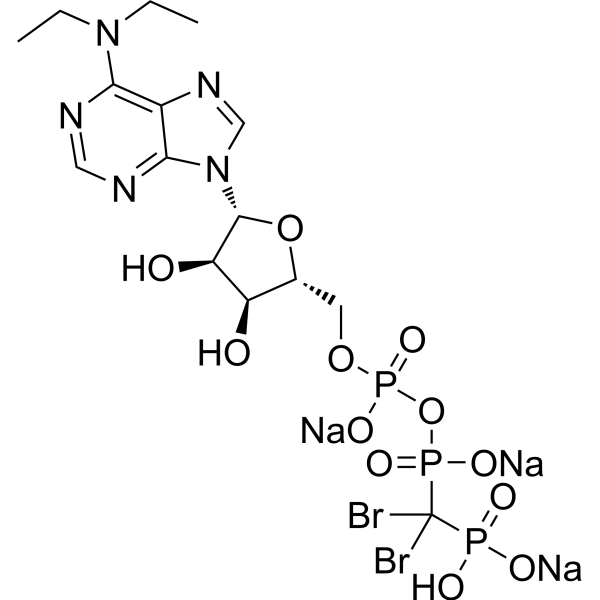
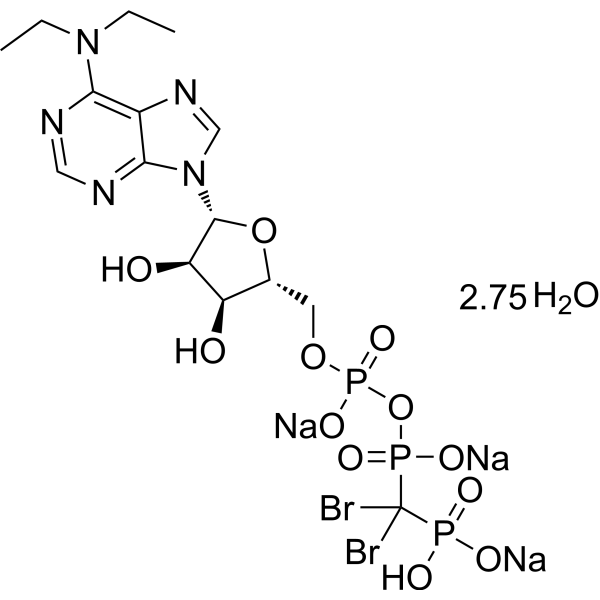
ARL67156 (FPL 67156) trisodium is a selective small molecular inhibitor, targeting to ecto-ATPase, CD39, and CD73. ARL67156 trisodium is also a competitive inhibitor of NTPDase1 (CD39), NTPDase3 and NPP1, with Kis of 11, 18 and 12?μM, respectively. ARL67156 trisodium can be used in the research of calcific aortic valve disease, asthma .
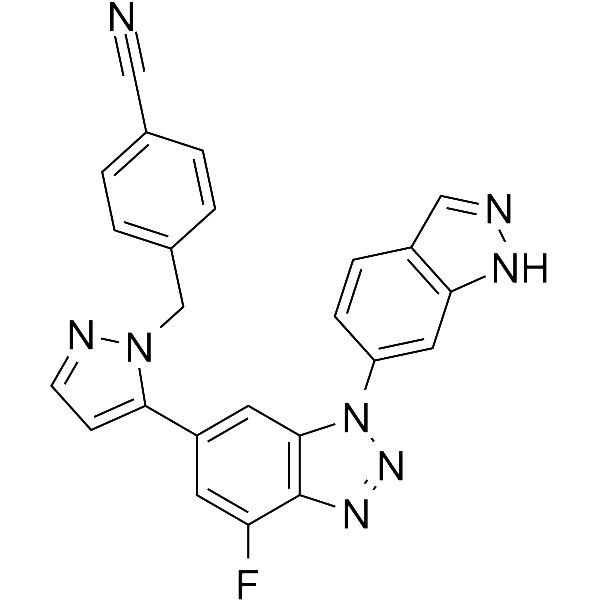
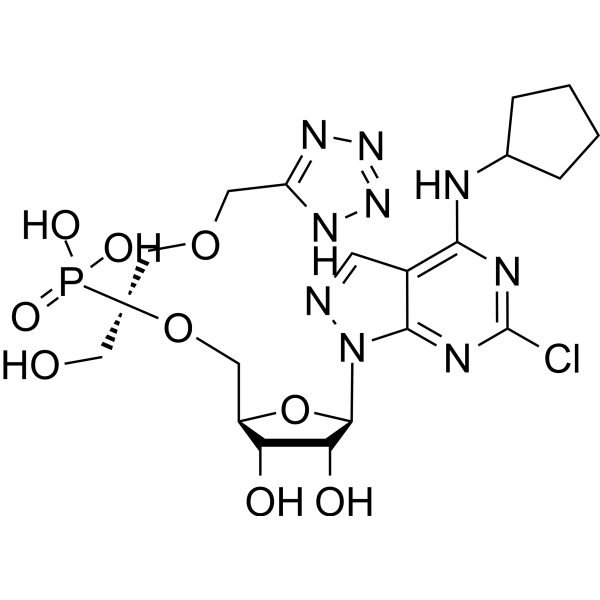
CD73-IN-3 is a potent CD73 inhibitor (IC50=7.3 nM in Calu6 human cell assay). CD73-IN-3, example 2 extracted from patent WO2019168744 A1, has the potential for cancer research .
Uliledlimab is a potent against CD73 humanizedized monoclonal antibody. Uliledlimab inhibits the conversion of extracellular adenosine monophosphate (AMP) to adenosine. Uliledlimab can be used in research of cancer .
Anti-Mouse CD73 Antibody (TY/23) is a rat-derived IgG2a κ type antibody inhibitor, targeting to mouse CD73. Anti-Mouse CD73 Antibody (TY/23) can neutralize CD73. Anti-Mouse CD73 Antibody (TY/23) can be used for the researches of cancer, infection and immunology, such as B16F10 tumor and murine cytomegalovirus infection .
Oleclumab (MEDI9447) is a human IgG1λ monoclonal antibody targeting CD73 and inhibits the exonuclease activity of the extracellular enzyme CD73. Oleclumab can adjust the composition of bone marrow and lymphoid infiltrating leukocyte populations in the tumor microenvironment and has anti-tumor activity .
5′-Nucleotidase, Microorganism (CD73) is an intrinsic membrane glycoprotein present as an ectoenzyme. 5′-Nucleotidase catalyzes hydrolysis of 5-nucleotides to their corresponding nucleosides .
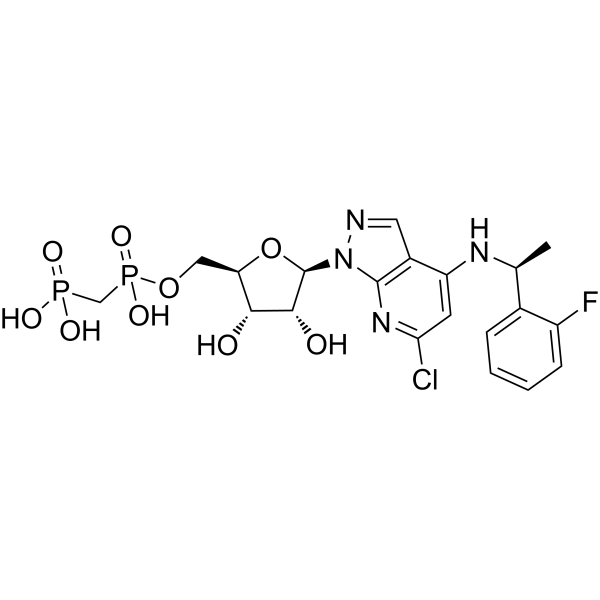
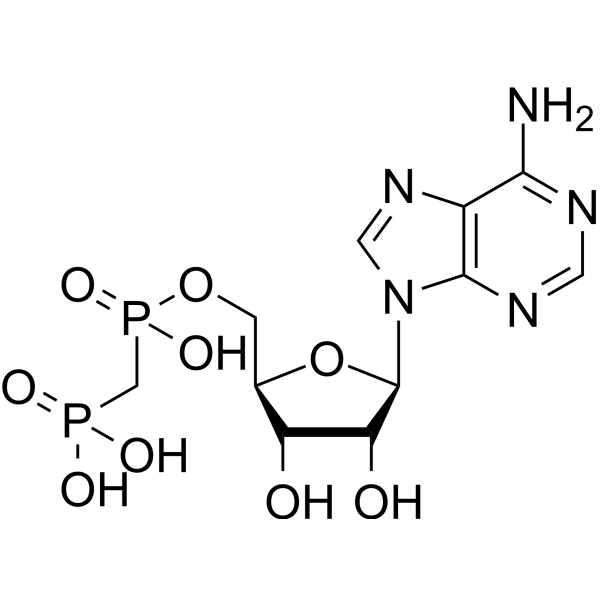
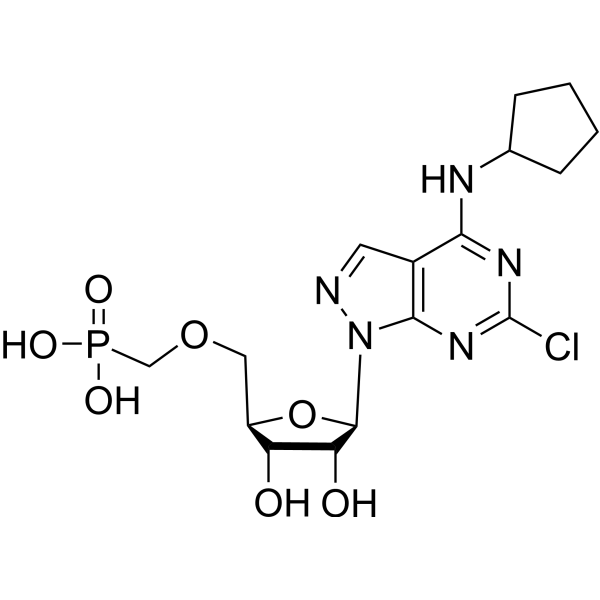
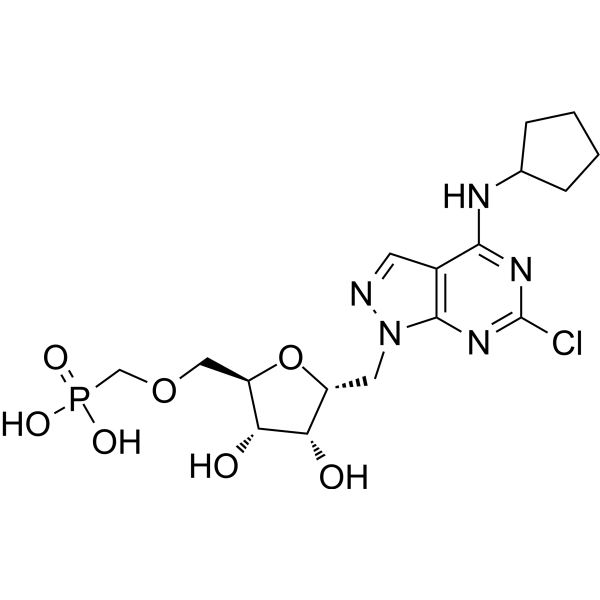
CD73-IN-4 is a potent and selective methylenephosphonic acid CD73 inhibitor, with an IC50 of 2.6 nM for human CD73. CD73-IN-4 is potential for the research of cancer immunology .
ORIC-533 is an orally active, highly selective, AMP-competitive CD73 inhibitor that potently blocks adenosine production with sub-nanomolar affinity (Ka=0.03 nM). In multiple myeloma, ORIC-533 restores and enhances the cytotoxicity of the immune system against tumor cells through multiple immunological mechanisms, including reversing the immunosuppressive microenvironment, inducing immunogenic cell death, and activating dendritic cells, T cells and NK cells, with no direct toxicity to normal cells. The combination of ORIC-533 with Daratumumab (HY-P9915) synergistically enhances anti-tumor efficacy, significantly increases intratumoral CD8 + T cell infiltration and inhibits tumor growth in vivo .
8-BuS-AMP is a NTPDase1 inhibitor and a CD73/CD39 inhibitor, with an IC50 of 35 μM and a Ki value of 0.292 μM against human NTPDase1; its Ki values against human CD73 and CD39 are 1.19 μM and 0.847 μM, respectively. 8-BuS-AMP binds to the substrate-binding pockets of NTPDase1 and CD73 to effectively block the conversion of ATP and AMP to adenosine, thereby enhancing the activation and proliferation of human peripheral T lymphocytes. 8-BuS-AMP possesses excellent enzymatic hydrolysis resistance and metabolic stability, resists hydrolysis by multiple NTPDase subtypes, and shows no activity against P2Y1 and P2Y12 receptors. 8-BuS-AMP can be used in purinergic signaling pathway and cancer-related studies .
ARL67156 (FPL 67156) trisodium hydrate is a selective small is a selective samll molecular inhibitor, targeting to ecto-ATPase, CD39, and CD73. ARL67156 trisodium hydrate is also a competitive inhibitor of NTPDase1 (CD39), NTPDase3 and NPP1, with Kis of 11, 18 and 12 μM, respectively. ARL67156 trisodium hydrate can be used in the research of disease like calcific aortic valve disease, asthma .
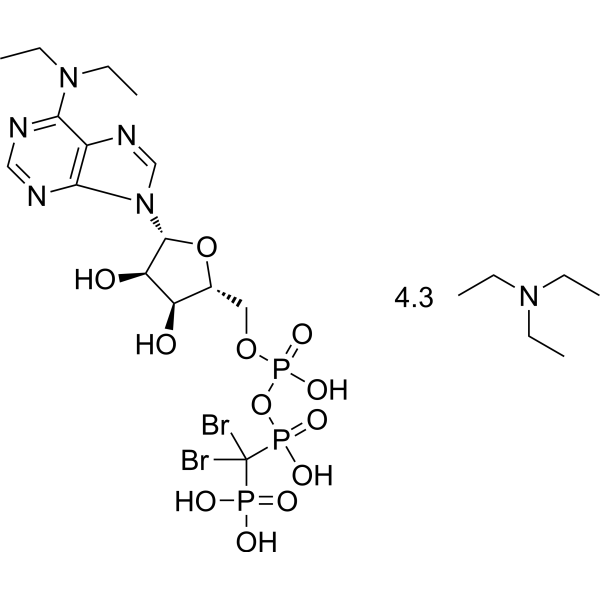
ARL67156 (FPL 67156) triethylamine is a selective small is a selective samll molecular inhibitor, targeting to ecto-ATPase, CD39, and CD73. ARL67156 triethylamine is also a competitive inhibitor of NTPDase1 (CD39), NTPDase3 and NPP1, with Kis of 11, 18 and 12 μM, respectively. ARL67156 triethylamine can be used in the research of disease like calcific aortic valve disease, asthma .
IPH5301 is a human IgG1 monoclonal antibody (mAb) targeting NT5E/CD73. IPH5301 has a functionally silent Fc domain, specifically inhibits soluble and membrane CD73 enzyme activity, and restores the proliferation of immune T cells. IPH5301 can be used in anti-tumor immunity research. Recommended isotype control: Human IgG1 kappa, Isotype Control (HY-P99001) .
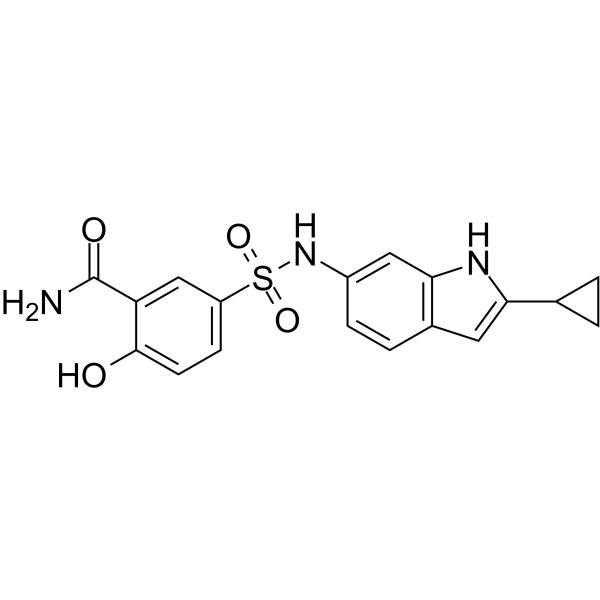
CD73-IN-20 (Compound 5c) is an e5′NT (CD73) inhibitor (IC50: 0.37 μM). CD73-IN-20 also inhibits other ectonucleotidases, with IC50s of 1.12 μM (h-ENPP1), 1.37 μM (h-ENPP3), 1.66 μM (r-e5′NT), 1.48 μM (h-TNAP), respectively. CD73-IN-20 can be used for cancer research .
CD73-IN-9 (compound 2) is a potent inhibitor of CD73. CD73 can catalyze the production of adenosine from extracellular 5'-phosphate adenosine (5'-AMP), and adenosine can induce immunosuppressive effects and promote tumor proliferation and/or metastasis. CD73-IN-9 can be used for the study of tumor-related diseases .
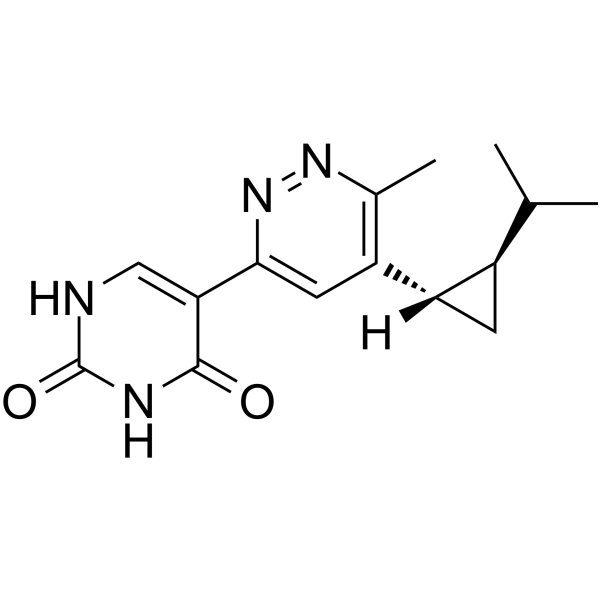
OP-5244 is a potent and orally active inhibitor of CD73, with an IC50 of 0.25 nM. OP-5244 reverses immunosuppression through blocking of adenosine production, and has the potential for the cancer research .
XC-12 is an orally active and potent small-molecule CD73 inhibitor (an immune checkpoint) with IC50 values of 12.36 nM and 1.29 nM against soluble and membrane-bound CD73 forms, respectively. XC-12 is promising for research of cancers .
CD73-IN-13 (compound 7) is a potent inhibitor of CD73. CD73 is closely associated with tumor growth, angiogenesis and metastasis. CD73-IN-13 can be used for the study of tumor-related diseases .
CD73-IN-12 (compound 9) is a potent inhibitor of CD73. CD73 is closely associated with tumor growth, angiogenesis and metastasis. CD73-IN-12 can be used for the study of tumor-related diseases . CD73-IN-12 is a click chemistry reagent, it contains an Alkyne group and can undergo copper-catalyzed azide-alkyne cycloaddition (CuAAc) with molecules containing Azide groups.
CD73-IN-11 (compound 24) is a potent inhibitor of CD73. CD73 can catalyze the production of adenosine from extracellular 5'-phosphate adenosine (5'-AMP), and adenosine can induce immunosuppressive effects and promote tumor proliferation and/or metastasis. CD73-IN-11 can be used for the study of tumor-related diseases .
CD73-IN-10 (compound 4) is a potent inhibitor of CD73. CD73 can catalyze the production of adenosine from extracellular 5'-phosphate adenosine (5'-AMP), and adenosine can induce immunosuppressive effects and promote tumor proliferation and/or metastasis. CD73-IN-10 can be used for the study of tumor-related diseases .
CD73-IN-7 (compound 13) is a potent inhibitor of CD73. CD73 can catalyze the production of adenosine from extracellular 5'-phosphate adenosine (5'-AMP), and adenosine can induce immunosuppressive effects and promote tumor proliferation and/or metastasis. CD73-IN-7 can be used for the study of tumor-related diseases .
CD73-IN-8 (compound 57) is a potent inhibitor of CD73. CD73 can catalyze the production of adenosine from extracellular 5'-phosphate adenosine (5'-AMP), and adenosine can induce immunosuppressive effects and promote tumor proliferation and/or metastasis. CD73-IN-8 can be used for the study of tumor-related diseases .
CD73-IN-21 (Compound 12f) is an Ecto-5′-nucleotidase (CD73) inhibitor with Kis of 20 and 302 nM for hCD73 and mCD73, respectively. CD73-IN-21 can be used for cancers like breast cancer research .
BMS-986179 is a human monoclonal antibody (mAb) targeting NT5E/CD73. BMS-986179 inhibits CD73 enzymatic activity in tumor vasculature and tumor cells. BMS-986179 can be used in advanced solid tumors research .
ST80 is an inhibitor for interaction of OTUD4 and CD73. ST80 decreases CD73 protein level, increases CD73 protein turnover, reduces immune evasion of tumor cells, and thus exhibits antitumor efficacy against immunosuppressive triple-negative breast cancer (TNBC) .
CD73-IN-19 (Compound 4ab) is a CD73 inhibitor (with a 44% inhibition rate of CD73 enzymatic activity at 100 μM). CD73-IN-19 (at 10 μM and 100 μM) can completely antagonize the blockade of T cell proliferation induced by TCR (T cell receptor) triggering (which is induced by CD73 activity), and it can also inhibit the hA2A receptor activity in HEK-293 cells (Ki is 3.31 μM). CD73-IN-19 holds promise for research in the field of immune diseases .
S095024 is a humanized IgG1 monoclonal antibody inhibitor targeting CD73. S095024 can be used to study acute respiratory distress syndrome (ARDS), non-small cell lung cancer (NSCLC) and advanced solid tumor malignancies .
IBI-325 is a humanized monoclonal antibody inhibitor targeting CD73. IBI-325 completely inhibits CD73 enzymatic activity without hook effect. IBI-325 reverses Adenosine monophosphate (HY-A0181)-mediated immune suppression and significantly inhibits T cell proliferation and cytokines (IL-2, IFN-γ and TNF-α) release. IBI-325 has potent antitumor activities in hPBMC-reconstituted mice model and hCD73 knock-in mice model. IBI-325 can be used for cancer immunotherapy research .
D73-IN-14 is a potent, selective and orally active CD73 inhibitor with an IC50 value of 0.17 nM. CD73-IN-14 increases the number of tumor-infiltrating CD8 + cells and shows anti-tumor activity . CD73-IN-14 is a click chemistry reagent, it contains an Alkyne group and can undergo copper-catalyzed azide-alkyne cycloaddition (CuAAc) with molecules containing Azide groups.
GMPCP (GpCp) trisodium (Compound 7 trisodium) is a guanosine derivative is a CD73 inhibitor, with Kis of 1110 nM (rat soluble CD73) and 410 nM (human soluble CD73) respectively. GMPCP (GpCp) trisodium can be used for research of cancer .
PD-L1/CD-73-IN-1 (compound CC-5) is PD-L1/CD73 inhibitor with IC50 values of 6 nM and 0.773 μM to PD-L1 and CD73, respectively. PD-L1/CD-73-IN-1 inhibits tumor cell growth in vivo and in vitro .
JAB-BX102 is a human monoclonal antibody (mAb) targeting NT5E/CD73. JAB-BX102 can be used in the study of cancers such as breast cancer, pancreatic cancer, and prostate cancer .
AB-680 ammonium is a highly potent, reversible and selective inhibitor of CD73 (an ecto-nucleotidase), with a Ki of 4.9 pM for hCD73, displays >10,000-fold selectivity over related ecto-nucleotidases CD39. Anti-tumor activity .
PSB-24000 (Compound 27) is a selective ecto-5'-nucleotidase (CD73) inhibitor with a Ki value of 563 nM against human CD73 (Ki= 481 nM at membrane-bound CD73 in triple-negative breast cancer cells). PSB-24000 interferes with CD73's recognition and action on the substrate AMP, and prevents the generation of immunosuppressive and cancer-promoting adenosine from AMP. PSB-24000 is promising for research of cancers .
BK50164 is a potent CD73 inhibitor with an IC50 value of 13.089 μM. BK50164 binds to CD99 with a KD value of 1.5 μM. BK50164 shows antiproliferative activity. BK50164 induced Apoptosis and cell cycle arrest at Sub-G1 phase .
2,4-Dinitrobenzenesulfonic acid (Compound 3) is a ecto-5'-Nucleotidase(CD73) inhibitor with a Ki value of 63 μM for human and 144 μM for rat. 2,4-Dinitrobenzenesulfonic acid can inhibit the hydrolysis of adenosine monophosphate (AMP) to generate adenosine. 2,4-Dinitrobenzenesulfonic acid can be used for the research of cancer .
COPCP trisodium (Compound 7a) is a potent and selective ecto-5'-nucleotidase CD73 inhibitor. COPCP trisodium blocks CD73-mediated adenosine production, reducing the inhibitory effect of adenosine on immune cells. COPCP trisodium is promising for research of cancers .
CD73-IN-22 (Compound HX-6) is a non-nucleoside CD73 inhibitor with an IC50 of 0.07 μM. When radiolabeled with 68Ga, CD73-IN-22 acts as a PET radiotracer for detecting CD73 expression. When radiolabeled with 177Lu, CD73-IN-22 exhibits anticancer activity against colorectal adenocarcinoma. CD73-IN-22 is applicable to research related to colon adenocarcinoma and breast cancer .
OP-5244 sodium is a potent and orally active inhibitor of CD73, with an IC50 of 0.25 nM. OP-5244 sodium reverses immunosuppression through blocking of adenosine production, and has the potential for the cancer research .
CD73/NTPDase1-IN-1 is a dual NTPDase1 and CD73 inhibitor, with IC50 values of 2.20 μM and 1.70 μM against human targets, respectively. CD73/NTPDase1-IN-1 can be used in the research of diseases such as inflammation, immunity and tumors .
CD73-IN-1 (Standard) is the analytical standard of CD73-IN-1 (HY-103695). This product is intended for research and analytical applications. CD73-IN-1 is an inhibitor of CD73 which can be used in the treatment of cancer extracted from patent WO 2017153952 A1, example 80.
PSB-0963 is a selective and competitive ecto-5'-nucleotidase (eN/CD73) inhibitor with a Ki of 150 nM for rat ecto-5'-nucleotidase. PSB-0963 shows high selectivity over other ectonucleotidases (NTPDases 1-3) and P2Y receptors. PSB-0963 can be used for the study of cancer .
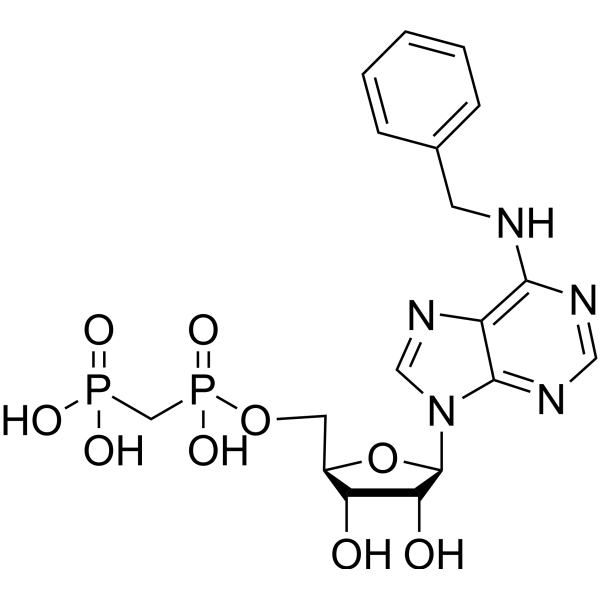
MethADP (Adenosine 5'-(α,β-methylene)diphosphate) trisodium is a CD73 inhibitor. MethADP trisodium can be used for the research of ATP-adenosine pathway .
ZM514 is a potent CD73 inhibitor with IC50s of 1.39 μM and 14.65 μM for hCD73 and mCD73, respectively. ZM514 has low cytotoxicity. ZM514 can be used for researching anticancer .
PF-1010 is a CD73 inhibitor with an IC50 ranging from 101 to 1000 nM. PF-1010 blocks the interaction between CD73 protein and its substrate, and inhibits the enzymatic activity of CD73. PF-1010 is applicable to the research of cancer, infectious diseases, autoimmune diseases and neurodegenerative diseases .
ZM522 is a CD73 inhibitor with an IC50 value of 0.56 μM. ZM522 effectively increases the levels of interferon-γ (INF-γ) and enhances immune activity by regulating the activation status of T cells. ZM522 holds promise for research in the fields of immunology and cancer therapy .
HBM1007 is a fully human monoclonal antibody targeting CD73. HBM1007 is an extracellular enzyme expressed on the surface of stromal cells and tumor cells, capable of converting extracellular adenosine monophosphate (AMP) into adenosine, and recognizing CD73 via a unique antigenic epitope. HBM1007 inhibits both CD73-dependent and CD73-independent enzyme activities.
Enpp-1/3-IN-1 (Compound 5j) is an ENPP1/ENPP3 inhibitor, with IC50s of 0.59 μM (h-ENPP1) and 0.62 μM (h-ENPP3) respectively. Enpp-1/3-IN-1 also inhibits e5′NT (CD73) and TNAP with IC50s of 0.89 μM (h-e5′NT), 5.12 μM (r-e5′NT) and 1.68 μM (h-TNAP), respectively. Enpp-1/3-IN-1 can be used for cancer research .
Nt5e Rat Pre-designed siRNA Set A contains three designed siRNAs for Nt5e gene (Rat), as well as a negative control, a positive control, and a FAM-labeled negative control.
PSB-12379 (Standard) is the analytical standard of PSB-12379 (HY-100747). This product is intended for research and analytical applications. PSB-12379, a nucleotide analogue, is a potent Ecto-5'-Nucleotidase (CD73) inhibitor with Kis of 9.03 nM (rat) and 2.21 nM (human) .
Nt5e Mouse Pre-designed siRNA Set A contains three designed siRNAs for Nt5e gene (Mouse), as well as a negative control, a positive control, and a FAM-labeled negative control.
NT5E Human Pre-designed siRNA Set A contains three designed siRNAs for NT5E gene (Human), as well as a negative control, a positive control, and a FAM-labeled negative control.
PSB-24379 is a CD39 inhibitor that potently inhibits human membrane-bound CD39 (Ki = 77.4 nM) and truncated soluble human CD39 (Ki = 23.1 nM). PSB-24379 reduces the level of ATP hydrolysis in melanoma and breast cancer cell membranes. PSB-24379 partially reverses ATP-mediated suppression of T cell activation and proliferation in a high-ATP environment. PSB-24379 can be used in research related to melanoma and breast cancer .
Uliledlimab is a potent against CD73 humanizedized monoclonal antibody. Uliledlimab inhibits the conversion of extracellular adenosine monophosphate (AMP) to adenosine. Uliledlimab can be used in research of cancer .
Anti-Mouse CD73 Antibody (TY/23) is a rat-derived IgG2a κ type antibody inhibitor, targeting to mouse CD73. Anti-Mouse CD73 Antibody (TY/23) can neutralize CD73. Anti-Mouse CD73 Antibody (TY/23) can be used for the researches of cancer, infection and immunology, such as B16F10 tumor and murine cytomegalovirus infection .
Oleclumab (MEDI9447) is a human IgG1λ monoclonal antibody targeting CD73 and inhibits the exonuclease activity of the extracellular enzyme CD73. Oleclumab can adjust the composition of bone marrow and lymphoid infiltrating leukocyte populations in the tumor microenvironment and has anti-tumor activity .
IPH5301 is a human IgG1 monoclonal antibody (mAb) targeting NT5E/CD73. IPH5301 has a functionally silent Fc domain, specifically inhibits soluble and membrane CD73 enzyme activity, and restores the proliferation of immune T cells. IPH5301 can be used in anti-tumor immunity research. Recommended isotype control: Human IgG1 kappa, Isotype Control (HY-P99001) .
BMS-986179 is a human monoclonal antibody (mAb) targeting NT5E/CD73. BMS-986179 inhibits CD73 enzymatic activity in tumor vasculature and tumor cells. BMS-986179 can be used in advanced solid tumors research .
S095024 is a humanized IgG1 monoclonal antibody inhibitor targeting CD73. S095024 can be used to study acute respiratory distress syndrome (ARDS), non-small cell lung cancer (NSCLC) and advanced solid tumor malignancies .
IBI-325 is a humanized monoclonal antibody inhibitor targeting CD73. IBI-325 completely inhibits CD73 enzymatic activity without hook effect. IBI-325 reverses Adenosine monophosphate (HY-A0181)-mediated immune suppression and significantly inhibits T cell proliferation and cytokines (IL-2, IFN-γ and TNF-α) release. IBI-325 has potent antitumor activities in hPBMC-reconstituted mice model and hCD73 knock-in mice model. IBI-325 can be used for cancer immunotherapy research .
JAB-BX102 is a human monoclonal antibody (mAb) targeting NT5E/CD73. JAB-BX102 can be used in the study of cancers such as breast cancer, pancreatic cancer, and prostate cancer .
HBM1007 is a fully human monoclonal antibody targeting CD73. HBM1007 is an extracellular enzyme expressed on the surface of stromal cells and tumor cells, capable of converting extracellular adenosine monophosphate (AMP) into adenosine, and recognizing CD73 via a unique antigenic epitope. HBM1007 inhibits both CD73-dependent and CD73-independent enzyme activities.
CD73/5'-Nucleotidase Protein hydrolyzes nucleotide monophosphates, favoring AMP as the primary substrate and showing a preference for ribonucleotide monophosphates. It releases inorganic phosphate and the corresponding nucleoside. CD73 also acts on other substrates, including IMP, UMP, GMP, CMP, dAMP, dCMP, dTMP, NAD, and NMN. CD73/5'-Nucleotidase Protein, Rabbit (HEK293, His) is the recombinant Rabbit-derived CD73/5'-Nucleotidase protein, expressed by HEK293 , with C-His labeled tag. The total length of CD73/5'-Nucleotidase Protein, Rabbit (HEK293, His) is 524 a.a., with molecular weight of 60-65 kDa.
CD73/5'-Nucleotidase Protein hydrolyzes nucleotide monophosphates, favoring AMP as the primary substrate and showing a preference for ribonucleotide monophosphates. It releases inorganic phosphate and the corresponding nucleoside. CD73 also acts on other substrates, including IMP, UMP, GMP, CMP, dAMP, dCMP, dTMP, NAD, and NMN. CD73/5'-Nucleotidase Protein, Canine (HEK293, His) is the recombinant canine-derived CD73/5'-Nucleotidase protein, expressed by HEK293 , with C-His labeled tag. The total length of CD73/5'-Nucleotidase Protein, Canine (HEK293, His) is 523 a.a., with molecular weight of ~65 kDa.
CD73/5'-Nucleotidase Protein Protein, Mouse (HEK293, His) is a recombinant mouse CD73 expressed by HEK293 cells with His tag. CD73 is a cell surface enzyme that catalyzes the dephosphorylation of extracellular AMP to adenosine.
CD73/5'-Nucleotidase Protein, Rat (HEK293, His) is a 70-90 kDa rat CD73 protein with His-flag expressed by HEK293. Rat CD73 is a cell membrane protein that catalyzes the conversion of purine and pyrimidine ribo- and deoxyribonucleoside monophosphates to the corresponding nucleosides.
CD73/5'-Nucleotidase Protein, Cynomolgus (HEK 293, His) is a CD73 protein with a His-flag. CD73/5'-Nucleotidase Protein a zinc-dependent, 70 kDa homodimeric enzyme that binds to the cell membrane through a glycosyl phophatidylinositol (GPI) anchor.
CD73/5'-Nucleotidase Protein hydrolyzes nucleotide monophosphates, favoring AMP as the primary substrate and showing a preference for ribonucleotide monophosphates. It releases inorganic phosphate and the corresponding nucleoside. CD73 also acts on other substrates, including IMP, UMP, GMP, CMP, dAMP, dCMP, dTMP, NAD, and NMN. CD73/5'-Nucleotidase Protein, Human (HEK293, mFc) is the recombinant human-derived CD73/5'-Nucleotidase protein, expressed by HEK293, with C-mFc labeled tag.
CD73/5'-Nucleotidase Protein hydrolyzes nucleotide monophosphates, favoring AMP as the primary substrate and showing a preference for ribonucleotide monophosphates. It releases inorganic phosphate and the corresponding nucleoside. CD73 also acts on other substrates, including IMP, UMP, GMP, CMP, dAMP, dCMP, dTMP, NAD, and NMN. CD73/5'-Nucleotidase Protein, Human (HEK293, His) is the recombinant human-derived CD73/5'-Nucleotidase protein, expressed by HEK293 , with C-6*His labeled tag.
CD73/5'-Nucleotidase Protein hydrolyzes nucleotide monophosphates, favoring AMP as the primary substrate and showing a preference for ribonucleotide monophosphates. It releases inorganic phosphate and the corresponding nucleoside. CD73 also acts on other substrates, including IMP, UMP, GMP, CMP, dAMP, dCMP, dTMP, NAD, and NMN. CD73/5'-Nucleotidase Protein, Human (Biotinylated, HEK293, His) is the recombinant human-derived CD73/5'-Nucleotidase protein, expressed by HEK293 , with C-His labeled tag.
CD73/5'-Nucleotidase Protein hydrolyzes nucleotide monophosphates, favoring AMP as the primary substrate and showing a preference for ribonucleotide monophosphates. It releases inorganic phosphate and the corresponding nucleoside. CD73 also acts on other substrates, including IMP, UMP, GMP, CMP, dAMP, dCMP, dTMP, NAD, and NMN. CD73/5'-Nucleotidase Protein, Human (T376A, HEK293, Fc) is the recombinant human-derived CD73/5'-Nucleotidase protein, expressed by HEK293 , with C-hFc labeled tag.
CD73/5'-Nucleotidase Protein hydrolyzes nucleotide monophosphates, favoring AMP as the primary substrate and showing a preference for ribonucleotide monophosphates. It releases inorganic phosphate and the corresponding nucleoside. CD73 also acts on other substrates, including IMP, UMP, GMP, CMP, dAMP, dCMP, dTMP, NAD, and NMN. CD73/5'-Nucleotidase Protein, Human (T376A, M379T, HEK293, His) is the recombinant human-derived CD73/5'-Nucleotidase protein, expressed by HEK293 , with C-6*His labeled tag.
D73-IN-14 is a potent, selective and orally active CD73 inhibitor with an IC50 value of 0.17 nM. CD73-IN-14 increases the number of tumor-infiltrating CD8 + cells and shows anti-tumor activity . CD73-IN-14 is a click chemistry reagent, it contains an Alkyne group and can undergo copper-catalyzed azide-alkyne cycloaddition (CuAAc) with molecules containing Azide groups.
Nt5e Rat Pre-designed siRNA Set A contains three designed siRNAs for Nt5e gene (Rat), as well as a negative control, a positive control, and a FAM-labeled negative control.
Nt5e Mouse Pre-designed siRNA Set A contains three designed siRNAs for Nt5e gene (Mouse), as well as a negative control, a positive control, and a FAM-labeled negative control.
NT5E Human Pre-designed siRNA Set A contains three designed siRNAs for NT5E gene (Human), as well as a negative control, a positive control, and a FAM-labeled negative control.
Inquiry Online
Your information is safe with us. * Required Fields.
Western blot analysis of extracts from THP-1(lane 2(20μg), Jurkat (lane 3(20μg) and NIH3T3(lane 4(20μg) using FOXO1A (HY-P80132) Rabbit mAb. Proteins were transferred
to a PVDF membrane and blocked with 5% non-fat milk in TBST for 2 hour at room temperature. The primary antibody (1/1000) and Loading control antibody (Beta Actin, HY-P80438, 1/10000) was
used in 5% non-fat milk in TBST at 4°C overnight. Goat Anti-Mouse/Rabbit IgG-HRP Secondary Antibody (1/10000) was used for 1 hour at room temperature.
Western blot analysis of extracts from THP-1(lane 2(20μg), Jurkat (lane 3(20μg) and NIH3T3(lane 4(20μg) using FOXO1A (HY-P80132) Rabbit mAb. Proteins were transferred
to a PVDF membrane and blocked with 5% non-fat milk in TBST for 2 hour at room temperature. The primary antibody (1/1000) and Loading control antibody (Beta Actin, HY-P80438, 1/10000) was
used in 5% non-fat milk in TBST at 4°C overnight. Goat Anti-Mouse/Rabbit IgG-HRP Secondary Antibody (1/10000) was used for 1 hour at room temperature.
Western blot analysis of extracts from THP-1(lane 2(20μg), Jurkat (lane 3(20μg) and NIH3T3(lane 4(20μg) using FOXO1A (HY-P80132) Rabbit mAb. Proteins were transferred
to a PVDF membrane and blocked with 5% non-fat milk in TBST for 2 hour at room temperature. The primary antibody (1/1000) and Loading control antibody (Beta Actin, HY-P80438, 1/10000) was
used in 5% non-fat milk in TBST at 4°C overnight. Goat Anti-Mouse/Rabbit IgG-HRP Secondary Antibody (1/10000) was used for 1 hour at room temperature.
Western blot analysis of extracts from THP-1(lane 2(20μg), Jurkat (lane 3(20μg) and NIH3T3(lane 4(20μg) using FOXO1A (HY-P80132) Rabbit mAb. Proteins were transferred
to a PVDF membrane and blocked with 5% non-fat milk in TBST for 2 hour at room temperature. The primary antibody (1/1000) and Loading control antibody (Beta Actin, HY-P80438, 1/10000) was
MedchemExpress Validation 03
Western blot analysis of extracts from THP-1(lane 2(20μg), Jurkat (lane 3(20μg) and NIH3T3(lane 4(20μg) using FOXO1A (HY-P80132) Rabbit mAb. Proteins were transferred
MedchemExpress Validation 04
Western blot analysis of extracts from THP-1(lane 2(20μg), Jurkat (lane 3(20μg) and NIH3T3(lane 4(20μg) using FOXO1A (HY-P80132) Rabbit mAb. Proteins were transferred
to a PVDF membrane and blocked with 5% non-fat milk in TBST for 2 hour at room temperature. The primary antibody (1/1000) and Loading control antibody (Beta Actin, HY-P80438, 1/10000) was
used in 5% non-fat milk in TBST at 4°C overnight. Goat Anti-Mouse/Rabbit IgG-HRP Secondary Antibody (1/10000) was used for 1 hour at room temperature.
MedchemExpress Validation
Western blot analysis of extracts from THP-1(lane 2(20μg), Jurkat (lane 3(20μg) and NIH3T3(lane 4(20μg) using FOXO1A (HY-P80132) Rabbit mAb. Proteins were transferred
to a PVDF membrane and blocked with 5% non-fat milk in TBST for 2 hour at room temperature. The primary antibody (1/1000) and Loading control antibody (Beta Actin, HY-P80438, 1/10000) was
used in 5% non-fat milk in TBST at 4°C overnight. Goat Anti-Mouse/Rabbit IgG-HRP Secondary Antibody (1/10000) was used for 1 hour at room temperature.
Western blot analysis of extracts from THP-1(lane 2(20μg), Jurkat (lane 3(20μg) and NIH3T3(lane 4(20μg) using FOXO1A (HY-P80132) Rabbit mAb. Proteins were transferred
to a PVDF membrane and blocked with 5% non-fat milk in TBST for 2 hour at room temperature. The primary antibody (1/1000) and Loading control antibody (Beta Actin, HY-P80438, 1/10000) was
used in 5% non-fat milk in TBST at 4°C overnight. Goat Anti-Mouse/Rabbit IgG-HRP Secondary Antibody (1/10000) was used for 1 hour at room temperature.
MedchemExpress Validation
Western blot analysis of extracts from THP-1(lane 2(20μg), Jurkat (lane 3(20μg) and NIH3T3(lane 4(20μg) using FOXO1A (HY-P80132) Rabbit mAb. Proteins were transferred
to a PVDF membrane and blocked with 5% non-fat milk in TBST for 2 hour at room temperature. The primary antibody (1/1000) and Loading control antibody (Beta Actin, HY-P80438, 1/10000) was
used in 5% non-fat milk in TBST at 4°C overnight. Goat Anti-Mouse/Rabbit IgG-HRP Secondary Antibody (1/10000) was used for 1 hour at room temperature.
MedchemExpress Validation
Western blot analysis of extracts from THP-1(lane 2(20μg), Jurkat (lane 3(20μg) and NIH3T3(lane 4(20μg) using FOXO1A (HY-P80132) Rabbit mAb. Proteins were transferred
to a PVDF membrane and blocked with 5% non-fat milk in TBST for 2 hour at room temperature. The primary antibody (1/1000) and Loading control antibody (Beta Actin, HY-P80438, 1/10000) was
used in 5% non-fat milk in TBST at 4°C overnight. Goat Anti-Mouse/Rabbit IgG-HRP Secondary Antibody (1/10000) was used for 1 hour at room temperature.
MedchemExpress Validation
Western blot analysis of extracts from THP-1(lane 2(20μg), Jurkat (lane 3(20μg) and NIH3T3(lane 4(20μg) using FOXO1A (HY-P80132) Rabbit mAb. Proteins were transferred
to a PVDF membrane and blocked with 5% non-fat milk in TBST for 2 hour at room temperature. The primary antibody (1/1000) and Loading control antibody (Beta Actin, HY-P80438, 1/10000) was
used in 5% non-fat milk in TBST at 4°C overnight. Goat Anti-Mouse/Rabbit IgG-HRP Secondary Antibody (1/10000) was used for 1 hour at room temperature.
MedchemExpress Validation
Western blot analysis of extracts from THP-1(lane 2(20μg), Jurkat (lane 3(20μg) and NIH3T3(lane 4(20μg) using FOXO1A (HY-P80132) Rabbit mAb. Proteins were transferred
to a PVDF membrane and blocked with 5% non-fat milk in TBST for 2 hour at room temperature. The primary antibody (1/1000) and Loading control antibody (Beta Actin, HY-P80438, 1/10000) was
used in 5% non-fat milk in TBST at 4°C overnight. Goat Anti-Mouse/Rabbit IgG-HRP Secondary Antibody (1/10000) was used for 1 hour at room temperature.
MedchemExpress Validation
Western blot analysis of extracts from THP-1(lane 2(20μg), Jurkat (lane 3(20μg) and NIH3T3(lane 4(20μg) using FOXO1A (HY-P80132) Rabbit mAb. Proteins were transferred
to a PVDF membrane and blocked with 5% non-fat milk in TBST for 2 hour at room temperature. The primary antibody (1/1000) and Loading control antibody (Beta Actin, HY-P80438, 1/10000) was
used in 5% non-fat milk in TBST at 4°C overnight. Goat Anti-Mouse/Rabbit IgG-HRP Secondary Antibody (1/10000) was used for 1 hour at room temperature.
MedchemExpress Validation
Western blot analysis of extracts from THP-1(lane 2(20μg), Jurkat (lane 3(20μg) and NIH3T3(lane 4(20μg) using FOXO1A (HY-P80132) Rabbit mAb. Proteins were transferred
to a PVDF membrane and blocked with 5% non-fat milk in TBST for 2 hour at room temperature. The primary antibody (1/1000) and Loading control antibody (Beta Actin, HY-P80438, 1/10000) was
used in 5% non-fat milk in TBST at 4°C overnight. Goat Anti-Mouse/Rabbit IgG-HRP Secondary Antibody (1/10000) was used for 1 hour at room temperature.
MedChemExpress values your privacy and your trust is important to us. We use cookies to enhance your website experience. Some cookies are necessary to run the website.
Privacy and Cookie Policy

