1. Search Result
Search Result
Isoforms Recommended: CYP1
Results for "

CYP1B1

" in MedChemExpress (MCE) Product Catalog:

43

Inhibitors & Agonists

1

Fluorescent Dye

3

Natural
Products

2

Isotope-Labeled Compounds

1

Antibodies

3

Oligonucleotides

Cat. No. Product Name Target Research Areas Chemical Structure
  • HY-B1234

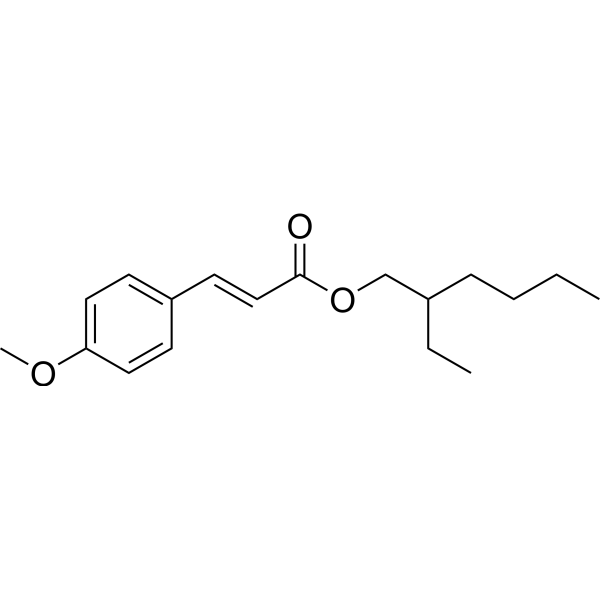
    Octyl methoxycinnamate

    Environmental Pollutants Estrogen Receptor/ERR Androgen Receptor Cytochrome P450 Thyroid Hormone Receptor Metabolic Disease Endocrinology
    Octinoxate (Octyl methoxycinnamate) is a thyroid hormone receptor agonist, reducing the levels of triiodothyronine (T3) and thyroxine (T4) and transcription levels of genes related to type II deiodinase (deio2) in Japanese Medaka. Octinoxate is commonly used as a safe ultraviolet (UV) filter used in the aquatic environment. Octinoxate inhibits CYP1A1 and CYP1B1 to regulate hyaluronan (HA) (HY-B0633A) metabolism in a PI3K pathway-dependent manner in human keratinocytes. Octinoxate also exhibits an anti-estrogenic and anti-androgenic effect in vitro and in vivo .
    Octinoxate
  • HY-W017113
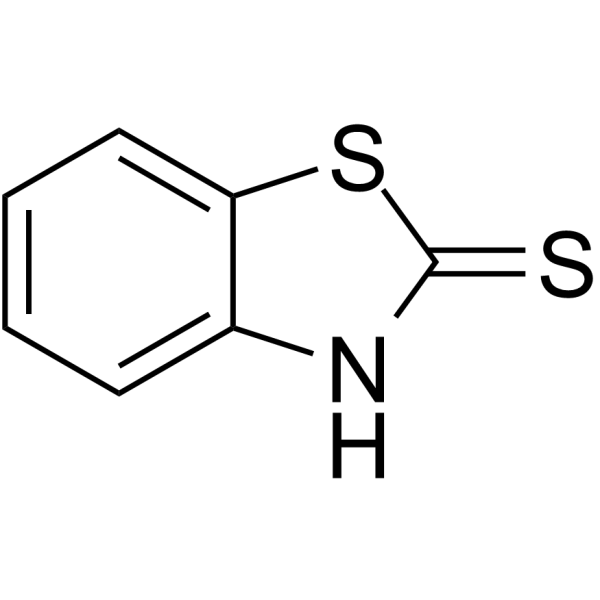
    2-Mercaptobenzothiazole
    1 Publications Verification

    Environmental Pollutants Endogenous Metabolite Metabolic Disease
    2-Mercaptobenzothiazole is an activator of the aryl hydrocarbon receptor (AhR) , inhibiting thyroid hormone synthesis and dopamine beta-hydroxylase activity . 2-Mercaptobenzothiazole promotes bladder cancer cell invasion by altering the conformation of the AhR ligand binding domain (LBD), activating AhR transcription, and upregulating the mRNA and protein expression of target genes CYP1A1 and CYP1B1 . 2-Mercaptobenzothiazole inhibits thyroid peroxidase (TPO) with an IC50 value of 11.5 μM, induces histological changes such as follicular cell hypertrophy in Xenopus laevis tadpoles, delaying metamorphosis . 2-Mercaptobenzothiazole increases chromosomal aberrations and sister chromatid exchanges (SCEs) in Chinese hamster ovary (CHO) cells, and enhances carcinogenicity in F344/N rats . 2-Mercaptobenzothiazole inhibits norepinephrine synthesis in mice and completely blocks the conversion of exogenous dopamine to norepinephrine in rat cardiomyocytes .
    2-Mercaptobenzothiazole
  • HY-19340
    TMS
    Maximum Cited Publications
    9 Publications Verification

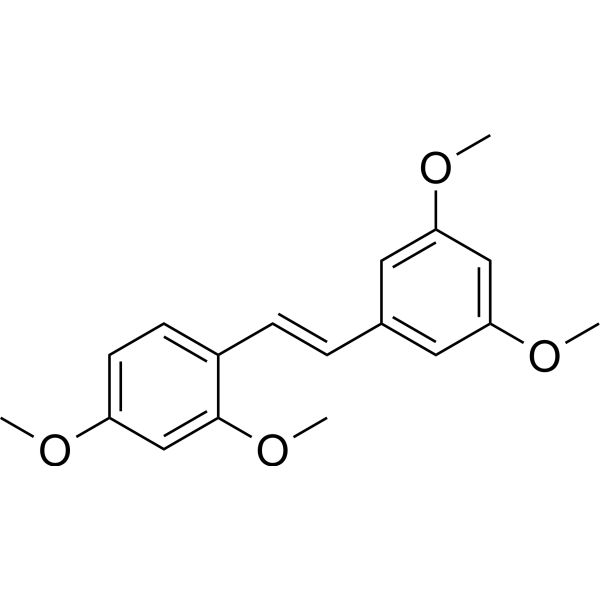
    (E)-2,3',4,5'-tetramethoxystilbene

    Cytochrome P450 Cancer
    TMS ((E)-2,3',4,5'-tetramethoxystilbene) is a selective and competitive CYP1B1 inhibitor with an IC50 of 6 nM and a Ki value of 3 nM. TMS shows a lesser extent inhibitory effect on CYP1A1 (IC50=300 nM) and CYP1A2 (IC50=3.1 μM). TMS is a methylated derivative of resveratrol and has anti-cancer activity .
    TMS
  • HY-N5132

    Cytochrome P450 Others
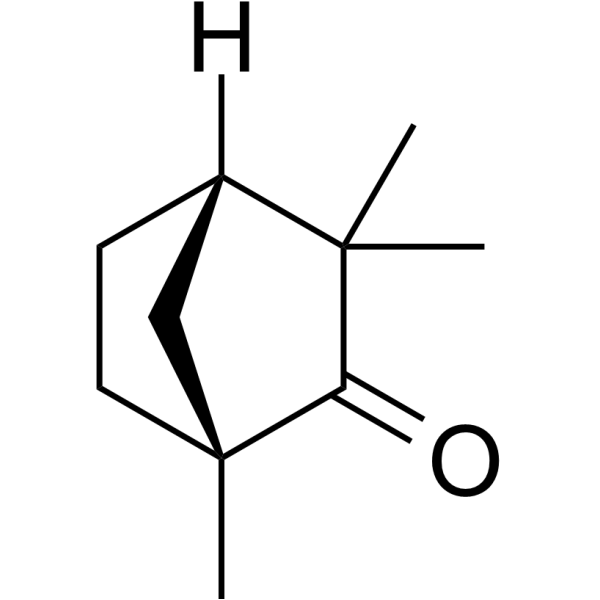
    (-)-Fenchone is a bicyclic monoterpene and serves as a substrate for human liver microsomal cytochrome P450 enzymes CYP2A6 and CYP2B6. (-)-Fenchone is not metabolized by human CYP1A1, CYP1A2, CYP1B1, CYP2C8, CYP2C9, CYP2C19, CYP2D6, CYP2E1, or CYP3A4 enzymes. (-)-Fenchone undergoes hydroxylation to produce 6-exo-hydroxyfenchone, 6-endo-hydroxyfenchone, and 10-hydroxyfenchone. During the metabolism of (-)-Fenchone, CYP2A6 may play a more important role than CYP2B6 .
    (-)-Fenchone
  • HY-133677

    MEHHP

    Drug Metabolite Apoptosis Aryl Hydrocarbon Receptor Cancer
    Mono (2-ethyl-5-hydroxyhexyl) phthalate (MEHHP) is a biomarker for human exposure to DEHP (HY-B1945). By activating the tryptophan-kynurenine-aryl hydrocarbon receptor (AhR) pathway, mono (2-ethyl-5-hydroxyhexyl) phthalate significantly increases the viability of primary uterine leiomyoma cells and reduces cell apoptosis. Mono (2-ethyl-5-hydroxyhexyl) phthalate correlates with decreased sperm DNA damage. Mono (2-ethyl-5-hydroxyhexyl) phthalate can be used in studies related to uterine leiomyoma .
    Mono(2-ethyl-5-hydroxyhexyl) phthalate
  • HY-152118

    Cytochrome P450 Cancer
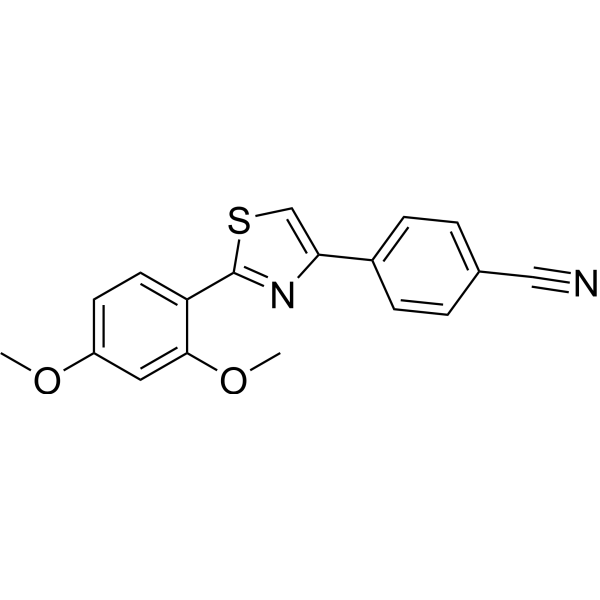
    CYP1B1-IN-4 is a 2,4-diarylthiazole compound with selectively CYP1B1 inhibition (IC50=0.2 nM). CYP1B1-IN-4 has little cytotoxicity and high stability in both human and rat liver microsomes .
    CYP1B1-IN-4
  • HY-159006

    Cytochrome P450 Cancer
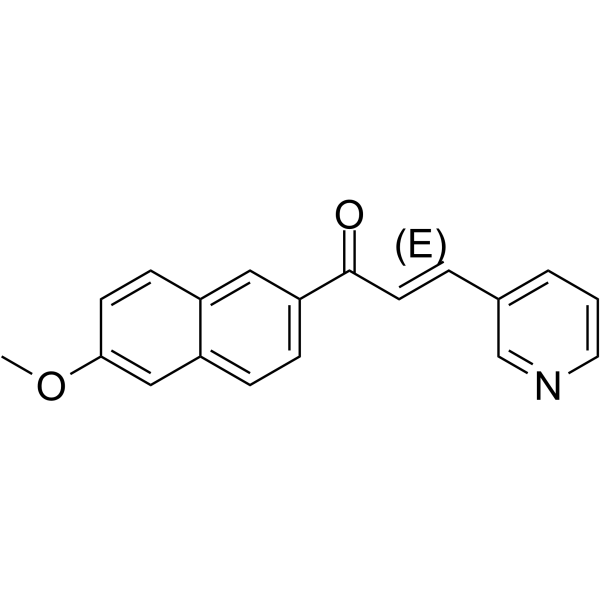
    CYP1B1 ligand 3 (Compound A1) is a selective inhibitor for cytochrome P450 enzyme CYP1B1 with an IC50 of 11.9 nM. CYP1B1 ligand 3 can be utilized for the synthesis of PROTAC CYP1B1 degrader-2 (HY-158429) .
    CYP1B1 ligand 3
  • HY-101285
    DMU2139
    1 Publications Verification

    Cytochrome P450 Cancer
    DMU2139 is a potent and specific CYP1B1 inhibitor, with IC50s of 9 nM and 795 nM for CYP1B1 and CYP1A1, respectively.
    DMU2139
  • HY-W007700

    PROTAC Linkers Cancer
    8-Bromooctanoic acid is a PROTAC linker, and can be used for synthesis of PROTAC CYP1B1 degrader-2 (HY-158429) .
    8-Bromooctanoic acid
  • HY-157942

    Cytochrome P450 Cancer
    CYP1B1-IN-7 (compound 2a) is a selective inhibitor of CYP1B1 (IC50: 75 nM). CYP1B1-IN-7 also reverses resistance (IC50: 29 μM) and exhibits cytotoxicity in the CYP1B1-overexpressing MCF-7 cell line that is resistant to Docetaxel (HY-B0011) .
    CYP1B1-IN-7
  • HY-158430

    Ligands for Target Protein for PROTAC Cancer
    CYP1B1 ligand 2 is a target protein ligand of PROTAC CYP1B1 degrader-2 (HY-158429). CYP1B1 ligand 2 can be used to study lung cancer .
    CYP1B1 ligand 2
  • HY-146393
    PROTAC CYP1B1 degrader-1
    1 Publications Verification

    PROTACs Cytochrome P450 Cancer
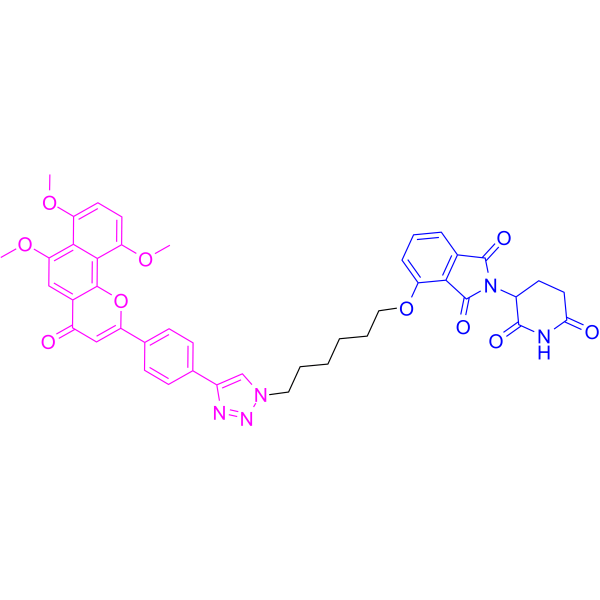
    PROTAC CYP1B1 degrader-1 (Compound 6C), a α-naphthoflavone chimera derivative, is able to eliminate cytochrome P450 (CYP)1B1-mediated agent resistance via targeted CYP1B1 degradation, with IC50s of 95.1 and 9838.6 nM for CYP1B1 and CYP1A2, respectively. PROTAC CYP1B1 degrader-1 can be used for the research of CYP1B1-overexpressing prostate cancer .
    PROTAC CYP1B1 degrader-1
  • HY-152196

    Cytochrome P450 Cancer
    CYP1B1-IN-5 (Compound 6q) is a potent and selective cytochrome P450 1B1 (CYP1B1) inhibitor with an IC50 of 4.7 nM .
    CYP1B1-IN-5
  • HY-175836

    Cytochrome P450 Apoptosis Cancer
    CYP1B1-IN-12 is a selective cytochrome P450 1B1 (CYP1B1) inhibitor with an IC50 of 6.05 nM. CYP1B1-IN-12 demonstrates remarkable selectivity, exceeding 1600-fold and 16,000-fold over CYP1A1 and CYP1A2, respectively. CYP1B1-IN-12 can enhance Paclitaxel (HY-B0015)-mediated apoptosis and restore Paclitaxel sensitivity in A549/Taxol-resistant cells. CYP1B1-IN-12 can inhibit the epithelial-mesenchymal transition process and reduce cells migration and invasion. CYP1B1-IN-12 can be used for the research of cancer, such as non-small cell lung cancer (NSCLC) .
    CYP1B1-IN-12
  • HY-158429

    PROTACs Cytochrome P450 Cancer
    PROTAC CYP1B1 degrader-2 (compound PV2) is a von Hippel-Landau (VHL) E3 ligase-based CYP1B1 degrader with the DC50 of 1.0 nM at 24 h in A549/Taxol cells. PROTAC CYP1B1 degrader-2 inhibits growth, migration, and invasion of A549/Taxol cell(Sturcture Note:(Blue: VHL ligand (HY-112078), Black: linker (HY-W007700), Pink: CYP1B1 ligand (HY-159006) .
    PROTAC CYP1B1 degrader-2
  • HY-101284

    Cytochrome P450 Cancer
    DMU2105 is a potent and specific CYP1B1 inhibitor, with IC50s of 10 nM and 742 nM for CYP1B1 and CYP1A1, respectively.
    DMU2105
  • HY-RS03443

    Small Interfering RNA (siRNA) Others

    CYP1B1 Human Pre-designed siRNA Set A contains three designed siRNAs for CYP1B1 gene (Human), as well as a negative control, a positive control, and a FAM-labeled negative control.

    CYP1B1 Human Pre-designed siRNA Set A
    CYP1B1 Human Pre-designed siRNA Set A
  • HY-W472509

    11-Hydroxy-5,8,12,14-eicosatetraenoic acid

    Cytochrome P450 Cardiovascular Disease
    11-HETE (11-Hydroxy-5,8,12,14-eicosatetraenoic acid) is the activator for cytochrome P450. 11-HETE upregulates the mRNA expressions of CYP1B1, CYP1A1, CYP4A11, CYP4F11, and CYP4F2, induces cell hypertrophy in RL-14 cell, and exhibits potential to be used in cardiovascular diseases .
    11-HETE
  • HY-150557

    Cytochrome P450 Cancer
    CYP1B1-IN-1 (Compound 9e) is a selective cytochrome P450 1B1 (CYP1B1) inhibitor with an IC50 of 0.49 nM .
    CYP1B1-IN-1
  • HY-162051

    Cytochrome P450 Cancer
    CYP1B1-IN-6 (compound 19) is a fluorescence molecular probes which inhibits CYP1B1 activity. CYP1B1-IN-6 can identify tumor sites in fluorescence imaging and photoacoustic imaging modes .
    CYP1B1-IN-6
  • HY-175760

    Cytochrome P450 Cancer
    CYP1B1-IN-11 (Compound M2) is a selective CYP1B1 inhibitor with an IC50 of 0.00605 pM. CYP1B1-IN-11 effectively reverses DMBA (HY-W011845)-induced Paclitaxel (HY-B0015) resistance and CYP1B1-IN-11 suppresses tumor cells invasion and migration. CYP1B1-IN-11 can be used for tumor drug resistance research .
    CYP1B1-IN-11
  • HY-124404

    Aryl Hydrocarbon Receptor Na+/K+ ATPase Prostaglandin Receptor Inflammation/Immunology
    12(R)-HETE is a CYP-dependent arachidonic acid metabolite that acts as a proinflammatory lipid mediator. 12 (R)-HETE widely exists in various tissues including the eye, skin and liver. In the cornea, 12(R)-HETE is metabolized via pathways such as β-oxidation into the precursor of 12(R)-HETrE. Without direct receptor binding, 12(R)-HETE indirectly activates AHR-mediated target gene transcription, while inhibiting the enzymatic activity of Na+,K+-ATPase and the intracellular calcium elevation induced by TP agonists. 12(R)-HETE also possesses multiple physiological effects such as chemotaxis, proangiogenesis, vasodilation, natriuresis, diuresis and intraocular pressure reduction, and can be widely used in studies related to psoriasis, inflammatory skin diseases and ocular inflammation .
    12(R)-HETE
  • HY-126308

    Cytochrome P450 Cancer
    (E/Z)-DMU2139 (Compound 180) is the E/Z isomer of DMU2139 (HY-101285). (E/Z)-DMU2139 is a potent and specific CYP1B1 inhibitor (IC50: 4 nM) .
    (E/Z)-DMU2139
  • HY-RS16945

    Small Interfering RNA (siRNA) Others

    Cyp1b1 Mouse Pre-designed siRNA Set A contains three designed siRNAs for Cyp1b1 gene (Mouse), as well as a negative control, a positive control, and a FAM-labeled negative control.

    Cyp1b1 Mouse Pre-designed siRNA Set A
    Cyp1b1 Mouse Pre-designed siRNA Set A
  • HY-RS23388

    Small Interfering RNA (siRNA) Others

    Cyp1b1 Rat Pre-designed siRNA Set A contains three designed siRNAs for Cyp1b1 gene (Rat), as well as a negative control, a positive control, and a FAM-labeled negative control.

    Cyp1b1 Rat Pre-designed siRNA Set A
    Cyp1b1 Rat Pre-designed siRNA Set A
  • HY-152079

    Cytochrome P450 Cancer
    CYP1B1-IN-3 is a potent and selective CYP1B1 inhibitor with IC50 values of 6.6, 347.3, >10000 nM for CYP1B1, CYP1A1, CYP1A2, respectively. CYP1B1-IN-3 inhibits cell migration and invasion. CYP1B1-IN-3 inhibits P-gp, AKT/ERK, FAK/SRC, and EMT pathways .
    CYP1B1-IN-3
  • HY-174425

    Cytochrome P450 Cancer
    CYP1B1-IN-9 is a highly selective and competitive CYP1B1 Inhibitor with IC50 values of 1.48 nM, > 100 μM, and > 80 μM for CYP1B1, CYP1A1, and CYP1A2, respectively. CYP1B1-IN-9 significantly inhibits the migration and invasion of A549/T cells. CYP1B1-IN-9 has the ability to resensitize Paclitaxel (HY-B0015)-resistant cells, and good metabolic stability and safety, and shows favorable pharmacokinetic parameters. CYP1B1-IN-9 can be used for the study of tumor-drug resistance .
    CYP1B1-IN-9
  • HY-161403

    Cytochrome P450 Cancer
    CYP1B1-IN-8 (Compound 14b) is a CYP1B1 inhibitor (IC50: 4.14 × 10 –5 nM). CYP1B1-IN-8 reduces the resistance in A549 cells to Paclitaxel (HY-B0015), and inhibits cell migration and invasion .
    CYP1B1-IN-8
  • HY-150558

    Cytochrome P450 Cancer
    CYP1B1-IN-2 (compound 9j) is a potent and selective CYP1B1 (cytochrome P450 1B1) inhibitor, with an IC50 of 0.52 nM .
    CYP1B1-IN-2
  • HY-178053

    Aryl Hydrocarbon Receptor Cytochrome P450 Interleukin Related Inflammation/Immunology
    AHR agonist 10 is a potent AHR agonist (EC50 = 2.01 nM). AHR agonist 10 can elevate the transcript levels of key AHR downstream pathway target genes, including CYP1A1 and CYP1B1. AHR agonist 10 can downregulate the expression levels of CD36, IL-18 and shows low cytotoxicity (>40 μM) to normal cells. AHR agonist 10 can suppress the expression of CCL5, CCL20, IL-6, IL-8, S100A9, TLR4, TNF-α, and TNFR1, demonstrating that AHR agonist 10 effectively modulate inflammatory responses through AHR dependent signaling pathways. AHR agonist 10 can be used for psoriasis research .
    AHR agonist 10
  • HY-101284A

    Cytochrome P450 Cancer
    (E/Z)-DMU2105 (Compound 7k) is a potent and highly selective CYP1B1 inhibitor. (E/Z)-DMU2105 inhibits human CYP1B1 enzyme bound to yeast-derived microsomes with an IC50 value of 10 nM. (E/Z)-DMU2105 also potently inhibits CYP1B1 expressed within ‘live’ recombinant yeast and human HEK293 kidney cells with an IC50 value of 63.65 nM. (E/Z)-DMU2105 can be used for the research of cancer, glaucoma, ischemia and obesity .
    (E/Z)-DMU2105
  • HY-181550A

    Cytochrome P450 P-glycoprotein Cancer
    CYP1B1-IN-14 TFA is a metabolically stable hCYP1B1 competitive inhibitor with an IC50 of 1.32 nM and a Ki of 0.72 μM. CYP1B1-IN-14 TFA reverses the resistance of cancer cells to Paclitaxel (HY-B0015). CYP1B1-IN-14 TFA acts synergistically with Paclitaxel (HY-B0015) to inhibit tumor growth in xenograft models without obvious toxicity. CYP1B1-IN-14 TFA can be used for the research of cancers such as paclitaxel-resistant lung cancer .
    CYP1B1-IN-14 TFA
  • HY-175554

    Cytochrome P450 Aryl Hydrocarbon Receptor Cancer
    CYP1B1-IN-10 (Compound 15C) is a highly selective human cytochrome P450 1B1 (hCYP1B1) inhibitor (IC50=0.11 μM). CYP1B1-IN-10 is promising for research of hormone-dependent tumors (e.g., breast and ovarian cancers) .
    CYP1B1-IN-10
  • HY-158431

    E3 Ligase Ligand-Linker Conjugates Cancer
    (S,R,S)-AHPC-Me-8-bromooctanoic acid is an E3 ligase ligand-linker conjugate, and can be used for synthesis of PROTAC CYP1B1 degrader-2 (HY-158429) .
    (S,R,S)-AHPC-Me-8-bromooctanoic acid
  • HY-B1234S

    Cytochrome P450 Thyroid Hormone Receptor Androgen Receptor Estrogen Receptor/ERR Isotope-Labeled Compounds Metabolic Disease Endocrinology
    Octinoxate-13C,d3 is the deuterium labeled Octinoxate (HY-W245806). Octinoxate (Octyl methoxycinnamate) is a thyroid hormone receptor agonist, reducing the levels of triiodothyronine (T3) and thyroxine (T4) and transcription levels of genes related to type II deiodinase (deio2) in Japanese Medaka. Octinoxate is commonly used as a safe ultraviolet (UV) filter used in the aquatic environment. Octinoxate inhibits CYP1A1 and CYP1B1 to regulate hyaluronan (HA) (HY-B0633A) metabolism in a PI3K pathway-dependent manner in human keratinocytes. Octinoxate also exhibits an anti-estrogenic and anti-androgenic effect in vitro and in vivo .
    Octinoxate-13C,d3
  • HY-W775354

    1,2,3,4,7,8-HxCDF

    Cytochrome P450 Aryl Hydrocarbon Receptor Others
    1,2,3,4,7,8-Hexachlorodibenzofuran (1,2,3,4,7,8-HxCDF) promotes the gene expressions of CYP1A1, CYP1B1, and aryl hydrocarbon receptor repressor (AhRR) in human peripheral blood lymphocytes (PBLs). 1,2,3,4,7,8-Hexachlorodibenzofuran activates the ethoxyresorufin-Odeethylase, achieves 20% of the maximum response caused by TCDD with a BMR20TCDD of 0.115-0.143 nM .
    1,2,3,4,7,8-Hexachlorodibenzofuran
  • HY-W713284

    Isotope-Labeled Compounds Cytochrome P450 Estrogen Receptor/ERR Androgen Receptor Thyroid Hormone Receptor Endocrinology
    2-Ethylhexyl (E)-3-(4-(methoxy-d3)phenyl)acrylate is the deuterium labeled Octinoxate (HY-B1234). Octinoxate (Octyl methoxycinnamate) is a thyroid hormone receptor agonist, reducing the levels of triiodothyronine (T3) and thyroxine (T4) and transcription levels of genes related to type II deiodinase (deio2) in Japanese Medaka. Octinoxate is commonly used as a safe ultraviolet (UV) filter used in the aquatic environment. Octinoxate inhibits CYP1A1 and CYP1B1 to regulate hyaluronan (HA) (HY-B0633A) metabolism in a PI3K pathway-dependent manner in human keratinocytes. Octinoxate also exhibits an anti-estrogenic and anti-androgenic effect in vitro and in vivo .
    2-Ethylhexyl (E)-3-(4-(methoxy-d3)phenyl)acrylate
  • HY-101284R

    Cytochrome P450 Reference Standards Cancer
    DMU2105 (Standard) is the analytical standard of DMU2105 (HY-101284). This product is intended for research and analytical applications. DMU2105 is a potent and specific CYP1B1 inhibitor, with IC50s of 10 nM and 742 nM for CYP1B1 and CYP1A1, respectively.
    DMU2105 (Standard)
  • HY-101285R

    Cytochrome P450 Reference Standards Cancer
    DMU2139 (Standard) is the analytical standard of DMU2139 (HY-101285). This product is intended for research and analytical applications. DMU2139 is a potent and specific CYP1B1 inhibitor, with IC50s of 9 nM and 795 nM for CYP1B1 and CYP1A1, respectively.
    DMU2139 (Standard)
  • HY-W517092

    1,2,3,4,7,8,9-HpCDF

    Aryl Hydrocarbon Receptor Cytochrome P450 Metabolic Disease Inflammation/Immunology
    1,2,3,4,7,8,9-Heptachlorodibenzofuran (1,2,3,4,7,8,9-HpCDF) is a compound that induces the expression of CYP1A1 and CYP1B1 genes in human peripheral blood lymphocytes, while also promoting the expression of the aryl hydrocarbon receptor repressor (AhRR). 1,2,3,4,7,8,9-Heptachlorodibenzofuran can increase ethoxyresorufin-O-deethylase (EROD) activity in isolated human peripheral blood lymphocytes in a concentration-dependent manner, which serves as a marker of CYP1A1 activity. Furthermore, 1,2,3,4,7,8,9-Heptachlorodibenzofuran exhibits immunosuppressive effects by reducing the number of splenic plaque-forming cells in mice and increasing aryl hydrocarbon hydroxylase (AHH) activity in liver microsomes of mice injected with sheep red blood cells. 1,2,3,4,7,8,9-Heptachlorodibenzofuran can be used in research in the fields of immunology, metabolic diseases, and environmental toxicology .
    1,2,3,4,7,8,9-Heptachlorodibenzofuran
  • HY-183304

    Cytochrome P450 Cancer
    Anticancer agent 318 (Compound 8 (6)) is a selective anticancer agent. Anticancer agent 318 can be metabolized by CYP1A1, CYP1A2 and CYP1B1. After bioactivation, Anticancer agent 318 exerts antiproliferative activity in breast cancer cells expressing CYP1. Anticancer agent 318 can be used in the research of breast cancer .
    Anticancer agent 318
  • HY-181629

    Aryl Hydrocarbon Receptor Apoptosis Caspase Cytochrome P450 Cancer
    ZSTK3744 is an aryl hydrocarbon receptor (AhR) agonist. ZSTK3744 directly binds to AhR, upregulates the expression of AhR target genes including CYP1A1, CYP1B1 and TIPARP, and mediates cell growth inhibitory activity in triple-negative breast cancer cells. ZSTK3744 induces apoptosis in triple-negative breast cancer cells. ZSTK3744 exhibits anti-tumor activity and can be used in the research of chemoresistant triple-negative breast cancer .
    ZSTK3744
  • HY-181629A

    Aryl Hydrocarbon Receptor Apoptosis Caspase Cytochrome P450 Cancer
    ZSTK3744 hydrochloride is an aryl hydrocarbon receptor (AhR) agonist. ZSTK3744 hydrochloride directly binds to AhR, upregulates the expression of AhR target genes including CYP1A1, CYP1B1 and TIPARP, and mediates cell growth inhibitory activity in triple-negative breast cancer cells. ZSTK3744 hydrochloride induces apoptosis in triple-negative breast cancer cells. ZSTK3744 hydrochloride exhibits anti-tumor activity and can be used in the research of chemoresistant triple-negative breast cancer .
    ZSTK3744 hydrochloride

Inquiry Online

Your information is safe with us. * Required Fields.

Salutation


Country or Region *

Applicant Name *


Organization Name *

Department *


Email Address *


Product Name *

Cat. No.


Requested quantity *

Phone Number *


Remarks

Inquiry Online

Inquiry Information

Product Name:
Cat. No.:
Quantity:
MCE Japan Authorized Agent:

