1. Search Result
Search Result
Results for "

Cholesterol (Standard)

" in MedChemExpress (MCE) Product Catalog:

88

Inhibitors & Agonists

3

Biochemical Assay Reagents

42

Natural
Products

3

Oligonucleotides

Targets Recommended:
Cat. No. Product Name Target Research Areas Chemical Structure
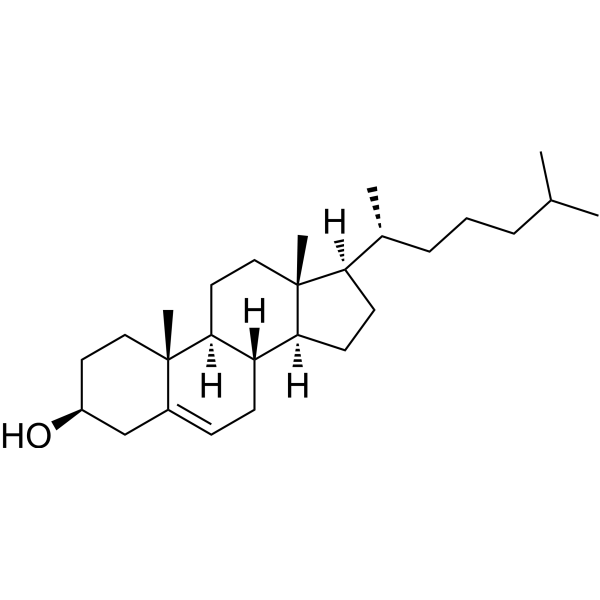
  • HY-N0322R
    Cholesterol (Standard)
    Maximum Cited Publications
    74 Publications Verification

    Liposome Reference Standards Estrogen Receptor/ERR Endogenous Metabolite Bacterial Metabolic Disease Cancer
    Cholesterol (Standard) is the analytical standard of Cholesterol. This product is intended for research and analytical applications. Cholesterol is the major sterol in mammals. It is making up 20-25% of structural component of the plasma membrane. Plasma membranes are highly permeable to water but relatively impermeable to ions and protons. Cholesterol plays an important role in determining the fluidity and permeability characteristics of the membrane as well as the function of both the transporters and signaling proteins . Cholesterol is also an endogenous estrogen-related receptor α (ERRα) agonist .
    Cholesterol (Standard)
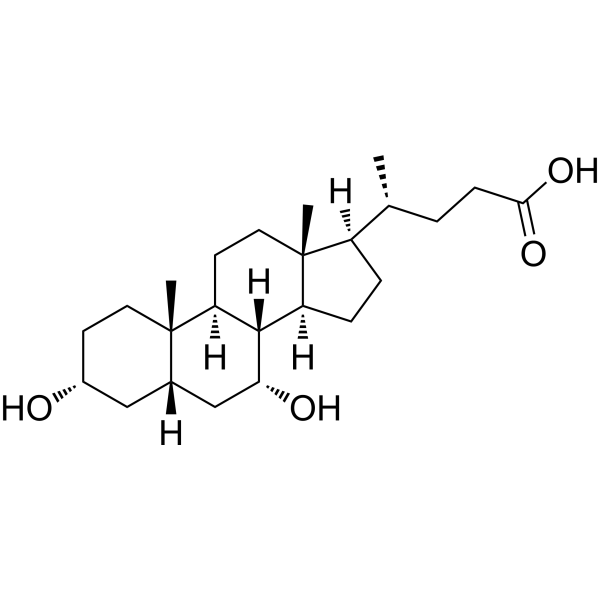
  • HY-76847R
    Chenodeoxycholic Acid (Standard)
    20+ Cited Publications

    CDCA (Standard)

    Reference Standards FXR Endogenous Metabolite Autophagy Metabolic Disease Cancer
    Chenodeoxycholic Acid (Standard) is the analytical standard of Chenodeoxycholic Acid. This product is intended for research and analytical applications. Chenodeoxycholic Acid is a hydrophobic primary bile acid that activates nuclear receptors (FXR) involved in cholesterol metabolism.
    Chenodeoxycholic Acid (Standard)
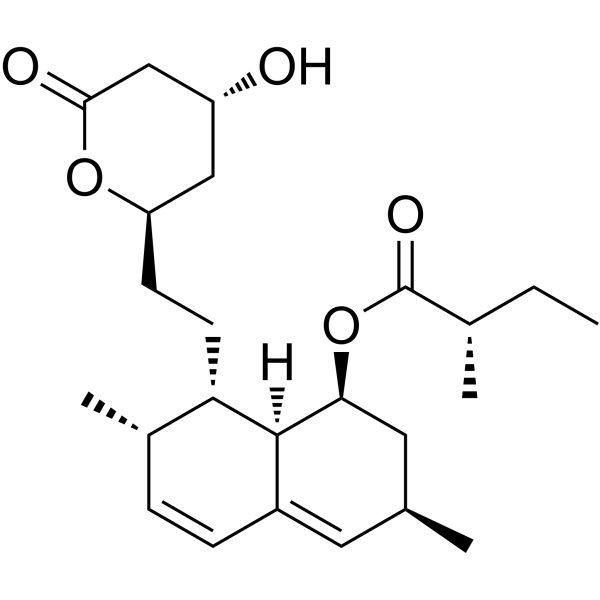
  • HY-N0504R
    Lovastatin (Standard)
    30+ Cited Publications

    Mevinolin (Standard)

    Reference Standards HMG-CoA Reductase (HMGCR) Autophagy Ferroptosis Cardiovascular Disease Cancer
    Lovastatin (Standard) is the analytical standard of Lovastatin. This product is intended for research and analytical applications. Lovastatin is a cell-permeable HMG-CoA reductase inhibitor used to lower cholesterol.
    Lovastatin (Standard)
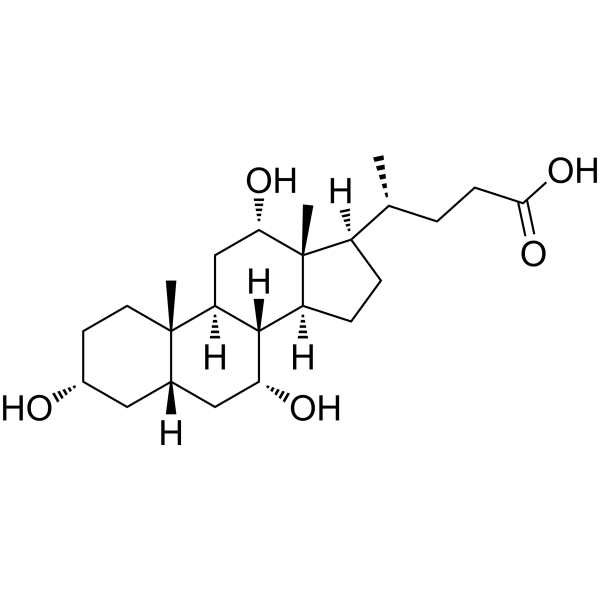
  • HY-N0324R
    Cholic acid (Standard)
    15+ Cited Publications

    Reference Standards Endogenous Metabolite Metabolic Disease
    Cholic acid (Standard) is the analytical standard of Cholic acid. This product is intended for research and analytical applications. Cholic acid is a major primary bile acid produced in the liver and usually conjugated with glycine or taurine. It facilitates fat absorption and cholesterol excretion. Cholic acid is orally active .
    Cholic acid (Standard)
  • HY-N1214R

    Super Squalene (Standard); trans-Squalene (Standard); AddaVax (Standard)

    Reference Standards Endogenous Metabolite Reactive Oxygen Species (ROS) Fungal Infection Cardiovascular Disease
    Squalene (Standard) is the analytical standard of Squalene. This product is intended for research and analytical applications. Squalene (Super Squalene) is an intermediate product in the synthesis of cholesterol, and shows several pharmacological properties such as hypolipidemic, hepatoprotective, antiatherosclerotic, cardioprotective, antioxidant, and antitumour activity .
    Squalene (Standard)
  • HY-113081R

    Reference Standards Endogenous Metabolite PPAR Hedgehog Cancer
    1-Methyladenosine (Standard) is the analytical standard of 1-Methyladenosine. This product is intended for research and analytical applications. 1-Methyladenosine is an RNA modification that can serve as a tumor marker, with elevated levels in the body associated with cancer development. Following 1-methyladenosine methylation, upregulation of PPARδ expression regulates cholesterol metabolism and activates Hedgehog signaling pathway, driving liver tumorigenesis . In Vitro:Compared to surrounding tumor tissues, 1-methyladenosine methylation in RNA is aberrantly elevated in hepatocellular carcinoma (HCC) cell lines and liver cancer stem cells (CSCs). Methylated 1-methyladenosine can promote cholesterol synthesis and activate the Hedgehog signaling pathway by enhancing the translation of PPARδ in liver CSCs, ultimately driving the self-renewal and tumorigenesis of liver cancer stem cells .
    1-Methyladenosine (Standard)
  • HY-113279R

    Endogenous Metabolite Reference Standards Others
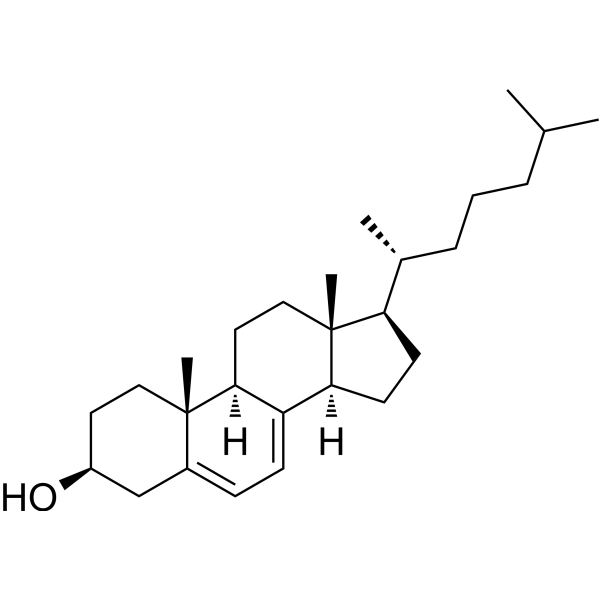
    7-Dehydrocholesterol (Standard) is the analytical standard of 7-Dehydrocholesterol. This product is intended for research and analytical applications.7-Dehydrocholesterol is biosynthetic precursor of cholesterol and vitamin D3.
    7-Dehydrocholesterol (Standard)
  • HY-133962

    Biochemical Assay Reagents Others
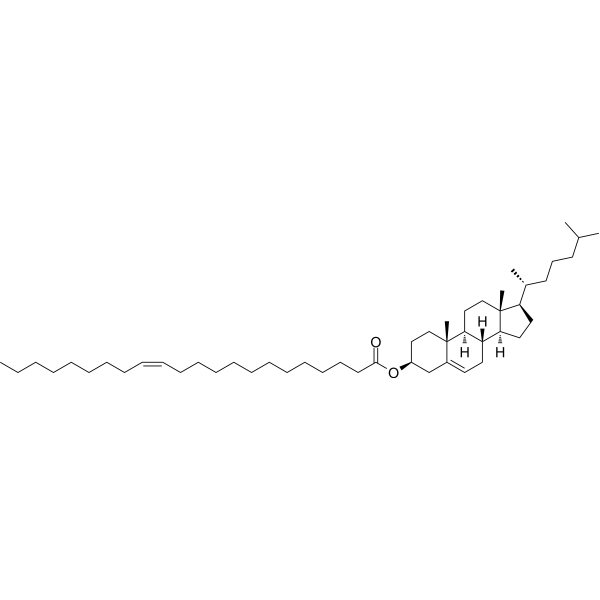
    Cholesteryl erucate is a cholesterol ester. It has been used as a standard for the quantification of cholesteryl esters in human meibomian gland secretions.
    Cholesteryl erucate
  • HY-B0388R
    Probucol (Standard)
    2 Publications Verification

    DH-581 (Standard)

    Reference Standards Virus Protease Metabolic Disease
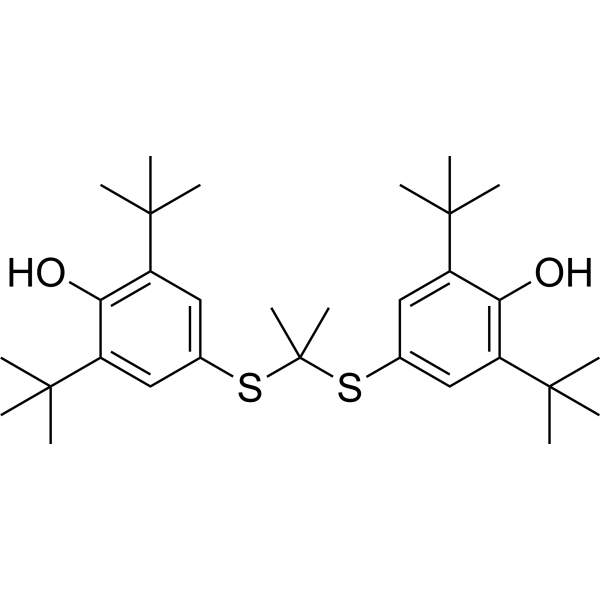
    Probucol (Standard) is the analytical standard of Probucol. This product is intended for research and analytical applications. Probucol (DH-581) is an anti-hyperlipidemic agent by lowering the level of cholesterol in the bloodstream by increasing the rate of LDL catabolism.
    Probucol (Standard)
  • HY-N0131R
    Stigmasterol (Standard)
    10+ Cited Publications

    Stigmasterin (Standard)

    Reference Standards MMP Endogenous Metabolite Inflammation/Immunology
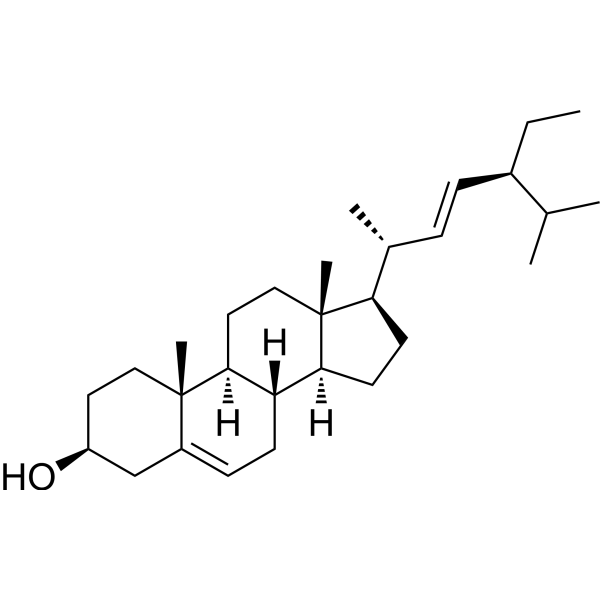
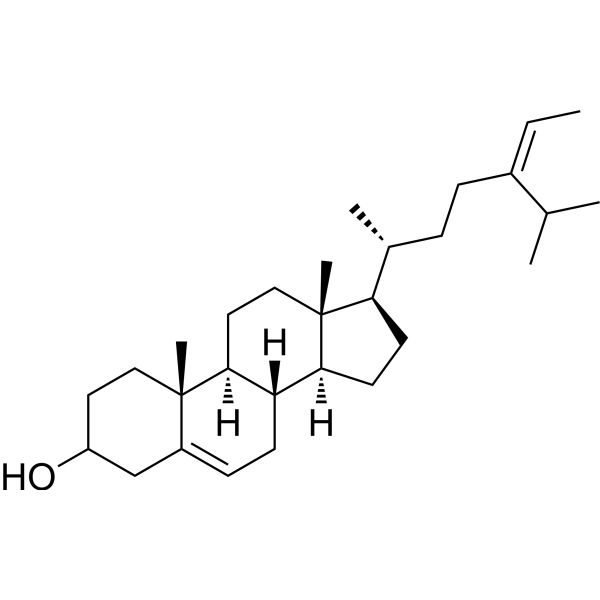
    Stigmasterol (Standard) is the analytical standard of Stigmasterol (HY-N0131). This product is intended for research and analytical applications. Stigmasterol is a plant sterol which has been focused on the cholesterol-lowering activity and is valued as an anti-stiffness factor in the therapy of rheumatic diseases.
    Stigmasterol (Standard)
  • HY-17376R
    Ezetimibe (Standard)
    10+ Cited Publications

    SCH 58235 (Standard)

    Reference Standards Keap1-Nrf2 Autophagy Cardiovascular Disease Cancer
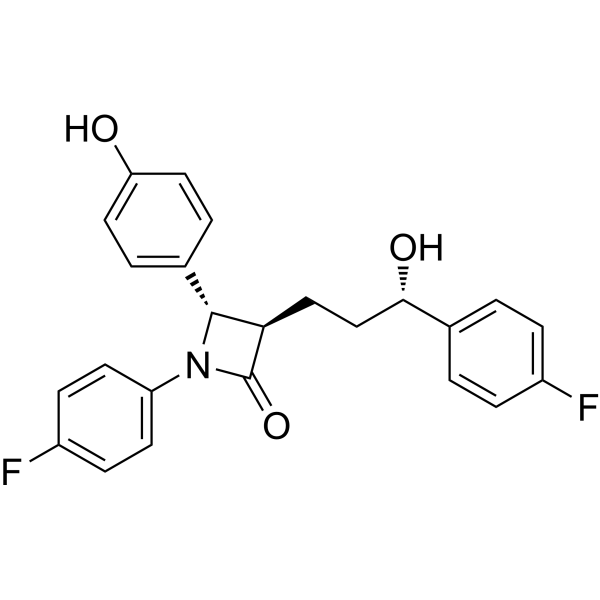
    Ezetimibe (Standard) is the analytical standard of Ezetimibe. This product is intended for research and analytical applications. Ezetimibe (SCH 58235) is a potent cholesterol absorption inhibitor. Ezetimibe is a Niemann-Pick C1-like1 (NPC1L1) inhibitor, and is a potent Nrf2 activator.
    Ezetimibe (Standard)
  • HY-W018512R

    3α-Hydroxy-7-oxo-5β-cholanic acid (Standard)

    Reference Standards Endogenous Metabolite Metabolic Disease
    7-Ketolithocholic acid (Standard) is the analytical standard of 7-Ketolithocholic acid. This product is intended for research and analytical applications. 7-Ketolithocholic acid (3α-Hydroxy-7-oxo-5β-cholanic acid), a bile acid, can be absorbed and suppresses endogenous bile acid production and biliary cholesterol secretion .
    7-Ketolithocholic acid (Standard)
  • HY-129459R

    Reference Standards Endogenous Metabolite Cardiovascular Disease Neurological Disease
    α-Tocotrienol (Standard) is the analytical standard of α-Tocotrienol. This product is intended for research and analytical applications. α-Tocotrienol is an isoform of vitamin E and found in vegetables, fruits, seeds, nuts, grains, and oils. Vitamin E plays a role as an antioxidant, in lowering cholesterol and other lipids, as a neuroprotective and anticancer agent, and in cardiovascular disease protection.
    α-Tocotrienol (Standard)
  • HY-17504R
    Rosuvastatin Calcium (Standard)
    10+ Cited Publications

    Rosuvastatin hemicalcium (Standard); ZD 4522 Calcium (Standard)

    Reference Standards HMG-CoA Reductase (HMGCR) Autophagy Potassium Channel Bacterial Cardiovascular Disease Metabolic Disease Cancer
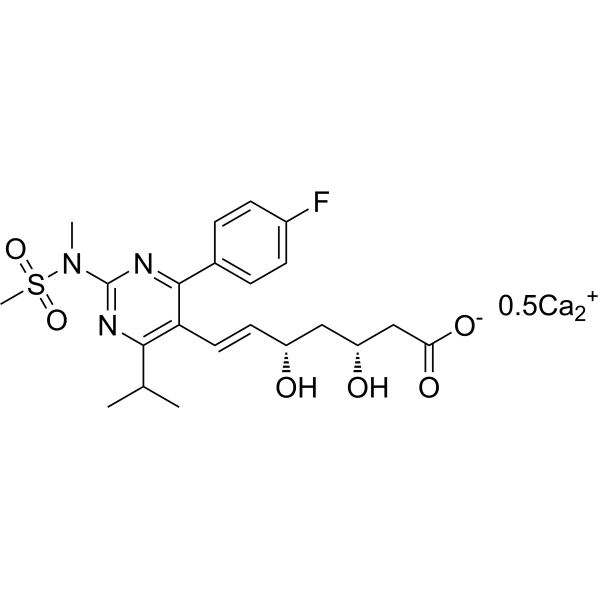
    Rosuvastatin (Calcium) (Standard) is the analytical standard of Rosuvastatin (Calcium). This product is intended for research and analytical applications. Rosuvastatin Calcium is a competitive HMG-CoA reductase (HMGCR) inhibitor, with an IC50 of 11 nM. Rosuvastatin Calcium potently blocks hERG current with an IC50 of 195 nM . Rosuvastatin Calcium reduces the expression of the mature hERG and the interaction of heat shock protein 70 (Hsp70) with the hERG protein. Rosuvastatin Calcium effectively lowers low-density lipoprotein (LDL) cholesterol, triglycerides, and C-reactive protein levels .
    Rosuvastatin Calcium (Standard)
  • HY-W015600R

    Orthocetamol (Standard)

    Reference Standards Ferroptosis Glutathione Peroxidase Reactive Oxygen Species (ROS) LDLR Cardiovascular Disease Inflammation/Immunology
    2-Acetamidophenol (Standard) is the analytical standard of 2-Acetamidophenol. This product is intended for research and analytical applications. 2-Acetamidophenol (Orthocetamol) is a regulator that targets ferroptosis and glutathione metabolic pathways, is the ortho-regioisomer of Paracetamol (HY-66005). 2-Acetamidophenol has anti-atherosclerotic activity, and inhibiting total cholesterol (TC) and triglyceride (TG) in a zebrafish hyperlipidemia model with IC50s for 30 μM and 40 μM, respectively. 2-Acetamidophenol upregulates the expression of glutathione synthesis-related genes (such as GCLC, GCLM, GSS) and iron ion transport genes (such as FPN1, FTH), reduces the accumulation of intracellular reactive oxygen species (ROS) and ferrous ions (Fe 2+), and enhances the activity of glutathione peroxidase GPX4, thereby inhibiting macrophage phagocytosis of oxidized low-density lipoprotein (ox-LDL) and foam cell formation .
    2-Acetamidophenol (Standard)
  • HY-W020033R

    Reference Standards Endogenous Metabolite Neurological Disease
    Lanosterol (Standard) is the analytical standard of Lanosterol. This product is intended for research and analytical applications. Lanosterol is an intermediate of cholesterol synthesis and use of lanosterol induces ubiquitination and degradation of a rate-controlling enzyme of cholesterol synthesis, i.e., HMG CoA reductase. Lanosterol suppresses the aggregation and cytotoxicity of misfolded proteins linked with neurodegenerative diseases[1][2].
    Lanosterol (Standard)
  • HY-128387R

    Reference Standards Endogenous Metabolite Cardiovascular Disease
    2,3-Butanediol (Standard) is the analytical standard of 2,3-Butanediol (HY-128387). This product is intended for research and analytical applications. 2,3-Butanediol is microbially derived compound that is a discriminating urinary biomarker of Fmo5 -/- mice. 2,3-Butanediol prevents age-related increases in the plasma concentration of cholesterol. 2,3-Butanediol has potential applications in the manufacture of printing inks, perfumes, fumigants, moistening and softening agents, plasticizers, and as a carrier for pharmaceuticals.
    2,3-Butanediol (Standard)
  • HY-B0144AR

    NK-104 (Standard)

    HMG-CoA Reductase (HMGCR) Autophagy Mitophagy Apoptosis Reference Standards Cardiovascular Disease Neurological Disease Metabolic Disease Cancer
    Pitavastatin (Standard) is the analytical standard of Pitavastatin. This product is intended for research and analytical applications. Pitavastatin (NK-104) is a potent hydroxymethylglutaryl-CoA (HMG-CoA) reductase inhibitor. Pitavastatin inhibits cholesterol synthesis from acetic acid with an IC50 of 5.8 nM in HepG2 cells. Pitavastatin is an efficient hepatocyte low-density lipoprotein-cholesterol (LDL-C) receptor inducer. Pitavastatin also possesses anti-atherosclerotic, anti-asthmatic, anti-osteoarthritis, antineoplastic, neuroprotective, hepatoprotective and reno-protective effects .
    Pitavastatin (Standard)
  • HY-113086

    16:1(9Z) CE; 16:1(9Z) Cholesterol ester; Cholesterol Palmitoleate

    Endogenous Metabolite Cardiovascular Disease
    CE(16:1(9Z)) (16:1(9Z) CE) is a cholesterol ester. Plasma levels of cholesteryl palmitoleate are increased in ApoE -/- mice exposed to cigarette smoke and in pediatric patients with biliary atresia. Cholesteryl palmitoleate has been used as a standard for the identification of cholesterol esters in human meibomian gland secretions.
    CE(16:1(9Z))
  • HY-131389

    Biochemical Assay Reagents Others
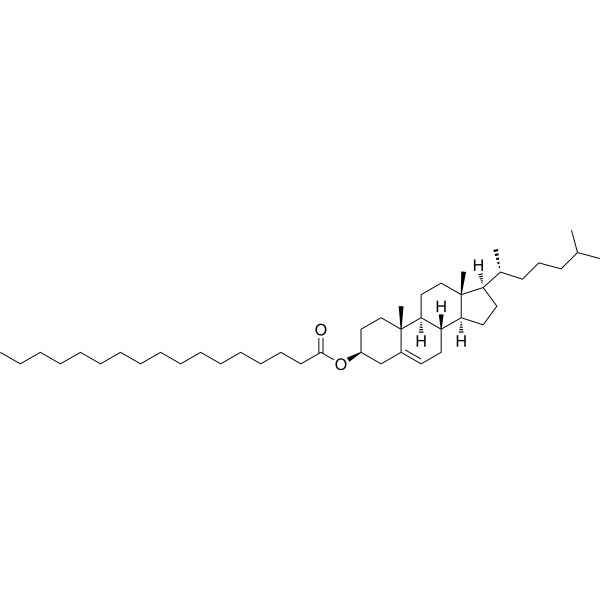
    Cholesteryl heptadecanoate is a cholesteryl ester internal standard that accurately determines the concentration of free cholesterol in cells without hydrolyzing triglycerides. Cholesteryl heptadecanoate can be used for the quantitative determination of cholesteryl esters by GC or LC mass spectrometry .
    Cholesteryl heptadecanoate
  • HY-N4103R

    Reference Standards PARP Endogenous Metabolite Metabolic Disease Cancer
    Fucosterol (Standard) is the analytical standard of Fucosterol. This product is intended for research and analytical applications. Fucosterol is a sterol isolated from algae, seaweed or diatoms. Fucosterol exhibits various biological activities, including antioxidant, anti-adipogenic, blood cholesterol reducing, anti-diabetic and anti-cancer activities . Fucosterol regulates adipogenesis via inhibition of PPARα and C/EBPα expression and can be used for anti-obesity agents development research .
    Fucosterol (Standard)
  • HY-W015882R

    Isocaproic acid (Standard)

    Endogenous Metabolite Reference Standards Metabolic Disease
    4-Methylpentanoic acid (Isocaproic acid) (Standard) is an analytical standard form of 4-Methylpentanoic acid (HY-W015882). This product is intended for research and analytical applications. 4-Methylpentanoic acid (Isocaproic Acid) is a short-chain fatty acid, an endogenous metabolite, and a metabolite of 20 α-hydroxycholesterol (HY-12316), which can be found in feces. The concentration of 4-Methylpentanoic acid is closely related to some diseases, such as depression. 4-Methylpentanoic acid can also be used in the research of cholesterol metabolism .
    4-Methylpentanoic acid (Standard)
  • HY-13690R

    2,4′-DDD (Standard); o,p'-DDD (Standard)

    Reference Standards Apoptosis Cancer
    Mitotane (Standard) is the analytical standard of Mitotane. This product is intended for research and analytical applications. Mitotane (2,4′-DDD), an isomer of DDD and derivative of dichlorodiphenyltrichloroethane (DDT), is an antineoplastic agent, can be used to research adrenocortical carcinoma. Mitotane exert its adrenocorticolytic effect at least in part through lipotoxicity induced by intracellular free cholesterol (FC) accumulation. Mitotane can have direct pituitary effects on corticotroph cells. Mitotane can induce CYP3A4 gene expression via steroid and xenobiotic receptor (SXR) activation, and has agent-agent interactions .
    Mitotane (Standard)
  • HY-124265R

    Reference Standards Endogenous Metabolite Metabolic Disease
    4β-hydroxy Cholesterol (Standard) is the analytical reference standard of 4β-hydroxy Cholesterol (HY-124265). This product is used for research and analytical applications. 4β-Hydroxycholesterol is a major Cholesterol (HY-N0322) metabolite and a precursor in the synthesis of bile acids that is found in human circulation .
    4β-Hydroxycholesterol (Standard)
  • HY-N1459R

    (24R)-5-Ergosten-3β-ol (Standard)

    Reference Standards Endogenous Metabolite Cancer
    Campesterol (Standard) is the analytical standard of Campesterol. This product is intended for research and analytical applications. Campesterol is a plant sterol with cholesterol lowering and anticarcinogenic effects.
    Campesterol (Standard)
  • HY-113224R

    Reference Standards Endogenous Metabolite LXR Fatty Acid Synthase (FASN) Interleukin Related Reactive Oxygen Species (ROS) NOD-like Receptor (NLR) Cardiovascular Disease Metabolic Disease Inflammation/Immunology
    Desmosterol (Standard) is the analytical standard of Desmosterol. This product is intended for research and analytical applications. Desmosterol is a cholesterol-like molecule. In the Bloch pathway of cholesterol biosynthesis, Desmosterol is a direct precursor of cholesterol. As an endogenous metabolite, Desmosterol is used to study cholesterol metabolism [1]. Desmosterol is an LXR activator and SREBP inhibitor, which can suppress macrophage inflammasome activation and prevent vascular inflammation and atherosclerosis. A reduction in Desmosterol promotes the production of mitochondrial reactive oxygen species (ROS) in macrophages and pyrin domain-dependent inflammasome activation of NLRP3. Desmosterol holds potential for research in inflammation, metabolism, and cardiovascular diseases [1][2][3].
    Desmosterol (Standard)
  • HY-122778R

    Reference Standards NF-κB AP-1 Caspase Apoptosis Cardiovascular Disease Inflammation/Immunology Cancer
    δ-Tocotrienol (Standard) is the analytical standard of δ-Tocotrienol. This product is intended for research and analytical applications. δ-Tocotrienol is a Vitamin E in vegetables, fruits, seeds, nuts, grains and oils. Vitamin E has become well known for its role as an antioxidant, in lowering cholesterol and other lipids, as a neuroprotective and anticancer agent, and in cardiovascular disease protection.
    δ-Tocotrienol (Standard)
  • HY-B0144R

    NK-104 hemicalcium (Standard); Pitavastatin hemicalcium (Standard)

    Reference Standards HMG-CoA Reductase (HMGCR) Autophagy Mitophagy Apoptosis Cardiovascular Disease Neurological Disease Metabolic Disease Cancer
    Pitavastatin (Calcium) (Standard) is the analytical standard of Pitavastatin (Calcium). This product is intended for research and analytical applications. Pitavastatin Calcium (NK-104 hemicalcium) is a potent hydroxymethylglutaryl-CoA (HMG-CoA) reductase inhibitor. Pitavastatin Calcium (NK-104 hemicalcium) inhibits cholesterol synthesis from acetic acid with an IC50 of 5.8 nM in HepG2 cells. Pitavastatin Calcium is an efficient hepatocyte low-density lipoprotein-cholesterol (LDL-C) receptor inducer. Pitavastatin Calcium also possesses anti-atherosclerotic, anti-asthmatic, anti-osteoarthritis, antineoplastic, neuroprotective, hepatoprotective and reno-protective effects .
    Pitavastatin Calcium (Standard)
  • HY-N0246R

    Reference Standards LXR Bacterial Metabolic Disease Inflammation/Immunology
    Saikosaponin A (Standard) is the analytical standard of Saikosaponin A. This product is intended for research and analytical applications. Saikosaponin A is the main active ingredient in Bupleurum chinense, which can regulate lipid metabolism and promote cholesterol efflux in early atherosclerosis. In addition, Saikosaponin A may also act as a potential peroxisome proliferator-activated receptor-γ (PPAR-γ) agonist, significantly promoting the expression of PPAR-γ. Saikosaponin A can be used in the study of hyperlipidemic pancreatitis .
    Saikosaponin A (Standard)
  • HY-17504BR

    ZD 4522 Sodium (Standard); X-Plended Sodium (Standard); Crestor Sodium (Standard)

    HMG-CoA Reductase (HMGCR) Potassium Channel Autophagy Bacterial Reference Standards Cardiovascular Disease Metabolic Disease Cancer
    Rosuvastatin (Sodium) (Standard) is the analytical standard of Rosuvastatin (Sodium). This product is intended for research and analytical applications. Rosuvastatin Sodium is a competitive HMG-CoA reductase (HMGCR) inhibitor, with an IC50 of 11 nM. Rosuvastatin Sodium potently blocks hERG current with an IC50 of 195 nM . Rosuvastatin Sodium reduces the expression of the mature hERG and the interaction of heat shock protein 70 (Hsp70) with the hERG protein. Rosuvastatin Sodium effectively lowers low-density lipoprotein (LDL) cholesterol, triglycerides, and C-reactive protein levels .
    Rosuvastatin Sodium (Standard)
  • HY-N0527R

    Penta-O-galloyl-β-D-glucose (Standard); 1,2,3,4,6-Pentagalloyl glucose (Standard)

    Reference Standards JAK Keap1-Nrf2 Apoptosis β-catenin Reactive Oxygen Species (ROS) Neurological Disease Inflammation/Immunology Cancer
    Pentagalloylglucose (Standard) is the analytical standard of Pentagalloylglucose. This product is intended for research and analytical applications. Pentagalloylglucose (Penta-O-galloyl-β-D-glucose) is an orally active gallic tannin compound and an inducer of apoptosis and autophagy. Pentagalloglucose induces cell apoptosis and autophagy through the GSK3β/β-catenin pathway. Pentagalloylglucose inhibits UBE2T-mediated p53 ubiquitination, upregulates p53, downregulates RRM1/RRM2 in pancreatic cancer organoids. Pentagalloglucose has antioxidant, anti mutagenic, anti-inflammatory, anticonvulsant, cardioprotective, anti allergic, cholesterol lowering, and anti-tumor activities .
    Pentagalloylglucose (Standard)
  • HY-N0466R

    Reference Standards Glycosidase HMG-CoA Reductase (HMGCR) Fatty Acid Synthase (FASN) LDLR Others
    Rebaudioside A (Standard) is the analytical standard of Rebaudioside A. This product is intended for research and analytical applications. Rebaudioside A is an orally effective steviol glycoside with high sweetness. Rebaudioside A acts as an inhibitor of α-glucosidase with an IC50 value of 35.01 μg/mL. Rebaudioside A increases the ATP/ADP ratio in β cells in a glucose-dependent manner, thereby inhibiting KATP channels, leading to membrane depolarization, calcium influx, and ultimately stimulating insulin secretion. Rebaudioside A activates the SREBP signaling pathway by inhibiting HMGCR, the rate-limiting enzyme in cholesterol synthesis, resulting in increased expression of LDLR on the cell surface, thus promoting the uptake of LDL-C in the blood. Rebaudioside A can be used for studies on blood glucose and lipid regulation as well as anti-obesity.
    Rebaudioside A (Standard)
  • HY-18282R

    LXR Cardiovascular Disease Metabolic Disease Cancer
    AZ876 (Standard) is the analytical standard of AZ876. This product is intended for research and analytical applications. AZ876 is a selective, orally active agonist of liver X receptor (LXRα/β) (Ki=0.007 μM [LXRα, human], 0.011 μM [LXRβ, human]. AZ876 induces the expression of target genes such as ABCA1 and ABCG1, promotes reverse cholesterol transport (RCT) and regulates lipid metabolism and anti-inflammatory effects. AZ876 increases cardiac polyunsaturated fatty acid levels, reduces myocardial fibrosis, and reduces lesion area and monocyte adhesion in atherosclerosis models. AZ876 can be used in cardiovascular disease research, such as preventing and treating β-adrenergic-induced cardiac diastolic dysfunction and inhibiting the progression of atherosclerosis .
    AZ876 (Standard)
  • HY-N0468R

    Reference Standards Acetyl-CoA Carboxylase FXR Metabolic Disease
    Rebaudioside D (Standard) is the analytical standard of Rebaudioside D. This product is intended for research and analytical applications. Rebaudioside D is an orally active sweetener that targets and activates FXR, modulates Acetyl-CoA Carboxylase, and inhibits 3-hydroxy-3-methylglutaryl-CoA reductase. Rebaudioside D regulates bile acid homeostasis and lipid metabolism, reduces the synthesis rates of fatty acids and cholesterol, and exerts multiple effects including anti-adipogenesis, hepatoprotection, anti-steatosis, gut microbiota modulation, enhancement of secondary bile acid metabolism, anti-endotoxin activity, regulation of bile acid transport, and inhibition of bile acid efflux. Rebaudioside D also reduces body weight gain, visceral fat accumulation, hepatic triglyceride and cholesterol accumulation, hepatic lipid peroxidation, and decreases the circulating level of lipopolysaccharide-binding protein. Rebaudioside D additionally enhances the secondary bile acid metabolic pathway of intestinal bacteria, upregulates the gene expression of ileal organic solute transporter α, and downregulates the gene expression of hepatic bile salt export pump. Rebaudioside D does not affect glucose homeostasis, alter total caloric intake or fecal energy excretion, induce weight gain, exacerbate obesity, promote hepatic steatosis, impair brown adipose tissue function, nor change skeletal muscle metabolism-related proteins. Rebaudioside D can be used in diet-induced obesity and obesity-related research .
    Rebaudioside D (Standard)
  • HY-107823R

    Cholesterol 3-acetate (Standard); Cholesterin acetate (Standard); Cholesterol 3β-acetate (Standard)

    Endogenous Metabolite Reference Standards Others
    Cholesteryl acetate (Standard) is the analytical standard of Cholesteryl acetate. This product is intended for research and analytical applications. Cholesteryl acetate (Cholesterol 3-acetate) is a cholesterol ester .
    Cholesteryl acetate (Standard)
  • HY-113259R

    Reference Standards Endogenous Metabolite Metabolic Disease
    7α-Hydroxy-4-cholesten-3-one (Standard) is the analytical standard of 7α-Hydroxy-4-cholesten-3-one. This product is intended for research and analytical applications. 7α-Hydroxy-4-cholesten-3-one is an intermediate in synthesis of bile acids from cholesterol. 7α-Hydroxy-4-cholesten-3-one is a pregnane X receptor (PXR) agonist. 7α-Hydroxy-cholest-4-en-3-one is a biomarker for bile acid loss, irritable bowel syndrome, and other diseases associated with defective bile acid biosynthesis. 7α-Hydroxy-cholest-4-en-3-one is the physiological substrate for CYP8B1 .
    7α-Hydroxy-4-cholesten-3-one (Standard)
  • HY-W127349R

    Liposome Reference Standards Others
    Cholesterol n-Octanoate (Standard) is the analytical standard of Cholesterol n-Octanoate. This product is intended for research and analytical applications. Cholesterol n-Octanoate is an organic compound belonging to the class of esters. It is formed from the reaction between cholesterol and caprylic acid. Cholesterol n-octanoate has various applications in the pharmaceutical industry, notably as a bioactive compound with potential research potential to improve a range of medical conditions, such as high cholesterol and inflammation-related diseases. Additionally, it has potential applications as a food additive to improve texture and stability.
    Cholesterol n-Octanoate (Standard)
  • HY-138694R

    Antibiotic Reference Standards Infection
    Cholesterol (Excipient) (Standard) is the analytical standard of Cholesterol (Excipient). This product is intended for research and analytical applications. Cholesterol Excipient is a component of cell membranes, and precursors certain hormones, vitamin D and bile acids. Cholesterol Excipient can be used as an excipient in pharmaceutical preparations for its amphiphilicity, good biocompatibility and biodegradability .
    5-Benzyloxygramine (Standard)
  • HY-135221R

    Reference Standards Bacterial Antibiotic Infection
    Chenodeoxycholic Acid (Standard) is the analytical standard of Chenodeoxycholic Acid. This product is intended for research and analytical applications. Chenodeoxycholic Acid is a hydrophobic primary bile acid that activates nuclear receptors (FXR) involved in cholesterol metabolism.
    Cefcapene pivoxil hydrochloride (Standard)
  • HY-101722R

    AC 223 (Standard); DL-N-(α-Methylbenzyl)linoleamide (Standard)

    Acyltransferase Reference Standards Metabolic Disease
    Melinamide (Standard) is the analytical standard of Melinamide. This product is intended for research and analytical applications. Melinamide, an amide derivative of an unsaturated long-chain fatty acid, is an inhibitor of cholesterol absorption with an IC50 of 20.9 μM.
    Melinamide (Standard)
  • HY-113342R

    Endogenous Metabolite p38 MAPK Reference Standards Cardiovascular Disease Metabolic Disease
    7-Ketocholesterol (Standard) is the analytical standard of 7-Ketocholesterol. This product is intended for research and analytical applications. 7-Ketocholesterol is an oxidation product of cholesterol, widely present in atherosclerotic plaques, and has a stronger atherogenic effect than cholesterol. 7-Ketocholesterol can inhibit the rate-limiting enzymes involved in bile acid and cholesterol synthesis, such as cholesterol 7α-hydroxylase and HMG-CoA reductase. 7-Ketocholesterol exhibits pro-inflammatory effects both in vivo and in vitro and can induce cell apoptosis (apoptosis) .
    7-Ketocholesterol (Standard)
  • HY-N0686R

    Reference Standards Fatty Acid Synthase (FASN) MicroRNA Metabolic Disease
    Pseudoprotodioscin (Standard) is the analytical standard of Pseudoprotodioscin. This product is intended for research and analytical applications. Pseudoprotodioscin, a furostanoside, inhibits SREBP1/2 and microRNA 33a/b levels and reduces the gene expression regarding the synthesis of cholesterol and triglycerides .
    Pseudoprotodioscin (Standard)
  • HY-101397R

    Reference Standards Parasite Drug Metabolite Endogenous Metabolite Infection
    Cholic acid (Standard) is the analytical standard of Cholic acid. This product is intended for research and analytical applications. Cholic acid is a major primary bile acid produced in the liver and usually conjugated with glycine or taurine. It facilitates fat absorption and cholesterol excretion. Cholic acid is orally active .
    Allopurinol riboside (Standard)
  • HY-B1189R

    Dicrotalic acid (Standard); 3-Hydroxy-3-methylglutaric acid (Standard)

    HMG-CoA Reductase (HMGCR) Autophagy Endogenous Metabolite Reference Standards Cardiovascular Disease Metabolic Disease
    Meglutol (Standard) is the analytical standard of Meglutol. This product is intended for research and analytical applications. Meglutol is a lipid-lowering agent. Meglutol can reduces cholesterol, triglycerides, serum β-lipoprotein, and phospholipids, and inhibits the activity of HMG-CoA reductase (a rate-limiting enzyme in cholesterol biosynthesis). Meglutol can induce significant lipid oxidative damage in brain tissue. It is promising for research in the field of cardiovascular diseases and metabolic diseases .
    Meglutol (Standard)
  • HY-N0324AR

    Sodium cholate (Standard)

    Reference Standards Endogenous Metabolite Metabolic Disease
    Cholic acid (sodium) (Standard) is the analytical standard of Cholic acid (sodium). This product is intended for research and analytical applications. Cholic acid sodium is a major primary bile acid produced in the liver and usually conjugated with glycine or taurine. It facilitates fat absorption and cholesterol excretion. Cholic acid sodium is orally active[1][2].
    Cholic acid sodium (Standard)
  • HY-W089835R

    Reference Standards G protein-coupled Bile Acid Receptor 1 Endogenous Metabolite Metabolic Disease
    Sodium taurodeoxycholate hydrate (Standard) is the analytical standard of Sodium taurodeoxycholate hydrate. This product is intended for research and analytical applications. Sodium taurodeoxycholate hydrate, a bile acid, is an amphiphilic surfactant molecule synthesized from cholesterol in the liver. Sodium taurodeoxycholate hydrate activates the S1PR2 pathway in addition to the TGR5 pathway .
    Sodium taurodeoxycholate hydrate (Standard)
  • HY-148978R

    Reference Standards Exosomes Endogenous Metabolite Liposome Metabolic Disease
    Resorantel (Standard) is the analytical standard of Resorantel. This product is intended for research and analytical applications. 18:0,18:1 PS sodium is the dominant phosphatidylserine subtype in cells, exosomes and HIV particles. It is abundant in the brain and is essential for maintaining membrane structure, lipid raft organization and intracellular trafficking. 18:0,18:1 PS sodium mediates interleaflet membrane coupling through cholesterol-dependent interactions with very long-chain sphingolipids, and can induce the clustering of glycosylphosphatidylinositol-anchored proteins. In addition, clusters formed by the binding of 18:0,18:1 PS sodium to cholesterol not only facilitate the proper distribution of cholesterol in lipid bilayers, but also effectively protect cholesterol from oxidative damage .
    18:0,18:1 PS sodium (Standard)
  • HY-100400AR

    Reference Standards Acyltransferase Cardiovascular Disease
    K-604 (dihydrochloride) (Standard) is the analytical standard of K-604 (dihydrochloride). This product is intended for research and analytical applications. K-604 dihydrochloride is a potent and selective acyl-CoA:cholesterol acyltransferase 1 (ACAT-1) inhibitor with an IC50 of 0.45±0.06 μM.
    K-604 dihydrochloride (Standard)
  • HY-121776R

    Drug Derivative Reference Standards Cardiovascular Disease
    Nicomol (Standard) is the analytical standard of Nicomol. This product is intended for research and analytical applications. Nicomol is an orally active hypolipidemic agent that can increase the high density lipoprotein cholesterol (HDL-C) level. Nicomol inhibits the rapid rise of plasma free fatty acids .
    Nicomol (Standard)
  • HY-B0893R

    Nicotinyl alcohol (Standard); Pyridine-3-carbinol (Standard)

    CETP Reference Standards Metabolic Disease
    3-Pyridinemethanol (Standard) is the analytical standard of 3-Pyridinemethanol. This product is intended for research and analytical applications. 3-Pyridinemethanol (Nicotinyl alcohol), a pyridine derivative, is a cholesterol-lowering agent. 3-Pyridinemethanol can be selectively oxidized to vitamin B3 .
    3-Pyridinemethanol (Standard)

Inquiry Online

Your information is safe with us. * Required Fields.

Salutation


Country or Region *

Applicant Name *


Organization Name *

Department *


Email Address *


Product Name *

Cat. No.


Requested quantity *

Phone Number *


Remarks

Inquiry Online

Inquiry Information

Product Name:
Cat. No.:
Quantity:
MCE Japan Authorized Agent:

