
From 11:00 pm to 12:00 pm EST ( 8:00 pm to 9:00 pm PST ) on January 6th, the website will be under maintenance. We are sorry for the inconvenience. Please arrange your schedule properly.
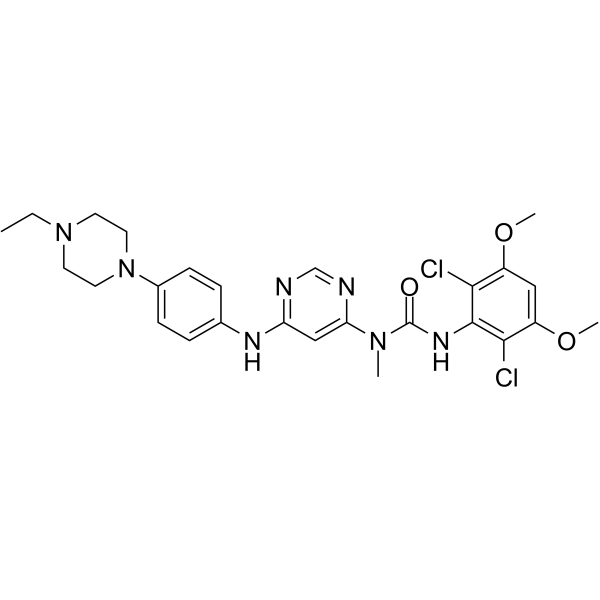
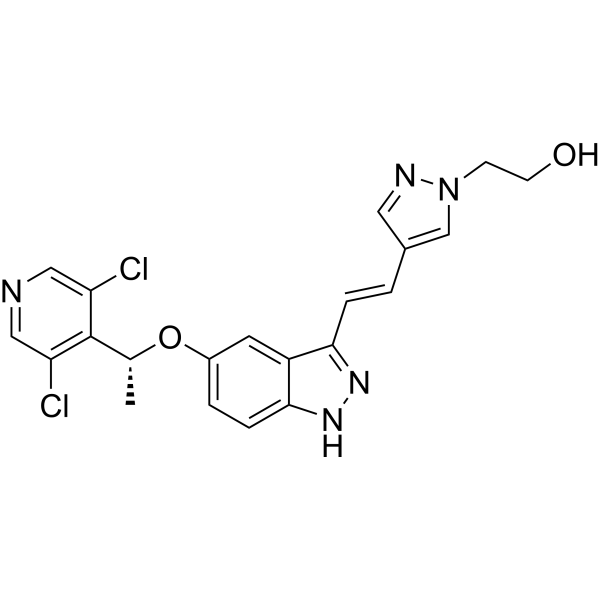
Infigratinib (BGJ-398; NVP-BGJ398) is a potent inhibitor of the FGFR family with IC50s of 0.9 nM, 1.4 nM, 1 nM, and 60 nM for FGFR1, FGFR2, FGFR3, and FGFR4, respectively.
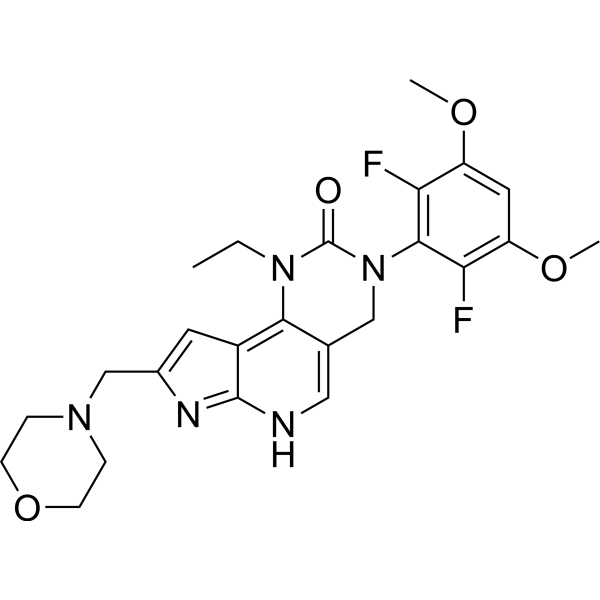
Pemigatinib (INCB054828) is an orally active, selective FGFR inhibitor with IC50s of 0.4 nM, 0.5 nM, 1.2 nM, 30 nM for FGFR1, FGFR2, FGFR3, FGFR4, respectively. Pemigatinib has the potential for cholangiocarcinoma .
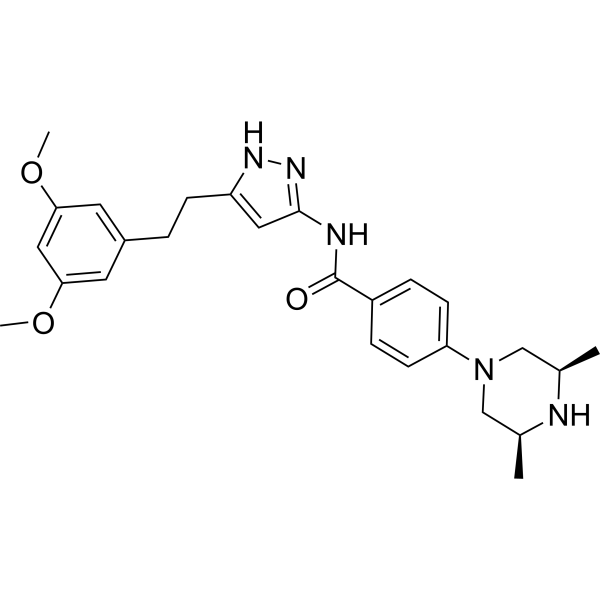
Fexagratinib (AZD4547; ADSK091) is a potent inhibitor of the FGFR family with IC50s of 0.2 nM, 2.5 nM, 1.8 nM, and 165 nM for FGFR1, FGFR2, FGFR3, and FGFR4, respectively.
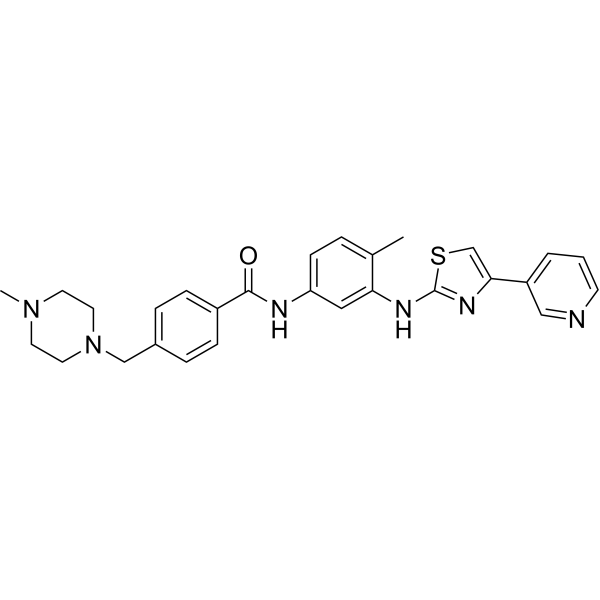
Masitinib (AB1010) is a potent, orally bioavailable, and selective inhibitor of c-Kit (IC50=200 nM for human recombinant c-Kit). It also inhibits PDGFRα/β (IC50s=540/800 nM), Lyn (IC50= 510 nM for LynB), Lck, and, to a lesser extent, FGFR3 and FAK. Masitinib (AB1010) has anti-proliferative, pro-apoptotic activity and low toxicity .
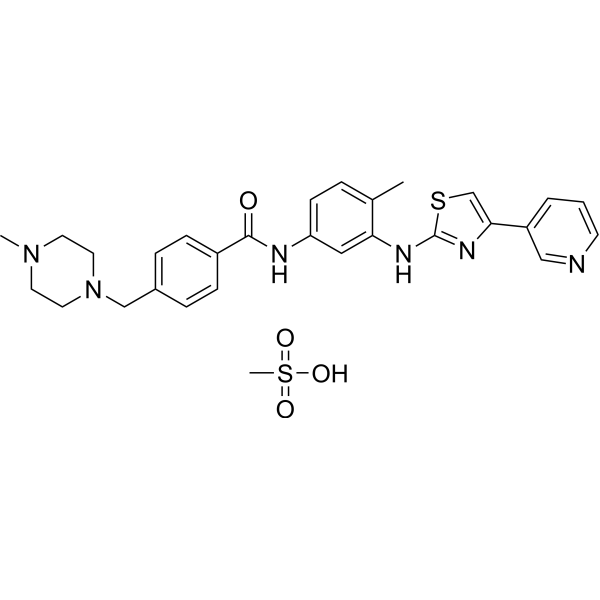
Masitinib mesylate (AB-1010 mesylate) is a potent, orally bioavailable, and selective inhibitor of c-Kit (IC50=200 nM for human recombinant c-Kit). It also inhibits PDGFRα/β (IC50s=540/800 nM), Lyn (IC50= 510 nM for LynB), Lck, and, to a lesser extent, FGFR3 and FAK. Masitinib mesylate (AB-1010 mesylate) has anti-proliferative, pro-apoptotic activity and low toxicity .
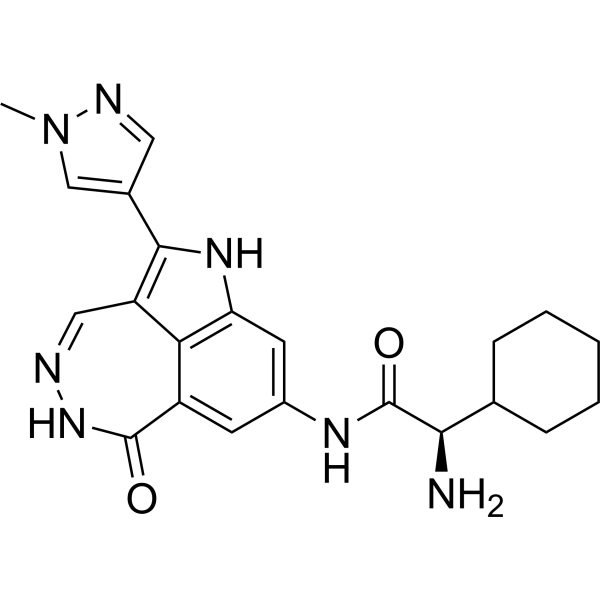
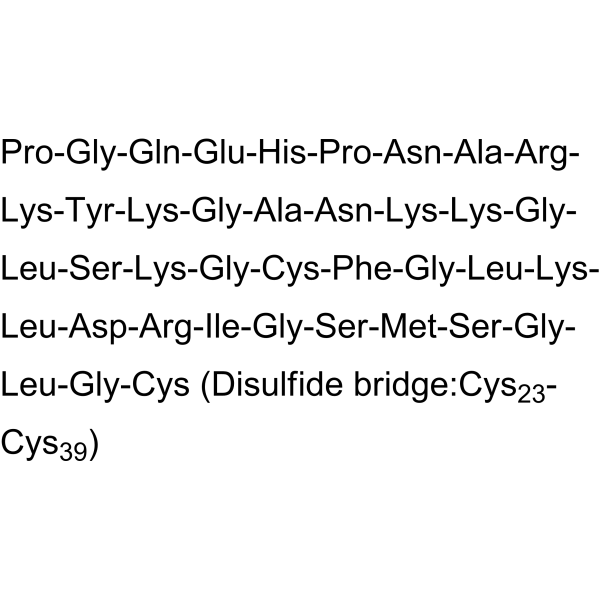
Vosoritide (BMN 111) is a modified recombinant CNP (C-type natriuretic peptide) analogue, binds to NPR-B (natriuretic peptide receptor type B) and reduces the activity of FGFR3 (fibroblast growth factor receptor 3). Vosoritide can be used in achondroplasia and dwarfism research [3].
Dabogratinib (TYRA-300) is an orally active, selective FGFR3 inhibitor with an IC50 of 11 nM. Dabogratinib exhibits antitumor activity against urothelial carcinoma and solid tumors. Dabogratinib downregulates the FGFR3 and ERK1/2 signaling pathways, and induces tumor growth inhibition and regression in FGFR3-altered xenograft models. Dabogratinib promotes chondrocyte proliferation and differentiation, drives endochondral bone formation and overall body growth, partially restores long bone proportions, and improves craniofacial and spinal morphology. Dabogratinib can be used for the research of metastatic urothelial carcinoma, achondroplasia and hypochondroplasia .
E7090 is an orally available, potent, and selective FGFR inhibitor with IC50s of 0.71 nM, 0.50 nM, 1.2 nM, and 120 nM for FGFR1/FGFR2/FGFR3/FGFR4, respectively .
BO-264 is a highly potent and orally active transforming acidic coiled-coil 3(TACC3) inhibitor with an IC50 of 188 nM and a Kd of 1.5 nM. BO-264 specifically blocks the function of FGFR3-TACC3 fusion protein. BO-264 induces spindle assembly checkpoint (SAC)-dependent mitotic arrest, DNA damage and apoptosis. BO-264 has broad-spectrum antitumor activity .
PF 477736 (PF 00477736) is a potent, selective and ATP-competitive inhibitor of Chk1, with a Ki of 0.49 nM, it is also a Chk2 inhibitor, with a Ki of 47 nM. PF 477736 shows <100-fold selectivity for Chk1 over VEGFR2, Fms, Yes, Aurora-A, FGFR3, Flt3, and Ret (IC50=8 (Ki), 10, 14, 23, 23, 25, and 39 nM, respectively). PF 477736 can enhance Gemcitabine antitumor activity in vitro and in vivo .
Zoligratinib (Debio 1347) is an orally available and selective FGFR inhibitor with IC50s of 9.3, 7.6, and 22 nM for FGFR1, FGFR2, FGFR3, and FGFR4, respectively.
Vofatamab (B-701) is an anti-FGFR3 monoclonal antibody (mAb). Vofatamab blocks activation of both the wildtype and genetically activated receptor. Vofatamab can be used in the research of metastatic urothelial carcinoma (mUC). Recommend Isotype Controls: Human IgG1 kappa, Isotype Control (HY-P99001) .
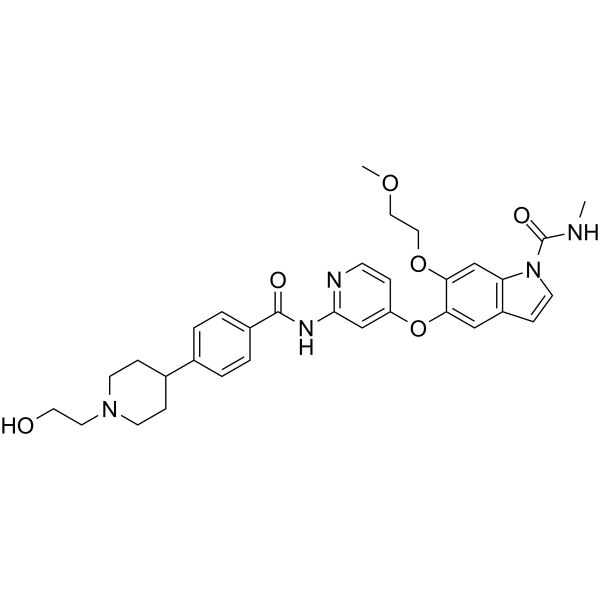
ODM-203 is an orally active and selective FGFR/VEGFR inhibitor with IC50 values of 6, 11, 16, 5, 9, 26 and 35 nM for FGFR3/1/2 and VEGFR3/2/1/4, respectively. ODM-203 has strong anti-tumour activity and activates immune responses in the tumour microenvironment .
FGFR3-IN-5 is a potent and selective FGFR3 inhibitor with IC50 values of 3, 44, and 289 nM for FGFR3, FGFR2, and FGFR1, respectively. FGFR3-IN-5 can be used in research of cancer .
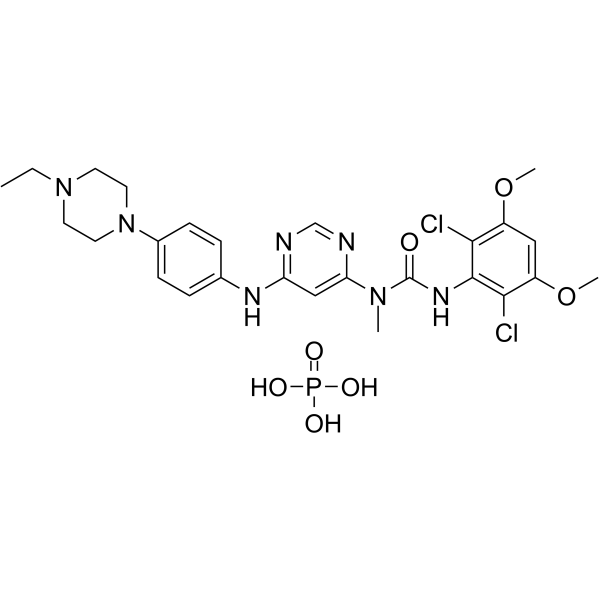
Infigratinib phosphate (BGJ-398 phosphate; NVP-BGJ398 phosphate) is a potent inhibitor of the FGFR family with IC50 of 0.9 nM, 1.4 nM, 1 nM, and 60 nM for FGFR1, FGFR2, FGFR3, and FGFR4, respectively.
PRN1371 is a highly selective and potent FGFR1-4 and CSF1R inhibitor with IC50s of 0.6, 1.3, 4.1, 19.3 and 8.1 nM for FGFR1, FGFR2, FGFR3, FGFR4 and CSF1R, respectively .
NSC12 is an orally active pan-FGF trap. NSC12 inhibits the interaction between FGF2/FGFR. NSC12 suppresses the phosphorylation of FGFR3. NSC12 reduces c-Myc levels, induces DNA damage, triggers the cleavage of Caspase 3, and promotes ROS production. NSC12 exhibits anticancer activity against lung cancer and multiple myeloma .
Fgfr3 Mouse Pre-designed siRNA Set A contains three designed siRNAs for Fgfr3 gene (Mouse), as well as a negative control, a positive control, and a FAM-labeled negative control.
IMC-D11 (LY-3076226 antibody) is an IgG1 monoclonal antibody against FGFR3. IMC-D11 can be used for the antibody part of LY3076226. IMC-D11 can be referenced as Human IgG1 kappa, Isotype Control (HY-P99001) .
Fgfr3 Rat Pre-designed siRNA Set A contains three designed siRNAs for Fgfr3 gene (Rat), as well as a negative control, a positive control, and a FAM-labeled negative control.
FGFR3 Human Pre-designed siRNA Set A contains three designed siRNAs for FGFR3 gene (Human), as well as a negative control, a positive control, and a FAM-labeled negative control.
PDK1-IN-1 (Compound 2-11) is a PDK1 inhibitor. PDK1-IN-1 is also useful as inhibitor of other kinases such as FGFR3, NTRK3, RP-S6K and WEE1. PDK1-IN-1 selectively inhibits microtubule affinity regulating kinase (MARK). PDK1-IN-1 can be used for researches of myeloproliferative disorders, cancer and Alzheimer's disease .
SNIPER(TACC3)-11 is a potent FGFR3-TACC3 degrader. SNIPER(TACC3)-11 reduces FGFR3-TACC3 protein levels and suppressed the growth of FGFR3-TACC3 positive cancer cells .
FGFR3-IN-4 is a selective FGFR3 inhibitor, with an IC50 value of less than 50 nM. FGFR3-IN-4 is at least 10 fold more selective for FGFR3 than for FGFR1 .
FGFR2/3-IN-1 is a potent and selective FGFR2 and FGFR3 (FGFR) inhibitor with IC50s of 1 nM and 0.5 nM, respectively. FGFR2/3-IN-1 displays >40-fold selectivity over FGFR1/FGFR4 and other kinome. FGFR2/3-IN-1 also inhibits FGFR3 V555L and V555M mutants with IC50s of 2.7 nM and 6.1 nM, respectively .
Recifercept (TA-46) is a soluble, recombinant fibroblast growth factor receptor 3 (FGFR3) molecule. Recifercept can be used as a decoy/ligand trap to decrease the amount of fibroblast growth factors that can bind to mutant FGFR3 receptors. Recifercept can be used for the research of achondroplasia .
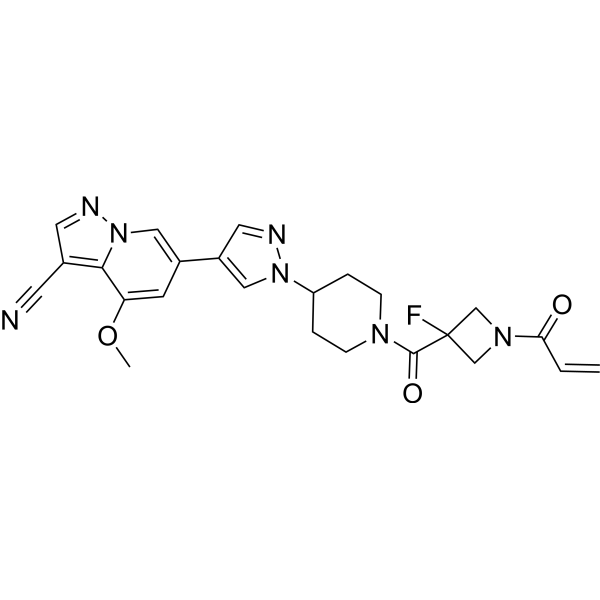
Dabogratinib (TYRA-300) (GMP) is Dabogratinib (HY-159642) produced by using GMP guidelines. GMP small molecules work appropriately as an auxiliary reagent for cell therapy manufacture. Dabogratinib is an orally active, selective FGFR3 inhibitor with an IC50 of 11 nM. Dabogratinib exhibits antitumor activity against urothelial carcinoma and solid tumors. Dabogratinib downregulates the FGFR3 and ERK1/2 signaling pathways, and induces tumor growth inhibition and regression in FGFR3-altered xenograft models. Dabogratinib promotes chondrocyte proliferation and differentiation, drives endochondral bone formation and overall body growth, partially restores long bone proportions, and improves craniofacial and spinal morphology. Dabogratinib can be used for the research of metastatic urothelial carcinoma, achondroplasia and hypochondroplasia .
FGFR3 activating mutations are drivers of malignancy in several human tissues, including bladder, lung, cervix, and blood. FGFR3 K650M is a mutant of FGFR3. FGFR3 K650M Recombinant Human Active Protein Kinase is a recombinant FGFR3 K650M protein that can be used to study FGFR3 K650M-related functions .
FGFR3 kinase mutations are associated with a variety of malignancies. FGFR3 V555L mutation leads to resistance to FGFR inhibitors. FGFR3 V555L Recombinant Human Active Protein Kinase is a recombinant FGFR3 V555L protein that can be used to study FGFR3 V555L-related functions .
FGFR3 activating mutations are drivers of malignancy in several human tissues, including bladder, lung, cervix, and blood. FGFR3 K650E is a mutant of FGFR3 that may be present in multiple myeloma cell lines. FGFR3 K650E Recombinant Human Active Protein Kinase is a recombinant FGFR3 K650E protein that can be used to study FGFR3 K650E-related functions .
FGFR3 kinase mutations are associated with a variety of malignancies. FGFR3 V555M mutation leads to resistance to FGFR inhibitors. FGFR3 V555M Recombinant Human Active Protein Kinase is a recombinant FGFR3 V555M protein that can be used to study FGFR3 V555M-related functions .
FGFR3-IN-2 (compound 18b) is a potent and selective FGFR3 inhibitor, with IC50s of 4.1 nM and 570 nM for FGFR3 and VEGFR2, respectively. FGFR3-IN-2 can be used for the research of bladder cancer .
FGFR4-IN-17 (Compound (S)-23) is a piperazinyl diflurindan derivative containing pyridinyl. FGFR4-IN-17 is a FGFR inhibitor with IC50 values of 24.2, 16.1, 78.0, and 68.0 nM for FGFR1, FGFR2, FGFR3, and FGFR4, respectively. FGFR4-IN-17 has antitumor activity .
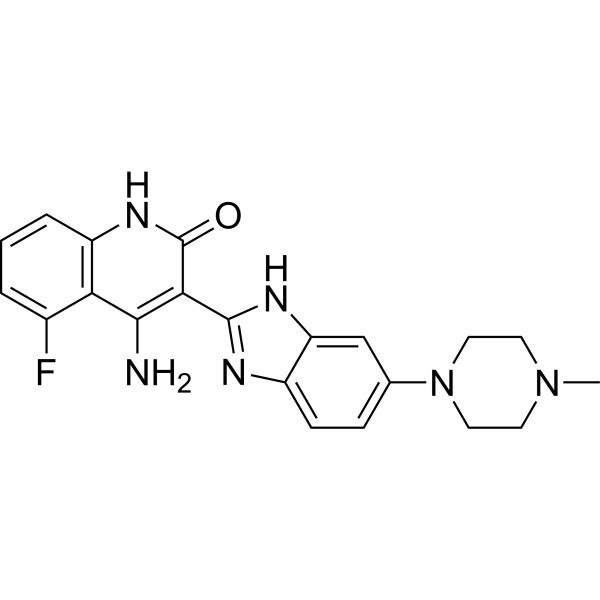
Dovitinib (Standard) is the analytical standard of Dovitinib. This product is intended for research and analytical applications. Dovitinib (CHIR-258) is an orally active, potent multi-targeted tyrosine kinase (RTK) inhibitor with IC50s of 1, 2, 36, 8/9, 10/13/8, 27/210 nM for FLT3, c-Kit, CSF-1R, FGFR1/FGFR3, VEGFR1/VEGFR2/VEGFR3 and PDGFRα/PDGFRβ, respectively. Dovitinib has potent antitumor activity .
LC-MF-4 is a selective FGFR3PROTAC degrader with a DC50 of 30.89 nM in KMS-11 cells. LC-MF-4 inhibits the metabolic function of FGFR3-TACC3 fusion positive cancers with reduction of ATP synthesis and inhibition of mitochondrial biogenesis genes. LC-MF-4 has potent antitumor activity in the Ba/F3-FGFR3-TACC3 xenograft mice model. LC-MF-4 can be used for FGFR3-altered cancers like bladder cancer and urothelial carcinoma (UC) research . Pink: FGFR3 ligand (HY-175414); Blue: VHL ligase ligand (HY-125905); Black: linker (HY-Y1224)
PROTAC FGFR3 Degrader-1 is a fibroblast growth factor receptor 3(FGFR3) PROTAC degrader, promotes FGFR3 degradation via the ubiquitin-proteasome pathway, and inhibits the downstream FGFR3/PI3K/AKT signaling pathway. PROTAC FGFR3 Degrader-1 can be used for the research of hepatocellular carcinoma .
FGFR-IN-22 (Compound 23) is a FGFR inhibitor with IC50s of 0.631, 1.26, 0.851 and 1 nM for FGFR1, FGFR2, FGFR3 and FGFR4, respectively. FGFR-IN-22 effectively inhibits cell proliferation that depends on the FGFR1 and FGFR3 signaling pathway. FGFR-IN-22 can be used for cancers such as chronic lymphocytic leukemia (CLL) research .
FIIN-4 is a first-in-class, orally active and covalent FGFR inhibitor with IC50s of 2.6 nM, 2.6 nM, 5.6 nM, 9.2 nM for FGFR1, FGFR2, FGFR3, and FGFR4, respectively. FIIN-4 can inhibit metastatic tumor growth.
Human FGFR3 mRNA encodes the human fibroblast growth factor receptor 3 (FGFR3) protein, a member of the fibroblast growth factor receptor (FGFR) family. The extracellular portion of FGFR3 protein can interact with fibroblast growth factors, setting in motion a cascade of downstream signals, ultimately influencing mitogenesis and differentiation.
FGFR3 activating mutations are drivers of malignancy in several human tissues, including bladder, lung, cervix, and blood. FGFR3 G697C is a mutant of FGFR3 that may be present in oral squamous cell carcinoma. FGFR3 G697C increases FGFR3 auto-phosphorylation. FGFR3 G697C Recombinant Human Active Protein Kinase is a recombinant FGFR3 G697C protein that can be used to study FGFR3 G697C-related functions .
FGFR2/3-IN-3 is a dual-target FGFR2/3 inhibitor with IC50s of 2.7 nM (TEL-FGFR2) and 3.9 nM (TEL-FGFR3), respectively. FGFR2/3-IN-3 has effective activity against both wild-type and mutant FGFR3. FGFR2/3-IN-3 has low CYP3A4 inhibitory effect and hERG toxicity. FGFR2/3-IN-3 improves the imbalance between chondrocyte proliferation and differentiation and promotes bone growth by inhibiting the signaling pathway mediated by mutant FGFR3. FGFR2/3-IN-3 shows a growth-promoting effect in a dwarfism mouse model and has the potential to study bone development disorder-related diseases such as achondroplasia (ACH) .
Infigratinib-d3 is a deuterated analog of infigratinib. Infigratinib is an effective inhibitor of the FGFR family, with IC50 values of 0.9 nM, 1.4 nM, 1 nM, and 60 nM for FGFR1, FGFR2, FGFR3, and FGFR4, respectively .
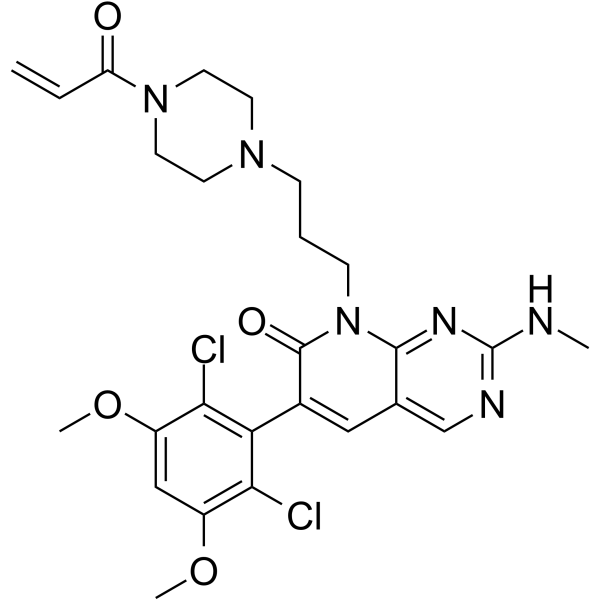
FGFR-IN-23 (Compound 9p) is a covalent pan FGFR inhibitor with IC50s of 14, 4.2, 5 and 220 nM for FGFR1, FGFR2, FGFR3 and FGFR4, respectively. FGFR-IN-23 also has potent inhibitory activity against gatekeeper mutants, such as FGFR1 V561M and FGFR3V555M. FGFR-IN-23 suppresses the activation of FGFR-mediated signaling and induces apoptosis. FGFR-IN-23 shows significant antitumor efficacy in RT112 xenograft mouse models. FGFR-IN-23 can be used for cancers and its drug resistance research .
E7090 succinate is an orally available, selective and potent inhibitor of FGFR1, FGFR2 and FGFR3 tyrosine kinase activities, with IC50 values of 0.71 nM, 0.50 nM, 1.2 nM, and 120 nM for FGFR1/2/3/4, respectively .
Fexagratinib (Standard) is the analytical standard of Fexagratinib. This product is intended for research and analytical applications. Fexagratinib (AZD4547; ADSK091) is a potent inhibitor of the FGFR family with IC50s of 0.2 nM, 2.5 nM, 1.8 nM, and 165 nM for FGFR1, FGFR2, FGFR3, and FGFR4, respectively.
FGFR3-IN-1 (compound 1) is a fibroblast growth factor receptor (FGFR) inhibitor, with IC50s of 40 nM, 5.1 nM, and 12 nM for FGFR1, 2, and 3, respectively. FGFR3-IN-1 can be used for the research of bladder cancer .
FGFR3-IN-3 (compound 40a) is a potent and pan-FGFR inhibitor, with IC50s of 2.1 nM, 3.1 nM, 4.3 nM and 74 nM for FGFR1, 2, 3, and 4, respectively. FGFR3-IN-3 can be used for the research of bladder cancer .
Dovitinib-d8 is the deuterium labeled Dovitinib. Dovitinib (CHIR-258) is a multi-targeted tyrosine kinase inhibitor with IC50s of 1, 2, 8/9, 10/13/8, 27/210 nM for FLT3, c-Kit, FGFR1/FGFR3, VEGFR1/VEGFR2/VEGFR3 and PDGFRα/PDGFRβ, respectively .
Segigratinib hydrochloride (3D185) is a potent inhibitor of FGFR1/2/3 and CSF-1R; The IC50 values for FGFR1, FGFR2, FGFR3 and CSF-1R are 0.5, 1.3, 3.6 and 3.8 nM, respectively. Segigratinib hydrochloride has antitumor activity .
FGFR2 is a receptor tyrosine kinase that is involved in many human cancers such as intrahepatic cholangiocarcinomas and hepatocellular carcinomas. FGFR2 N549K is a mutant of FGFR3. FGFR2 N549K Recombinant Human Active Protein Kinase is a recombinant FGFR4 N535K protein that can be used to study FGFR4 N535K-related functions .
FGFR3-IN-12 is a selective fibroblast growth factor receptor 3(FGFR3) inhibitor with an IC50 of 6.8 nM. FGFR3-IN-12 shows an IC50 of 19.2 nM against FGFR3V555M and an IC50 of 16.9 nM against TNK1 (Thirty-eight Negative Kinase 1). FGFR3-IN-12 inhibits cancer cells proliferation and induces caspase-mediated apoptosis. FGFR3-IN-12 exhibits antitumor activity in bladder cancer xenografts mice models. FGFR3-IN-12 can be used for the research of cancer, such as bladder cancer .
FGFR3-IN-10 is a FGFR3 inhibitor with superior selectivity for FGFR3 over FGFR1.FGFR3-IN-10 can be used for the research of cancer, systemic sclerosis, fibrosis, pulmonary fibrosis, achondroplasia, thanatophoric dysplasia, severe achondroplasia with developmental delay and acanthosis nigricans (SADDAN), Muenke syndrome .
FGFR-IN-18 (Compound KF7) is a lysine-targeting FGFR covalent inhibitor, with IC50s of: 1.1 nM for FGFR2, 1.3 nM for FGFR1, 31.5 nM for FGFR4. FGFR-IN-18 also has affinity for FGFR3 (inhibition rate of 52% at 10 nM). FGFR-IN-18 covalently modifies Lys485 (an reactive site of FGFRs) .
FGFR4 is a transcriptional target of the PAX3-FOXO1 fusion gene. FGFR4 expression is significantly higher in rhabdomyosarcoma. FGFR3 K650E is a mutant of FGFR3 that may be present in rhabdomyosarcoma. FGFR4 N535K Recombinant Human Active Protein Kinase is a recombinant FGFR4 N535K protein that can be used to study FGFR4 N535K-related functions .
FGFR2/3-IN-2 (compound 10) is an orally active FGFR2 and FGFR3 inhibitor. FGFR2/3-IN-2 inhibits FGFR2 and FGFR3 with IC50s of 3.7 nM and 31.2 nM (preincubation time 1 h), respectively. FGFR2/3-IN-2 spares FGFR1/4 and other kinases without causing diarrhea and serum phosphate elevation in vivo. FGFR2/3-IN-2 induces tumor stasis or regression in the SNU-16 gastric cancer model .
FGFR3-IN-11(compound B11) is a Fibroblast growth factor receptor 3(FGFR3) inhibitor with a Ka value of 4.8 μM. FGFR3-IN-11 induces apoptosis, suppresses colony formation, and causes dose-dependent G0/G1 cell cycle arrest in cancer cells. FGFR3-IN-11 exerts anticancer activity against cancer cells with minimal toxicity toward normal hepatocytes and demonstrates tumor growth suppression in xenograft mouse models. FGFR3-IN-11 can be used for the research of hepatocellular carcinoma .
FGFR-IN-8 (Compound 17a) is a highly potent and orally active panFGFR inhibitor against wild-type and mutant FGFRs. FGFR-IN-8 shows inhibition with IC50 values of <0.5, 189.1, <0.5, 22.6, <0.5 and 7.30 nM against FGFR1, V564F-FGFR2, N549H-FGFR2, V555M-FGFR3, FGFR3 and FGFR4, respectively. GFR-IN-8 induces cancer cell apoptosis and shows anticancer activities .
Arg-IN-1 is a selective Arginine (Arg)-targeting covalent inhibitor with IC50s of 9.7 nM and 30.4 nM for FGFR2 and FGFR3,respectively. Arg-IN-1 has the potential to avoid FGFR1/4-targeted toxicity as well as conquer acquired on-target resistance, potential for FGFR-targeting cancer therapy .
FGFR-IN-2 (compound 1) is a potent FGFR inhibitor with IC50s of 7.3 nM, 4.3 nM, 7.6 nM, 11 nM for FGFR1, FGFR2, FGFR3 and FGFR4, respectively. FGFR-IN-2 has the potential for cancer research .
FGFR4-IN-10 (compound 5a) is a potent and selective FGFR4 inhibitor with an IC50 value of 70.7 nM. FGFR4-IN-10 shows no inhibition against other FGFR family members, i.e. FGFR1, FGFR2 and FGFR3 .
FGFR-IN-9 (Compound 19) is a potent, reversible and orally active FGFR inhibitor with an IC50 of 17.1, 29.6, 30.7, 46.7 and 64.3 nM against FGFR4 WT, FGFR3, FGFR4 V550L, FGFR2 and FGFR1, respectively .
Infigratinib phosphate (Standard) is the analytical standard of Infigratinib phosphate. This product is intended for research and analytical applications. Infigratinib phosphate (BGJ-398 phosphate; NVP-BGJ398 phosphate) is a potent inhibitor of the FGFR family with IC50 of 0.9 nM, 1.4 nM, 1 nM, and 60 nM for FGFR1, FGFR2, FGFR3, and FGFR4, respectively.
Infigratinib (Standard) is the analytical standard of Infigratinib. This product is intended for research and analytical applications. Infigratinib (BGJ-398; NVP-BGJ398) is a potent inhibitor of the FGFR family with IC50s of 0.9 nM, 1.4 nM, 1 nM, and 60 nM for FGFR1, FGFR2, FGFR3, and FGFR4, respectively.
Pemigatinib (Standard) is the analytical standard of Pemigatinib. This product is intended for research and analytical applications. Pemigatinib (INCB054828) is an orally active, selective FGFR inhibitor with IC50s of 0.4 nM, 0.5 nM, 1.2 nM, 30 nM for FGFR1, FGFR2, FGFR3, FGFR4, respectively. Pemigatinib has the potential for cholangiocarcinoma .
FGFR2 is a receptor tyrosine kinase that is involved in many human cancers such as intrahepatic cholangiocarcinomas and hepatocellular carcinomas. FGFR2 V564L is a mutant of FGFR3. FGFR2 V564L Recombinant Human Active Protein Kinase is a recombinant FGFR2 V564L protein that can be used to study FGFR2 V564L-related functions .
Pemigatinib-d6 (INCB054828-d6) is deuterium labeled Pemigatinib. Pemigatinib (INCB054828) is an orally active, selective FGFR inhibitor with IC50s of 0.4 nM, 0.5 nM, 1.2 nM, 30 nM for FGFR1, FGFR2, FGFR3, FGFR4, respectively. Pemigatinib has the potential for cholangiocarcinoma [3].
FGFR2 is a receptor tyrosine kinase that is involved in many human cancers such as intrahepatic cholangiocarcinomas and hepatocellular carcinomas. FGFR2 K659M is a mutant of FGFR3. FGFR2 K659M Recombinant Human Active Protein Kinase is a recombinant FGFR2 K659M protein that can be used to study FGFR2 K659M-related functions .
FGFR2 is a receptor tyrosine kinase that is involved in many human cancers such as intrahepatic cholangiocarcinomas and hepatocellular carcinomas. FGFR2 K526E is a mutant of FGFR3. FGFR2 K526E Recombinant Human Active Protein Kinase is a recombinant FGFR2 K526E protein that can be used to study FGFR2 K526E-related functions .
FGFR2 is a receptor tyrosine kinase that is involved in many human cancers such as intrahepatic cholangiocarcinomas and hepatocellular carcinomas. FGFR2 V564F is a mutant of FGFR3. FGFR2 V564F Recombinant Human Active Protein Kinase is a recombinant FGFR2 V564F protein that can be used to study FGFR2 V564F-related functions .
FGFR2 is a receptor tyrosine kinase that is involved in many human cancers such as intrahepatic cholangiocarcinomas and hepatocellular carcinomas. FGFR2 V564I is a mutant of FGFR3. FGFR2 V564I Recombinant Human Active Protein Kinase is a recombinant FGFR2 V564I protein that can be used to study FGFR2 V564I-related functions .
FGFR2 is a receptor tyrosine kinase that is involved in many human cancers such as intrahepatic cholangiocarcinomas and hepatocellular carcinomas. FGFR2 C491S is a mutant of FGFR3. FGFR2 C491S Recombinant Human Active Protein Kinase is a recombinant FGFR2 C491S protein that can be used to study FGFR2 C491S-related functions .
FGFR-IN-11 (compound I-5) is an orally active and covalent FGFR inhibitor with IC50 values of 9.9 nM (FGFR1), 3.1 nM (FGFR2), 16 nM (FGFR3), and 1.8 nM (FGFR4), respectively. FGFR-IN-11 inhibits multiple cancer cell proliferation with nanomolar activity. FGFR-IN-11 inhibits tumor growth significantly in xenograft mice models .
FGFR2 is a receptor tyrosine kinase that is involved in many human cancers such as intrahepatic cholangiocarcinomas and hepatocellular carcinomas. FGFR2 N549H is a mutant of FGFR3. FGFR2 N549H Recombinant Human Active Protein Kinase is a recombinant FGFR4 N535H protein that can be used to study FGFR4 N535H-related functions .
FGFR2 is a receptor tyrosine kinase that is involved in many human cancers such as intrahepatic cholangiocarcinomas and hepatocellular carcinomas. FGFR2 M537I is a mutant of FGFR3. FGFR2 M537I Recombinant Human Active Protein Kinase is a recombinant FGFR2 M537I protein that can be used to study FGFR2 M537I-related functions .
FGFR2 is a receptor tyrosine kinase that is involved in many human cancers such as intrahepatic cholangiocarcinomas and hepatocellular carcinomas. FGFR2 K659N is a mutant of FGFR3. FGFR2 K659N Recombinant Human Active Protein Kinase is a recombinant FGFR2 K659N protein that can be used to study FGFR2 K659N-related functions .
FGFR2 is a receptor tyrosine kinase that is involved in many human cancers such as intrahepatic cholangiocarcinomas and hepatocellular carcinomas. FGFR2 K641N is a mutant of FGFR3. FGFR2 K641N Recombinant Human Active Protein Kinase is a recombinant FGFR2 K641N protein that can be used to study FGFR2 K641N-related functions .
FGFR-IN-14 (compound 10h) is a pan-FGFR inhibitor. FGFR-IN-14 inhibits FGFR1, FGFR2, FGFR3 and FGFR2 V564F gatekeeper mutant with IC50s of 46, 41, 99, and 62 nM, respectively. FGFR-IN-14 strongly suppresses NCI-H520 lung cancer cells, SNU-16 and KATO III gastric cancer cells proliferation with IC50s of 19, 59, and 73 nM, respectively .
FGFR4 is a transcriptional target of the PAX3-FOXO1 fusion gene. FGFR4 expression is significantly higher in rhabdomyosarcoma. FGFR4 V550E is a mutant of FGFR3 that may be present in rhabdomyosarcoma. FGFR4 V550E Recombinant Human Active Protein Kinase is a recombinant FGFR4 V550E protein that can be used to study FGFR4 V550EK-related functions .
2,4,3',4',6'-Penta-O-(3-methylbutanoyl)sucrose is an FGFR3 and BRAF binder, and is an isovaleryl sucrose ester that can be found in Atractylodes japonica. 2,4,3',4',6'-Penta-O-(3-methylbutanoyl)sucrose shows low cytotoxicity against cancer cells .
Len-604 is a FGFR inhibitor with IC50 values of 9.71 nM, 9.93 nM, 29.80 nM and 14.48 nM against FGFR4, FGFR1, FGFR2 and FGFR3, respectively. Len-604 reduces the phosphorylation levels of FGFR4 and ERK, and induces DNA damage and apoptosis in cancer cells. Len-604 is applicable to research related to liver cancer .
FGFR-IN-27 is an orally active, broad-spectrum FGFR inhibitor, with an IC50 of 0.24 nM against human FGFR1, 0.71 nM against FGFR2, 0.87 nM against FGFR3, and 6.50 nM against FGFR4. FGFR-IN-27 inhibits cancer cell proliferation and blocks tumor growth. FGFR-IN-27 reduces the phosphorylation levels of AKT and ERK, induces apoptosis and ferroptosis, increases ROS levels, and decreases GSH levels. FGFR-IN-27 can be used in the research of hepatocellular carcinoma .
E7090 (Standard) is the analytical standard of E7090 (HY-101466). This product is intended for research and analytical applications. E7090 is an orally available, potent, and selective FGFR inhibitor with IC50s of 0.71 nM, 0.50 nM, 1.2 nM, and 120 nM for FGFR1/FGFR2/FGFR3/FGFR4, respectively .
FGFR2 is a receptor tyrosine kinase that is involved in many human cancers such as intrahepatic cholangiocarcinomas and hepatocellular carcinomas. FGFR2 K641R is a mutant of FGFR3. FGFR2 K641R Recombinant Human Active Protein Kinase is a recombinant FGFR2 K641R protein that can be used to study FGFR2 K641R-related functions .
FGFR2 is a receptor tyrosine kinase that is involved in many human cancers such as intrahepatic cholangiocarcinomas and hepatocellular carcinomas. FGFR2 L617V is a mutant of FGFR3. FGFR2 L617V Recombinant Human Active Protein Kinase is a recombinant FGFR2 L617V protein that can be used to study FGFR2 L617V-related functions .
FGFR2 is a receptor tyrosine kinase that is involved in many human cancers such as intrahepatic cholangiocarcinomas and hepatocellular carcinomas. FGFR2 R612T is a mutant of FGFR3. FGFR2 R612T Recombinant Human Active Protein Kinase is a recombinant FGFR2 R612T protein that can be used to study FGFR2 R612T-related functions .
PRN1371 (Standard) is the analytical standard of PRN1371 (HY-101768). This product is intended for research and analytical applications. PRN1371 is a highly selective and potent FGFR1-4 and CSF1R inhibitor with IC50s of 0.6, 1.3, 4.1, 19.3 and 8.1 nM for FGFR1, FGFR2, FGFR3, FGFR4 and CSF1R, respectively .
Resigratinib (KIN-3248) is an irreversible and orally active covalent inhibitor of FGFR1-4 that effectively inhibits wild-type and drug-resistant mutations (such as FGFR2 V565F, FGFR3 V555M). Resigratinib covalently binds to the Cys492 site of FGFR, blocks the FGFR signaling pathway, inhibits tumor cell proliferation and induces apoptosis. Resigratinib can be used for the study of FGFR2/3-driven solid tumors (such as cholangiocarcinoma and bladder cancer) .
JK-P3 is a potent and pan VEGFR2 inhibitor, with IC50s of 7.83 μM, 27 μM and 5.18 μM for VEGFR2, FGFR1 and FGFR3, respectively. JK-P3 can inhibit VEGF-A-stimulated VEGFR2 activation and intracellular signalling, also inhibits endothelial monolayer wound closure and angiogenesis, as well as fibroblast growth factor receptor kinase activity in vitro. JK-P3 has anti-angiogenic activity .
Masitinib (Standard) is the analytical standard of Masitinib. This product is intended for research and analytical applications. Masitinib (AB1010) is a potent, orally bioavailable, and selective inhibitor of c-Kit (IC50=200 nM for human recombinant c-Kit). It also inhibits PDGFRα/β (IC50s=540/800 nM), Lyn (IC50= 510 nM for LynB), Lck, and, to a lesser extent, FGFR3 and FAK. Masitinib (AB1010) has anti-proliferative, pro-apoptotic activity and low toxicity .
ISM7594 is an orally active FGFR2/3 inhibitor. ISM7594 shows broad-spectrum antiproliferative potency in
FGFR2- or FGFR3-altered cancer cell panels, including FGFR2/3 amplification, fusion, and mutation (BaF3-TEL-FGFR2-V564F (IC50 = 0.067 nM), BaF3-TEL-FGFR2-V564I (IC50 = 2 nM)) types. ISM7594 inhibits tumor growth in a dose-dependent manner. ISM7594 can be used for the study of advanced solid tumors with FGFR2/3 aberrations .
MPT0L145 is a PIK3C3/FGFR inhibitor, with a Kd value of 0.53 nM for PIK3C3. MPT0L145 decreases the phosphorylation of FGFR1, FGFR3 and their downstream proteins (FRS2, ERK and Akt). MPT0L145 induces G0/G1 cell cycle arrest and decreased protein levels of cyclin E. MPT0L145 promotes mitochondrial dysfunction, ROS production, and DNA damage. MPT0L145 is an autophagy inhibitor. MPT0L145 significantly sensitizes cancer cells to targeted or chemotherapeutic agents. MPT0L145 can be used for cancer research, such as bladder cancer and NSCLC [3] .
Masitinib (mesylate) (Standard) is the analytical standard of Masitinib (mesylate). This product is intended for research and analytical applications. Masitinib mesylate (AB-1010 mesylate) is a potent, orally bioavailable, and selective inhibitor of c-Kit (IC50=200 nM for human recombinant c-Kit). It also inhibits PDGFRα/β (IC50s=540/800 nM), Lyn (IC50= 510 nM for LynB), Lck, and, to a lesser extent, FGFR3 and FAK. Masitinib mesylate (AB-1010 mesylate) has anti-proliferative, pro-apoptotic activity and low toxicity .
PF 477736 (Standard) is the analytical standard of PF 477736 (HY-10032). This product is intended for research and analytical applications. PF 477736 (PF 00477736) is a potent, selective and ATP-competitive inhibitor of Chk1, with a Ki of 0.49 nM, it is also a Chk2 inhibitor, with a Ki of 47 nM. PF 477736 shows <100-fold selectivity for Chk1 over VEGFR2, Fms, Yes, Aurora-A, FGFR3, Flt3, and Ret (IC50=8 (Ki), 10, 14, 23, 23, 25, and 39 nM, respectively). PF 477736 can enhance Gemcitabine antitumor activity in vitro and in vivo .
HDAC-IN-50 is a potent and orally active FGFR and HDAC dual inhibitor with IC50 values of 0.18, 1.2, 0.46, 1.4, 1.3, 1.6, 2.6, 13 nM for FGFR1, FGFR2, FGFR3, FGFR4, HDAC1, HDAC2, HDAC6, HDAC8, respectively. HDAC-IN-50 induces Apoptosis and cell cycle arrest at G0/G1 phase. HDAC-IN-50 decreases the expression of pFGFR1, pERK, pSTAT3. HDAC-IN-50 shows anti-tumor activity .
BW710 is an orally active fibroblast growth factor receptor 2 (FGFR2) inhibitor. BW710 inhibits the proliferation of BaF3-FGFR2 cells with an IC50 of 2.8 nM. BW710 abolishes FGFR2 enzymatic activity and is selective against other 75 tyrosine kinases including FGFR1, FGFR3, and FGFR4 at 1 μM. BW710 suppresses the FGFR2 signaling and selectively inhibits FGFR2-driven cancer cell proliferation. BW710 displays reasonable
pharmacokinetic properties with an oral bioavailability of 29 % in mice .
JK-P3 (Standard) is the analytical standard of JK-P3 (HY-108933). This product is intended for research and analytical applications. JK-P3 is a potent and pan VEGFR2 inhibitor, with IC50s of 7.83 μM, 27 μM and 5.18 μM for VEGFR2, FGFR1 and FGFR3, respectively. JK-P3 can inhibit VEGF-A-stimulated VEGFR2 activation and intracellular signalling, also inhibits endothelial monolayer wound closure and angiogenesis, as well as fibroblast growth factor receptor Kinase activity in vitro. JK-P3 has anti-angiogenic activity .
Cevidoplenib (SKI-O-703) is an orally available inhibitor of spleen tyrosine kinase (Syk), with potential anti-inflammatory and immunomodulating activities. Cevidoplenib is also the mesylate form of SKI-O-592. Cevidoplenib and SKI-O-592 inhibits BCR-mediated survival, proliferation, and differentiation of B cells. And SKI-O-592 potently inhibits multiple kinases with IC50s of 6.2 nM (Syk), 1.859 μM (Jak2), 5.807 μM (Jak3), 0.412 μM (RET), 0.687 μM (KOR), 1.783 μM (FLT3), 16.96 μM (FGFR1), 5.662 μM (FGFR3), and 0.709 μM (Pyk2), respectively [3].
Dovitinib lactate hydrate (TKI258 lactate hydrate) is a multi-targeted tyrosine kinase inhibitor with IC50s of 1, 2, 8/9, 10/13/8, 27/210 nM for FLT3, c-Kit, FGFR1/3, VEGFR1/2/3 and PDGFRα/β, respectively .
VEGFR2-IN-84 is an orally active, multi-targeted tyrosine kinase inhibitor based on a naphthalene ring scaffold. VEGFR2-IN-84 inhibits VEGFR2 with sub-nanomolar affinity and broadly targets kinases including Kit, FGFR, PDGFR, and Ret. By competitively binding to the ATP-binding pocket, VEGFR2-IN-84 blocks the phosphorylation of VEGFR2 and its downstream AKT/ERK signaling pathway, thereby significantly inhibiting endothelial cell proliferation, migration, and tumor angiogenesis. VEGFR2-IN-84 exhibits broad-spectrum antiproliferative activity against various solid tumors such as liver cancer, lung cancer, and renal cancer, shows weak toxicity to normal cells, and has superior potency to Lenvatinib (HY-10981). VEGFR2-IN-84 possesses favorable pharmacokinetic properties and high safety (LD50>2000 mg/kg), and can be used in related studies of various malignant tumors .
FIIN-1 is a potent, irreversible, selective FGFR inhibitor. FIIN-1 binds to FGFR1/2/3/4 and Flt1/4 with Kds of 2.8/6.9/5.4/120 nM and 32/120 nM respectively. The biochemical IC50s of FIIN-1 are 9.2, 6.2, 11.9, and 189 nM against FGFR1/2/3/4, respectively .
FGFR-IN-26 is an orally active FGFR inhibitor. FGFR-IN-26 inhibits FGFR2 wild-type and clinically relevant resistance mutations. FGFR-IN-26 inhibits tumor growth in FGFR2-amplified xenograft mouse models. FGFR-IN-26 can be used for the research of cancer, suah as gastric carcinoma .
TYRA-200 is a potent and orally active FGFR2 inhibitor. TYRA-200 inhibits the kinase activity of wild-type FGFR2 and its mutants. TYRA-200 induces significant tumor regression in FGFR2-driven cancer models. TYRA-200 can be used for the research of FGFR2-altered advanced solid tumors, intrahepatic cholangiocarcinoma, and endometrial cancer .
Dabogratinib (TYRA-300) (GMP) is Dabogratinib (HY-159642) produced by using GMP guidelines. GMP small molecules work appropriately as an auxiliary reagent for cell therapy manufacture. Dabogratinib is an orally active, selective FGFR3 inhibitor with an IC50 of 11 nM. Dabogratinib exhibits antitumor activity against urothelial carcinoma and solid tumors. Dabogratinib downregulates the FGFR3 and ERK1/2 signaling pathways, and induces tumor growth inhibition and regression in FGFR3-altered xenograft models. Dabogratinib promotes chondrocyte proliferation and differentiation, drives endochondral bone formation and overall body growth, partially restores long bone proportions, and improves craniofacial and spinal morphology. Dabogratinib can be used for the research of metastatic urothelial carcinoma, achondroplasia and hypochondroplasia .
PDK1-IN-1 (Compound 2-11) is a PDK1 inhibitor. PDK1-IN-1 is also useful as inhibitor of other kinases such as FGFR3, NTRK3, RP-S6K and WEE1. PDK1-IN-1 selectively inhibits microtubule affinity regulating kinase (MARK). PDK1-IN-1 can be used for researches of myeloproliferative disorders, cancer and Alzheimer's disease .
Dabogratinib (TYRA-300) (GMP) is Dabogratinib (HY-159642) produced by using GMP guidelines. GMP small molecules work appropriately as an auxiliary reagent for cell therapy manufacture. Dabogratinib is an orally active, selective FGFR3 inhibitor with an IC50 of 11 nM. Dabogratinib exhibits antitumor activity against urothelial carcinoma and solid tumors. Dabogratinib downregulates the FGFR3 and ERK1/2 signaling pathways, and induces tumor growth inhibition and regression in FGFR3-altered xenograft models. Dabogratinib promotes chondrocyte proliferation and differentiation, drives endochondral bone formation and overall body growth, partially restores long bone proportions, and improves craniofacial and spinal morphology. Dabogratinib can be used for the research of metastatic urothelial carcinoma, achondroplasia and hypochondroplasia .
Vosoritide (BMN 111) is a modified recombinant CNP (C-type natriuretic peptide) analogue, binds to NPR-B (natriuretic peptide receptor type B) and reduces the activity of FGFR3 (fibroblast growth factor receptor 3). Vosoritide can be used in achondroplasia and dwarfism research [3].
Vofatamab (B-701) is an anti-FGFR3 monoclonal antibody (mAb). Vofatamab blocks activation of both the wildtype and genetically activated receptor. Vofatamab can be used in the research of metastatic urothelial carcinoma (mUC). Recommend Isotype Controls: Human IgG1 kappa, Isotype Control (HY-P99001) .
IMC-D11 (LY-3076226 antibody) is an IgG1 monoclonal antibody against FGFR3. IMC-D11 can be used for the antibody part of LY3076226. IMC-D11 can be referenced as Human IgG1 kappa, Isotype Control (HY-P99001) .
Recifercept (TA-46) is a soluble, recombinant fibroblast growth factor receptor 3 (FGFR3) molecule. Recifercept can be used as a decoy/ligand trap to decrease the amount of fibroblast growth factors that can bind to mutant FGFR3 receptors. Recifercept can be used for the research of achondroplasia .
2,4,3',4',6'-Penta-O-(3-methylbutanoyl)sucrose is an FGFR3 and BRAF binder, and is an isovaleryl sucrose ester that can be found in Atractylodes japonica. 2,4,3',4',6'-Penta-O-(3-methylbutanoyl)sucrose shows low cytotoxicity against cancer cells .
The FGFR-3 protein is a tyrosine-protein kinase receptor for fibroblast growth factor that is critical for cellular processes, particularly in chondrocytes, osteoblasts, and inner ear development. Its effects span normal skeletal development and postnatal bone mineralization. FGFR-3 alpha (IIIc) Protein, Human (HEK293, Fc) is the recombinant human-derived FGFR-3 protein, expressed by HEK293 , with C-hFc labeled tag.
The FGFR-3 protein is a tyrosine-protein kinase receptor for fibroblast growth factor that is critical for cellular processes, particularly in chondrocytes, osteoblasts, and inner ear development. Its effects span normal skeletal development and postnatal bone mineralization. FGFR-3 alpha (IIIc) Protein, Human (HEK293, His-Avi) is the recombinant human-derived FGFR-3 alpha, expressed by HEK293 , with C-Avi, C-His labeled tag.
The FGFR-3 protein is a tyrosine-protein kinase receptor for fibroblast growth factor that is critical for cellular processes, particularly in chondrocytes, osteoblasts, and inner ear development. Its effects span normal skeletal development and postnatal bone mineralization. FGFR-3 alpha (IIIb) Protein, Human (HEK293, His-Avi) is the recombinant human-derived FGFR-3 alpha, expressed by HEK293 , with C-Avi, C-His labeled tag.
The FGFR-3 protein is a tyrosine-protein kinase receptor for fibroblast growth factor that is critical for cellular processes, particularly in chondrocytes, osteoblasts, and inner ear development. Its effects span normal skeletal development and postnatal bone mineralization. FGFR-3 beta (IIIb) Protein, Human (HEK293, His-Avi) is the recombinant human-derived FGFR-3 beta, expressed by HEK293 , with C-Avi, C-His labeled tag.
The FGFR-3 protein is a tyrosine-protein kinase receptor for fibroblast growth factor that is critical for cellular processes, particularly in chondrocytes, osteoblasts, and inner ear development. Its effects span normal skeletal development and postnatal bone mineralization. FGFR-3 beta (IIIc) Protein, Human (HEK293, His-Avi) is the recombinant human-derived FGFR-3 beta, expressed by HEK293 , with C-Avi, C-His labeled tag.
The FGFR-3 protein is a tyrosine-protein kinase receptor for fibroblast growth factor that is critical for cellular processes, particularly in chondrocytes, osteoblasts, and inner ear development. Its effects span normal skeletal development and postnatal bone mineralization. FGFR-3 Protein, Human (sf9, His, Flag) is the recombinant human-derived FGFR-3, expressed by Sf9 insect cells, with His, Flag labeled tag. The total length of FGFR-3 Protein, Human (sf9, His, Flag) is 311 a.a..
The FGFR-3 protein is a tyrosine-protein kinase receptor for fibroblast growth factor that is critical for cellular processes, particularly in chondrocytes, osteoblasts, and inner ear development. Its effects span normal skeletal development and postnatal bone mineralization. FGFR-3 alpha (IIIc) Protein, Human (HEK293, His) is the recombinant human-derived FGFR-3 protein, expressed by HEK293 , with C-6*His labeled tag.
The FGFR-3 protein is a tyrosine-protein kinase receptor for fibroblast growth factor that is critical for cellular processes, particularly in chondrocytes, osteoblasts, and inner ear development. Its effects span normal skeletal development and postnatal bone mineralization. FGFR-3 alpha (IIIb) Protein, Human (Biotinylated, HEK293, His-Avi) is the recombinant human-derived FGFR-3 alpha, expressed by HEK293 , with C-Avi, C-His labeled tag.
The FGFR-3 protein is a tyrosine-protein kinase receptor for fibroblast growth factor that is critical for cellular processes, particularly in chondrocytes, osteoblasts, and inner ear development. Its effects span normal skeletal development and postnatal bone mineralization. FGFR-3 alpha (IIIc) Protein, Human (Biotinylated, HEK293, His-Avi) is the recombinant human-derived FGFR-3 alpha IIIc protein, expressed by HEK293 , with C-Avi, C-His labeled tag.
The FGFR-3 protein is a tyrosine-protein kinase receptor for fibroblast growth factor that is critical for cellular processes, particularly in chondrocytes, osteoblasts, and inner ear development. Its effects span normal skeletal development and postnatal bone mineralization. FGFR-3 beta (IIIc) Protein, Human (Biotinylated, HEK293, His-Avi) is the recombinant human-derived FGFR-3 beta IIIc protein, expressed by HEK293 , with C-Avi, C-His labeled tag.
The FGFR-3 protein is a tyrosine-protein kinase receptor for fibroblast growth factor that is critical for cellular processes, particularly in chondrocytes, osteoblasts, and inner ear development. Its effects span normal skeletal development and postnatal bone mineralization. FGFR-3 beta (IIIb) Protein, Human (Biotinylated, HEK293, His-Avi) is the recombinant human-derived FGFR-3 beta, expressed by HEK293 , with C-Avi, C-His labeled tag.
The FGFR-3 Protein is a member of the fibroblast growth factor receptor family. FGFR-3 Protein regulates chondrocyte differentiation and chondrocyte proliferation by activating the MAPK/STAT signaling pathway. FGFR-3 mutations are also associated with sperm cell tumors. FGFR-3 Protein, Mouse (HEK293, His-Fc) is the recombinant mouse-derived FGFR-3 protein, expressed by HEK293 , with C-hFc, C-His labeled tag.
The FGFR-3 protein is a tyrosine protein kinase that serves as a cell surface receptor for fibroblast growth factors and controls cellular processes, including proliferation, differentiation, and apoptosis. It is essential for chondrocyte differentiation, proliferation, apoptosis and normal bone development functions. FGFR-3 Protein, Mouse (HEK293, His) is the recombinant mouse-derived FGFR-3 protein, expressed by HEK293 , with C-His labeled tag.
The FGFR-3 protein is a tyrosine-protein kinase receptor for fibroblast growth factor that is critical for cellular processes, particularly in chondrocytes, osteoblasts, and inner ear development. Its effects span normal skeletal development and postnatal bone mineralization. FGFR-3 Protein, Human (His-B2M) is the recombinant human-derived FGFR-3 protein, expressed by E. coli , with N-6*His, N-B2M labeled tag.
The FGFR-3 protein is a tyrosine-protein kinase receptor for fibroblast growth factor that is critical for cellular processes, particularly in chondrocytes, osteoblasts, and inner ear development. Its effects span normal skeletal development and postnatal bone mineralization. FGFR-3 Protein, Human (P. pastoris, N-His) is the recombinant human-derived FGFR-3 protein, expressed by P. pastoris , with N-6*His labeled tag.
FGFR-3 is a member of the fibroblast growth factor receptor family and is expressed in tissues such as cartilage, brain, intestine and kidney. FGFR-3 regulates chondrocyte differentiation and proliferation by activating the MAPK/STAT signaling pathway. FGFR-3 is a tumor marker. FGFR-3 Protein, Cynomolgus/Rhesus Macaque (HEK293, His) is the recombinant cynomolgus-derived FGFR-3 protein, expressed by HEK293 , with C-His labeled tag.
FGFR-3 is a member of the fibroblast growth factor receptor family and is expressed in tissues such as cartilage, brain, intestine and kidney. FGFR-3 regulates chondrocyte differentiation and proliferation by activating the MAPK/STAT signaling pathway. FGFR-3 is a tumor marker. FGFR-3 Protein, Cynomolgus/Rhesus Macaque (HEK293, Fc) is the recombinant cynomolgus-derived FGFR-3 protein, expressed by HEK293 , with C-hFc labeled tag.
FGFR2/3-IN-1 is a potent and selective FGFR2 and FGFR3 (FGFR) inhibitor with IC50s of 1 nM and 0.5 nM, respectively. FGFR2/3-IN-1 displays >40-fold selectivity over FGFR1/FGFR4 and other kinome. FGFR2/3-IN-1 also inhibits FGFR3 V555L and V555M mutants with IC50s of 2.7 nM and 6.1 nM, respectively .
Infigratinib-d3 is a deuterated analog of infigratinib. Infigratinib is an effective inhibitor of the FGFR family, with IC50 values of 0.9 nM, 1.4 nM, 1 nM, and 60 nM for FGFR1, FGFR2, FGFR3, and FGFR4, respectively .
Dovitinib-d8 is the deuterium labeled Dovitinib. Dovitinib (CHIR-258) is a multi-targeted tyrosine kinase inhibitor with IC50s of 1, 2, 8/9, 10/13/8, 27/210 nM for FLT3, c-Kit, FGFR1/FGFR3, VEGFR1/VEGFR2/VEGFR3 and PDGFRα/PDGFRβ, respectively .
Pemigatinib-d6 (INCB054828-d6) is deuterium labeled Pemigatinib. Pemigatinib (INCB054828) is an orally active, selective FGFR inhibitor with IC50s of 0.4 nM, 0.5 nM, 1.2 nM, 30 nM for FGFR1, FGFR2, FGFR3, FGFR4, respectively. Pemigatinib has the potential for cholangiocarcinoma [3].
Fgfr3 Mouse Pre-designed siRNA Set A contains three designed siRNAs for Fgfr3 gene (Mouse), as well as a negative control, a positive control, and a FAM-labeled negative control.
Fgfr3 Rat Pre-designed siRNA Set A contains three designed siRNAs for Fgfr3 gene (Rat), as well as a negative control, a positive control, and a FAM-labeled negative control.
FGFR3 Human Pre-designed siRNA Set A contains three designed siRNAs for FGFR3 gene (Human), as well as a negative control, a positive control, and a FAM-labeled negative control.
Human FGFR3 mRNA encodes the human fibroblast growth factor receptor 3 (FGFR3) protein, a member of the fibroblast growth factor receptor (FGFR) family. The extracellular portion of FGFR3 protein can interact with fibroblast growth factors, setting in motion a cascade of downstream signals, ultimately influencing mitogenesis and differentiation.
Dabogratinib (TYRA-300) (GMP) is Dabogratinib (HY-159642) produced by using GMP guidelines. GMP small molecules work appropriately as an auxiliary reagent for cell therapy manufacture. Dabogratinib is an orally active, selective FGFR3 inhibitor with an IC50 of 11 nM. Dabogratinib exhibits antitumor activity against urothelial carcinoma and solid tumors. Dabogratinib downregulates the FGFR3 and ERK1/2 signaling pathways, and induces tumor growth inhibition and regression in FGFR3-altered xenograft models. Dabogratinib promotes chondrocyte proliferation and differentiation, drives endochondral bone formation and overall body growth, partially restores long bone proportions, and improves craniofacial and spinal morphology. Dabogratinib can be used for the research of metastatic urothelial carcinoma, achondroplasia and hypochondroplasia .
Consulta en línea
Your information is safe with us. * Required Fields.
Western blot analysis of extracts from THP-1(lane 2(20μg), Jurkat (lane 3(20μg) and NIH3T3(lane 4(20μg) using FOXO1A (HY-P80132) Rabbit mAb. Proteins were transferred
to a PVDF membrane and blocked with 5% non-fat milk in TBST for 2 hour at room temperature. The primary antibody (1/1000) and Loading control antibody (Beta Actin, HY-P80438, 1/10000) was
used in 5% non-fat milk in TBST at 4°C overnight. Goat Anti-Mouse/Rabbit IgG-HRP Secondary Antibody (1/10000) was used for 1 hour at room temperature.
Western blot analysis of extracts from THP-1(lane 2(20μg), Jurkat (lane 3(20μg) and NIH3T3(lane 4(20μg) using FOXO1A (HY-P80132) Rabbit mAb. Proteins were transferred
to a PVDF membrane and blocked with 5% non-fat milk in TBST for 2 hour at room temperature. The primary antibody (1/1000) and Loading control antibody (Beta Actin, HY-P80438, 1/10000) was
used in 5% non-fat milk in TBST at 4°C overnight. Goat Anti-Mouse/Rabbit IgG-HRP Secondary Antibody (1/10000) was used for 1 hour at room temperature.
Western blot analysis of extracts from THP-1(lane 2(20μg), Jurkat (lane 3(20μg) and NIH3T3(lane 4(20μg) using FOXO1A (HY-P80132) Rabbit mAb. Proteins were transferred
to a PVDF membrane and blocked with 5% non-fat milk in TBST for 2 hour at room temperature. The primary antibody (1/1000) and Loading control antibody (Beta Actin, HY-P80438, 1/10000) was
used in 5% non-fat milk in TBST at 4°C overnight. Goat Anti-Mouse/Rabbit IgG-HRP Secondary Antibody (1/10000) was used for 1 hour at room temperature.
Western blot analysis of extracts from THP-1(lane 2(20μg), Jurkat (lane 3(20μg) and NIH3T3(lane 4(20μg) using FOXO1A (HY-P80132) Rabbit mAb. Proteins were transferred
to a PVDF membrane and blocked with 5% non-fat milk in TBST for 2 hour at room temperature. The primary antibody (1/1000) and Loading control antibody (Beta Actin, HY-P80438, 1/10000) was
MedchemExpress Validation 03
Western blot analysis of extracts from THP-1(lane 2(20μg), Jurkat (lane 3(20μg) and NIH3T3(lane 4(20μg) using FOXO1A (HY-P80132) Rabbit mAb. Proteins were transferred
MedchemExpress Validation 04
Western blot analysis of extracts from THP-1(lane 2(20μg), Jurkat (lane 3(20μg) and NIH3T3(lane 4(20μg) using FOXO1A (HY-P80132) Rabbit mAb. Proteins were transferred
to a PVDF membrane and blocked with 5% non-fat milk in TBST for 2 hour at room temperature. The primary antibody (1/1000) and Loading control antibody (Beta Actin, HY-P80438, 1/10000) was
used in 5% non-fat milk in TBST at 4°C overnight. Goat Anti-Mouse/Rabbit IgG-HRP Secondary Antibody (1/10000) was used for 1 hour at room temperature.
MedchemExpress Validation
Western blot analysis of extracts from THP-1(lane 2(20μg), Jurkat (lane 3(20μg) and NIH3T3(lane 4(20μg) using FOXO1A (HY-P80132) Rabbit mAb. Proteins were transferred
to a PVDF membrane and blocked with 5% non-fat milk in TBST for 2 hour at room temperature. The primary antibody (1/1000) and Loading control antibody (Beta Actin, HY-P80438, 1/10000) was
used in 5% non-fat milk in TBST at 4°C overnight. Goat Anti-Mouse/Rabbit IgG-HRP Secondary Antibody (1/10000) was used for 1 hour at room temperature.
Western blot analysis of extracts from THP-1(lane 2(20μg), Jurkat (lane 3(20μg) and NIH3T3(lane 4(20μg) using FOXO1A (HY-P80132) Rabbit mAb. Proteins were transferred
to a PVDF membrane and blocked with 5% non-fat milk in TBST for 2 hour at room temperature. The primary antibody (1/1000) and Loading control antibody (Beta Actin, HY-P80438, 1/10000) was
used in 5% non-fat milk in TBST at 4°C overnight. Goat Anti-Mouse/Rabbit IgG-HRP Secondary Antibody (1/10000) was used for 1 hour at room temperature.
MedchemExpress Validation
Western blot analysis of extracts from THP-1(lane 2(20μg), Jurkat (lane 3(20μg) and NIH3T3(lane 4(20μg) using FOXO1A (HY-P80132) Rabbit mAb. Proteins were transferred
to a PVDF membrane and blocked with 5% non-fat milk in TBST for 2 hour at room temperature. The primary antibody (1/1000) and Loading control antibody (Beta Actin, HY-P80438, 1/10000) was
used in 5% non-fat milk in TBST at 4°C overnight. Goat Anti-Mouse/Rabbit IgG-HRP Secondary Antibody (1/10000) was used for 1 hour at room temperature.
MedchemExpress Validation
Western blot analysis of extracts from THP-1(lane 2(20μg), Jurkat (lane 3(20μg) and NIH3T3(lane 4(20μg) using FOXO1A (HY-P80132) Rabbit mAb. Proteins were transferred
to a PVDF membrane and blocked with 5% non-fat milk in TBST for 2 hour at room temperature. The primary antibody (1/1000) and Loading control antibody (Beta Actin, HY-P80438, 1/10000) was
used in 5% non-fat milk in TBST at 4°C overnight. Goat Anti-Mouse/Rabbit IgG-HRP Secondary Antibody (1/10000) was used for 1 hour at room temperature.
MedchemExpress Validation
Western blot analysis of extracts from THP-1(lane 2(20μg), Jurkat (lane 3(20μg) and NIH3T3(lane 4(20μg) using FOXO1A (HY-P80132) Rabbit mAb. Proteins were transferred
to a PVDF membrane and blocked with 5% non-fat milk in TBST for 2 hour at room temperature. The primary antibody (1/1000) and Loading control antibody (Beta Actin, HY-P80438, 1/10000) was
used in 5% non-fat milk in TBST at 4°C overnight. Goat Anti-Mouse/Rabbit IgG-HRP Secondary Antibody (1/10000) was used for 1 hour at room temperature.
MedchemExpress Validation
Western blot analysis of extracts from THP-1(lane 2(20μg), Jurkat (lane 3(20μg) and NIH3T3(lane 4(20μg) using FOXO1A (HY-P80132) Rabbit mAb. Proteins were transferred
to a PVDF membrane and blocked with 5% non-fat milk in TBST for 2 hour at room temperature. The primary antibody (1/1000) and Loading control antibody (Beta Actin, HY-P80438, 1/10000) was
used in 5% non-fat milk in TBST at 4°C overnight. Goat Anti-Mouse/Rabbit IgG-HRP Secondary Antibody (1/10000) was used for 1 hour at room temperature.
MedchemExpress Validation
Western blot analysis of extracts from THP-1(lane 2(20μg), Jurkat (lane 3(20μg) and NIH3T3(lane 4(20μg) using FOXO1A (HY-P80132) Rabbit mAb. Proteins were transferred
to a PVDF membrane and blocked with 5% non-fat milk in TBST for 2 hour at room temperature. The primary antibody (1/1000) and Loading control antibody (Beta Actin, HY-P80438, 1/10000) was
used in 5% non-fat milk in TBST at 4°C overnight. Goat Anti-Mouse/Rabbit IgG-HRP Secondary Antibody (1/10000) was used for 1 hour at room temperature.
MedchemExpress Validation
Western blot analysis of extracts from THP-1(lane 2(20μg), Jurkat (lane 3(20μg) and NIH3T3(lane 4(20μg) using FOXO1A (HY-P80132) Rabbit mAb. Proteins were transferred
to a PVDF membrane and blocked with 5% non-fat milk in TBST for 2 hour at room temperature. The primary antibody (1/1000) and Loading control antibody (Beta Actin, HY-P80438, 1/10000) was
used in 5% non-fat milk in TBST at 4°C overnight. Goat Anti-Mouse/Rabbit IgG-HRP Secondary Antibody (1/10000) was used for 1 hour at room temperature.
MedChemExpress values your privacy and your trust is important to us. We use cookies to enhance your website experience. Some cookies are necessary to run the website.
Privacy and Cookie Policy

