1. Search Result
Search Result
Results for "

Psychosis

" in MedChemExpress (MCE) Product Catalog:

61

Inhibitors & Agonists

2

Natural
Products

3

Isotope-Labeled Compounds

Cat. No. Product Name Target Research Areas Chemical Structure
  • HY-14538
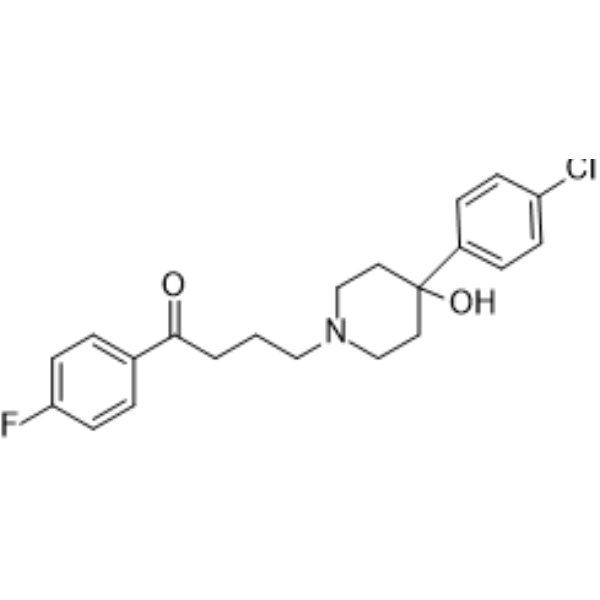
    Haloperidol
    Maximum Cited Publications
    21 Publications Verification

    Dopamine Receptor Neurological Disease Cancer
    Haloperidol is a potent dopamine D2 receptor antagonist, widely used as an antipsychotic agent. Haloperidol can be used in the study of schizophrenia, tics in Tourette syndrome, mania in bipolar disorder, delirium, agitation, acute psychosis, and hallucinations from alcohol withdrawal.
    Haloperidol
  • HY-14539
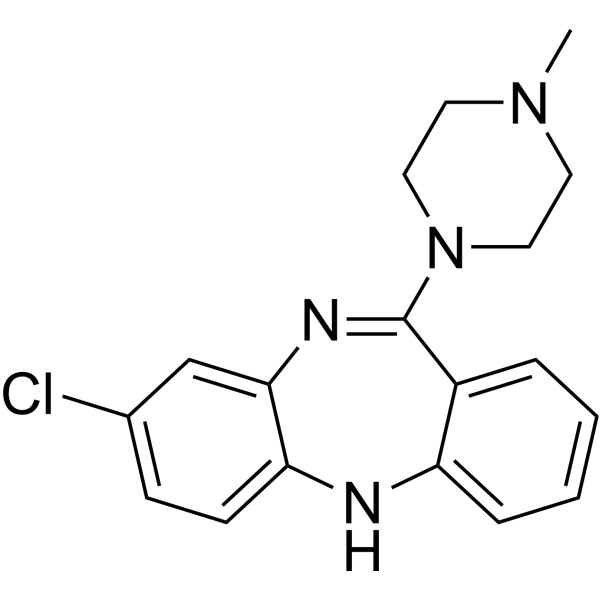
    Clozapine
    10+ Cited Publications

    HF 1854; ZINC000019796155

    Dopamine Receptor mAChR Adrenergic Receptor 5-HT Receptor Ligands for E3 Ligase Neurological Disease Cancer
    Clozapine (HF 1854) is an antipsychotic used for the research of schizophrenia. Clozapine has high affinity for a number of neuroreceptors. Clozapine is a potent antagonist of dopamine D2 with a Ki of 75 nM. Clozapine inhibits the muscarinic M1 receptor and serotonin 5HT2A receptor with Kis of 9.5 nM and 4 nM, respectively . Clozapine is also a potent and selective agonist at the muscarinic M4 receptor (EC50=11 nM) .
    Clozapine
  • HY-B1019
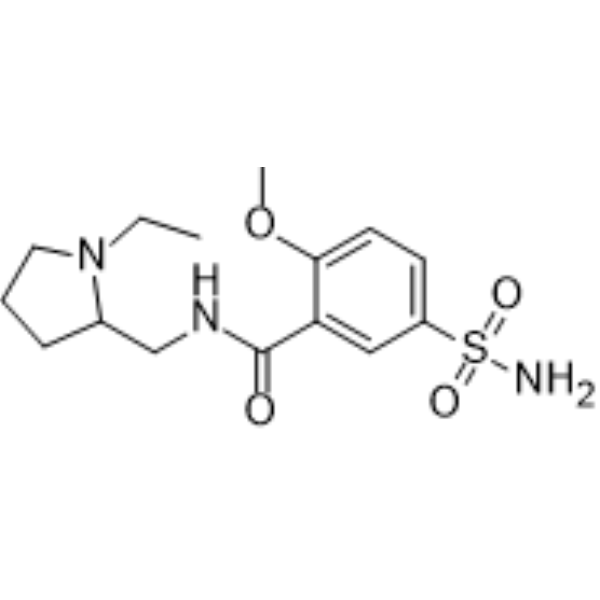
    Sulpiride
    10+ Cited Publications

    Dopamine Receptor Neurological Disease
    Sulpiride is an orally active dopamine D2/D3 receptor antagonist. Sulpiride is an atypical antipsychotic agent of the benzamide family. Sulpiride can be used in research into anxiety, depression and breast cancer .
    Sulpiride
  • HY-B1077
    Penfluridol
    5+ Cited Publications

    R-16341

    Calcium Channel Dopamine Receptor Autophagy Apoptosis Neurological Disease Inflammation/Immunology Cancer
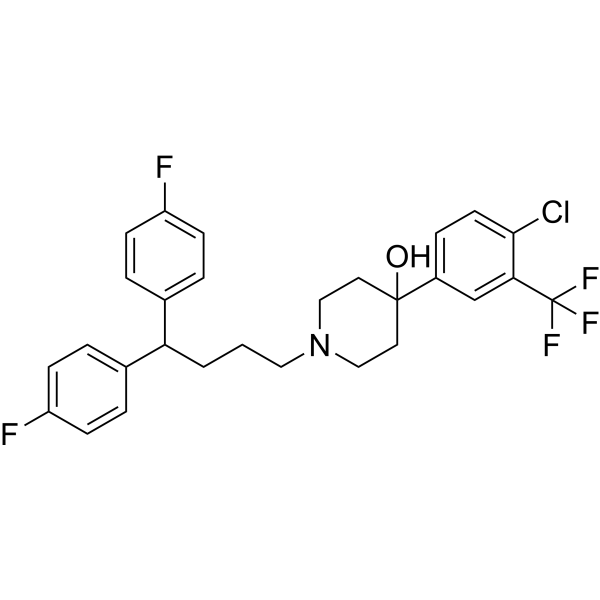
    Penfluridol (R-16341) is a potent, long-acting, first-generation, oral diphenylbutylpiperidine antipsychotic agent by targeting D2-like dopamine receptor. Penfluridol effectively inhibits TNFα-induced NF-κB activation and alleviates the severity of arthritis and colitis in vivo. Penfluridol is a Ca2+-calmodulin inhibitor. Penfluridol induces apoptosis and autophagy. Penfluridol is used for chronic schizophrenia, acute psychosis, Tourette syndrome and autoimmune diseases. Penfluridol inhibites the growth of E. faecalis planktonic cells with the MIC of 7.81 μg/ml .
    Penfluridol
  • HY-14263

    Propericiazine; RP 8909

    Dopamine Receptor Neurological Disease
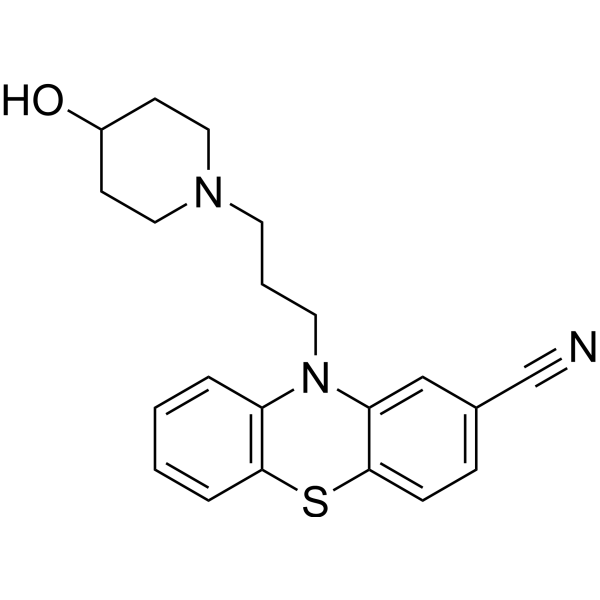
    Pericyazine (Propericiazine) is a first-generation antipsychotic agent that is used as an adjunct to the short-term management of severe anxiety states and psychosis . Pericyazine is a selective D2-dopamine receptor antagonist . Pericyazine has adrenolytic, anticholinergic, and extrapyramidal effects .
    Pericyazine
  • HY-A0081
    Fluphenazine dihydrochloride
    3 Publications Verification

    Dopamine Receptor SARS-CoV Sodium Channel Neurological Disease Cancer
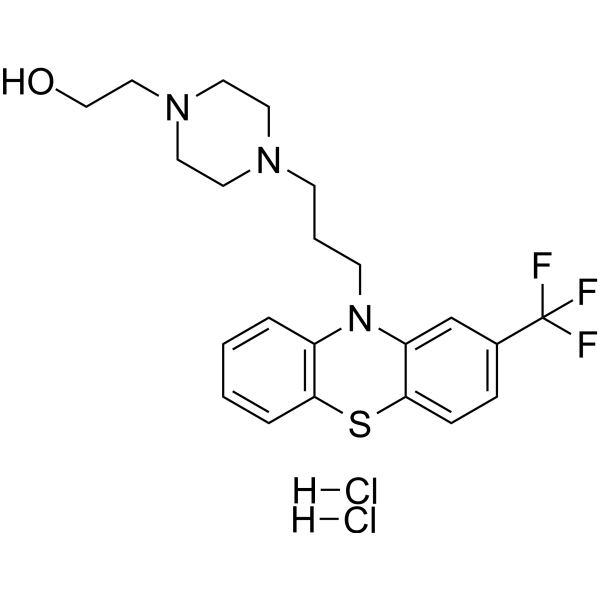
    Fluphenazine dihydrochloride is a potent, orally active phenothiazine-based dopamine receptor antagonist. Fluphenazine dihydrochloride blocks neuronal voltage-gated sodium channels. Fluphenazine dihydrochloride acts primarily through antagonism of postsynaptic dopamine-2 receptors in mesolimbic, nigrostriatal, and tuberoinfundibular neural pathways. Fluphenazine dihydrochloride can antagonize Methylphenidate-induced stereotyped gnawing and inhibit climbing behaviour in mice. Fluphenazine dihydrochloride can be used for researching psychosis and painful peripheral neuropathy associated with diabetes and has potential to inhibit SARS-CoV-2 .
    Fluphenazine dihydrochloride
  • HY-17612

    NW-3509

    Sodium Channel Neurological Disease
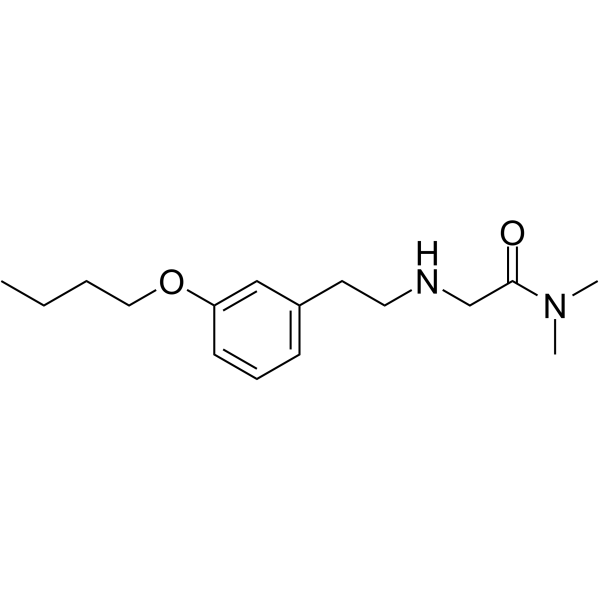
    Evenamide (NW-3509) is an orally available voltage-gated sodium channel (VGSC) blocker (Ki=0.4 µM) for the research of schizophrenia. Evenamide shows efficacy in a broad spectrum of rodent models of psychosis, mania, depression, and aggressiveness .
    Evenamide
  • HY-119980
    Fluphenazine
    3 Publications Verification

    Sodium Channel Dopamine Receptor SARS-CoV Infection Neurological Disease Cancer
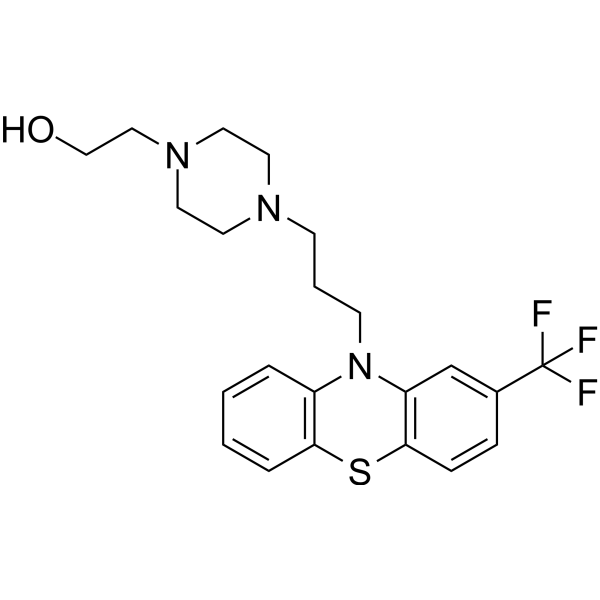
    Fluphenazine is a potent, orally active phenothiazine-based dopamine receptor antagonist. Fluphenazine blocks neuronal voltage-gated sodium channels. Fluphenazine acts primarily through antagonism of postsynaptic dopamine-2 receptors in mesolimbic, nigrostriatal, and tuberoinfundibular neural pathways. Fluphenazine can antagonize Methylphenidate-induced stereotyped gnawing and inhibit climbing behaviour in mice. Fluphenazine can be used for researching psychosis and painful peripheral neuropathy associated with diabetes and has potential to inhibit SARS-CoV-2 .
    Fluphenazine
  • HY-N2125

    5-HT Receptor iGluR Caspase Interleukin Related TNF Receptor SOD NF-κB Neurological Disease Inflammation/Immunology
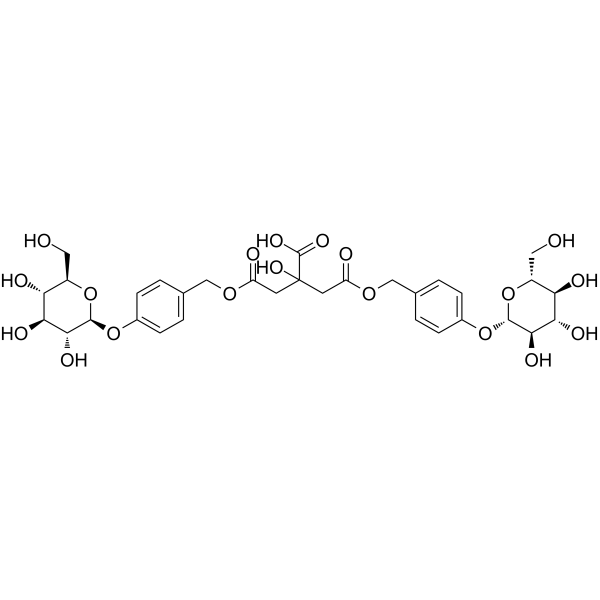
    Parishin C is a brain-penetrant major bioactive component found in Gastrodia elata Blume. Parishin C is a 5-HT1A receptor agonist with an EC50 of 34 nM. Parishin C has antipsychotic and neuroprotective effects. Parishin C protects against Aβ-induced long-term potentiation damage and NMDA receptor current impairment. Parishin C reduces oxidative stress, pro-inflammatory cytokine levels, caspase activity, brain water content, and cerebral infarct volume; increases antioxidant enzyme activity and BDNF levels; improves nerve function and histopathological brain damage. Parishin C attenuates phencyclidine-induced immobility time increases, sociability deficits, and visual recognition memory impairment. Parishin C can be used for the research of ischemic stroke, Alzheimer's disease, and schizophrenia-like psychosis .
    Parishin C
  • HY-14538A
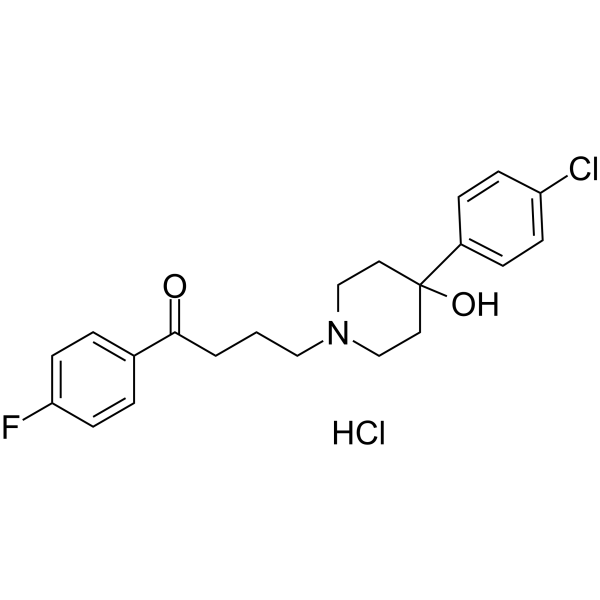
    Haloperidol hydrochloride
    Maximum Cited Publications
    21 Publications Verification

    Dopamine Receptor Neurological Disease Cancer
    Haloperidol hydrochloride is a potent dopamine D2 receptor antagonist, widely used as an antipsychotic agent. Haloperidol hydrochloride can be used in the study of schizophrenia, tics in Tourette syndrome, mania in bipolar disorder, delirium, agitation, acute psychosis, and hallucinations from alcohol withdrawal.
    Haloperidol hydrochloride
  • HY-159831

    ACP-204

    5-HT Receptor Neurological Disease
    Remlifanserin (ACP-204) is a highly selective 5-HT2A inverse agonist. Remlifanserin is applicable to research related to Alzheimer's disease psychosis .
    Remlifanserin
  • HY-13340
    VU0152100
    1 Publications Verification

    VU152100

    mAChR Neurological Disease
    VU0152100 (VU152100) is a highly selective mAChR positive allosteric modulator (permeable to the blood-brain barrier). VU0152100 reverses Amphetamine-induced hypermotility in rats and increased levels of extracellular dopamine in nucleus accumbens and caudate-putamen. VU0152100 has good research potential in psychosis and cognitive impairment associated with mental disorders such as schizophrenia .
    VU0152100
  • HY-161137

    Amino acid Transporter iGluR Neurological Disease
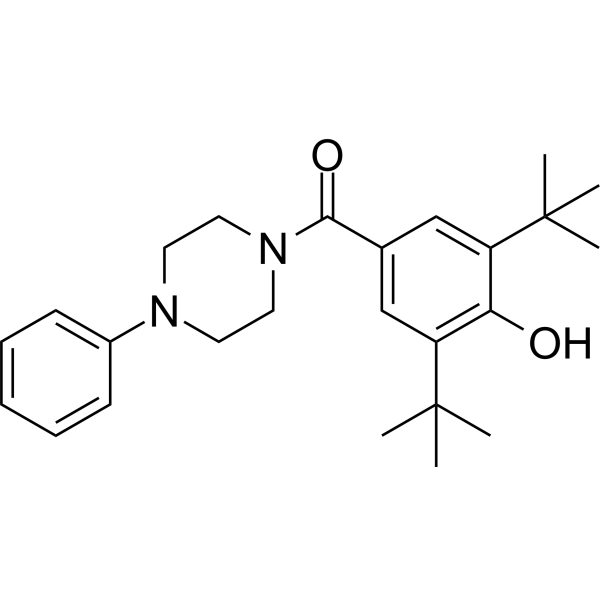
    LQFM215 is a proline transporter (PROT) inhibitor. LQFM215 inhibits proline transport by competitively binding to the active site of PROT. LQFM215 effectively reduces hyperlocomotion and enhances social interaction .
    LQFM215
  • HY-14539A
    Clozapine hydrochloride
    10+ Cited Publications

    HF 1854 hydrochloride

    Dopamine Receptor mAChR Adrenergic Receptor 5-HT Receptor Neurological Disease
    Clozapine hydrochloride (HF 1854 hydrochloride) is an antipsychotic used for the research of schizophrenia. Clozapine hydrochloride has high affinity for a number of neuroreceptors. Clozapine hydrochloride is a potent antagonist of dopamine D2 with a Ki of 75 nM. Clozapine hydrochloride inhibits the muscarinic M1 receptor and serotonin 5HT2A receptor with Kis of 9.5 nM and 4 nM, respectively . Clozapine hydrochloride is also a potent and selective agonist at the muscarinic M4 receptor (EC50=11 nM) .
    Clozapine hydrochloride
  • HY-169457

    5-HT Receptor Neurological Disease
    Aeruginascin is an indole derivative and a tryptamine that can be extracted from Inocybe aeruginascens Babos . Aeruginascin may cause an euphoric mood during psychosis with hallucinations .
    Aeruginascin
  • HY-130630

    mGluR Neurological Disease
    mGluR2 modulator 1 (compound 95) is a potent and BBB-penetrated mGluR2 (metabotropic glutamate receptor-2) positive allosteric modulator, with an EC50 of 0.03 μM. mGluR2 modulator 1 can be used for psychosis research .
    mGluR2 modulator 1
  • HY-107847

    5-HT Receptor Adrenergic Receptor Neurological Disease
    2-(2-Methoxyphenoxy)ethylamine hydrochloride (Compound 2b) is a mixed agonist/antagonist. 2-(2-Methoxyphenoxy)ethylamine hydrochloride is a5-HT1A receptor partial agonist and a α1-adrenergic receptor antagonist. 2-(2-Methoxyphenoxy)ethylamine hydrochloride can be used for neurological diseases research, such as anxiety, depression and psychosis .
    2-(2-Methoxyphenoxy)ethylamine hydrochloride
  • HY-124462

    R 2498

    Sigma Receptor Neurological Disease
    Trifluperidol hydrochloride is a Sigma-1 receptor antagonist with a Ki value of 3.3 nM. Trifluperidol hydrochloride is used in the study of psychosis .
    Trifluperidol hydrochloride
  • HY-137447A

    IRL752 fumarate

    Adrenergic Receptor Neurological Disease
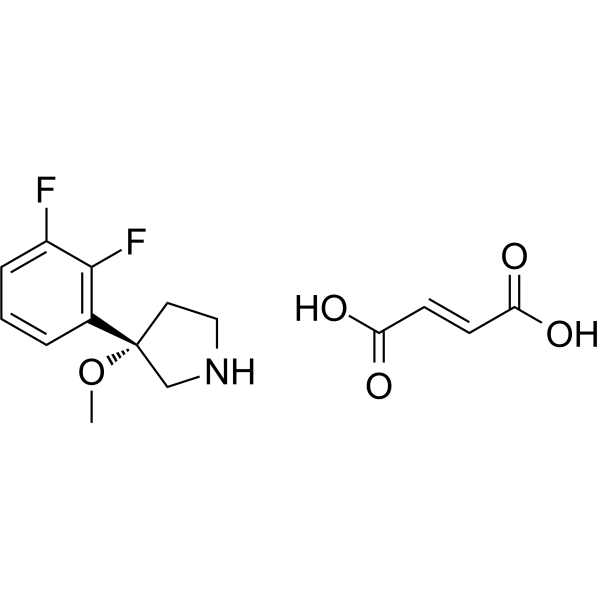
    Pirepemat (IRL752) fumarate is a corticalpreferring catecholamine- and cognition-promoting agent. Pirepemat fumarate is used for the study of Parkinson's disease .
    Pirepemat fumarate
  • HY-127086A

    Dopamine Receptor Neurological Disease
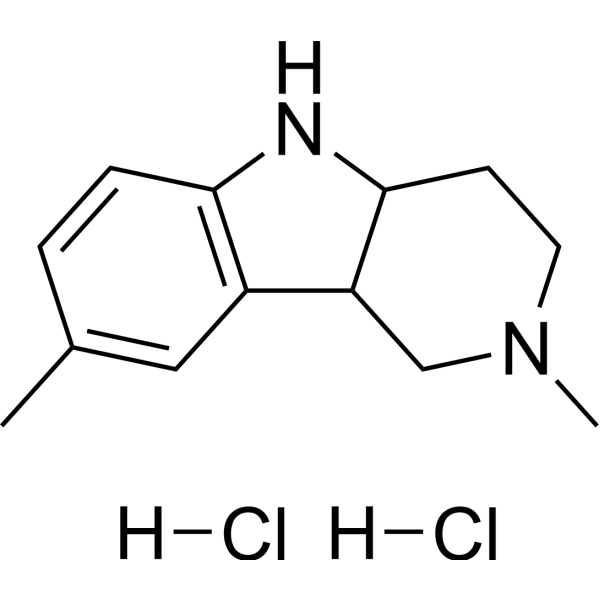
    Dicarbine dihydrochloride blocks dopamine receptors in various brain parts and prevents the depression of the conditioned defence reflexes caused by stimulation of the mesencephalic portion of the reticular formation. Dicarbine dihydrochloride could be used in the schizophrenia and alcoholic psychosis studies .
    Dicarbine dihydrochloride
  • HY-137447

    IRL752

    Dopamine Receptor Cholinesterase (ChE) Adrenergic Receptor Neurological Disease
    Pirepemat (IRL752) is a corticalpreferring catecholamine- and cognition-promoting agent. Pirepemat (IRL752) is used for the study of Parkinson's disease . IRL752 is a selective enhancer of cortical dopamine, acetylcholine and norepinephrine .
    Pirepemat
  • HY-119980S

    Isotope-Labeled Compounds Sodium Channel Dopamine Receptor SARS-CoV Others
    Fluphenazine-d8 is the deuterium labeled Fluphenazine. Fluphenazine is a potent, orally active phenothiazine-based dopamine receptor antagonist. Fluphenazine blocks neuronal voltage-gated sodium channels. Fluphenazine acts primarily through antagonism of postsynaptic dopamine-2 receptors in mesolimbic, nigrostriatal, and tuberoinfundibular neural pathways. Fluphenazine can antagonize Methylphenidate-induced stereotyped gnawing and inhibit climbing behaviour in mice. Fluphenazine can be used for researching psychosis and painful peripheral neuropathy associated with diabetes and has potential to inhibit SARS-CoV-2 .
    Fluphenazine-d8
  • HY-169001

    5-HT Receptor Neurological Disease
    5-HT2A/5-HT2C inverse agonist 1 is a potent and dual 5-HT2A and 5-HT2C receptor inverse agonist with a hERG inhibitions, thus avoiding cardiovascular risks. 5-HT2A/5-HT2C inverse agonist 1 shows significant antipsychotic efficacy in the MK-801 (HY-15084B)-induced mouse model. 5-HT2A/5-HT2C inverse agonist 1 is promising for research of psychosis .
    5-HT2A/5-HT2C inverse agonist 1
  • HY-106995

    CI 1030

    Dopamine Receptor Neurological Disease
    PD 172760 (CI 1030) is a selective D4 receptor antagonist. PD 172760 along with the action of other neurotransmitter receptors may be important in study psychosis .
    PD 172760
  • HY-127086

    Dopamine Receptor Neurological Disease
    Dicarbine blocks dopamine receptors in various brain parts and prevents the depression of the conditioned defence reflexes caused by stimulation of the mesencephalic portion of the reticular formation. Dicarbine could be used in the schizophrenia and alcoholic psychosis studies .
    Dicarbine
  • HY-14458

    Phosphodiesterase (PDE) Neurological Disease
    SCH-1518291 (Compound 27) is an orally active PDE10A inhibitor. SCH-1518291 exhibits antipsychotic activity in an ADHD rat model. SCH-1518291 can be used in research on neurological disorders such as psychosis .
    SCH-1518291
  • HY-156532C

    5-HT Receptor Neurological Disease
    (-)-5-HT2C agonist-3 (compound (-)-19) is a 5-HT2C selective agonist with Gq signaling preference, with EC50 values for 5-HT2 receptors of 5-HT2C: 103 nM; 5-HT2B: 570 nM; 5-HT2A: 72 nM. (-)-5-HT2C agonist-3 can be used in antipsychotic research .
    (-)-5-HT2C agonist-3
  • HY-133832

    SARS-CoV Infection Neurological Disease
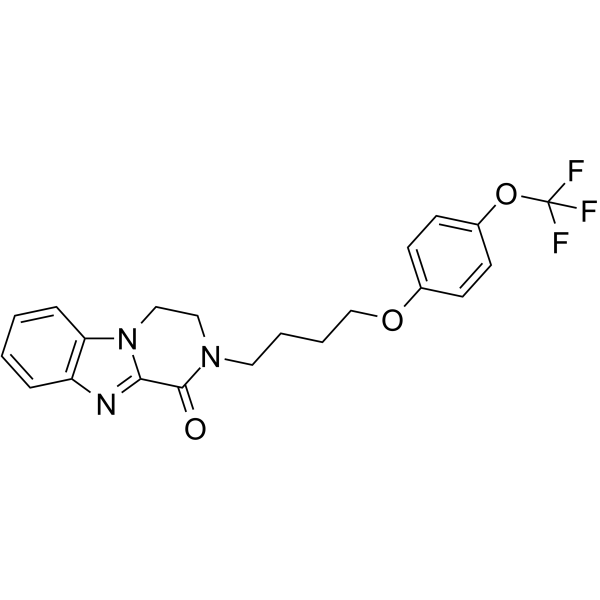
    Elopiprazole can be used in study of neurological disease and SARS-CoV-2 .
    Elopiprazole
  • HY-U00244

    P2647; BZQ; Benzoquinamide

    Adrenergic Receptor Dopamine Receptor Metabolic Disease
    Benzquinamide (P2647; BZQ; Benzoquinamide) is an orally active binder of dopamine receptors and adrenergic receptors. Benzquinamide specifically targets dopamine D2, D3, D4 receptors and α-2A, α-2B, α-2C adrenergic receptors. Benzquinamide regulates blood pressure and heart rate, attenuates the pressor effect of adrenaline, and exhibits activities such as antiemesis, anxiolysis, and reduction of histamine-induced bronchoconstriction. Benzquinamide has good safety and does not deplete serotonin or norepinephrine in the brain. Benzquinamide can be used in studies related to nausea/vomiting, mental disorders, anxiety states, neurosis, and psychosis .
    Benzquinamide
  • HY-W704749

    Drug Metabolite Dopamine Receptor Neurological Disease
    7-Hydroxychlorpromazine hydrochloride is the active metabolite of Chlorpromazine (HY-12708). 7-Hydroxychlorpromazine hydrochloride can increase prolactin levels in rats. 7-Hydroxychlorpromazine hydrochloride can increase dopamine turnover and has a sedative effect. In addition, 7-Hydroxychlorpromazine hydrochloride can effectively inhibit amphetamine-induced stereotyped behavior in rats and is used in the study of psychosis .
    7-Hydroxychlorpromazine hydrochloride
  • HY-176141

    Trace Amine-associated Receptor (TAAR) Neurological Disease
    ZH8965 is an orally active TAAR1-Gs/Gq agonist (EC50: 6.1/14.8 nM). ZH8965 improves antipsychotic-like phenotypes and cognitive impairment in the MK-801-induced mouse psychosis model. ZH8965 can be used in schizophrenia research .
    ZH8965
  • HY-147529

    mGluR Neurological Disease
    mGluR2 modulator 3 (compound 1) is a potent mGluR2 positive allosteric modulator with an EC50 value of 0.87 μM. mGluR2 modulator 3 has activity in psychosis disease models such as methamphetamine-induced hyperactivity and mescaline-induced scratching in mice .
    mGluR2 modulator 3
  • HY-14263R

    Propericiazine (Standard); RP 8909 (Standard)

    Dopamine Receptor Reference Standards Neurological Disease
    Pericyazine (Standard) is the analytical standard of Pericyazine. This product is intended for research and analytical applications. Pericyazine (Propericiazine) is a first-generation antipsychotic agent that is used as an adjunct to the short-term management of severe anxiety states and psychosis . Pericyazine is a selective D2-dopamine receptor antagonist . Pericyazine has adrenolytic, anticholinergic, and extrapyramidal effects .
    Pericyazine (Standard)
  • HY-17612A

    NW-3509 hydrochloride

    Sodium Channel Neurological Disease
    Evenamide hydrochloride is an orally available voltage-gated sodium channel (VGSC) blocker (Ki=0.4 μM) for the research of schizophrenia. Evenamide hydrochloride shows efficacy in a broad spectrum of rodent models of psychosis, mania, depression, and aggressiveness .
    Evenamide hydrochloride
  • HY-176721

    5-HT Receptor Neurological Disease
    5-HT2A receptor agonist-10 (Compound (R)-I-121.HCl) is a 5-HT2A receptor agonist, with an IC50 of 2192.39 nM for h5-HT2A and h5-HT1A, respectively. 5-HT2A receptor agonist-10 can be used for the research of psychosis, mental illnesses and CNS disorders .
    5-HT2A receptor agonist-10
  • HY-13340R

    VU152100 (Standard)

    mAChR Reference Standards Neurological Disease
    VU0152100 (Standard) is the analytical standard of VU0152100. This product is intended for research and analytical applications. VU0152100 (VU152100) is a highly selective mAChR positive allosteric modulator (permeable to the blood-brain barrier). VU0152100 reverses Amphetamine-induced hypermotility in rats and increased levels of extracellular dopamine in nucleus accumbens and caudate-putamen. VU0152100 has good research potential in psychosis and cognitive impairment associated with mental disorders such as schizophrenia .
    VU0152100 (Standard)
  • HY-119980B

    Dopamine Receptor Sodium Channel SARS-CoV Neurological Disease Cancer
    Fluphenazine hydrochloride is a potent, orally active phenothiazine-based dopamine receptor antagonist. Fluphenazine hydrochloride blocks neuronal voltage-gated sodium channels. Fluphenazine hydrochloride acts primarily through antagonism of postsynaptic dopamine-2 receptors in mesolimbic, nigrostriatal, and tuberoinfundibular neural pathways. Fluphenazine hydrochloride can antagonize Methylphenidate-induced stereotyped gnawing and inhibit climbing behaviour in mice. Fluphenazine hydrochloride can be used for researching psychosis and painful peripheral neuropathy associated with diabetes and has potential to inhibit SARS-CoV-2 .
    Fluphenazine hydrochloride
  • HY-119980A

    Dopamine Receptor Sodium Channel SARS-CoV Infection Neurological Disease Cancer
    Fluphenazine dimaleate is a potent, orally active phenothiazine-based dopamine receptor antagonist. Fluphenazine dimaleate blocks neuronal voltage-gated sodium channels. Fluphenazine dimaleate acts primarily through antagonism of postsynaptic dopamine-2 receptors in mesolimbic, nigrostriatal, and tuberoinfundibular neural pathways. Fluphenazine dimaleate can antagonize Methylphenidate-induced stereotyped gnawing and inhibit climbing behaviour in mice. Fluphenazine dimaleate can be used for researching psychosis and painful peripheral neuropathy associated with diabetes and has potential to inhibit SARS-CoV-2 .
    Fluphenazine dimaleate
  • HY-116067

    mGluR Neurological Disease
    VU0404251 is a highly potent positive allosteric modulator of mGlu for the study of psychosis .
    VU0404251
  • HY-118127

    5-HT Receptor Neurological Disease
    Rilapine is an atypical antipsychotic agent .
    Rilapine
  • HY-167875

    HRP 913

    Dopamine Receptor Neurological Disease
    Neflumozide (HRP 913) is an orally active benzisoxazole derivative and a potent dopamine antagonist with antipsychotic activity. Neflumozide can be utilized in psychosis research .
    Neflumozide
  • HY-169178

    mAChR Neurological Disease
    VU6016235 is a highly selective, orally available, positive allosteric modulator of the M4 mAChR with in vivo inhibitory potency in animal models of psychosis. .
    VU6016235
  • HY-117774

    Others Neurological Disease
    AHR-2244 hydrochloride is a bioactive agent that acts against psychosis and anxiety. It selectively blocks CAR in mice, rats, and cats, and can reduce the lethality associated with amphetamine .
    AHR-2244 hydrochloride
  • HY-U00397

    Cannabinoid Receptor Cardiovascular Disease Neurological Disease Metabolic Disease Inflammation/Immunology
    CB1 antagonist 1 is an antagonist of CB1 receptor, used in the research of metabolic syndrome and obesity, neuroinflammatory disorders, cognitive disorders and psychosis, gastrointestinal disorders, and cardiovascular conditions.
    CB1 antagonist 1
  • HY-B1077R

    R-16341 (Standard)

    Reference Standards Calcium Channel Dopamine Receptor Autophagy Apoptosis Neurological Disease Inflammation/Immunology Cancer
    Penfluridol (Standard) is the analytical standard of Penfluridol. This product is intended for research and analytical applications. Penfluridol (R-16341) is a potent, long-acting, first-generation, oral diphenylbutylpiperidine antipsychotic agent by targeting D2-like dopamine receptor. Penfluridol effectively inhibits TNFα-induced NF-κB activation and alleviates the severity of arthritis and colitis in vivo. Penfluridol is a Ca2+-calmodulin inhibitor. Penfluridol induces apoptosis and autophagy. Penfluridol is used for chronic schizophrenia, acute psychosis, Tourette syndrome and autoimmune diseases. Penfluridol inhibites the growth of E. faecalis planktonic cells with the MIC of 7.81 μg/ml .
    Penfluridol (Standard)
  • HY-14539B

    HF 1854 dihydrochloride

    Dopamine Receptor mAChR Adrenergic Receptor 5-HT Receptor Neurological Disease Cancer
    Clozapine (HF 1854) dihydrochloride is an antipsychotic used for the research of schizophrenia. Clozapine has high affinity for a number of neuroreceptors. Clozapine is a potent antagonist of dopamine D2 with a Ki of 75 nM. Clozapine inhibits the muscarinic M1 receptor and serotonin 5HT2A receptor with Kis of 9.5 nM and 4 nM, respectively . Clozapine is also a potent and selective agonist at the muscarinic M4 receptor (EC50=11 nM) .
    Clozapine dihydrochloride
  • HY-100930

    Sigma Receptor Neurological Disease
    L-693403 maleate is a high affinity and selective σ ligand. L-693403 maleate has the potential for physiological disease research .
    L-693403 maleate
  • HY-118256

    mGluR Neurological Disease
    LSN2814617 is an orally active, potent, brain-penetrant, and selective mGlu5 (metabotropic glutamate 5) positive allosteric modulator (PAM), with EC50 values of 52 nM (Human mGlu5) and 42 nM (rat mGlu5). LSN2814617 shows wake-promoting effect. LSN2814617 can be used for schizophrenia research .
    LSN2814617
  • HY-W424918

    Dopamine Receptor Neurological Disease
    Opromazine hydrochloride is an antipsychotic medication that exhibits sedative and antiemetic pharmacological effects, making it effective for treating psychiatric disorders such as schizophrenia and psychosis. Opromazine hydrochloride functions by reducing dopaminergic activity through the blockade of dopamine receptors in the brain. Opromazine hydrochloride has been analyzed for its metabolites in various microsomal enzymes, revealing differences in formation rates that underscore the variability of drug-metabolizing enzymes in human liver and placenta microsomes.
    Opromazine hydrochloride
  • HY-W704752

    Isotope-Labeled Compounds Dopamine Receptor Drug Metabolite Neurological Disease
    Z-Doxepin-d3 hydrochloride is the deuterium labeled 7-Hydroxychlorpromazine hydrochloride (HY-W704749). 7-Hydroxychlorpromazine hydrochloride is the active metabolite of Chlorpromazine (HY-12708). 7-Hydroxychlorpromazine hydrochloride can increase prolactin levels in rats. 7-Hydroxychlorpromazine hydrochloride can increase dopamine turnover and has a sedative effect. In addition, 7-Hydroxychlorpromazine hydrochloride can effectively inhibit amphetamine-induced stereotyped behavior in rats and is used in the study of psychosis .
    Z-Doxepin-d3 Hydrochloride

Inquiry Online

Your information is safe with us. * Required Fields.

Salutation


Country or Region *

Applicant Name *


Organization Name *

Department *


Email Address *


Product Name *

Cat. No.


Requested quantity *

Phone Number *


Remarks

Inquiry Online

Inquiry Information

Product Name:
Cat. No.:
Quantity:
MCE Japan Authorized Agent:

