
19 Results for "

children

" in MedChemExpress (MCE) Product Catalog:
Products (19)

19 Results for "children" in MCE Product Catalog:

1
1 Cited Publications
Cat. No.: HY-156685
CAS No.: 2767264-57-1
Purity:  99.86%
Target:  

PI4K Parasite

Research Areas:  

Infection Metabolic Disease Cancer

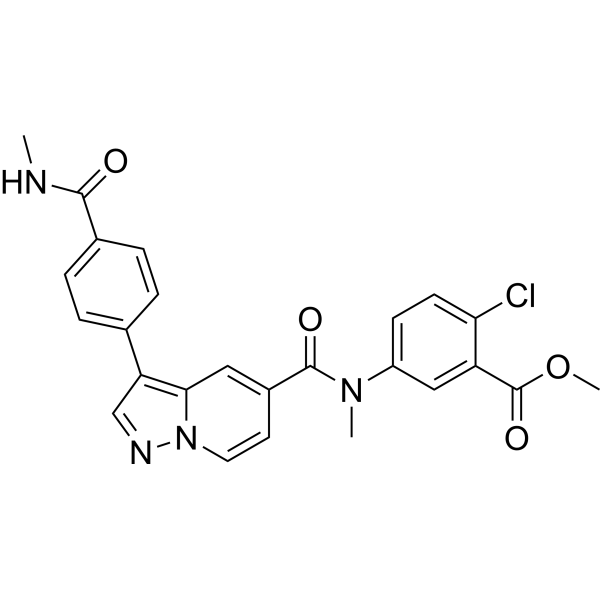
EDI048 is an orally active, gut-restricted parasiticidal agent. EDI048 specifically binds to the ATP-binding site of Cryptosporidium phosphatidylinositol 4-kinase (CpPI (4) K), blocks parasite membrane biogenesis, arrests the pathogen at the schizont stage, and thus irreversibly clears the infection. EDI048 is rapidly converted to an inactive carboxylic acid metabolite via hepatic first-pass metabolism, with extremely low systemic exposure, good safety profile, and no cardiotoxicity, genotoxicity or off-target effects. EDI048 is used in studies of intestinal cryptosporidiosis in children .
loading...
    loading...
Cat. No.: HY-154636
CAS No.: 8012-95-1
Research Areas:  

Endocrinology

Liquid Paraffin is a petroleum-derived mixture of saturated hydrocarbons and an orally active fecal lubricant. Liquid Paraffin is widely used in studies of constipation and fecal incontinence in children through its lubricating effect and the osmotic effect generated by its conversion to hydroxy fatty acids. Liquid Paraffin has high safety, is non-carcinogenic, and does not affect fat-soluble vitamin levels with long-term use. Liquid Paraffin does not cause abdominal pain or electrolyte disorders, but may lead to lipoid pneumonia and granulomas caused by rectal administration. Liquid Paraffin can also be used as a phase change material for thermal energy storage, or combined with nanoparticles to form a protective boundary film to reduce mechanical wear .
loading...
    loading...
Cat. No.: HY-N0469S1
CAS No.: 201740-81-0
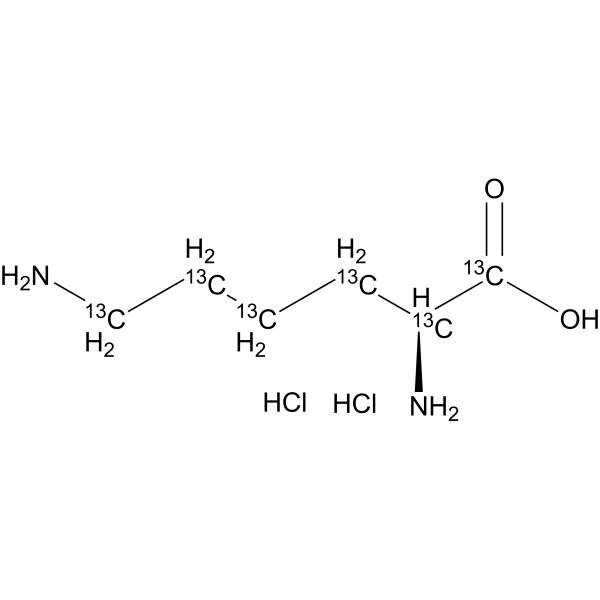
L-Lysine- 13C6 (dihydrochloride) is the 13C-labeled L-Lysine dihydrochloride. L-lysine dihydrochloride is an essential amino acid with important roles in connective tissues and carnitine synthesis, energy production, growth in children, and maintenance of immune functions .
loading...
    loading...
Cat. No.: HY-W206911
CAS No.: 568-63-8
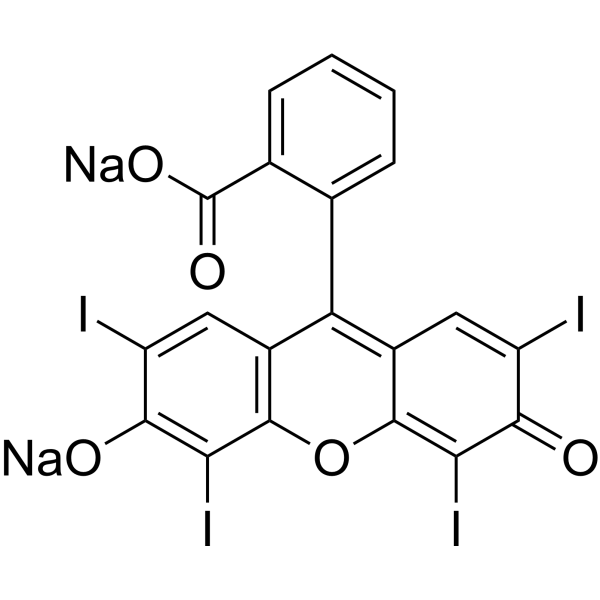
Erythrosin B sodium salt, is a synthetic azo dye commonly used as a food colorant and textile dye. It is a water-soluble compound that produces a bright red color and is often used to improve the appearance of products. Erythrosin B sodium salt is also used in the textile industry for dyeing wool, silk and leather. However, it has been linked to potentially negative health effects, such as allergic reactions and hyperactivity in children.
loading...
    loading...
Cat. No.: HY-101193R
CAS No.: 15442-64-5
Synonyms: Zn(II)-protoporphyrin IX (Standard); ZnPP (Standard); Zinc Protoporphyrin-9 (Standard)
Zinc Protoporphyrin (Standard) is the analytical standard of Zinc Protoporphyrin. This product is intended for research and analytical applications. Zinc Protoporphyrin (Zn(II)-protoporphyrin IX) is an orally active and competitive heme oxygenase-1 (HO-1) inhibitor and markedly attenuates the protective effects of Phloroglucinol (PG) against H2O2 . Zinc Protoporphyrin is used as a screening marker of iron deficiency in individual pregnant women and children, but also to assess population iron status in combination with haemoglobin concentration . Zinc Protoporphyrin has anti-cancer activity .
loading...
    loading...
Cat. No.: HY-142117S
Purity:  99.25%
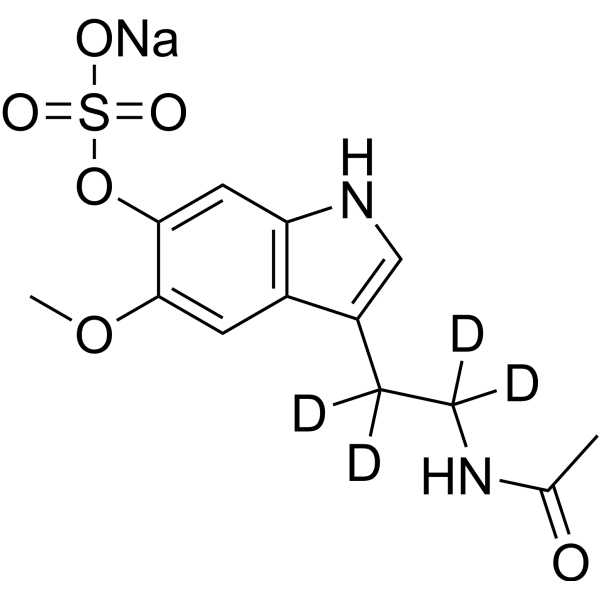
6-Sulfatoxymelatonin-d4 sodium is the deuterated-labeled 6-Sulfatoxymelatonin sodium (HY-W587817). 6-Sulfatoxymelatonin sodium is a metabolite of Melatonin (HY-B0075) and serves as a detection marker for Melatonin. 6-Sulfatoxymelatonin sodium shows a decreasing trend with increasing age, and its urinary excretion is closely correlated with plasma Melatonin levels, which can reflect changes in the secretion phase of melatonin. 6-Sulfatoxymelatonin sodium is associated with reduced risks of diabetic retinopathy and coronary heart disease, and can act as a biomarker for microvascular and macrovascular complications of type 2 diabetes mellitus. 6-Sulfatoxymelatonin sodium can be used in studies related to type 2 diabetes mellitus and coronary heart disease .
loading...
    loading...
Cat. No.: HY-16505
CAS No.: 7246-20-0
Target:  

Endogenous Metabolite

Research Areas:  

Neurological Disease

Triclofos sodium is a drug used to suppress insomnia and for sedation and has sedative activity. Triclofos sodium is used in children for sedation during painless medical procedures, particularly in children with neurocognitive disorders. Triclofos sodium has similar physiological and pharmacological properties to chloral and therefore can be used as a substitute when necessary. The safety and efficacy of Triclofos sodium have been demonstrated in pediatric populations with high rates of neurocognitive disorders .
loading...
    loading...
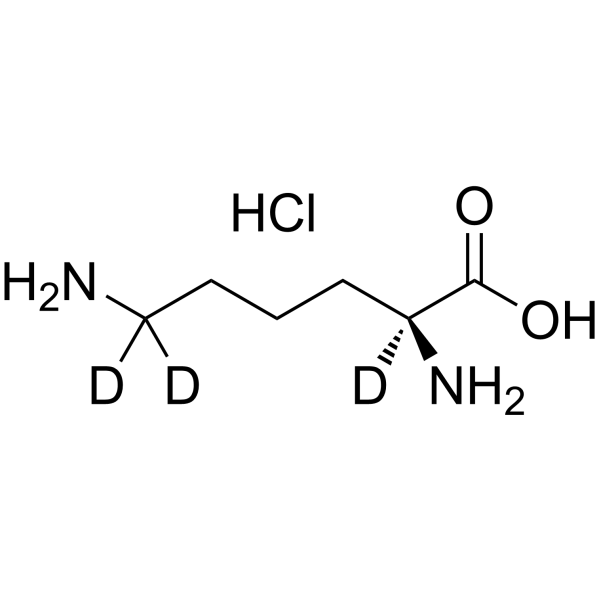
Cat. No.: HY-N0469S
CAS No.: 2330878-43-6
L-Lysine-d3 (hydrochloride) is the deuterium labeled L-Lysine. L-lysine is an essential amino acid with important roles in connective tissues and carnitine synthesis, energy production, growth in children, and maintenance of immune functions .
loading...
    loading...
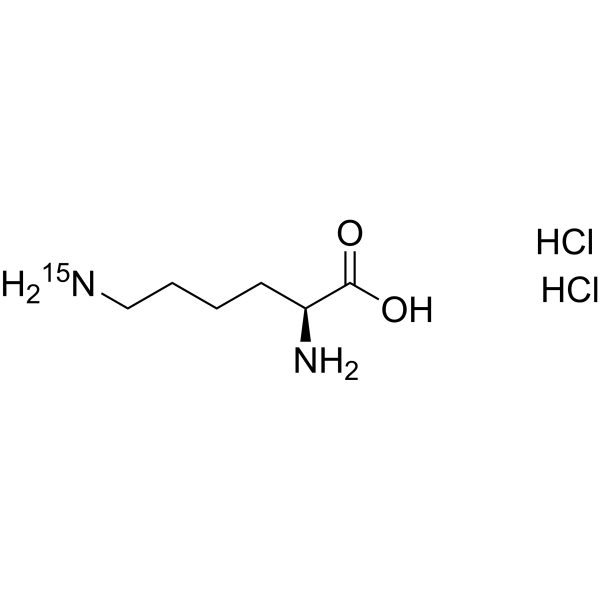
Cat. No.: HY-N0469S2
L-Lysine- 15N-1 (dihydrochloride) is the 15N-labeled L-Lysine. L-lysine is an essential amino acid with important roles in connective tissues and carnitine synthesis, energy production, growth in children, and maintenance of immune functions .
loading...
    loading...
Cat. No.: HY-117272A
CAS No.: 488-16-4
Target:  

Endogenous Metabolite

Research Areas:  

Others

(2R,3R)-2,3,4-Trihydroxybutanoic acid, also known as erythronic acid, is a naturally occurring organic acid found in the aqueous humor of the eye, as well as in urine, plasma, cerebrospinal fluid, and synovial fluid, prevalent in both healthy adults and children; it is produced through the oxidation of GlcNAc.
loading...
    loading...
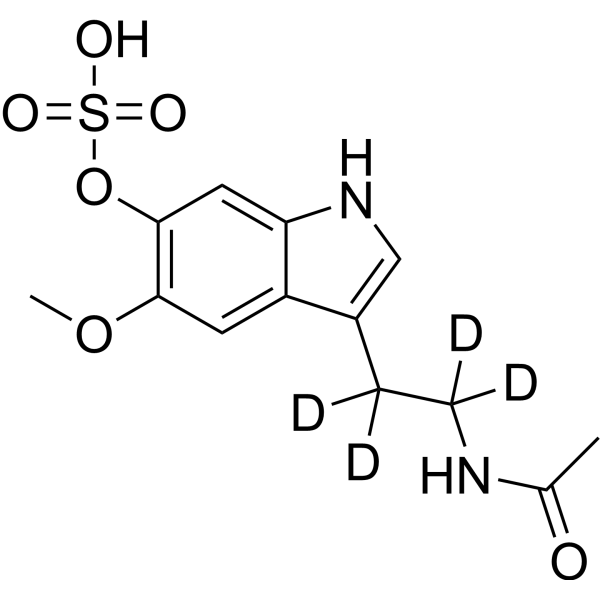
Cat. No.: HY-142117S1
CAS No.: 1309935-98-5
6-Sulfatoxymelatonin-d4 is the deuterated-labeled 6-Sulfatoxymelatonin. 6-Sulfatoxymelatonin is a metabolite of Melatonin (HY-B0075) and serves as a detection marker for Melatonin. 6-Sulfatoxymelatonin shows a decreasing trend with increasing age, and its urinary excretion is closely correlated with plasma Melatonin levels, which can reflect changes in the secretion phase of melatonin. 6-Sulfatoxymelatonin is associated with reduced risks of diabetic retinopathy and coronary heart disease, and can act as a biomarker for microvascular and macrovascular complications of type 2 diabetes mellitus. 6-Sulfatoxymelatonin can be used in studies related to type 2 diabetes mellitus and coronary heart disease .
loading...
    loading...
Cat. No.: HY-W587817
CAS No.: 76290-78-3
Target:  

Drug Metabolite

Research Areas:  

Metabolic Disease

6-Sulfatoxymelatonin sodium is a metabolite of Melatonin (HY-B0075) and serves as a detection marker for Melatonin. 6-Sulfatoxymelatonin sodium shows a decreasing trend with increasing age, and its urinary excretion is closely correlated with plasma Melatonin levels, which can reflect changes in the secretion phase of melatonin. 6-Sulfatoxymelatonin sodium is associated with reduced risks of diabetic retinopathy and coronary heart disease, and can act as a biomarker for microvascular and macrovascular complications of type 2 diabetes mellitus. 6-Sulfatoxymelatonin sodium can be used in studies related to type 2 diabetes mellitus and coronary heart disease .
loading...
    loading...
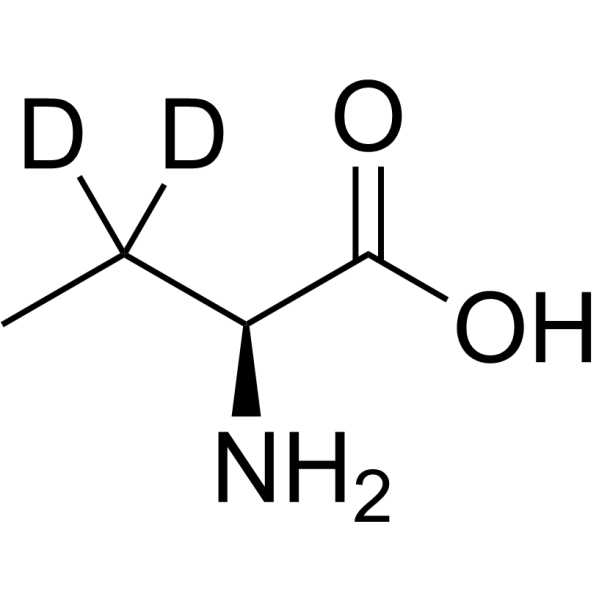
Cat. No.: HY-W010589S1
CAS No.: 352431-37-9
H-Abu-OH-d2 is the deuterium labeled H-Abu-OH. H-Abu-OH, one of the three isomers of aminobutyric acid, is elevated in the plasma of children with with Reye's syndrome, tyrosinemia, homocystinuria, nonketotic hyperglycinemia, and ornithine transcarbamylase deficiency.
loading...
    loading...
Cat. No.: HY-W710927
L-2-Aminobutyric acid-d5 is the deuterium labeled H-Abu-OH (HY-W010589). H-Abu-OH, one of the three isomers of aminobutyric acid, is elevated in the plasma of children with with Reye's syndrome, tyrosinemia, homocystinuria, nonketotic hyperglycinemia, and ornithine transcarbamylase deficiency.
loading...
    loading...
Cat. No.: HY-173271
CAS No.: 3060887-25-1
Target:  

GHSR

Research Areas:  

Endocrinology

GHSR-1a agonist-1 (Compound 4b) is an orally active agonist of the human growth hormone secretagogue receptor 1a (GHSR-1a), with an EC50 of 0.49 nM. GHSR-1a agonist-1 can effectively stimulate the release of endogenous growth hormone by activating GHSR-1a. GHSR-1a agonist-1 administered orally at a dose as low as 0.1 mg/kg can increase the body weight and body length of 4-week-old rats. GHSR-1a agonist-1 can be used in the research field of growth and development retardation in children .
loading...
    loading...
Cat. No.: HY-N11875S
6-Sulfatoxymelatonin-d4 ammonium hydrate is the deuterated-labeled 6-Sulfatoxymelatonin ammonium hydrate. 6-Sulfatoxymelatonin ammonium hydrate is a metabolite of Melatonin (HY-B0075) and serves as a detection marker for Melatonin. 6-Sulfatoxymelatonin ammonium hydrate shows a decreasing trend with increasing age, and its urinary excretion is closely correlated with plasma Melatonin levels, which can reflect changes in the secretion phase of melatonin. 6-Sulfatoxymelatonin ammonium hydrate is associated with reduced risks of diabetic retinopathy and coronary heart disease, and can act as a biomarker for microvascular and macrovascular complications of type 2 diabetes mellitus. 6-Sulfatoxymelatonin ammonium hydrate can be used in studies related to type 2 diabetes mellitus and coronary heart disease .
loading...
    loading...
Cat. No.: HY-L104
709 compounds

The lack of availability of appropriate medicines for children is an extensive and urgent problem. A variety of obstacles hinder children's drug development, including the limited commercial interest, lack of suitable infrastructure and competence for conducting paediatric clinical trials, difficulties in trial design, ethical worries and many others. Because of these factors, unlicensed and off-label prescribing is very common in children which may lead to safety concern.

MCE offers a unique collection of 709 Pediatric medicines, all of which have been approved or studied in clinical trials for children diseases. MCE children’s drug library is a useful tool for drug repurposing to discover new children’s indications.

Cat. No.: HY-135450
CAS No.: 271241-14-6
Dimefluthrin is an insecticide. Dimefluthrin exhibits contact toxicity against large red imported fire ant workers. Dimefluthrin undergoes horizontal transfer among red imported fire ant workers, causing secondary mortality in recipient workers. Dimefluthrin is a neurodevelopmental toxicant, which can reduces acetylcholinesterase activity, impairing neurotransmitter .
loading...
    loading...
Cat. No.: HY-L079
4,276 compounds

Blood cancers, also called hematologic cancers, occur when abnormal blood cells start growing out of control, interrupting the function of normal blood cells, which fight off infection and produce new blood cells. Most blood cancers start in the bone marrow, which is where blood is produced. There are three main types of blood cancers: leukemia, lymphoma and myeloma, which afflict millions of children and adults every year, and are often deadly.

Some common blood cancer treatments include stem cell transplantation, chemotherapy, radiation therapy, targeted therapy, immunotherapy or a combination thereof. As we begin to understand the key signaling pathways and molecular drivers of malignant transformation in haematological disorders, new treatment strategies will continue to be developed.

MCE offers a unique collection of 4,276 compounds with identified and potential anti-blood cancer activity. These compounds target blood cancer’s major targets and signaling pathways. MCE anti-blood cancer compound library is a useful tool for anti-blood cancer drugs screening and other related research.

  • 1

