1. Search Result
Search Result
Results for "

cosmetic formulation

" in MedChemExpress (MCE) Product Catalog:

27

Inhibitors & Agonists

2

Screening Libraries

10

Biochemical Assay Reagents

6

Natural
Products

2

Isotope-Labeled Compounds

2

Oligonucleotides

Cat. No. Product Name Target Research Areas Chemical Structure
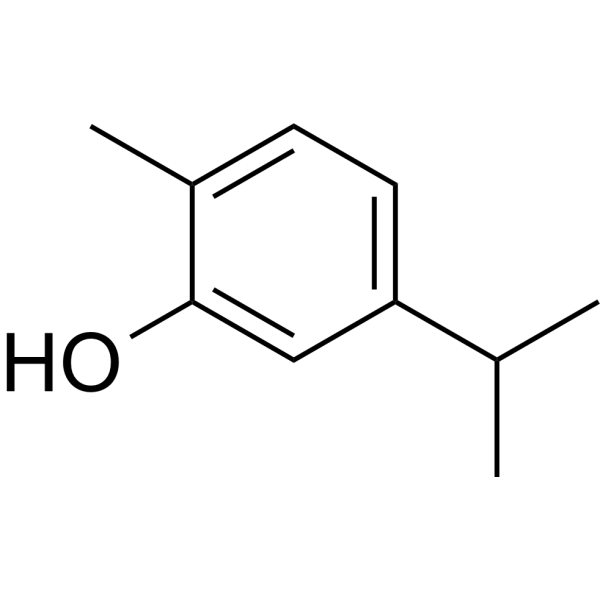
  • HY-N0711
    Carvacrol
    5+ Cited Publications

    Cymophenol

    Environmental Pollutants Apoptosis Endogenous Metabolite Notch Fungal Bacterial Infection Neurological Disease Inflammation/Immunology Cancer
    Carvacrol is an orally active and blood-brain barrier-permeable monoterpenic phenol that can be extract from an abundant number of aromatic plants, including thyme and oregano, possessing antioxidant, antibacterial, antifungal, anticancer, anti-inflammatory, hepatoprotective, spasmolytic, and vasorelaxant properties. Carvacrol also causes cell cycle arrest in G0/G1, downregulates Notch-1, and Jagged-1, and induces apoptosis. Carvacrol is used in low concentrations as a food flavoring ingredient and preservative, as well as a fragrance ingredient in cosmetic formulations .
    Carvacrol
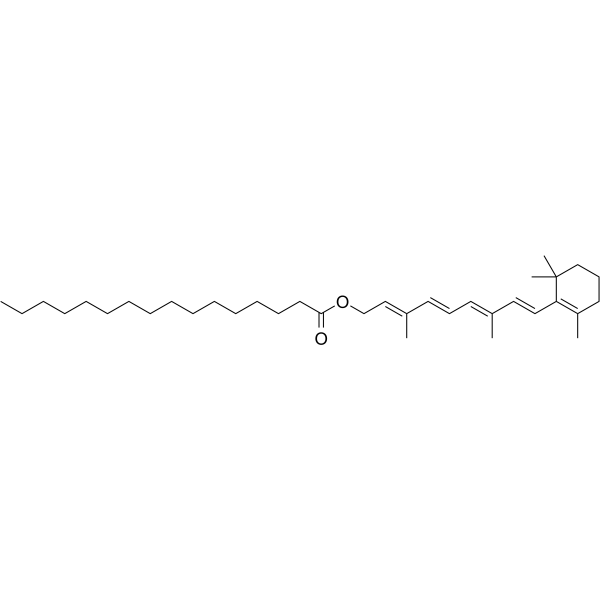
  • HY-B1384

    Vitamin A palmitate; Retinol palmitate

    Endogenous Metabolite Infection
    Retinyl palmitate is an ester of Retinol and is the major form of vitamin A found in the epidermis. Retinyl palmitate has been widely used in researches of pharmaceutical and cosmetic formulations .
    Retinyl palmitate
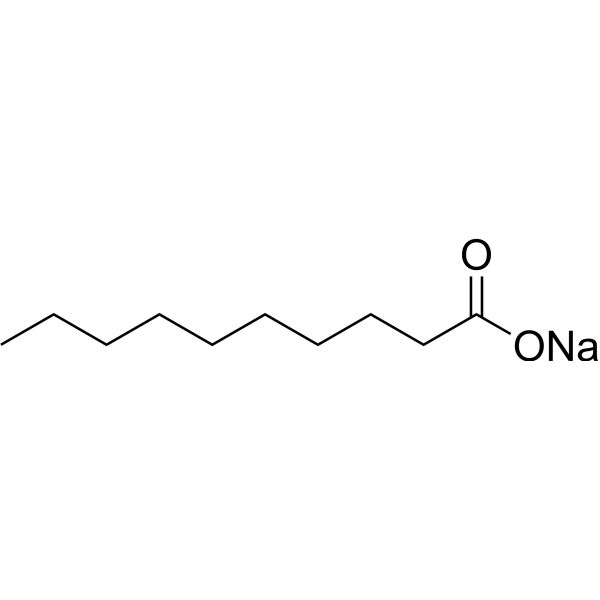
  • HY-115340
    Decanoic acid sodium
    4 Publications Verification

    Sodium decanoate; Sodium caprate

    Biochemical Assay Reagents Others
    Decanoic acid sodium, also known as Decanoic acid sodium, is a salt of the fatty acid capric acid. It is easily soluble in water and has a slightly soapy smell. Decanoic acid sodium acts as a penetration enhancer, which means it increases the absorption and bioavailability of drugs across biological membranes, including the intestinal epithelium and the blood-brain barrier. This property makes it useful in pharmaceutical formulations to improve drug delivery and effectiveness. Furthermore, Decanoic acid sodium has potential applications in food preservatives and cosmetics due to its antibacterial properties.
    Decanoic acid sodium
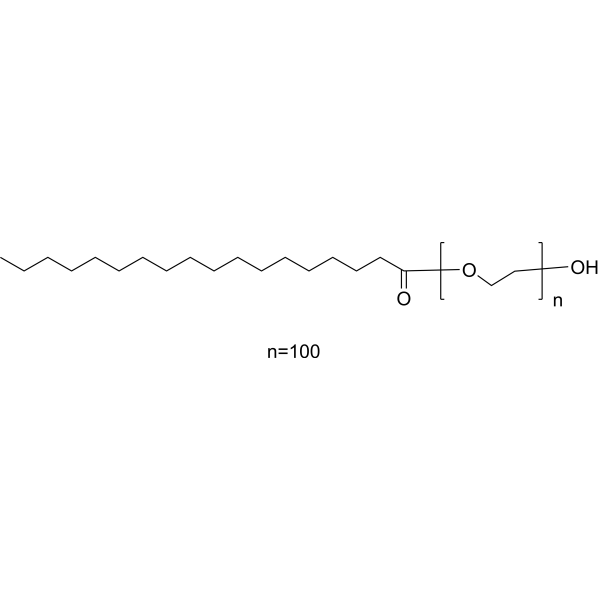
  • HY-101530C

    PEG 100 stearate

    Environmental Pollutants Biochemical Assay Reagents Others
    Polyoxyl 100 stearate (PEG-100 stearate) is a non-ionic surfactant formed by polyethylene glycol (PEG) and stearic acid, and it is commonly used in pharmaceutical preparations, nanocarriers, emulsification systems and cosmetic formulations .
    Polyoxyl 100 stearate
  • HY-W134072

    Environmental Pollutants Endogenous Metabolite Biochemical Assay Reagents Bacterial Infection Others
    Tetrasodium glutamate diacetate (46% in water) is a biodegradable chelating agent that enhances antibacterial efficacy. Tetrasodium glutamate diacetate (46% in water) improves the antibacterial performance of multifunctional additives in cosmetic formulations. Tetrasodium glutamate diacetate (46% in water) acts as a chelating agent in cosmetic formulations .
    Tetrasodium glutamate diacetate (46% in water)
  • HY-134120

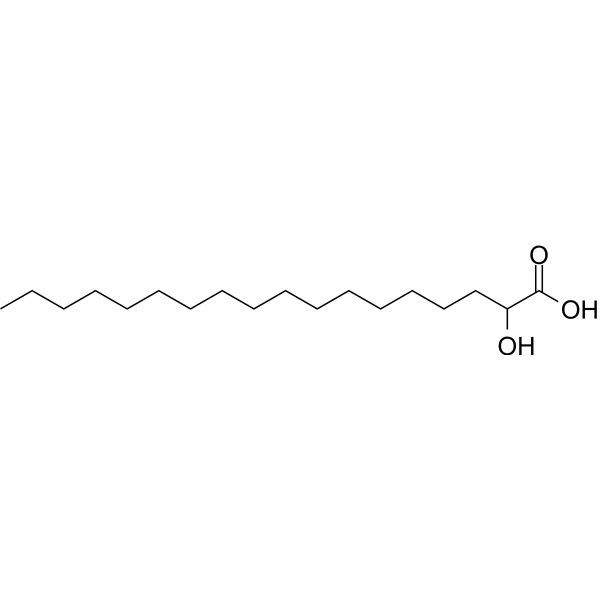
    DL-2-Hydroxystearic acid

    Biochemical Assay Reagents Others
    2-Hydroxystearic acid is an alpha-hydroxy fatty acid commonly used in a variety of personal care products, especially cosmetic and skin care formulations. 2-Hydroxystearic acid has unique chemical properties that make it an effective emulsifier and stabilizer, improving the texture and shelf life of cosmetic products. It also has a potential physiological role in improving skin hydration and elasticity, although its biological function is not fully understood.
    2-Hydroxystearic acid
  • HY-W127445

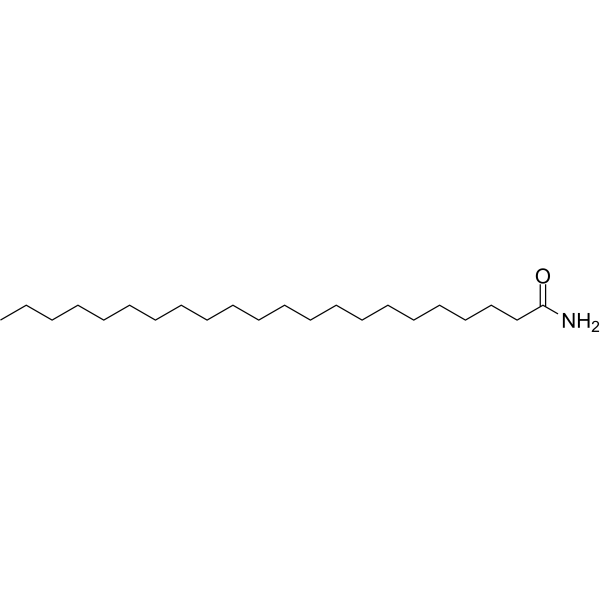
    Docosanamide

    Biochemical Assay Reagents Others
    Behenamide is a fatty acid derived from plants such as rapeseed oil and can be synthesized by a variety of processes. Behenamide has unique properties that make it useful as a slip agent, A lubricant and release agent, it is also used in personal care products, including cosmetics and hair care, as a thickener and emollient because of its ability to improve the consistency and texture of formulations.
    Behenamide
  • HY-B1384R

    Vitamin A palmitate (Standard); Retinol palmitate (Standard)

    Endogenous Metabolite Reference Standards Others
    Retinyl palmitate (Standard) is the analytical standard of Retinyl palmitate. This product is intended for research and analytical applications. Retinyl palmitate is an ester of Retinol and is the major form of vitamin A found in the epidermis. Retinyl palmitate has been widely used in pharmaceutical and cosmetic formulations.
    Retinyl palmitate (Standard)
  • HY-W250302

    Environmental Pollutants Biochemical Assay Reagents Others
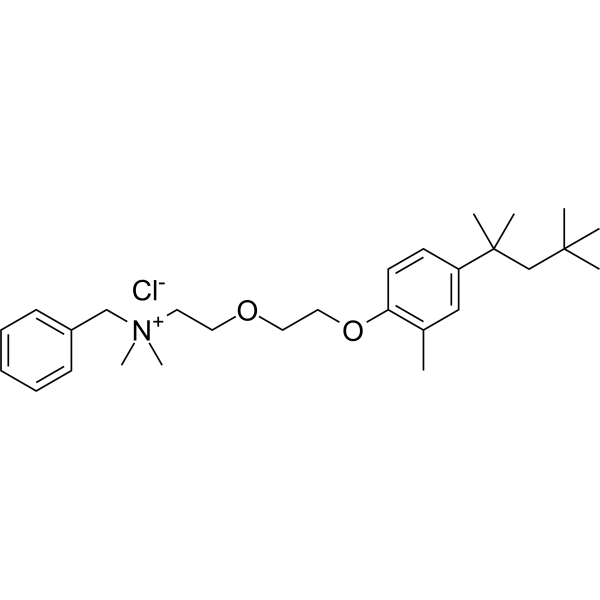
    Methylbenzethonium chloride is a quaternary ammonium compound commonly used as a preservative and disinfectant in a variety of personal care and healthcare products. Methylbenzethonium chloride has several properties that make it suitable for these applications, including its broad-spectrum antibacterial activity against bacteria, viruses and fungi. In addition, it is used as a preservative in cosmetic and pharmaceutical formulations to prevent the growth of microorganisms.
    Methylbenzethonium chloride
  • HY-W010695

    Biochemical Assay Reagents Others
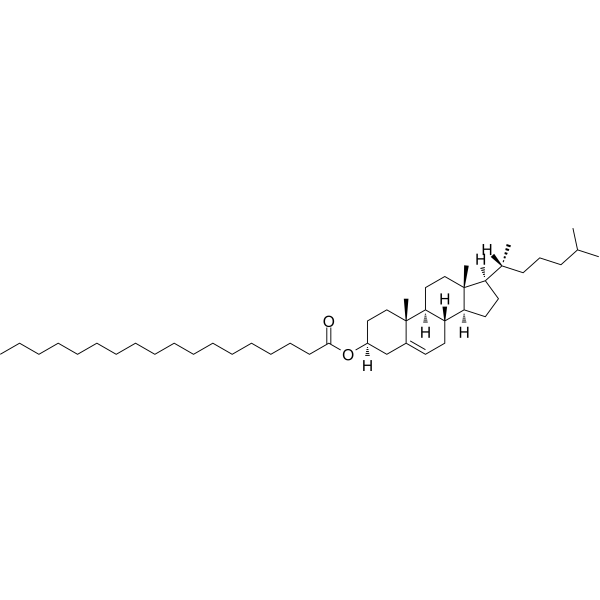
    Cholesteryl stearate is a compound belonging to the class of esters. It is a cholesterol ester commonly found in animal and plant sources. Cholesteryl stearate consists of two naturally occurring substances, cholesteryl alcohol and stearic acid. The combination of the two creates a stable compound that is commonly used in a variety of industrial and biomedical applications. Cholesteryl stearate is commonly used as a lubricant, thickener and emollient in cosmetic formulations such as lotions and creams. It is also used to produce certain types of polymers and plastics.
    Cholesteryl stearate
  • HY-134098

    Adipic acid diisopropyl ester

    Environmental Pollutants TRP Channel Others
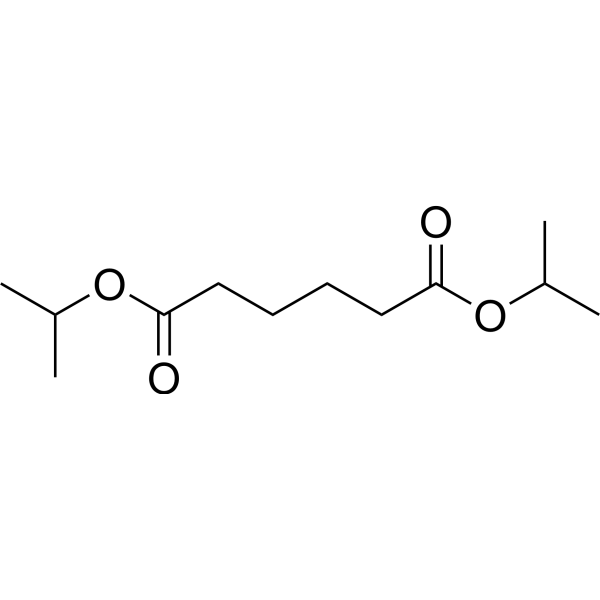
    Diisopropyl adipate is an alternative plasticizer and a TRPA1 activator. Diisopropyl adipate activates TRPA1 and enhances FITC-induced contact hypersensitivity (CHS).Diisopropyl adipate also serves as an ingredient in cosmetics and drug formulations topically applied to the skin. Diisopropyl adipate can be used as an excipient, such as emollients, plasticizers. Pharmaceutical excipients, or pharmaceutical auxiliaries, refer to other chemical substances used in the pharmaceutical process other than pharmaceutical ingredients. Pharmaceutical excipients generally refer to inactive ingredients in pharmaceutical preparations, which can improve the stability, solubility and processability of pharmaceutical preparations. Pharmaceutical excipients also affect the absorption, distribution, metabolism, and elimination (ADME) processes of co-administered drugs .
    Diisopropyl adipate
  • HY-W127452

    Environmental Pollutants Biochemical Assay Reagents Others
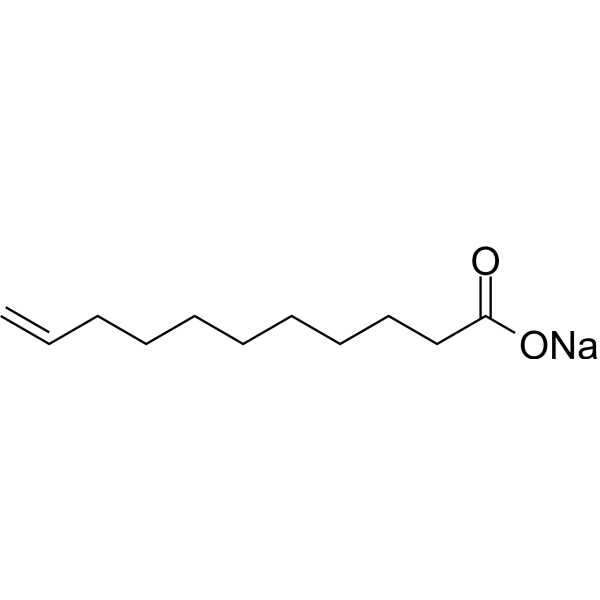
    Undecylenate SodiumIt is an organic compound belonging to the class of carboxylates. It is formed by the reaction of undecylenic acid and sodium hydroxide. Undecylenate SodiumIt has a variety of applications in the cosmetic and personal care industries, especially as an antifungal agent in products such as face creams, lotions and shampoos. In addition, it can be used as a preservative in various formulations.
    Undecylenate sodium
  • HY-A0087R

    Biochemical Assay Reagents Reference Standards PPAR Estrogen Receptor/ERR Cytochrome P450 Others
    Octocrylene (Standard) is the analytical standard of Octocrylene. This product is intended for research and analytical applications. Octocrylene is an organic ultraviolet (UV) filter which absorbs mainly UVB radiation and short UVA wavelengths. Octocrylene has the potential for using in various cosmetic products to either provide an appropriate sun protection factor in sunscreen products or to protect cosmetic formulations from UV radiation .
    Octocrylene (Standard)
  • HY-W127627

    Biochemical Assay Reagents Others
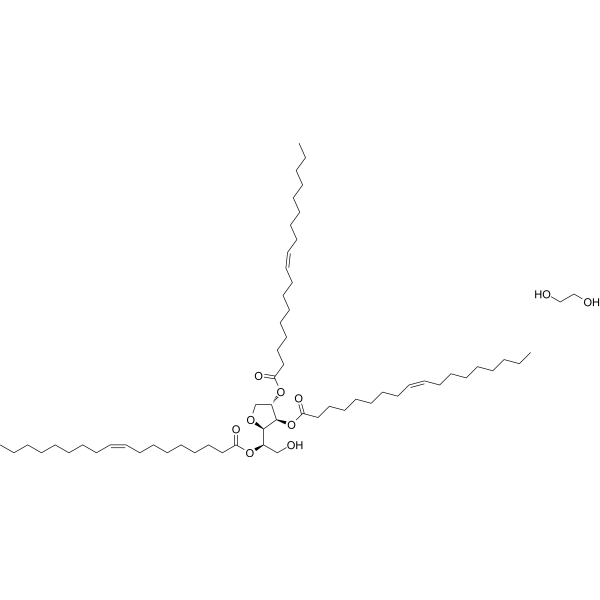
    Tween 85 is a nonionic surfactant belonging to the class of ethoxylated sorbitan esters. It is used as an emulsifier and solubilizer in various industries such as pharmaceutical, cosmetic and food. Because of its ability to blend oily and water-based ingredients, Tween 85 is often used in the formulation of creams, lotions and ointments. In addition, it is used as a dispersant for pigments in the production of paints and coatings.
    Tween 85
  • HY-165190

    Biochemical Assay Reagents Others
    Tristearyl citrate is a triester of stearyl alcohol and citric acid that can function as a skin-conditioning agent-occlusive in cosmetic formulations, is assessed as safe in present practices of use and concentration in cosmetics, and is allowed as an indirect food additive.Tristearyl citrate can be used for the research of cosmetic formulation development .
    Tristearyl citrate
  • HY-N0711R

    Cymophenol (Standard)

    Reference Standards Notch Apoptosis Fungal Endogenous Metabolite Bacterial Infection Inflammation/Immunology Cancer
    Carvacrol (Standard) is the analytical standard of Carvacrol. This product is intended for research and analytical applications. Carvacrol is an orally active and blood-brain barrier-permeable monoterpenic phenol that can be extract from an abundant number of aromatic plants, including thyme and oregano, possessing antioxidant, antibacterial, antifungal, anticancer, anti-inflammatory, hepatoprotective, spasmolytic, and vasorelaxant properties. Carvacrol also causes cell cycle arrest in G0/G1, downregulates Notch-1, and Jagged-1, and induces apoptosis. Carvacrol is used in low concentrations as a food flavoring ingredient and preservative, as well as a fragrance ingredient in cosmetic formulations .
    Carvacrol (Standard)
  • HY-W128313

    2,2,2-Trichloro-1-phenylethyl acetate

    Biochemical Assay Reagents Others
    Alpha-(trichloromethyl)benzyl acetate (2,2,2-Trichloro-1-phenylethyl acetate) can be used as a fixative in soap fragrances, especially suitable for soap and cosmetic perfume formulations, acting as a harmonizer in formulations. Alpha-(trichloromethyl)benzyl acetate is a kind of biological materials or organic compounds that are widely used in life science research .
    Alpha-(trichloromethyl)benzyl acetate
  • HY-W250302R

    Biochemical Assay Reagents Reference Standards Others
    Methylbenzethonium (chloride) (Standard) is the analytical standard of Methylbenzethonium (chloride). This product is intended for research and analytical applications. Methylbenzethonium chloride is a quaternary ammonium compound commonly used as a preservative and disinfectant in a variety of personal care and healthcare products. Methylbenzethonium chloride has several properties that make it suitable for these applications, including its broad-spectrum antibacterial activity against bacteria, viruses and fungi. In addition, it is used as a preservative in cosmetic and pharmaceutical formulations to prevent the growth of microorganisms.
    Methylbenzethonium chloride (Standard)
  • HY-W127434A

    (12R)-Octadecane-1,12-diol

    Biochemical Assay Reagents Others
    (12R)-1,12-Octadecanediol ((12R)-Octadecane-1,12-diol) is a compound characterized by a linear chain of 18 carbon atoms with two hydroxyl groups (C18H38O2). This colorless substance has unique properties owing to the presence of two hydroxyl groups in its molecular structure. Whether derived from natural sources or synthesized chemically, 12-Octadecanediol finds applications in various industries. It is often utilized in the formulation of cosmetics, personal care products, and pharmaceuticals due to its emollient properties, enhancing moisturization and conditioning effects in different formulations. The compound's distinctive structure may make it suitable for specific uses in research or industrial processes. In industrial contexts, 12-Octadecanediol serves as a valuable chemical intermediate for synthesizing other compounds. Its specialized structure and adaptability in formulations make it a significant component across diverse industries, contributing to the development of products for various purposes.
    (12R)-1,12-Octadecanediol
  • HY-W414697

    D-Ribo-phytosphingosine (C17 base)

    Bacterial Others
    4-Hydroxysphinganine C17 base (D-Ribo-phytosphingosine C17 base), also known as D-ribo-phytosphingosine or PHS, is a crucial compound present in the membranes of fungi, plants, bacteria, marine organisms, and mammalian tissues. It plays a vital role in preserving the structural integrity of membranes, regulating cellular growth, and mediating the heat stress response in yeast. Additionally, PHS serves as a precursor for the synthesis of important lipid mediators such as PHS 1-phosphate, inositol phosphorylceramide, and KRN7000 (the α-anomer of galactosylceramide). Furthermore, this phospholipid promotes keratinocyte differentiation, making it a valuable active ingredient in cosmetic formulations.
    4-Hydroxysphinganine (C17 base)
  • HY-B1686

    Biochemical Assay Reagents Others
    Menthyl salicylate is a flavor ingredient and a volatile flavor compound. Menthyl salicylate imparts a fresh mint-like aroma to black tea. Menthyl salicylate can be used in studies related to the aroma of black tea and the behavior of ingredients in cosmetic formulations [1] .
    Menthyl salicylate
  • HY-124544

    Others Inflammation/Immunology
    Diacetyl boldine is a smoothing, moisturizing and anti-inflammatory ingredient in cosmetic formulations. Diacetyl boldine can be used for the research of melasma and lentigo senilis .
    Diacetyl boldine
  • HY-B1384S

    Vitamin A palmitate-d4; Retinol palmitate-d4

    Isotope-Labeled Compounds Endogenous Metabolite Others
    Retinyl palmitate-d4 is the deuterium labeled Retinyl palmitate (HY-B1384). Retinyl palmitate is an ester of Retinol and is the major form of vitamin A found in the epidermis. Retinyl palmitate has been widely used in researches of pharmaceutical and cosmetic formulations .
    Retinyl palmitate-d4
  • HY-W705093

    Bacterial Infection Cancer
    Dimethoxane is an antibacterial agent and an orally active oncogen. Dimethoxane exerts slow bactericidal action against various bacteria, rapid bacteriostatic action that halts bacterial growth, and does not induce bacterial lysis. Dimethoxane induces multiple tumor formation in rats. Dimethoxane functions as a low-toxicity preservative in cosmetic formulations and controls spoilage microorganisms in aqueous systems, emulsions, and suspensions .
    Dimethoxane
  • HY-177153

    Drug Derivative Others
    Allantoin calcium pantothenate is a complex formed by Allantoin (HY-N0543) and Calcium pantothenate (HY-N0681). Allantoin calcium pantothenate has protective, anti-irritant, soothing and moisturizing properties. Allantoin calcium pantothenate can be safely used as an anti-irritant, wound healing agent and conditioning agent. Allantoin calcium pantothenate can be incorporated at 0.2-2% in most formulations. Allantoin calcium pantothenate can be used in cosmetics-related research .
    Allantoin calcium pantothenate
  • HY-W010695R

    Biochemical Assay Reagents Reference Standards Others
    Cholesteryl stearate (Standard) is the analytical standard of Cholesteryl stearate (HY-W010695). This product is intended for research and analytical applications. Cholesteryl stearate is a compound belonging to the class of esters. It is a cholesterol ester commonly found in animal and plant sources. Cholesteryl stearate consists of two naturally occurring substances, cholesteryl alcohol and stearic acid. The combination of the two creates a stable compound that is commonly used in a variety of industrial and biomedical applications. Cholesteryl stearate is commonly used as a lubricant, thickener and emollient in cosmetic formulations such as lotions and creams. It is also used to produce certain types of polymers and plastics.
    Cholesteryl stearate (Standard)
  • HY-W010695S1

    Isotope-Labeled Compounds Biochemical Assay Reagents Others
    Cholesteryl octadecanoate-d35 is the deuterium labeled Cholesteryl stearate (HY-W010695). Cholesteryl stearate is a compound belonging to the class of esters. It is a cholesterol ester commonly found in animal and plant sources. Cholesteryl stearate consists of two naturally occurring substances, cholesteryl alcohol and stearic acid. The combination of the two creates a stable compound that is commonly used in a variety of industrial and biomedical applications. Cholesteryl stearate is commonly used as a lubricant, thickener and emollient in cosmetic formulations such as lotions and creams. It is also used to produce certain types of polymers and plastics.
    Cholesteryl octadecanoate-d35

Inquiry Online

Your information is safe with us. * Required Fields.

Salutation


Country or Region *

Applicant Name *


Organization Name *

Department *


Email Address *


Product Name *

Cat. No.


Requested quantity *

Phone Number *


Remarks

Inquiry Online

Inquiry Information

Product Name:
Cat. No.:
Quantity:
MCE Japan Authorized Agent:

