1. Search Result
Search Result
Pathways Recommended: Stem Cell/Wnt Cell Cycle/DNA Damage
Results for "

immune cell labeling

" in MedChemExpress (MCE) Product Catalog:

42

Inhibitors & Agonists

2

Fluorescent Dyes

5

Biochemical Assay Reagents

35

Isotope-Labeled Compounds

Cat. No. Product Name Target Research Areas Chemical Structure
  • HY-112624I

    Dextran 3; Dextran D3; Dextran T3(MW 2400-3600)

    Bacterial Others
    Dextran T3 (Dextran 3; Dextran T3(MW 2400-3600)) is a neural tracer and intestinal permeability probe that can move anterogradely and retrogradely in neuronal axons by passive diffusion. Dextran T3 (MW 3,000) is able to permeate across the intestinal epithelial cell membrane in the presence of cholera toxin-induced cytoskeletal disturbance. Dextran T3 (MW 3,000) is used as a fluorescent marker to rapidly label developing neurons (such as Xenopus retinal ganglion cells) and to assess intestinal barrier function. It can be used to study axonal transport in neuroanatomy and permeability changes in intestinal pathophysiology. The Dextran series of compounds are also natural polysaccharide drug carriers that can be connected to drugs through covalent bonding methods such as ester bonds, amide bonds or click chemistry, or self-assembled to form carriers such as nanoparticles and hydrogels. Dextran is biodegradable and biocompatible, and can achieve targeted delivery and controlled release of drugs. Dextran derivatives can prolong the half-life of drugs, increase local concentrations, and reduce the activity of immune clearance .
    Dextran T3 (MW 3,000)
  • HY-B2176S

    Adenosine 5'-triphosphate-13C10,15N5

    Endogenous Metabolite Metabolic Disease
    ATP- 13C10, 15N5 is the 13C and 15N labeled ATP . ATP (Adenosine 5'-triphosphate) is a central component of energy storage and metabolism in vivo. ATP provides the metabolic energy to drive metabolic pumps and serves as a coenzyme in cells. ATP is an important endogenous signaling molecule in immunity and inflammation .
    ATP-13C10,15N5
  • HY-B2176S6

    Adenosine 5'-triphosphate-13C10 dilithium

    Isotope-Labeled Compounds Endogenous Metabolite Metabolic Disease Inflammation/Immunology
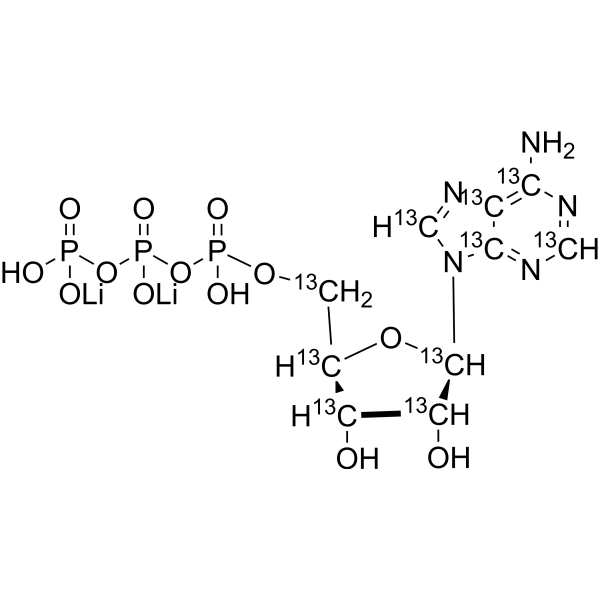
    ATP- 13C10 (Adenosine 5'-triphosphate- 13C10) dilithium is 13C-labeled ATP (HY-B2176). ATP (Adenosine 5'-triphosphate) is a central component of energy storage and metabolism in vivo. ATP provides the metabolic energy to drive metabolic pumps and serves as a coenzyme in cells. ATP is an important endogenous signaling molecule in immunity and inflammation.
    ATP-13C10 dilithium
  • HY-B2176S5

    Adenosine 5'-triphosphate-15N5 dilithium

    Isotope-Labeled Compounds Endogenous Metabolite Metabolic Disease Inflammation/Immunology
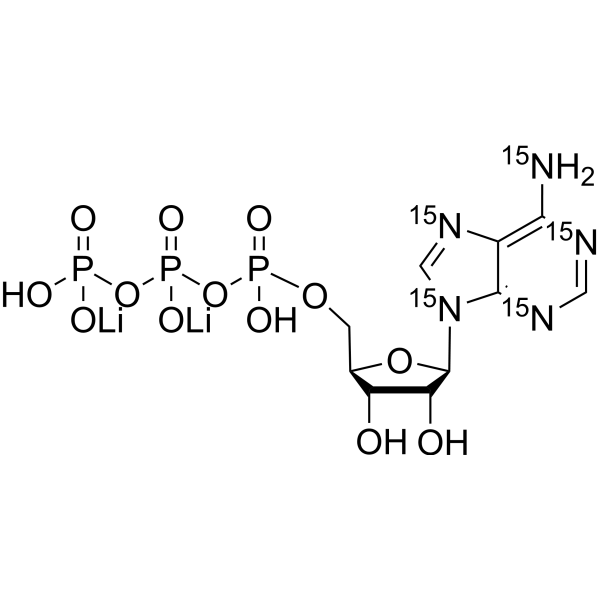
    ATP- 15N5 (Adenosine 5'-triphosphate- 15N5) dilithium is 15N labeled ATP (HY-B2176). ATP (Adenosine 5'-triphosphate) is a central component of energy storage and metabolism in vivo. ATP provides the metabolic energy to drive metabolic pumps and serves as a coenzyme in cells. ATP is an important endogenous signaling molecule in immunity and inflammation.
    ATP-15N5 dilithium
  • HY-B1946S

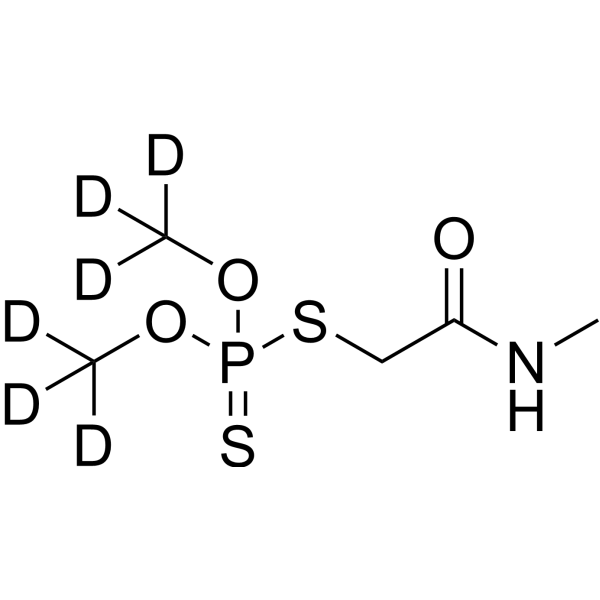
    Isotope-Labeled Compounds Insecticide Reactive Oxygen Species (ROS) Apoptosis Cholinesterase (ChE) Inflammation/Immunology
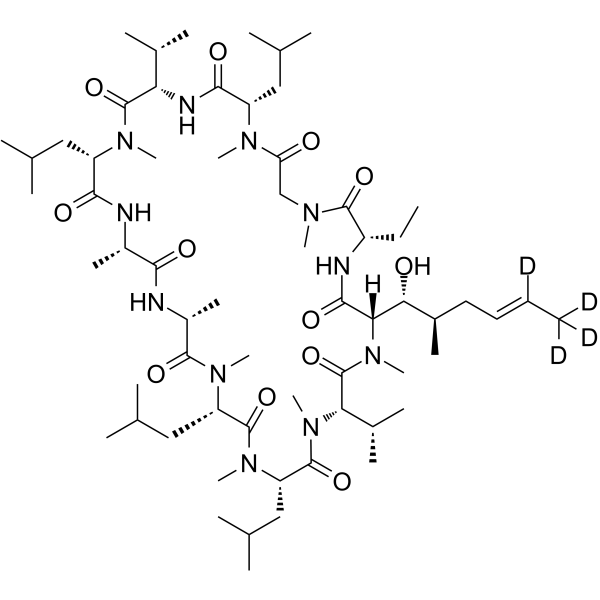
    Dimethoate-d6 is the deuterium labeled Dimethoate. Dimethoate is an organophosphate insecticide and acaricide. Dimethoate is an orally active acetylcholinesterase inhibitor. Dimethoate induces reactive oxygen species (ROS). Dimethoate induces DNA damage and cell apoptosis in vivo. Dimethoate affect immune system in mice .
    Dimethoate-d6
  • HY-B0345AS

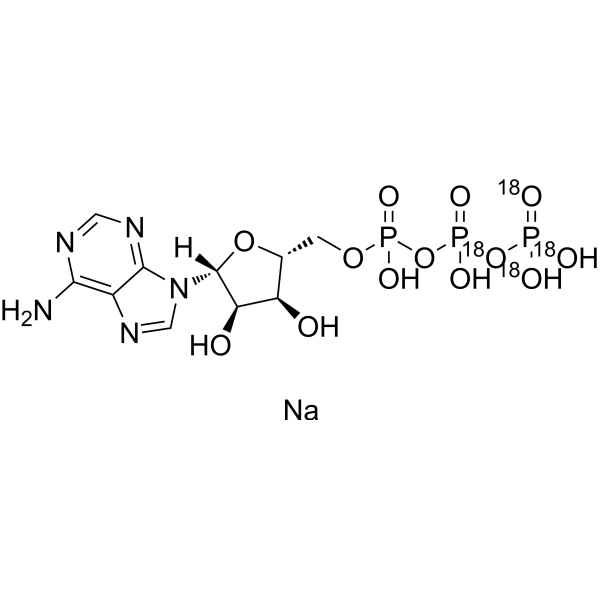
    Endogenous Metabolite Metabolic Disease
    ATP- 18O4 (disodium salt) is the 18O labeled ATP disodium salt . ATP disodium salt (Adenosine 5'-triphosphate disodium salt) is a central component of energy storage and metabolism in vivo, provides the metabolic energy to drive metabolic pumps and serves as a coenzyme in cells. ATP disodium salt is an important endogenous signaling molecule in immunity and inflammation .
    ATP-18O4 sodium
  • HY-W014375S4

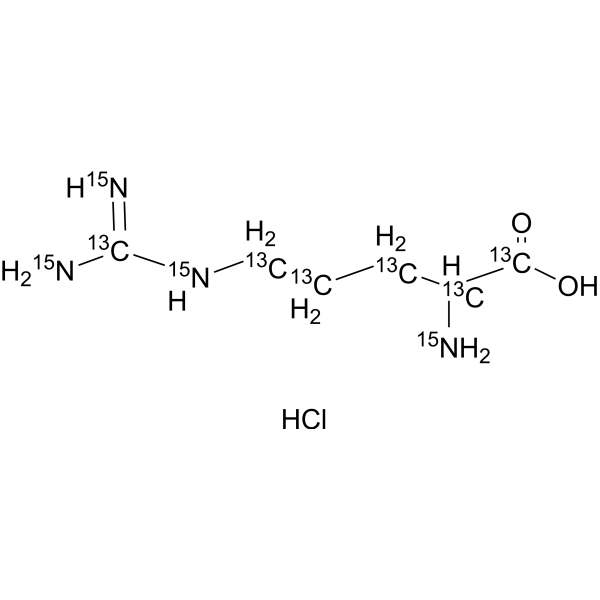
    (±)-Arginine-13C6,15N4 hydrochloride

    Isotope-Labeled Compounds Endogenous Metabolite Cardiovascular Disease
    DL-Arginine- 13C6, 15N4 hydrochloride is 13C and 15N-labeled DL-Arginine hydrochloride (HY-W014375). DL-Arginine ((±)-Arginine) hydrochloride is the racemic compound of L-Arginine (HY-N0455) and D-Arginine (HY-W016781). Arginine is an essential amino acid that requires additional supplementation in traumatic or diseased conditions. Arginine is involved in T cell activation, proliferation, and differentiation, and affects the function of immune cells .
    DL-Arginine-13C6,15N4 hydrochloride
  • HY-B2176S4

    Adenosine 5'-triphosphate-d14 dilithium

    Isotope-Labeled Compounds Endogenous Metabolite Metabolic Disease Inflammation/Immunology
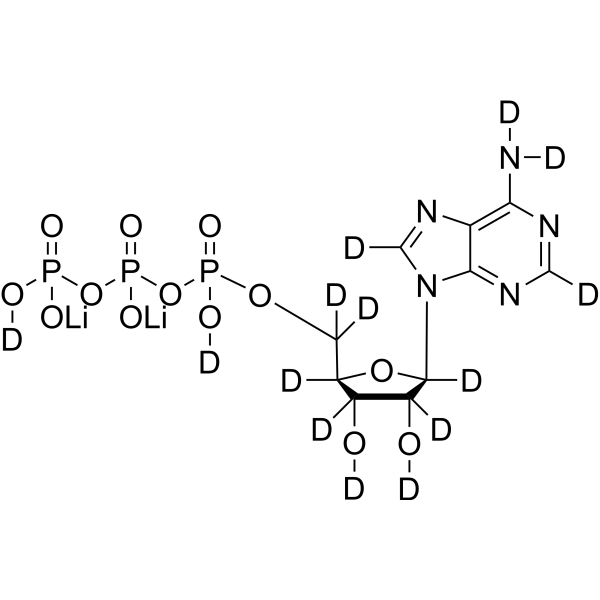
    ATP-d14 (Adenosine 5'-triphosphate-d14) dilithium is deuterium labeled ATP (HY-B2176). ATP (Adenosine 5'-triphosphate) is a central component of energy storage and metabolism in vivo. ATP provides the metabolic energy to drive metabolic pumps and serves as a coenzyme in cells. ATP is an important endogenous signaling molecule in immunity and inflammation.
    ATP-d14 dilithium
  • HY-B2176S7

    Adenosine 5'-triphosphate-13C2 dilithium

    Isotope-Labeled Compounds Endogenous Metabolite Metabolic Disease Inflammation/Immunology
    ATP- 13C2 (Adenosine 5'-triphosphate- 13C2) dilithium is 13C-labeled ATP (HY-B2176). ATP (Adenosine 5'-triphosphate) is a central component of energy storage and metabolism in vivo. ATP provides the metabolic energy to drive metabolic pumps and serves as a coenzyme in cells. ATP is an important endogenous signaling molecule in immunity and inflammation.
    ATP-13C2 dilithium
  • HY-W010243S

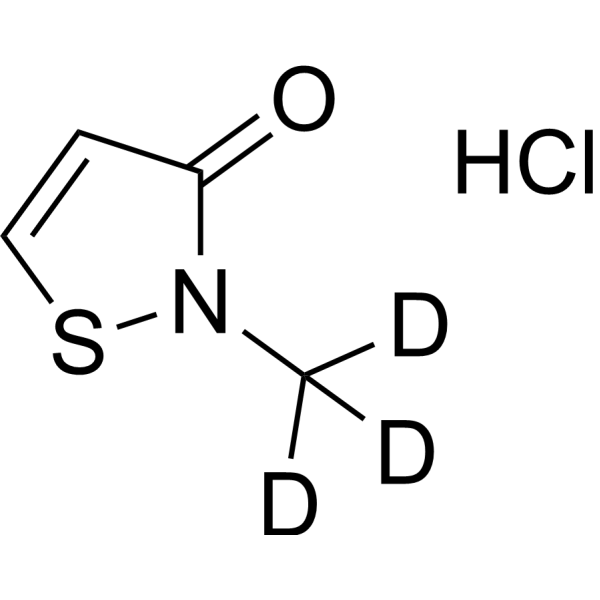
    Isotope-Labeled Compounds Bacterial MMP Apoptosis Fungal Infection Inflammation/Immunology
    Methylisothiazolinone-d3 hydrochloride is the deuterium labeled Methylisothiazolinone hydrochloride (HY-W010243). Methylisothiazolinone hydrochloride is a bacterial and fungal inhibitor and preservative, as well as a sensitizer. Methylisothiazolinone hydrochloride can activate matrix metalloproteinases (MMPs) in human bronchial epithelial cells to induce apoptosis and inflammatory response. Methylisothiazolinone hydrochloride can promote the development of atopic dermatitis in mice by disrupting Th2/Th17 related immune responses. Methylisothiazolinone hydrochloride can cause mitochondrial damage in the endothelium of rat cerebral blood vessels .
    Methylisothiazolinone-d3 hydrochloride
  • HY-150709S1

    Isotope-Labeled Compounds Endogenous Metabolite Metabolic Disease Inflammation/Immunology
    Adenosine 5'-triphosphate-13C10,15N5 dilithium is 13C and 15N labeled dilithium salt form of Adenosine 5'-triphosphate (HY-B2176). Adenosine 5'-triphosphate is a central component of energy storage and metabolism in vivo. Adenosine 5'-triphosphate provides the metabolic energy to drive metabolic pumps and serves as a coenzyme in cells. Adenosine 5'-triphosphate is an important endogenous signaling molecule in immunity and inflammation .
    Adenosine 5'-triphosphate-13C10,15N5 dilithium
  • HY-N0349S1

    Methyl 4-hydroxybenzoate-13C6

    Isotope-Labeled Compounds Bacterial Endogenous Metabolite Infection
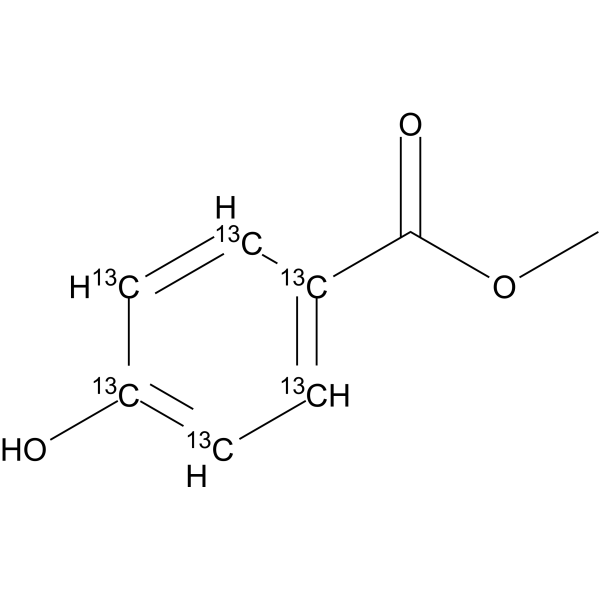
    Methyl Paraben- 13C6 (Methyl 4-hydroxybenzoate- 13C6) is a 13C labeled Methyl Paraben (HY-N0349) . Methyl Paraben, isolated from the barks of Tsuga dumosa the methyl ester of p-hydroxybenzoic acid, is a standardized chemical allergen. Methyl Paraben is a stable, non-volatile compound used as an antimicrobial preservative in foods, agents and cosmetics. The physiologic effect of Methyl Paraben is by means of increased histamine release, and cell-mediated immunity .
    Methyl paraben-13C6
  • HY-B1204S1

    Ergamine-d4

    Isotope-Labeled Compounds Histamine Receptor p38 MAPK Akt Reactive Oxygen Species (ROS) Apoptosis Endogenous Metabolite Neurological Disease Inflammation/Immunology Endocrinology Cancer
    Histamine-d4 (Ergamine-d4) is deuterium labeled Histamine (HY-B1204). Histamine is the agonist for histamine receptor and a vasodilator. Histamine is an organic nitrogen compound that participates in local immune responses, regulates intestinal physiological functions, and acts as a neurotransmitter. Histamine affects p38 MAPK/Akt signaling pathway, exhibits antitumor, antioxidant and anti-inflammatory activities. Histamine can be used in the research of acute myeloid leukemia, malignant melanoma, and renal cell carcinoma .
    Histamine-d4
  • HY-D2396

    Sulfo SMCC R-PE

    Fluorescent Dye Cancer
    Sulfo SMCC R-phycoerythrin is a conjugate composed of the protein crosslinker SMCC (HY-42360) and R-PE (R-Phycoerythrin) (HY-D0988) that can be used to label proteins to make them carry red fluorescence. Among them, SMCC is able to engage antigen-coupled spleen cells to induce antigen-specific immune responses .
    Sulfo SMCC R-phycoerythrin
  • HY-114364S

    Isotope-Labeled Compounds Others
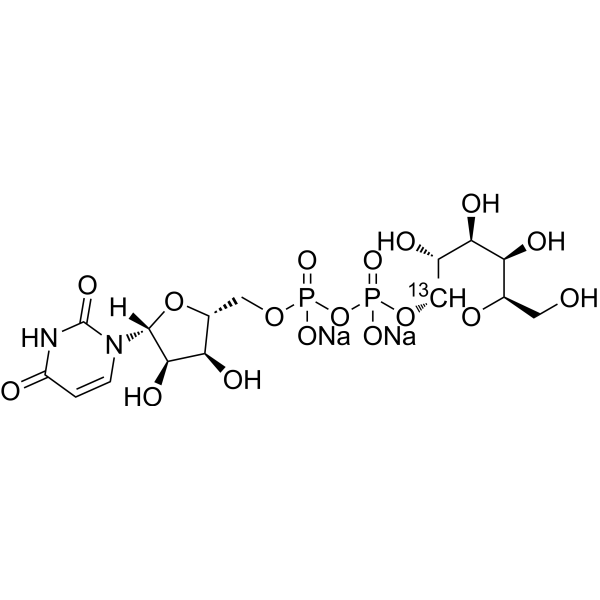
    UDP-α-D-Galactose- 13C disodium is the 13C labeled UDP-α-D-Galactose disodium. UDP-Galactose disodium is a monosaccharide and a key glycosyl donor molecule in cells that participates in nucleotide sugar metabolism. UDP-Galactose disodium is the natural agonist of the P2Y14 receptor coupled to Gi proteins in the immune system (IC50 = 0.67 μM, hP2Y14). UDP-Galactose disodium can be used to study cell signal transduction and substance metabolism .
    UDP-α-D-Galactose-13C disodium
  • HY-15306S
    Eltrombopag-13C4
    1 Publications Verification

    SB-497115-13C4

    Thrombopoietin Receptor Bacterial Apoptosis Infection Cardiovascular Disease Cancer
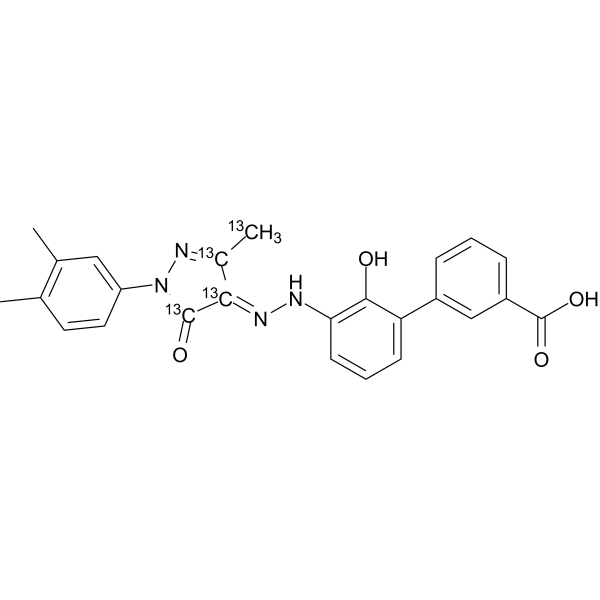
    Eltrombopag- 13C4 (SB-497115- 13C4) is 13 sup>C-labeled Z-Eltrombopag. Z-Eltrombopag is an orally active thrombopoietin-receptor non-peptide agonist with platelet-stimulating activity for the study of chronic immune thrombocytopenia. Eltrombopag also has strong inhibitory effects on multidrug-resistant Staphylococcus aureus (Staphylococcus aureus) and can induce apoptosis (apoptosis) in liver cancer cells .
    Eltrombopag-13C4
  • HY-143712S1

    3α-hydoxy-5α-Cholaoic Acid-d4, allo-LCA-d4

    Isotope-Labeled Compounds Drug Metabolite G protein-coupled Bile Acid Receptor 1 ROR Metabolic Disease Inflammation/Immunology Cancer
    Allolithocholic Acid-d4 (3α-hydoxy-5α-Cholaoic Acid-d4, allo-LCA-d4) is deuterium labeled Allolithocholic acid (HY-143712). Allolithocholic acid is an orally active metabolite of Lithocholic acid (HY-B0172). Allolithocholic acid is a dual GPBAR1 agonist (EC50 = 2.7 μM) and RORγt inverse agonist (IC50 = 3.4 μM). Allolithocholic acid modulates immune and metabolic pathways, regulates immune cell polarization, prevents M1 macrophage and Th17 CD4 cell polarization. Allolithocholic acid improves insulin sensitivity, reduces liver lipid accumulation, reverses liver immunological, inflammatory and metabolic signaling dysregulation, restores bile acid homeostasis, adipose tissue histopathology/function, and intestinal microbiota composition, modulates intestinal immunity. Allolithocholic acid can be used for the researches of cancer, inflammayion, immunology and metabolic disease .
    Allolithocholic Acid-d4
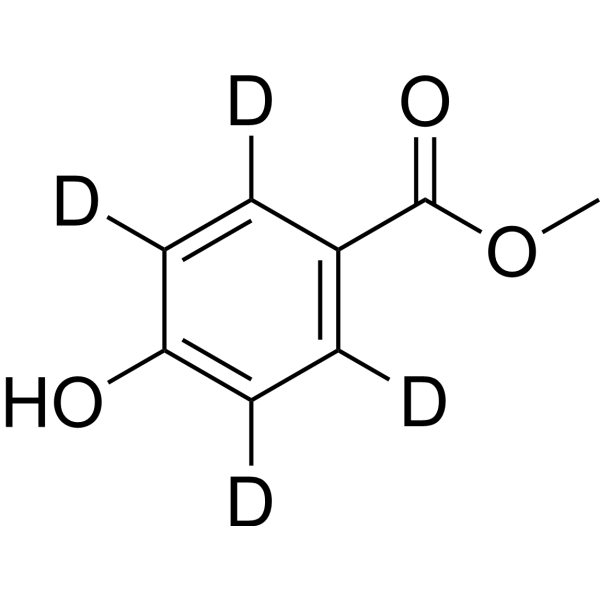
  • HY-N0349S

    Methyl 4-hydroxybenzoate-d4

    Bacterial Endogenous Metabolite Infection
    Methyl paraben-d4 is the deuterium labeled Methyl Paraben . Methyl Paraben, isolated from the barks of Tsuga dumosa the methyl ester of p-hydroxybenzoic acid, is a standardized chemical allergen. Methyl Paraben is a stable, non-volatile compound used as an antimicrobial preservative in foods, agents and cosmetics. The physiologic effect of Methyl Paraben is by means of increased histamine release, and cell-mediated immunity .
    Methyl paraben-d4
  • HY-W653896

    Isotope-Labeled Compounds Androgen Receptor Apoptosis Topoisomerase Estrogen Receptor/ERR Infection
    Alternariol-d2 is deuterium labeled Alternariol. Alternariol is an orally ingested mycotoxin produced by Alternaria, capable of inhibiting the activity of topoisomerase I and II (topoisomerase I, topoisomerase II). Alternariol has weak estrogenic (Estrogen Receptor/ERR) and androgen/antiandrogen (Androgen Receptor) effects. Alternariol can induce apoptosis, trigger cell cycle arrest, suppress innate immune responses, and exhibit anti-tumor activity. Alternariol has genotoxic, mutagenic, and endocrine-disrupting effects .
    Alternariol-d2
  • HY-B1204S2

    Ergamine-13C5, 15N3

    Isotope-Labeled Compounds Histamine Receptor p38 MAPK Akt Reactive Oxygen Species (ROS) Apoptosis Endogenous Metabolite Neurological Disease Inflammation/Immunology Endocrinology Cancer
    Histamine- 13C5, 15N3 (Ergamine- 13C5, 15N3) is the 13C and 15N labeled isotope of Histamine (HY-B1204). Histamine is the agonist for histamine receptor and a vasodilator. Histamine is an organic nitrogen compound that participates in local immune responses, regulates intestinal physiological functions, and acts as a neurotransmitter. Histamine affects p38 MAPK/Akt signaling pathway, exhibits antitumor, antioxidant and anti-inflammatory activities. Histamine can be used in the research of acute myeloid leukemia, malignant melanoma, and renal cell carcinoma .
    Histamine-13C5, 15N3
  • HY-W739948

    Isotope-Labeled Compounds Others
    Naltrexone-d3 is a deuterated labeled Naltrexone (HY-76711) . Naltrexone is an antagonist of Opioid receptor. Naltrexone inhibits cell proliferation in vivo. Naltrexone reduces tumor growth by interfering with cell signalling and modifying the immune system .
    Naltrexone-d3
  • HY-B2046S

    Isotope-Labeled Compounds Herbicide Apoptosis Reactive Oxygen Species (ROS) Bcl-2 Family Caspase Inflammation/Immunology
    Simazine-d10 is the deuterium labeled Simazine (HY-B2046). Simazine is a triazine herbicide. Simazine is widely used in agriculture, potted plant and tree production. In addition, Simazine can induce the apoptosis of immune cells in the spleen of mice and inhibit the proliferation of B cells and T cells in mice .
    Simazine-d10
  • HY-N6746S1

    NSC 186-13C13

    Isotope-Labeled Compounds Apoptosis Bacterial Autophagy Infection Neurological Disease Cancer
    Citrinin- 13C13 (NSC 186- 13C13) is the 13C labeled Citrinin (HY-N6746). Citrinin (NSC 186) is a mycotoxin that causes food contamination and has different toxic effects. Citrinin is an effective oral anticancer agent. Citrinin has various regulatory effects on mouse immune system, including regulating the number of immune cells, inducing apoptosis and autophagy of immune cells, altering toll-like receptor expression and cytokine production. Citrinin can induce oxidative stress and lead to early apoptosis of oocytes. Low doses of Citrinin have neuroprotective effects against glutamate-induced excitotoxicity in rat cortical neurons. In addition, Citrinin also has antibacterial activity .
    Citrinin-13C13
  • HY-W014375S3

    (±)-Arginine-d7 hydrochloride

    Isotope-Labeled Compounds Endogenous Metabolite Cardiovascular Disease
    DL-Arginine-d7 hydrochloride is deuterium labeled DL-Arginine hydrochloride (HY-W014375). DL-Arginine ((±)-Arginine) hydrochloride is the racemic compound of L-Arginine (HY-N0455) and D-Arginine (HY-W016781). Arginine is an essential amino acid that requires additional supplementation in traumatic or diseased conditions. Arginine is involved in T cell activation, proliferation, and differentiation, and affects the function of immune cells .
    DL-Arginine-d7 hydrochloride
  • HY-158471

    Biochemical Assay Reagents Others
    Core 1 O-glycan (C1) is an important O-linked glycan with core structure 1 (MUC1-M). Core 1 O-glycan (C1), 2AB labeled is related to sialylation and participates in life activities including cell recognition, protection, immune regulation and disease markers .
    Core 1 O-glycan (C1)
  • HY-W014375S

    (±)-Arginine-15N4,d7 hydrochloride

    Isotope-Labeled Compounds Endogenous Metabolite Cardiovascular Disease
    DL-Arginine- 15N4,d7 hydrochloride is deuterium and 15N labeled DL-Arginine hydrochloride (HY-W014375). DL-Arginine ((±)-Arginine) hydrochloride is the racemic compound of L-Arginine (HY-N0455) and D-Arginine (HY-W016781). Arginine is an essential amino acid that requires additional supplementation in traumatic or diseased conditions. Arginine is involved in T cell activation, proliferation, and differentiation, and affects the function of immune cells .
    DL-Arginine-15N4,d7 hydrochloride
  • HY-158470

    Biochemical Assay Reagents Others
    Disialylated Core 2 O-glycan (C2S(3,3)2), 2-AB labeled is a 2-AB (2-aminobenzamide) labeled O-linked glycan with core structure 2. Disialylated Core 2 O-glycan (C2S(3,3)2), 2-AB labeled is related to sialylation and participates in life activities including cell recognition, protection, immune regulation and disease markers .
    Disialylated Core 2 O-glycan (C2S(3,3)2), 2-AB labelled
  • HY-124356AS

    Isotope-Labeled Compounds Histamine Receptor Inflammation/Immunology
    Alcaftadine carboxylic acid-d3 (sodium) is deuterium labeled Alcaftadine carboxylic acid. Alcaftadine carboxylic acid is a broad-spectrum antihistamine compound with high affinity for histamine H1 and H2 receptors and low affinity for H4 receptors. Alcaftadine carboxylic acid has also demonstrated effects on modulating immune cell recruitment and stabilizing mast cells. Alcaftadine carboxylic acid is more effective than placebo in preventing ocular itching associated with allergic conjunctivitis and is at least as effective as olopatadine 0.01% .
    Alcaftadine carboxylic acid-d3 sodium
  • HY-W014375S1

    (±)-Arginine-13C6,15N4,d7 hydrochloride

    Isotope-Labeled Compounds Endogenous Metabolite Cardiovascular Disease
    DL-Arginine- 13C6, 15N4,d7 hydrochloride is 13C and 15N-labeled DL-Arginine hydrochloride (HY-W014375). DL-Arginine ((±)-Arginine) hydrochloride is the racemic compound of L-Arginine (HY-N0455) and D-Arginine (HY-W016781). Arginine is an essential amino acid that requires additional supplementation in traumatic or diseased conditions. Arginine is involved in T cell activation, proliferation, and differentiation, and affects the function of immune cells .
    DL-Arginine-13C6,15N4,d7 hydrochloride
  • HY-106161S1

    AG7088-d7

    Isotope-Labeled Compounds Enterovirus Virus Protease Infection
    Rupintrivir-d7 is a deuterated labeled Rupintrivir . Rupintrivirvr (AG7088), an antiviral agent, is a potent, selective and irreversible inhibitor of human rhinovirus (HRV) 3C protease. Rupintrivirvr inhibits replication of a panel of 48 different HRV serotypes in H1-HeLA and MRC-5 cell protection assays, with a mean EC50 of 0.023 μM. Rupintrivirvr shows immune-modulatory effect .
    Rupintrivir-d7
  • HY-B1204S4

    Ergamine-15N3

    Isotope-Labeled Compounds Histamine Receptor p38 MAPK Akt Reactive Oxygen Species (ROS) Apoptosis Endogenous Metabolite Neurological Disease Inflammation/Immunology Endocrinology Cancer
    Histamine- 15N3 is the 15N3-labeled Histamine (HY-B1204). Histamine is the agonist for histamine receptor and a vasodilator. Histamine is an organic nitrogen compound that participates in local immune responses, regulates intestinal physiological functions, and acts as a neurotransmitter. Histamine affects p38 MAPK/Akt signaling pathway, exhibits antitumor, antioxidant and anti-inflammatory activities. Histamine can be used in the research of acute myeloid leukemia, malignant melanoma, and renal cell carcinoma .
    Histamine-15N3
  • HY-B2176S3

    Adenosine 5'-triphosphate-15N5,d14 dilithium

    Isotope-Labeled Compounds Endogenous Metabolite Metabolic Disease Inflammation/Immunology
    ATP- 15N5,d14 (Adenosine 5'-triphosphate- 15N5,d14) dilithium is deuterium and 15N labeled ATP (HY-B2176). ATP (Adenosine 5'-triphosphate) is a central component of energy storage and metabolism in vivo. ATP provides the metabolic energy to drive metabolic pumps and serves as a coenzyme in cells. ATP is an important endogenous signaling molecule in immunity and inflammation.
    ATP-15N5,d14 dilithium
  • HY-147338S

    5-Methyl-CTP-d3 trisodium

    DNA/RNA Synthesis Isotope-Labeled Compounds Others
    5-Methylcytidine 5′-triphosphate-d3 trisodium is the deuterium labeled 5-Methylcytidine 5’-triphosphate trisodium (HY-147338A). 5-Methylcytidine 5′-triphosphate (5-Methyl-CTP) trisodium is a modified nucleoside triphosphate. 5-Methylcytidine 5′-triphosphate trisodium can apply in replacing unmodified mRNA, resulting in the increase of translational properties and stability, as well as the reduction of innate immune responses in human and other mammalian cells .
    5-Methylcytidine 5′-triphosphate-d3 trisodium
  • HY-147338S2

    5-Methyl-CTP-d8 trisodium

    Isotope-Labeled Compounds Inflammation/Immunology
    5-Methylcytidine 5'-triphosphate-d8 trisodium is the deuterium-labeled form of 5-Methylcytidine 5'-triphosphate trisodium (HY-147338A). 5-Methylcytidine 5'-triphosphate (5-Methyl-CTP) trisodium is a modified nucleoside triphosphate. 5-Methylcytidine 5'-triphosphate trisodium can be used to replace unmodified mRNA, resulting in the increase of translational properties and stability, as well as the reduction of innate immune responses in human and other mammalian cells .
    5-Methylcytidine 5′-triphosphate-d8 trisodium
  • HY-32350S1

    1α,25-Dihydroxy Vitamin D2-d3

    Isotope-Labeled Compounds Endogenous Metabolite VD/VDR Metabolic Disease
    Ercalcitriol-d3 (1α,25-Dihydroxy Vitamin D2-d3) is the deuterium labeled Ercalcitriol (HY-32350). Ercalcitriol (1α,25-Dihydroxy Vitamin D2) is a vitamin D receptor (VDR) agonist with high binding affinity. After binding to VDR, Ercalcitriol forms a complex with retinoid X receptor (RXR) to regulate target gene transcription. For example, Ercalcitriol induces human gingival/oral epithelial cells to produce human cat antimicrobial peptide (hCAP-18/LL-37), which has antimicrobial activity against periodontal pathogens such as Porphyromonas gingivalis. Ercalcitriol enhances the innate immune defense of the oral mucosa by promoting the expression of antimicrobial peptides, and is mainly used in the study of periodontal diseases and immune-related oral diseases .
    Ercalcitriol-d3
  • HY-126855S

    7-Sulfocholic acid-d4

    Isotope-Labeled Compounds G protein-coupled Bile Acid Receptor 1 MHC Metabolic Disease
    Cholic acid 7-sulfate-d4 (7-Sulfocholic acid-d4) is the deuterium labeled Cholic acid 7-sulfate (HY-126855). Cholic acid 7-sulfate is a selective agonist targeting TGR5 (EC50=0.17 μM) and a ligand for MHC class I-related protein (MR1). As a gut-restricted TGR5 agonist, cholic acid 7-sulfate binds to TGR5 on enteroendocrine L cells, induces GLP-1 secretion, and improves glucose tolerance in a TGR5-dependent manner. Cholic acid 7-sulfate also acts as an endogenous ligand for MR1, promoting the survival of mucosal-associated invariant T cells MAIT and the expression of homeostatic gene signatures, affecting MAIT cell development and function. Cholic acid 7-sulfate is mainly used in the research of diabetes and MAIT cell-related immune regulation .
    Cholic acid 7-sulfate-d4
  • HY-B1398S

    4-Aminoantipyrine-d3

    Isotope-Labeled Compounds COX Drug Metabolite Neurological Disease Inflammation/Immunology Cancer
    Ampyrone-d3 is the deuterium labeled Ampyrone (HY-B1398). Ampyrone (4-Aminophenazone; 4-Aminoantipyrine) is a reversible and low-damage optical clearing agent and non-selective COX inhibitor based on UV absorption properties. Ampyrone can improve the optical transmittance of mouse skin and other tissues. Ampyrone can induce tissue refractive index matching by enhancing UV absorption, reduce light scattering, and achieve tissue transparency in vivo. Ampyrone reduces the synthesis of prostaglandin PGE2, thereby exerting anti-inflammatory, analgesic and antipyretic effects. Ampyrone inhibits DNA damage, cell apoptosis and immune cell phagocytosis induced by Doxorubicin (HY-15142A) and Cisplatin (HY-17394), etc., and participates in the regulation of toxicity in tumor chemotherapy .
    Ampyrone-d3
  • HY-B1953S

    nAChR Insecticide Infection
    Thiacloprid-d4 is the deuterium labeled Thiacloprid. Thiacloprid is an orally active neurotoxic insecticide and also a nAChR agonist. Thiacloprid reduces the viability of healthy cells, depletes reduced glutathione, and increases MDA levels, thereby inducing cytotoxicity and oxidative stress damage. In practical applications, Thiacloprid has lower acute toxicity to honeybees than other compounds of the same class such as Imidacloprid (HY-B0838), but it still significantly impairs the learning and memory function, immune capacity and survival status of honeybees. Thiacloprid induces intestinal microbial dysbiosis and reduces survival rate in middle-aged honeybees, increases the risk of premature collapse in bumblebee colonies, and significantly decreases the final colony weight and reproductive output. Thiacloprid is used in broad-spectrum agricultural pest control, often alone or in combination with Deltamethrin (HY-B1971), and meets the pest management needs of various crops including potatoes, cabbages, various fruits and vegetables, and nuts .
    Thiacloprid-d4
  • HY-D2925

    dTCO-SNAP

    Biochemical Assay Reagents Others
    dTCOBG (dTCO-SNAP) is a SNAP-tag reactive benzylguanine (BG) analogue specifically designed for the specific labeling of immune cells. dTCOBG forms a stable thioether bond through the cysteine at the active site of SNAP-tag and O6-benzylguanine, resulting in a covalent linkage. dTCOBG demonstrates unique advantages in the labeling of macrophages derived from ER-HoxB8: it only labels SNAP-tag + macrophages, with no background signal in the control group. dTCOBG can be used for click chemistry labeling .
    dTCOBG
  • HY-158467

    Biochemical Assay Reagents Others
    Core 1 O-glycan (C1), 2AB labeled is a 2AB (2-aminobenzamide) labeled O-linked glycan with core structure 1 (MUC1-M). Core 1 O-glycan (C1), 2AB labeled is related to sialylation and participates in life activities including cell recognition, protection, immune regulation and disease markers .
    Core 1 O-glycan (C1), 2AB labelled
  • HY-158469

    Biochemical Assay Reagents Others
    Disialylated Core 1 O-glycan (C1S(3,6)2), 2-AB labeled is a disialylated, 2-AB (2-aminobenzamide) labeled O-linked glycan with core structure 1 (MUC1-M). Disialylated Core 1 O-glycan (C1S(3,6)2), 2-AB labeled is related to sialylation and participates in life activities including cell recognition, protection, immune regulation and disease markers .
    Disialylated Core 1 O-glycan (C1S(3,6)2), 2-AB labelled
  • HY-B2176S8

    Adenosine 5'-triphosphate-13C10,15N5,d14 dilithium

    Isotope-Labeled Compounds Endogenous Metabolite NOD-like Receptor (NLR) Interleukin Related Bacterial Others
    ATP- 13C10, 15N5,d14 (Adenosine 5'-triphosphate- 13C10, 15N5,d14) dilithium is the 13C-, 15N- and deuterium labeled ATP dilithium. ATP (Adenosine 5'-triphosphate) is a central component of energy storage and metabolism in vivo. ATP provides the metabolic energy to drive metabolic pumps and serves as a coenzyme in cells. ATP is an important endogenous signaling molecule in immunity and inflammation. ATP can activate the NLRP3 inflammasome and induce IL-1β and chemokines secretion. ATP has anti-bacterial infection effects and can protect mice against bacterial infection in mice.
    ATP-13C10,15N5,d14 dilithium

Inquiry Online

Your information is safe with us. * Required Fields.

Salutation


Country or Region *

Applicant Name *


Organization Name *

Department *


Email Address *


Product Name *

Cat. No.


Requested quantity *

Phone Number *


Remarks

Inquiry Online

Inquiry Information

Product Name:
Cat. No.:
Quantity:
MCE Japan Authorized Agent:

