
Search Result
Results for "
long lasting effect
" in MedChemExpress (MCE) Product Catalog:
5
Isotope-Labeled Compounds
| Cat. No. |
Product Name |
Target |
Research Areas |
Chemical Structure |
-
- HY-153808A
-
|
|
Bacterial
|
Inflammation/Immunology
Cancer
|
|
Incomplete Freund's adjuvant (IFA) (Montanide ISA-51) is an immunoadjuvant emulsified with antigen by its discoverer Jules T. Freund. Incomplete Freund's adjuvant (IFA) does not contain inactivated tuberculosis bacilli and consists of petroleum jelly containing lanolin. Incomplete Freund's adjuvant (IFA) induces high antibody titers and long-lasting effector T cell responses with no long-term effects on collagen disease, tumors, or death. Complete Freund's adjuvant (CFA) (HY-153808) is another type of Freund's Adjuvant that stimulates a stronger immune response .
|
-
-
- HY-B0612A
-
|
|
Calcium Channel
Apoptosis
Reactive Oxygen Species (ROS)
p38 MAPK
NF-κB
|
Cardiovascular Disease
Neurological Disease
|
|
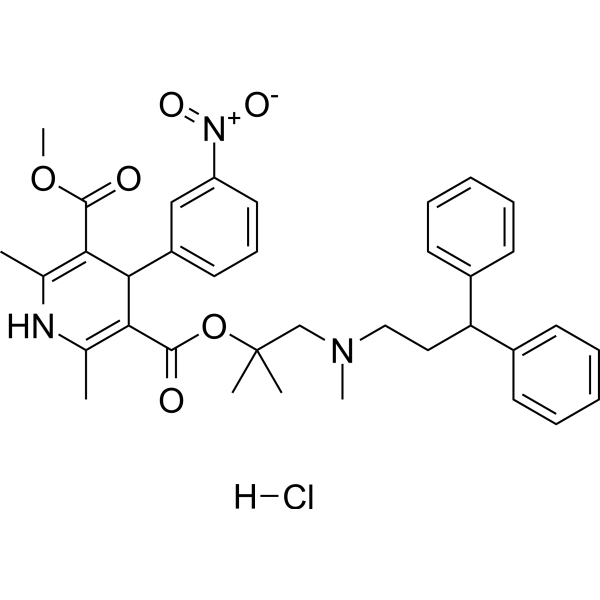
Lercanidipine is a third-generation, lipophilic, brain-penetrant, vascular-selective and orally active dihydropyridine-calcium channel blocker with a pIC50 of 7.74 (converts from μM). Lercanidipine has long lasting antihypertensive action as well as reno- and neuro-protective effect. Lercanidipine also shows anti-oxidant, anti-inflammatory and anti-apoptotic properties. Lercanidipine can be used in cardiovascular and neurological research .
|
-
-
- HY-B0612
-
|
|
Calcium Channel
Apoptosis
Reactive Oxygen Species (ROS)
p38 MAPK
NF-κB
|
Cardiovascular Disease
Neurological Disease
|
|
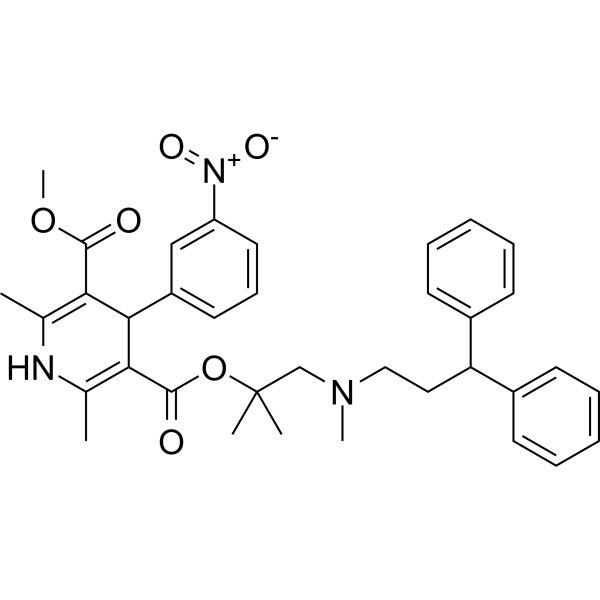
Lercanidipine is a third-generation, lipophilic, brain-penetrant, vascular-selective and orally active dihydropyridine-calcium channel blocker with a pIC50 of 7.74 (converts from μM). Lercanidipine has long lasting antihypertensive action as well as reno- and neuro-protective effect. Lercanidipine also shows anti-oxidant, anti-inflammatory and anti-apoptotic properties. Lercanidipine can be used in cardiovascular and neurological research .
|
-
-
- HY-132296
-
GSK215
2 Publications Verification
|
FAK
PROTACs
|
Cancer
|
|
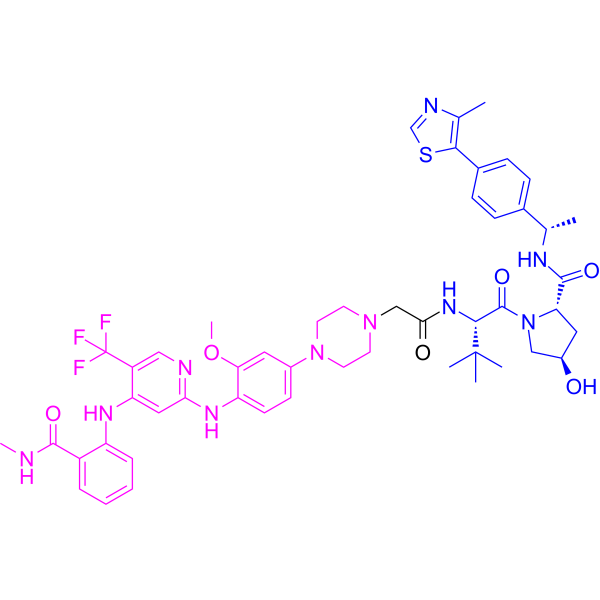
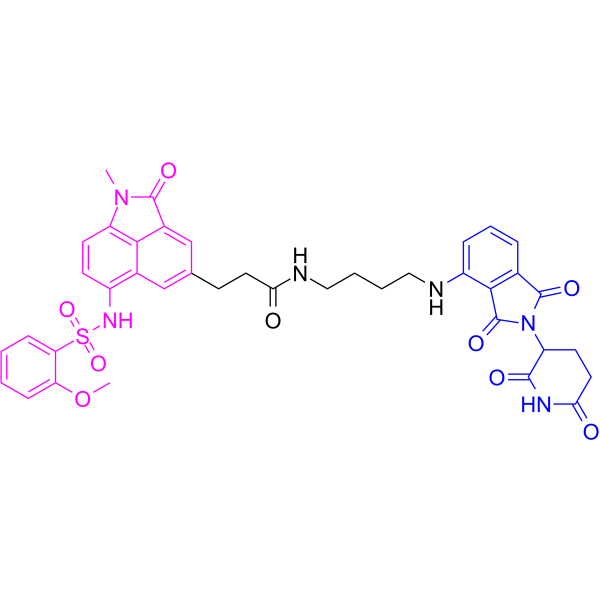
GSK215 is a potent and selective PROTAC focal adhesion kinase (FAK) degrader with a pDC50 of 8.4. GSK215 is designed by a binder for the VHL E3 ligase and the FAK inhibitor VS-4718. GSK215 induces rapid and prolonged FAK degradation, giving a long-lasting effect on FAK levels and a marked pharmacokinetic/pharmacodynamics (PK/PD) disconnect .
|
-
-
- HY-148130
-
|
RG6091; RO7248824
|
E1/E2/E3 Enzyme
|
Others
|
|
Rugonersen (RG6091; RO7248824) is a locked-nucleic acid (LNA)- modified antisense oligonucleotides (ASOs), and results in reduction of ubiquitin-protein ligase E3A (UBE3A) silencing. Angelman syndrome (AS) is a severe neurodevelopmental disorder caused by the loss of neuronal E3 ligase UBE3A, Rugonersen has been used for AS reasearch .
|
-
-
- HY-107318
-
-
-
- HY-124701
-
|
|
Fungal
|
Infection
|
|
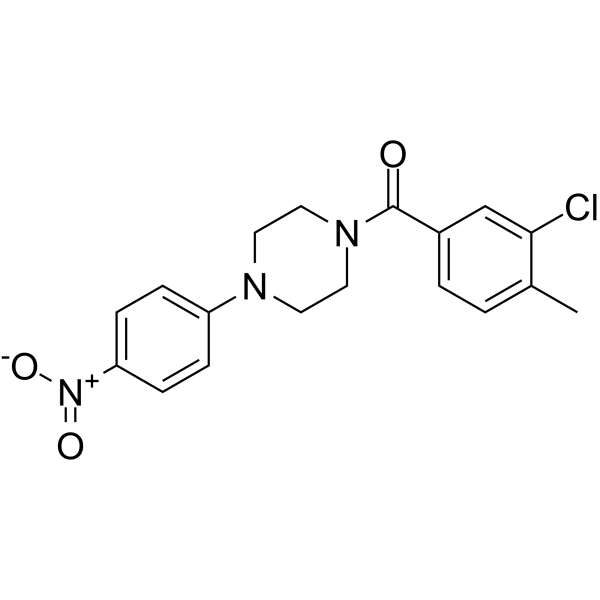
Filastatin is a long-lasting inhibitor of Candida albicans filamentation. Filastatin inhibits adhesion by multiple pathogenic Candida species with an IC50 of ~3 μM in the GFP-based adhesion assay. Filastatin inhibits fungal adhesion to polystyrene and human cells, the yeast-to-hyphal morphological transition, induction of the hyphal-specific HWP1 promoter. Filastatin has potent antifungal effect .
|
-
-
- HY-B0612DS1
-
|
|
Isotope-Labeled Compounds
Calcium Channel
|
Cardiovascular Disease
|
|
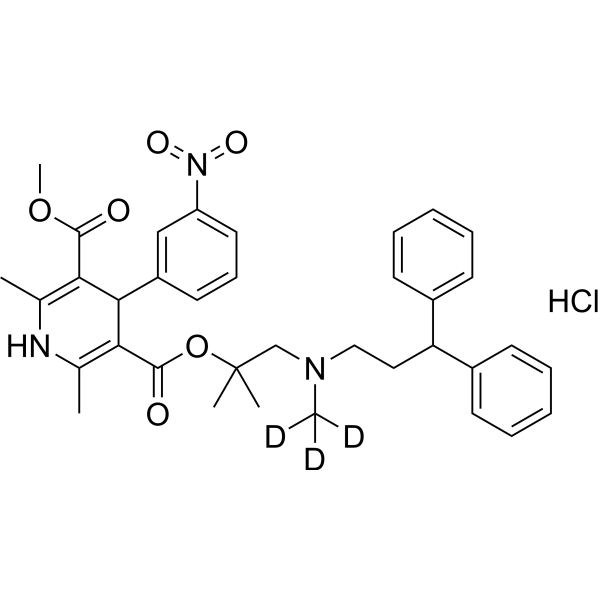
Lercanidipine-d3 (hydrochloride) is the deuterium labeled Lercanidipine. Lercanidipine is a lipophilic third-generation dihydropyridine-calcium channel blocker (DHP-CCB). Lercanidipine has long lasting antihypertensive action and reno-protective effect .
|
-
-
- HY-119832B
-
|
(S)-EGIS-2062 free acid; (S)-EGYT-2062 free acid
|
Histamine Receptor
|
Inflammation/Immunology
|
|
(S)-Setastine ((S)-EGIS-2062 free acid) is a non-sedating, highly potent antagonist of H1 receptor-mediated responses. (S)-Setastine has a long-lasting antihistamine effect and good oral efficacy. (S)-Setastine can be used in the research of allergic diseases .
|
-
-
- HY-148130A
-
|
RG6091 sodium; RO7248824 sodium
|
E1/E2/E3 Enzyme
|
Others
|
|
Rugonersen sodium is a locked-nucleic acid (LNA)- modified antisense oligonucleotides (ASOs), and results in reduction of ubiquitin-protein ligase E3A (UBE3A) silencing. Angelman syndrome (AS) sodium is a severe neurodevelopmental disorder caused by the loss of neuronal E3 ligase UBE3A, Rugonersen has been used for AS reasearch .
|
-
-
- HY-143793
-
|
|
Lipocalin Family
|
Metabolic Disease
|
|
RBP4 inhibitor 1 (compound 43b) is a potent and orally active retinol-binding protein 4 (RBP4) inhibitor with IC50s of 28 nM and 110 nM for human and mouse RBP4. RBP4 inhibitor 1 has a potent and long-lasting blood RBP4-level-reducing effect in mice .
|
-
-
- HY-145552
-
|
QR-01019
|
Angiotensin Receptor
|
Cardiovascular Disease
|
|
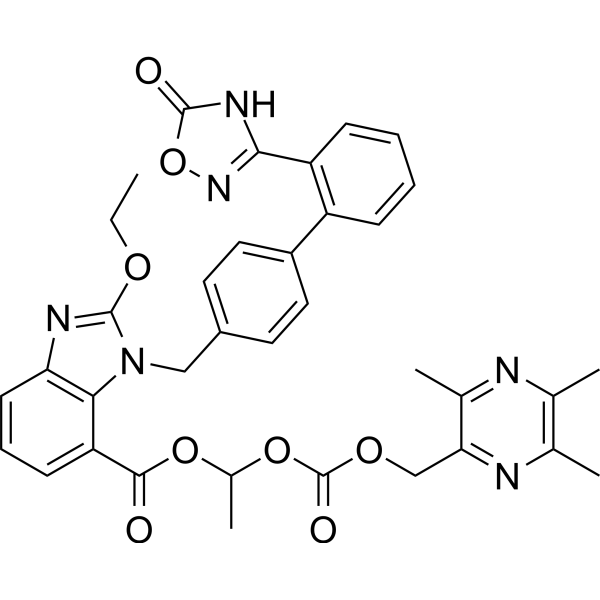
Azilsartan mepixetil is the antagonist of angiotensin II receptor. Azilsartan mepixetil has stronger and longer blood pressure effect, more abvious and longer lasting heart rate lowering effect and high safety. Azilsartan mepixetil achieves ideal protective effect for heart and kidney functions. Azilsartan mepixetil has the potential for the research of hypertension, chronic heart failure and diabetic nephropathy (extracted from patent CN107400122A) .
|
-
-
- HY-B0612AS
-
|
|
Calcium Channel
|
Cardiovascular Disease
|
|
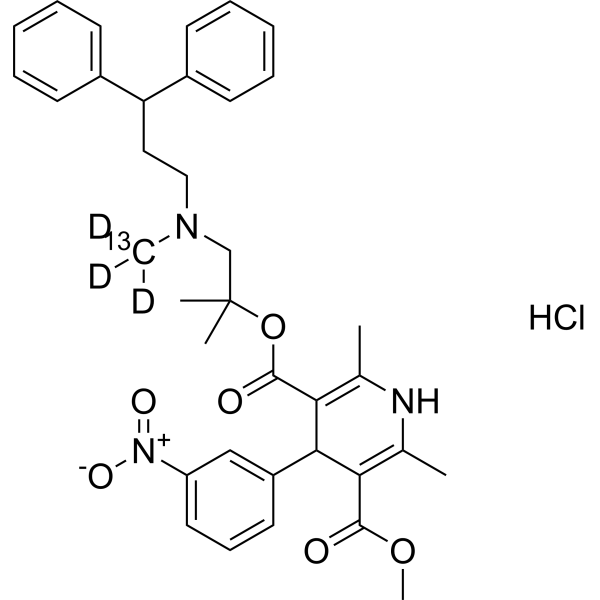
Lercanidipine- 13C,d3 (hydrochloride) is the deuterium and 13C labeled Lercanidipine hydrochloride . Lercanidipine hydrochloride is a lipophilic third-generation dihydropyridine-calcium channel blocker (DHP-CCB). Lercanidipine hydrochloride has long lasting antihypertensive action and reno-protective effect .
|
-
-
- HY-130612
-
|
|
Epigenetic Reader Domain
PROTACs
|
Cancer
|
|
PROTAC BRD2/BRD4 degrader-1 (compound 15) is a potent and selective BET protein BRD4 and BRD2 degrader, connected by ligands for Cereblon and BET. PROTAC BRD2/BRD4 degrader-1 rapidly induces reversible, long-lasting, and unexpectedly selective removal of BRD4 and BRD2 over BRD3. It effectively inhibits solid tumors with low cytotoxic effect. PROTAC BRD2/BRD4 degrader-1 is composed of the BET inhibitor, a linker, and the ligand thalidomide for cereblon (CRBN)/cullin 4A .
|
-
-
- HY-107318R
-
-
-
- HY-171758
-
|
|
Opioid Receptor
|
Neurological Disease
|
|
BU72 is a highly potent and long-acting agonist of μ and κ opioid receptors, and also has a partial agonist effect on δ opioid receptors (EC50 values are 0.054, 0.033, and 0.58 nM, respectively). BU72 has a strong and long-lasting analgesic effect, which is mainly mediated by μ opioid receptors. BU72 has a long-lasting activity and can partially reverse the analgesic effect of morphine. BU72 can be used in the study of opioid dependence .
|
-
-
- HY-W751579
-
|
|
Bacterial
Antibiotic
|
Infection
|
|
Cefovecin is a third-generation cephalosporin antibiotic. Cefovecin's most notable characteristic is its extremely long-lasting effect; a single subcutaneous injection can maintain an effective therapeutic concentration in tissues for up to 14 days. Cefovecin is used in research on bacterial infections in dogs and cats .
|
-
-
- HY-P991622
-
|
|
Trk Receptor
|
Neurological Disease
Inflammation/Immunology
|
|
MNAC13 is a kind of mouse IgG1 chimeric antibody, targeting to human TrkA. MNAC13 inhibits the NGF dependent signaling pathway by specifically binding to TrkA receptors. MNAC13 has good analgesic effect and long-lasting efficacy. MNAC13 can be used for researches on inflammatory and chronic pain .
|
-
-
- HY-B0612AR
-
|
|
Reference Standards
Calcium Channel
Apoptosis
Reactive Oxygen Species (ROS)
p38 MAPK
NF-κB
|
Cardiovascular Disease
Neurological Disease
|
|
Lercanidipine (hydrochloride) (Standard) is the analytical standard of Lercanidipine (hydrochloride). This product is intended for research and analytical applications. Lercanidipine is a third-generation, lipophilic, brain-penetrant, vascular-selective and orally active dihydropyridine-calcium channel blocker with a pIC50 of 7.74 (converts from μM). Lercanidipine has long lasting antihypertensive action as well as reno- and neuro-protective effect. Lercanidipine also shows anti-oxidant, anti-inflammatory and anti-apoptotic properties. Lercanidipine can be used in cardiovascular and neurological research .
|
-
-
- HY-W707863
-
|
|
Reactive Oxygen Species (ROS)
|
Neurological Disease
|
|
Lercanidipine-d3 is the deuterium labeled Lercanidipine (HY-B0612). Lercanidipine is a third-generation, lipophilic, brain-penetrant, vascular-selective and orally active dihydropyridine-calcium channel blocker with a pIC50 of 7.74 (converts from μM). Lercanidipine has long lasting antihypertensive action as well as reno- and neuro-protective effect. Lercanidipine also shows anti-oxidant, anti-inflammatory and anti-apoptotic properties. Lercanidipine can be used in cardiovascular and neurological research .
|
-
-
- HY-145552A
-
|
QR-01019K
|
Angiotensin Receptor
|
Cardiovascular Disease
Metabolic Disease
|
|
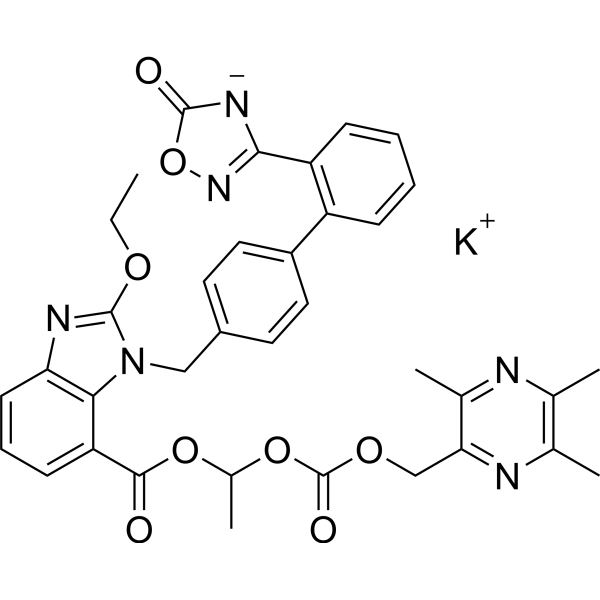
Azilsartan mepixetil potassium (QR-01019K) is the antagonist of angiotensin II receptor. Azilsartan mepixetil potassium has stronger and longer blood pressure effect, more abvious and longer lasting heart rate lowering effect and high safety. Azilsartan mepixetil potassium has the potential for the research of hypertension, chronic heart failure and diabetic nephropathy (extracted from patent CN107400122A) .
|
-
-
- HY-109023
-
|
|
Others
|
Others
|
|
Azeloprazole is a compound used to inhibit acid-related diseases. It is a proton pump inhibitor that inhibits H +,K --ATPase in pig gastric vesicles. It can effectively inhibit gastric acid secretion in the dog's gastric fistula model. The effect is long-lasting and superior to esomeprazole.
|
-
-
- HY-135427
-
|
HP-290; NXX-066
|
Drug Derivative
Cholinesterase (ChE)
|
Neurological Disease
|
|
Quilostigmine (HP-290) is an orally active Physostigmine (HY-N6608) analogue, acetylcholinesterase (IC50: 148 nM for rat brain acetylcholinesterase) inhibitor. Quilostigmine has a long-lasting effect on tremors. Quetiapine can be used in the research of Alzheimer's disease .
|
-
-
- HY-B0612AS1
-
|
|
Isotope-Labeled Compounds
Calcium Channel
|
Cardiovascular Disease
|
|
Lercanidipine- 13C,d3-1 (hydrochloride) is deuterium labeled Lercanidipine (hydrochloride). Lercanidipine hydrochloride is a lipophilic third-generation dihydropyridine-calcium channel blocker (DHP-CCB). Lercanidipine hydrochloride has long lasting antihypertensive action and reno-protective effect .
|
-
-
- HY-145552S
-
|
QR-01019-d-d5
|
Isotope-Labeled Compounds
Angiotensin Receptor
|
Cardiovascular Disease
|
|
Azilsartan mepixetil-d5 (QR-01019-d5) is deuterium labeled Azilsartan mepixetil. Azilsartan mepixetil is the antagonist of angiotensin II receptor. Azilsartan mepixetil has stronger and longer blood pressure effect, more abvious and longer lasting heart rate lowering effect and high safety. Azilsartan mepixetil achieves ideal protective effect for heart and kidney functions. Azilsartan mepixetil has the potential for the research of hypertension, chronic heart failure and diabetic nephropathy (extracted from patent CN107400122A) .
|
-
-
- HY-105515
-
|
|
Others
|
Cardiovascular Disease
|
|
TJN 220 is a synthetic derivative of orally active tetrandrine (HY-13764). TJN 220 has a long-lasting and stable antihypertensive effect in various hypertension models. TJN 220 is suitable for controlling nighttime hypertension and does not cause reflex tachycardia. TJN 220 can be used for research on hypertension .
|
-
-
- HY-144110
-
|
|
HCV
|
Infection
|
|
HCV-IN-37 (Compound 3d) is a potent inhibitor of HCV. HCV-IN-37 is orally available and long-lasting in rat plasma after oral administration to rats by a single dose of 15 mg/kg. The high potency of active derivative HCV-IN-37 is primarily driven by the inhibitory effect on the virus entry stage .
|
-
-
- HY-P10203
-
|
|
Opioid Receptor
|
Inflammation/Immunology
|
|
μ/κ/δ opioid receptor agonist 1 is a μ opioid receptor (MOR), κ opioid receptor (KOR), and δ opioid receptor (DOR) agonist. μ/κ/δ opioid receptor agonist 1 produces a strong and long-lasting analgesic effect through peripheral MOR and KOR in the tail-flick test .
|
-
-
- HY-165374
-
|
|
Others
|
Inflammation/Immunology
|
|
AY-30068 is an orally effective analgesic. AY-30068 exists in the enterohepatic circulation and has a long-lasting analgesic effect .
|
-
-
- HY-124185
-
|
|
Others
|
Others
|
|
LC 6 is an anti-allergic compound that has the activity of inhibiting passive cutaneous allergic reactions in rats. Its half effective dose (ED50) is 35 mg/kg body weight. Oral administration is effective and long-lasting, and the effect is obviously dose-dependent. Its long-term binding to mast cells makes it a valuable tool for studying allergic reaction receptors.
|
-
-
- HY-W748786
-
|
|
Fungal
|
Infection
|
|
Fenpyrazamine is an antifungal agent. Fenpyrazamine possesses antifungal, preventative, systemic, and lesion-inhibiting activities, as well as a long-lasting effect. Fenpyrazamine targets 3-keto reductase in the ergosterol biosynthesis pathway. Fenpyrazamine is effective against gray mold, stem rot, and brown rot .
|
-
-
- HY-105389
-
|
RWJ-38705
|
Opioid Receptor
|
Neurological Disease
|
|
Tramadol N-oxide (RWJ 38705) is an analgesic. Tramadol N-oxide sproduces dose-related, long-lasting antinociception. Tramadol N-oxide has affinity for μ opioid receptor (Ki = 38.5 μM) and δ, κ receptors (Ki > 100 μM). Tramadol N-oxide can be used for the study of analgesic effect .
|
-
-
- HY-185388
-
|
Liposomal bupivacaine
|
Liposome
iGluR
Calcium Channel
Potassium Channel
Sodium Channel
|
Cancer
|
|
Bupivacaine liposome is a liposome-encapsulated form of Bupivacaine (HY-B0405). Bupivacaine is an NMDA receptor inhibitor. During the action potential, Bupivacaine blocks sodium channels, thereby inhibiting the generation and conduction of nerve impulses induced by painful stimuli. Bupivacaine liposome reduces the release rate of Bupivacaine, thus achieving a long-lasting pain relief effect.
|
-
-
- HY-182503
-
|
|
Adenosine Kinase
|
Others
Inflammation/Immunology
|
|
GP515 is a potent and selective adenosine kinase inhibitor with a human IC50 of 4 nM. GP515 exerts tissue protective effects, produces long-lasting hepatic microcirculation effects after hemorrhagic shock, and induces dose- and time-related VEGF mRNA and protein expression in normoxic rat myocardial myoblasts, with additive VEGF increases during mild hypoxia and no effect during severe hypoxia. GP515 suppresses IFNγ synthesis and CD69 expression in DSS-induced colitis. GP515 also shows a dose-dependent suppression of TNF-α production with an IC50 of 80 μM and can be reversed in the presence of the cAMP antagonist (Rp)-cAMPS. Combinations of GP515 with either adenosine or rolipram led to an additive inhibition of TNF-α synthesis. GP515 can be used for the research of hemorrhagic shock .
|
-
-
- HY-P992000
-
|
|
Interleukin Related
|
Inflammation/Immunology
|
|
F8-IL-4 is an immune cytokine targeting IL-4. F8-IL-4 specifically delivers IL-4 to inflammatory sites via binding to targets expressed on neovascular vessels. F8-IL-4 alleviates collagen-induced arthritis in mice by regulating T cell subsets and macrophage polarization. When combined with Dexamethasone (HY-14648), F8-IL-4 produces a synergistic and long-lasting therapeutic effect, and prevents arthritis recurrence after drug withdrawal by maintaining anti-inflammatory cell phenotypes and cytokine profiles. F8-IL-4 can be used in the research of collagen-induced arthritis .
|
-
| Cat. No. |
Product Name |
Target |
Research Area |
-
- HY-P10203
-
|
|
Opioid Receptor
|
Inflammation/Immunology
|
|
μ/κ/δ opioid receptor agonist 1 is a μ opioid receptor (MOR), κ opioid receptor (KOR), and δ opioid receptor (DOR) agonist. μ/κ/δ opioid receptor agonist 1 produces a strong and long-lasting analgesic effect through peripheral MOR and KOR in the tail-flick test .
|
| Cat. No. |
Product Name |
Target |
Research Area |
Image |
-
- HY-P991622
-
|
|
Trk Receptor
|
Neurological Disease
Inflammation/Immunology
|
|
MNAC13 is a kind of mouse IgG1 chimeric antibody, targeting to human TrkA. MNAC13 inhibits the NGF dependent signaling pathway by specifically binding to TrkA receptors. MNAC13 has good analgesic effect and long-lasting efficacy. MNAC13 can be used for researches on inflammatory and chronic pain .
|
-
(5)
-
- HY-P992000
-
|
|
Interleukin Related
|
Inflammation/Immunology
|
|
F8-IL-4 is an immune cytokine targeting IL-4. F8-IL-4 specifically delivers IL-4 to inflammatory sites via binding to targets expressed on neovascular vessels. F8-IL-4 alleviates collagen-induced arthritis in mice by regulating T cell subsets and macrophage polarization. When combined with Dexamethasone (HY-14648), F8-IL-4 produces a synergistic and long-lasting therapeutic effect, and prevents arthritis recurrence after drug withdrawal by maintaining anti-inflammatory cell phenotypes and cytokine profiles. F8-IL-4 can be used in the research of collagen-induced arthritis .
|
-
(5)
| Cat. No. |
Product Name |
Chemical Structure |
-
- HY-B0612DS1
-
|
|
|
Lercanidipine-d3 (hydrochloride) is the deuterium labeled Lercanidipine. Lercanidipine is a lipophilic third-generation dihydropyridine-calcium channel blocker (DHP-CCB). Lercanidipine has long lasting antihypertensive action and reno-protective effect .
|
-
-
- HY-B0612AS
-
|
|
|
Lercanidipine- 13C,d3 (hydrochloride) is the deuterium and 13C labeled Lercanidipine hydrochloride . Lercanidipine hydrochloride is a lipophilic third-generation dihydropyridine-calcium channel blocker (DHP-CCB). Lercanidipine hydrochloride has long lasting antihypertensive action and reno-protective effect .
|
-
-
- HY-W707863
-
|
|
|
Lercanidipine-d3 is the deuterium labeled Lercanidipine (HY-B0612). Lercanidipine is a third-generation, lipophilic, brain-penetrant, vascular-selective and orally active dihydropyridine-calcium channel blocker with a pIC50 of 7.74 (converts from μM). Lercanidipine has long lasting antihypertensive action as well as reno- and neuro-protective effect. Lercanidipine also shows anti-oxidant, anti-inflammatory and anti-apoptotic properties. Lercanidipine can be used in cardiovascular and neurological research .
|
-
-
- HY-B0612AS1
-
|
|
|
Lercanidipine- 13C,d3-1 (hydrochloride) is deuterium labeled Lercanidipine (hydrochloride). Lercanidipine hydrochloride is a lipophilic third-generation dihydropyridine-calcium channel blocker (DHP-CCB). Lercanidipine hydrochloride has long lasting antihypertensive action and reno-protective effect .
|
-
-
- HY-145552S
-
|
|
|
Azilsartan mepixetil-d5 (QR-01019-d5) is deuterium labeled Azilsartan mepixetil. Azilsartan mepixetil is the antagonist of angiotensin II receptor. Azilsartan mepixetil has stronger and longer blood pressure effect, more abvious and longer lasting heart rate lowering effect and high safety. Azilsartan mepixetil achieves ideal protective effect for heart and kidney functions. Azilsartan mepixetil has the potential for the research of hypertension, chronic heart failure and diabetic nephropathy (extracted from patent CN107400122A) .
|
-
| Cat. No. |
Product Name |
|
Classification |
-
- HY-153808A
-
|
|
|
Adjuvant
|
|
Incomplete Freund's adjuvant (IFA) (Montanide ISA-51) is an immunoadjuvant emulsified with antigen by its discoverer Jules T. Freund. Incomplete Freund's adjuvant (IFA) does not contain inactivated tuberculosis bacilli and consists of petroleum jelly containing lanolin. Incomplete Freund's adjuvant (IFA) induces high antibody titers and long-lasting effector T cell responses with no long-term effects on collagen disease, tumors, or death. Complete Freund's adjuvant (CFA) (HY-153808) is another type of Freund's Adjuvant that stimulates a stronger immune response .
|
-
- HY-148130
-
|
RG6091; RO7248824
|
|
Antisense Oligonucleotides
|
|
Rugonersen (RG6091; RO7248824) is a locked-nucleic acid (LNA)- modified antisense oligonucleotides (ASOs), and results in reduction of ubiquitin-protein ligase E3A (UBE3A) silencing. Angelman syndrome (AS) is a severe neurodevelopmental disorder caused by the loss of neuronal E3 ligase UBE3A, Rugonersen has been used for AS reasearch .
|
-
- HY-148130A
-
|
RG6091 sodium; RO7248824 sodium
|
|
Antisense Oligonucleotides
|
|
Rugonersen sodium is a locked-nucleic acid (LNA)- modified antisense oligonucleotides (ASOs), and results in reduction of ubiquitin-protein ligase E3A (UBE3A) silencing. Angelman syndrome (AS) sodium is a severe neurodevelopmental disorder caused by the loss of neuronal E3 ligase UBE3A, Rugonersen has been used for AS reasearch .
|
-
- HY-185388
-
|
Liposomal bupivacaine
|
|
Liposome
|
|
Bupivacaine liposome is a liposome-encapsulated form of Bupivacaine (HY-B0405). Bupivacaine is an NMDA receptor inhibitor. During the action potential, Bupivacaine blocks sodium channels, thereby inhibiting the generation and conduction of nerve impulses induced by painful stimuli. Bupivacaine liposome reduces the release rate of Bupivacaine, thus achieving a long-lasting pain relief effect.
|
Your information is safe with us. * Required Fields.
Inquiry Information
- Product Name:
- Cat. No.:
- Quantity:
- MCE Japan Authorized Agent:

