1. Search Result
Search Result
Results for "

nociceptive neuron

" in MedChemExpress (MCE) Product Catalog:

25

Inhibitors & Agonists

3

Peptides

1

Natural
Products

Cat. No. Product Name Target Research Areas Chemical Structure
  • HY-135013

    TRP Channel Neurological Disease
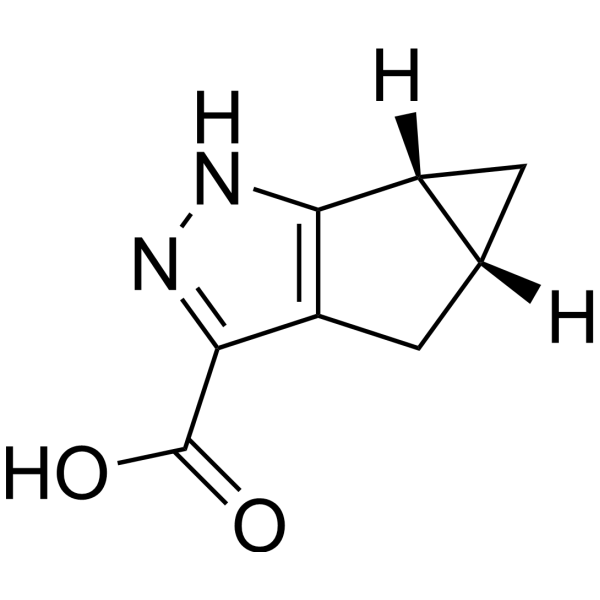
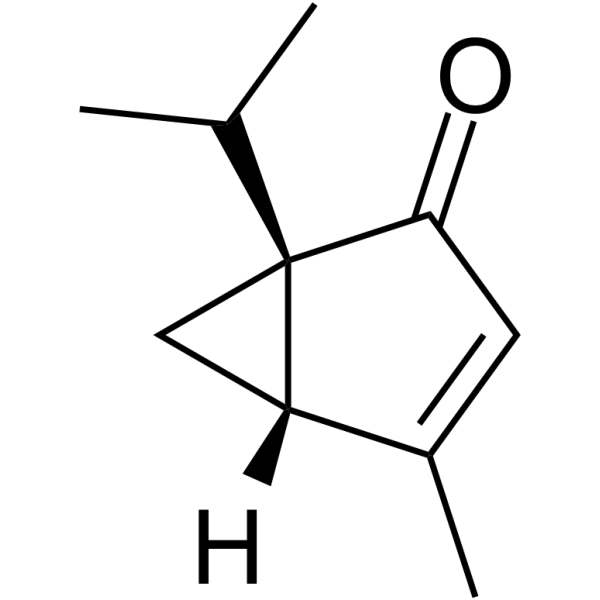
    Umbellulone is an active constituent of the leaves of Umbellularia californica. Umbellulone stimulates the TRPA1 channel in a subset of peptidergic, nociceptive neurons, activating the trigeminovascular system via this mechanism .
    Umbellulone
  • HY-70050C

    GR 68755C; GR 68755 Hydrochloride; GR 68755X Hydrochloride

    5-HT Receptor Neurological Disease
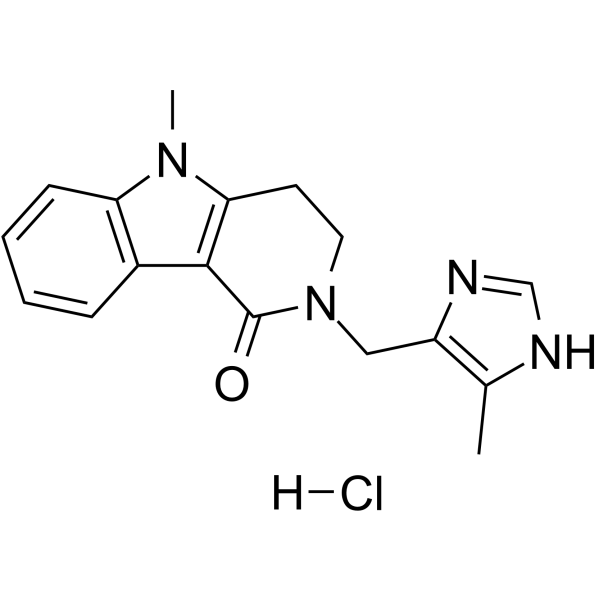
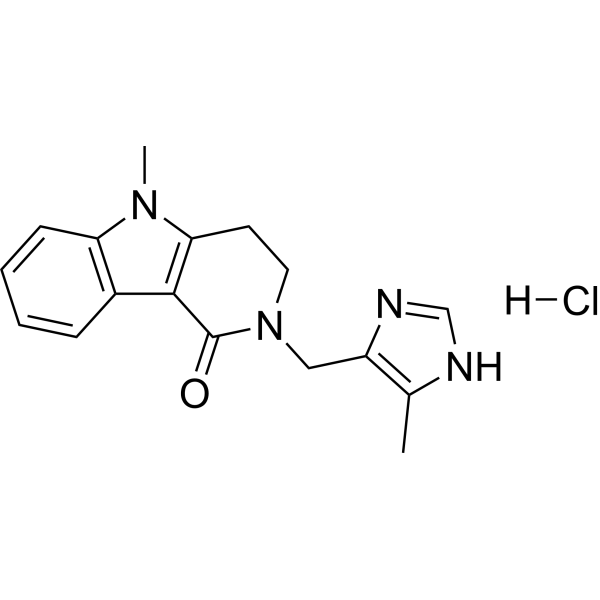
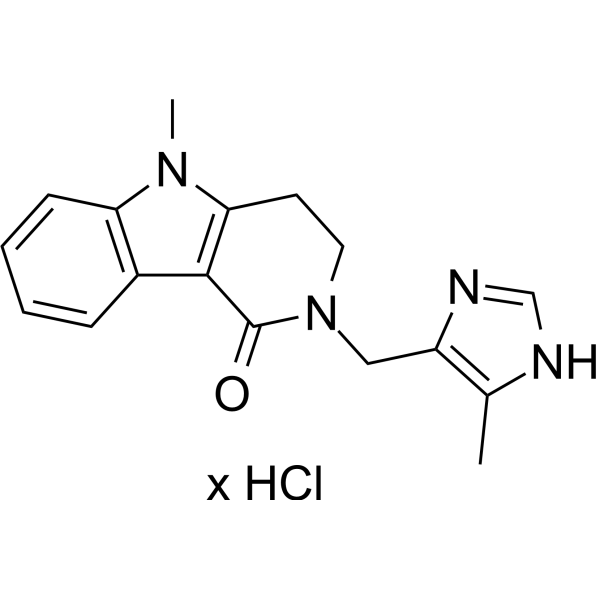
    Alosetron Hydrochloride (GR 68755C) is a potent and highly selective serotonin 5-HT3 receptor antagonist. Alosetron Hydrochloride is used for the research of irritable bowel syndrome (IBS). Alosetron blocks the fast 5HT3-mediated depolarisation of guinea-pig myenteric and submucosal neurons, with IC50 at ~55 nM. Alosetron Hydrochloride attenuates the visceral nociceptive effect of rectal distension in conscious or anaesthetised dogs. Anti-inflammatory effects .
    Alosetron Hydrochloride
  • HY-70050A

    GR 68755; GR 68755X

    5-HT Receptor Neurological Disease Inflammation/Immunology
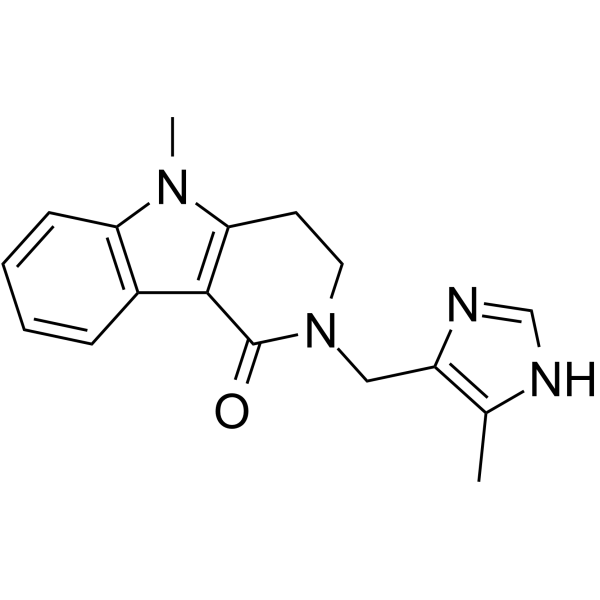
    Alosetron (GR 68755) is a potent and highly selective serotonin 5-HT3 receptor antagonist. Alosetron is used for the research of irritable bowel syndrome (IBS). Alosetron blocks the fast 5HT3-mediated depolarisation of guinea-pig myenteric and submucosal neurons, with IC50 at ~55 nM. Alosetron attenuates the visceral nociceptive effect of rectal distension in conscious or anaesthetised dogs. Anti-inflammatory effects .
    Alosetron
  • HY-14604
    Xaliproden hydrochloride
    1 Publications Verification

    SR57746A; SR57746 hydrochloride

    5-HT Receptor Dopamine Receptor Trk Receptor PKC ERK Akt JNK Neurological Disease Metabolic Disease
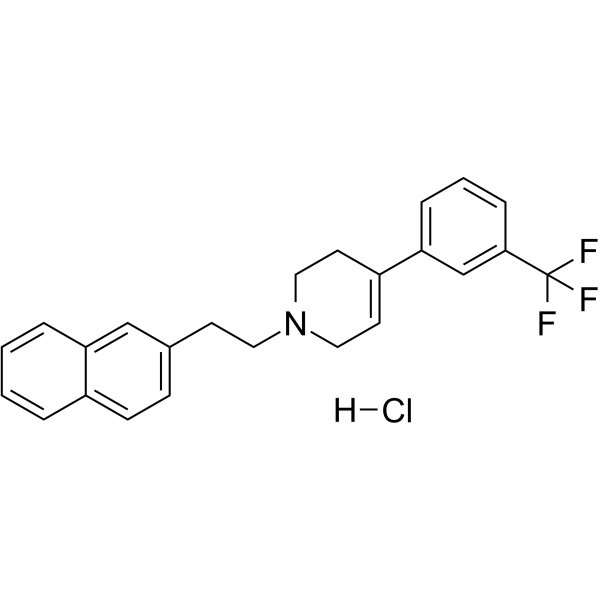
    Xaliproden (SR57746) hydrochloride (SR57746A) is an orally active, highly selective 5-HT1A receptor agonist. Xaliproden hydrochloride activates pertussis toxin-sensitive G protein-coupled signaling cascades, as well as the PKC, ERK1/ERK2, Akt and p21 Ras/MEK-1 pathways. Xaliproden hydrochloride also downregulates the JNK/p66/c-Jun signaling pathway, induces phosphorylation of the shc adaptor protein, regulates extracellular dopamine and 5-HT levels, and induces [ 35S]GTPγS labeling in rat brain structures rich in 5-HT1A receptors. Xaliproden hydrochloride exerts neurotrophic, neuroprotective, renoprotective, anti-inflammatory, anti-apoptotic, anti-fibrotic and analgesic effects. Xaliproden hydrochloride also enhances NGF-induced neurite outgrowth, promotes motor neuron survival, attenuates renal tubular injury and inhibits chemotherapy-induced mechanical allodynia, without activating or altering NGF-induced TrkA receptor activation. Xaliproden hydrochloride can be used in the research of motor neuron disease, diabetic nephropathy, chemotherapy-induced peripheral neuropathy, amyotrophic lateral sclerosis, Alzheimer's disease, acute tonic nociceptive pain, inflammatory pain, depression and anxiety .
    Xaliproden hydrochloride
  • HY-107581
    MK-1903
    1 Publications Verification

    GPR109A MMP Metabolic Disease Inflammation/Immunology
    MK-1903 is an orally active full agonist of GPR109a/HCAR2, with an EC50 of 12.9 nM. MK-1903 activates antilipolytic and vasodilatory pathways, reduces plasma free fatty acid levels, and induces skin flushing. MK-1903 stimulates the expression of HCAR2 protein and regulates the inflammatory response of microglia. MK-1903 prevents the enhanced firing activity of spinal nociceptive neurons. MK-1903 triggers the release of MMP-9 and the formation of NET. MK-1903 can be used in the research of dyslipidemia and neuroinflammation-based central nervous system diseases .
    MK-1903
  • HY-145169

    Sodium Channel Neurological Disease
    AZ194 is a first-in-class, orally active inhibitor of CRMP2-Ubc9 interaction and inhibitor of NaV1.7 (IC50=1.2 μM). AZ194 blocks SUMOylation of CRMP2 to selectively reduce the amount of surface-expressed NaV1.7. Antinociceptive effects .
    AZ194
  • HY-164795

    Neurotensin Receptor Arrestin iGluR ERK Sodium Channel Neurological Disease
    SBI-810 is a blood-brain barrier-permeable NTSR1 modulator. SBI-810 promotes the recruitment of β-arrestin-2 to NTSR1 and antagonizes NTSR1-mediated Gq activation. SBI-810 inhibits excitatory synaptic transmission, NMDA receptor and extracellular signal-regulated kinase (ERK) signaling in spinal nociceptive neurons, reduces surface expression of Nav1.7 and action potential firing in primary sensory neurons, and attenuates C-fiber responses. SBI-810 effectively alleviates acute and chronic pain in various rodent models through peripheral and central modulation. SBI-810 is applicable to research related to multiple pain disorders .
    SBI-810
  • HY-164795A

    Neurotensin Receptor Arrestin iGluR ERK Sodium Channel Neurological Disease
    SBI-810 hydrochloride is a blood-brain barrier-permeable NTSR1 modulator. SBI-810 hydrochloride promotes the recruitment of β-arrestin-2 to NTSR1 and antagonizes NTSR1-mediated Gq activation. SBI-810 hydrochloride inhibits excitatory synaptic transmission, NMDA receptor and extracellular signal-regulated kinase (ERK) signaling in spinal nociceptive neurons, reduces surface expression of Nav1.7 and action potential firing in primary sensory neurons, and attenuates C-fiber responses. SBI-810 hydrochloride effectively alleviates acute and chronic pain in various rodent models through peripheral and central modulation. SBI-810 hydrochloride is applicable to research related to multiple pain disorders .
    SBI-810 hydrochloride
  • HY-168906

    Bradykinin Receptor PI3K Akt TNF Receptor ERK Neurological Disease Inflammation/Immunology
    BI-113823 is an orally active, blood-brain barrier-permeable bradykinin B1 receptor antagonist, with a Ki value of 5.3 nM for human receptors and 13.3 nM for rat receptors. BI-113823 reduces inflammation-induced mechanical hyperalgesia, as well as the mechanical sensitivity of peripheral afferent nerves and spinal nociceptive-specific neurons. BI-113823 alleviates liver fibrosis and portal hypertension, and improves survival in chronic liver disease models. BI-113823 inhibits the activities of monocytes, neutrophils and hepatic stellate cells, as well as the PI3K/Akt signaling pathway. BI-113823 can be used in research related to inflammatory pain, liver fibrosis and portal hypertension .
    BI-113823
  • HY-108479

    SR140333

    Neurokinin Receptor Neurological Disease
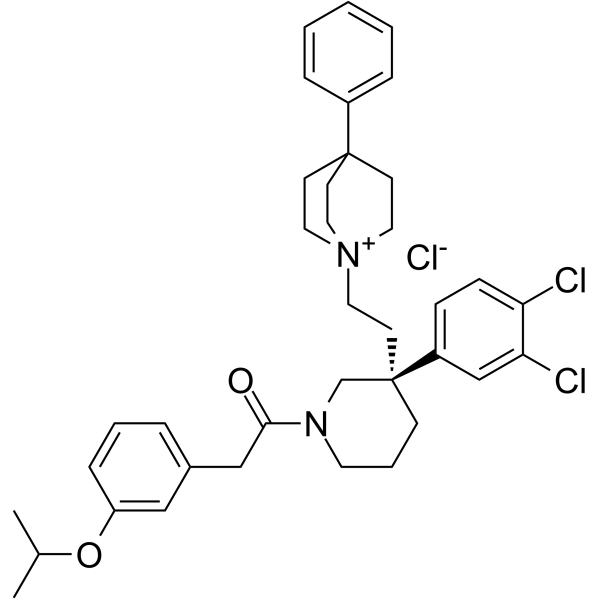
    Nolpitantium (SR140333) is a potent, selective, competitive, non-peptide tachykinin NK1 receptor antagonist. Nolpitantium blocks the activation of rat thalamic neurons after nociceptive stimulation .
    Nolpitantium
  • HY-P10358

    Calcium Channel Neurological Disease
    TAT-CBD3A6K, is a modified TAT-CBD3 peptide. TAT-CBD3A6K reduces T- and R-type voltage-dependent calcium currents in dorsal root ganglion (DRG) neurons. TAT-CBD3A6K shows anti-nociceptive effects in a model of AIDS-induced peripheral neuropathy by preventing CRMP-2-mediated enhancement of T- and R-type calcium channel function .
    TAT-CBD3A6K
  • HY-174845

    Sodium Channel Neurological Disease
    Nav1.8-IN-20 (Compound I) is an orally active and potent voltage-gated sodium channel Nav1.8 inhibitor with an IC50 value of 14 nM. Nav1.8-IN-20 blocks the generation and conduction of action potentials in peripheral nociceptive neurons, exerting analgesic effects. Nav1.8-IN-20 is promising for research of various pain types such as acute pain, chronic pain, inflammatory pain, and neuropathic pain .
    Nav1.8-IN-20
  • HY-106935A

    Drug Derivative Neurological Disease
    CGP 29030A is an orally effective and specific analgesic agent. CGP 29030A inhibits nociceptive spinal cord neurons without affecting normal sensory functions. CGP 29030A also inhibits gamma motor neurons, which may be beneficial for studying pain disorders that occur concurrently due to increased motor activity (such as cramp, spasm) .
    CGP 29030A
  • HY-119820

    SR57746A free base

    Akt Dopamine Receptor Trk Receptor 5-HT Receptor PKC JNK ERK Neurological Disease
    Xaliproden (SR57746) free base is an orally active, highly selective 5-HT1A receptor agonist. Xaliproden free base activates pertussis toxin-sensitive G protein-coupled signaling cascades, as well as the PKC, ERK1/ERK2, Akt and p21 Ras/MEK-1 pathways. Xaliproden free base also downregulates the JNK/p66/c-Jun signaling pathway, induces phosphorylation of the shc adaptor protein, regulates extracellular dopamine and 5-HT levels, and induces [ 35S]GTPγS labeling in rat brain structures rich in 5-HT1A receptors. Xaliproden free base exerts neurotrophic, neuroprotective, renoprotective, anti-inflammatory, anti-apoptotic, anti-fibrotic and analgesic effects. Xaliproden free base also enhances NGF-induced neurite outgrowth, promotes motor neuron survival, attenuates renal tubular injury and inhibits chemotherapy-induced mechanical allodynia, without activating or altering NGF-induced TrkA receptor activation. Xaliproden free base can be used in the research of motor neuron disease, diabetic nephropathy, chemotherapy-induced peripheral neuropathy, amyotrophic lateral sclerosis, Alzheimer's disease, acute tonic nociceptive pain, inflammatory pain, depression and anxiety .
    Xaliproden free base
  • HY-120308

    SR140603

    Neurokinin Receptor Neurological Disease
    (R)-Nolpitantium is the R-enantiomer of Nolpitantium (HY-108479). Nolpitantium (SR140333) is a potent, selective, competitive, non-peptide tachykinin NK1 receptor antagonist. Nolpitantium blocks the activation of rat thalamic neurons after nociceptive stimulation .
    (R)-Nolpitantium
  • HY-P10358A

    Calcium Channel Neurological Disease
    TAT-CBD3A6K acetate, is a modified TAT-CBD3 peptide. TAT-CBD3A6K acetate reduces T- and R-type voltage-dependent calcium currents in dorsal root ganglion (DRG) neurons. TAT-CBD3A6K acetate shows anti-nociceptive effects in a model of AIDS-induced peripheral neuropathy by preventing CRMP-2-mediated enhancement of T- and R-type calcium channel function .
    TAT-CBD3A6K acetate
  • HY-70050CR

    GR 68755C (Standard); GR 68755 Hydrochloride (Standard); GR 68755X Hydrochloride (Standard)

    Reference Standards 5-HT Receptor Neurological Disease
    Alosetron (Hydrochloride) (Standard) is the analytical standard of Alosetron (Hydrochloride). This product is intended for research and analytical applications. Alosetron Hydrochloride (GR 68755C) is a potent and highly selective serotonin 5-HT3 receptor antagonist. Alosetron Hydrochloride is used for the research of irritable bowel syndrome (IBS). Alosetron blocks the fast 5HT3-mediated depolarisation of guinea-pig myenteric and submucosal neurons, with IC50 at ~55 nM. Alosetron Hydrochloride attenuates the visceral nociceptive effect of rectal distension in conscious or anaesthetised dogs. Anti-inflammatory effects .
    Alosetron Hydrochloride (Standard)
  • HY-70050

    GR 68755 (Hydrochloride(1:X)); GR 68755X (Hydrochloride(1:X))

    5-HT Receptor Neurological Disease Inflammation/Immunology
    Alosetron (GR 68755) Hydrochloride(1:X) is a potent and highly selective serotonin 5-HT3 receptor antagonist. Alosetron Hydrochloride(1:X) is used for the research of irritable bowel syndrome (IBS). Alosetron Hydrochloride(1:X) blocks the fast 5HT3-mediated depolarisation of guinea-pig myenteric and submucosal neurons, with IC50 at ~55 nM. Alosetron Hydrochloride(1:X) attenuates the visceral nociceptive effect of rectal distension in conscious or anaesthetised dogs. Anti-inflammatory effects .
    Alosetron (Hydrochloride(1:X))
  • HY-70050B

    GR 68755 ((Z)-2-butenedioate); GR 68755X ((Z)-2-butenedioate)

    5-HT Receptor Neurological Disease Inflammation/Immunology
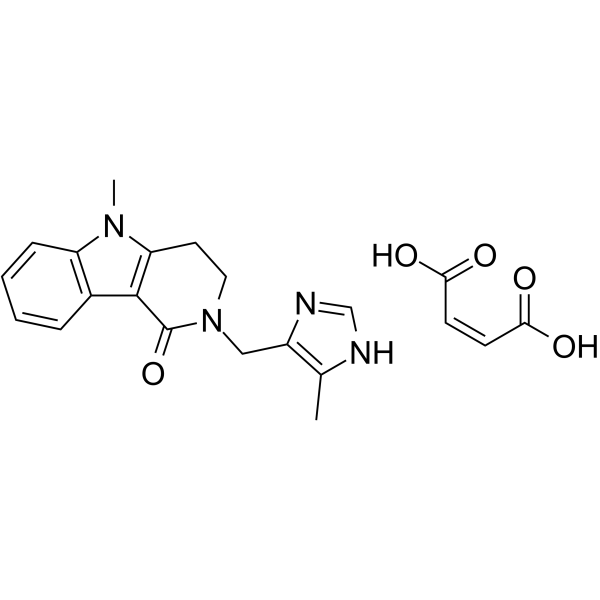
    Alosetron (GR 68755) (Z)-2-butenedioate is a potent and highly selective serotonin 5-HT3 receptor antagonist. Alosetron (Z)-2-butenedioate is used for the research of irritable bowel syndrome (IBS). Alosetron (Z)-2-butenedioate blocks the fast 5HT3-mediated depolarisation of guinea-pig myenteric and submucosal neurons, with IC50 at ~55 nM. Alosetron (Z)-2-butenedioate attenuates the visceral nociceptive effect of rectal distension in conscious or anaesthetised dogs. Anti-inflammatory effects .
    Alosetron ((Z)-2-butenedioate)
  • HY-P11803

    PKC Neurological Disease
    KAI-1678 is a selective protein kinase Cε (PKCε) inhibitor that competitively blocks the binding of PKCε to its anchoring protein RACK. KAI-1678 attenuates the responses of nociceptive neurons in rodent neuropathic pain models. KAI-1678 can be used in research related to moderate to severe postoperative pain, neuropathic pain, and postherpetic neuralgia .
    KAI-1678
  • HY-186066

    HCN Channel Neurological Disease
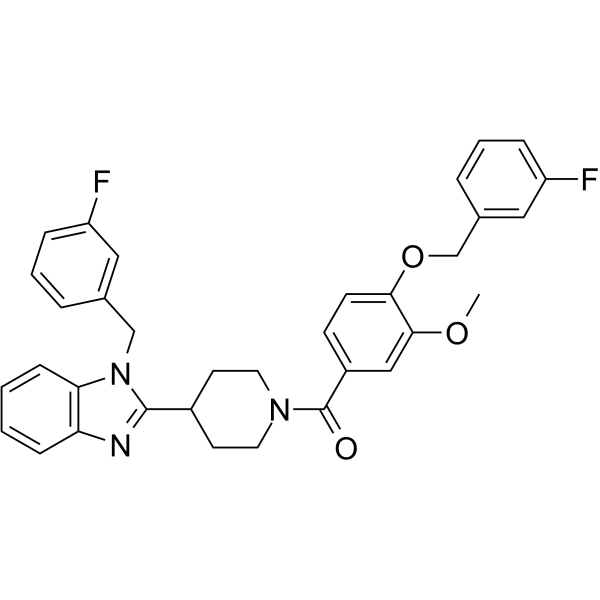
    HCN2-IN-2 (Compound 35), azaindazole derivative, is a selective HCN2 inhibitor with an IC50 of 145 nM. HCN2-IN-2 inhibits HCN2 channel activity blocks abnormal firing of peripheral nociceptive neurons. HCN2-IN-2 can be used for the research of pain .
    HCN2-IN-2
  • HY-179350A

    VEGFR Neurological Disease
    EG01449 is a quinoline-based antagonist of Neuropilin-1 (NRP1) with an Kd of 0.6 µM. EG01449 competitively inhibits the binding of VEGFA to NRP1 with an IC50 of 362 nM. EG01449 prevents VEGFA-induced pain by inhibiting NRP1-dependent signaling and reducing sodium currents in sensory neurons. EG01449 can be used for the research of nociceptive pain .
    EG01449
  • HY-179350

    VEGFR Neurological Disease
    EG01449 Free acid is a quinoline-based antagonist of Neuropilin-1 (NRP1) with an Kd of 0.6 µM. EG01449 Free acid competitively inhibits the binding of VEGFA to NRP1 with an IC50 of 362 nM. EG01449 Free acid prevents VEGFA-induced pain by inhibiting NRP1-dependent signaling and reducing sodium currents in sensory neurons. EG01449 Free acid can be used for the research of nociceptive pain .
    EG01449 Free acid
  • HY-107581R

    Reference Standards GPR109A MMP Metabolic Disease Inflammation/Immunology
    MK-1903 (Standard) is the analytical standard of MK-1903 (HY-107581). This product is intended for research and analytical applications. MK-1903 is an orally active full agonist of GPR109a/HCAR2, with an EC50 of 12.9 nM. MK-1903 activates antilipolytic and vasodilatory pathways, reduces plasma free fatty acid levels, and induces skin flushing. MK-1903 stimulates the expression of HCAR2 protein and regulates the inflammatory response of microglia. MK-1903 prevents the enhanced firing activity of spinal nociceptive neurons. MK-1903 triggers the release of MMP-9 and the formation of NET. MK-1903 can be used in the research of dyslipidemia and neuroinflammation-based central nervous system diseases.
    MK-1903 (Standard)
  • HY-14604R

    SR57746A (Standard); SR57746 hydrochloride (Standard)

    Reference Standards Akt Dopamine Receptor Trk Receptor 5-HT Receptor PKC JNK ERK Neurological Disease Cancer
    Xaliproden (hydrochloride) (Standard) is the analytical standard of Xaliproden (hydrochloride). This product is intended for research and analytical applications. Xaliproden (SR57746) hydrochloride (SR57746A) is an orally active, highly selective 5-HT1A receptor agonist. Xaliproden hydrochloride activates pertussis toxin-sensitive G protein-coupled signaling cascades, as well as the PKC, ERK1/ERK2, Akt and p21 Ras/MEK-1 pathways. Xaliproden hydrochloride also downregulates the JNK/p66/c-Jun signaling pathway, induces phosphorylation of the shc adaptor protein, regulates extracellular dopamine and 5-HT levels, and induces [ 35S]GTPγS labeling in rat brain structures rich in 5-HT1A receptors. Xaliproden hydrochloride exerts neurotrophic, neuroprotective, renoprotective, anti-inflammatory, anti-apoptotic, anti-fibrotic and analgesic effects. Xaliproden hydrochloride also enhances NGF-induced neurite outgrowth, promotes motor neuron survival, attenuates renal tubular injury and inhibits chemotherapy-induced mechanical allodynia, without activating or altering NGF-induced TrkA receptor activation. Xaliproden hydrochloride can be used in the research of motor neuron disease, diabetic nephropathy, chemotherapy-induced peripheral neuropathy, amyotrophic lateral sclerosis, Alzheimer's disease, acute tonic nociceptive pain, inflammatory pain, depression and anxiety .
    Xaliproden hydrochloride (Standard)

Inquiry Online

Your information is safe with us. * Required Fields.

Salutation


Country or Region *

Applicant Name *


Organization Name *

Department *


Email Address *


Product Name *

Cat. No.


Requested quantity *

Phone Number *


Remarks

Inquiry Online

Inquiry Information

Product Name:
Cat. No.:
Quantity:
MCE Japan Authorized Agent:

