1. Search Result
Search Result
Results for "

refractory

" in MedChemExpress (MCE) Product Catalog:

169

Inhibitors & Agonists

1

Biochemical Assay Reagents

3

Peptides

32

Inhibitory Antibodies

5

Natural
Products

11

Isotope-Labeled Compounds

1

Click Chemistry

3

Oligonucleotides

Cat. No. Product Name Target Research Areas Chemical Structure
  • HY-101563
    GSK3326595
    30+ Cited Publications

    EPZ015938

    Histone Methyltransferase SARS-CoV MDM-2/p53 CDK Apoptosis Infection Cancer
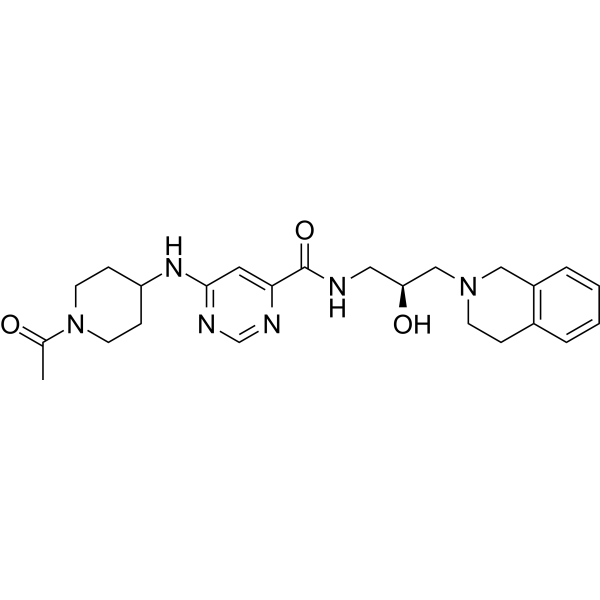
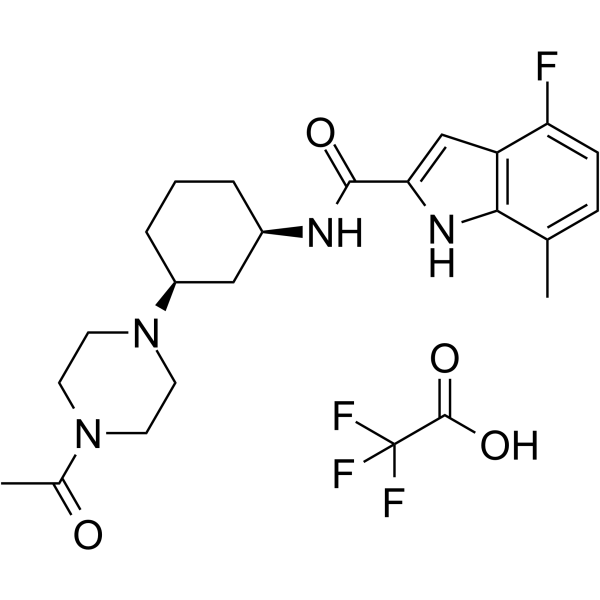
    GSK3326595 is a protein arginine methyltransferase 5 (PRMT5) inhibitor. GSK3326595 decreases SARS-CoV-2 infection, inhibits cancer cell proliferation and induces pro-inflammatory macrophage polarization and increases hepatic triglyceride levels without affecting atherosclerosis. GSK3326595 can be used for research of relapsed/refractory mantle cell lymphoma .
    GSK3326595
  • HY-109108
    Valemetostat
    5 Publications Verification

    DS-3201

    Histone Methyltransferase Cancer
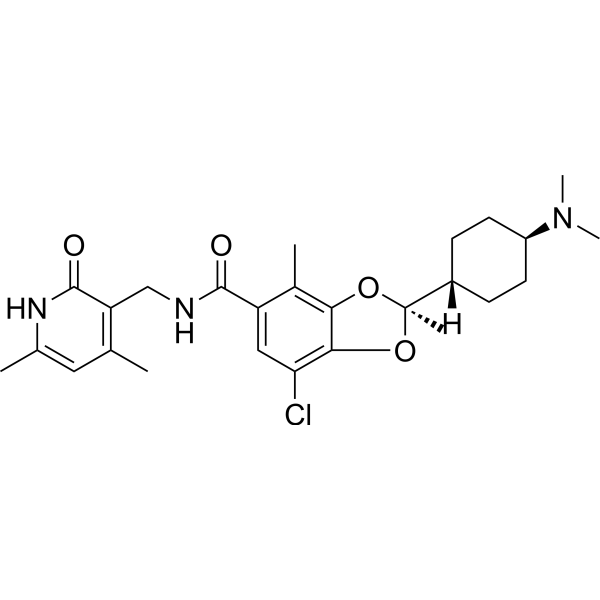
    Valemetostat (DS-3201), a first-in-class EZH1/2 dual inhibitor with IC50 values <10 nM. Valemetostat can be used for the research of relapsed/refractory peripheral T-cell lymphoma .
    Valemetostat
  • HY-112037
    IACS-010759
    25+ Cited Publications

    IACS-10759

    Oxidative Phosphorylation Mitochondrial Metabolism Apoptosis Cancer
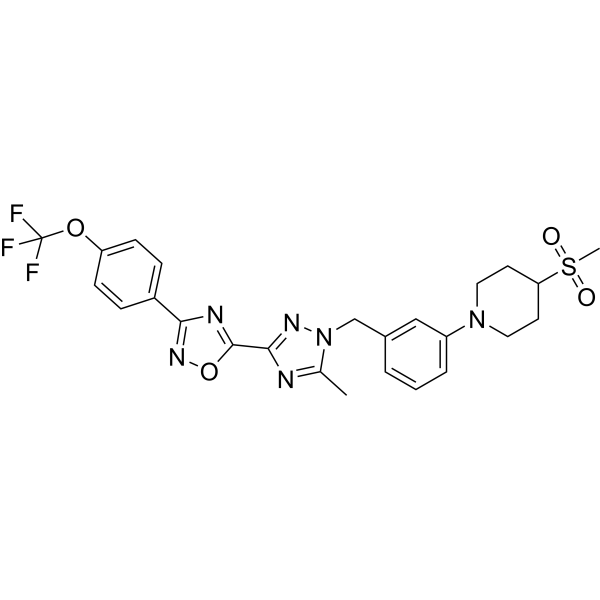
    IACS-010759 is an orally active, potent mitochondrial complex I of oxidative phosphorylation (OXPHOS) inhibitor. IACS-010759 inhibits proliferation and induces apoptosis in models of brain cancer and acute myeloid leukemia (AML) reliant on OXPHOS. IACS-010759 has the potential for relapsed/refractory AML and solid tumors research .
    IACS-010759
  • HY-P99033
    Mosunetuzumab
    1 Publications Verification

    BTCT-4465A; RG-7828; RO7030816

    CD20 CD3 Inflammation/Immunology Cancer
    Mosunetuzumab (BTCT-4465A) is a full-length, fully humanized immunoglobulin G1 (IgG1) T-cell-dependent bispecific (TDB) antibody targeting CD20 (B cells) and CD3 (T cells). Mosunetuzumab redirects T cells to engage and eliminate malignant B cells and can be used for the research of relapsed or refractory (R/R) B-cell non-Hodgkin lymphomas (B-NHLs) .
    Mosunetuzumab
  • HY-10446
    Pralatrexate
    5+ Cited Publications

    Antifolate Apoptosis Cancer
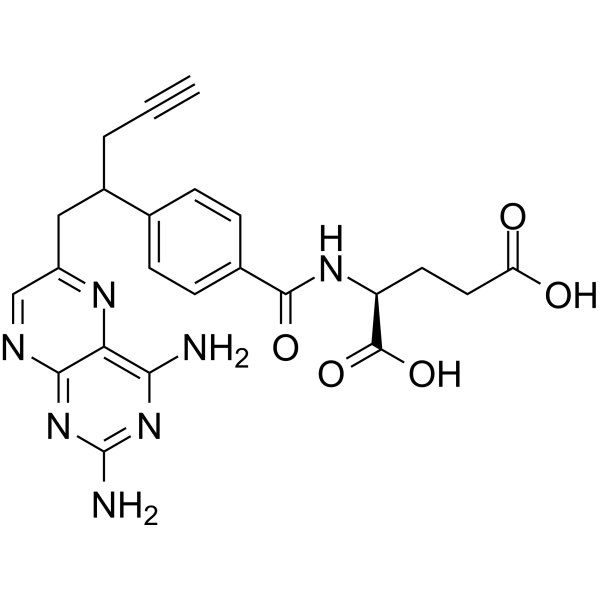
    Pralatrexate is an antifolate and is a potent dihydrofolate reductasean (DHFR) inhibitor with a Ki of 13.4 pM. Pralatrexate is a substrate for folylpolyglutamate synthetase with improved cellular uptake and retention. Pralatrexate has antitumor activities and has the potential for relapsed/refractory T-cell lymphoma treatment . Pralatrexate is a click chemistry reagent, it contains an Alkyne group and can undergo copper-catalyzed azide-alkyne cycloaddition (CuAAc) with molecules containing Azide groups.
    Pralatrexate
  • HY-154812

    KTX-1001

    Histone Methyltransferase CD44 Cancer
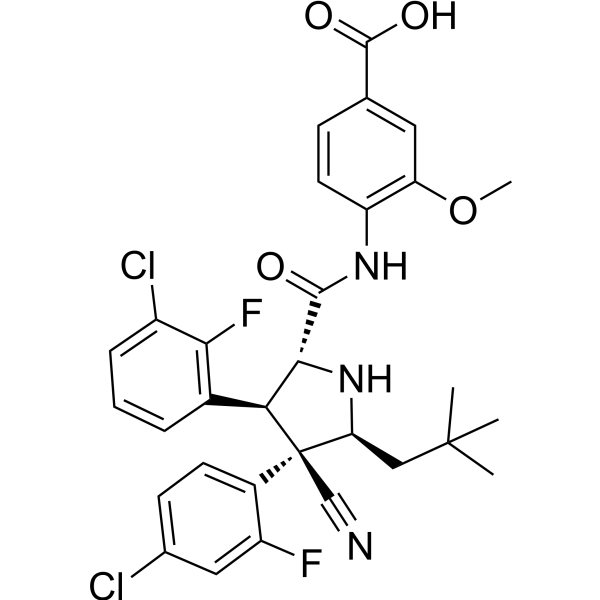
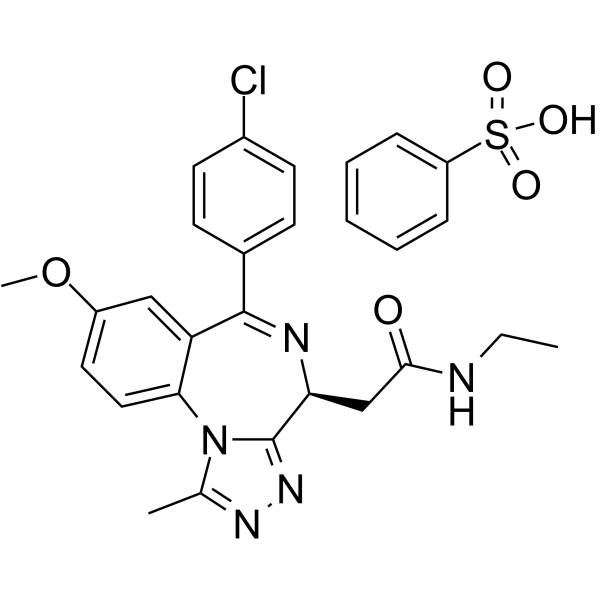
    Gintemetostat (KTX-1001) is an orally active, highly specific NSD2/MMSET histone methyltransferase inhibitor with human NSD2 IC50 values ranging 0.460-2.17 nM and NSD2 SET domain IC50 of 2.32 nM and Kd values ranging 6.3-70.4 nM .Gintemetostat reduces H3K36me2 levels, impairs multiple myeloma cell adhesion and colony formation, enhances cytotoxicity, boosts T-cell activation, and sensitizes resistant multiple myeloma cells to other agents .Gintemetostat can be used for the research of multiple myeloma and relapsed and refractory multiple myeloma .
    Gintemetostat
  • HY-P99909

    PF-06863135; RN-613

    TNF Receptor Inflammation/Immunology
    Elranatamab (PF-06863135) is an anti-CD3E/TNFRSF17 human IgG2κ monoclonal antibody . Recommend Isotype Controls: Human IgG2 kappa, Isotype Control (HY-P99002).
    Elranatamab
  • HY-P99194
    Evinacumab
    1 Publications Verification

    REGN1500

    ANGPTL Cardiovascular Disease Metabolic Disease
    Evinacumab (REGN1500) is a human anti-ANGPTL3 (angiopoietin-like protein 3) monoclonal antibody (IgG4 class antibody). Evinacumab reduces plasma lipids in dyslipidemic mice by blocking ANGPTL3. Evinacumab can be used in studies of homozygous familial hypercholesterolaemia (HoFH), refractory hypercholesterolaemia (both familial and non-familial) and severe hypertriglyceridaemia .
    Evinacumab
  • HY-109170

    BAY 1817080

    P2X Receptor Inflammation/Immunology
    Eliapixant (BAY 1817080) is a potent and selective antagonist of P2X3 receptor, with an IC50 of 8 nM. Eliapixant can be used for the research of refractory chronic cough .
    Eliapixant
  • HY-109117
    Iadademstat
    5+ Cited Publications

    ORY-1001

    Histone Demethylase Apoptosis Cancer
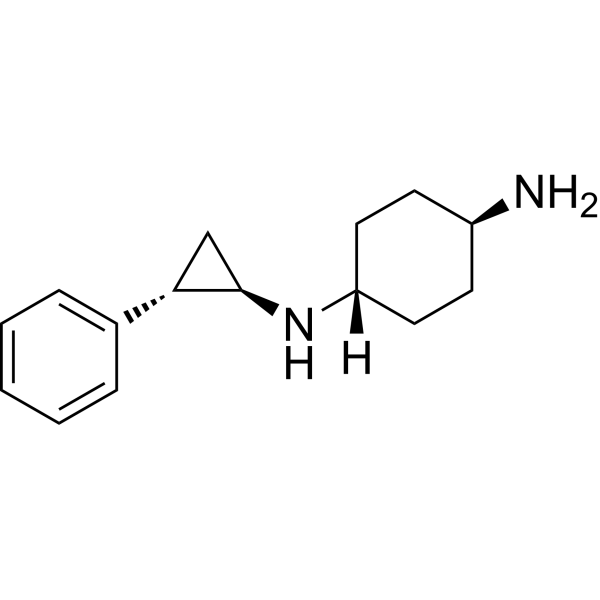
    Iadademstat (ORY-1001) is a highly potent, orally active and selective LSD1 (KDM1A) inhibitor with antileukemic activity. Iadademstat can be used for relapsed or refractory acute myeloid leukemia research .
    Iadademstat
  • HY-109068
    Parsaclisib
    2 Publications Verification

    INCB050465; IBI-376

    PI3K Cancer
    Parsaclisib (INCB050465) is a potent, selective and orally active inhibitor of PI3Kδ, with an IC50 of 1 nM at 1 mM ATP. Parsaclisib shows approximately 20000-fold selectivity over other PI3K class I isoforms. Parsaclisib can be used for the research of relapsed or refractory B-cell malignancies .
    Parsaclisib
  • HY-144858
    EZM0414
    5+ Cited Publications

    Histone Methyltransferase Cancer
    EZM0414 is a potent, selective, orally bioavailable inhibitor of SETD2 (IC50=18 nM in SETD2 biochemical assay; IC50=34 nM in cellular assay). EZM0414 can be used for the research of relapsed or refractory multiple myeloma and diffuse large B-cell lymphoma .
    EZM0414
  • HY-109108A
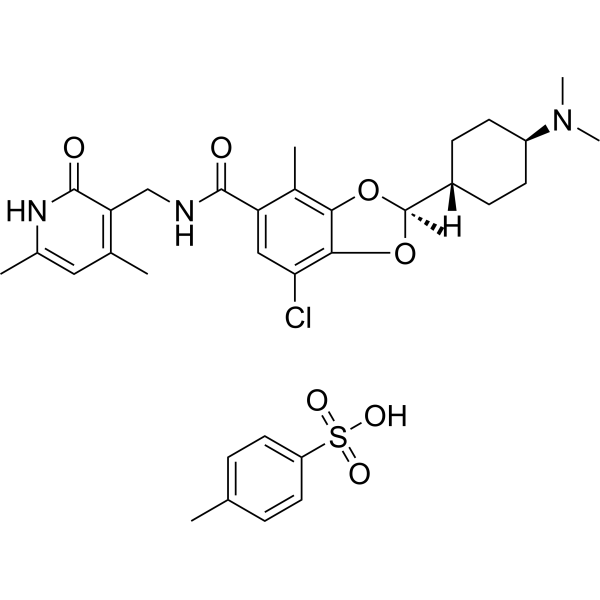
    Valemetostat tosylate
    5 Publications Verification

    DS-3201 tosylate

    Histone Methyltransferase Cancer
    Valemetostat (DS-3201) tosylate, a first-in-class EZH1/2 dual inhibitor with IC50 values <10 nM. Valemetostat tosylate can be used for the research of relapsed/refractory peripheral T-cell lymphoma .
    Valemetostat tosylate
  • HY-136026

    BLU-5937

    P2X Receptor Inflammation/Immunology
    Camlipixant (BLU-5937) a potent, selective, non-competitive and orally active P2X3 homotrimeric receptor antagonist with an IC50 of 25 nM against hP2X3 homotrimeric. Camlipixant shows potent anti-tussive effect and no taste alteration. Camlipixant can be used for the research of unexplained, refractory chronic cough .
    Camlipixant
  • HY-P990980

    CND-106; EMB-06

    CD3 Inflammation/Immunology Cancer
    Cizutamig (CND-106) is a bispecific T-cell engager targeting BCMA and CD3. Cizutamig exhibits immunostimulatory and anti-tumor activities. Cizutamig can be used in research related to relapsed or refractory multiple myeloma and systemic lupus erythematosus .
    Cizutamig
  • HY-109198

    ME-401; PWT-143

    PI3K Akt Cancer
    Zandelisib (ME-401) is a selective, orally active, non-covalent inhibitor of PI3Kδ. Zandelisib can sustainably inhibit AKT phosphorylation and downstream signaling pathways. Zandelisib can be used in the study of malignancies such as relapsed/refractory B-cell lymphoma .
    Zandelisib
  • HY-P991490

    CD38 CD3 TNF Receptor Cancer
    ISB2001 is a trispecific antibody targeting CD38, CD3 and BCMA. ISB2001 effectively counteracts tumor immune escape mechanisms caused by antigen downregulation, antigen loss, soluble factor competition and other factors. ISB2001 is applicable to relevant research on multiple myeloma and relapsed/refractory multiple myeloma .
    ISB2001
  • HY-107753

    Ras Inflammation/Immunology Cancer
    XRP44X inhibits Ras-induced transcription activation with the IC50 of 10 nM. XRP44X inhibits activation of the Ras-Erk-1/2 pathway by FGF-2 . XRP44X is an inhibitor of Ras/Erk activation of Elk3 that also affects microtubules .
    XRP44X
  • HY-P9989

    REGN5458

    CD3 TNF Receptor Cancer
    Linvoseltamab (REGN5458) is a bispecific T-cell engager (BiTE) antibody that specifically binds to B cell maturation antigen (BCMA) and CD3 of T cells, thereby directing T cells to multiple myeloma (MM) cells expressing BCMA and activating T cells to kill tumor cells. Linvoseltamab can be used in research of relapsed/refractory multiple myeloma (RRMM) .
    Linvoseltamab
  • HY-P991537

    HS-20093 Antibody; GSK5764227 Antibody

    ADC Antibody CD276/B7-H3 Cancer
    HS-20093 Antibody (GSK5764227 Antibody) is an antibody targeting B7-H3, which can be used to synthesize the ADC HS-20093. HS-20093 Antibody exhibits anti-tumor activity. HS-20093 Antibody can be studied in research for small cell lung cancer, relapsed or refractory osteosarcoma, and advanced solid tumors .
    Risvutatug
  • HY-P2921

    Uox, Microorganism

    Endogenous Metabolite Metabolic Disease Inflammation/Immunology
    Uricase, Microorganism (Uox, Microorganism) is a uricase (urate oxidase) derived from Microorganism. Uricase, Microorganism converts uric acid into allantoin. The absence of Uricase in mammals causes kidney diseases resulting from uric acid accumulation. Uricase, Microorganism can be used for research on chronic refractory gout and hyperuricemia .
    Uricase, Microorganism
  • HY-P99613

    MK-4280; Mavezelimab

    LAG-3 Cancer
    Favezelimab (MK-4280) is a humanized monoclonal antibody targeting LAG-3. Favezelimab blocks the interaction between LAG-3 and its ligand, MHC class II molecules. Favezelimab is applicable to research on relapsed/refractory classical Hodgkin lymphoma, relapsed/refractory diffuse large B-cell lymphoma, and relapsed/refractory indolent B-cell lymphoma . For the isotype control of Favezelimab, refer to Human IgG4 (S228P) kappa, Isotype Control (HY-P99003).
    Favezelimab
  • HY-P99910

    AMG-330

    CD3 Transmembrane Glycoprotein Inflammation/Immunology Cancer
    Eluvixtamab (AMG-330) is a bispecific T-cell engager. Eluvixtamab binds to CD33 and CD3 on T cells, thereby promoting T cell-mediated cytotoxicity against CD33+ cells. Eluvixtamab can be used in the research of tumors such as relapsed/refractory acute myeloid leukemia .
    Eluvixtamab
  • HY-P99378

    ALTB-168; Anti-PSGL1/CD162 Reference Antibody (neihulizumab)

    Apoptosis Inflammation/Immunology
    Neihulizumab (ALTB-168) is an immune checkpoint agonistic antibody that binds to human CD162 (PSGL-1), leading to downregulation of activated T-cells. Neihulizumab can be uesd for steroid-refractory acute graft-versus-host-disease (SR-aGVHD), psoriasis, psoriatic arthritis and ulcerative colitis research .
    Neihulizumab
  • HY-10224A
    Panobinostat lactate
    Maximum Cited Publications
    83 Publications Verification

    LBH589 lactate; NVP-LBH589 lactate

    HDAC HIV Autophagy Apoptosis Infection Cancer
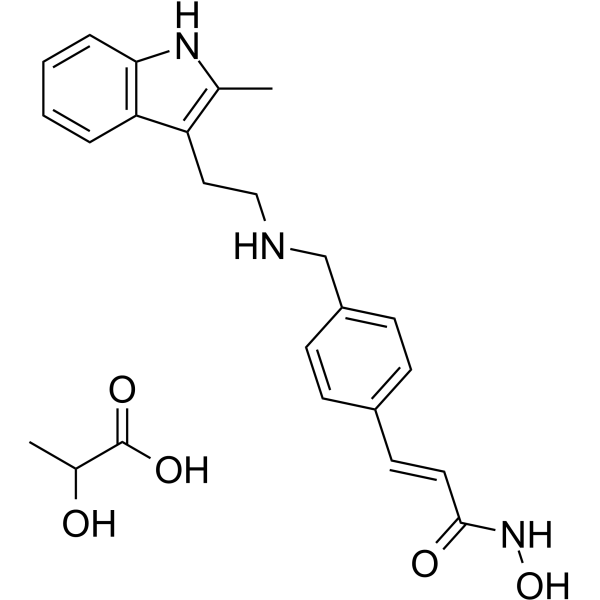
    Panobinostat lactate is a potent and orally active non-selective HDAC inhibitor. Panobinostat lactate has antineoplastic activities. Panobinostat lactate effectively disrupts HIV latency. Panobinostat lactate induces cell apoptosis and autophagy. Panobinostat lactate can be used for the study of refractory or relapsed multiple myeloma .
    Panobinostat lactate
  • HY-112037A
    IACS-010759 hydrochloride
    25+ Cited Publications

    IACS-10759 hydrochloride

    Oxidative Phosphorylation Mitochondrial Metabolism Apoptosis Cancer
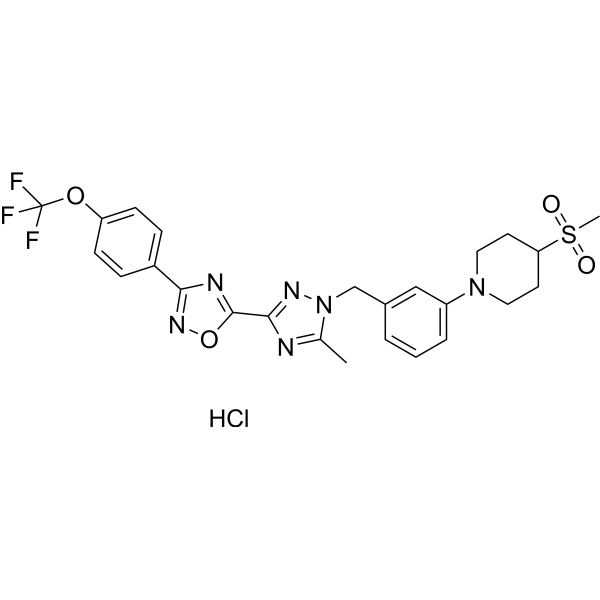
    IACS-010759 hydrochlorideis an orally active, potent mitochondrial complex I of oxidative phosphorylation (OXPHOS) inhibitor. IACS-010759 hydrochlorideinhibits proliferation and induces apoptosis in models of brain cancer and acute myeloid leukemia (AML) reliant on OXPHOS. IACS-010759 hydrochloride has the potential for relapsed/refractory AML and solid tumors research .
    IACS-010759 hydrochloride
  • HY-P99167

    HCD122

    TNF Receptor Cancer
    Lucatumumab (HCD122) is a fully human anti-CD40 antagonist monoclonal antibody, which blocks CD40/CD40L-mediated signaling. Lucatumumab efficiently mediates antibody-dependent cell-mediated cytotoxicity (ADCC) and clearance of tumor cells, can be used for refractory lymphomas, CLL and multiple myeloma research .
    Lucatumumab
  • HY-17611

    MSP-2017; (-)-MSP-2017

    Calcium Channel Cardiovascular Disease Neurological Disease
    Etripamil (MSP-2017) is a short-acting, L-type calcium-channel antagonist. Etripamil inhibits calcium influx through slow calcium channels, thereby slowing AV node conduction and prolonging the AV node refractory period. Etripamil increases heart rate and decreases systolic blood pressure. Etripamil can be used in the study of paroxysmal supraventricular tachycardia (PSVT) .
    Etripamil
  • HY-108844

    Xanthine Oxidase Metabolic Disease Cancer
    Rasburicase is a recombinant form of urate oxidase that works by catalyzing the oxidation of uric acid to allantoin, which has a higher solubility. Rasburicase specifically degrades uric acid, rapidly lowers blood uric acid levels, and improves inflammation and kidney damage caused by uric acid crystal deposition. Rasburicase can effectively lower uric acid and prevent uric acid nephropathy, and is used in the study of severe hyperuricemia associated with tumor lysis syndrome (TLS) and refractory gout .
    Rasburicase
  • HY-16215

    G-202

    Peptide-Drug Conjugates (PDCs) PSMA Calcium Channel Cancer
    Mipsagargin (G-202) is a novel thapsigargin-based targeted proagent consisting of a prostate-specific membrane antigen (PSMA)-specific peptide coupled to an analog of the potent sarcoplasmic/endoplasmic reticulum calcium adenosine triphosphatase (SERCA) pump inhibitor Thapsigargin (HY-13433). Mipsagargin is activated by PSMA-mediated cleavage of an inert masking peptide. Mipsagargin has the potential for refractory, advanced or metastatic solid tumours research .
    Mipsagargin
  • HY-P99401

    OMP-131R10

    Wnt Cancer
    Rosmantuzumab (OMP-131R10) is an anti-R-spondin 3 (RSPO3) humanized monoclonal antibody. Rosmantuzumab can be used for the research of advanced telapsed and refractory solid tumors .
    Rosmantuzumab
  • HY-P990095

    REGN5459

    CD3 TNF Receptor Cancer
    Vonsetamig (REGN5459) is a human bispecific antibody targeting BCMA and CD3. Vonsetamig triggers T-cell activation, induces plasma cell depletion, and triggers low-level cytokine release. Vonsetamig can be used for the research of relapsed/refractory multiple myeloma .
    Vonsetamig
  • HY-P99730
    Mezagitamab
    1 Publications Verification

    TAK-079

    CD38 Apoptosis Inflammation/Immunology Cancer
    Mezagitamab (TAK-079) is a IgG1λ anti-CD38 monoclonal antibody. Mezagitamab depletes tumor cells expressing CD38 through antibody and complement dependent cytotoxicity. Mezagitamab has potential application in relapsed/refractory multiple myeloma (RRMM) and idiopathic thrombocytopenic purpura (ITP) .
    Mezagitamab
  • HY-P5535

    OCE-205

    Vasopressin Receptor Inflammation/Immunology
    Invopressin (Compound 42) is a vasopressin V1A receptor partial agonist (EC50: 1.0 nM). Invopressin can be used for research of cirrhosis, including bacterial peritonitis, HRS2 and refractory ascites .
    Invopressin
  • HY-121877
    Valnoctamide
    1 Publications Verification

    Valmethamide

    GABA Receptor Neurological Disease
    Valnoctamide (Valmethamide), a derivative of valproate, suppresses benzodiazepine-refractory status epilepticus. Valnoctamide (Valmethamide) acts directly on GABAA receptors .
    Valnoctamide
  • HY-B0772A

    MS-551

    Potassium Channel Cardiovascular Disease
    Nifekalant hydrochloride (MS-551), a class III antiarrhythmic agent, is a IKr potassium channel blocker with an IC50 of 10 µM. Nifekalant hydrochloride can be used for refractory ventricular tachyarrhythmias research .
    Nifekalant hydrochloride
  • HY-P2921C

    Uox (Recombinant)

    Endogenous Metabolite Metabolic Disease Inflammation/Immunology
    Uricase (Recombinant) (Uox (Recombinant)) is a uricase (urate oxidase). Uricase (Recombinant) converts uric acid into allantoin. The deficiency of Uricase in mammals causes kidney diseases resulting from uric acid accumulation. Uricase (Recombinant) can be used for research on chronic refractory gout and hyperuricemia .
    Uricase (Recombinant)
  • HY-122347A

    GW823296 maleate

    Neurokinin Receptor Neurological Disease Inflammation/Immunology
    Orvepitant maleate (GW823296 maleate) is potent, selective, orally active and well-tolerated neurokinin-1 receptor (NK-1) antagonist with a pKi of 10.2 for human neurokinin-1 receptor. Orvepitant maleate can across the blood-brain barrier. Orvepitant maleate has the potential for depressive disorder and chronic refractory cough (CRC) treatment .
    Orvepitant maleate
  • HY-P2921D

    Uox, candida utilis

    Endogenous Metabolite Metabolic Disease Inflammation/Immunology
    Uricase, candida utilis (Uox, candida utilis) is a uricase (urate oxidase) derived from Candida utilis. Uricase, candida utilis converts uric acid into allantoin. The absence of Uricase in mammals causes kidney diseases resulting from uric acid accumulation. Uricase, candida utilis can be used for research on chronic refractory gout and hyperuricemia .
    Uricase, candida utilis
  • HY-109173

    BAY 1902607

    P2X Receptor Cytochrome P450 Inflammation/Immunology
    Filapixant is an orally active and selective P2X3 receptor antagonist. Filapixant is applicable to the research of refractory chronic cough .
    Filapixant
  • HY-160776

    ADC Linker Cancer
    Diazido-methyltetrazine tri-arm is an ADC linker that can be used to synthesize antibody-drug conjugates (ADCs). Diazido-methyltetrazine tri-arm can be applied to the research of refractory breast cancer .
    Diazido-methyltetrazine tri-arm
  • HY-P991193

    TNF Receptor Cancer
    NGM-438 is a humanized monoclonal antibody antagonist of LAIR1, with a Ka of 0.26 nM for human LAIR1 and 4.28 nM for cynomolgus monkey LAIR1. NGM-438 blocks the binding of LAIR1 to its Collagen ligand and antagonizes the Collagen-induced LAIR1 signaling pathway. NGM-438 reverses FcγR signaling inhibition in myeloid cells, induces dendritic cells to secrete TNFα, promotes T cell proliferation, and triggers myeloid inflammation and allogeneic T cell responses. NGM-438 sensitizes refractory mouse lung cancer to PD-1 blockade, increases the content of intratumoral CD8 + T cells and the expression of inflammatory genes. NGM-438 is applicable to research related to solid tumors, refractory solid tumors and non-small cell lung cancer .
    NGM-438
  • HY-14572

    SN 27858

    DNA Alkylator/Crosslinker Drug Metabolite Cancer
    PR-104A (SN 27858) is the alcohol metabolite of phosphate proagent PR-104. PR-104A is a hypoxia-selective DNA cross-linking agent/DNA-damaging agent and cytotoxin. Antitumor Activity . PR-104A is metabolized under hypoxia by the 1-electron NADPH:cytochrome P450 oxidoreductase. PR-104A can be used for the research of relapsed/refractory T-lineage acute lymphoblastic leukemia (T-ALL) .
    PR-104A
  • HY-177632

    ION-935918; ION251

    IFNAR Cancer
    Frenlosirsen is an antisense oligonucleotide targeted to IRF4. It is used for study of relapsed/refractory multiple myeloma (RRMM).
    Frenlosirsen
  • HY-156871

    CaMK Cancer
    CAMK1D-IN-1 (compound I) is an inhibitor of CAMK1D, targeting cytotoxic T lymphocyte (CTL)-resistant tumor cells. CAMK1D impairs CTL-induced death receptor signaling and apoptosis by inhibiting caspases, making it a key and effective target for PD-L1-refractory tumors .
    CAMK1D-IN-1
  • HY-160038

    LXR Cancer
    GAC0003A4 is an LXR inverse agonist that inhibits LXR transcriptional activity. GAC0003A4 also efficiently degrades LXRβ protein. GAC0003A4 has the potential to be used in advanced pancreatic cancer and other refractory malignancies .
    GAC0003A4
  • HY-108579

    Potassium Channel Cardiovascular Disease
    UCL 1684 (dibromide) is a first nanomolar, non-peptidic small conductance calcium-activated potassium (SK) channel blocker. UCL 1684 (dibromide) is effective in preventing the development of atrial fibrillation due to potent atrial-selective inhibition of INa. UCL 1684 (dibromide) causes atrial-selective prolongation of ERP secondary to induction of postrepolarization refractoriness .
    UCL 1684 dibromide
  • HY-149056

    MAP4K Interleukin Related Cancer
    GNE-6893 is an orally active, selective HPK1 inhibitor with a Ki < 0.02 nM. GNE-6893 enhances T cell receptor signaling in primary human T cells. GNE-6893 increases IL2 production in stimulated primary human T cells. GNE-6893 can be used for the research of chronic refractory cancers .
    GNE-6893
  • HY-119747

    Potassium Channel Cardiovascular Disease
    WAY-123223 is an orally active potassium channel (Potassium Channel) blocker. WAY-123223 prolongs the transmembrane action potential duration and cardiac refractory period of canine Purkinje fibers. In canine models, WAY-123223 increases the ventricular fibrillation threshold, restores sinus rhythm from ventricular fibrillation, and exerts antiarrhythmic effects. WAY-123223 can be used in research related to cardiovascular diseases such as arrhythmias .
    WAY-123223
  • HY-107461

    Glucocorticoid Receptor Cardiovascular Disease
    LY2623091 is a mineralocorticoid receptor antagonist for the treatment of refractory hypertension. LY2623091 exhibits CYP3A4-dependent clearance and synergistic effects with CYP3A4 inhibitors .
    LY2623091

Inquiry Online

Your information is safe with us. * Required Fields.

Salutation


Country or Region *

Applicant Name *


Organization Name *

Department *


Email Address *


Product Name *

Cat. No.


Requested quantity *

Phone Number *


Remarks

Inquiry Online

Inquiry Information

Product Name:
Cat. No.:
Quantity:
MCE Japan Authorized Agent:

