



Leonurine
Based on 13 publication(s) in Google Scholar
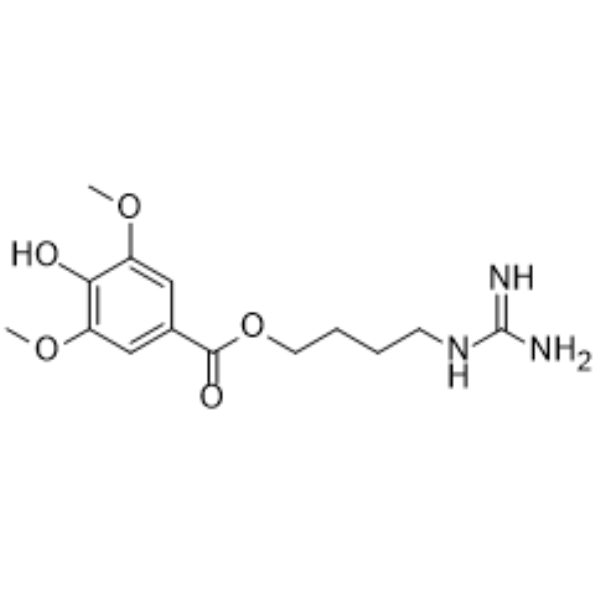
Leonurine is an alkaloid isolated from Leonurus artemisia, with anti-oxidative and anti-inflammatory.
For research use only. We do not sell to patients.
- Purity : 99.86%
- CAS No.: 24697-74-3
- Formula: C14H21N3O5
- Molecular Weight:311.33
-
Storage:
4°C, sealed storage, away from moisture
* In solvent : -80°C, 6 months; -20°C, 1 month (sealed storage, away from moisture)

To place orders, for customer services and technical support, please contact: MedChemExpress USA
Tel: 609-228-6898 E-mail: [email protected] [email protected]


-
 Biological Activity
-
Chemical Information
-
Solvent & Solubility
- Protocols
- Purity & Documentation
- References
-
 Help & FAQs


-
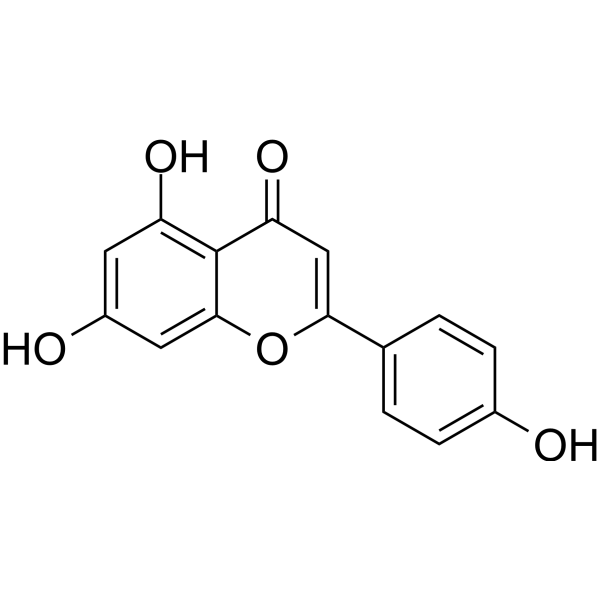
HY-N1201
ApigeninCytochrome P450 Inhibitor -
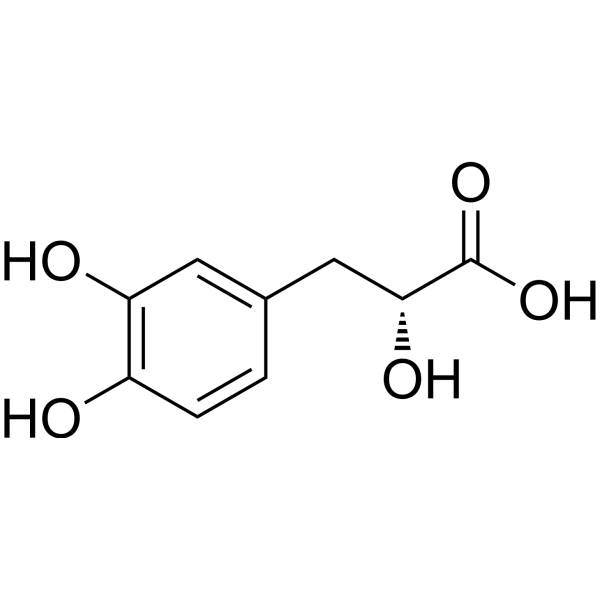
HY-N1913
DanshensuNrf2/HO-1 Activator -
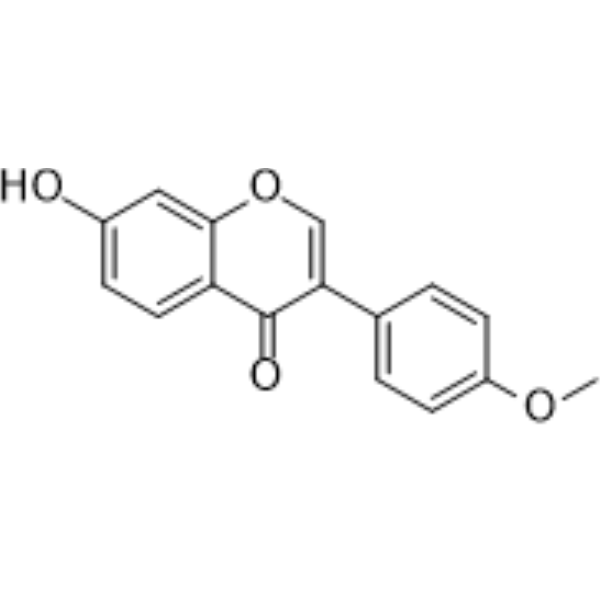
HY-N0183
FormononetinFGFR2 Inhibitor -
HY-Y0320
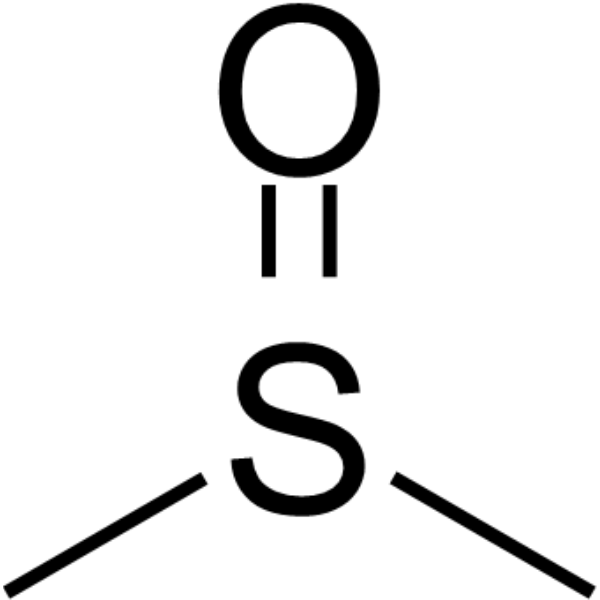
Dimethyl sulfoxide, meets analytical specification of Ch.P.Aprotic Solvent -
HY-B2163
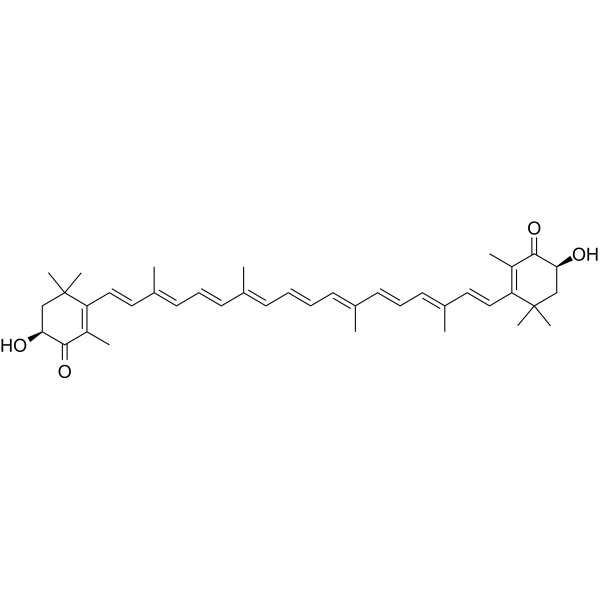
AstaxanthinAntioxidant -
HY-N0162
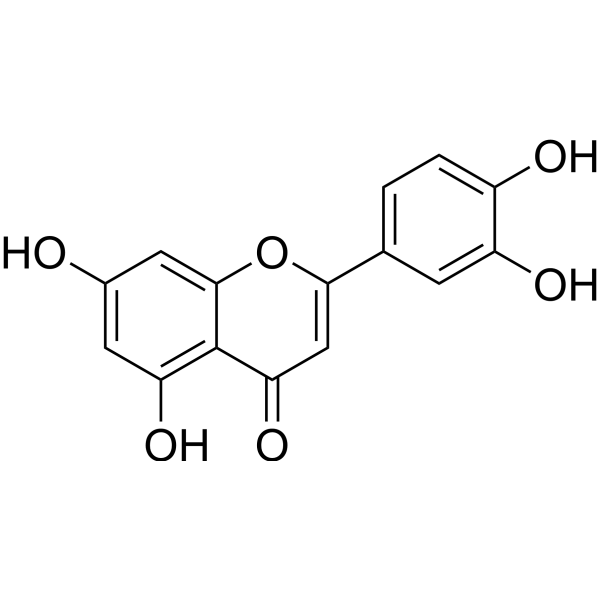
LuteolinNrf2 Inhibitor -
HY-N0192
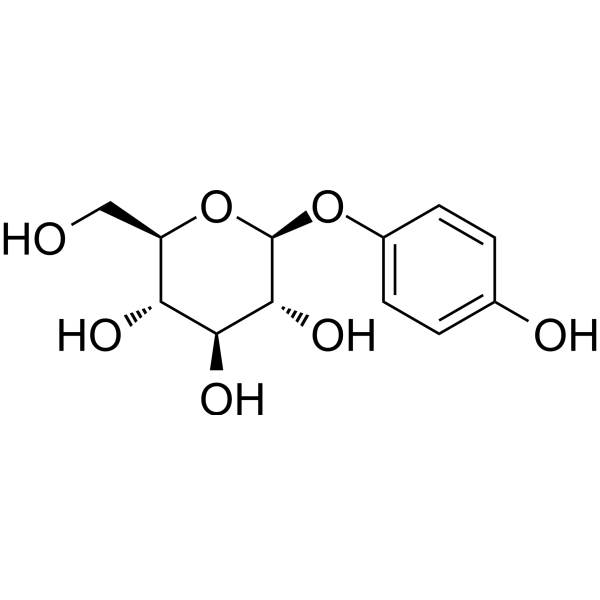
ArbutinEndogenous Metabolite -
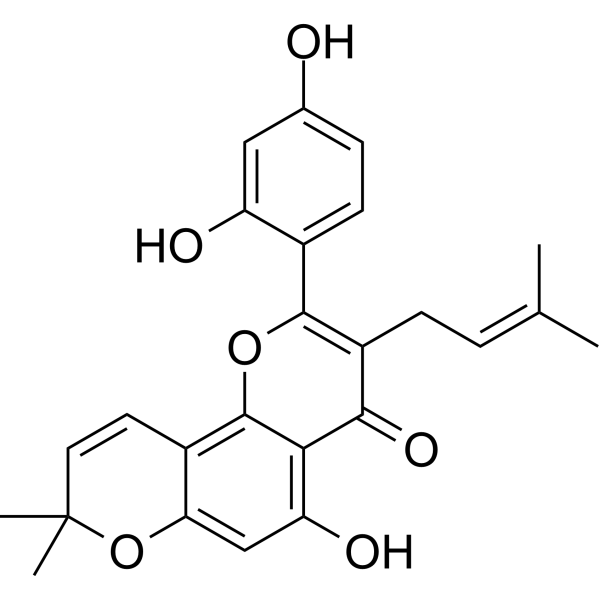
HY-N0622
MorusinBacterial Inhibitor -
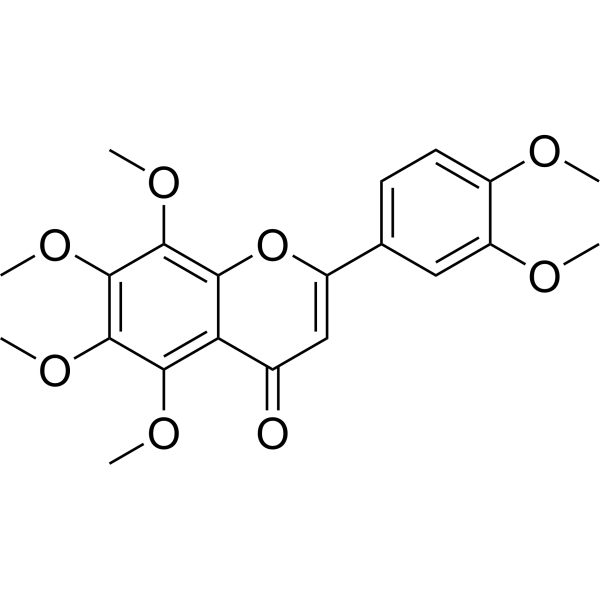
HY-N0155
NobiletinROR Agonist -
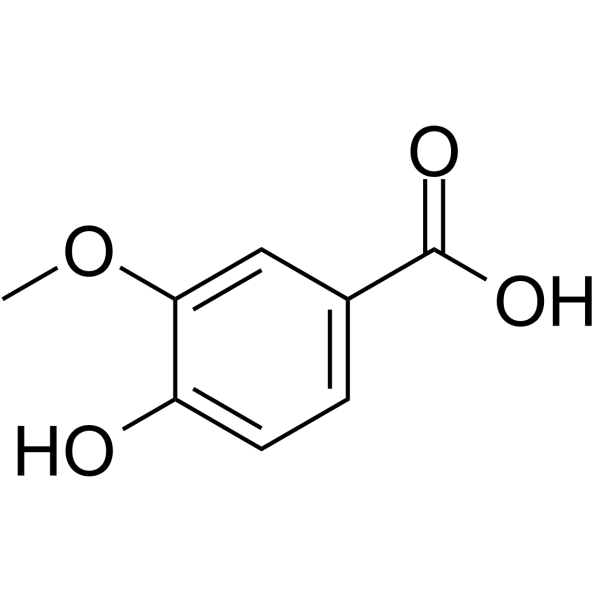
HY-N0708
Vanillic acidFlavouring Agent -

HY-N0741R
Leonurine (Standard)Autophagy Inhibitor -
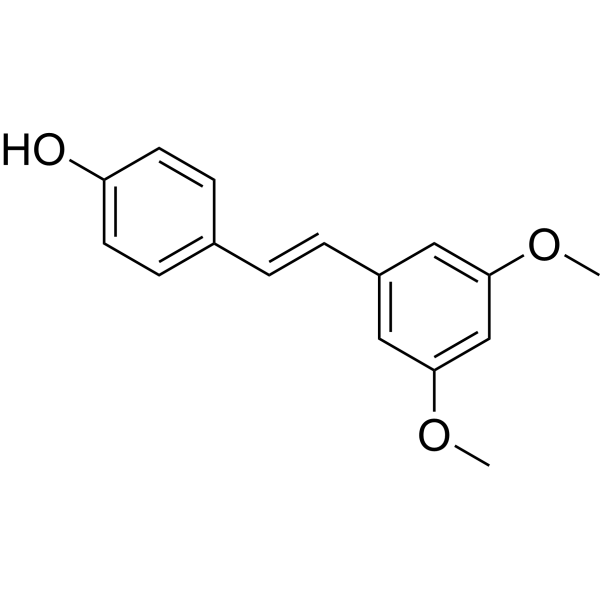
HY-N0828
PterostilbeneAutophagy Inducer
Publications Citing Use of MedChemExpress (MCE) Leonurine
More- PLoS Biol. 2024 Jun 27;22(6):e3002672. [Abstract]
- J Endocrinol. 2026 Jan 19;268(1):e250298. [Abstract]
- J Nutr Biochem. 2026 Jun:152:110302. [Abstract]
- Molecules. 2025 May 2;30(9):2025. [Abstract]
- Toxicol Appl Pharmacol. 2025 Oct 25.
- Exp Cell Res. 2023 May 1;426(1):113556. [Abstract]
- Neuropsychiatr Dis Treat. 2023 Jun 1:19:1347-1357. [Abstract]
- Biochem Biophys Res Commun. 2024 Jan 22:693:149375. [Abstract]
- Med Sci Monit. 2020 Apr 14:26:e922149. [Abstract]
- Reprod Domest Anim. 2024 Mar;59(3):e14546. [Abstract]
- Eur J Inflamm. August 8, 2021.
- bioRxiv. 2024 Apr 3:2023.06.02.542933. [Abstract]
- The EuroBiotech Journal. 21 Oct 2021.
 Customer Validation & Images

-
Histological Imaging/Staining
-
In Vivo Efficacy Study
-
IF
-
Cell Proliferation/Viability Assay
-
Histological Imaging/Staining


Biological Activity
Description
Cellular Effect
|
Cell Line

|
Type | Value | Description | References |
|---|---|---|---|---|
| H9c2 | ED50 |
192 nM
Compound: 11c; SCM-198
|
Antioxidant activity in rat H9c2 cells assessed as protection against H2O2-induced hypoxic injury by measuring cell viability preincubated for 4 hrs followed by H2O2 stimulation for 1 hr by MTT assay relative to control
Antioxidant activity in rat H9c2 cells assessed as protection against H2O2-induced hypoxic injury by measuring cell viability preincubated for 4 hrs followed by H2O2 stimulation for 1 hr by MTT assay relative to control
|
[PMID: 32485530] |
In Vitro
Leonurine (0, 5, 10, 20, 40, 80 μM) causes diminution in lipid accumulation, cellular cholesterol content, including total cholesterol (TC), free cholesterol (FC) and cholesteryl ester (CE), and increase in apoA-I- or HDL-mediated cholesterol efflux after treatment for 24 h. Leonurine also significantly and dose-dependently increases the expressions of ABCA1 and ABCG1 at the mRNA and protein levels in human THP-1 macrophages, and such effect is involved in PPARγ[1]. Leonurine hydrochloride (LH) shows protective effect on cell viability of HepG2 and HL-7702 cells incubated with palmitic acid (PA) of free fatty acid (FFA) for 24 h. Leonurine hydrochloride (125, 250, 500 μM) improves cellular lipid accumulation in HepG2 and HL-7702 cells via activating AMPK/SREBP1 pathway[2]. Leonurine (5, 10, 20 μM) inhibits the expression of iNOS, COX-2, PGE2, NO, TNF-α, and IL-6 in IL-1β-induced human chondrocytes, suppresses ECM degradation in human OA chondrocytes, and blocks IL-1β-induced PI3K and Akt phosphorylation in a dose-dependent manner[3].
MedChemExpress (MCE) has not independently confirmed the accuracy of these methods. They are for reference only. Further protocols information, click here.
In Vivo
MedChemExpress (MCE) has not independently confirmed the accuracy of these methods. They are for reference only.


Chemical Information
-
CAS No. 24697-74-3
-
Appearance Solid
-
Molecular Weight 311.33
-
Formula C14H21N3O5
-
Color White to off-white
-
SMILES
O=C(OCCCCNC(N)=N)C1=CC(OC)=C(O)C(OC)=C1
-
Synonyms
SCM-198
-
Structure Classification
-
Shipping
Room temperature in continental US; may vary elsewhere.
-
Storage
4°C, sealed storage, away from moisture
* In solvent : -80°C, 6 months; -20°C, 1 month (sealed storage, away from moisture)


Publications (13)
-
Journal Impact Factor
-
Most Recent
-
PLoS Biol
2024 Jun 27;22(6):e3002672. PMID: 38935621 -
J Endocrinol
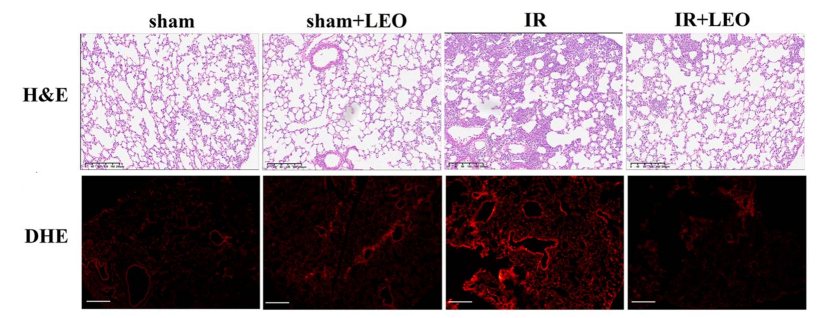
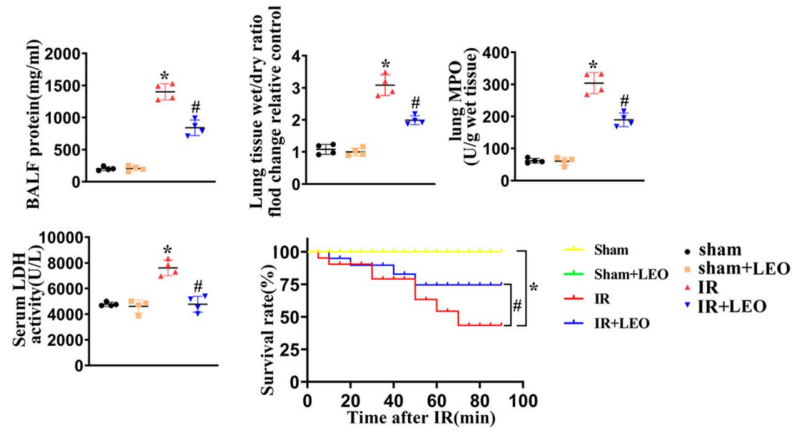
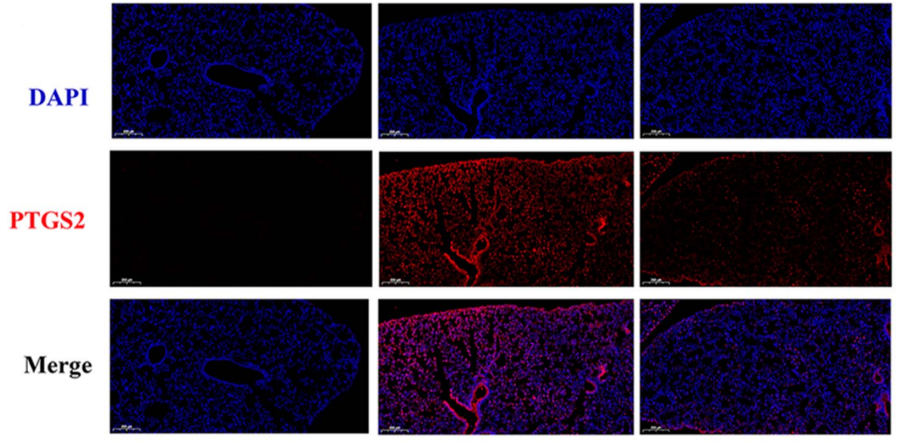
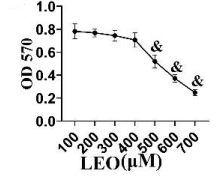
Leonurine alleviates lung ischemia-reperfusion injury through suppression of ferroptosis via RORα in male mice. [Abstract]2026 Jan 19;268(1):e250298. PMID: 41498500
Leonurine purchased from MedChemExpress. Usage Cited in: J Endocrinol. 2026 Jan 19;268(1):e250298. [Abstract]
Leonurine (LEO, 30 mg/kg; i.g.; once daily for 3 days) pretreatment significantly ameliorated various pathological changes in LIRI mice, including lung histopathology and superoxide accumulation.
Leonurine purchased from MedChemExpress. Usage Cited in: J Endocrinol. 2026 Jan 19;268(1):e250298. [Abstract]
Leonurine (LEO, 30 mg/kg; i.g.; once daily for 3 days) pretreatment significantly ameliorated various pathological changes in LIRI mice, including vascular permeability (BALF protein content), W/D ratio, neutrophil infiltration (MPO activity), overall tissue damage (LDH release), and survival rate.
Leonurine purchased from MedChemExpress. Usage Cited in: J Endocrinol. 2026 Jan 19;268(1):e250298. [Abstract]
Representative immunofluorescence of PTGS2 and DAPI in the lung of sham, IR, and IR + Leonurine (LEO, 30 mg/kg; i.g.; once daily for 6 days) . Scale bar = 200 μm.
Leonurine purchased from MedChemExpress. Usage Cited in: J Endocrinol. 2026 Jan 19;268(1):e250298. [Abstract]
MLE-12 cells viability was quantified in different concentration of Leonurine (LEO,100-700 μM; 24 h) by MTT assay.
-
J Nutr Biochem
Leonurine alleviates HFD-induced inflammation and dyslipidemia via modulating gut microbiota-derived indole-3-propionic acid signaling. [Abstract]2026 Jun:152:110302. PMID: 41655865 -
Molecules
Investigating Natural Product Inhibitors of IKKα: Insights from Integrative In Silico and Experimental Validation. [Abstract]2025 May 2;30(9):2025. PMID: 40363830 -
Leonurine purchased from MedChemExpress. Usage Cited in: Toxicol Appl Pharmacol. 2025 Oct 25.
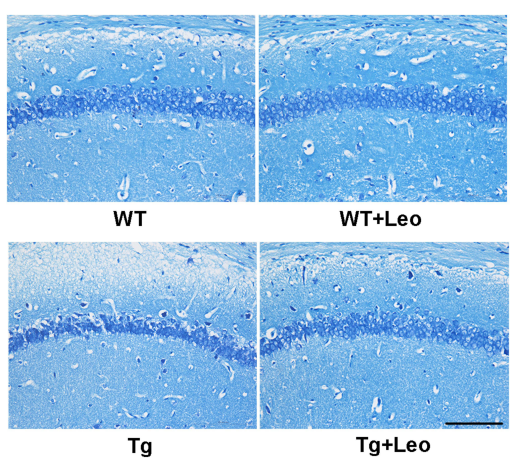
Leonurine (Leo, 150 mg/kg; i.g.; once daily for 2 months) reduced neuronal damage in the hippocampal CA1 region of APP/PS1 mice, as evidenced by representative Nissl staining sections of the same region. Scale bar: 100 μm.
Leonurine purchased from MedChemExpress. Usage Cited in: Toxicol Appl Pharmacol. 2025 Oct 25.
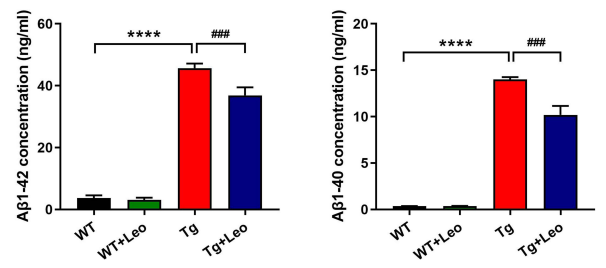
Leonurine (Leo, 150 mg/kg; i.g.; once daily for 2 months) significantly reduced the levels of Aβ1-42 and Aβ1-40 in Tg mice.
Leonurine purchased from MedChemExpress. Usage Cited in: Toxicol Appl Pharmacol. 2025 Oct 25.
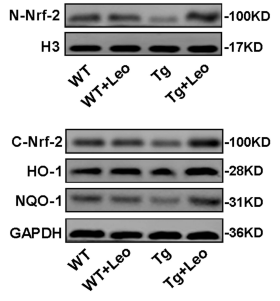
Leonurine (Leo, 150 mg/kg; i.g.; once daily for 2 months) treatment elevated the protein expression of the Nrf-2 pathway in APP/PS1 mice.
-
Exp Cell Res
The p53/miR-29a-3p axis mediates the antifibrotic effect of leonurine on angiotensin II-stimulated rat cardiac fibroblasts. [Abstract]2023 May 1;426(1):113556. PMID: 36933858 -
Neuropsychiatr Dis Treat
Leonurine Alleviates Cognitive Dysfunction and Reduces Oxidative Stress by Activating Nrf-2 Pathway in Alzheimer's Disease Mouse Model. [Abstract]2023 Jun 1:19:1347-1357. PMID: 37284249 -
Biochem Biophys Res Commun
The inhibition of FTO attenuates the antifibrotic effect of leonurine in rat cardiac fibroblasts. [Abstract]2024 Jan 22:693:149375. PMID: 38128243 -
Med Sci Monit
CYP2A13 Acts as the Main Metabolic CYP450s Enzyme for Activating Leonurine in Human Bronchial Epithelial Cells. [Abstract]2020 Apr 14:26:e922149. PMID: 32284524 -
Reprod Domest Anim
Effects of Leonurine on oocyte maturation and parthenogenetic embryo development in sheep. [Abstract]2024 Mar;59(3):e14546. PMID: 38439683 -
-
bioRxiv
An efficient behavioral screening platform classifies natural products and other chemical cues according to their chemosensory valence in C. elegans. [Abstract]2024 Apr 3:2023.06.02.542933. PMID: 37333363 -


Solvent & Solubility
In Vitro:
DMSO : 30.3 mg/mL (97.32 mM; ultrasonic and adjust pH to 3 with 1 M HCl; Hygroscopic DMSO has a significant impact on the solubility of product, please use newly opened DMSO)
H2O : < 0.1 mg/mL (insoluble)
Please refer to the solubility information to select the appropriate solvent. Once prepared, please aliquot and store the solution to prevent product inactivation from repeated freeze-thaw cycles.
Storage method and period of stock solution: -80°C, 6 months; -20°C, 1 month (sealed storage, away from moisture). When stored at -80°C, please use it within 6 months. When stored at -20°C, please use it within 1 month.
Please refer to the solubility information to select the appropriate solvent. Once prepared, please aliquot and store the solution to prevent product inactivation from repeated freeze-thaw cycles.
Storage method and period of stock solution: -80°C, 6 months; -20°C, 1 month (sealed storage, away from moisture). When stored at -80°C, please use it within 6 months. When stored at -20°C, please use it within 1 month.
Concentration (start) × Volume (start) = Concentration (final) × Volume (final)

Protocols
-
Research Protocol for Inflammation-related Diseases
The NLRP3 inflammasome is a cytosolic innate immune signaling platform that integrates priming signals and danger-signal activation to promote caspase-1 activation, maturation of IL-1β and IL-18, and gasdermin D-mediated pyroptotic cell death. The core experimental logic is to determine whether inflammatory disease phenotypes are driven by increased NLRP3 expression, ASC-containing inflammasome assembly, caspase-1 cleavage, GSDMD cleavage, and extracellular release of IL-1β/IL-18 rather than by nonspecific cell injury alone. The pathway is strongly linked to inflammation-related disease phenotypes because monosodium urate crystals activate NALP3/NLRP3 inflammasome signaling in gout-like crystal inflammation, cholesterol crystals activate NLRP3 inflammasomes in atherogenesis models, and DSS-induced intestinal inflammation has been reported to involve NLRP3 inflammasome activity. However, experimental colitis studies also show context-dependent protective effects of NLRP3 inflammasome co


Purity & Documentation
-
Data Sheet (275 KB)
-
SDS (394 KB)
- English - EN (394 KB)
- Français - FR (394 KB)
- Deutsch - DE (394 KB)
- Norwegian - NO (394 KB)
- Español - ES (394 KB)
- Swedish - SV (394 KB)
- Italian - IT (394 KB)
- Korean - KR (394 KB)
- Portuguese - PT (394 KB)
-
Handling Instructions (2659 KB)
References
[1]. Jiang T, et al. Leonurine Prevents Atherosclerosis Via Promoting the Expression of ABCA1 and ABCG1 in a Pparγ/Lxrα Signaling Pathway-Dependent Manner. Cell Physiol Biochem. 2017;43(4):1703-1717. [Content Brief]
[2]. Zhang L, et al. Novel hepatoprotective role of Leonurine hydrochloride against experimental non-alcoholic steatohepatitis mediated via AMPK/SREBP1 signaling pathway. Biomed Pharmacother. 2018 Dec 7;110:571-581. [Content Brief]
[3]. Hu ZC, et al. Inhibition of PI3K/Akt/NF-κB signaling with leonurine for ameliorating the progression of osteoarthritis: In vitro and in vivo studies. J Cell Physiol. 2018 Nov 11. [Content Brief]


Complete Stock Solution Preparation Table
Please refer to the solubility information to select the appropriate solvent. Once prepared, please aliquot and store the solution to prevent product inactivation from repeated freeze-thaw cycles.
Storage method and period of stock solution: -80°C, 6 months; -20°C, 1 month (sealed storage, away from moisture). When stored at -80°C, please use it within 6 months. When stored at -20°C, please use it within 1 month.
| Optional Solvent | Concentration Solvent Mass | 1 mg | 5 mg | 10 mg | 25 mg |
|---|---|---|---|---|---|
| DMSO | 1 mM | 3.2120 mL | 16.0601 mL | 32.1203 mL | 80.3006 mL |
| 5 mM | 0.6424 mL | 3.2120 mL | 6.4241 mL | 16.0601 mL | |
| 10 mM | 0.3212 mL | 1.6060 mL | 3.2120 mL | 8.0301 mL | |
| 15 mM | 0.2141 mL | 1.0707 mL | 2.1414 mL | 5.3534 mL | |
| 20 mM | 0.1606 mL | 0.8030 mL | 1.6060 mL | 4.0150 mL | |
| 25 mM | 0.1285 mL | 0.6424 mL | 1.2848 mL | 3.2120 mL | |
| 30 mM | 0.1071 mL | 0.5353 mL | 1.0707 mL | 2.6767 mL | |
| 40 mM | 0.0803 mL | 0.4015 mL | 0.8030 mL | 2.0075 mL | |
| 50 mM | 0.0642 mL | 0.3212 mL | 0.6424 mL | 1.6060 mL | |
| 60 mM | 0.0535 mL | 0.2677 mL | 0.5353 mL | 1.3383 mL | |
| 80 mM | 0.0402 mL | 0.2008 mL | 0.4015 mL | 1.0038 mL |


Leonurine Related Classifications
HY-N0741 Related Classifications
 Powered by Bioz