1. Search Result
Search Result
Results for "

U46619

" in MedChemExpress (MCE) Product Catalog:

30

Inhibitors & Agonists

1

Biochemical Assay Reagents

2

Natural
Products

Cat. No. Product Name Target Research Areas Chemical Structure
  • HY-108566
    U-46619
    10+ Cited Publications

    9,11-Methanoepoxy PGH2

    Prostaglandin Receptor Cardiovascular Disease
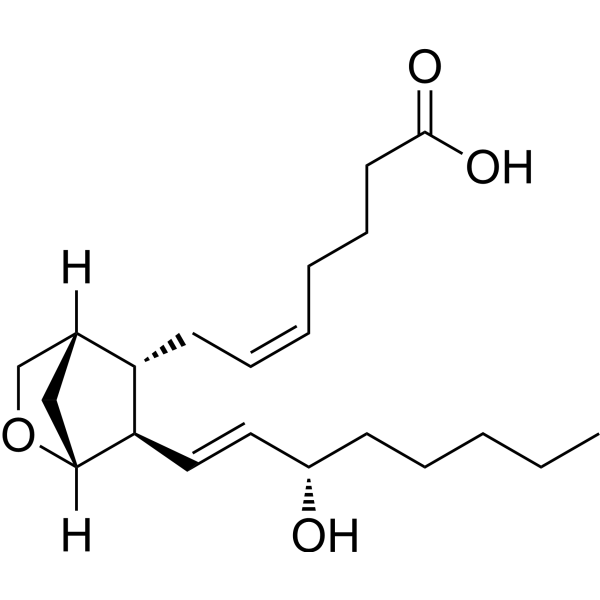
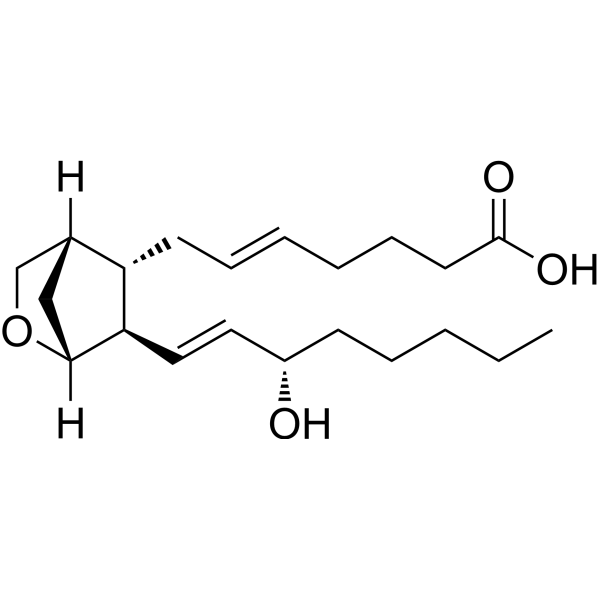
    U-46619 (9,11-Methanoepoxy PGH2) is a stable analogue of Thromboxane A2 (HY-113350) (TXA2) and acts as a potent TXA2 (TP) agonist. U-46619 also is a RhoA agonist. U-46619 stimulates the activation of RhoA through TXA2 receptor activation .
    U-46619
  • HY-129851

    Prostaglandin Receptor Cardiovascular Disease
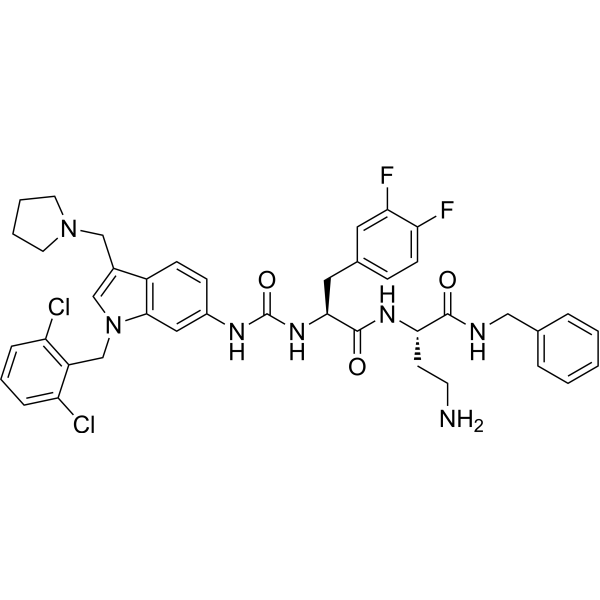
    NTP42 is a thromboxane A2 (TXA2) receptor antagonist with an IC50 of 3.278 nM for antagonizing T prostanoid receptor (TP)- mediated [Ca 2+] mobilization following stimulation of cells with the alternative TP agonist U46619 . NTP42 can be used for the treatment of pulmonary arterial hypertension (PAH) .
    NTP42
  • HY-78263
    MNS
    3 Publications Verification

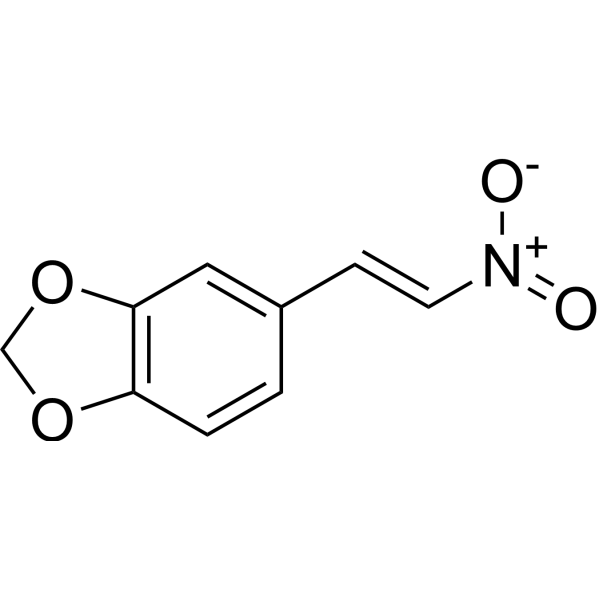
    NSC 170724; 5-(2-Nitrovinyl)benzodioxole

    Src Syk NOD-like Receptor (NLR) Integrin PANoptosis Neurological Disease Inflammation/Immunology Cancer
    MNS (NSC 170724), the beta-nitrostyrene derivative, is an orally active tyrosine kinase inhibitor, a broad-spectrum antiplatelet agent, and a PANoptosis inhibitor. MNS inhibits Src, Syk, and FAK with IC50 of 27.3, 2.8, and 97.6 μM, respectively. MNS inhibits NLRP3 inflammasome and β1 integrin. MNS completely inhibits U46619, ADP-, arachidonic acid-, collagen-, and thrombin-induced platelet aggregation with IC50 values of 2.1, 4.1, 5.8, 7.0, and 12.7 μM, respectively. MNS is cytotoxic to a variety of cells .
    MNS
  • HY-150270A

    P2X Receptor Prostaglandin Receptor NOD-like Receptor (NLR) Caspase Interleukin Related Inflammation/Immunology
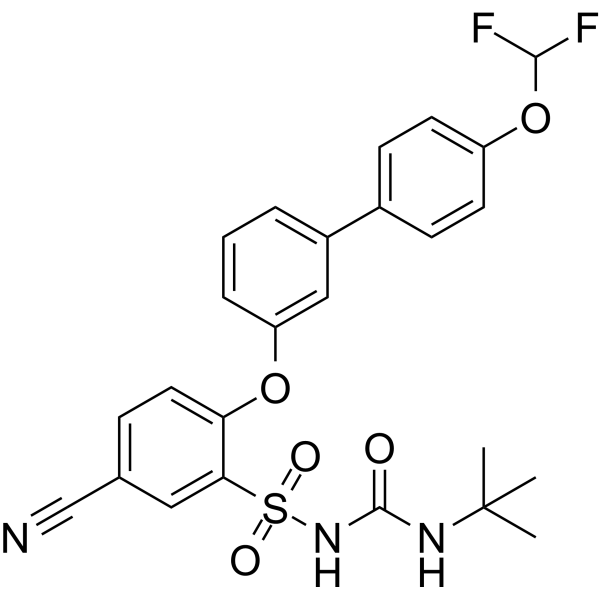
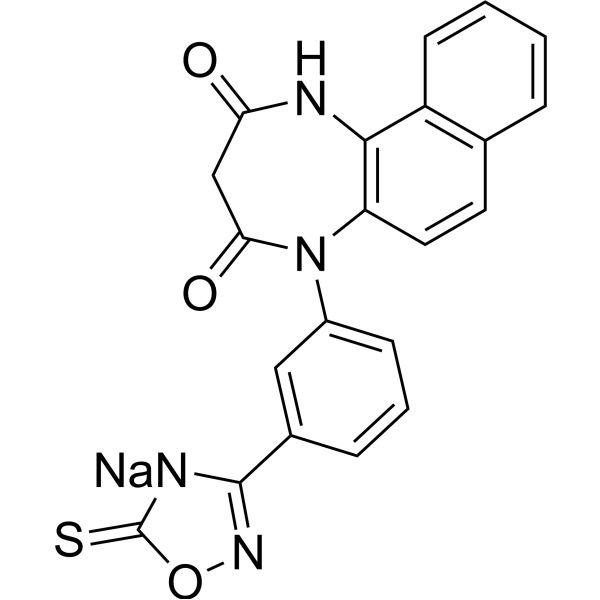
    NP-1815-PX sodium is an orally active dual inhibitor of P2X4 and prostaglandin TP receptors, with an IC50 of 0.26 μM against human P2X4 receptors. NP-1815-PX sodium specifically inhibits ATP-mediated prostaglandin production, TP receptor-induced calcium elevation, and the canonical/non-canonical NLRP3 inflammasome signaling pathway. NP-1815-PX sodium selectively blocks smooth muscle contractions induced by ATP, U46619 (HY-108566) and prostaglandin F2α. NP-1815-PX sodium not only produces anti-allodynic effects in vivo, but also significantly alleviates symptoms of DNBS (HY-W324435)-induced colitis (such as weight loss and tissue damage). NP-1815-PX sodium exerts anti-inflammatory effects by downregulating IL-1β levels and Caspase-1 activity. NP-1815-PX sodium is used in studies related to asthma and inflammatory bowel disease (colitis) .
    NP-1815-PX sodium
  • HY-108556A

    Protease Activated Receptor (PAR) Apoptosis Cardiovascular Disease
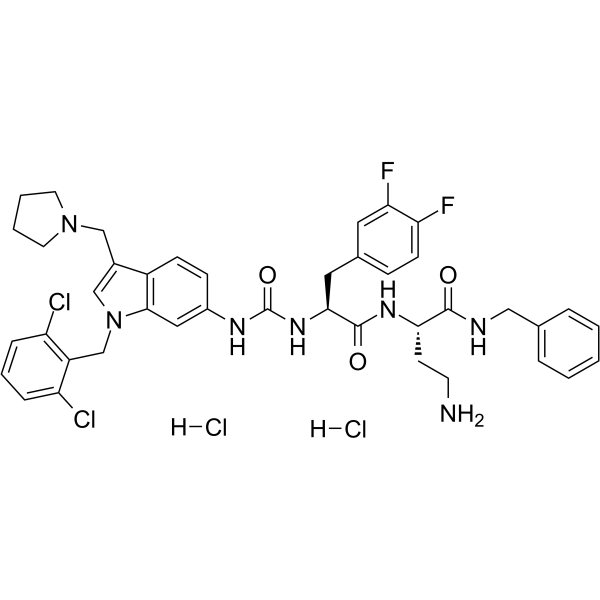
    RWJ-56110 dihydrochloride is a potent, selective, peptide-mimetic inhibitor of PAR-1 activation and internalization (binding IC50=0.44 uM) and shows no effect on PAR-2, PAR-3, or PAR-4. RWJ-56110 dihydrochloride inhibits the aggregation of human platelets induced by both SFLLRN-NH2 (IC50=0.16 μM) and thrombin (IC50=0.34 μM), quite selective relative to U46619 (HY-108566). RWJ-56110 dihydrochloride blocks angiogenesis and blocks the formation of new vessels in vivo. RWJ-56110 dihydrochloride induces cell apoptosis .
    RWJ-56110 dihydrochloride
  • HY-176074

    Prostaglandin Receptor Others
    U-46619 Glycine methyl ester has a modification at the C-1 position of U-46619, which uniquely alter its binding properties to the TP receptor or any of the PGH2-metabolizing enzymes. U-46619 is a stable analog of the endoperoxide PGH2. U-46619 is also an agonist of TP receptor. U-46619 can change the shape of platelet, aggregation and contraction of vascular smooth muscle. U-46619 Glycine methyl ester can be studied in research to explore the inhibition of various enzymes in the arachidonic acid metabolic pathway. U-46619 Glycine methyl ester can also act as a lipophilic prodrug form of U-46619 that alters its distribution and pharmacokinetic properties .
    U-46619 Glycine methyl ester
  • HY-176022

    Prostaglandin Receptor Cardiovascular Disease
    U-46619 serinol amide is a derivative of U-46619 (HY-108566). U-46619 serinol amide is a stable analog of Thromboxane A2 (HY-113350) (TXA2). U-46619 serinol amide is a potent TXA2 agonist that can induce platelet shape change and aggregation .
    U-46619 serinol amide
  • HY-130356

    PGE synthase Others
    5-trans U-46619 is a PGE synthase inhibitor. At a concentration of 10 μM, 5-trans U-46619 inhibits PGE synthase by <20% .
    5-trans U-46619
  • HY-118736

    Others Cardiovascular Disease
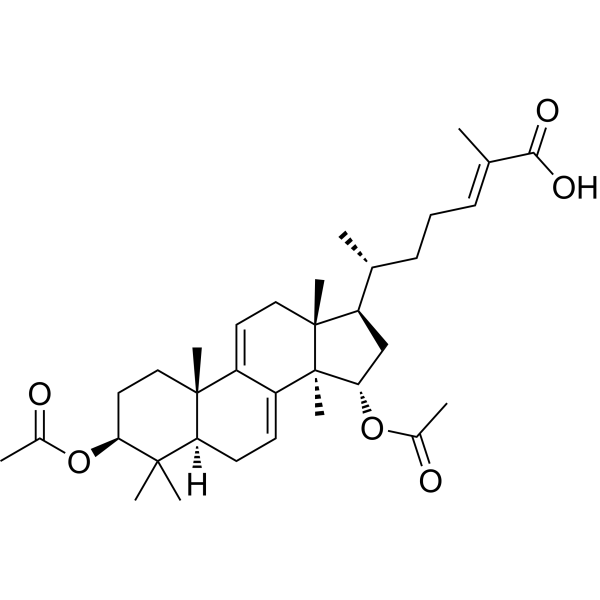
    Ganodermic acid S is an oxygenated triterpenoid, that can be isolated from the Chinese medicinal fungus Ganoderma lucidum (Fr.) Karst (Polyporaceae). Ganodermic acid S exerts a concentration dependent inhibition on the response of human gel-filtered platelets (GFP) to U-46619 (HY-108566), a thromboxane (TX) A2 mimetic .
    Ganodermic acid S
  • HY-135447

    Prostaglandin Receptor Others
    BM-531 is a dual-acting agent for thromboxane receptor (TXA2) antagonism and thromboxane synthase inhibition. BM-531 exerts anti-aggregatory effects on human citrated platelet-rich plasma (PRP), inhibiting Arachidonic acid (HY-109590A)-induced aggregation with an ED100 of 0.125 μM and U-46619 (HY-108566)-induced aggregation with an ED50 of 0.482 μM. BM-531 inhibits high-K +-induced contraction of porcine uterine smooth muscle .
    BM-531
  • HY-101235

    Prostaglandin Receptor Cardiovascular Disease Inflammation/Immunology
    ICI 185282 is a potent, selective, orally active thromboxane A2 (TXA₂) receptor antagonist. ICI 185282 causes dose-dependent inhibition of U-46619 (HY-108566)-induced platelet aggregation ex-vivo in guinea-pig. ICI 185,282 inhibits bronchospasm induced by U-46619, PGD2 (HY-101988), PGF (HY-12956), arachidonic acid (HY-109590), LTD4 and PAF (HY-108635) in vivo. ICI 185282 can be used for bronchial asthma research .
    ICI 185282
  • HY-150270

    Prostaglandin Receptor P2X Receptor NOD-like Receptor (NLR) Caspase Interleukin Related Neurological Disease Inflammation/Immunology
    NP-1815-PX is an orally active dual inhibitor of P2X4 and prostaglandin TP receptors, with an IC50 of 0.26 μM against human P2X4 receptors. NP-1815-PX specifically inhibits ATP-mediated prostaglandin production, TP receptor-induced calcium elevation, and the canonical/non-canonical NLRP3 inflammasome signaling pathway. NP-1815-PX selectively blocks smooth muscle contractions induced by ATP, U46619 (HY-108566) and prostaglandin F2α. NP-1815-PX not only produces anti-allodynic effects in vivo, but also significantly alleviates symptoms of DNBS (HY-W324435)-induced colitis (such as weight loss and tissue damage). NP-1815-PX exerts anti-inflammatory effects by downregulating IL-1β levels and Caspase-1 activity. NP-1815-PX is used in studies related to asthma and inflammatory bowel disease (colitis) .
    NP-1815-PX
  • HY-165587

    Prostaglandin Receptor Cardiovascular Disease
    BM-573 is an orally active dual thromboxane A₂ (TXA₂) modulator with an IC50 of 1.3 nM. BM-573 possesses both thromboxane synthase (TxAS) inhibition and thromboxane receptor (TP) antagonistic effects. BM-573 can completely inhibit platelet aggregation induced by Arachidonic acid (HY-109590) or U-46619 (TXA₂ analogues). BM-573 completely blocks the generation of TXB₂ (the stable metabolite of TXA₂) in human platelets and does not inhibit cyclooxygenase (COX-1/COX-2), thus avoiding interference with other prostaglandin synthesis. BM-573 has an inhibitory effect on U-46619-induced contractions in rat gastric fundus smooth muscle (ED₅₀ = 4.2 μM), but has no effect on contractions caused by PGE₂, PGF₂α, or PGI₂. BM-573 can be used in the study of atherosclerosis, myocardial infarction, pulmonary hypertension and shock .
    BM-573
  • HY-101390D

    Calcium Channel Cardiovascular Disease
    (R)-Niguldipine, a R-epimer of Niguldipine (HY-101390B), is a calcium channel antagonist. (R)-Niguldipine exerts a vasodilatory effect by blocking calcium channels and reducing the transmembrane influx of calcium ions. (R)-Niguldipine can inhibit U-46619 (HY-108566)-induced coronary artery contraction in guinea pig Langendorff hearts (pID50 of 9.93), has high affinity for calcium channel binding sites on guinea pig skeletal muscle membranes (Ki of 8.10), and lowers blood pressure in spontaneously hypertensive rats (pED30 of 5.55). (R)-Niguldipine can improve cardiovascular diseases such as hypertension, angina pectoris, and arrhythmias .
    (R)-Niguldipine
  • HY-108556

    Protease Activated Receptor (PAR) Apoptosis Cardiovascular Disease
    RWJ-56110 is a potent, selective, peptide-mimetic inhibitor of PAR-1 activation and internalization (binding IC50=0.44 uM) and shows no effect on PAR-2, PAR-3, or PAR-4. RWJ-56110 inhibits the aggregation of human platelets induced by both SFLLRN-NH2 (IC50=0.16 μM) and thrombin (IC50=0.34 μM), quite selective relative to U46619 (HY-108566). RWJ-56110 inhibits angiogenesis and blocks the formation of new vessels in vivo. RWJ-56110 induces cell apoptosis .
    RWJ-56110
  • HY-101236

    Prostaglandin Receptor Endocrinology
    ICI 192605 is a potent TXA2R (thromboxane A2 receptor) antagonist as cell signaling prostaglandin. ICI 192605 blocks contraction of isolated guinea pig trachea induced by U-46619 .
    ICI 192605
  • HY-105120A

    GR 32191 hydrochloride

    Prostaglandin Receptor Others
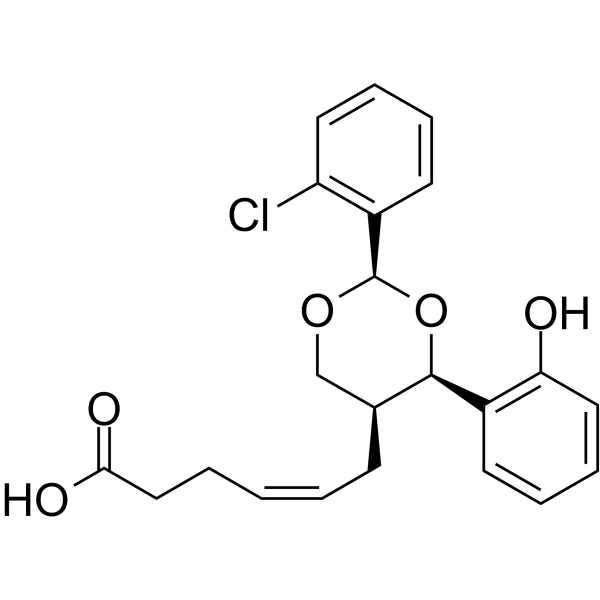
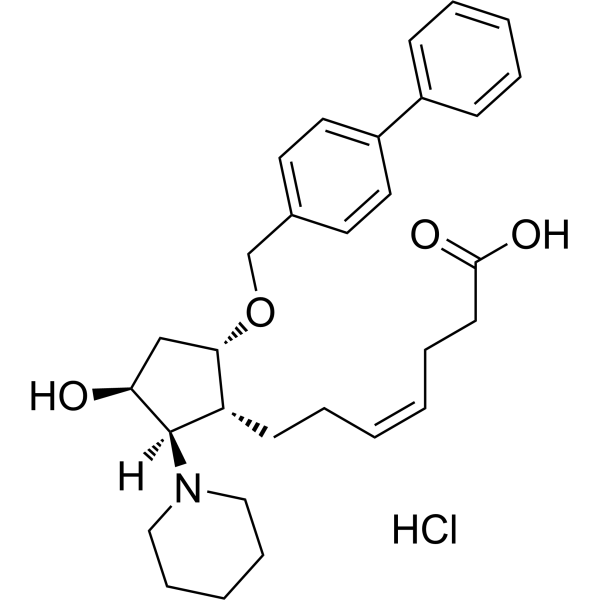
    Vapiprost hydrochloride (GR 32191 hydrochloride) is a thromboxane A2 receptor antagonist. Vapiprost hydrochloride (GR 32191 hydrochloride) inhibits the aggregation and ATP release stimulated with U-46619, collagen or arachidonic acid (AA) at an IC50 of less than 2.1×10 -8 M .
    Vapiprost hydrochloride
  • HY-105120

    GR 32191

    Prostaglandin Receptor Others
    Vapiprost (GR 32191) is a thromboxane A2 receptor (TXA2 Receptor) antagonist. Vapiprost hydrochloride (GR 32191 hydrochloride) inhibits the aggregation and ATP release stimulated with U-46619, collagen or arachidonic acid (AA) at an IC50 of less than 2.1×10 -8 M .
    Vapiprost
  • HY-118689

    Potassium Channel Cardiovascular Disease Neurological Disease Inflammation/Immunology
    RA-2 is a negative-gating modulator of KCa2/3 channels with an IC50 of 17 nM. RA-2 inhibits bradykinin-induced endothelium-derived hyperpolarization (EDH)-type relaxation in U46619-precontracted rings. RA-2 can help to define the physiologic and pathomechanistic roles of KCa2/3 in the vasculature, central nervous system, and during inflammation .
    RA-2
  • HY-137638

    PKA Metabolic Disease
    Sp-5,6-DCl-cBIMPS is a potent and specific cAMP-dependent protein kinases (cAMP-PK) activator. Sp-5,6-DCl-cBIMPS stimulates insulin release. Sp-5,6-DCl-cBIMPS inhibits U-46619 (HY-108566)-induced activation of Rho, Gq and G12/G13 in platelets .
    Sp-5,6-DCl-cBIMPS
  • HY-137638A

    Sp-5,6-DCI-cBIMPS

    PKA Metabolic Disease
    Sp-5,6-DCl-cBIMPS sodium is a potent and specific cAMP-dependent protein kinases (cAMP-PK) activator. Sp-5,6-DCl-cBIMPS sodium stimulates insulin release. Sp-5,6-DCl-cBIMPS sodium inhibits U-46619 (HY-108566)-induced activation of Rho, Gq and G12/G13 in platelets .
    Sp-5,6-DCl-cBIMPS sodium
  • HY-N7964

    Platelet-activating Factor Receptor (PAFR) Cardiovascular Disease
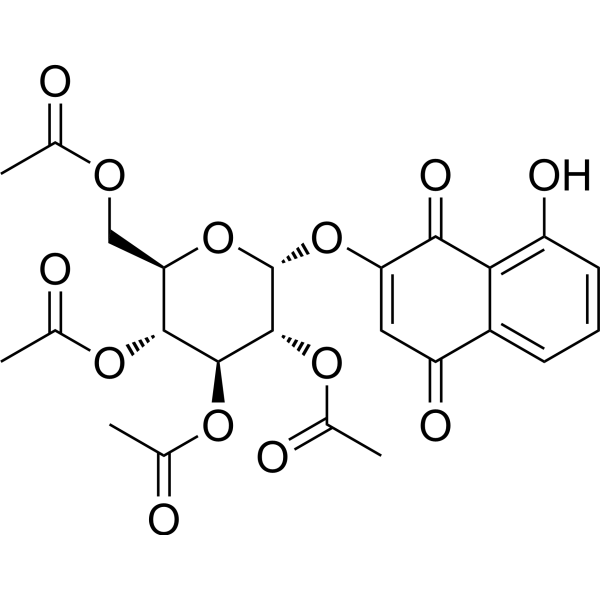
    Tribuluside A is a steroidal saponin present in Tribulus terrestris. Tribuluside A inhibits U-46619 (HY-108566)-induced platelet aggregation. Tribuluside A can be used for the research of platelet aggregation-related processes .
    Tribuluside A
  • HY-179246

    COX Prostaglandin Receptor Cardiovascular Disease Neurological Disease Inflammation/Immunology
    CXT29 is an orally active COX-2 inhibitor and a thromboxane A2 receptor (TP) antagonist. CXT29 exhibits COX inhibitory activity and selectivity, with IC50 values of 13 and 722 nM for COX-2 and COX-1 respectively. CXT29 inhibits platelet aggregation induced by U-46619 (HY-108566) (a TP agonist), with an IC50 of 96 nM. CXT29 effectively inhibits the production of TXB₂ and PGE₂, significantly reducing platelet aggregation and inflammatory pain in mice. CXT29 can be used for research on inflammatory pain and cardiovascular diseases .
    CXT29
  • HY-101390A

    (R)-Niguldipine hydrochloride

    Calcium Channel Cardiovascular Disease
    (-)-Niguldipine ((R)-Niguldipine) hydrochloride is a calcium channel antagonist. (-)-Niguldipine hydrochloride exerts a vasodilatory effect by blocking calcium channels and reducing the transmembrane influx of calcium ions. (-)-Niguldipine can inhibit U-46619 (HY-108566)-induced coronary artery contraction in guinea pig Langendorff hearts (pID50 of 9.93), has high affinity for calcium channel binding sites on guinea pig skeletal muscle membranes (Ki of 8.10), and lowers blood pressure in spontaneously hypertensive rats (pED30 of 5.55). (-)-Niguldipine hydrochloride can improve cardiovascular diseases such as hypertension, angina pectoris, and arrhythmias .
    (-)-Niguldipine hydrochloride
  • HY-117044A

    Prostaglandin Receptor Metabolic Disease
    (±)12-HEPE is produced by non-enzymatic oxidation of EPA. It contains equal amounts of 12(S)-HEPE and 12(R)-HEPE. The biological activity of (±)12-HEPE is likely mediated by one of the individual isomers, most commonly the 12(S) isomer in mammalian systems. 12-HEPE inhibits platelet aggregation with the same potency as 12-HETE, exhibiting IC50 values of 24 and 25 μM, respectively.1 These compounds are also equipotent as inhibitors of U46619-induced contraction of rat aorta (IC50s=8.6-8.8 μM).
    (±)12-HEPE
  • HY-106105

    Prostaglandin Receptor Others
    ONO 3708 is a TXA2/PGH2 receptor antagonist that can inhibit the binding properties of U46619 in unactivated intact human platelets, with an IC50 value of 38 nM .
    ONO 3708
  • HY-186042

    Prostaglandin Receptor Cardiovascular Disease
    TPα/β antagonist-1 is a TXA2 receptor α (TPα) and TPβ antagonist with IC50s of 1.52 nM and 0.79 nM, respectively. TPα/β antagonist-1 inhibits U-46619 (HY-108566)-induced intracellular calcium mobilization, and imhibits platelet aggregation. TPα/β antagonist-1 can be used for the research of cardiovascular disease .
    TPα/β antagonist-1
  • HY-113884

    13(R)-HODE

    Endogenous Metabolite Metabolic Disease
    13(R)-HODE is the opposite enantiomer of the 13(S)-HODE produced when linoleic acid is incubated with soybean lipoxygenase. The presence of 13(R)-HODE in the supernatants and membranes of cultured bovine endothelial cells has been attributed to COX metabolism.1 13(R)-HODE is a weak (IC50=2.7 μM) inhibitor of U-46619-induced platelet aggregation.
    (R)-Coriolic acid
  • HY-108556AR

    Reference Standards Protease Activated Receptor (PAR) Apoptosis Cardiovascular Disease
    RWJ-56110 dihydrochloride (Standard) is the analytical standard of RWJ-56110 (dihydrochloride) (HY-108556A). This product is intended for research and analytical applications. RWJ-56110 dihydrochloride is a potent, selective, peptide-mimetic inhibitor of PAR-1 activation and internalization (binding IC50=0.44 uM) and shows no effect on PAR-2, PAR-3, or PAR-4. RWJ-56110 dihydrochloride inhibits the aggregation of human platelets induced by both SFLLRN-NH2 (IC50=0.16 μM) and thrombin (IC50=0.34 μM), quite selective relative to U46619 (HY-108566). RWJ-56110 dihydrochloride blocks angiogenesis and blocks the formation of new vessels in vivo. RWJ-56110 dihydrochloride induces cell apoptosis .
    RWJ-56110 dihydrochloride (Standard)
  • HY-165005A

    Drug Derivative Cardiovascular Disease
    (±) 14 (15)-EET Methyl ester (Compound 14,15-EET-Me) is a 14,15-EET (HY-113489) analog and vasodilatory agonist. (±) 14 (15)-EET Methyl ester induces relaxation of precontracted bovine coronary arteries .
    (±)14(15)-EET Methyl ester

Inquiry Online

Your information is safe with us. * Required Fields.

Salutation


Country or Region *

Applicant Name *


Organization Name *

Department *


Email Address *


Product Name *

Cat. No.


Requested quantity *

Phone Number *


Remarks

Inquiry Online

Inquiry Information

Product Name:
Cat. No.:
Quantity:
MCE Japan Authorized Agent: