Search Result
Results for "
cdk9-inhibitor
" in MedChemExpress (MCE) Product Catalog:
| Cat. No. |
Product Name |
Target |
Research Areas |
Chemical Structure |
-
- HY-112088
-
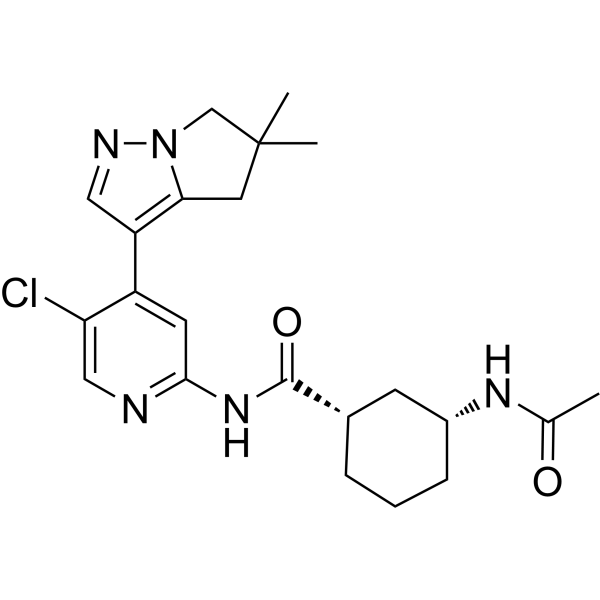
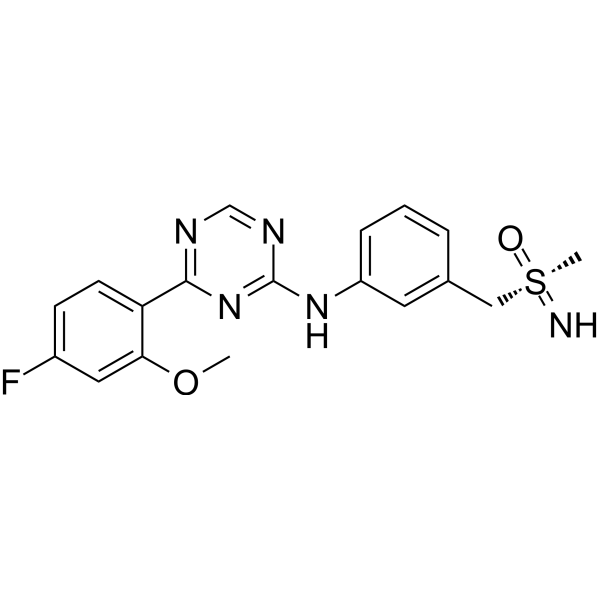
AZD4573
Maximum Cited Publications
14 Publications Verification
|
CDK
|
Cancer
|
|
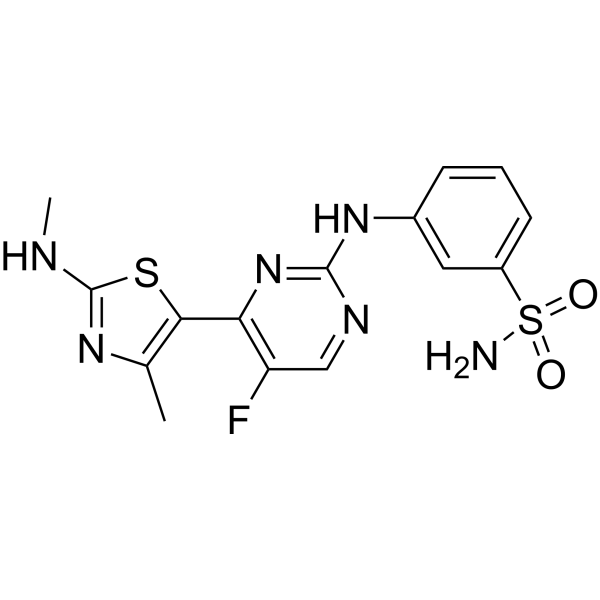
AZD4573 is a potent and highly selective CDK9 inhibitor (IC50 of <4 nM) that enables transient target engagement for the treatment of hematologic malignancies .
|
-
-
- HY-10012
-
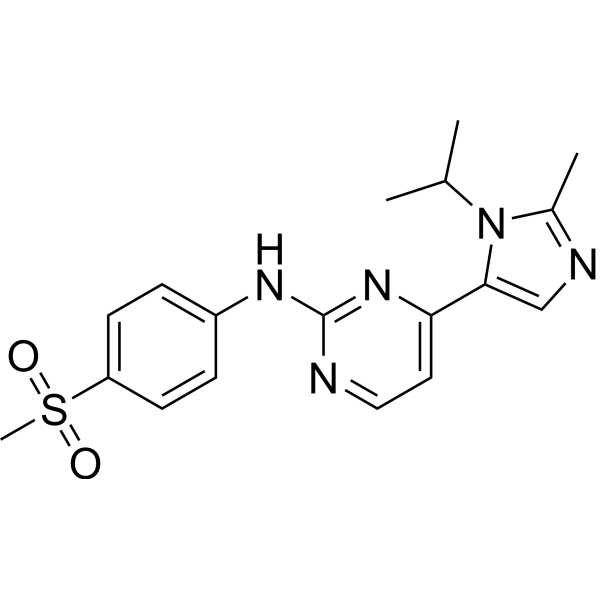
AZD-5438
Maximum Cited Publications
14 Publications Verification
|
CDK
|
Cancer
|
|
AZD-5438 is a potent CDK1, CDK2, and CDK9 inhibitor, with IC50s of 16 nM, 6 nM, and 20 nM in cell-free assays, respectively. AZD-5438 shows less inhibition activity against GSK3β, CDK5 and CDK6
.
|
-
-
- HY-X0009
-
|
GFH009; JSH-009; SLS009
|
CDK
DYRK
Apoptosis
Bcl-2 Family
c-Myc
Caspase
PARP
DNA/RNA Synthesis
|
Metabolic Disease
Inflammation/Immunology
Cancer
|
|
Tambiciclib (GFH009, JSH-009) is an orally active, highly potent and selective CDK9 inhibitor (IC50 = 1 nM), demonstrating >200-fold selectivity over other CDKs, >100-fold selectivity over DYRK1A/B, and excellent selectivity over 468 kinases/mutants. Tambiciclib demonstrates potent in vitro and in vivo antileukemic efficacy in acute myeloid leukemia (AML) mouse models by inhibiting RNA Pol II phosphorylation, downregulating MCL1 and MYC, and inducing apoptosis. Tambiciclib can be used for AML research .
|
-
-
- HY-13461
-
|
CAY10572
|
CDK
|
Cancer
|
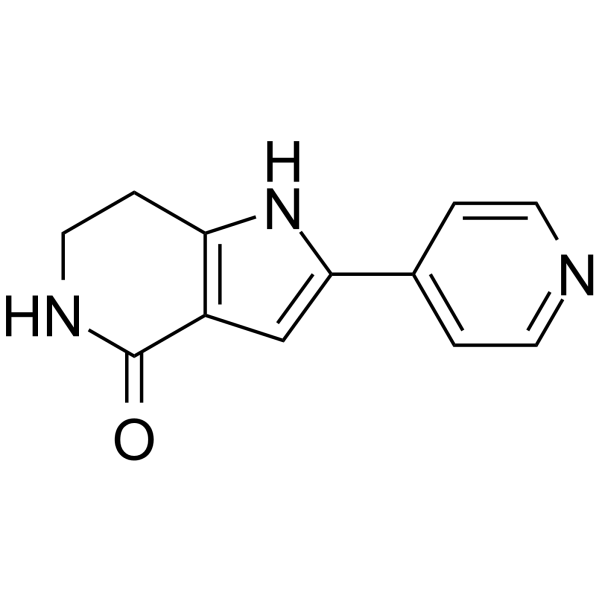
|
PHA-767491 is a dual Cdc7/Cdk9 inhibitor, with IC50s of 10 nM and 34 nM, respectively.
|
-
-
- HY-12445
-
|
cdkI-73; LS-007
|
CDK
Apoptosis
|
Inflammation/Immunology
Cancer
|
Asnuciclib (CDKI-73; LS-007) is an orally active and highly efficacious CDK9 inhibitor, with Ki values of 4 nM, 4 nM and 3 nM for CDK9, CDK1 and CDK2, respectively. Asnuciclib down-regulates the RNAPII phosphorylation. Asnuciclib is also a novel pharmacological inhibitor of Rab11 cargo delivery and innate immune secretion .
|
-
-
- HY-103019
-
|
(+)-BAY-1251152; (+)-VIP152; (S)-Enitociclib
|
Drug Isomer
CDK
Apoptosis
DNA/RNA Synthesis
|
Inflammation/Immunology
Cancer
|
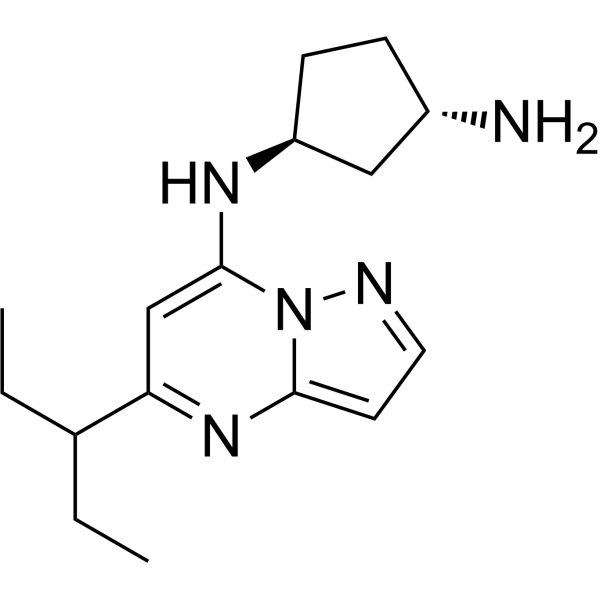
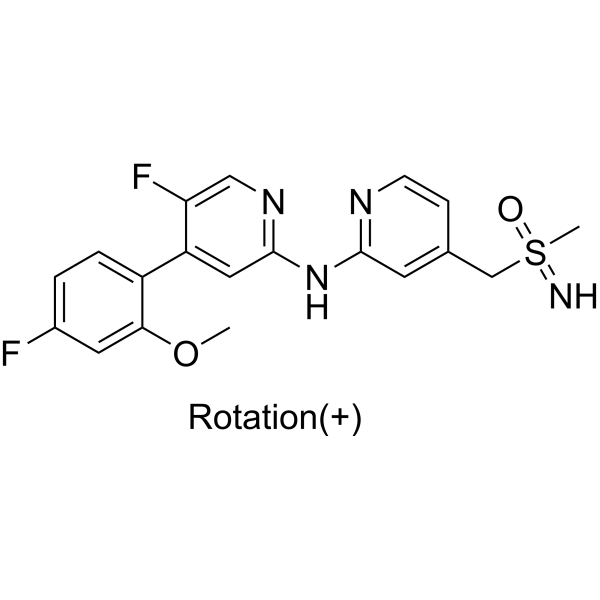
Enitociclib ((+)-BAY-1251152; (+)-VIP152) is a selective CDK9 inhibitor (IC50=3 nM) that inhibits transcriptional elongation by blocking Ser2/Ser5 phosphorylation of RNA polymerase II. Enitociclib specifically depletes key short-lived proteins such as c-MYC, MCL-1 and induces tumor cell apoptosis. Enitociclib also interferes with the production of enhancer RNAs (eRNA) and enhancer-promoter interactions, and downregulates oncogene expression at the epigenetic level. Enitociclib exerts synergistic effects with agents including Bortezomib (HY-10227), Lenalidomide (HY-A0003), Pomalidomide (HY-10984), Venetoclax (HY-15531) and Paclitaxel (HY-B0015), and even reverses paclitaxel resistance. Enitociclib serves as a vital research tool for various malignancies such as double-hit diffuse large B-cell lymphoma, multiple myeloma and pancreatic ductal adenocarcinoma .
|
-
-
- HY-15878
-
|
LDC067
|
CDK
Apoptosis
|
Cancer
|
|
LDC000067 is a highly specific CDK9 inhibitor with an IC50 value of 44±10 nM in vitro.
|
-
-
- HY-137478
-
KB-0742
3 Publications Verification
|
CDK
|
Cancer
|
|
KB-0742 is a potent, selective and orally active CDK9 inhibitor with an IC50 of 6 nM for CDK9/cyclin T1. KB-0742 is selective for CDK9/cyclin T1 with >50-fold selectivity over other CDK kinases. KB-0742 has potent anti-tumor activity .
|
-
-
- HY-103019A
-
|
(±)-BAY-1251152; (±)-VIP152
|
CDK
Apoptosis
DNA/RNA Synthesis
|
Cancer
|
|
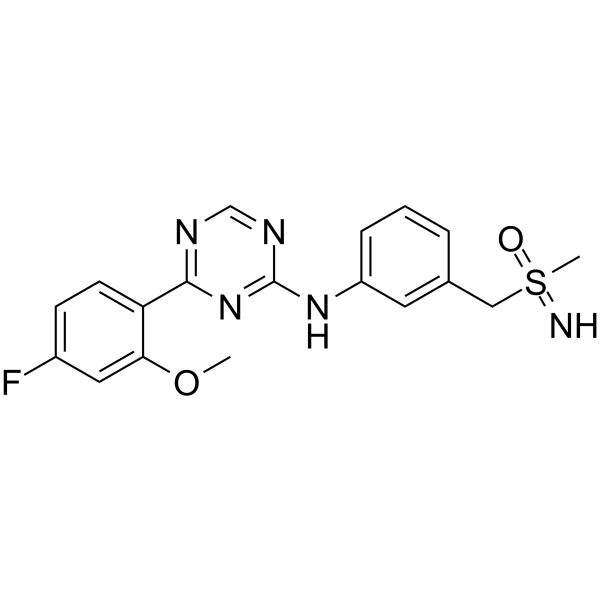
(±)-Enitociclib ((±)-BAY-1251152) is the racemic mixture of Enitociclib (HY-103019E). Enitociclib is a selective CDK9 inhibitor and apoptosis inducer. Enitociclib inhibits CDK9 activity and reduces the phosphorylation of Ser2 in the carboxyl-terminal domain (CTD) of RNA polymerase Pol II, thereby downregulating the transcription of key oncogenes such as MYC and MCL1. Enitociclib has anti-proliferative activity targeting MYC + lymphoma and multiple myeloma (MM) cells, and has synergistic effects with Bortezomib (HY-10227) and Lenalidomide (HY-A0003), and can be used in the research of hematological malignancies .
|
-
-
- HY-169244
-
|
|
CDK
Bcl-2 Family
|
Cancer
|
|
CDK-TCIP1 is a bivalent molecule linking CDK9 inhibitor SNS-032 (HY-10008) to BCL6 ligand BI3812 (HY-111381). CDK-TCIP1 potently and specifically kills BCL6-overexpressing cells with EC50 of 7.7 nM for SUDHL5 cells .
|
-
-
- HY-X0150
-
JSH-150
1 Publications Verification
|
CDK
|
Cancer
|
|
JSH-150 is a highly selective and potent CDK9 inhibitor with an IC50 of 1 nM.
|
-
-
- HY-124639
-
|
|
CDK
|
Cancer
|
|
CDK9 inhibitor HH1 is a potent and selectively CDK9 inhibitor. CDK9 inhibitor HH1 inhibits the transcription of CDK. CDK9 inhibitor HH1 can be used in research of cancer .
|
-
-
- HY-13461A
-
|
CAY-10572 hydrochloride
|
CDK
Apoptosis
|
Cancer
|
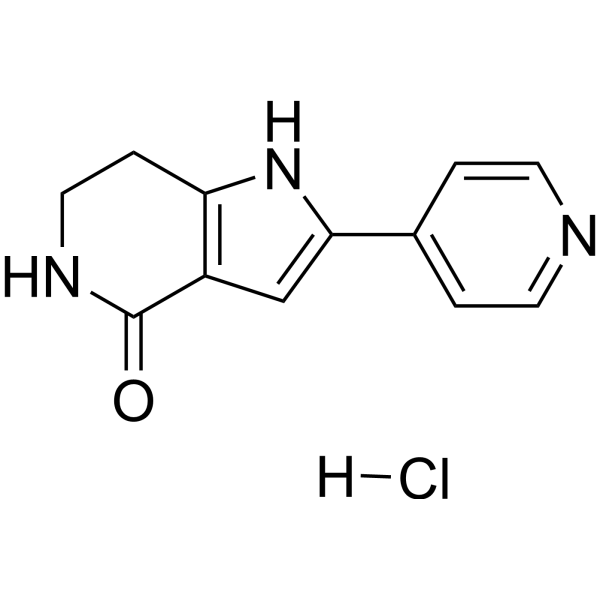
|
PHA-767491 hydrochloride is a dual Cdc7/Cdk9 inhibitor, with IC50s of 10 nM and 34 nM, respectively.
|
-
-
- HY-12871B
-
|
BAY-1143572
|
CDK
|
Cancer
|
|
Atuveciclib (BAY-1143572) is a potent and highly selective, oral PTEFb/CDK9 inhibitor. Atuveciclib (BAY-1143572) inhibits CDK9/CycT1 with an IC50 of 13 nM .
|
-
-
- HY-12871
-
|
BAY-1143572 Racemate
|
CDK
|
Cancer
|
|
Atuveciclib Racemate (BAY-1143572 Racemate) is the racemate mixture of Atuveciclib. Atuveciclib is a potent and highly selective, oral P-TEFb/CDK9 inhibitor which supresses CDK9/CycT1 with an IC50 of 13 nM.
|
-
-
- HY-143584
-
|
|
CDK
Apoptosis
|
Cancer
|
|
AZ5576 is a potent and highly selective CDK9 inhibitor (IC50: <5 nM). AZ5576 inhibits the phosphorylation of RNA polymerase II at Ser2, thereby inhibiting transcriptional elongation. AZ5576 can be used for hematological Malignancy research .
|
-
-
- HY-13033
-
|
cdk inhibitor II
|
CDK
|
Endocrinology
|
|
CDK-IN-2 is a specific CDK9 inhibitor with an IC50 of less than 8 nM. CDK-IN-2 reduces the phosphorylation level of H3S10. CDK-IN-2 decreases the transition rate of spermatocytes from prophase to metaphase I .
|
-
-
- HY-137478A
-
|
|
CDK
|
Cancer
|
|
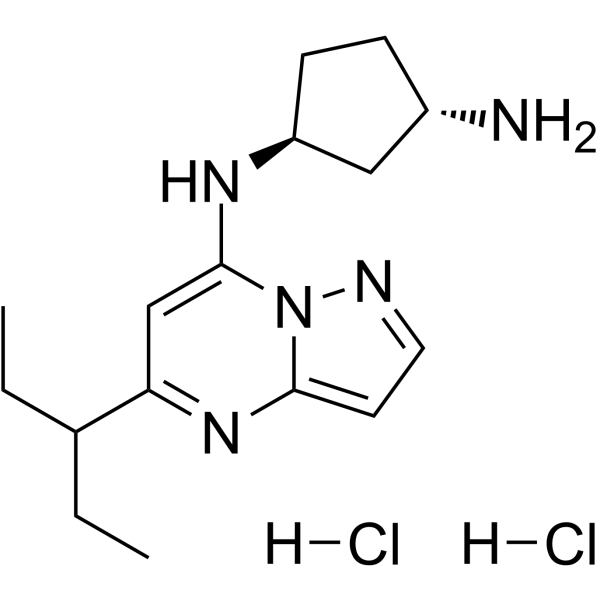
KB-0742 dihydrochloride is a potent, selective and orally active CDK9 inhibitor with an IC50 of 6 nM for CDK9/cyclin T1. KB-0742 dihydrochloride is selective for CDK9/cyclin T1 with >50-fold selectivity over other CDK kinases. KB-0742 dihydrochloride has potent anti-tumor activity .
|
-
-
- HY-162919
-
|
|
CDK
Apoptosis
c-Myc
|
Cancer
|
|
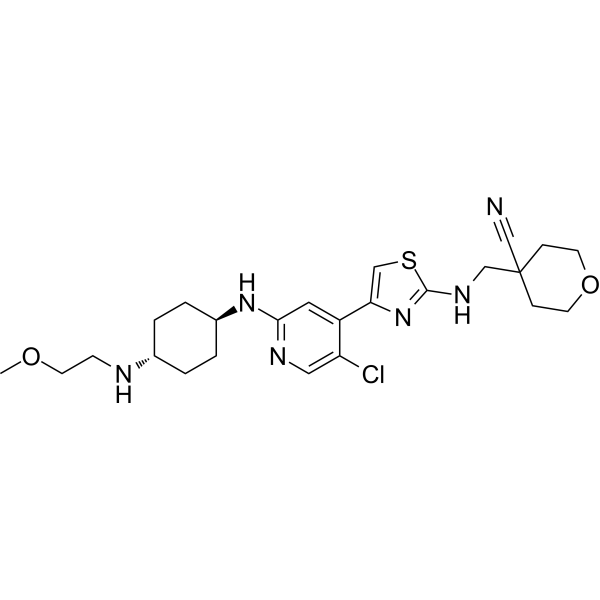
YK-2168 is a potent and selective CDK9 inhibitor with an IC50 of 5.9 nM. YK-2168 inhibits phosphorylation of the CDK9 substrate pS2-RNA Pol II C-terminal domain. YK-2168 induces apoptosis in tumor cells, suppresses expression of CDK9-regulated genes including MYC and Mcl1, and inhibits tumor growth in CDX mice models. YK-2168 can be used for the research of cancer, such as leukemia .
|
-
-
- HY-153260
-
|
|
CDK
|
Cancer
|
|
TP-1287, a prodrug of Alvocidib (HY-10005), is an orally active CDK9 inhibitor .
|
-
-
- HY-13231
-
|
|
CDK
HIV
|
Infection
|
|
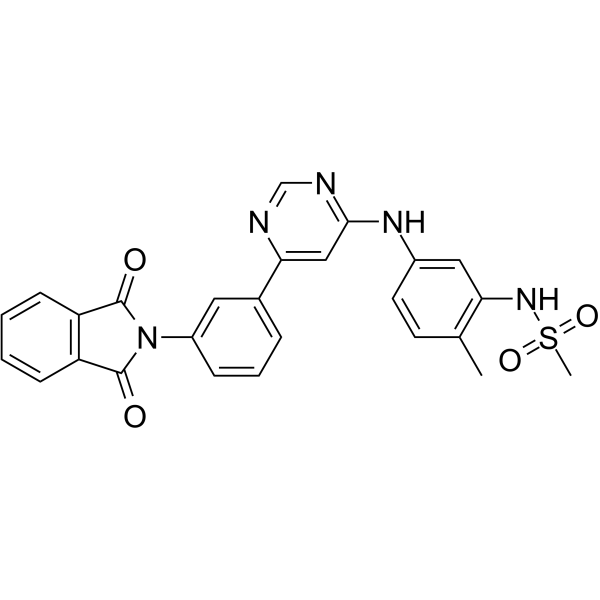
CDK9-IN-1 is a novel, selective CDK9 inhibitor for the treatment of HIV infection, with an IC50 of 39 nM for CDK9/CycT1, extracted from reference, compound 87.
|
-
-
- HY-176142
-
|
|
CDK
c-Myc
Apoptosis
Bcl-2 Family
|
Cancer
|
|
YX0798 is a selective and orally active CDK9 inhibitor (Kd: 0.28 nM). YX0798 downregulates the oncoprotein c-MYC and pro-survival protein MCL-1. YX0798 disrupts the cell cycle and results in transcriptomic reprogramming, eventually leading to cell apoptosis. YX0798 has antitumor activity .
|
-
-
- HY-117203A
-
|
|
CDK
|
Cancer
|
|
CDK12-IN-E9 is a potent and selective covalent CDK12 inhibitor and a non-covalent CDK9 inhibitor, while avoiding ABC transporter-mediated efflux. CDK12-IN-E9 has weak binding ability to CDK7/CyclinH complex with an IC50> 1 μM .
|
-
-
- HY-18944
-
|
|
CDK
HSV
CMV
DNA/RNA Synthesis
|
Infection
|
|
FIT-039 is a selective, ATP-competitive and orally active CDK9 inhibitor with an IC50 of 5.8 μM for CKD9/cyclin T1. FIT-039 does not inhibit other CDKs and other kinases. FIT-039 inhibits replication of HSV-1 (IC50 of 0.69 μM), HSV-2, human adenovirus, and human CMV. FIT-039 is a promising antiviral agent for inhibiting drug-resistant HSVs and other DNA viruses.
|
-
-
- HY-103019B
-
|
(R)-Enitociclib; (-)-BAY-1251152; (-)-VIP152
|
Drug Isomer
CDK
Apoptosis
DNA/RNA Synthesis
|
Cancer
|
|
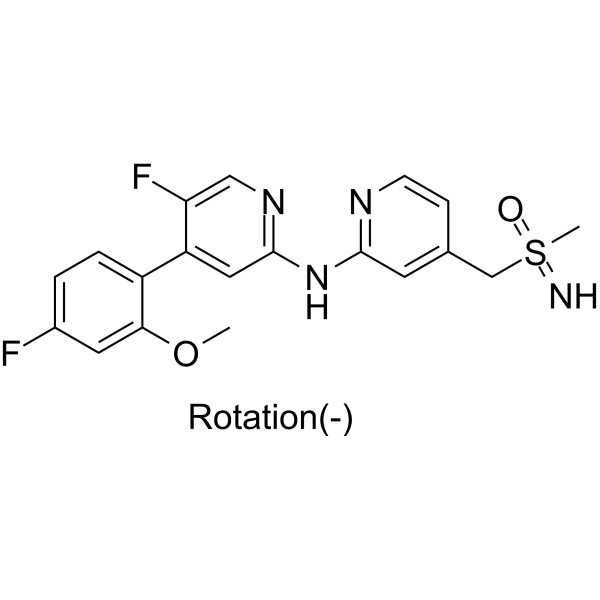
(-)-Enitociclib ((R)-Enitociclib) is an enantiomer of Enitociclib (HY-103019E) with an optical rotation of (-). Enitociclib is a selective CDK9 inhibitor and apoptosis inducer. Enitociclib inhibits CDK9 activity and reduces the phosphorylation of Ser2 in the carboxyl-terminal domain (CTD) of RNA polymerase Pol II, thereby downregulating the transcription of key oncogenes such as MYC and MCL1. Enitociclib has anti-proliferative activity targeting MYC + lymphoma and multiple myeloma (MM) cells, and has synergistic effects with Bortezomib (HY-10227) and Lenalidomide (HY-A0003), and can be used in the research of hematological malignancies .
|
-
-
- HY-102039
-
|
|
CDK
|
Cancer
|
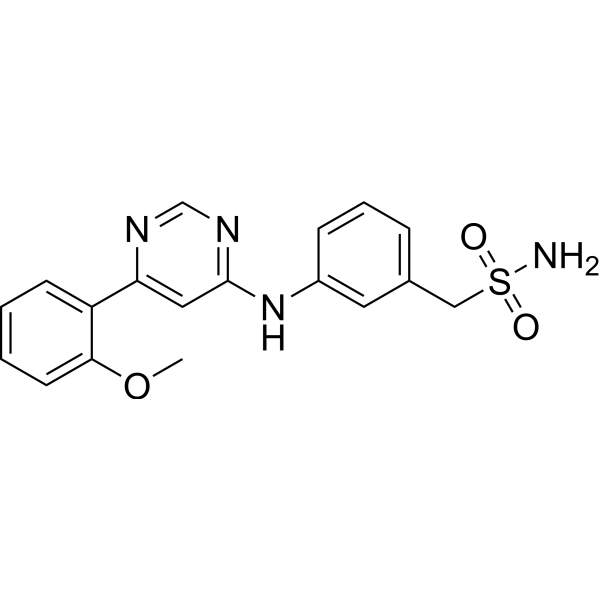
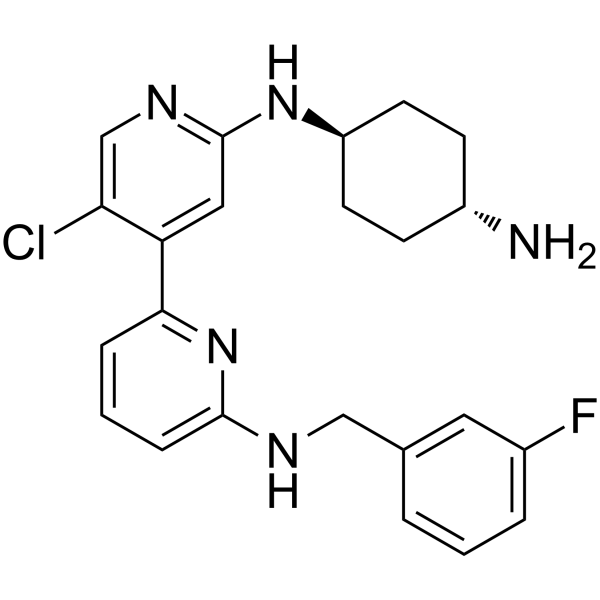
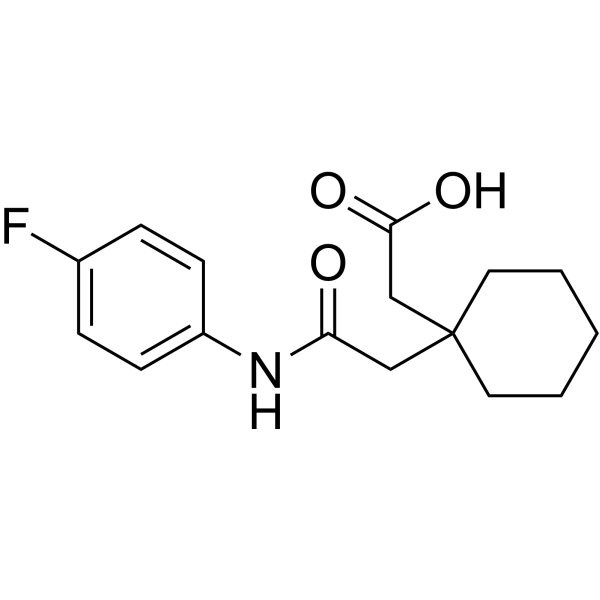
|
CDK9-IN-8 is a highly effective and selective CDK9 inhibitor with an IC50 of 12 nM.
|
-
-
- HY-139980
-
|
|
CDK
|
Cancer
|
|
CDK9-IN-13 (compound 38) is potent and selective CDK9 inhibitor, with an IC50 of <3 nM. CDK9-IN-13 exhibits short half-lives in rodents .
|
-
-
- HY-16462
-
|
|
CDK
|
Cancer
|
|
CDK9-IN-2 is a special cyclin-dependent kinase 9 (CDK9) inhibitor, extracted from patent WO/2012131594A1, compound CDKI(8), has an IC50 of 5 nM and 7 nM in H929 multiple myeloma(MM) cell line (72 hours) and A2058 skin cell line (72 hours), respectively.
|
-
-
- HY-12871C
-
|
BAY-1143572 S-Enantiomer; (+)-Atuveciclib; (+)-BAY-1143572
|
CDK
|
Cancer
|
|
Atuveciclib S-Enantiomer (BAY-1143572 S-Enantiomer) is a potent and selective CDK9 inhibitor, which inhibits CDK9/CycT1 with an IC50 of 16 nM.
|
-
-
- HY-100950
-
|
|
GSK-3
CDK
|
Inflammation/Immunology
Cancer
|
ABC1183 is an orally active selective dual GSK3 and CDK9 inhibitor. ABC1183 inhibits GSK3β, GSK3α and CDK9/cyclin T1 with the IC50 values of 657 nM, 327 nM and 321 nM, respectively. ABC1183 has anti-inflammatory and anti-tumor activities .
|
-
-
- HY-151984
-
|
|
CDK
|
Cancer
|
|
CDK9-IN-22 is a potent CDK9 inhibitor with IC50s of 10.4, 876.2 nM for CDK9, CDK, respectively. CDK9-IN-22 induces apoptosis and cell cycle arrests at G2/M phase. CDK9-IN-22 decreases the expression of p-RNAPII (S2) and CDK9 protein. CDK9-IN-22 shows antiproliferative and aiti-tumor activity .
|
-
-
- HY-179023
-
|
|
CDK
Apoptosis
Reactive Oxygen Species (ROS)
Caspase
Bcl-2 Family
c-Myc
IAP
|
Cancer
|
|
CDK9-IN-45 (Compound B11) is a highly selective CDK9 inhibitor with IC50 values for CDK9 and CDK1 of 7.13 and 489.5 nM respectively. CDK9-IN-45 exhibits a potent inhibitory effect on colorectal cancer cells. CDK9-IN-45 induces cell apoptosis and leads to significant accumulation of ROS. CDK9-IN-45 activates Caspase-3, downregulates Mcl-1, XIAP, and c-Myc. CDK9-IN-45 can be used for research on colorectal cancer .
|
-
-
- HY-147026
-
|
|
CDK
|
Cancer
|
|
CDK9-IN-15 (compound 50) is a potent CDK9 inhibitor .
|
-
-
- HY-157980
-
|
|
CDK
|
Cancer
|
|
CDK9-IN-32 (compound 006-3) is a CDK9 inhibitor .
|
-
-
- HY-130001
-
|
|
CDK
|
Cancer
|
|
CDK9-IN-9 (example 2) is a potent and selective CDK9 inhibitor with an IC50 of 1.8 nM. CDK9-IN-9 inhibits CDK2 with an IC50 of 155 nM. CDK9-IN-9 has anti-cancer activity .
|
-
-
- HY-176484
-
|
|
CDK
Apoptosis
|
Cancer
|
|
CDK9-IN-39 (1-7a-B1) is an orally active cyclin-dependent kinase 9 (CDK9) inhibitor with an IC50 of 6.51 nM. CDK9-IN-39 induces cell apoptosis by inhibiting the phosphorylation of RNA polymerase II at Ser2 and can be used for study of colorectal cancer .
|
-
-
- HY-137478B
-
|
|
CDK
|
Cancer
|
|
KB-0742 hydrochloride is a potent, selective and orally active CDK9 inhibitor with an IC50 of 6 nM for CDK9/cyclin T1. KB-0742 hydrochloride is selective for CDK9/cyclin T1 with >50-fold selectivity over other CDK kinases. KB-0742 hydrochloride has potent anti-tumor activity .
|
-
-
- HY-176736
-
|
|
CDK
Apoptosis
|
Cancer
|
|
CDK9-IN-40 is a potent and orally active CDK9 inhibitor with an IC50 of 5.5 nM. CDK9-IN-40 shows high selectivity for CDK9 versus CDK1, CDK2, CDK4, and CDK6, respectively. CDK9-IN-40 can arrest cell cycle, induce cell apoptosis and inhibit tumor growth. CDK9-IN-40 exhibits strong anti-cancer activity .
|
-
-
- HY-178499
-
|
|
CDK
c-Myc
Bcl-2 Family
|
Neurological Disease
Cancer
|
|
CDK9-IN-44 (Compound 7) is a selective CDK9 inhibitor (IC50=7.6 μM). CDK9-IN-44 inhibits CDK9/cyclin T1 kinase activity, blocking transcriptional elongation, reducing the expression of pro-cancer proteins (such as MCL1, c-MYC), and inducing tumor cell apoptosis. CDK9-IN-44 is promising for research of glioblastoma (GBM) and central nervous system (CNS) disorders .
|
-
-
- HY-X0009A
-
|
GFH009 dimaleate; JSH-009 dimaleate; SLS009 dimaleate
|
CDK
DYRK
Apoptosis
Bcl-2 Family
c-Myc
Caspase
PARP
DNA/RNA Synthesis
|
Cancer
|
|
Tambiciclib (GFH009, JSH-009) dimaleate is an orally active, highly potent and selective CDK9 inhibitor (IC50 = 1 nM), demonstrating >200-fold selectivity over other CDKs, >100-fold selectivity over DYRK1A/B, and excellent selectivity over 468 kinases/mutants. Tambiciclib dimaleate demonstrates potent in vitro and in vivo antileukemic efficacy in acute myeloid leukemia (AML) mouse models by inhibiting RNA Pol II phosphorylation, downregulating MCL1 and MYC, and inducing apoptosis. Tambiciclib dimaleate can be used for AML research .
|
-
-
- HY-18944R
-
|
|
CDK
HSV
CMV
DNA/RNA Synthesis
|
Infection
|
|
FIT-039 (Standard) is the analytical standard of FIT-039. This product is intended for research and analytical applications. FIT-039 is a selective, ATP-competitive and orally active CDK9 inhibitor with an IC50 of 5.8 μM for CKD9/cyclin T1. FIT-039 does not inhibit other CDKs and other kinases. FIT-039 inhibits replication of HSV-1 (IC50 of 0.69 μM), HSV-2, human adenovirus, and human CMV. FIT-039 is a promising antiviral agent for inhibiting drug-resistant HSVs and other DNA viruses.
|
-
-
- HY-168892
-
|
|
Atg8/LC3
Autophagy
|
Cancer
|
|
LC3B recruiter 2 (34R) is an LC3B recruiter and a component of the autophagy-lysosome pathway degradation system (ATTEC, Autophagy-Tethering Compounds), which directly binds to LC3B. LC3B recruiter 2 binds to CDK9 inhibitor SNS-032 (HY-10008) through a linker, forming an ATTEC that targets the degradation of the CDK9 and Cyclin T1 complex (with inhibitory effects on both). Therefore, LC3B recruiter 2 exerts activity through the LC3B-dependent autophagy-lysosome pathway, interfering with the cell cycle of cancer cells, thus exhibiting antitumor activity .
|
-
-
- HY-153718
-
|
|
Ligands for Target Protein for PROTAC
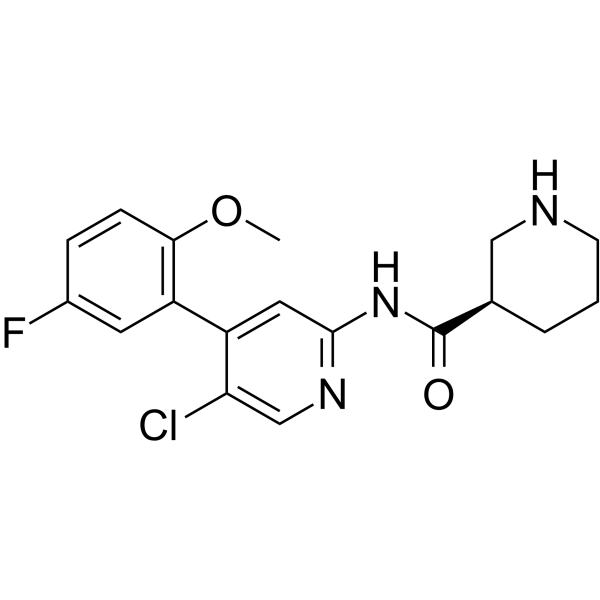
CDK
c-Myc
|
Cancer
|
|
KI-ARv-03 is a potent and selective ATP-competitive CDK9 inhibitor with an IC₅₀ of 0.15 μM (at 45 μM ATP), exhibiting over 130-fold selectivity against other CDKs (including CDK1-7). KI-ARv-03 reduces androgen receptor (AR)-driven transcription and proliferation in prostate cancer cells. KI-ARv-03 can be used for leukemia, pancreatic cancer, alveolar rhabdomyosarcoma (ARMS) and castration-resistant prostate cancer (CRPC) research. KI-ARv-03 is a ligand for target protein for PROTAC. KI-ARv-03 can be used to synthesize PROTAC KI-CDK9d-32 (HY-173523) [1][2].
|
-
-
- HY-153426
-
|
|
CDK
|
Cancer
|
|
CDK9-IN-23 (Example 4) is a CDK9 inhibitor with an IC50 of <20 nM .
|
-
-
- HY-147131
-
|
|
CDK
HIV
|
Infection
|
|
CDK9-IN-30 is a CDK9 inhibitor that inhibits HIV-1 viral replication .
|
-
-
- HY-155844
-
|
|
CDK
|
Cancer
|
|
CDK9-IN-26 (compound 1is a CDK9 inhibitor (IC50=0.18 μM). .
|
-
-
- HY-149673
-
|
|
CDK
|
Cancer
|
|
XPW1 is a potent and selective CDK9 inhibitor with excellent activity against clear cell renal cell carcinoma (ccRCC) and low toxicity .
|
-
-
- HY-130852
-
-
-
- HY-130850
-
-
-
- HY-160171
-
|
|
CDK
|
Cancer
|
|
CDK9-IN-31 (Compound Z1) is a CDK9 inhibitor that inhibits cancer cell growth. CDK9-IN-31 has the potential to be developed as an anticancer agent .
|
-
- HY-160171A
-
|
|
CDK
|
Cancer
|
|
CDK9-IN-31 dimaleate (Compound Z1) is a CDK9 inhibitor that inhibits cancer cell growth. CDK9-IN-31 dimaleate has the potential to be developed as an anticancer agent .
|
-
- HY-149641
-
|
|
CDK
|
Cancer
|
|
CDK9-IN-29 (compound Z11) is a potent CDK9 inhibitor (IC50 = 3.20 nM) with good kinase selectivity. CDK9-IN-29 inhibits cell proliferation and induces apoptosis .
|
-
- HY-131063
-
|
|
CDK
|
Cancer
|
|
CDK6/9-IN-1 (compound 66) is an orally active active and dual CDK 6 and CDK 9 inhibitor, with IC50 values of 40.5 nM and 39.5 nM for CDK6 anmd CDK9, respectively .
|
-
- HY-172582
-
|
|
CDK
|
Cancer
|
|
CDK9-IN-38 (compound 14) is a CDK9 inhibitor with IC50 values of 1.2 nM and 3.3 nM for CDK9 wild-type and L156F mutant, respectively. CDK9-IN-38 inhibits tumor growth in vivo and in vitro .
|
-
- HY-143585
-
|
|
CDK
|
Cancer
|
|
CDK9-IN-14 is a potent and selective CDK9 inhibitor with IC50 of 6.92 nM. CDK9-IN-14 has a relatively strong inhibitory effect on MV4;11 cells and in vivo tumor models, and has a good selectivity and a low toxicity and few side effects .
|
-
- HY-147905
-
|
|
CDK
Apoptosis
|
Cancer
|
|
CDK9-IN-18 is a potent CDK9 inhibitor. CDK9-IN-18 blocks the phosphorylation function of kinase CDK9. CDK9-IN-18 exhibits both good anticancer activity and low cellular activity. CDK9-IN-18 induces apoptosis.
|
-
- HY-155843
-
|
|
CDK
SARS-CoV
Virus Protease
|
Infection
|
|
CDK9-IN-25 (compound 4a) is an imidazopyrazine CDK9 inhibitor (IC50: 0.24 μM). CDK9-IN-25 has good affinity to the main protease of COVID-19 and has antiviral activity against human coronavirus 229E (IC50: 63.28 μM) .
|
-
- HY-155153
-
|
|
Apoptosis
CDK
|
Others
|
|
CDK9-IN-24 (compound 21a) is a highly selective CDK9 inhibitor with significant inhibitory effect on tumor growth. CDK9-IN-24 effectively blocks cell proliferation and induces apoptosis by downregulating Mcl-1 and c-Myc, and can be used in acute myeloid leukemia research .
|
-
- HY-178039
-
|
|
CDK
Apoptosis
c-Myc
Caspase
PARP
|
Cancer
|
|
CDK9-IN-42 is a potent and selective CDK9 inhibitor with an IC50of 3.8 nM. CDK9-IN-42 can inhibit the growth of cancer cells and induce apoptosis by downregulating Myc-1 and c-Myc. CDK9-IN-42 can be used for the research of cancer, such as breast and lungcancer .
|
-
- HY-13231R
-
|
|
CDK
HIV
|
Infection
|
|
CDK9-IN-1 (Standard) is the analytical standard of CDK9-IN-1. This product is intended for research and analytical applications. CDK9-IN-1 is a novel, selective CDK9 inhibitor for the treatment of HIV infection, with an IC50 of 39 nM for CDK9/CycT1, extracted from reference, compound 87.
|
-
- HY-10012R
-
|
|
Reference Standards
CDK
|
Cancer
|
|
AZD-5438 (Standard) is the analytical standard of AZD-5438. This product is intended for research and analytical applications. AZD-5438 is a potent CDK1, CDK2, and CDK9 inhibitor, with IC50s of 16 nM, 6 nM, and 20 nM in cell-free assays, respectively. AZD-5438 shows less inhibition activity against GSK3β, CDK5 and CDK6
.
|
-
- HY-121081
-
|
|
CDK
|
Cancer
|
|
BAY-958 is a potent PTEFb/CDK9 inhibitor with high selectivity demonstrated, particularly within the CDK family. BAY-958 shows strong antiproliferative activity against cancer cell lines such as HeLa and MOLM-13. BAY-958 exhibits good metabolic stability. BAY-958 effectively inhibits tumor growth in mouse xenograft models without significant toxicity .
|
-
- HY-111537
-
|
|
c-Myc
CDK
Bcl-2 Family
|
Others
|
|
rel-AZ5576 is a selective CDK9 inhibitor with the activity of downregulating Mcl-1 and MYC mRNA transcription and protein expression in diffuse large B-cell lymphoma by inhibiting CDK9, promoting MYC protein turnover, reducing MYC phosphorylation on the stable Ser62 residue and downregulating MYC transcriptional targets, inhibiting the growth of diffuse large B-cell lymphoma cell lines in vitro and in vivo and independent of the cell origin.
|
-
- HY-121081A
-
|
BAY-958 hydrochloride
|
CDK
|
Cancer
|
|
BAY-1112054 (BAY-958) hydrochloride is a potent PTEFb/CDK9 inhibitor with high selectivity demonstrated, particularly within the CDK family. BAY-1112054 hydrochloride shows strong antiproliferative activity against cancer cell lines such as HeLa and MOLM-13. BAY-1112054 hydrochloride exhibits good metabolic stability. BAY-1112054 hydrochloride effectively inhibits tumor growth in mouse xenograft models without significant toxicity .
|
-
- HY-173065
-
|
|
CDK
Apoptosis
|
Cancer
|
|
CDK9-IN-36 (Compound T7) is a potent, selective and metabolically stable CDK9 inhibitor with an IC50 value of 1.2 nM. CDK9-IN-36 effectively suppresses cell proliferation, reduces colony formation, and induces apoptosis in Osimertinib (HY-15772)-resistant NSCLC cells by downregulating Mcl-1. CDK9-IN-36 also demonstrates antitumor efficacy in a tumor xenograft model .
|
-
- HY-150562
-
|
|
CDK
|
Cancer
|
|
CDK9-IN-19 is a highly potent and selective CDK9 inhibitor with an IC50 value of 2.0 nM. CDK9-IN-19 has excellent cellular antiproliferative activity, moderate pharmacokinetic property and low hERG inhibition. CDK9-IN-19 significantly induces tumour growth inhibition in an MV4-11 xenograft mice model. CDK9-IN-19 can be used for researching acute myeloid leukaemia (AML) .
|
-
- HY-155245
-
|
|
CDK
Bcl-2 Family
|
Cancer
|
|
A09-003 is a CDK-9 inhibitor (IC50: 16 nM). A09-003 inhibits leukemia cell proliferation (IC50: 1.90, 0.86, 2.49, 1.84, 0.48 μM for BDCM, Molm-14, THP-1, U937, MV4-11 cells). A09-003 induces apoptosis and decreases Mcl-1 expression through Thr163 dephosphorylation .
|
-
- HY-136841
-
|
|
CDK
|
Cancer
|
|
SLM6 is a sangivamycin-like molecule. SLM6 is a CDK9 inhibitor. SLM6 inhibits CDK9/cyclin K and CDK9/cyclin T1 kinase activity with IC50s of 280 nM and 133 nM, respectively. SLM6 also inhibits CDK1/cyclin B and CDK2/
cyclin A with IC50s of less than 300 nM. SLM6 induces apoptosis in multiple myeloma (MM) cells .
|
-
- HY-155177
-
|
|
CDK
|
Cancer
|
|
CDK9-IN-27 (Compound 6a) is a CDK9 inhibitor (IC50s: 0.424 μM). CDK9-IN-27 induces apoptosis and cell cycle arrest at S stage. CDK9-IN-27 has cytotoxic action against HepG2, HCT-116 and MCF-7 cell lines, with IC50s of 10.31-40.34 μM. CDK9-IN-27 can be used for cancer research .
|
-
- HY-162619
-
|
|
Apoptosis
CDK
|
Cancer
|
|
CDK9-IN-33 (compound C35) is a potent, selective and orally active CDK9 inhibitor with IC50 values of 17.44, 160, 316.30, 1771.00, >10000 nM for CDK9, CDK7, CDK2, CDK4, CDK6 respectively. CDK9-IN-33 induces apoptosis. CDK9-IN-33 decreases the protein expression of RPB1 CTD Ser2, RPB1, MCL1. CDK9-IN-33 shows anti-tumor activity .
|
-
- HY-173481
-
|
|
CDK
|
Cancer
|
|
CDK9-IN-37 (Compound 24) is a CDK9 inhibitor (EC50: 5.5 nM) with weak inhibition on other CDK isoforms, showing high selectivity. CDK9-IN-37 has significant antiproliferative activity against acute myeloid leukemia MOLM-13 cells (IC50: 0.034 μM). CDK9-IN-37 inhibits the CDK9 signaling pathway, reduces the phosphorylation level of RNAP II CTD (Ser2), downregulates the anti-apoptotic protein McI-1, induces cell apoptosis, and arrests the cell cycle at the G2/M phase. CDK9-IN-37 can be used in the study of acute myeloid leukemia (AML) .
|
-
- HY-181569
-
|
|
CDK
|
Cancer
|
|
CDK9-IN-46 (Compound Formula I) is a CDK9 inhibitor. CDK9-IN-46 can be used for the research of cancer .
|
-
- HY-178733
-
|
|
CDK
Apoptosis
|
Cancer
|
|
A-1592668 is a selective CDK9 inhibitor. A-1592668 induces Apoptosis. A-1592668 plus Venetoclax (HY-15531) co-treatment inhibits the growth of Jeko-1 tumors .
|
-
- HY-102039R
-
|
|
Reference Standards
CDK
|
Cancer
|
|
CDK9-IN-8 (Standard) is the analytical standard of CDK9-IN-8 (HY-102039). This product is intended for research and analytical applications. CDK9-IN-8 is a highly effective and selective CDK9 inhibitor with an IC50 of 12 nM.
|
-
- HY-183699
-
|
|
CDK
|
Cancer
|
|
CDK9-IN-52 is a CDK9 inhibitor. CDK9-IN-52 exhibits antiproliferative activity against cancer cells. CDK9-IN-52 can be used in studies related to lung cancer, cervical cancer, and breast cancer .
|
-
- HY-185339
-
|
|
CDK
|
Cancer
|
|
CDK9-IN-48 is a CDK9 inhibitor with an IC50 of 1.37 nM. CDK9-IN-48 inhibits the proliferation of various cancer cells. CDK9-IN-48 can be used in the research of cancers such as acute myeloid leukemia and prostate cancer .
|
-
- HY-185340
-
|
|
CDK
|
Cancer
|
|
CDK9-IN-49 is a CDK9 inhibitor with an IC50 of 7.32 nM. CDK9-IN-49 inhibits the proliferation of various cancer cells. CDK9-IN-49 can be used in the research of cancers such as acute myeloid leukemia and prostate cancer .
|
-
- HY-182069
-
|
|
CDK
Apoptosis
PARP
Caspase
Bcl-2 Family
|
Cancer
|
|
CDK9-IN-47 is an orally active and selective CDK9 inhibitor with an IC50 of 1.4 nM. CDK9-IN-47 inhibits tumor cell proliferation, migration and invasion, and induces apoptosis. CDK9-IN-47 can be used for the research of triple-negative breast cancer .
|
-
- HY-183698
-
|
|
CDK
|
Cancer
|
|
CDK9-IN-51 is a CDK9 inhibitor. CDK9-IN-51 binds stably to purified CDK9 protein via interactions with key active-site residues Cys106, Asp109, and Phe103. CDK9-IN-51 exhibits antiproliferative activity against multiple cancer cells. CDK9-IN-51 can be used for the research of cancer, such as lung carcinoma, cervical carcinoma and breast carcinoma .
|
-
- HY-100950R
-
|
|
GSK-3
Reference Standards
CDK
|
Inflammation/Immunology
Cancer
|
ABC1183 (Standard) is the analytical standard of ABC1183 (HY-100950). This product is intended for research and analytical applications. ABC1183 is an orally active selective dual GSK3 and CDK9 inhibitor. ABC1183 inhibits GSK3β, GSK3α and CDK9/cyclin T1 with the IC50 values of 657 nM, 327 nM and 321 nM, respectively. ABC1183 has anti-inflammatory and anti-tumor activities .
|
-
- HY-179633
-
|
|
CDK
Apoptosis
DNA/RNA Synthesis
Bcl-2 Family
IAP
|
Cancer
|
|
ZLMT-72 is an orally active dual CDK2 and CDK9 inhibitor with IC50s of 0.741 nM and 1.03 nM, respectively. ZLMT-72 shows good selectivity in kinase profiling andcholinesterase inhibition activity. ZLMT-72 has strong antiproliferative effects in the colorectal cancer (CRC) cell line HCT116 (GI50 < 0.1 nM). ZLMT-72 induces apoptosis by inhibiting thephosphorylation of retinoblastoma and RNA polymerase II, resulting in downregulation of antiapoptotic proteins (Mcl-1 and XIAP). ZLMT-72 can be used for the study of colorectal cancer (CRC) .
|
-
- HY-183710
-
|
|
CDK
Androgen Receptor
c-Myc
Apoptosis
DNA/RNA Synthesis
|
Cancer
|
|
CDK9-IN-50 is a selective and orally active CDK9 inhibitor with an IC50 of 2.2 nM. CDK9-IN-50 targets a distinct CDK9-specific subpocket to disrupt RNA polymerase II Ser2 phosphorylation and downregulate short-lived oncoproteins, including AR-V7 and Myc. CDK9-IN-50 exhibits antiproliferative activity against cancer cells, induces apoptosis and induces tumor growth inhibition in CRPC orthotopic mice models. CDK9-IN-50 can be used for the research of cancer, such as prostate cancer .
|
-
- HY-103019AR
-
|
(±)-BAY-1251152 (Standard); (±)-VIP152 (Standard)
|
Reference Standards
CDK
Apoptosis
DNA/RNA Synthesis
|
Cancer
|
|
(±)-Enitociclib (Standard) is the analytical standard of (±)-Enitociclib (HY-103019A). This product is intended for research and analytical applications. (±)-Enitociclib ((±)-BAY-1251152) is the racemic mixture of Enitociclib (HY-103019E). Enitociclib is a selective CDK9 inhibitor and apoptosis inducer. Enitociclib inhibits CDK9 activity and reduces the phosphorylation of Ser2 in the carboxyl-terminal domain (CTD) of RNA polymerase Pol II, thereby downregulating the transcription of key oncogenes such as MYC and MCL1. Enitociclib has anti-proliferative activity targeting MYC+ lymphoma and multiple myeloma (MM) cells, and has synergistic effects with Bortezomib (HY-10227) and Lenalidomide (HY-A0003), and can be used in the research of hematological malignancies .
|
-
- HY-103019BR
-
|
(R)-Enitociclib (Standard); (-)-BAY-1251152 (Standard); (-)-VIP152 (Standard)
|
Reference Standards
Drug Isomer
CDK
Apoptosis
DNA/RNA Synthesis
|
Cancer
|
|
(-)-Enitociclib (Standard) is the analytical standard of (-)-Enitociclib (HY-103019B). This product is intended for research and analytical applications. (-)-Enitociclib ((R)-Enitociclib) is an enantiomer of Enitociclib (HY-103019E) with an optical rotation of (-). Enitociclib is a selective CDK9 inhibitor and apoptosis inducer. Enitociclib inhibits CDK9 activity and reduces the phosphorylation of Ser2 in the carboxyl-terminal domain (CTD) of RNA polymerase Pol II, thereby downregulating the transcription of key oncogenes such as MYC and MCL1. Enitociclib has anti-proliferative activity targeting MYC+ lymphoma and multiple myeloma (MM) cells, and has synergistic effects with Bortezomib (HY-10227) and Lenalidomide (HY-A0003), and can be used in the research of hematological malignancies .
|
-
- HY-103019R
-
|
(+)-BAY-1251152 (Standard); (+)-VIP152 (Standard); (S)-Enitociclib (Standard)
|
Reference Standards
Drug Isomer
Apoptosis
DNA/RNA Synthesis
CDK
|
Cancer
|
|
Enitociclib (Standard) is the analytical standard of Enitociclib (HY-103019). This product is intended for research and analytical applications. Enitociclib ((+)-BAY-1251152; (+)-VIP152) is a selective CDK9 inhibitor (IC50=3 nM) that inhibits transcriptional elongation by blocking Ser2/Ser5 phosphorylation of RNA polymerase II. Enitociclib specifically depletes key short-lived proteins such as c-MYC, MCL-1 and induces tumor cell apoptosis. Enitociclib also interferes with the production of enhancer RNAs (eRNA) and enhancer-promoter interactions, and downregulates oncogene expression at the epigenetic level. Enitociclib exerts synergistic effects with agents including Bortezomib (HY-10227), Lenalidomide (HY-A0003), Pomalidomide (HY-10984), Venetoclax (HY-15531) and Paclitaxel (HY-B0015), and even reverses paclitaxel resistance. Enitociclib serves as a vital research tool for various malignancies such as double-hit diffuse large B-cell lymphoma, multiple myeloma and pancreatic ductal adenocarcinoma .
|
-
Your information is safe with us. * Required Fields.
Inquiry Information
- Product Name:
- Cat. No.:
- Quantity:
- MCE Japan Authorized Agent:

