
Delivery of temperature sensitive items including proteins and kits will be paused on 6/19 for the Juneteenth holiday. For urgent orders please contact customer service.
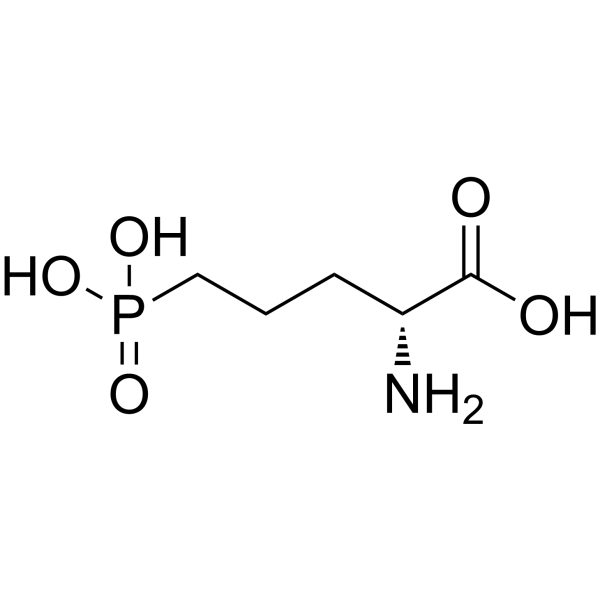
D-AP5 (D-APV) is a selective and competitive NMDA receptor antagonist with a Kd of 1.4 μM. D-AP5 (D-APV) inhibits the glutamate binding site of NMDA receptors .
AL002 is a humanized monoclonal IgG1 antibody and a blood-brain barrier-permeable TREM2 modulator. AL002 binds to TREM2 on the surface of microglia, promotes TREM2 clustering and the formation of the TREM2-DAP12 complex, activates the TREM2 signaling pathway and PI3K cascade, and induces TREM2 internalization and degradation. AL002 is applicable to research related to Alzheimer's disease .
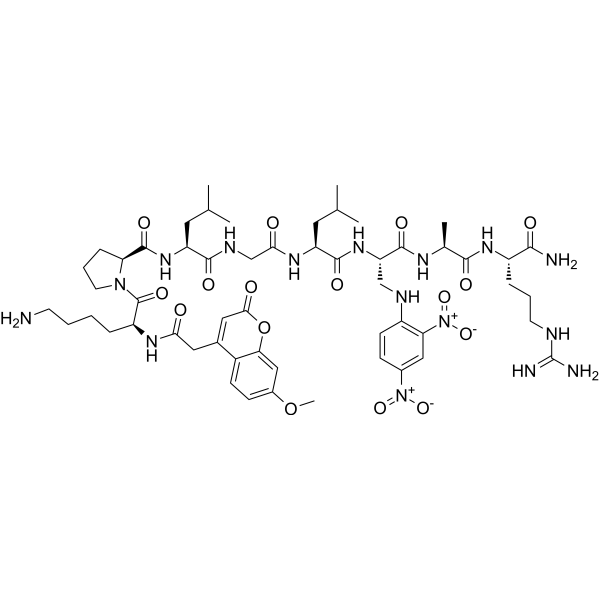
Mca-Lys-Pro-Leu-Gly-Leu-Dap(Dnp)-Ala-Arg-NH2 (FS-6) is a fluorescent peptide that is a quenched MMP peptide substrate. Mca-Lys-Pro-Leu-Gly-Leu-Dap(Dnp)-Ala-Arg-NH2 can be used for real-time quantification of MMP enzymatic activity. Mca-Lys-Pro-Leu-Gly-Leu-Dap(Dnp)-Ala-Arg-NH2 is an elongated peptide of MMP substrate (FS-1) and is active against collagenases (MMP-1, MMP-8, MMP-13 ) and MT1-MMP with higher specificity constants than FS-1 . (Ex/Em=325 nm/400 nm)
BMS-986189 is a macrocyclic peptide PD-1/PD-L1 interaction with an IC50 of 1.03 nM inhibitor. BMS-986189 can be used for cancer research, such as human lung carcinoma cells L2987 .
TREM2 agonist-5 is the microglial lipid-sensing receptor (TREM2) agonist with a Kd of 71.36 μM. TREM2 agonist-5 is a racemic structural analog of the TREM2 agonist VG-3927 and exhibits superior microglial phagocytosis and activates TREM2 signaling in HEK293-hTREM2/DAP12 cells. TREM2 agonist-5 displays a superior in vitro pharmacokinetic profile to VG-3927. TREM2 agonist-5 can used for the study of Alzheimer’s disease .
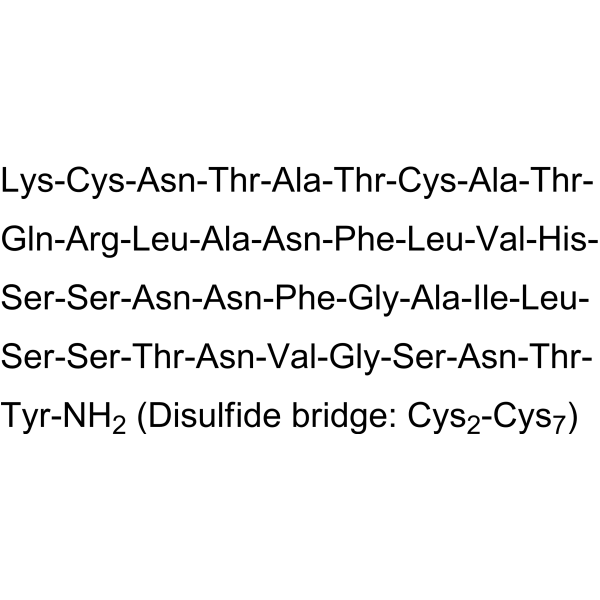
Amylin, amide, human TFA, a 37-amino acid polypeptide, is a pancreatic hormone cosecreted with insulin that exerts unique roles in metabolism and glucose homeostasis. Amylin, amide, human TFA inhibits glucagon secretion, delays gastric emptying, and acts as a satiety agent .
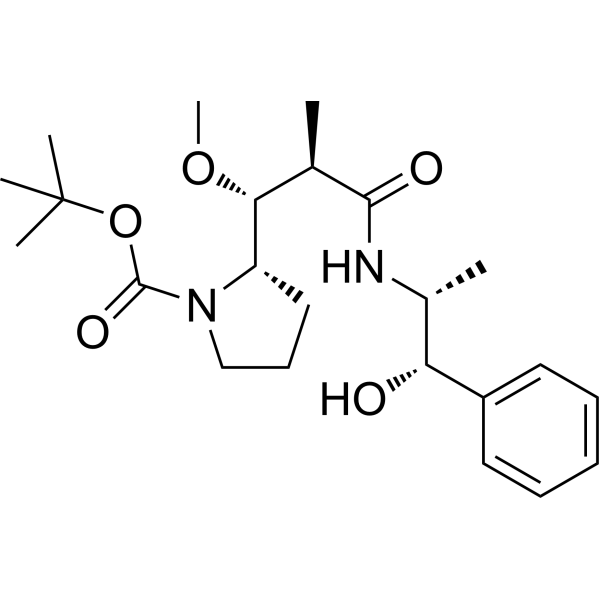
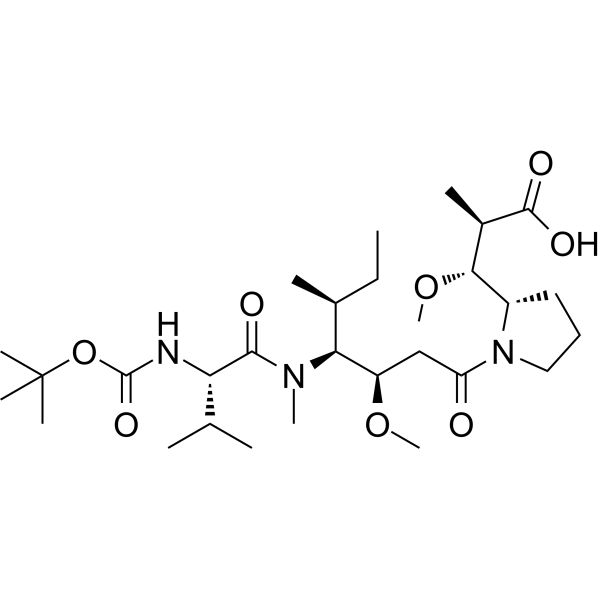
Boc-Dap-NE is an intermediate in the synthesis of Monomethyl auristatin E (HY-15162), which is an inhibitor of tubulin polymerization. Monomethyl auristatin E can be used to synthesize Antibody-Drug Conjugates (ADCs) as ADC Cytotoxin.
Amylin, amide, human, a 37-amino acid polypeptide, is a pancreatic hormone cosecreted with insulin that exerts unique roles in metabolism and glucose homeostasis. Amylin, amide, human inhibits glucagon secretion, delays gastric emptying, and acts as a satiety agent .
iE-DAP dihydrochloride is a Nod1 agonist. iE-DAP dihydrochloride activates NOD1, which in turn activates the NF-κB signaling pathway and MLCK signaling pathway, inducing cellular inflammatory responses and tight junction disruption. iE-DAP dihydrochloride downregulates the expression of ZO-1 and Occludin genes. iE-DAP dihydrochloride increases the secretion of IL-6, GRO-α, MCP-1, IL-8 and MIP-1β in term human trophoblast cell cultures. iE-DAP dihydrochloride triggers preterm birth in pregnant mice, reduces fetal body weight, and induces fetal inflammation. iE-DAP dihydrochloride can be used in studies related to mastitis and preterm birth .
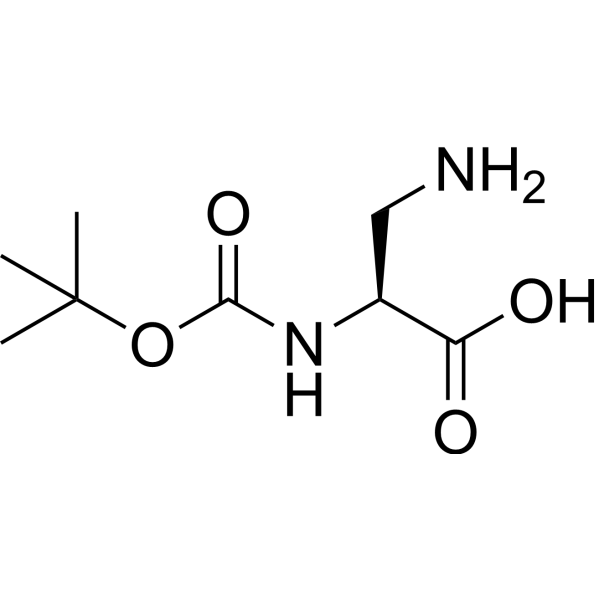
Boc-L-Dap-OH is a Boc-protected derivative of L-2,3-diaminopropionic acid. Boc-L-Dap-OH is an important chiral amino acid derivative. Boc-L-Dap-OH can be generated via the Hofmann rearrangement of Boc-L-asparagine. Boc-L-Dap-OH serves as a starting material for the preparation of BIM analogs .
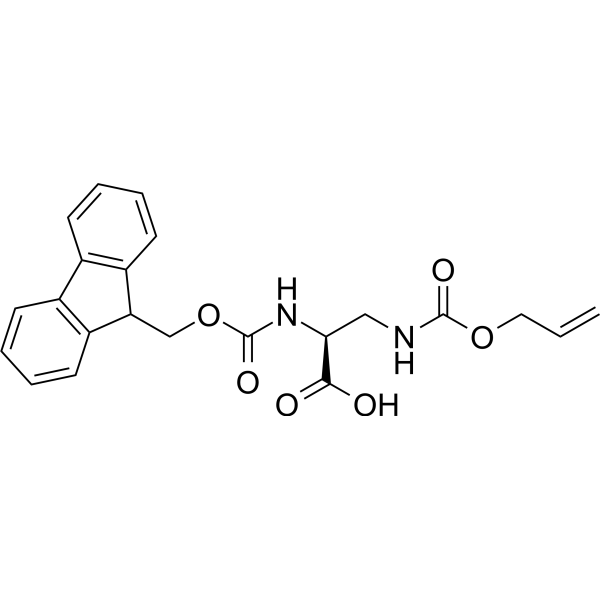
Fmoc-Dap(Boc)-OH is an amino acid derivative with an Fmoc protecting group, which can be used to synthesize bicyclic peptide tachykinin NK2 antagonists .
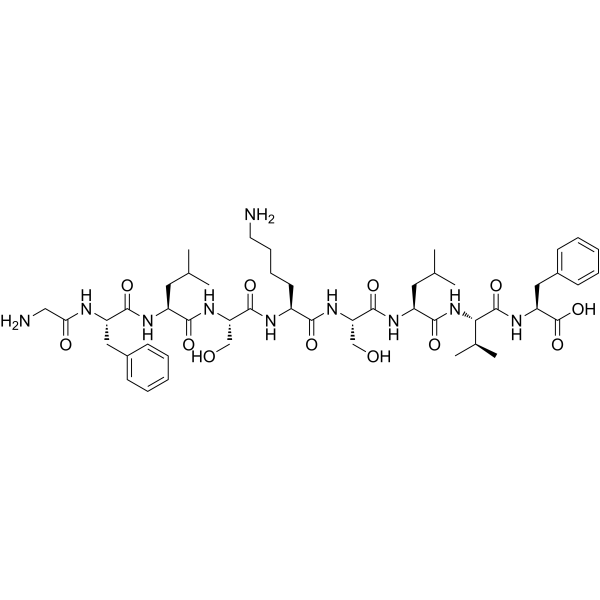
TREM-1 inhibitory peptide GF9 (Human TREM-1 (213-221)) is a TREM-1 inhibitor. TREM-1 inhibitory peptide GF9 blocks the TREM-1 signaling pathway via a ligand-independent mechanism, spontaneously inserts into the cell membrane to dissociate TREM-1 from DAP-12, and functions through the Signaling Chain Homooligomerization (SCHOOL) model. TREM-1 inhibitory peptide GF9 reduces the levels of TNFα, IL-1β, IL-6, and M-CSF. TREM-1 inhibitory peptide GF9 inhibits tumor growth, prolongs the survival of mice with pancreatic cancer models, ameliorates collagen-induced arthritis, and exerts protective effects on bone and cartilage simultaneously. TREM-1 inhibitory peptide GF9 can be used in research related to arthritis, pancreatic cancer, retinopathy, alcoholic liver disease, and liver cancer .
PD-L1 inhibitory peptide TFA is an inhibitor peptide targeting programmed cell death ligand 1 (PD-L1). PD-L1 inhibitory peptide TFA binds to PD-L1, relieving immunosuppression and restoring the antitumor activity of T cells. PD-L1 inhibitory peptide TFA is promising for research of cancers .
Photocaged DAP (pm-DAP) is a protected version of 2,3-Diaminopropionic acid (DAP) (HY-W013673). Photocaged DAP can produce 2,3-Diaminopropionic acid after photodeprotection. Photocaged DAP can be used as an intermediate to capture biosynthetic acylase .
iE-DAP is a Nod1 agonist. iE-DAP activates NOD1, which in turn activates the NF-κB signaling pathway and MLCK signaling pathway, inducing cellular inflammatory responses and tight junction disruption. iE-DAP downregulates the expression of ZO-1 and Occludin genes. iE-DAP increases the secretion of IL-6, GRO-α, MCP-1, IL-8 and MIP-1β in term human trophoblast cell cultures. iE-DAP triggers preterm birth in pregnant mice, reduces fetal body weight, and induces fetal inflammation. iE-DAP is applicable to research related to mastitis and preterm birth .
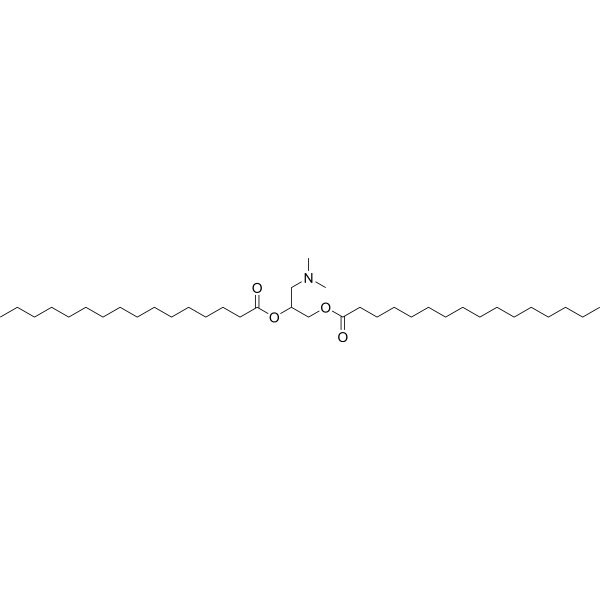
18:0 DAP is a cationic or ionizable lipid with no unsaturated bonds in its hydrocarbon chain. The mRNA encapsulation efficiency of 18:0 DAP is 0%. 18:0 DAP cannot form functional lipid nanoparticles suitable for mRNA delivery .
Dap-NE hydrochloride is a dipeptide hydrochloride and a cleavable ADC Linker.Dap-NE hydrochloride can be used to connect Antibody and toxin molecules (Cytotoxin) to synthesize Antibody-Drug Conjugates (ADCs) .
N3-D-Dap(Fmoc)-OH is a click chemistry reagent. N3-D-Dap(Fmoc)-OH can be used as a component for coupling by click reaction and as an orthogonally protected diaminocarboxylic acid derivative. N3-D-Dap(Fmoc)-OH contains an azide group and can undergo copper-catalyzed azide-alkyne cycloaddition (CuAAc) with molecules containing alkyne groups. N3-D-Dap(Fmoc)-OH can also undergo ring strain-promoted alkyne-azide cycloaddition (SPAAC) with molecules containing DBCO or BCN groups .
C12-iE-DAP hydrochloride is the hydrochloride salt form of C12-iE-DAP (HY-P5524). C12-iE-DAP hydrochloride is a biologically active peptide that has agonistic effects on NOD1 .
Fmoc-D-Dap(Boc)-OH is an amino acid derivative with an Fmoc protecting group, which can be used to synthesize bioactive peptide mimetics, such as DOTA-modified peptides and their metal chelates with cancer diagnostic effects .
Fmoc-L-Dap(Poc)-OH is a click chemistry reagent containing an azide group. Amino acid building block suitable for side chain Click conjugation with standard protocols and together with tetrazine linkers in copper-free Click conjugation (Diels-Alder) .
Mca-Pro-Leu-Ala-Cys(Mob)-Trp-Ala-Arg-Dap(Dnp)-NH2 is a fluorogenic substrate for matrix metalloproteinase-14 (MMP-14). Mca-Pro-Leu-Ala-Cys(Mob)-Trp-Ala-Arg-Dap(Dnp)-NH2, upon cleavage by MMP-14, releases 7-methoxycoumarin-4-acetyl (Mca) (Ex/Em = 328/420 nm).
PD-L1 inhibitory peptide is an inhibitor peptide targeting programmed cell death ligand 1 (PD-L1). PD-L1 inhibitory peptide binds to PD-L1, relieving immunosuppression and restoring the antitumor activity of T cells. PD-L1 inhibitory peptide is promising for research of cancers .
Dap-NE hydrochloride (GMP) is Dap-NE hydrochloride (HY-78932A) produced by using GMP guidelines. Dap-NE hydrochloride is an intermediate used in the synthesis of antibody-drug conjugates (ADCs) .
(R,S,S,R,S)-Boc-Dap-NE is the inactive isomer of Boc-Dap-NE (HY-78931), and can be used as an experimental control. Boc-Dap-NE, is an intermediate in the synthesis of Monomethyl auristatin E (HY-15162), which is an inhibitor of tubulin polymerization. Monomethyl auristatin E can be used to synthesize Antibody-Drug Conjugates (ADCs) as ADC Cytotoxin.
N3-L-Dap(Boc)-OH is a click chemistry reagent containing an azide group. Click chemistry is a powerful chemical reaction with excellent bioorthogonality features: biocompatible, rapid and highly specific in biological environments . N3-L-Dap(Boc)-OH is a click chemistry reagent, it contains an Azide group and can undergo copper-catalyzed azide-alkyne cycloaddition reaction (CuAAc) with molecules containing Alkyne groups. It can also undergo strain-promoted alkyne-azide cycloaddition (SPAAC) reactions with molecules containing DBCO or BCN groups.
C12-iE-DAP (Lauroyl-γ-D-glutamyl-meso-diaminopimelic acid) is a biological active peptide. (a lauroyl (C12) group to the glutamic residue of iE-DAP , NOD1 agonist)
(2S,3R)-Dap-NE hydrochloride is the amino acid residue of the pentapeptide Dolastatin 10 (HY-15580). Dolastatin 10 inhibits tubulin polymerization and mitosis and has anticancer activity .
Mca-KPLGL-Dap(Dnp)-AR-NH2 TFA is a fluorogenic substrate for matrix metalloproteinases (MMPs). 7-methoxycoumarin-4 acetyl (Mac) is released and its fluorescence can be used to quantify MMP activity. Mac displays Ex/Em of 328/420 nm .
Z-L-Dap(N3)-OH is a click chemistry reagent containing an azide group. Click chemistry has great potential for use in binding between nucleic acids, lipids, proteins, and other molecules, and has been used in many research fields because of its beneficial characteristics, including high yield, high specificity, and simplicity . It contains an azide group and can undergo copper-catalyzed azide-alkyne cycloaddition (CuAAc) with molecules containing alkyne groups. It can also undergo ring strain-promoted alkyne-azide cycloaddition (SPAAC) with molecules containing DBCO or BCN groups.
Fmoc-Phe(4-CONH2)-OH is an amino acid derivative with an Fmoc protecting group, which can be used to synthesize a small-sized HTLV-I protease inhibitor with hydrophilicity .
Fmoc-DAP-N3 is a click chemistry reagent containing an azide group. Fmoc-DAP-N3 is a short, linear spacer molecule with Fmoc protected amino function. Fmoc-DAP-N3 can be used in click conjugation and amid bond formation either with small molecules or for bioconjugation with proteins and antibodies . It contains an azide group and can undergo copper-catalyzed azide-alkyne cycloaddition (CuAAc) with molecules containing alkyne groups. It can also undergo ring strain-promoted alkyne-azide cycloaddition (SPAAC) with molecules containing DBCO or BCN groups.
Fmoc-L-Dap(Pentynoyl)-OH is a click chemistry reagent containing an azide group. Fmoc-L-Dap(Pentynoyl)-OH serves as an amino acid building block for introducing alkyne functions into peptide sequences by standard Fmoc/tBu protocols. The alkyne residue can be engaged for copper catalyzed click reaction with organic azides or with tetrazines for copper-free conjugations . Fmoc-L-Dap(Pentynoyl)-OH is a click chemistry reagent, it contains an Alkyne group and can undergo copper-catalyzed azide-alkyne cycloaddition (CuAAc) with molecules containing Azide groups.
Mca-P-Cha-G-Nva-HA-Dap(DNP)-NH2 is a fluorogenic substrate for matrix metalloproteinase-1 (MMP-1), MMP-3, and MMP-26. Mca-P-Cha-G-Nva-HA-Dap(DNP)-NH2 can be used to quantify MMP-1, MMP-3 and MMP-26 activity .
MYC-IN-4 is a MYC inhibitor. MYC-IN-4 impairs MYC/MAX protein-protein interaction (IC50 = 3.06 μM). MYC-IN-4 inhibits MYC-aberrant PC-3 prostate cancer cells with an IC50 of 0.440 μM. MYC-IN-4 demonstrates potent antitumor efficacy in FVB mice bearing Myc-CaP prostate tumor allografts. MYC-IN-4 can be used for the study of prostate cancer .
WDR5-MYC-IN-2 is an inhibitor of WDR5-MYC protein-protein interaction (PPI) with IC50 of 0.59 μM. WDR5-MYC-IN-2 can be studied in research for MYC-driven cancer and development of other effective WDR5-MYC PPI inhibitors .
BT1769 is a MT1-MMP-targeted (KD = 3.35 nM) Bicycle toxin conjugate. BT1769 can be used in the study for osteosarcoma. BT1769 consists of a novel bicyclic targeting peptide that selectively binds MT1-MMP; a cytotoxin MMAE; and an enzymatically cleavable dipeptide linker .
Boc-D-2,3-diaminopropionic acid (N-t-Boc-amino-D-alanine) is an amino acid derivative with a Boc protecting group, which can be used to synthesize a potent NMDA receptor glycine site agonist with GluN2 subunit-specific activity .
Photocaged DAP (pm-DAP) TFA is a protected version of 2,3-Diaminopropionic acid (DAP) (HY-W013673). Photocaged DAP TFA can produce 2,3-Diaminopropionic acid after photodeprotection. Photocaged DAP TFA can be used as an intermediate to capture biosynthetic acylase .
DAP-81 is an inhibitory agent targeting Polo-like kinases (Plks), a class of evolutionarily conserved serine/threonine kinases. DAP-81 dose-dependently increases the number of monopolar spindles in treated cells. High-resolution live-cell microscopy revealed that Plk activity is required for the assembly and maintenance of bipolar mitotic spindles. Plk inhibition destabilizes centromeric microtubules while stabilizing other spindle microtubules, leading to the formation of monopolar spindles. Further testing of compounds based on "privileged scaffolds" such as the DAP scaffold may lead to the discovery of new cell division probes and anti-microtubule agents.
Boc-Dap-NE (GMP) is Boc-Dap-NE (HY-78931) produced by using GMP guidelines. Boc-Dap-NE is an intermediate in the synthesis of Monomethyl auristatin E (HY-15162), which is an inhibitor of tubulin polymerization. Monomethyl auristatin E can be used to synthesize Antibody-Drug Conjugates (ADCs) as ADC Cytotoxin.
Fmoc-L-Dap(Boc,Me)-OH is a derivative of amino acid with protecting groups. Fmoc-L-Dap(Boc,Me)-OH can be used for synthesis of diaminopropionic acid containing peptide .
DAP Human Pre-designed siRNA Set A contains three designed siRNAs for DAP gene (Human), as well as a negative control, a positive control, and a FAM-labeled negative control.
Dap Rat Pre-designed siRNA Set A contains three designed siRNAs for Dap gene (Rat), as well as a negative control, a positive control, and a FAM-labeled negative control.
(R,S,S,S,R)-Boc-Dap-NE is an isomer of the dipeptide Boc-Dap-NE (HY-78931). Boc-Dap-NE is an intermediate in the synthesis of Monomethyl auristatin E (HY-15162), which is an inhibitor of tubulin polymerization. Monomethyl auristatin E can be used to synthesize Antibody-Drug Conjugates (ADCs) as ADC Cytotoxin.
(S,S,R,S,R)-Boc-Dap-NE is an isomer of the dipeptide Boc-Dap-NE (HY-78931). Boc-Dap-NE is an intermediate in the synthesis of Monomethyl auristatin E (HY-15162), which is an inhibitor of tubulin polymerization. Monomethyl auristatin E can be used to synthesize Antibody-Drug Conjugates (ADCs) as ADC Cytotoxin.
(R,S,R,S,R)-Boc-Dap-NE is an isomer of the dipeptide Boc-Dap-NE (HY-78931). Boc-Dap-NE is an intermediate in the synthesis of Monomethyl auristatin E (HY-15162), which is an inhibitor of tubulin polymerization. Monomethyl auristatin E can be used to synthesize Antibody-Drug Conjugates (ADCs) as ADC Cytotoxin.
DAP3 Human Pre-designed siRNA Set A contains three designed siRNAs for DAP3 gene (Human), as well as a negative control, a positive control, and a FAM-labeled negative control.
(S,S,S,S,R)-Boc-Dap-NE is the inactive isomer of Boc-Dap-NE (HY-78931), and can be used as an experimental control. Boc-Dap-NE, is an intermediate in the synthesis of Monomethyl auristatin E (HY-15162), which is an inhibitor of tubulin polymerization. Monomethyl auristatin E can be used to synthesize Antibody-Drug Conjugates (ADCs) as ADC Cytotoxin.
ShK-Dap22 is a potent Kv1.3-specific immunosuppressive Polypeptide. ShK-Dap22 is a selective Kv1.3 channel blocker with IC50s of 23 pM, 1.8 nM, 10.5 nM, 37 nM, and 39 nM for mKv1.3, mKv1.1, hKv1.6, mKv1.4, and rKv1.2 channels, respectively .
Fmoc-L-Dap(NBSD)-OH is a benzodiazole amino acid that can be used as a building block for constructing background-free peptide probes for fluorescence imaging .
(2R,3R)-Dap-NE hydrochloride is the amino acid residue of the pentapeptide Dolastatin 10 (HY-15580). Dolastatin 10 inhibits tubulin polymerization and mitosis and has anticancer activity .
Mca-Pro-Leu-Gly-Leu-Glu-Glu-Ala-Dap(Dnp)-NH2 is highly selective substrate for matrix metalloproteases 12 (MMP12) substrate with a kcat/Km value of 1.85*10 5 M -1s -1, and poor substrate of other MMPs with the exception of MMP13 (kcat/Km = 0.53*10 5 M -1s -1) and MMP9 (0.33*10 5 M -1s -1) .
D-AP7 is a specific NMDA receptor antagonist with inhibitory activity against epileptiform activity. D-AP7 attenuated neuronal activation in spot activity by reducing the duration and number of exogenously induced bursts. D-AP7 also increased the amplitude of secondary action potentials, which may restore neuronal activity in some epileptiform bursts. D-AP7 showed anxiogenic effects and impaired memory consolidation in passive avoidance learning .
D-AP4 (D-APB; D-2-Amino-4-phosphonobutyric acid), a phosphono analogue of glutamate, is an NMDA broad spectrum excitatory amino acid receptor antagonist. D-AP4 also is an agonist for a quisqualate-sensitized AP6 site in hippocampus. D-AP4 inhibits AMPA receptor-stimulated 57Co 2+ influx in cultured cerebellar granule cells (IC50 ≥ 100 μM) .
Fmoc-L-Homoarg(Et)2-OH hydrochloride is a derivative of amino acid with protecting groups. Fmoc-L-Dap(Boc,Me)-OH can be used for synthesis of homoarginine containing peptide .
L-AP5 (L-APV; L-2-Amino-5-phosphonovaleric acid) is an NMDA antagonist and is the isomer of D-AP5 (HY-100714A).
L-AP5 shows a relatively weak amino acid and synaptic blocking activity .
GSK223 is a quinazolinone NOD1 pathway inhibitor with potential anti-inflammatory activity. GSK223 can selectively inhibit IL-8 release under iE-DAP stimulation without affecting IL-8 secretion caused by TNF receptor, TLR2 or NOD2 agonists. GSK223 does not directly inhibit RIP2 kinase activity.
Apoptosis inducer 26 (compound [AgCl(dap2SH)(PPh3)2]) is an autophagy inducer based on mononuclear Ag(I) ligands, with antibacterial and anticancer activities against a variety of bacterial strains and cancer cell lines. Apoptosis inducer 26 can effectively inhibit the growth of both Gram(+) and Gram(-) bacteria by causing the accumulation of Ag(I) ions in the bacterial periplasm. Apoptosis inducer 26 can intercalate between base pairs of CT DNA and induce apoptosis in A549 cells. Apoptosis inducer 26 also has the ability to scavenge free radicals, which can protect against oxidative stress .
Fmoc-Dap (Mtt)-OH is an Fmoc-protected derivative of 2,3-diaminopropionic acid (HY-113379). Fmoc-Dap (Mtt)-OH is applicable for polypeptide synthesis .
Dap Mouse Pre-designed siRNA Set A contains three designed siRNAs for Dap gene (Mouse), as well as a negative control, a positive control, and a FAM-labeled negative control.
Mr1.1[S4Dap, C16Pen] is a highly active and selective nAChR (human α9α10 nAChR IC50 = 4.0 nM, rat α9α10 nAChR IC50 = 2.7 nM) inhibitor. Mr1.1[S4Dap, C16Pen] can significantly relieve pain and has significant stability. Mr1.1[S4Dap, C16Pen] can be used for the study of neuropathic pain .
Dap3 Mouse Pre-designed siRNA Set A contains three designed siRNAs for Dap3 gene (Mouse), as well as a negative control, a positive control, and a FAM-labeled negative control.
Dap3 Rat Pre-designed siRNA Set A contains three designed siRNAs for Dap3 gene (Rat), as well as a negative control, a positive control, and a FAM-labeled negative control.
L-Ala-D-Glu-m-DAP-D-Ala-D-Ala is a key structured peptide of peptidoglycan of gram-negative bacteria. Peptidoglycan is a network of L-Ala-D-Glu-m-DAP-D-Ala-D-Ala cross-linking the repeated units of N-acetylglucosamine (GlcNAc) and N-acetylmuramic acid (MurNAc). L-Ala-D-Glu-m-DAP-D-Ala-D-Ala can be used for bacterial metabolic labeling research .
Mca-Pro-Leu-Ala-Cys(Mob)-Trp-Ala-Arg-Dap(Dnp)-NH2 TFA is a fluorogenic substrate for matrix metalloproteinase-14 (MMP-14). Mca-Pro-Leu-Ala-Cys(Mob)-Trp-Ala-Arg-Dap(Dnp)-NH2 TFA, upon cleavage by MMP-14, releases 7-methoxycoumarin-4-acetyl (Mca) (Ex/Em = 328/420 nm).
D-AP5 (Standard) is the analytical standard of D-AP5 (HY-100714A). This product is intended for research and analytical applications. D-AP5 (D-APV) is a selective and competitive NMDA receptor antagonist with a Kd of 1.4 μM. D-AP5 (D-APV) inhibits the glutamate binding site of NMDA receptors .
Flotufolastat Ga (rhPSMA-7.3 (D-Dap-(S)-DOTA-GA)) is a gallium conjugate of Flotufolastat (HY-180308). Flotufolastat is a prostate-specific membrane antigen (PSMA) modulator. Flotufolastat Ga can be used in studies of prostate cancer imaging .
Mca-Pro-Leu-Ala-Cys(Mob)-Trp-Ala-Arg-Dap(Dnp)-NH2 is a fluorogenic substrate for matrix metalloproteinase-14 (MMP-14). Mca-Pro-Leu-Ala-Cys(Mob)-Trp-Ala-Arg-Dap(Dnp)-NH2, upon cleavage by MMP-14, releases 7-methoxycoumarin-4-acetyl (Mca) (Ex/Em = 328/420 nm).
Dap-NE hydrochloride (GMP) is Dap-NE hydrochloride (HY-78932A) produced by using GMP guidelines. Dap-NE hydrochloride is an intermediate used in the synthesis of antibody-drug conjugates (ADCs) .
Mca-P-Cha-G-Nva-HA-Dap(DNP)-NH2 is a fluorogenic substrate for matrix metalloproteinase-1 (MMP-1), MMP-3, and MMP-26. Mca-P-Cha-G-Nva-HA-Dap(DNP)-NH2 can be used to quantify MMP-1, MMP-3 and MMP-26 activity .
Boc-Dap-NE (GMP) is Boc-Dap-NE (HY-78931) produced by using GMP guidelines. Boc-Dap-NE is an intermediate in the synthesis of Monomethyl auristatin E (HY-15162), which is an inhibitor of tubulin polymerization. Monomethyl auristatin E can be used to synthesize Antibody-Drug Conjugates (ADCs) as ADC Cytotoxin.
Mca-Pro-Leu-Ala-Cys(Mob)-Trp-Ala-Arg-Dap(Dnp)-NH2 TFA is a fluorogenic substrate for matrix metalloproteinase-14 (MMP-14). Mca-Pro-Leu-Ala-Cys(Mob)-Trp-Ala-Arg-Dap(Dnp)-NH2 TFA, upon cleavage by MMP-14, releases 7-methoxycoumarin-4-acetyl (Mca) (Ex/Em = 328/420 nm).
Boc-L-Dap-OH is a Boc-protected derivative of L-2,3-diaminopropionic acid. Boc-L-Dap-OH is an important chiral amino acid derivative. Boc-L-Dap-OH can be generated via the Hofmann rearrangement of Boc-L-asparagine. Boc-L-Dap-OH serves as a starting material for the preparation of BIM analogs .
18:0 DAP is a cationic or ionizable lipid with no unsaturated bonds in its hydrocarbon chain. The mRNA encapsulation efficiency of 18:0 DAP is 0%. 18:0 DAP cannot form functional lipid nanoparticles suitable for mRNA delivery .
Dap-NE hydrochloride (GMP) is Dap-NE hydrochloride (HY-78932A) produced by using GMP guidelines. Dap-NE hydrochloride is an intermediate used in the synthesis of antibody-drug conjugates (ADCs) .
Boc-Dap-NE (GMP) is Boc-Dap-NE (HY-78931) produced by using GMP guidelines. Boc-Dap-NE is an intermediate in the synthesis of Monomethyl auristatin E (HY-15162), which is an inhibitor of tubulin polymerization. Monomethyl auristatin E can be used to synthesize Antibody-Drug Conjugates (ADCs) as ADC Cytotoxin.
Mca-Lys-Pro-Leu-Gly-Leu-Dap(Dnp)-Ala-Arg-NH2 (FS-6) is a fluorescent peptide that is a quenched MMP peptide substrate. Mca-Lys-Pro-Leu-Gly-Leu-Dap(Dnp)-Ala-Arg-NH2 can be used for real-time quantification of MMP enzymatic activity. Mca-Lys-Pro-Leu-Gly-Leu-Dap(Dnp)-Ala-Arg-NH2 is an elongated peptide of MMP substrate (FS-1) and is active against collagenases (MMP-1, MMP-8, MMP-13 ) and MT1-MMP with higher specificity constants than FS-1 . (Ex/Em=325 nm/400 nm)
BMS-986189 is a macrocyclic peptide PD-1/PD-L1 interaction with an IC50 of 1.03 nM inhibitor. BMS-986189 can be used for cancer research, such as human lung carcinoma cells L2987 .
Amylin, amide, human TFA, a 37-amino acid polypeptide, is a pancreatic hormone cosecreted with insulin that exerts unique roles in metabolism and glucose homeostasis. Amylin, amide, human TFA inhibits glucagon secretion, delays gastric emptying, and acts as a satiety agent .
Amylin, amide, human, a 37-amino acid polypeptide, is a pancreatic hormone cosecreted with insulin that exerts unique roles in metabolism and glucose homeostasis. Amylin, amide, human inhibits glucagon secretion, delays gastric emptying, and acts as a satiety agent .
iE-DAP dihydrochloride is a Nod1 agonist. iE-DAP dihydrochloride activates NOD1, which in turn activates the NF-κB signaling pathway and MLCK signaling pathway, inducing cellular inflammatory responses and tight junction disruption. iE-DAP dihydrochloride downregulates the expression of ZO-1 and Occludin genes. iE-DAP dihydrochloride increases the secretion of IL-6, GRO-α, MCP-1, IL-8 and MIP-1β in term human trophoblast cell cultures. iE-DAP dihydrochloride triggers preterm birth in pregnant mice, reduces fetal body weight, and induces fetal inflammation. iE-DAP dihydrochloride can be used in studies related to mastitis and preterm birth .
Fmoc-Dap(Boc)-OH is an amino acid derivative with an Fmoc protecting group, which can be used to synthesize bicyclic peptide tachykinin NK2 antagonists .
TREM-1 inhibitory peptide GF9 (Human TREM-1 (213-221)) is a TREM-1 inhibitor. TREM-1 inhibitory peptide GF9 blocks the TREM-1 signaling pathway via a ligand-independent mechanism, spontaneously inserts into the cell membrane to dissociate TREM-1 from DAP-12, and functions through the Signaling Chain Homooligomerization (SCHOOL) model. TREM-1 inhibitory peptide GF9 reduces the levels of TNFα, IL-1β, IL-6, and M-CSF. TREM-1 inhibitory peptide GF9 inhibits tumor growth, prolongs the survival of mice with pancreatic cancer models, ameliorates collagen-induced arthritis, and exerts protective effects on bone and cartilage simultaneously. TREM-1 inhibitory peptide GF9 can be used in research related to arthritis, pancreatic cancer, retinopathy, alcoholic liver disease, and liver cancer .
PD-L1 inhibitory peptide TFA is an inhibitor peptide targeting programmed cell death ligand 1 (PD-L1). PD-L1 inhibitory peptide TFA binds to PD-L1, relieving immunosuppression and restoring the antitumor activity of T cells. PD-L1 inhibitory peptide TFA is promising for research of cancers .
iE-DAP is a Nod1 agonist. iE-DAP activates NOD1, which in turn activates the NF-κB signaling pathway and MLCK signaling pathway, inducing cellular inflammatory responses and tight junction disruption. iE-DAP downregulates the expression of ZO-1 and Occludin genes. iE-DAP increases the secretion of IL-6, GRO-α, MCP-1, IL-8 and MIP-1β in term human trophoblast cell cultures. iE-DAP triggers preterm birth in pregnant mice, reduces fetal body weight, and induces fetal inflammation. iE-DAP is applicable to research related to mastitis and preterm birth .
C12-iE-DAP hydrochloride is the hydrochloride salt form of C12-iE-DAP (HY-P5524). C12-iE-DAP hydrochloride is a biologically active peptide that has agonistic effects on NOD1 .
Fmoc-D-Dap(Boc)-OH is an amino acid derivative with an Fmoc protecting group, which can be used to synthesize bioactive peptide mimetics, such as DOTA-modified peptides and their metal chelates with cancer diagnostic effects .
Mca-Pro-Leu-Ala-Cys(Mob)-Trp-Ala-Arg-Dap(Dnp)-NH2 is a fluorogenic substrate for matrix metalloproteinase-14 (MMP-14). Mca-Pro-Leu-Ala-Cys(Mob)-Trp-Ala-Arg-Dap(Dnp)-NH2, upon cleavage by MMP-14, releases 7-methoxycoumarin-4-acetyl (Mca) (Ex/Em = 328/420 nm).
PD-L1 inhibitory peptide is an inhibitor peptide targeting programmed cell death ligand 1 (PD-L1). PD-L1 inhibitory peptide binds to PD-L1, relieving immunosuppression and restoring the antitumor activity of T cells. PD-L1 inhibitory peptide is promising for research of cancers .
C12-iE-DAP (Lauroyl-γ-D-glutamyl-meso-diaminopimelic acid) is a biological active peptide. (a lauroyl (C12) group to the glutamic residue of iE-DAP , NOD1 agonist)
Mca-KPLGL-Dap(Dnp)-AR-NH2 TFA is a fluorogenic substrate for matrix metalloproteinases (MMPs). 7-methoxycoumarin-4 acetyl (Mac) is released and its fluorescence can be used to quantify MMP activity. Mac displays Ex/Em of 328/420 nm .
Fmoc-Phe(4-CONH2)-OH is an amino acid derivative with an Fmoc protecting group, which can be used to synthesize a small-sized HTLV-I protease inhibitor with hydrophilicity .
Mouse TREM-1 SCHOOL peptide (Mouse TREM-1(213-221), GF9) targets the interaction between TREM-1 and its signaling partner DAP-12, specifically silencing the TREM-1 signaling pathway, regulate the production of TREM-1-mediated pro-inflammatory cytokines in vivo and in vitro. Mouse TREM-1 SCHOOL peptide has anti-tumor effects. Mouse TREM-1 SCHOOL peptide can reduce the formation of vitreoretinal neovascularization .
Mca-P-Cha-G-Nva-HA-Dap(DNP)-NH2 is a fluorogenic substrate for matrix metalloproteinase-1 (MMP-1), MMP-3, and MMP-26. Mca-P-Cha-G-Nva-HA-Dap(DNP)-NH2 can be used to quantify MMP-1, MMP-3 and MMP-26 activity .
BT1769 is a MT1-MMP-targeted (KD = 3.35 nM) Bicycle toxin conjugate. BT1769 can be used in the study for osteosarcoma. BT1769 consists of a novel bicyclic targeting peptide that selectively binds MT1-MMP; a cytotoxin MMAE; and an enzymatically cleavable dipeptide linker .
Boc-D-2,3-diaminopropionic acid (N-t-Boc-amino-D-alanine) is an amino acid derivative with a Boc protecting group, which can be used to synthesize a potent NMDA receptor glycine site agonist with GluN2 subunit-specific activity .
Fmoc-L-Dap(Boc,Me)-OH is a derivative of amino acid with protecting groups. Fmoc-L-Dap(Boc,Me)-OH can be used for synthesis of diaminopropionic acid containing peptide .
ShK-Dap22 is a potent Kv1.3-specific immunosuppressive Polypeptide. ShK-Dap22 is a selective Kv1.3 channel blocker with IC50s of 23 pM, 1.8 nM, 10.5 nM, 37 nM, and 39 nM for mKv1.3, mKv1.1, hKv1.6, mKv1.4, and rKv1.2 channels, respectively .
Mca-Pro-Leu-Gly-Leu-Glu-Glu-Ala-Dap(Dnp)-NH2 is highly selective substrate for matrix metalloproteases 12 (MMP12) substrate with a kcat/Km value of 1.85*10 5 M -1s -1, and poor substrate of other MMPs with the exception of MMP13 (kcat/Km = 0.53*10 5 M -1s -1) and MMP9 (0.33*10 5 M -1s -1) .
Fmoc-L-Homoarg(Et)2-OH hydrochloride is a derivative of amino acid with protecting groups. Fmoc-L-Dap(Boc,Me)-OH can be used for synthesis of homoarginine containing peptide .
Mr1.1[S4Dap, C16Pen] is a highly active and selective nAChR (human α9α10 nAChR IC50 = 4.0 nM, rat α9α10 nAChR IC50 = 2.7 nM) inhibitor. Mr1.1[S4Dap, C16Pen] can significantly relieve pain and has significant stability. Mr1.1[S4Dap, C16Pen] can be used for the study of neuropathic pain .
L-Ala-D-Glu-m-DAP-D-Ala-D-Ala is a key structured peptide of peptidoglycan of gram-negative bacteria. Peptidoglycan is a network of L-Ala-D-Glu-m-DAP-D-Ala-D-Ala cross-linking the repeated units of N-acetylglucosamine (GlcNAc) and N-acetylmuramic acid (MurNAc). L-Ala-D-Glu-m-DAP-D-Ala-D-Ala can be used for bacterial metabolic labeling research .
Mca-Pro-Leu-Ala-Cys(Mob)-Trp-Ala-Arg-Dap(Dnp)-NH2 TFA is a fluorogenic substrate for matrix metalloproteinase-14 (MMP-14). Mca-Pro-Leu-Ala-Cys(Mob)-Trp-Ala-Arg-Dap(Dnp)-NH2 TFA, upon cleavage by MMP-14, releases 7-methoxycoumarin-4-acetyl (Mca) (Ex/Em = 328/420 nm).
AL002 is a humanized monoclonal IgG1 antibody and a blood-brain barrier-permeable TREM2 modulator. AL002 binds to TREM2 on the surface of microglia, promotes TREM2 clustering and the formation of the TREM2-DAP12 complex, activates the TREM2 signaling pathway and PI3K cascade, and induces TREM2 internalization and degradation. AL002 is applicable to research related to Alzheimer's disease .
DAP10 is a transmembrane adapter protein that forms the activating receptor KLRK1-HCST, which is critical for cytotoxicity in target cells expressing stress-inducing ligands. It is activated by ULBP, triggering calcium mobilization and activating PI3K, MAP2K/ERK and JAK2/STAT5 signaling pathways. DAP10 Protein, Human (HEK293, mFc) is the recombinant human-derived DAP10 protein, expressed by HEK293 , with C-mFc labeled tag.
The DCTN1 protein is a central player in intracellular trafficking within the dynein complex, guiding dynein-driven retrograde movement along microtubules. It recruits dynein to microtubules, enhancing vesicle and organelle transport. DCTN1 Protein, Human (His-SUMO) is the recombinant human-derived DCTN1 protein, expressed by E. coli , with N-His, N-SUMO labeled tag.
The DAPK1 protein is a calcium/calmodulin-dependent kinase involved in multiple cellular pathways, regulating cell survival, apoptosis, and autophagy. The DAPK1 protein also acts as a signal amplifier for NMDA receptors, causing brain damage in stroke. DAPK1 Protein, Human (sf9, His-GST) is the recombinant human-derived DAPK1 protein, expressed by Sf9 insect cells , with N-His, N-GST labeled tag.
The DAPK3/ZIPK protein is a multifunctional serine/threonine kinase that complexly regulates apoptosis, autophagy, transcription, translation, and actin cytoskeletal reorganization. Its key roles include coordinating apoptotic and autophagy signaling, influencing smooth muscle contraction, and regulating starvation-induced autophagy. DAPK3/ZIPK Protein, Human (sf9, GST) is the recombinant human-derived DAPK3/ZIPK protein, expressed by Sf9 insect cells , with N-GST labeled tag.
The DAPK1 protein is a calcium/calmodulin-dependent kinase involved in multiple cellular pathways, regulating cell survival, apoptosis, and autophagy. The DAPK1 protein also acts as a signal amplifier for NMDA receptors, causing brain damage in stroke. DAPK1 Protein, Human (Active, 289a.a, sf9, His-GST) is the recombinant human-derived DAPK1, expressed by Sf9 insect cells, with N-6*His and N-GST labeled tag.
The CLEC5A/MDL-1 protein positively regulates osteoclastogenesis and regulates inflammatory responses. It acts as a critical macrophage receptor for dengue virus serotypes 1-4, triggering signaling through TYROBP phosphorylation. This interaction stimulates the release of pro-inflammatory cytokines without viral entry. CLEC5A/MDL-1 Protein, Human (HEK293, Fc) is the recombinant human-derived CLEC5A/MDL-1 protein, expressed by HEK293 , with N-hFc labeled tag.
CLEC5A/MDL-1 Protein positively regulates osteoclastogenesis and acts as a cell surface receptor signaling via TYROBP. Its expression relies on the TYROBP interaction and it plays a role in regulating inflammatory responses. CLEC5A/TYROBP/HCST complex formation highlights its intricate involvement in immune and inflammatory processes. CLEC5A/MDL-1 Protein, Mouse (HEK293, Fc) is the recombinant mouse-derived CLEC5A/MDL-1 protein, expressed by HEK293 , with N-hFc labeled tag.
The CLEC5A/MDL-1 protein positively regulates osteoclastogenesis and regulates inflammatory responses. It acts as a critical macrophage receptor for dengue virus serotypes 1-4, triggering signaling through TYROBP phosphorylation. This interaction stimulates the release of pro-inflammatory cytokines without viral entry. CLEC5A/MDL-1 Protein, Human (HEK293, His) is the recombinant human-derived CLEC5A/MDL-1 protein, expressed by HEK293, with N-His labeled tag.
CLEC5A/MDL-1 Protein positively regulates osteoclastogenesis and acts as a cell surface receptor signaling via TYROBP. Its expression relies on the TYROBP interaction and it plays a role in regulating inflammatory responses. CLEC5A/TYROBP/HCST complex formation highlights its intricate involvement in immune and inflammatory processes. CLEC5A/MDL-1 Protein, Mouse (Biotinylated, HEK293, His, Avi) is the recombinant mouse-derived CLEC5A/MDL-1 protein, expressed by HEK293, with N-Avi and N-His labeled tag.
The IAPP protein selectively inhibits insulin-stimulated glucose utilization and glycogen deposition in muscle, affecting glucose metabolism without affecting adipocytes. IAPP interacts with IDE (insulin-degrading enzyme) and insulin (INS) to form homodimers, affecting their fibril formation. IAPP Protein, Human (GST) is the recombinant human-derived IAPP protein, expressed by E. coli , with N-GST labeled tag.
The IAPP protein selectively inhibits insulin-stimulated glucose utilization and glycogen deposition in muscle, affecting glucose metabolism without affecting adipocytes. IAPP interacts with IDE (insulin-degrading enzyme) and insulin (INS) to form homodimers, affecting their fibril formation. IAPP Protein, Human (P. pastoris, His) is the recombinant human-derived IAPP protein, expressed by P. pastoris, with N-6*His labeled tag.
N3-D-Dap(Fmoc)-OH is a click chemistry reagent. N3-D-Dap(Fmoc)-OH can be used as a component for coupling by click reaction and as an orthogonally protected diaminocarboxylic acid derivative. N3-D-Dap(Fmoc)-OH contains an azide group and can undergo copper-catalyzed azide-alkyne cycloaddition (CuAAc) with molecules containing alkyne groups. N3-D-Dap(Fmoc)-OH can also undergo ring strain-promoted alkyne-azide cycloaddition (SPAAC) with molecules containing DBCO or BCN groups .
Fmoc-L-Dap(Poc)-OH is a click chemistry reagent containing an azide group. Amino acid building block suitable for side chain Click conjugation with standard protocols and together with tetrazine linkers in copper-free Click conjugation (Diels-Alder) .
PD-L1 inhibitory peptide is an inhibitor peptide targeting programmed cell death ligand 1 (PD-L1). PD-L1 inhibitory peptide binds to PD-L1, relieving immunosuppression and restoring the antitumor activity of T cells. PD-L1 inhibitory peptide is promising for research of cancers .
N3-L-Dap(Boc)-OH is a click chemistry reagent containing an azide group. Click chemistry is a powerful chemical reaction with excellent bioorthogonality features: biocompatible, rapid and highly specific in biological environments . N3-L-Dap(Boc)-OH is a click chemistry reagent, it contains an Azide group and can undergo copper-catalyzed azide-alkyne cycloaddition reaction (CuAAc) with molecules containing Alkyne groups. It can also undergo strain-promoted alkyne-azide cycloaddition (SPAAC) reactions with molecules containing DBCO or BCN groups.
Z-L-Dap(N3)-OH is a click chemistry reagent containing an azide group. Click chemistry has great potential for use in binding between nucleic acids, lipids, proteins, and other molecules, and has been used in many research fields because of its beneficial characteristics, including high yield, high specificity, and simplicity . It contains an azide group and can undergo copper-catalyzed azide-alkyne cycloaddition (CuAAc) with molecules containing alkyne groups. It can also undergo ring strain-promoted alkyne-azide cycloaddition (SPAAC) with molecules containing DBCO or BCN groups.
Fmoc-DAP-N3 is a click chemistry reagent containing an azide group. Fmoc-DAP-N3 is a short, linear spacer molecule with Fmoc protected amino function. Fmoc-DAP-N3 can be used in click conjugation and amid bond formation either with small molecules or for bioconjugation with proteins and antibodies . It contains an azide group and can undergo copper-catalyzed azide-alkyne cycloaddition (CuAAc) with molecules containing alkyne groups. It can also undergo ring strain-promoted alkyne-azide cycloaddition (SPAAC) with molecules containing DBCO or BCN groups.
Fmoc-L-Dap(Pentynoyl)-OH is a click chemistry reagent containing an azide group. Fmoc-L-Dap(Pentynoyl)-OH serves as an amino acid building block for introducing alkyne functions into peptide sequences by standard Fmoc/tBu protocols. The alkyne residue can be engaged for copper catalyzed click reaction with organic azides or with tetrazines for copper-free conjugations . Fmoc-L-Dap(Pentynoyl)-OH is a click chemistry reagent, it contains an Alkyne group and can undergo copper-catalyzed azide-alkyne cycloaddition (CuAAc) with molecules containing Azide groups.
18:0 DAP is a cationic or ionizable lipid with no unsaturated bonds in its hydrocarbon chain. The mRNA encapsulation efficiency of 18:0 DAP is 0%. 18:0 DAP cannot form functional lipid nanoparticles suitable for mRNA delivery .
DAP Human Pre-designed siRNA Set A contains three designed siRNAs for DAP gene (Human), as well as a negative control, a positive control, and a FAM-labeled negative control.
Dap Rat Pre-designed siRNA Set A contains three designed siRNAs for Dap gene (Rat), as well as a negative control, a positive control, and a FAM-labeled negative control.
DAP3 Human Pre-designed siRNA Set A contains three designed siRNAs for DAP3 gene (Human), as well as a negative control, a positive control, and a FAM-labeled negative control.
Dap Mouse Pre-designed siRNA Set A contains three designed siRNAs for Dap gene (Mouse), as well as a negative control, a positive control, and a FAM-labeled negative control.
Dap3 Mouse Pre-designed siRNA Set A contains three designed siRNAs for Dap3 gene (Mouse), as well as a negative control, a positive control, and a FAM-labeled negative control.
Dap3 Rat Pre-designed siRNA Set A contains three designed siRNAs for Dap3 gene (Rat), as well as a negative control, a positive control, and a FAM-labeled negative control.
Dap-NE hydrochloride (GMP) is Dap-NE hydrochloride (HY-78932A) produced by using GMP guidelines. Dap-NE hydrochloride is an intermediate used in the synthesis of antibody-drug conjugates (ADCs) .
Boc-Dap-NE (GMP) is Boc-Dap-NE (HY-78931) produced by using GMP guidelines. Boc-Dap-NE is an intermediate in the synthesis of Monomethyl auristatin E (HY-15162), which is an inhibitor of tubulin polymerization. Monomethyl auristatin E can be used to synthesize Antibody-Drug Conjugates (ADCs) as ADC Cytotoxin.
Inquiry Online
Your information is safe with us. * Required Fields.
Western blot analysis of extracts from THP-1(lane 2(20μg), Jurkat (lane 3(20μg) and NIH3T3(lane 4(20μg) using FOXO1A (HY-P80132) Rabbit mAb. Proteins were transferred
to a PVDF membrane and blocked with 5% non-fat milk in TBST for 2 hour at room temperature. The primary antibody (1/1000) and Loading control antibody (Beta Actin, HY-P80438, 1/10000) was
used in 5% non-fat milk in TBST at 4°C overnight. Goat Anti-Mouse/Rabbit IgG-HRP Secondary Antibody (1/10000) was used for 1 hour at room temperature.
Western blot analysis of extracts from THP-1(lane 2(20μg), Jurkat (lane 3(20μg) and NIH3T3(lane 4(20μg) using FOXO1A (HY-P80132) Rabbit mAb. Proteins were transferred
to a PVDF membrane and blocked with 5% non-fat milk in TBST for 2 hour at room temperature. The primary antibody (1/1000) and Loading control antibody (Beta Actin, HY-P80438, 1/10000) was
used in 5% non-fat milk in TBST at 4°C overnight. Goat Anti-Mouse/Rabbit IgG-HRP Secondary Antibody (1/10000) was used for 1 hour at room temperature.
Western blot analysis of extracts from THP-1(lane 2(20μg), Jurkat (lane 3(20μg) and NIH3T3(lane 4(20μg) using FOXO1A (HY-P80132) Rabbit mAb. Proteins were transferred
to a PVDF membrane and blocked with 5% non-fat milk in TBST for 2 hour at room temperature. The primary antibody (1/1000) and Loading control antibody (Beta Actin, HY-P80438, 1/10000) was
used in 5% non-fat milk in TBST at 4°C overnight. Goat Anti-Mouse/Rabbit IgG-HRP Secondary Antibody (1/10000) was used for 1 hour at room temperature.
Western blot analysis of extracts from THP-1(lane 2(20μg), Jurkat (lane 3(20μg) and NIH3T3(lane 4(20μg) using FOXO1A (HY-P80132) Rabbit mAb. Proteins were transferred
to a PVDF membrane and blocked with 5% non-fat milk in TBST for 2 hour at room temperature. The primary antibody (1/1000) and Loading control antibody (Beta Actin, HY-P80438, 1/10000) was
MedchemExpress Validation 03
Western blot analysis of extracts from THP-1(lane 2(20μg), Jurkat (lane 3(20μg) and NIH3T3(lane 4(20μg) using FOXO1A (HY-P80132) Rabbit mAb. Proteins were transferred
MedchemExpress Validation 04
Western blot analysis of extracts from THP-1(lane 2(20μg), Jurkat (lane 3(20μg) and NIH3T3(lane 4(20μg) using FOXO1A (HY-P80132) Rabbit mAb. Proteins were transferred
to a PVDF membrane and blocked with 5% non-fat milk in TBST for 2 hour at room temperature. The primary antibody (1/1000) and Loading control antibody (Beta Actin, HY-P80438, 1/10000) was
used in 5% non-fat milk in TBST at 4°C overnight. Goat Anti-Mouse/Rabbit IgG-HRP Secondary Antibody (1/10000) was used for 1 hour at room temperature.
MedchemExpress Validation
Western blot analysis of extracts from THP-1(lane 2(20μg), Jurkat (lane 3(20μg) and NIH3T3(lane 4(20μg) using FOXO1A (HY-P80132) Rabbit mAb. Proteins were transferred
to a PVDF membrane and blocked with 5% non-fat milk in TBST for 2 hour at room temperature. The primary antibody (1/1000) and Loading control antibody (Beta Actin, HY-P80438, 1/10000) was
used in 5% non-fat milk in TBST at 4°C overnight. Goat Anti-Mouse/Rabbit IgG-HRP Secondary Antibody (1/10000) was used for 1 hour at room temperature.
Western blot analysis of extracts from THP-1(lane 2(20μg), Jurkat (lane 3(20μg) and NIH3T3(lane 4(20μg) using FOXO1A (HY-P80132) Rabbit mAb. Proteins were transferred
to a PVDF membrane and blocked with 5% non-fat milk in TBST for 2 hour at room temperature. The primary antibody (1/1000) and Loading control antibody (Beta Actin, HY-P80438, 1/10000) was
used in 5% non-fat milk in TBST at 4°C overnight. Goat Anti-Mouse/Rabbit IgG-HRP Secondary Antibody (1/10000) was used for 1 hour at room temperature.
MedchemExpress Validation
Western blot analysis of extracts from THP-1(lane 2(20μg), Jurkat (lane 3(20μg) and NIH3T3(lane 4(20μg) using FOXO1A (HY-P80132) Rabbit mAb. Proteins were transferred
to a PVDF membrane and blocked with 5% non-fat milk in TBST for 2 hour at room temperature. The primary antibody (1/1000) and Loading control antibody (Beta Actin, HY-P80438, 1/10000) was
used in 5% non-fat milk in TBST at 4°C overnight. Goat Anti-Mouse/Rabbit IgG-HRP Secondary Antibody (1/10000) was used for 1 hour at room temperature.
MedchemExpress Validation
Western blot analysis of extracts from THP-1(lane 2(20μg), Jurkat (lane 3(20μg) and NIH3T3(lane 4(20μg) using FOXO1A (HY-P80132) Rabbit mAb. Proteins were transferred
to a PVDF membrane and blocked with 5% non-fat milk in TBST for 2 hour at room temperature. The primary antibody (1/1000) and Loading control antibody (Beta Actin, HY-P80438, 1/10000) was
used in 5% non-fat milk in TBST at 4°C overnight. Goat Anti-Mouse/Rabbit IgG-HRP Secondary Antibody (1/10000) was used for 1 hour at room temperature.
MedchemExpress Validation
Western blot analysis of extracts from THP-1(lane 2(20μg), Jurkat (lane 3(20μg) and NIH3T3(lane 4(20μg) using FOXO1A (HY-P80132) Rabbit mAb. Proteins were transferred
to a PVDF membrane and blocked with 5% non-fat milk in TBST for 2 hour at room temperature. The primary antibody (1/1000) and Loading control antibody (Beta Actin, HY-P80438, 1/10000) was
used in 5% non-fat milk in TBST at 4°C overnight. Goat Anti-Mouse/Rabbit IgG-HRP Secondary Antibody (1/10000) was used for 1 hour at room temperature.
MedchemExpress Validation
Western blot analysis of extracts from THP-1(lane 2(20μg), Jurkat (lane 3(20μg) and NIH3T3(lane 4(20μg) using FOXO1A (HY-P80132) Rabbit mAb. Proteins were transferred
to a PVDF membrane and blocked with 5% non-fat milk in TBST for 2 hour at room temperature. The primary antibody (1/1000) and Loading control antibody (Beta Actin, HY-P80438, 1/10000) was
used in 5% non-fat milk in TBST at 4°C overnight. Goat Anti-Mouse/Rabbit IgG-HRP Secondary Antibody (1/10000) was used for 1 hour at room temperature.
MedchemExpress Validation
Western blot analysis of extracts from THP-1(lane 2(20μg), Jurkat (lane 3(20μg) and NIH3T3(lane 4(20μg) using FOXO1A (HY-P80132) Rabbit mAb. Proteins were transferred
to a PVDF membrane and blocked with 5% non-fat milk in TBST for 2 hour at room temperature. The primary antibody (1/1000) and Loading control antibody (Beta Actin, HY-P80438, 1/10000) was
used in 5% non-fat milk in TBST at 4°C overnight. Goat Anti-Mouse/Rabbit IgG-HRP Secondary Antibody (1/10000) was used for 1 hour at room temperature.
MedchemExpress Validation
Western blot analysis of extracts from THP-1(lane 2(20μg), Jurkat (lane 3(20μg) and NIH3T3(lane 4(20μg) using FOXO1A (HY-P80132) Rabbit mAb. Proteins were transferred
to a PVDF membrane and blocked with 5% non-fat milk in TBST for 2 hour at room temperature. The primary antibody (1/1000) and Loading control antibody (Beta Actin, HY-P80438, 1/10000) was
used in 5% non-fat milk in TBST at 4°C overnight. Goat Anti-Mouse/Rabbit IgG-HRP Secondary Antibody (1/10000) was used for 1 hour at room temperature.
MedChemExpress values your privacy and your trust is important to us. We use cookies to enhance your website experience. Some cookies are necessary to run the website.
Privacy and Cookie Policy

